

Ultimate Guide to Car Sound Deadening Insulation 2026
Upgrade your car with ASLONG’s high-performance sound deadening insulation. Durable materials for noise reduction.
- Understanding Car Sound Deadening vs. Thermal Insulation
- Sound Deadening (Dampening)
- Sound Absorption and Insulation
- Benefits of Installing Sound Deadening Insulation in Your Car
- Types of Car Sound Deadening & Insulation Materials
- Butyl Rubber Sound Deadening Mats (CLD Tiles)
- Mass Loaded Vinyl (MLV)
- Closed-Cell Foam (CCF)
- Open-Cell Foam (Acoustic Foam)
- Spray-On Deadener
- Hoodliner Insulation
- Where to Install Car Sound Deadening Insulation for Maximum Impact
- A Step-by-Step Guide to Installing Car Sound Deadening Insulation
- 1. Preparation
- 2. Clean the Surface
- 3. Application of CLD Tiles
- 4. Application of MLV & CCF (Optional but Recommended)
- 5. Reassembly
- 6. Testing
- Tips for Success & Avoiding Common Mistakes
- Conclusion: Transform Your Driving Experience
- FAQ
- What is the difference between sound deadening and sound insulation?
- How much sound deadening material do I need for my car?
- Can sound deadening improve my car's audio system?
- Is installing car sound deadening a DIY project, or should I hire a professional?
- What are the most important areas to sound deaden in a car?
- Does sound deadening add significant weight to my car?
- Can sound deadening also help with car heat insulation?
- How long does car sound deadening last?
Is your daily commute a symphony of tire roar, wind hiss, and engine drone? Do you ever turn up the radio to block out the noise of the highway or find yourself sweating in a cabin that just won't cool down? If that's the case, your car could really use an upgrade.
Driving should be a comfortable and smooth experience, not an endurance test where you're battling noise and fatigue. Luxury vehicles come with a lot of sound deadening from the factory, but many standard cars, trucks, and SUVs don't have enough. Car Sound Deadening Foam is one of the most effective solutions to reduce road noise and vibrations. This guide will walk you through everything you need to know to transform your noisy ride into a sanctuary of silence. We'll go over the two main benefits of sound deadening (stopping vibrations) and thermal insulation (blocking heat), the best car sound insulation materials, and how to apply them for maximum effect.
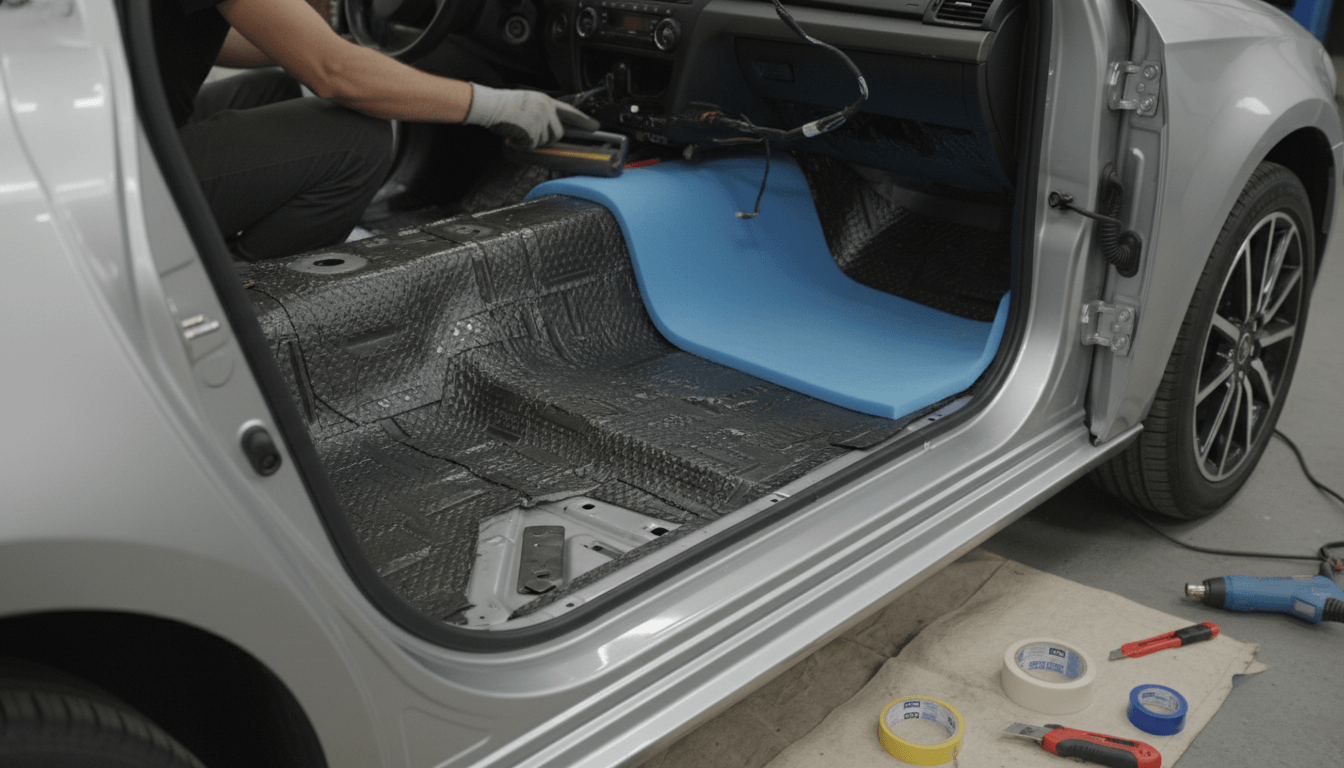
Understanding Car Sound Deadening vs. Thermal Insulation
If you really want to cut down on car noise, you've got to understand that noise gets into your car in two main ways: through structure-borne vibrations and airborne sound waves. So, a complete solution needs a two-pronged approach.
Sound Deadening (Dampening)
Sound deadening is mostly for structure-borne noise. When your car moves, the metal panels (doors, floor, and roof) vibrate because of the engine, suspension, and road texture. These vibrating panels basically act like giant speakers, amplifying the noise inside the cabin.
We use butyl rubber sound deadener mats, also known as constrained layer dampers (CLD), to combat this. These dense, sticky mats stick to the sheet metal. They convert the vibrational energy of the panel into low-level heat energy through a physical process called viscoelasticity. They add mass and rigidity, which stops the panel from ringing. Instead of the tinny "ping" of sheet metal, you get a solid "thud."
Sound Absorption and Insulation
Deadening stops vibrations but doesn't do much to block noise like traffic, wind, or loud exhausts. That's where sound insulation and absorption come in.
· Blocking: Barrier materials, like Mass Loaded Vinyl (MLV), act as a heavy, dense shield that reflects sound waves away from the cabin.
· Absorbing: So, soft materials like acoustic foam or fiber mats are great because they trap sound waves, which prevents them from bouncing around inside the door panels or dashboard.
· Thermal Control: A lot of these insulation materials also work as thermal barriers, which means they reduce heat transfer from the engine bay and hot asphalt, keeping your interior cooler.
To get the best results, it's best to use a layered approach. Start with a vibration damper, then add a decoupler (like foam), and finish with a noise barrier (MLV).
Benefits of Installing Sound Deadening Insulation in Your Car
Investing in the best soundproofing material for cars has numerous advantages.
1. Enhanced Driving Comfort: High noise levels can really wear on drivers. You can make a more relaxing environment by lowering the noise floor, which makes long road trips less exhausting.
2. Your audio experience is about to get better. This is a big step up for anyone who loves high-quality audio. Car audio sound insulation keeps your door panels from vibrating with your speakers. It gets rid of back-wave cancellation, which gives you tighter, punchier bass, clearer vocals, and a much wider soundstage.
3. Thermal Regulation: If your car is well-insulated, your air conditioning system won't have to work as hard. Materials such as closed-cell foam are excellent insulators, keeping the heat out in the summer and the warmth in the winter.
4. Premium Feel & Resale Value: There's a clear link between silence and luxury in the subconscious. The doors feel solid, and the cabin is quiet. Even an economy car feels like a high-end vehicle, which is a strong selling point.
5. Protection Against Vibrations: Over time, vibrations can loosen screws and clips, causing annoying rattles. Sound deadening can prevent these issues before they start.
Types of Car Sound Deadening & Insulation Materials
The market for automotive sound insulation materials can be confusing. Here's a rundown of the key products: The market for automotive sound insulation materials can be confusing. Here's a rundown of the key products:
Butyl Rubber Sound Deadening Mats (CLD Tiles)
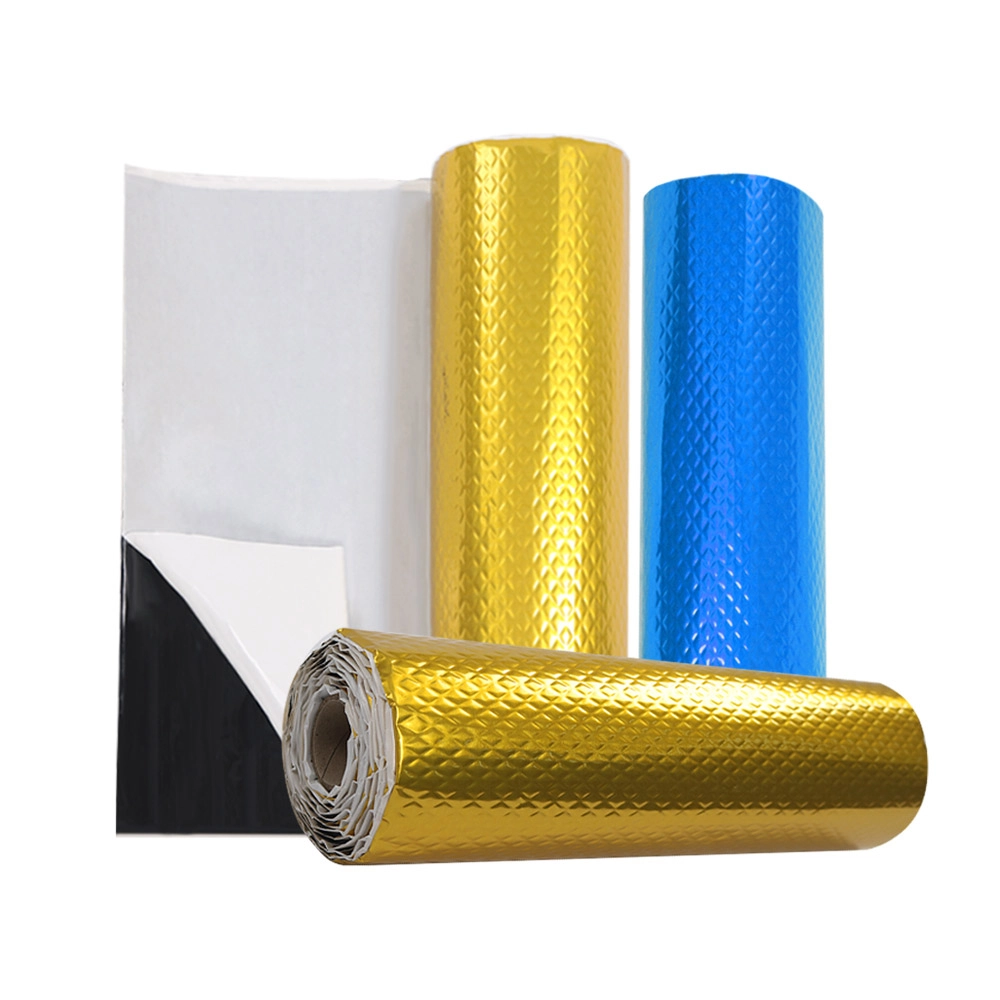
These are key to any soundproofing project. You can find butyl-based sheets with a foil backing at brands like Dynamat, Kilmat, and Second Skin. They're odorless, heat-resistant, and super adhesive. Butyl rubber is the superior choice for sound deadening, providing excellent vibration reduction and long-lasting performance.
· Best Use: Just put it on metal surfaces like doors, floors, and trunk lids to stop that annoying resonance.
Mass Loaded Vinyl (MLV)
MLV is a dense, heavy vinyl sheet with metal particles to make it heavier without making it thicker. It's flexible but does a great job of blocking out noise.
· Best Use: Put it on the floor, firewall, and wheel wells to block out road and exhaust noise.
Closed-Cell Foam (CCF)
CCF is a lightweight, waterproof foam. It's not like open-cell foam, which soaks up water. That makes it perfect for car doors.
· Best Use: It's used as a "decoupler" layer between the hard CLD/metal and the hard plastic trim or MLV. It stops things from rattling between layers and provides thermal insulation.
Open-Cell Foam (Acoustic Foam)
Similar to studio foam, this material is excellent at absorbing high-frequency echoes and resonance.
· Best Use: Inside door panels, headliners, or pillars to soften internal acoustics.
Spray-On Deadener
You can spray or brush liquid sound deadeners onto hard-to-reach areas or wheel wells.
· Best Use: Problems like exterior wheel arches or interior panels that are shaped oddly can make it tough to put in floor mats.
Hoodliner Insulation
This is a special kind of thick foam with a reinforced, heat-reflective surface.
· Best Use: It's designed to absorb engine noise and protect the hood paint from high temperatures.
Where to Install Car Sound Deadening Insulation for Maximum Impact
Not all parts of the car are created equal when it comes to noise. Here are the zones to prioritize:
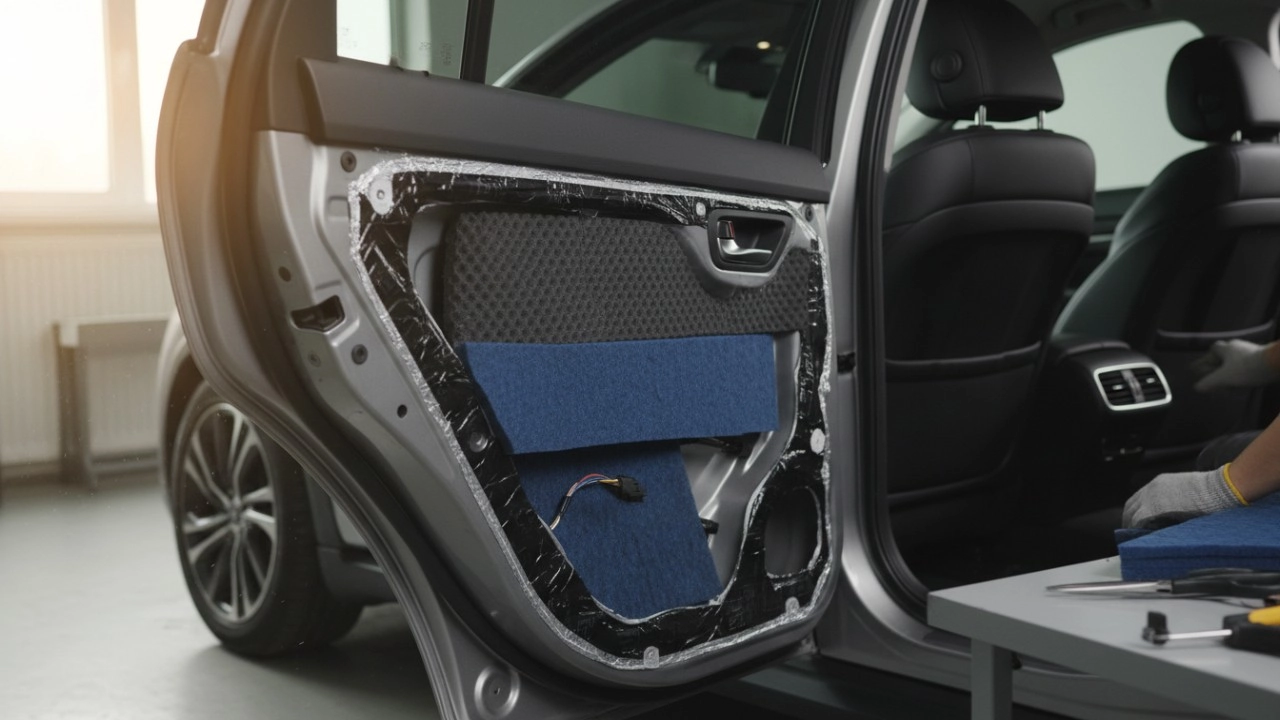
· Doors: It's the most popular place to start. Sound insulation car door treatments reduce road noise passing through the thin metal and drastically improve speaker performance.
· Floor & Firewall: The floor is the biggest way that road rumble and heat get in. The firewall lets engine noise get into the cabin. Treating these areas offers the biggest reduction in decibels.
· Trunk & Rear Wheel Wells: In sedans and hatchbacks, the trunk acts like an echo chamber, making the exhaust drone and rear tire noise even louder. It's really important to dampen the wheel wells if you want a quieter ride on the highway.
· Roof: It's basically a thin sheet of metal that vibrates easily. Treating the roof can reduce wind noise and rain sounds while also blocking radiant heat from the sun.
· Hood: Putting in a hood liner cuts down on the noise from the engine that you can hear outside the car and keeps it from getting into the cabin through the windshield.
A Step-by-Step Guide to Installing Car Sound Deadening Insulation
You can get professional results by following these steps.
1. Preparation
Gather your tools: a sound deadening foam for car application, a roller, a heavy-duty utility knife, gloves, and a degreaser (like isopropyl alcohol). You'll need to take out the interior trim in the area you're working on. Take pictures of the screws and clips to make putting it back together easier.
2. Clean the Surface
This is the most important step. Use the degreaser to get rid of any factory dust, grease, and wax on the metal. If the surface isn't clean, the adhesive on the butyl mats won't stick.
3. Application of CLD Tiles
Then, cut your butyl rubber mats to size. Just peel off the backing and stick them on the metal.
· Pro Tip: You don't need 100% coverage for vibration dampening. You'll get enough coverage if you put it on about 60-70% of the flat metal surface. That'll stop the resonance.
· Rolling: Use the roller to press the mat down firmly. Remove any air bubbles; the foil texture should be smooth and flat. How well it works depends on how well the mat and the metal bond.
4. Application of MLV & CCF (Optional but Recommended)
If you're going for full soundproofing, put a layer of Closed-Cell Foam (CCF) over the deadener and then a layer of Mass Loaded Vinyl (MLV).
· Note: For MLV to work effectively, it should cover 100% of the area with no gaps, acting as a seamless blanket.
5. Reassembly
Carefully reinstall your carpets, door cards, and seats. If you added thick layers of MLV, you might need to trim the foam slightly or adjust clips to ensure panels fit back together snugly.
6. Testing
Take the car for a drive. You should notice an immediate difference—the doors will shut with a solid sound, the music will sound clearer, and the road roar will be significantly muted.
Tips for Success & Avoiding Common Mistakes
· Don't go overboard with the CLD: Adding too many layers of butyl deadener doesn't really pay off. Just stick to one good layer with 60-70% coverage to keep weight and cost down.
· Focus on the Seals: Even the best insulation won't do you any good if your door seals are torn. Make sure you check the weatherstripping before you get started.
· Use the right tools: And please, don't try to apply mats with your bare hands. You'll need a wooden or rubber roller to activate the pressure-sensitive adhesive.
· Keep an eye on the weight: Car sound insulation materials, especially MLV, are heavy. Keep an eye on how much weight you're adding, especially in smaller, low-power vehicles.
· Layering is Key: Don't put all your eggs in one basket. Use butyl for vibration, foam for decoupling, and vinyl for blocking. This "sandwich" method is the secret to luxury-level silence.
· Safety First: Metal edges can be razor-sharp inside door panels. And always remember to wear cut-resistant gloves.
Conclusion: Transform Your Driving Experience
Upgrading your car with sound deadening insulation is one of the best modifications you can make. It changes the car's personality completely, turning a noisy, rattling tin can into a solid, quiet, and comfortable cruiser. If you're looking to enhance the nuances of your music, ease the wear and tear of a long commute, or just keep your cabin cool this summer, investing in high-quality soundproofing is always worth it. Take action today and enjoy the silence.
FAQ
What is the difference between sound deadening and sound insulation?
Sound deadening (or dampening) primarily reduces vibrations and structural noise by adding mass to panels, effectively stopping the metal from ringing. Sound insulation (or absorption) blocks airborne noise and absorbs sound waves, while also providing thermal benefits. Often, a combination of both is used for optimal results.
How much sound deadening material do I need for my car?
For vibration dampening (CLD tiles), covering 60-70% of a panel's surface is generally sufficient to stop resonance. However, for airborne noise blocking using materials like MLV or foam, full coverage of the target area (e.g., the entire floor or firewall) is ideal to prevent sound leaks. The total amount depends on the vehicle size and the specific areas you plan to treat.
Can sound deadening improve my car's audio system?
Yes, significantly. By reducing panel vibrations and preventing external noise from masking your music, sound deadening allows your speakers to perform more accurately. This results in cleaner bass, improved mid-range clarity, and a better overall sound stage, making your audio system sound much more expensive than it is.
Is installing car sound deadening a DIY project, or should I hire a professional?
It can certainly be a DIY project, especially for basic applications like doors or trunks, though it requires patience and attention to detail. More complex installations involving the full floor, firewall, or headliner might be challenging and time-consuming for beginners due to the required disassembly. Hiring a professional ensures proper installation, but it comes at a higher cost.
What are the most important areas to sound deaden in a car?
The most impactful areas are typically the doors (for reducing road noise and improving speaker performance), the floor (for combating road roar and exhaust noise), and the trunk (for reducing exhaust drone and rattles). The firewall is crucial for engine noise, and the wheel wells are key for tire noise.
Does sound deadening add significant weight to my car?
Yes, sound deadening materials add weight. The total weight depends on the amount and type of material used. A full car treatment can add anywhere from 50 to 150+ pounds. While this is noticeable, for most daily drivers, the benefits in comfort and noise reduction often outweigh the minor impact on fuel economy or acceleration performance.
Can sound deadening also help with car heat insulation?
Absolutely. Many sound deadening and insulation products are designed to block both sound and heat. Materials like closed-cell foam (CCF) and mass loaded vinyl (MLV) act as excellent thermal barriers, helping to keep your car cooler in the summer and warmer in the winter, reducing the load on your A/C.
How long does car sound deadening last?
High-quality butyl rubber sound deadening materials are designed to be extremely durable and can last the lifetime of the vehicle if properly installed. They are chemically resistant to temperature changes, moisture, and wear, ensuring their effectiveness for many years without degrading or peeling.

How to Choose the Best Car Soundproofing Materials for Maximum Noise Reduction
Complete Guide to Car Sound Deadening: Materials, Benefits and Installation
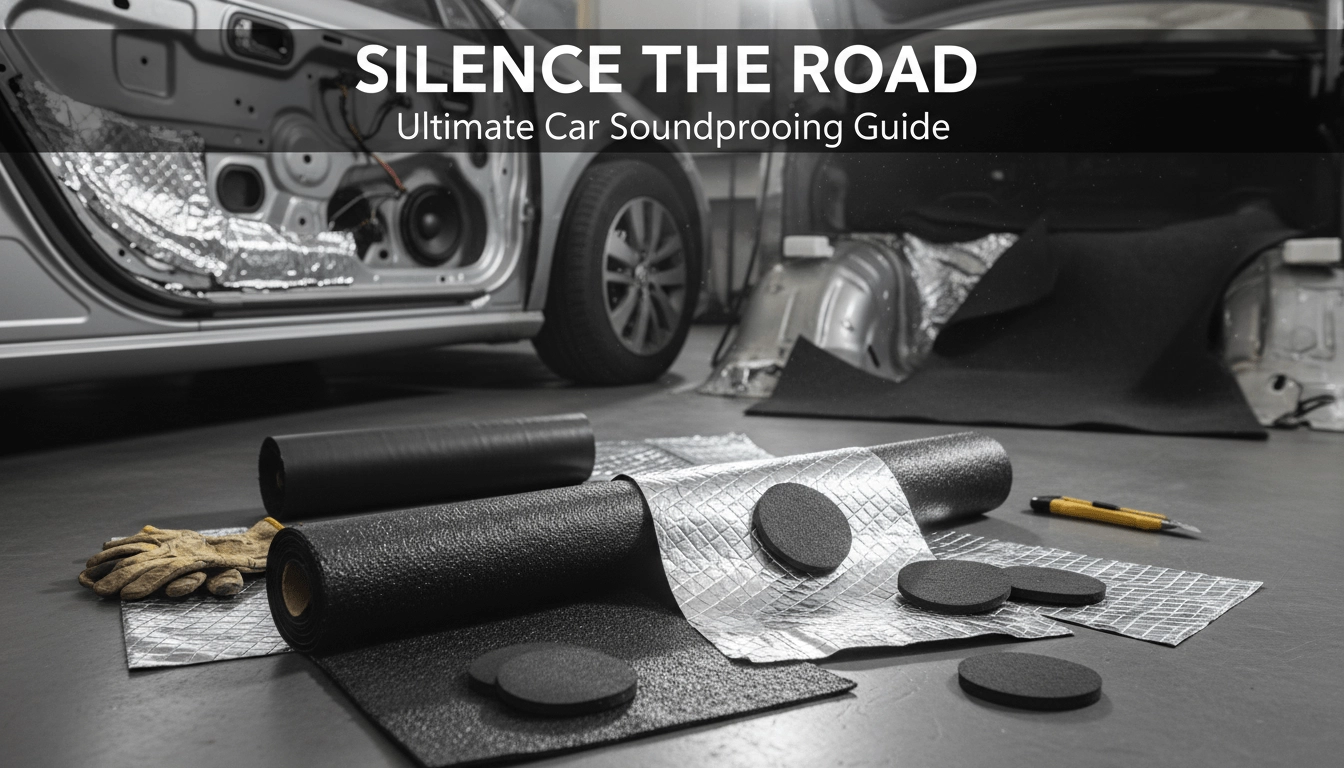
Main Types of Car Soundproofing Materials
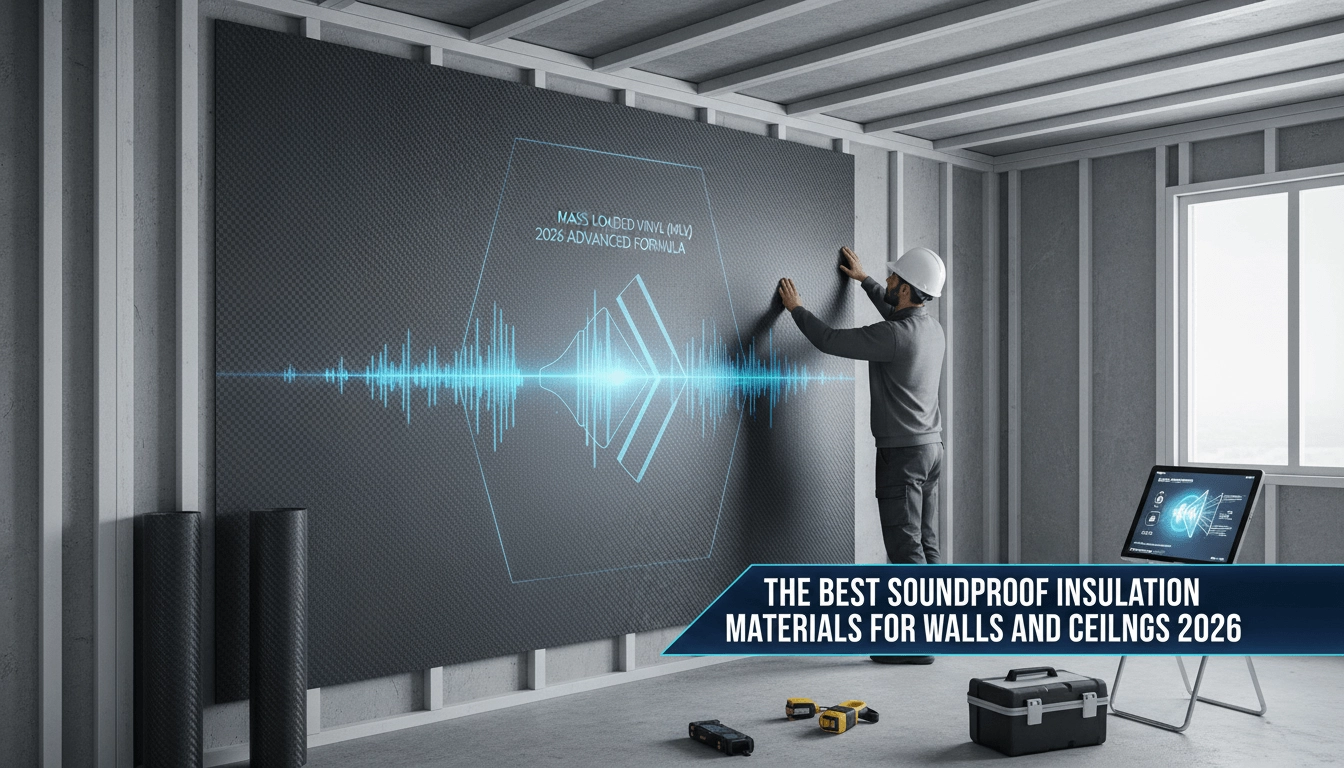
The Best Soundproof Insulation Materials for Walls and Ceilings 2026
Global Automotive Soundproofing Materials Market Trends & Forecast (2026–2035)
FAQs
How to customize products that meet the needs of my industry?
You only need to contact our sales or technical team, we will conduct an in-depth analysis based on your industry needs and provide tailor-made products and solutions. We guarantee to provide you with efficient and accurate services to meet your personalized requirements.
Does ASLONG provide after-sales service?
Yes, we provide a full range of after-sales services, including technical support, installation guidance, product maintenance and quality tracking, etc., to ensure that each project goes smoothly and continues to perform at its best.
What specific functions can ASLONG's products provide?
Our products cover functions such as insulation, sound insulation, shock absorption, waterproofing and sealing, and are widely used in improving energy efficiency, reducing noise, controlling vibration, protecting equipment, etc., helping customers optimize engineering effects and improve user experience.
What industries are the products provided by ASLONG suitable for?
ASLONG's products are suitable for multiple industries, including air conditioning and HVAC, construction and waterproofing, automobiles and transportation, home appliances and electronics, industrial equipment and machinery, etc. We provide customized solutions for each industry to meet different needs.
Do ASLONG's products meet environmental protection standards?
Yes, all ASLONG products comply with ISO14001 environmental management system certification and global environmental protection standards. We use environmentally friendly materials and are committed to providing sustainable solutions to help customers achieve green development goals.
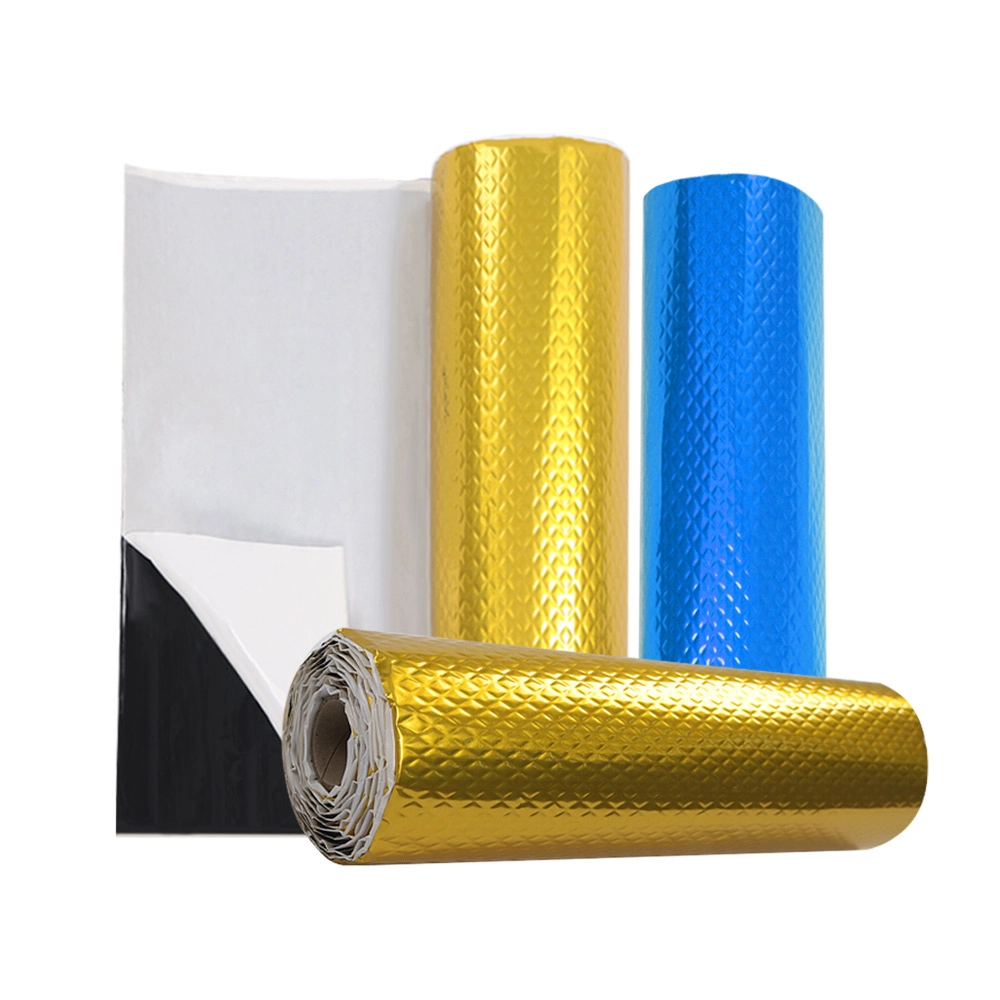
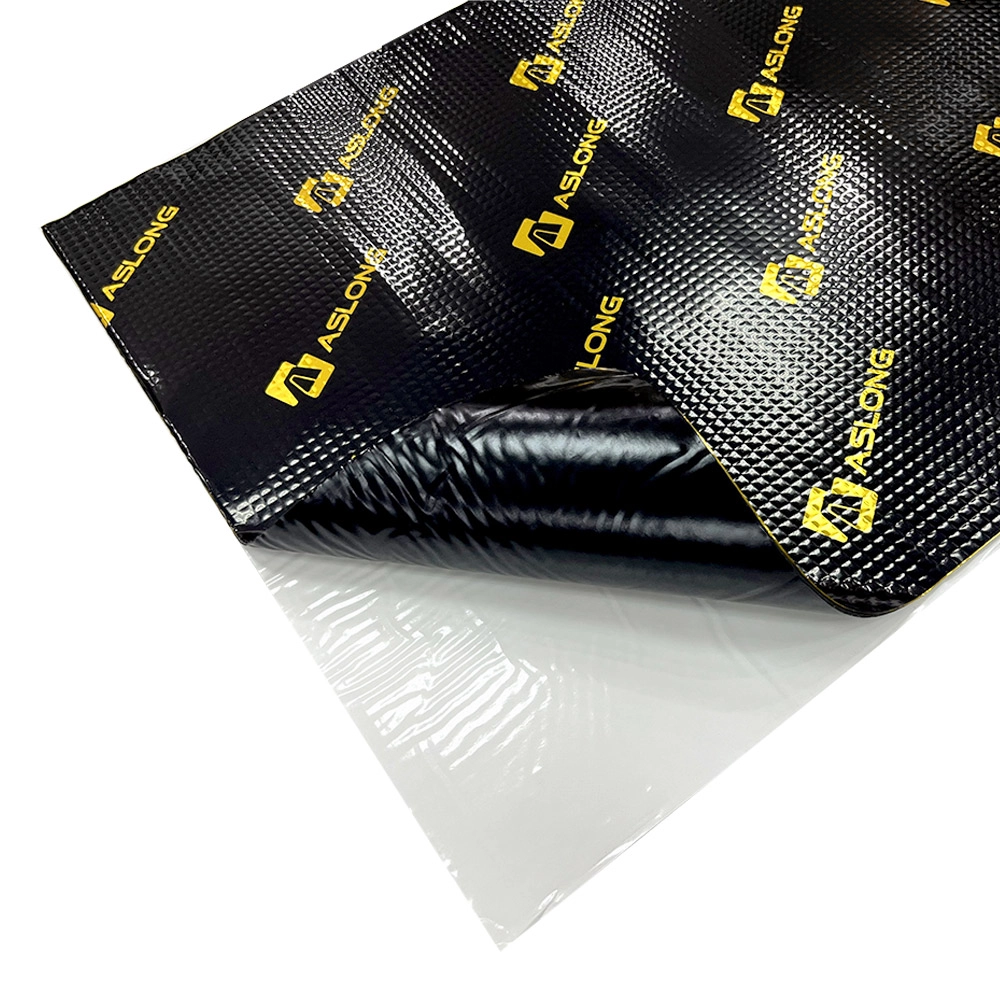
Butyl Rubber Sound Damping Mat
ASLONG Butyl Rubber Sound Damping Mat for sale. Effectively reduces noise and vibrations. High-quality butyl rubber ensures superior performance and durability. Ideal for automotive, industrial, and home applications.
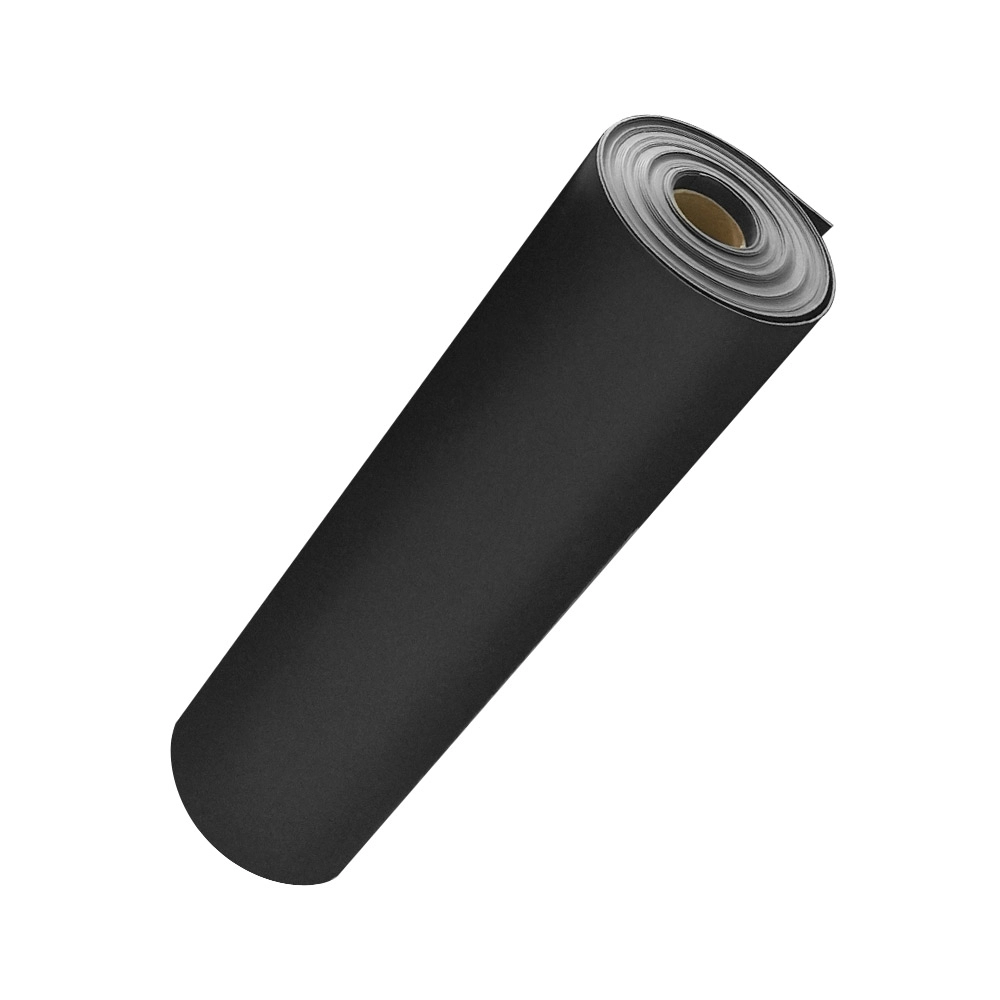
Mass Loaded Vinyl
ASLONG Mass Loaded Vinyl for sale. Reduce noise pollution effectively with our high-quality, mass-loaded vinyl. Ideal for soundproofing walls, floors, and more. Buy now and experience the difference!
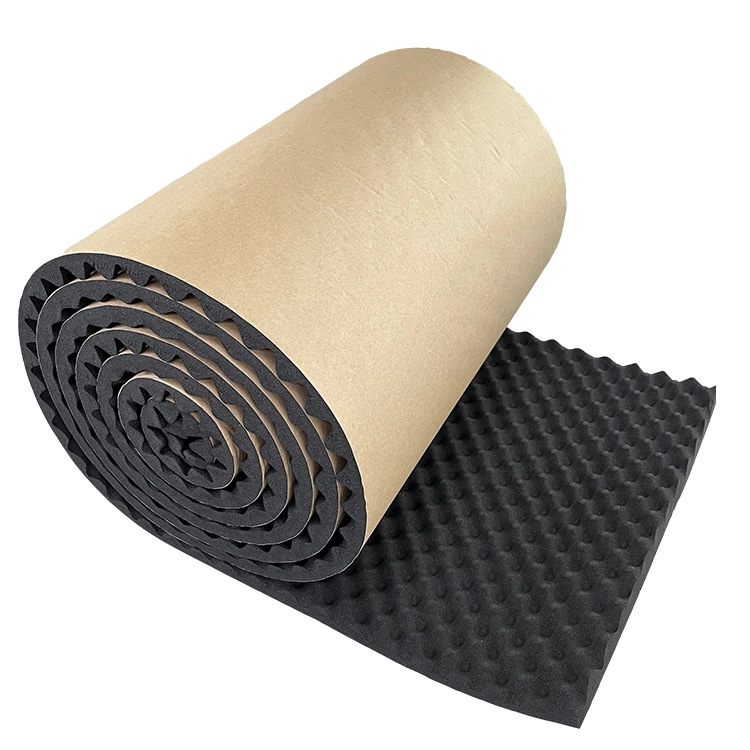
Egg Crate Foam
ASLONG Egg Crate Foam for sale. Lightweight, breathable, and comfortable, our egg crate foam provides superior support and pressure relief. Perfect for mattresses, cushions, cars, construction industry, KTV, factories, etc.
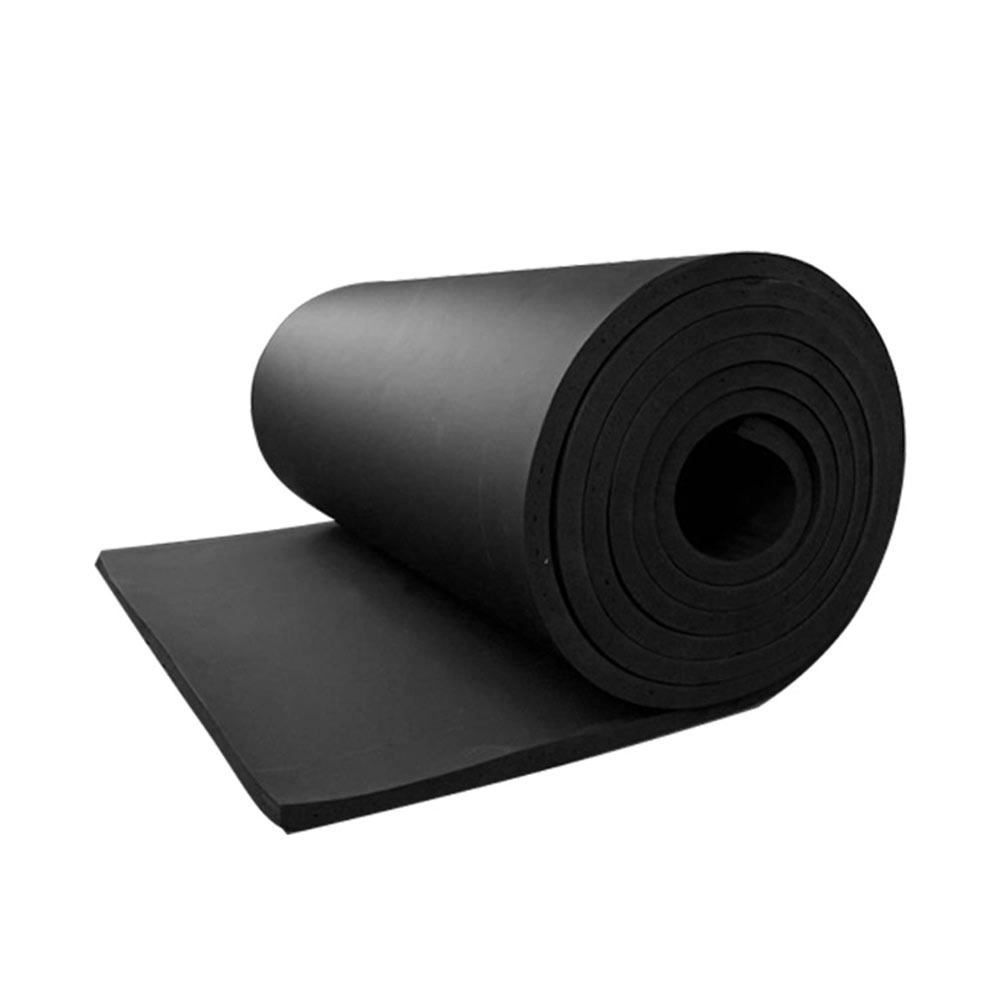
NBR Foam
ASLONG NBR Foam: Wholesale NBR foam solutions for diverse applications. High-quality, durable, and competitively priced. Contact us today for bulk orders.
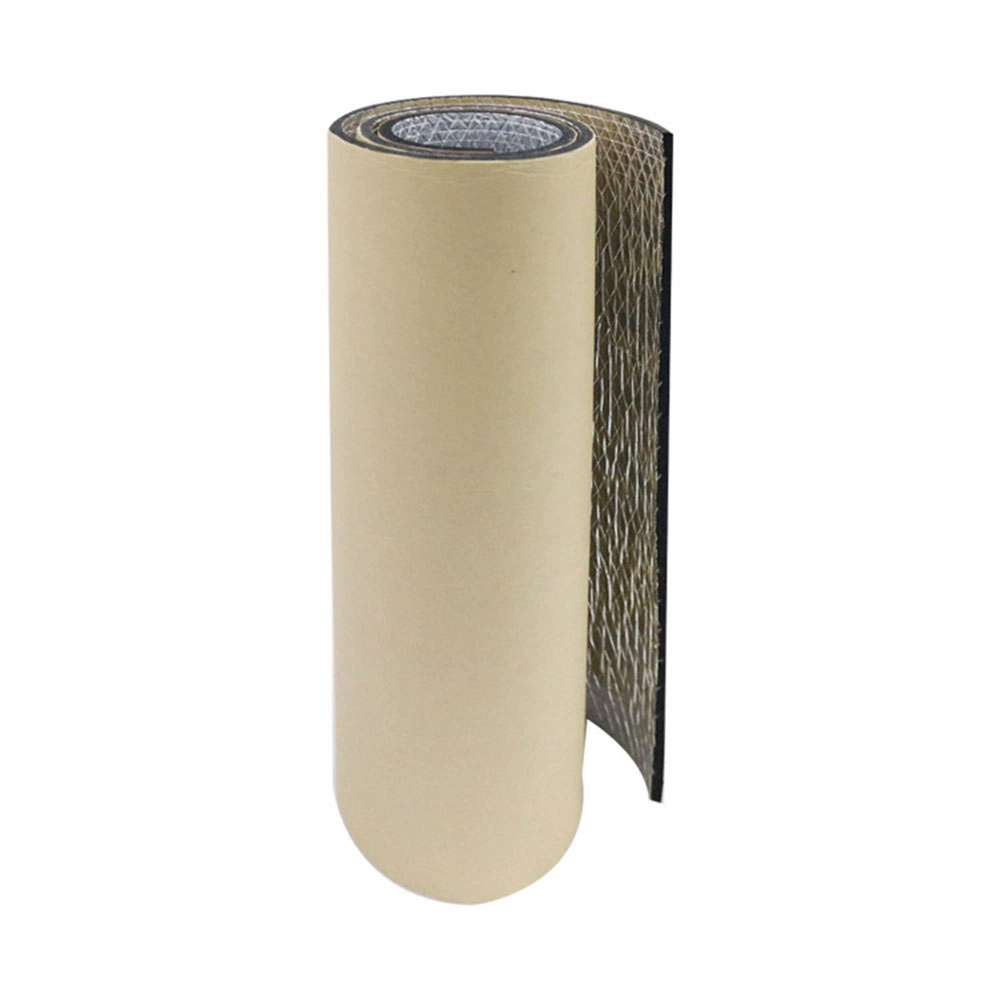
Multi layer Composite NBR foam
ASLONG's multi-layer composite NBR foam is your premium choice for superior cushioning and durability. Ideal for diverse applications, this high-quality NBR foam is available for sale now. Contact us for bulk orders.
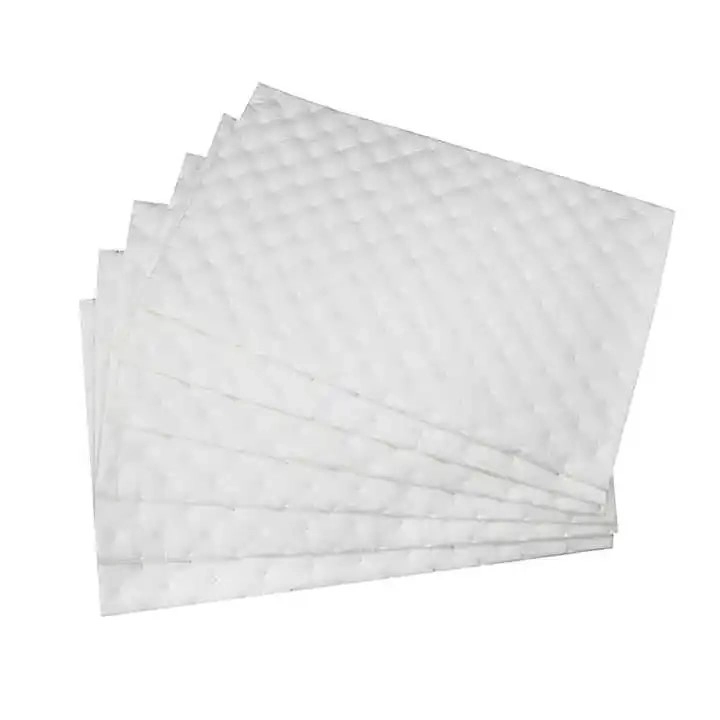
Sound Absorbing White Cotton
Sound-absorbing white cotton Made from PP and PET fibres by melt-blowing, special processes are used to achieve density diversification, sound absorption and noise reduction, thermal insulation, moisture-proof and mold resistance.
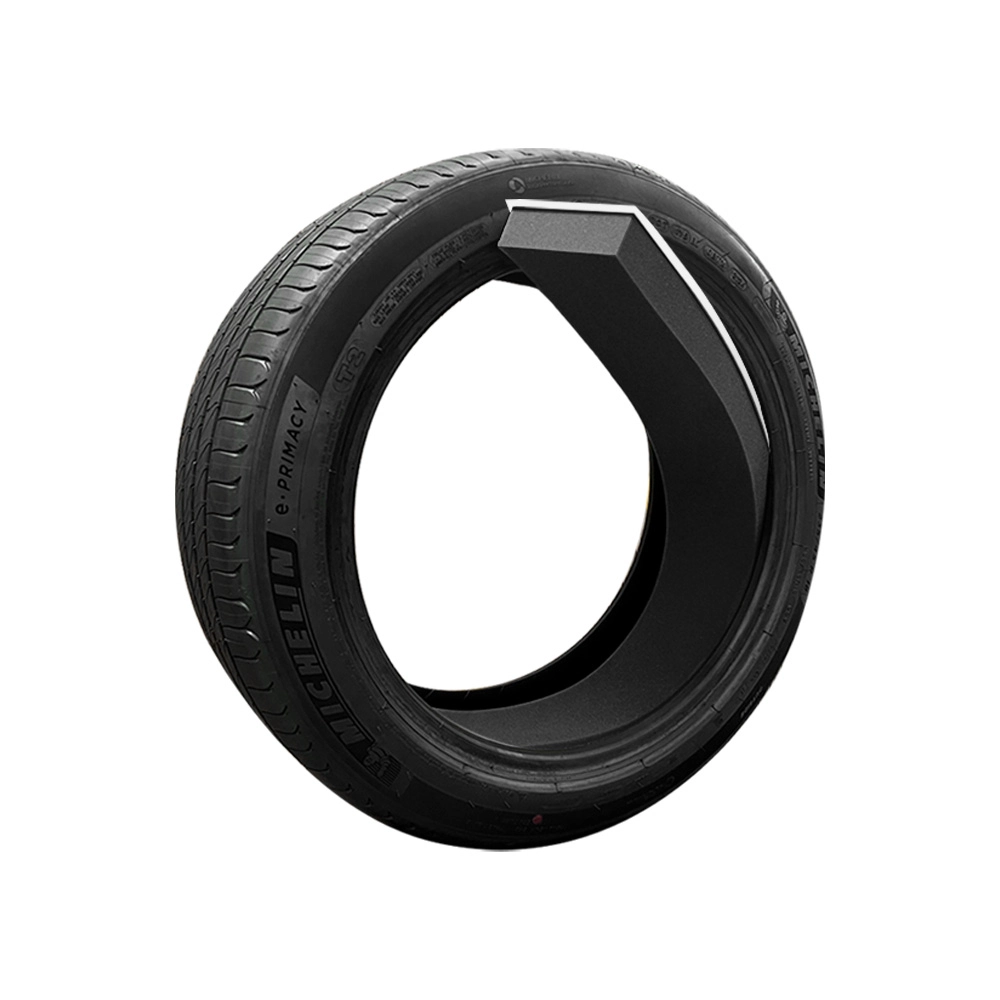
Puncture-Proof Soundproof Tire Foam, Self-Sealing Noise-Reducing Liner for Cars, Anti-Puncture Wheel Protection, Anti-Puncture Noise Reduction
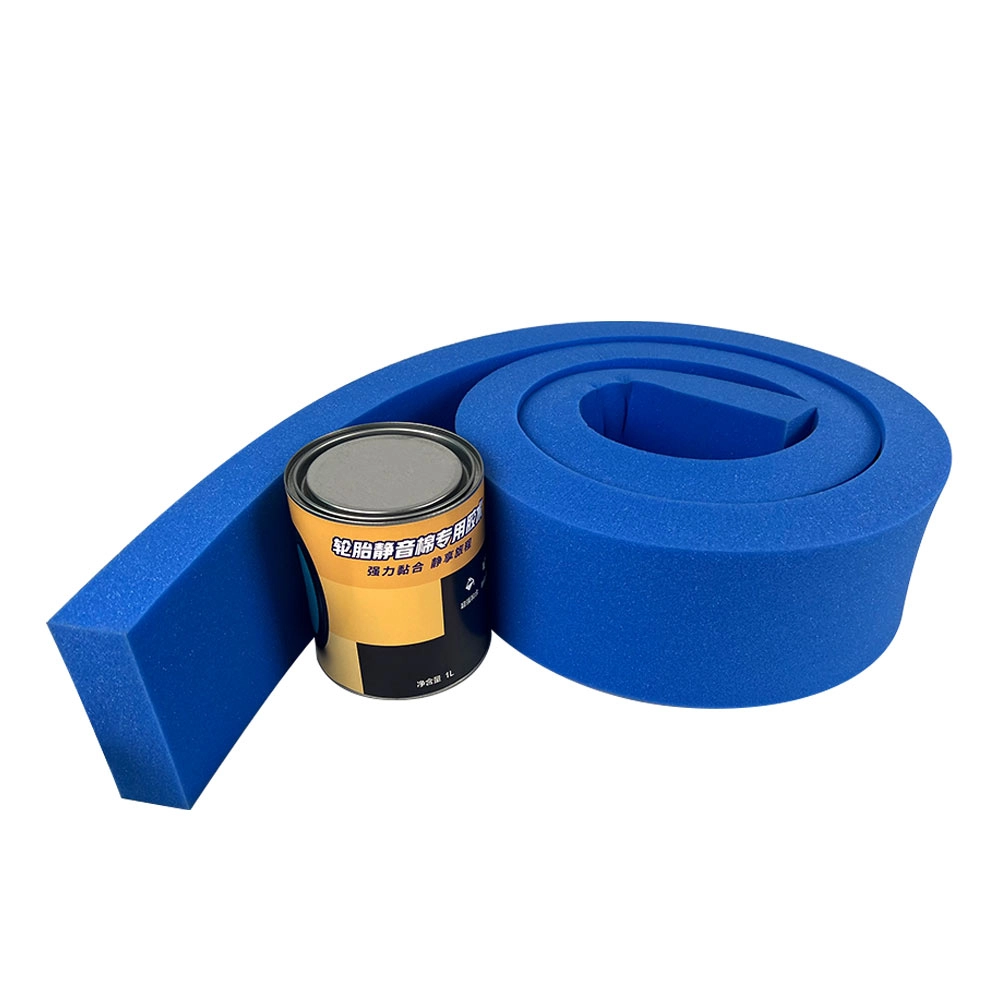
Tire Silent Foam with Special Glue
ASLONG Tire Silent Foam with special glue effectively reduces tire noise. Improve your vehicle's ride comfort. Buy ASLONG Tire Silent Foam for sale now and experience the quiet difference.
Professional support at any time
Contact us for a free quote on our new soundproofing materials!
© 2026 ASLONG All Rights Reserved. Privacy Policy | Terms and Conditions | Sitemap

 It would be pleasure to receive from you.
Whatsapp: +8613242879341
ASLONG Global
ASLONG
Aslong_global