

Complete Guide to Car Sound Deadening: Materials, Benefits and Installation
Modern vehicles are designed with increasing attention to comfort, yet road noise, engine vibration, and structural resonance remain common challenges for drivers. Whether you are an automotive enthusiast, a professional installer, or a manufacturer seeking improved acoustic performance, car sound deadening is one of the most effective solutions for enhancing the driving experience.
Sound deadening materials are engineered to reduce unwanted vibrations and minimize noise transmission throughout a vehicle’s body structure. When properly installed, these materials transform a noisy cabin into a quieter, more refined environment—making every journey smoother and more enjoyable.
This comprehensive guide explores the science behind car sound deadening, the materials used in modern automotive insulation, and how proper installation can dramatically improve acoustic comfort.
- What Causes Noise Inside a Car
- Road Noise
- Engine and Mechanical Noise
- Structural Resonance
- How Sound Deadening Materials Work
- Vibration Damping
- Sound Absorption
- Thermal Insulation
- Types of Automotive Sound Insulation Materials
- Butyl Rubber Sound Deadening Mats
- Foam Insulation Materials
- Aluminum Heat Shields
- Where to Install Sound Deadening in a Car
- Car Doors
- Floor Panels
- Trunk Area
- Roof Panels
- Hood and Firewall
- Benefits of Installing Sound Deadening Mats
- Improved Driving Comfort
- Better Audio System Performance
- Enhanced Thermal Insulation
- Increased Vehicle Value
- Reduced Structural Vibration
- Common Mistakes to Avoid
- Installing Without Surface Preparation
- Using Low-Quality Materials
- Applying Too Much Material
- Ignoring Secondary Insulation Layers
- FAQ
- How much noise can sound deadening reduce?
- Is sound deadening worth it?
- How much material is needed for a car?
- Can I install sound deadening myself?
- Conclusion
What Causes Noise Inside a Car
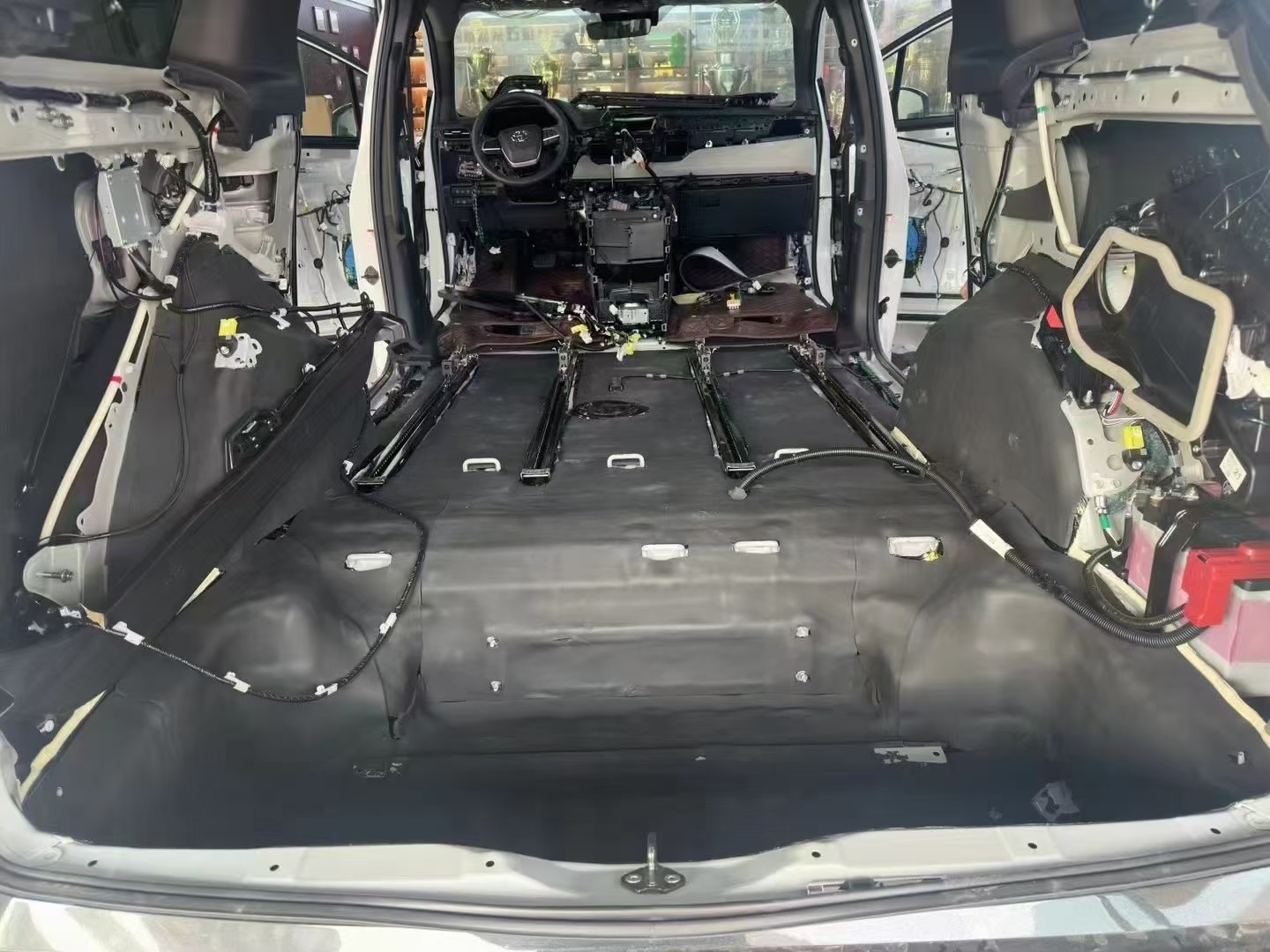
To understand how sound deadening works, it is essential to first identify the sources of noise within a vehicle. Automotive noise generally originates from three main areas.
Road Noise
Road noise is produced when tires interact with pavement. Vibrations from the road surface travel through the suspension and into the vehicle’s metal panels, creating low-frequency rumbling inside the cabin.
Engine and Mechanical Noise
The engine, transmission, and drivetrain generate significant mechanical vibration. These vibrations can propagate through the firewall, hood, and chassis structure.
Structural Resonance
Vehicle body panels such as doors, floors, and roofs can act like thin metal drums. When exposed to vibration, they resonate and amplify noise.
Without proper insulation, these combined factors create an environment where sound waves bounce and amplify inside the vehicle.
How Sound Deadening Materials Work
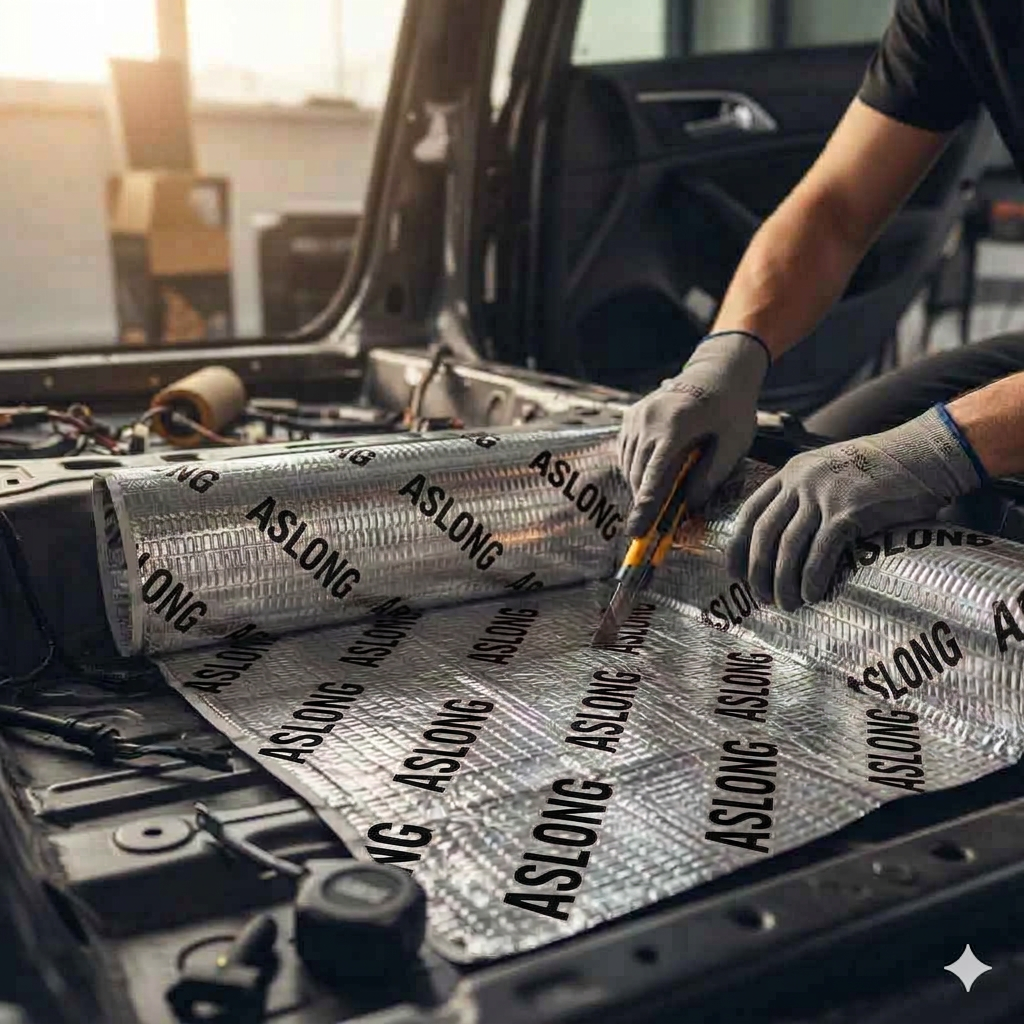
Sound deadening materials primarily function by controlling vibration rather than completely blocking sound. Their role is to absorb and dampen the energy that causes metal panels to resonate.
When a vibration reaches an untreated metal surface, the panel flexes and produces audible noise. However, when a sound deadening mat is applied, the additional mass and damping properties reduce the panel’s ability to vibrate.
The result is a dramatic reduction in resonance and airborne noise.
High-quality sound deadening systems typically work through three acoustic principles:
Vibration Damping
Butyl-based mats convert vibrational energy into low-level heat, preventing panels from resonating.
Sound Absorption
Foam layers absorb airborne noise waves and prevent sound reflections within the cabin.
Thermal Insulation
Many modern sound deadening materials also provide heat resistance, helping regulate cabin temperature and protect components from engine heat.
Types of Automotive Sound Insulation Materials
The effectiveness of soundproofing largely depends on the materials used. Automotive insulation typically falls into several key categories.
Butyl Rubber Sound Deadening Mats
Butyl rubber mats are widely considered the industry standard for vibration damping. These mats usually feature a layer of aluminum foil combined with a butyl adhesive layer.
Key advantages include:
-
Excellent vibration damping
-
Strong adhesion to metal surfaces
-
High temperature resistance
-
Long lifespan without odor or degradation
Because of their performance and durability, butyl-based materials are used in many modern vehicles.
Foam Insulation Materials
Closed-cell foam materials such as NBR or PE foam are commonly used as secondary insulation layers.
Their primary function is to absorb airborne sound and provide thermal insulation. Foam layers are especially effective when installed over vibration-damping mats.
Aluminum Heat Shields
Aluminum foil layers reflect radiant heat from the engine and exhaust system. This makes them particularly useful for hood insulation and firewall applications.
Where to Install Sound Deadening in a Car
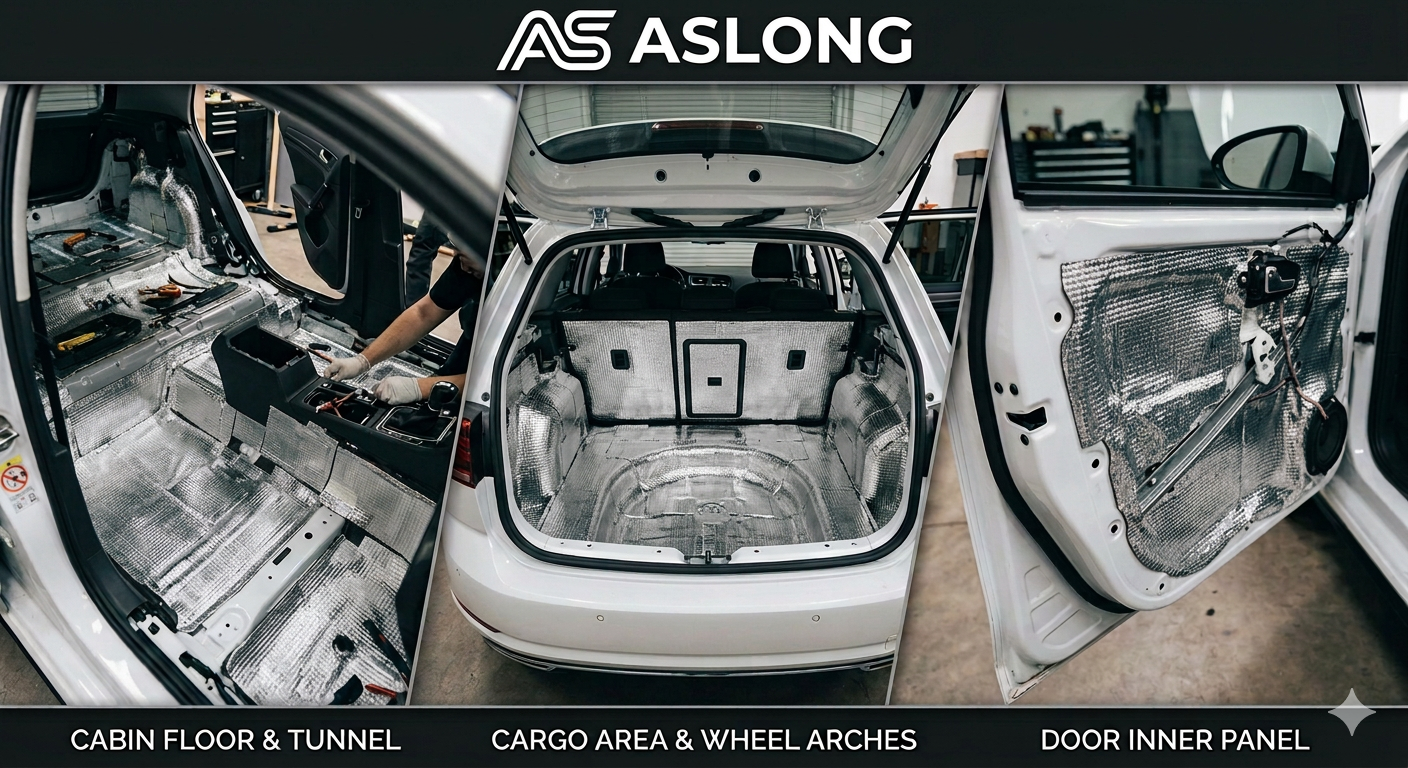
Strategic placement of sound insulation materials can significantly improve acoustic performance. The most common installation areas include the following.
Car Doors
Doors are one of the largest thin-metal structures in a vehicle. Treating door panels helps reduce vibration and improves audio system performance.
Floor Panels
The vehicle floor is highly exposed to road noise and tire vibration. Applying sound deadening mats here dramatically reduces cabin noise.
Trunk Area
The trunk can act as a resonance chamber. Soundproofing this area helps reduce low-frequency vibration.
Roof Panels
Roof insulation reduces rain noise and wind turbulence while improving cabin comfort.
Hood and Firewall
Engine noise and heat can be minimized by installing specialized insulation materials beneath the hood.
Benefits of Installing Sound Deadening Mats
Installing sound deadening materials offers a range of benefits that go far beyond noise reduction.
Improved Driving Comfort
A quieter cabin reduces fatigue and makes long journeys more relaxing.
Better Audio System Performance
When door panels vibrate less, speakers produce clearer and more accurate sound.
Enhanced Thermal Insulation
Many sound deadening materials also block heat, improving climate control efficiency.
Increased Vehicle Value
A well-insulated vehicle feels more refined and premium, which can enhance resale value.
Reduced Structural Vibration
Lower vibration levels protect interior components and reduce rattling over time.
Common Mistakes to Avoid
![7 Costly Mistakes to Avoid When Installing Sound Deadening Material [Expert Tips]](https://static.gooecloud.com/upload/img/GY038097216927/7-costly-mistakes-to-avoid-when-installing-sound-deadening-material-expert-tips.png "7 Costly Mistakes to Avoid When Installing Sound Deadening Material [Expert Tips]")
Although sound deadening installation is relatively straightforward, several common mistakes can reduce effectiveness.
Installing Without Surface Preparation
Metal surfaces should be thoroughly cleaned before applying insulation materials to ensure proper adhesion.
Using Low-Quality Materials
Cheap asphalt-based mats can emit odors and degrade in high temperatures.
Applying Too Much Material
Strategic coverage is often more effective than covering every inch of metal surface.
Ignoring Secondary Insulation Layers
Combining damping mats with foam insulation often produces the best results.
FAQ
How much noise can sound deadening reduce?
Properly installed sound deadening materials can reduce cabin noise levels by approximately 3–10 decibels, depending on coverage and material quality.
Is sound deadening worth it?
Yes. Many drivers notice immediate improvements in comfort, audio clarity, and overall vehicle refinement.
How much material is needed for a car?
Most vehicles require between 20 and 50 square feet of sound deadening material, depending on coverage areas.
Can I install sound deadening myself?
Yes. With basic tools and proper preparation, many enthusiasts successfully install sound insulation as a DIY project.
Conclusion
Car sound deadening represents one of the most effective upgrades for improving driving comfort and acoustic performance. By reducing vibration, absorbing unwanted noise, and enhancing thermal insulation, modern soundproofing materials transform the driving experience.
Whether applied to doors, floors, roofs, or engine compartments, properly installed insulation systems create a quieter, more refined environment inside the vehicle.
For drivers who value comfort, clarity, and craftsmanship, sound deadening is not simply an accessory—it is an essential element of automotive refinement.

How to Choose the Best Car Soundproofing Materials for Maximum Noise Reduction
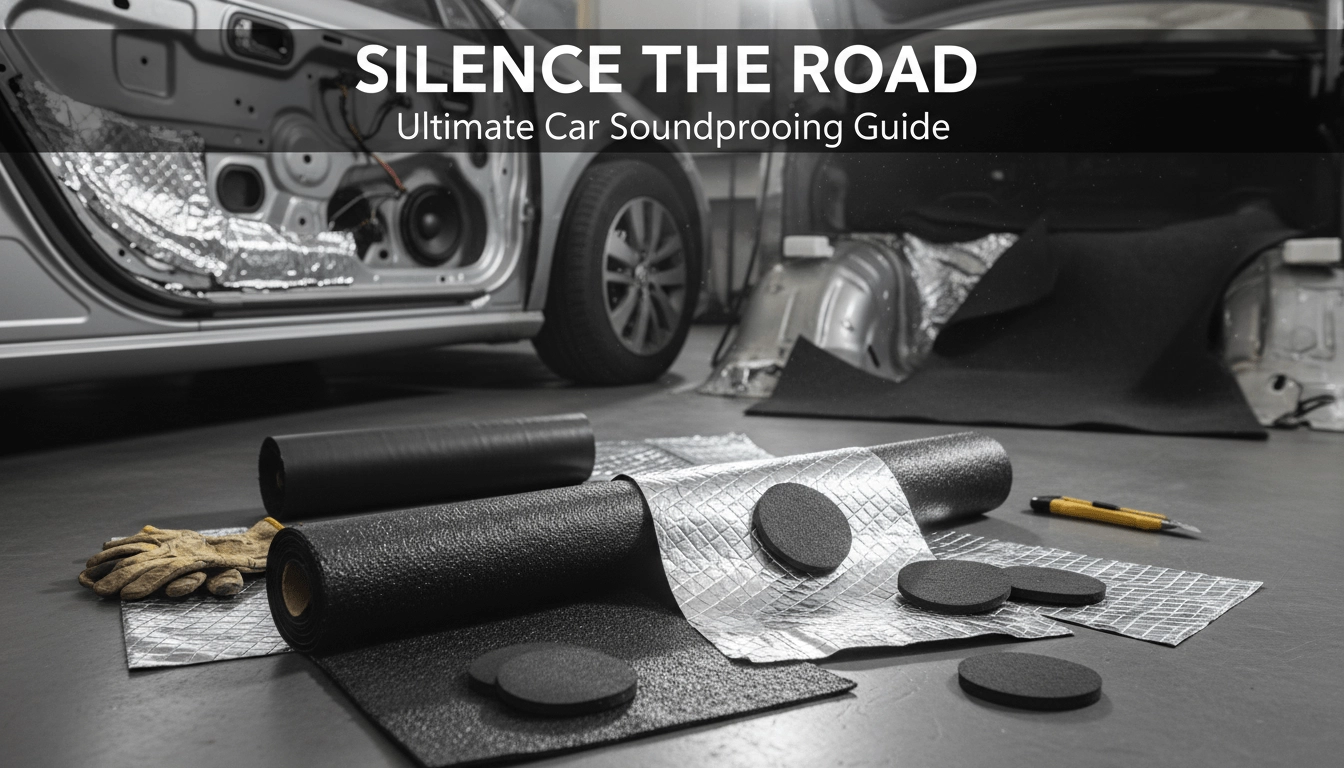
Main Types of Car Soundproofing Materials
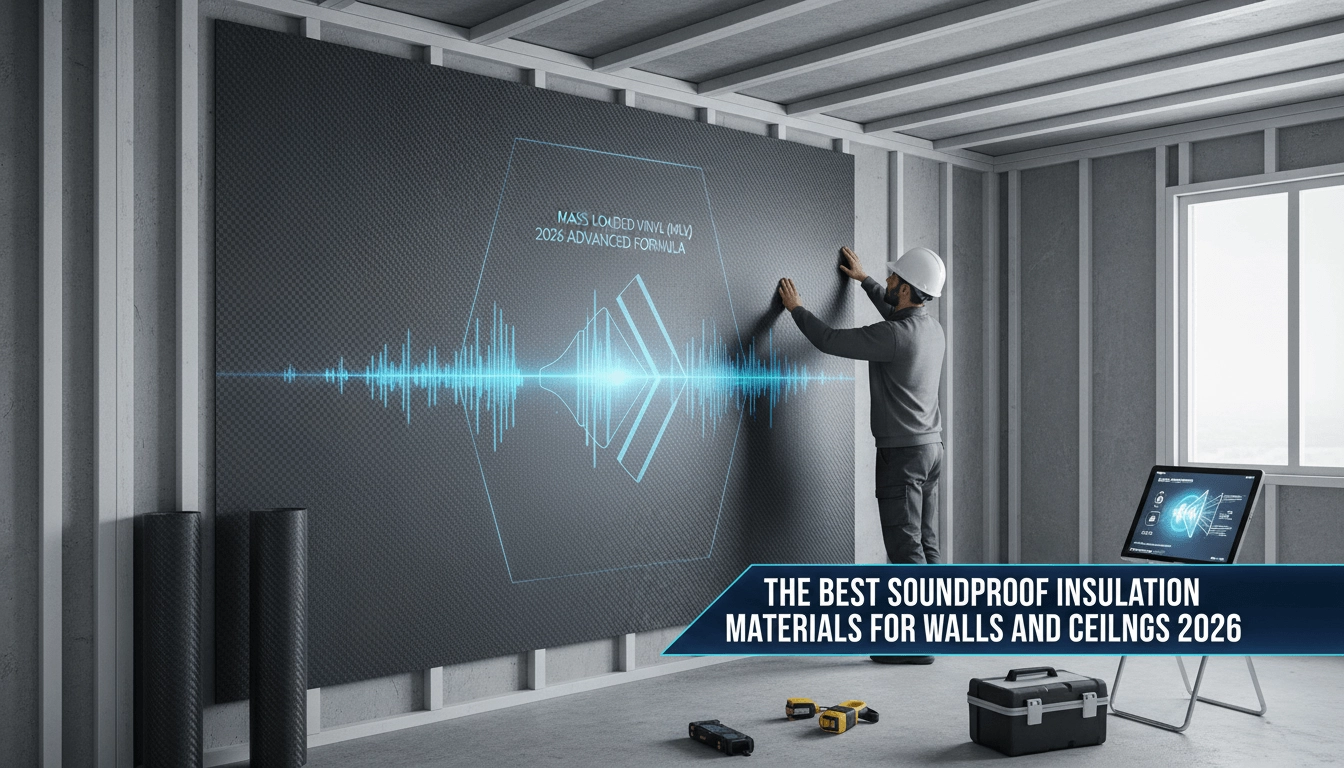
The Best Soundproof Insulation Materials for Walls and Ceilings 2026
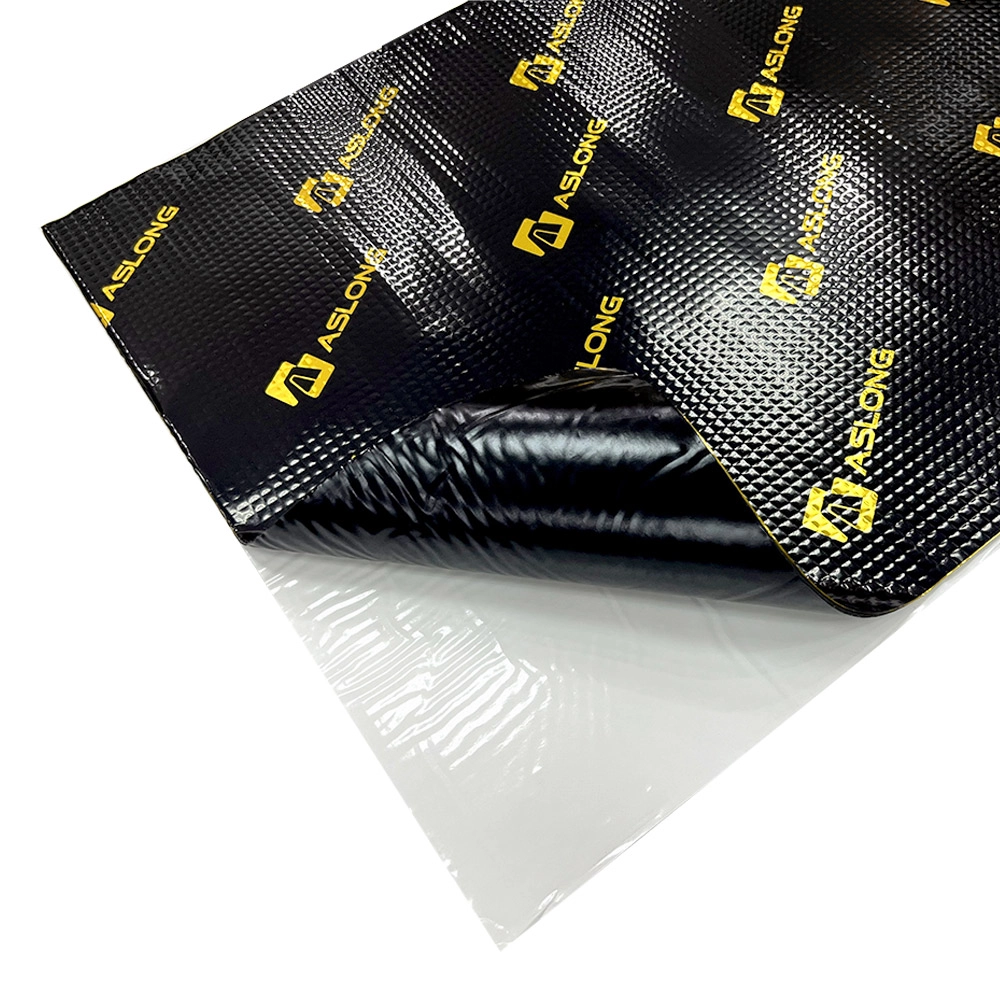
Global Automotive Soundproofing Materials Market Trends & Forecast (2026–2035)
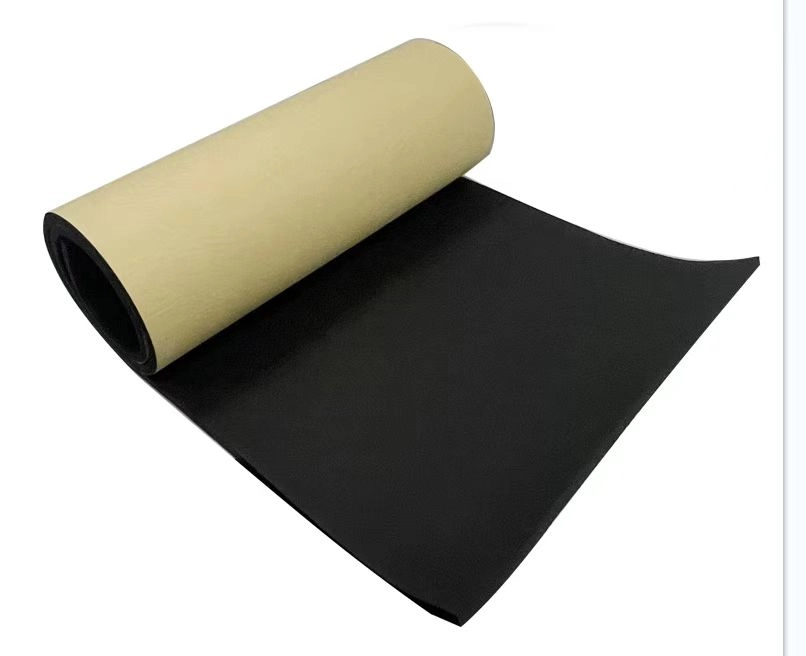
Soundproofing Foam for Car Interior – Reduce Noise & Improve Comfort
FAQs
How to customize products that meet the needs of my industry?
You only need to contact our sales or technical team, we will conduct an in-depth analysis based on your industry needs and provide tailor-made products and solutions. We guarantee to provide you with efficient and accurate services to meet your personalized requirements.
What industries are the products provided by ASLONG suitable for?
ASLONG's products are suitable for multiple industries, including air conditioning and HVAC, construction and waterproofing, automobiles and transportation, home appliances and electronics, industrial equipment and machinery, etc. We provide customized solutions for each industry to meet different needs.
Do ASLONG's products meet environmental protection standards?
Yes, all ASLONG products comply with ISO14001 environmental management system certification and global environmental protection standards. We use environmentally friendly materials and are committed to providing sustainable solutions to help customers achieve green development goals.
Does ASLONG provide after-sales service?
Yes, we provide a full range of after-sales services, including technical support, installation guidance, product maintenance and quality tracking, etc., to ensure that each project goes smoothly and continues to perform at its best.
What specific functions can ASLONG's products provide?
Our products cover functions such as insulation, sound insulation, shock absorption, waterproofing and sealing, and are widely used in improving energy efficiency, reducing noise, controlling vibration, protecting equipment, etc., helping customers optimize engineering effects and improve user experience.
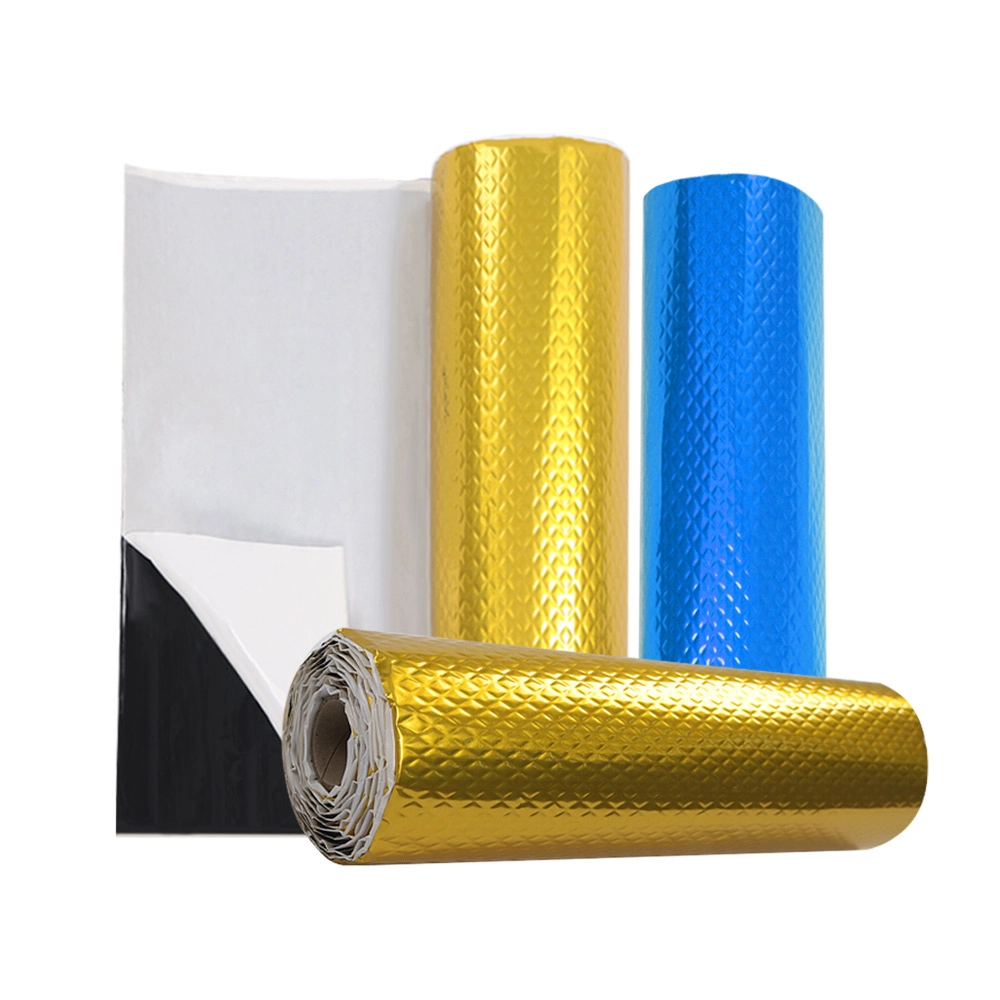
Butyl Rubber Sound Damping Mat
ASLONG Butyl Rubber Sound Damping Mat for sale. Effectively reduces noise and vibrations. High-quality butyl rubber ensures superior performance and durability. Ideal for automotive, industrial, and home applications.
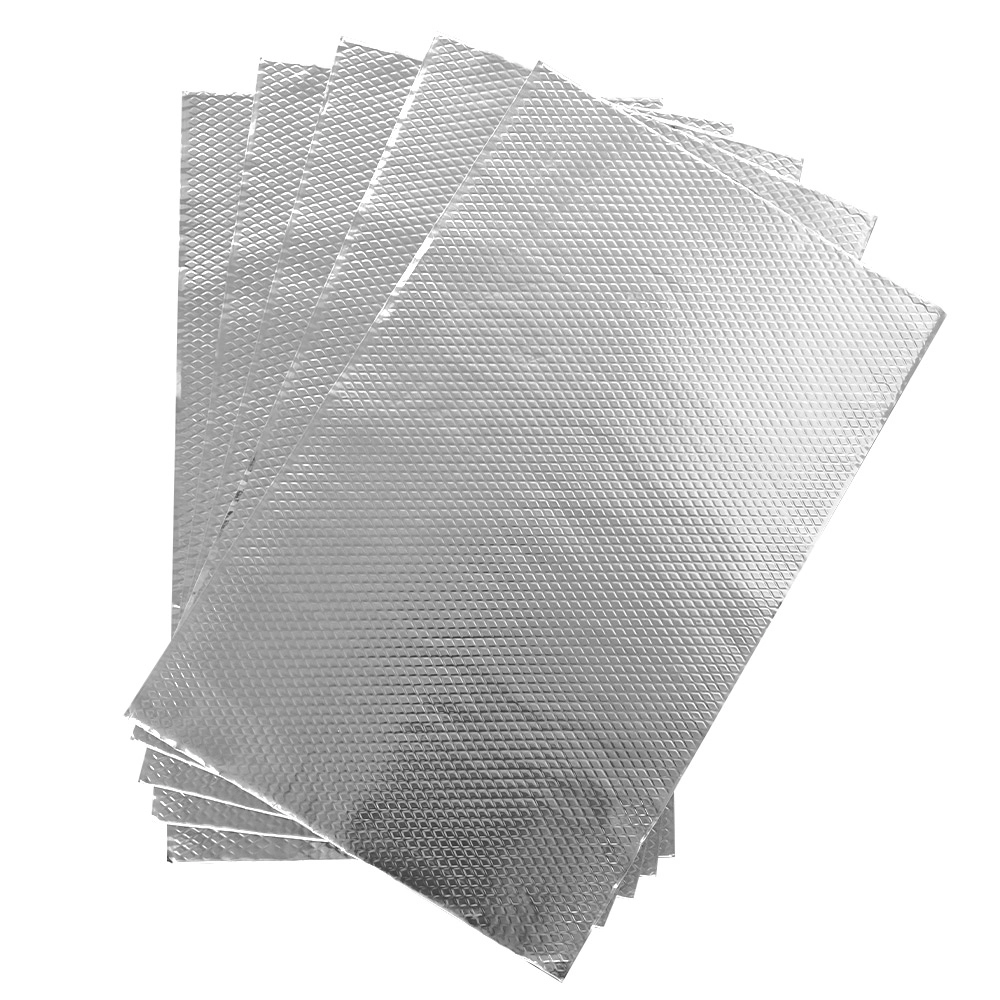
Car sound deadener mat
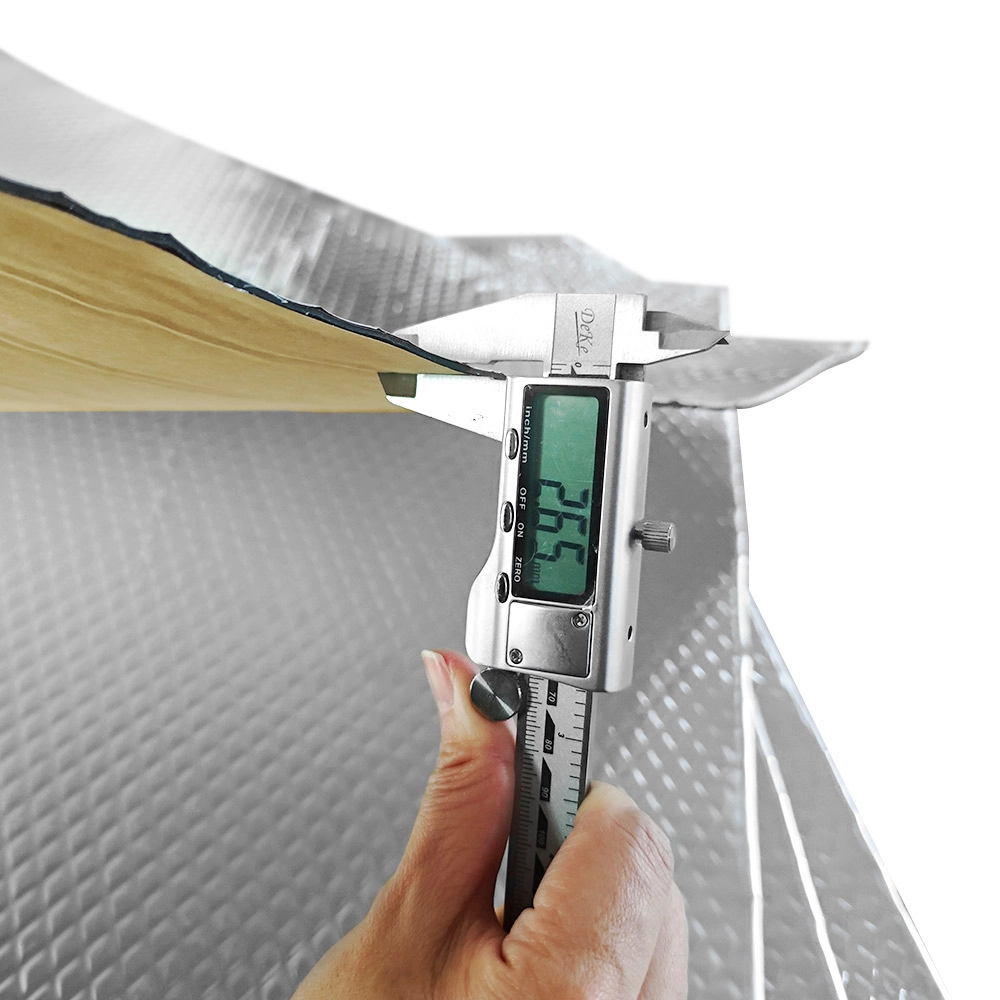
Car Sound Damping Sheet
Discover the ASLONG Car Sound Damping Sheet—High Quality sound damping material designed to reduce road noise and vibration. Improve your driving comfort with this easy-to-install, durable car sound damping sheet for superior sound insulation.
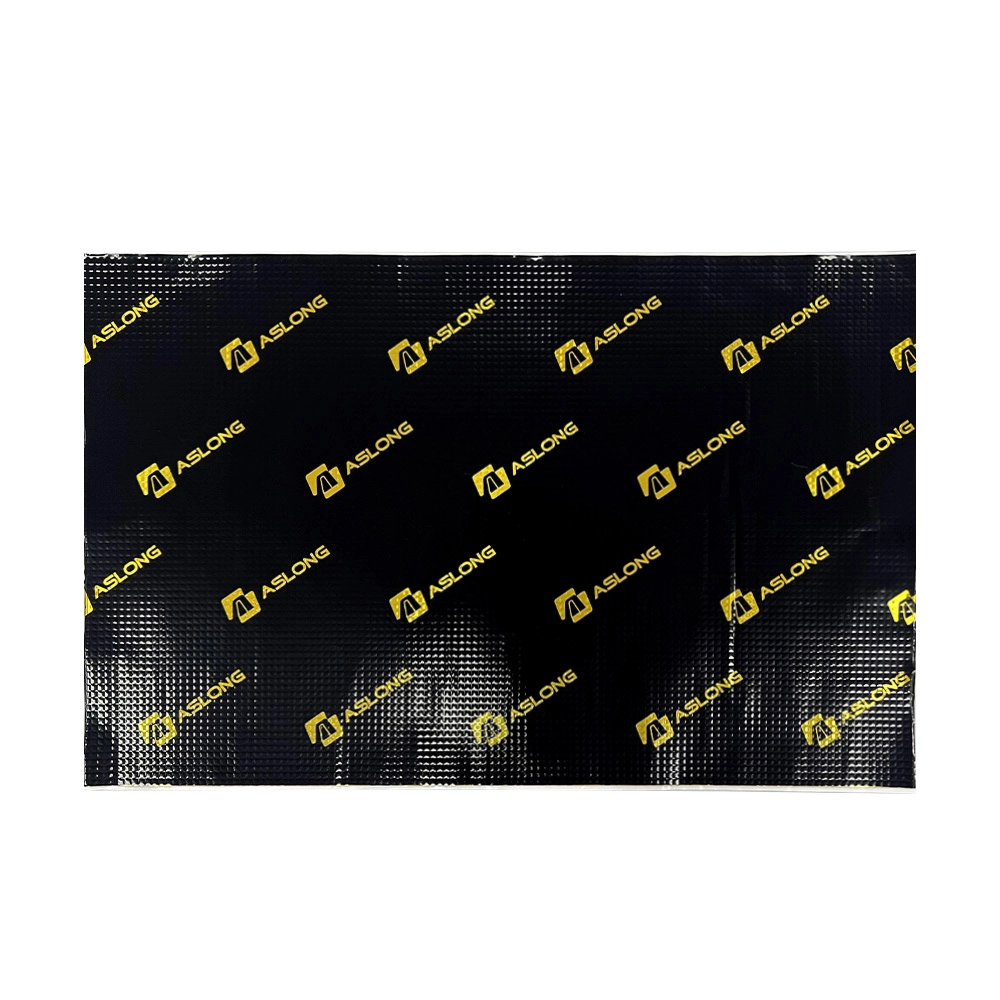
High Performance Butyl Rubber Sound Deadening Mat | Aluminum Foil Car Soundproofing Vibration Damping Sheet
Premium butyl rubber sound deadening mat with aluminum foil layer. Designed for car vibration damping and noise reduction. OEM manufacturer with custom thickness and private label service.
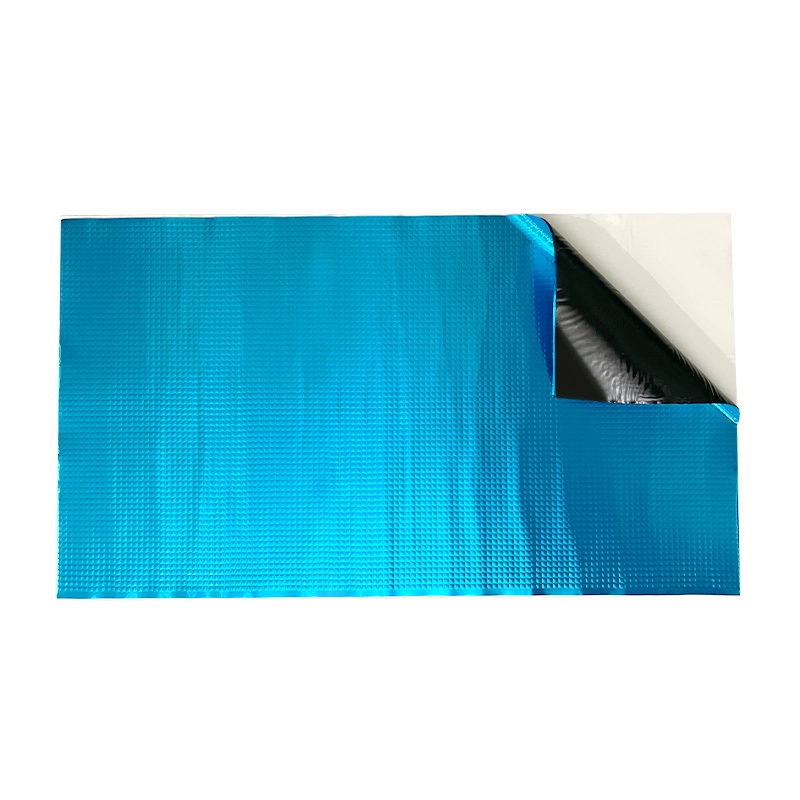
Butyl Rubber Sound Deadening Mat | Car Noise & Heat Insulation Aluminum Foil Pad | Automotive Soundproof & Thermal Barrier Material
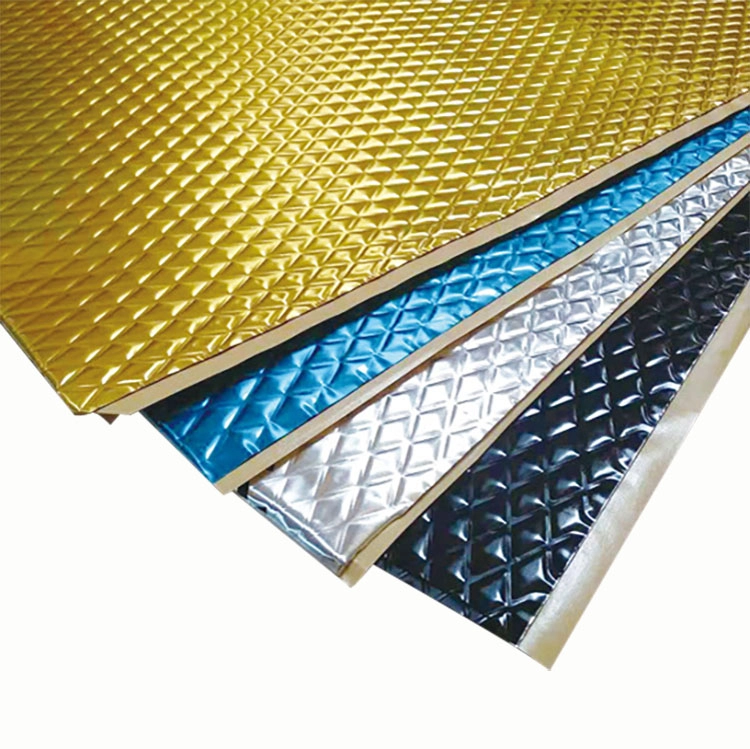
Sound Deadening Mat | Butyl Rubber & Aluminum Vibration Dampening Pad for Automotive Noise Reduction
Automotive Butyl Rubber Sound Deadening Mat is designed to minimize structural noise caused by panel resonance and road vibration. Built with an elastic butyl compound and an aluminum-backed surface, it stabilizes vehicle body panels and transforms noisy metal surfaces into acoustically controlled structures. Ideal for OEM upgrades, car audio installations, and professional automotive soundproofing projects.
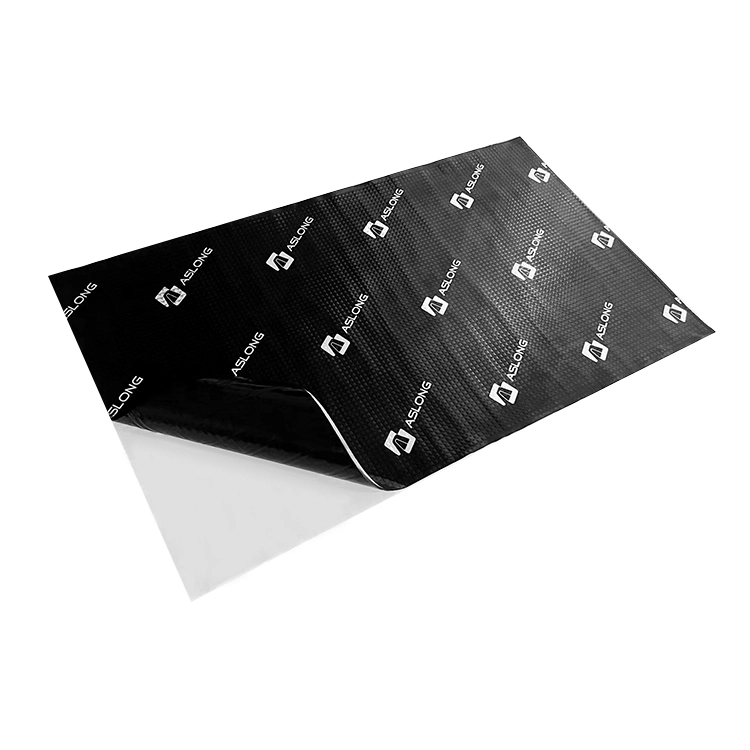
Automotive Sound Deadening Mat for Doors Floor Roof | Butyl Rubber Vibration Damper
High-density butyl rubber sound deadening mat designed to reduce road noise, vibration and resonance. Ideal for car doors, floors, roofs and trunk. Easy DIY installation, long-lasting performance.
Car Sound Deadening & Heat Insulation Mat | Butyl Rubber + Aluminum Foil Automotive Insulation
The Aslong Sound & Heat Insulation Mat is engineered with a high-density butyl core and heat-resistant aluminum foil surface to provide reliable noise reduction and thermal protection. Designed to block road noise, engine heat, and vibration, it upgrades your vehicle’s comfort instantly. Strong adhesion ensures long-lasting performance in all climates.
Professional support at any time
Contact us for a free quote on our new soundproofing materials!
© 2026 ASLONG All Rights Reserved. Privacy Policy | Terms and Conditions | Sitemap

 It would be pleasure to receive from you.
Whatsapp: +8613242879341
ASLONG Global
ASLONG
Aslong_global