

Global Automotive Soundproofing Materials Market Trends & Forecast (2026–2035)
Explore the global automotive soundproofing materials market trends and forecast for 2026–2035. Discover key growth drivers, emerging technologies, material innovations, regional insights, and future opportunities in vehicle noise control and insulation solutions.
- Global Automotive Soundproofing Materials Market Trends & Forecast (2026–2035)
- Introduction
- Market Overview (2026–2035 Outlook)
- Key Growth Drivers
- 1. Electrification of Vehicles
- 2. Rising Consumer Demand for Comfort
- 3. Regulatory Noise Standards
- 4. Lightweighting Trends
- Major Material Categories
- 1. Butyl Rubber Damping Sheets
- 2. Mass Loaded Vinyl (MLV)
- 3. Acoustic Foam
- 4. Multi-Layer Composite Materials
- 5. Fiber-Based Insulation
- Application Segmentation
- Regional Market Analysis
- Asia-Pacific
- North America
- Europe
- Emerging Markets
- Technology Trends Shaping the Market
- 1. Lightweight High-Density Formulations
- 2. Eco-Friendly and Recyclable Materials
- 3. Smart Acoustic Materials
- 4. Integrated Thermal + Acoustic Solutions
- Competitive Landscape
- Market Challenges
- Future Forecast (2026–2035)
- Conclusion
Global Automotive Soundproofing Materials Market Trends & Forecast (2026–2035)
Introduction
The global automotive soundproofing materials market is entering a transformative decade from 2026 to 2035. As vehicle manufacturers prioritize comfort, energy efficiency, and premium driving experiences, demand for advanced acoustic and vibration-damping solutions continues to grow. The rise of electric vehicles (EVs), stricter noise regulations, and consumer expectations for quieter cabins are reshaping the competitive landscape.
Automotive soundproofing materials play a critical role in reducing noise, vibration, and harshness (NVH), ensuring enhanced passenger comfort and structural durability. This article explores market trends, growth drivers, technological innovations, segmentation analysis, and long-term forecasts for the global automotive sound insulation industry.
Market Overview (2026–2035 Outlook)
Between 2026 and 2035, the automotive soundproofing materials market is projected to experience steady compound annual growth. Key contributing factors include:
-
Rapid expansion of electric and hybrid vehicle production
-
Increasing demand for premium vehicle interiors
-
Stricter global noise and environmental regulations
-
Growth in automotive aftermarket customization
Electric vehicles, in particular, are accelerating the need for advanced acoustic insulation. Without engine noise masking other sounds, road, wind, and structural vibrations become more noticeable, requiring higher-performance damping and absorption materials.
Key Growth Drivers
1. Electrification of Vehicles
EVs lack traditional internal combustion engine noise, making secondary noises more prominent. Manufacturers must implement advanced sound-absorbing foams, damping sheets, and barrier materials to ensure cabin quietness.
2. Rising Consumer Demand for Comfort
Modern consumers expect a luxury-level quiet experience even in mid-range vehicles. Improved soundproofing enhances:
-
Driving comfort
-
Audio system performance
-
Perceived vehicle quality
3. Regulatory Noise Standards
Governments worldwide are implementing stricter regulations regarding environmental noise pollution. This drives OEMs to adopt high-efficiency acoustic materials.
4. Lightweighting Trends
Automakers are continuously reducing vehicle weight to improve fuel efficiency and EV range. This trend encourages the development of lightweight but high-performance sound insulation materials.
Major Material Categories
The automotive soundproofing materials market consists of several core product segments:
1. Butyl Rubber Damping Sheets
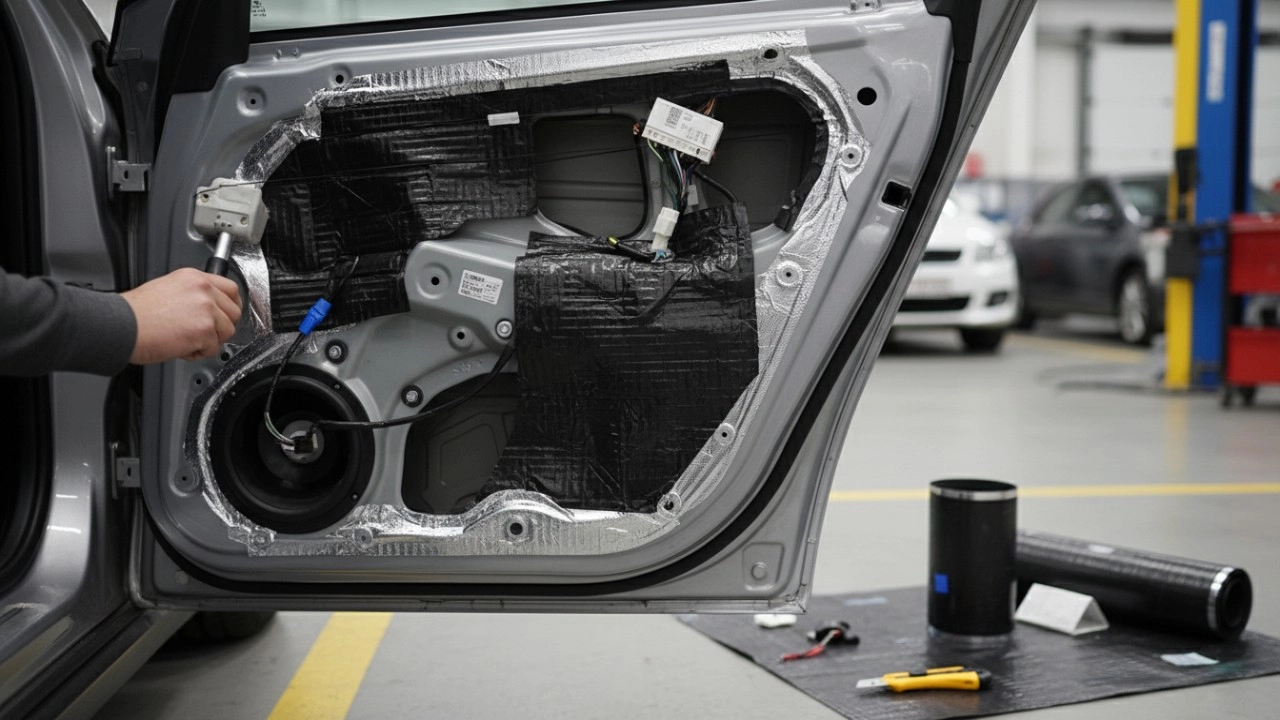
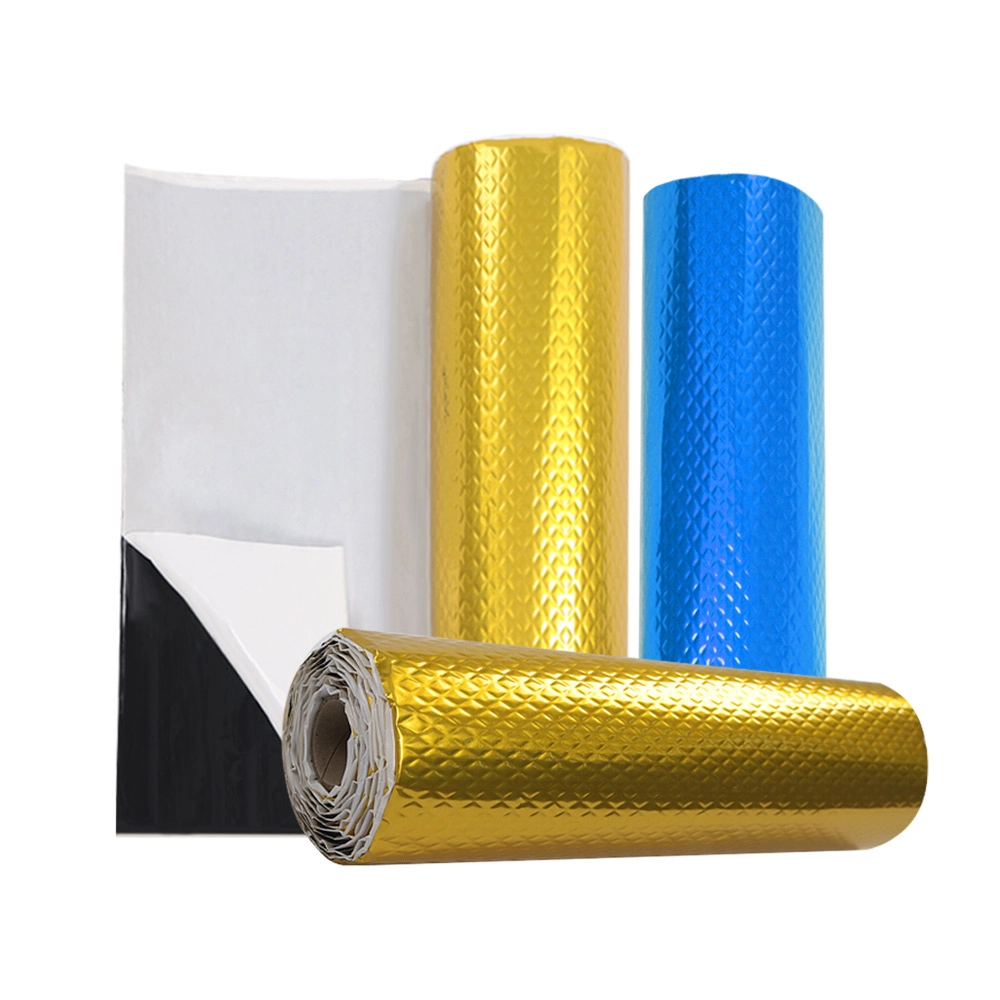
Widely used for vibration control in doors, floors, trunks, and roofs. These materials convert structural vibrations into low-grade heat, reducing resonance and rattling.
2. Mass Loaded Vinyl (MLV)
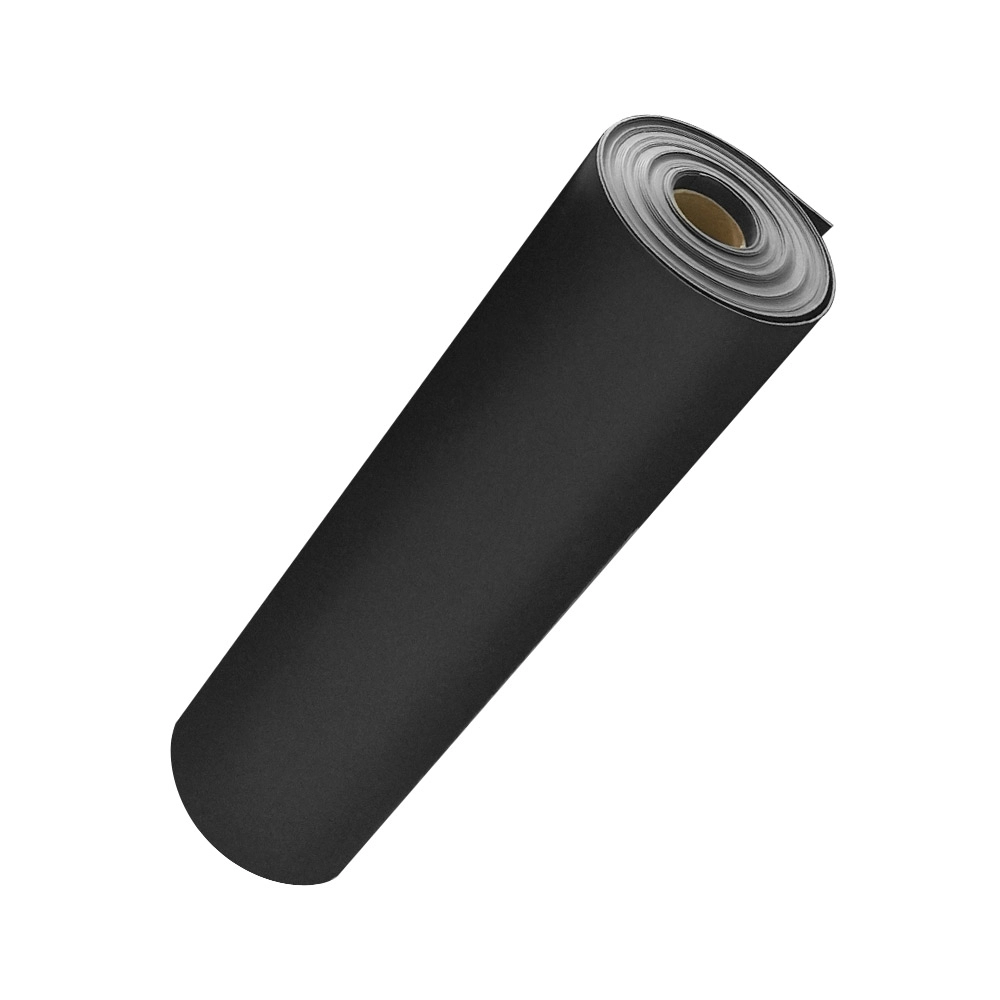
High-density flexible barriers designed to block airborne noise, particularly effective in floor panels and firewalls.
3. Acoustic Foam
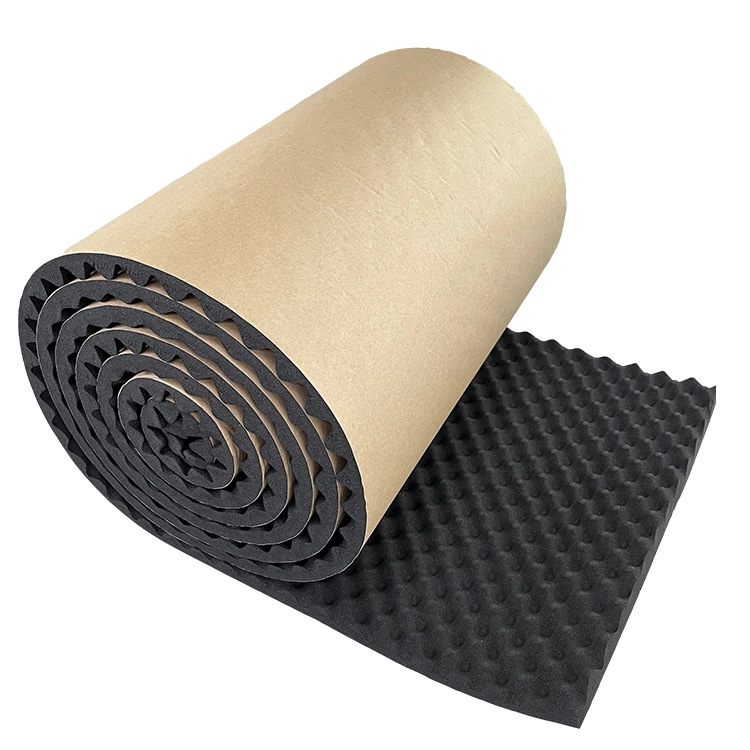
Open-cell and closed-cell foams used to absorb airborne noise. Often applied in dashboards, headliners, and engine compartments.
4. Multi-Layer Composite Materials
Advanced combinations of aluminum foil, butyl rubber, foam, and barrier layers for optimized NVH performance.
5. Fiber-Based Insulation
Recycled polyester or natural fibers used for eco-friendly acoustic absorption solutions.
Application Segmentation
Automotive soundproofing materials are used in multiple vehicle areas:
-
Doors and side panels
-
Floor and undercarriage
-
Roof and headliner
-
Engine compartment
-
Trunk and wheel arches
-
Firewall
Each application requires different acoustic properties, such as vibration damping, airborne noise blocking, or thermal insulation.
Regional Market Analysis
Asia-Pacific
The fastest-growing region due to strong automotive manufacturing bases and EV expansion. Countries like China, Japan, and South Korea are leading innovation in lightweight acoustic materials.
North America
Driven by demand for SUVs, trucks, and electric vehicles. High consumer preference for premium cabin comfort supports growth.
Europe
Strong regulatory framework for noise emissions and a mature EV market contribute to steady demand for advanced sound insulation solutions.
Emerging Markets
Southeast Asia, India, Latin America, and parts of Africa are showing rising automotive production and aftermarket opportunities.
Technology Trends Shaping the Market
1. Lightweight High-Density Formulations
Manufacturers are developing thinner but more effective damping sheets to reduce weight while maintaining acoustic performance.
2. Eco-Friendly and Recyclable Materials
Sustainability is becoming a key focus. Bio-based foams and recyclable composites are gaining traction.
3. Smart Acoustic Materials
Research is underway into adaptive materials that adjust sound absorption characteristics based on driving conditions.
4. Integrated Thermal + Acoustic Solutions
Dual-function materials that provide both heat insulation and soundproofing are increasingly popular in EV battery compartments.
Competitive Landscape
The market is characterized by:
-
Global Tier 1 automotive suppliers
-
Specialized NVH material manufacturers
-
Regional OEM-focused producers
-
Growing aftermarket brands
Competition centers on:
-
Material performance
-
Weight reduction
-
Adhesion strength
-
Heat resistance
-
Cost efficiency
-
Customization capability
Manufacturers with integrated R&D and in-house production capabilities are better positioned to meet evolving OEM demands.
Market Challenges
Despite strong growth prospects, the industry faces several challenges:
-
Volatile raw material prices (rubber, polymers, aluminum)
-
Pressure for cost reduction from OEMs
-
Increasing sustainability compliance requirements
-
Technological complexity in EV acoustic management
Companies must balance performance, weight, sustainability, and price competitiveness.
Future Forecast (2026–2035)
Looking ahead to 2035, the automotive soundproofing materials market is expected to:
-
Expand steadily alongside EV adoption
-
Increase demand for lightweight composite damping systems
-
See greater integration of acoustic and thermal management
-
Shift toward environmentally friendly raw materials
-
Experience growth in aftermarket DIY and professional installation sectors
Electric mobility, autonomous vehicles, and smart cabins will further elevate acoustic performance standards, creating long-term opportunities for innovative material suppliers.
Conclusion
The global automotive soundproofing materials market is entering a decade of innovation and expansion from 2026 to 2035. Electrification, premiumization, sustainability, and regulatory pressures are reshaping material development and application strategies.
Manufacturers that focus on lightweight, high-performance, and eco-friendly solutions will gain a competitive edge in both OEM and aftermarket segments. As vehicle comfort becomes a defining feature of automotive design, advanced acoustic materials will remain essential to the future of mobility.
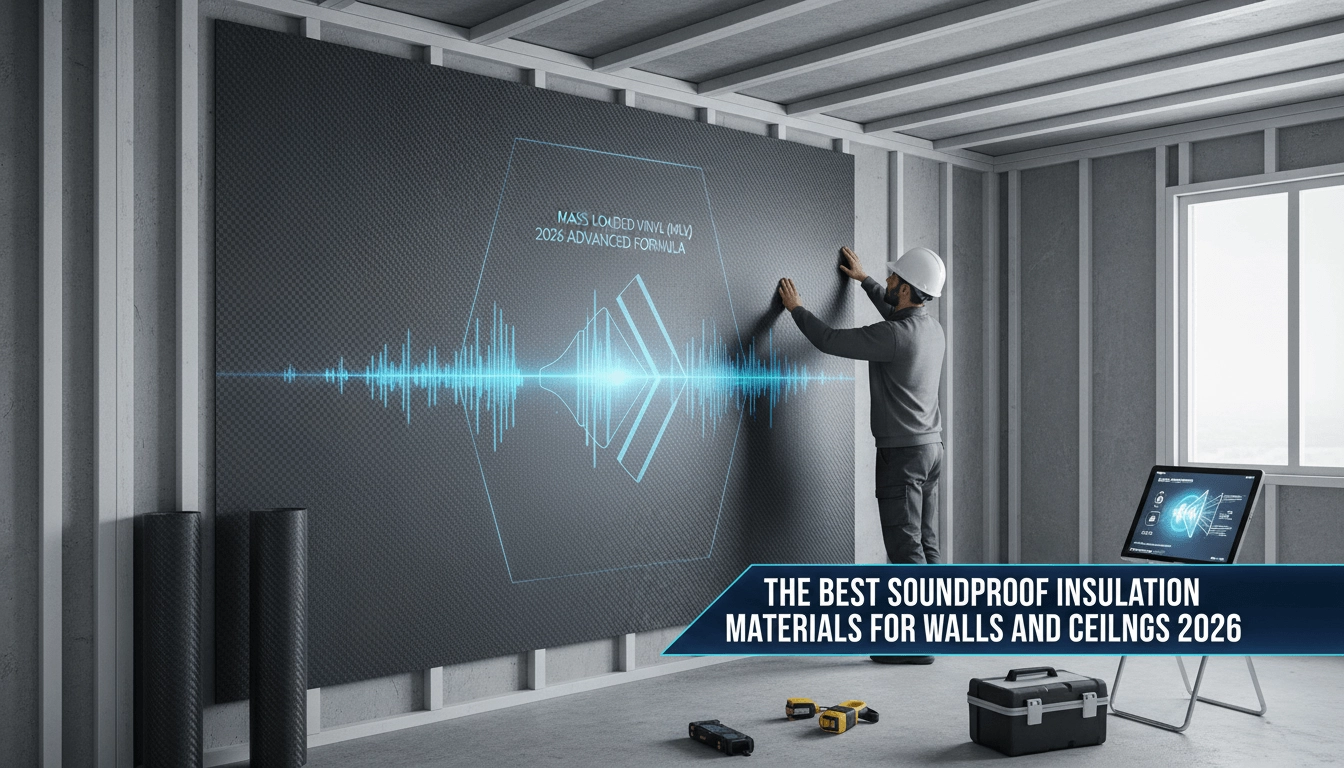
The Best Soundproof Insulation Materials for Walls and Ceilings 2026
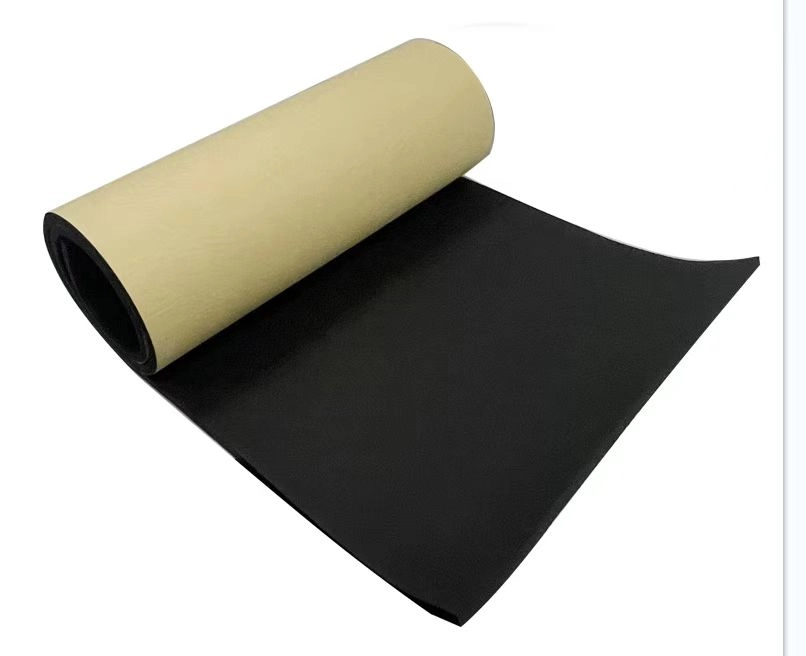
Soundproofing Foam for Car Interior – Reduce Noise & Improve Comfort
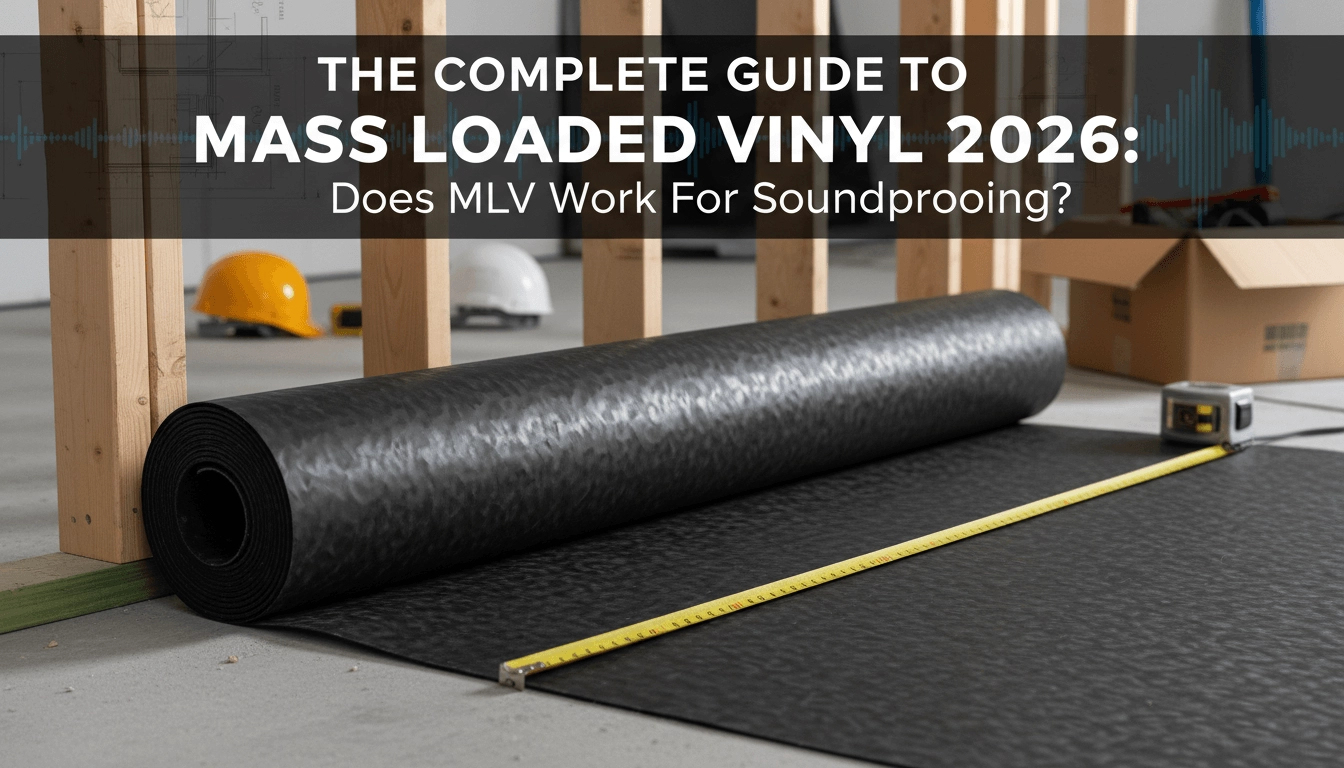
The Complete Guide to Mass Loaded Vinyl 2026: Does MLV Work For Soundproofing?
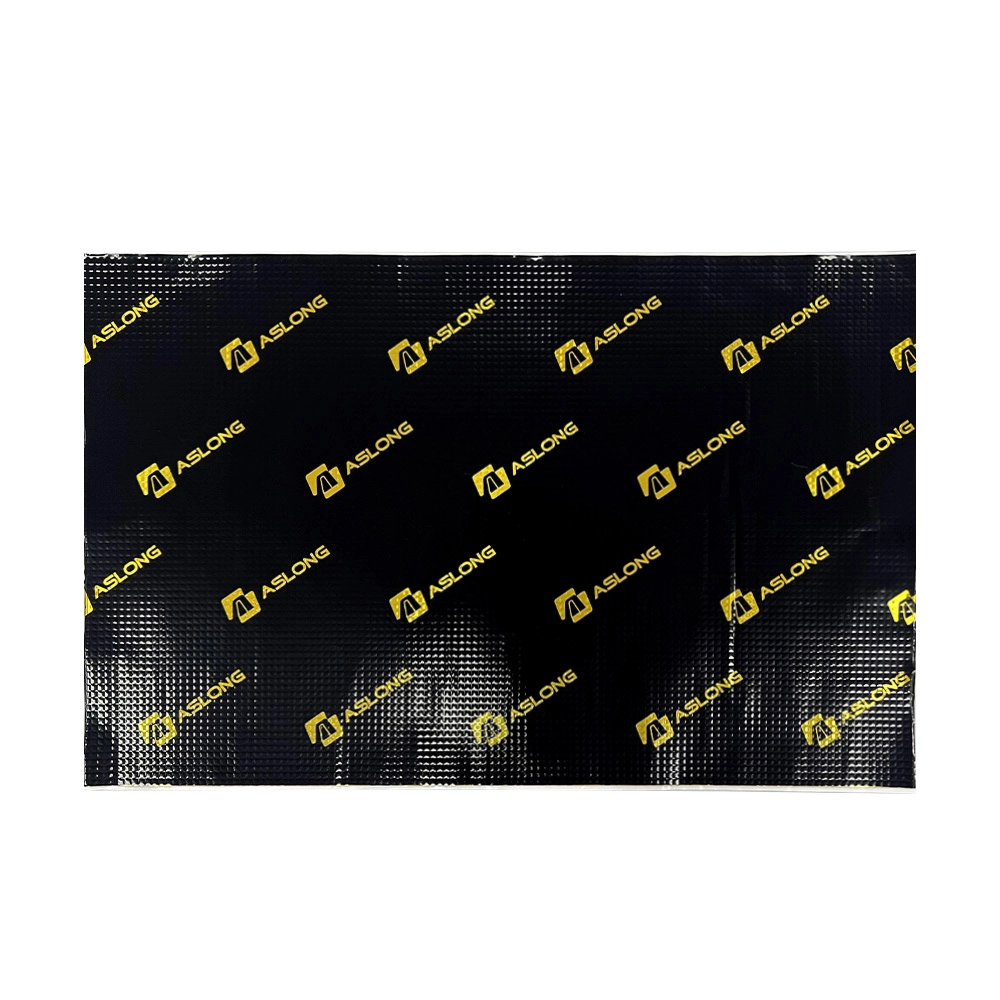
High Performance Car Sound Deadening Material for Automotive Insulation
Does Installing Soundproofing Products Damage Your Vehicle?
FAQs
How to customize products that meet the needs of my industry?
You only need to contact our sales or technical team, we will conduct an in-depth analysis based on your industry needs and provide tailor-made products and solutions. We guarantee to provide you with efficient and accurate services to meet your personalized requirements.
What specific functions can ASLONG's products provide?
Our products cover functions such as insulation, sound insulation, shock absorption, waterproofing and sealing, and are widely used in improving energy efficiency, reducing noise, controlling vibration, protecting equipment, etc., helping customers optimize engineering effects and improve user experience.
Does ASLONG provide after-sales service?
Yes, we provide a full range of after-sales services, including technical support, installation guidance, product maintenance and quality tracking, etc., to ensure that each project goes smoothly and continues to perform at its best.
What industries are the products provided by ASLONG suitable for?
ASLONG's products are suitable for multiple industries, including air conditioning and HVAC, construction and waterproofing, automobiles and transportation, home appliances and electronics, industrial equipment and machinery, etc. We provide customized solutions for each industry to meet different needs.
Do ASLONG's products meet environmental protection standards?
Yes, all ASLONG products comply with ISO14001 environmental management system certification and global environmental protection standards. We use environmentally friendly materials and are committed to providing sustainable solutions to help customers achieve green development goals.
Butyl Rubber Sound Damping Mat
ASLONG Butyl Rubber Sound Damping Mat for sale. Effectively reduces noise and vibrations. High-quality butyl rubber ensures superior performance and durability. Ideal for automotive, industrial, and home applications.
Mass Loaded Vinyl
ASLONG Mass Loaded Vinyl for sale. Reduce noise pollution effectively with our high-quality, mass-loaded vinyl. Ideal for soundproofing walls, floors, and more. Buy now and experience the difference!
Egg Crate Foam
ASLONG Egg Crate Foam for sale. Lightweight, breathable, and comfortable, our egg crate foam provides superior support and pressure relief. Perfect for mattresses, cushions, cars, construction industry, KTV, factories, etc.
Professional support at any time
Contact us for a free quote on our new soundproofing materials!
© 2026 ASLONG All Rights Reserved. Privacy Policy | Terms and Conditions | Sitemap

 It would be pleasure to receive from you.
Whatsapp: +8613242879341
ASLONG Global
ASLONG
Aslong_global