

The Best Soundproof Insulation Materials for Walls and Ceilings 2026
This comprehensive guide is structured to provide you with the most in-depth analysis of soundproofing insulation materials available in 2026. By combining technical science with practical application, we will help you transform any space into a silent sanctuary.
- What is soundproofing?
- The Importance of a Quiet Sanctuary
- What is the best soundproofing insulation?
- The Science: Understanding STC and NRC
- What is STC (Sound Transmission Class)?
- What is NRC (Noise Reduction Coefficient)?
- Thermal vs. Acoustic Insulation—What is the difference?
- Soundproof Insulation Materials Explained
- Fiberglass Insulation
- Foam Panels
- Acoustic Mineral Wool Insulation
- Mass-Loaded Vinyl (MLV)
- Green Glue (Damping Compound)
- Cork Insulation
- Best Soundproof Insulation Materials for Walls and Ceilings
- Mineral Wool (The High-Density Professional Choice)
- Fiberglass (The Cost-Effective Standard)
- Cellulose (The Eco-Friendly Option)
- Foam Panels (Surface Treatment & Absorption)
- Spray Foam Insulation (The Gap Sealing Specialist)
- How Much Acoustic Insulation Do I Need?
- Internal Walls
- Floors & Ceilings
- How to Create Soundproof Ceilings & Walls
- Do I only need soundproofing insulation?
- Is soundproof insulation fire resistant?
- Can you soundproof a room after it’s built?
- Can you over-insulate a room?
- Frequently Asked Questions (FAQs)
- Can I install this myself (DIY vs. professional)?
- Does it also provide thermal benefits?
- Will it block low-frequency bass and vibrations?
- How much does professional soundproofing cost per square foot?
- Final Thoughts: Making Your Decision
What is soundproofing?
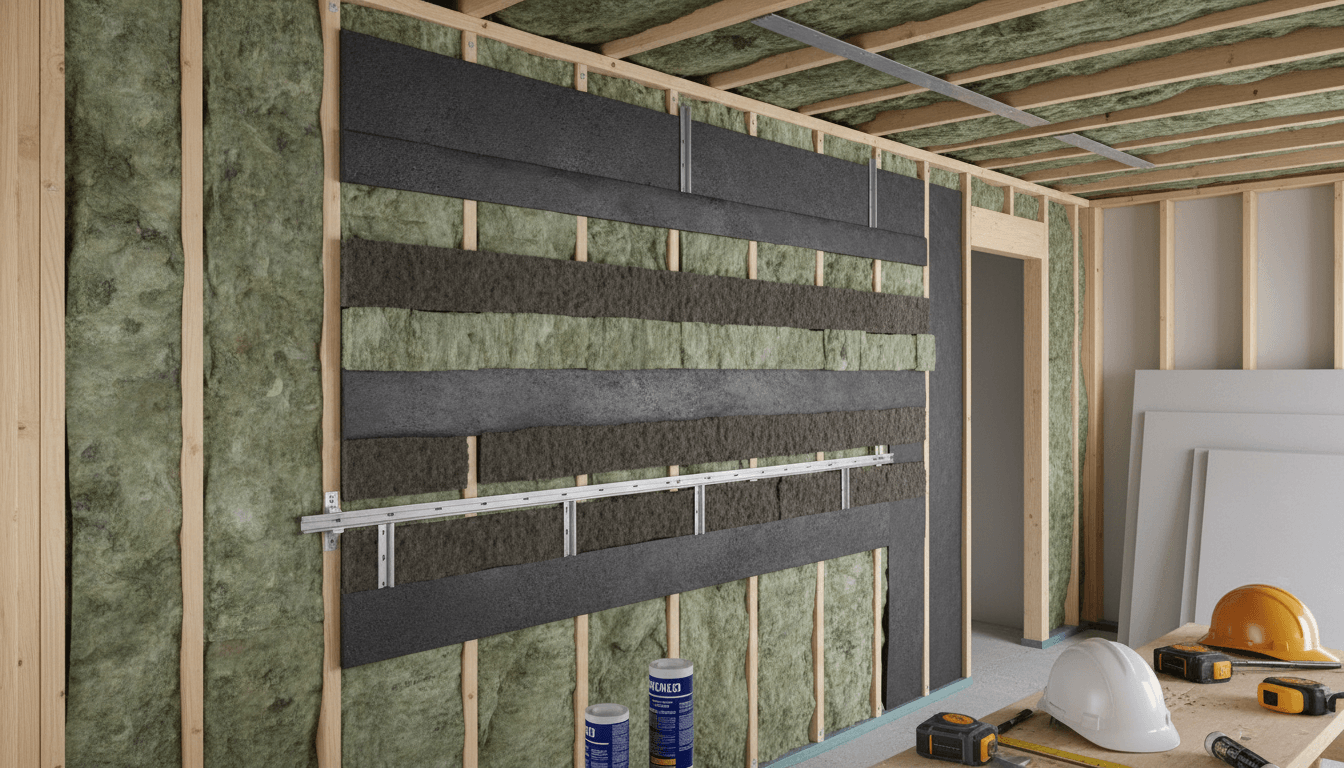
Soundproofing is the science of managing acoustic energy to prevent it from entering or leaving a space. It involves four primary pillars: Mass (using heavy materials to block sound), decoupling (creating gaps to stop vibration), absorption (soaking up sound waves with porous materials), and damping (dissipating kinetic energy). True soundproofing isn't just about sticking foam on a wall; it’s about creating a system that disrupts the path of sound.
The Importance of a Quiet Sanctuary
In 2026, our homes have become multi-functional hubs for work, rest, and wellness. However, with urban density increasing, the intrusion of external noise—siren wails, construction, or the persistent hum of neighbors—has become a leading cause of stress. A quiet sanctuary isn't a luxury; it’s a necessity for mental health. Whether you are looking for ceiling noise insulation to block a heavy-footed upstairs neighbor or learning how to block out traffic noise in bedroom spaces, the right insulation is your first line of defense.
What is the best soundproofing insulation?
There is no single "magic" material. The "best" insulation depends on the type of noise you’re fighting.
-
Airborne Noise: Talking and TV require high-density absorption.
-
Impact Noise: (Footsteps, dropped objects) requires decoupling and thermal acoustic insulation systems.
The gold standard for 2026 remains high-density mineral wool, but for specialized needs like automotive heat insulation or thin-profile wall fixes, materials like Mass-Loaded Vinyl (MLV) are indispensable.
The Science: Understanding STC and NRC
What is STC (Sound Transmission Class)?
STC is a numerical rating of how well a building partition attenuates airborne sound. In the context of insulation soundproof ceiling projects, a higher STC rating means less sound gets through the barrier.
What is NRC (Noise Reduction Coefficient)?
NRC measures the amount of energy absorbed by a surface. A rating of 0.0 is perfectly reflective, while 1.0 is perfectly absorptive. For effective ceiling sound insulation, you want materials with high NRC ratings to prevent sound from "bouncing" within the cavity.
Thermal vs. Acoustic Insulation—What is the difference?
A common mistake is assuming that standard pink thermal batts will block sound. While both trap air, their densities vary wildly.
-
Thermal Insulation: Designed to stop heat transfer. It is lightweight and "fluffy" (approx. 10–15 kg/m³).
-
Acoustic Insulation: Designed to stop sound waves. It is much denser (60–100 kg/m³), creating a literal wall of fibers that sound waves cannot easily penetrate.
| Feature | Thermal Insulation | Acoustic Insulation |
| Primary Goal | Temperature Control | Sound Attenuation |
| Density | Low (10-20 kg/m³) | High (60-100 kg/m³) |
| Material | Standard Fiberglass | Soundproofing wool / Mineral Wool |
| Noise Reduction | Minimal | Significant |
Soundproof Insulation Materials Explained
Fiberglass Insulation
Standard soundproofing fiberglass insulation is the most common choice for budget-conscious projects. It provides decent NRC ratings but lacks the mass of mineral wool.
Foam Panels
These are surface treatments. While they look "pro," they do not block sound from passing through walls; they only reduce echo within the room.
Acoustic Mineral Wool Insulation
Commonly referred to as soundproofing wool, this stone-based material is the industry favorite. It is dense, fire-resistant, and offers superior sound absorption.
Mass-Loaded Vinyl (MLV)
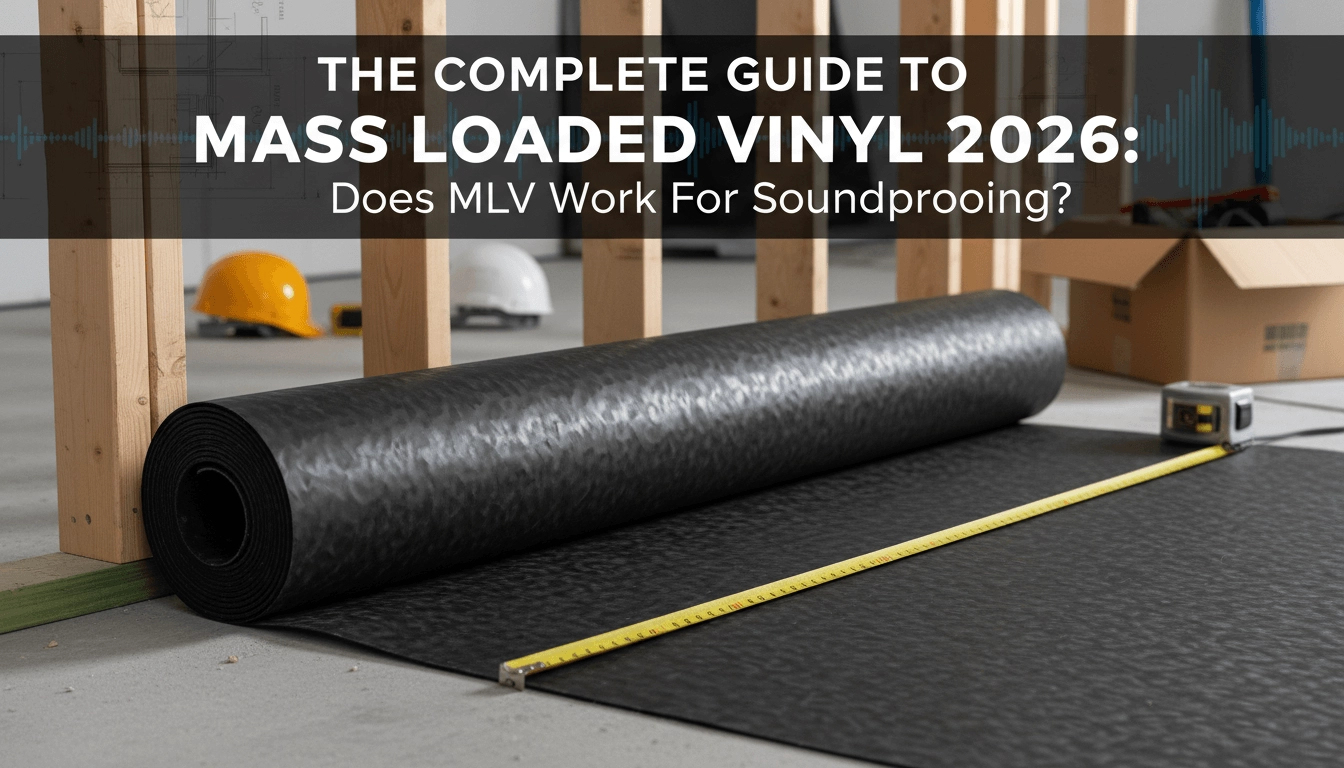
A thin yet incredibly dense soundproofing material, MLV adds effective “limp mass” to walls without increasing thickness, making it ideal for blocking low-frequency bass. For a deeper technical breakdown, applications, and installation tips, you can refer to The Complete Guide to Mass Loaded Vinyl 2026 as a comprehensive resource.
Green Glue (Damping Compound)
A constrained-layer damping glue is used between two sheets of drywall. It converts sound energy into microscopic amounts of heat.
Cork Insulation
A natural, sustainable option. Cork’s cellular structure is excellent for damping vibrations in flooring.
Best Soundproof Insulation Materials for Walls and Ceilings
Mineral Wool (The High-Density Professional Choice)
Mineral wool (like Rockwool) is the champion of ceiling noise insulation. Its density allows it to trap sound waves much more effectively than fiberglass.
Fiberglass (The Cost-Effective Standard)
If you are insulating a massive commercial space, soundproofing fiberglass insulation offers the best ROI for mid-to-high frequency absorption.
Cellulose (The Eco-Friendly Option)
Made from recycled paper, cellulose is "blown" into cavities. It is excellent for retrofitting existing walls because it fills every nook and cranny.
Foam Panels (Surface Treatment & Absorption)
Use these to "tune" a room’s acoustics, especially in home studios, but do not rely on them to block out the neighbors.
Spray Foam Insulation (The Gap Sealing Specialist)
Closed-cell spray foam is great for air sealing but surprisingly poor at soundproofing because it becomes rigid and can actually conduct vibrations.
How Much Acoustic Insulation Do I Need?
Internal Walls
For standard bedroom walls, a 50 mm-75 mm slab of 60 kg/m³ mineral wool is usually sufficient to ensure privacy.
Floors & Ceilings
To combat impact noise, we recommend at least 100 mm of soundproofing wool paired with a sound attenuation blanket to create a multi-layered barrier.
How to Create Soundproof Ceilings & Walls
Creating a soundproof barrier requires a systematic approach.
-
Seal the Gaps: Use sound insulation tape on studs to prevent flanking noise.
-
Insert Insulation: Fit high-density batts tightly between joists.
-
Add Mass: Install a layer of MLV or double drywall.
-
Dampen: Apply Green Glue between drywall layers.
-
Decouple: Use resilient channels to "float" the ceiling.
| Material Combination | Effectiveness (STC) | Cost |
| Single Drywall + Thermal Batts | 33 (Poor) | low |
| Double Drywall + Mineral Wool | 45 (Good) | mid |
| Double Drywall + Green Glue + Mineral Wool | 52+ (Excellent) | high |
Do I only need soundproofing insulation?
The short answer is no. Insulation is the "absorber," but it cannot stop sound on its own. If you have a hole the size of a keyhole, it can leak 50% of the sound. You must combine insulation with airtight sealing using sound insulation tape and heavy mass to achieve true silence.
Is soundproof insulation fire resistant?
Yes, specifically mineral wool. Since it is made from volcanic rock, it can withstand temperatures exceeding 1,000°C. Fiberglass is also non-combustible, though it may melt at lower temperatures than stone wool.
Can you soundproof a room after it’s built?
Absolutely. While it is easier during construction, you can "retrofit" by adding a second layer of drywall with a damping compound or by blowing cellulose insulation into the walls. For windows, learning how to block out traffic noise in bedroom settings often involves adding heavy acoustic curtains or secondary glazing.
Can you over-insulate a room?
Technically, no, you cannot have too much soundproofing. However, you can "over-dampen" a room, making it feel "dead" and acoustically unnatural. Furthermore, you must maintain proper ventilation to avoid moisture buildup, especially when using high-performance thermal acoustic insulation.
Frequently Asked Questions (FAQs)
Can I install this myself (DIY vs. professional)?
Insulation batts are DIY-friendly, but complex decoupling systems for insulation soundproof ceiling projects often require a professional to ensure no "sound bridges" are created.
Does it also provide thermal benefits?
Yes. High-density acoustic insulation is actually an excellent thermal barrier, helping you save on energy bills while keeping things quiet.
Will it block low-frequency bass and vibrations?
Insulation alone struggles with bass. You need to combine it with mass-loaded vinyl or resilient channels to stop the physical vibration of the wall.
How much does professional soundproofing cost per square foot?
Depending on the materials (e.g., sound attenuation blanket vs. mineral wool), costs range from $10 to $30 per square foot for professional installation.
Final Thoughts: Making Your Decision
Choosing the right soundproofing insulation material is about balancing your specific noise problem with your budget. If you are struggling with overhead noise, prioritize ceiling sound insulation systems. If you are a car enthusiast, look into specialized automotive heat insulation that doubles as a sound dampener. In 2026, the technology exists to make any room silent—it’s just a matter of choosing the right system. In 2026, the technology exists to make almost any room silent—referencing A Comprehensive Comparison of Soundproofing Materials can help you clearly understand performance differences and select the most effective system for your needs.
Global Automotive Soundproofing Materials Market Trends & Forecast (2026–2035)
Soundproofing Foam for Car Interior – Reduce Noise & Improve Comfort
The Complete Guide to Mass Loaded Vinyl 2026: Does MLV Work For Soundproofing?
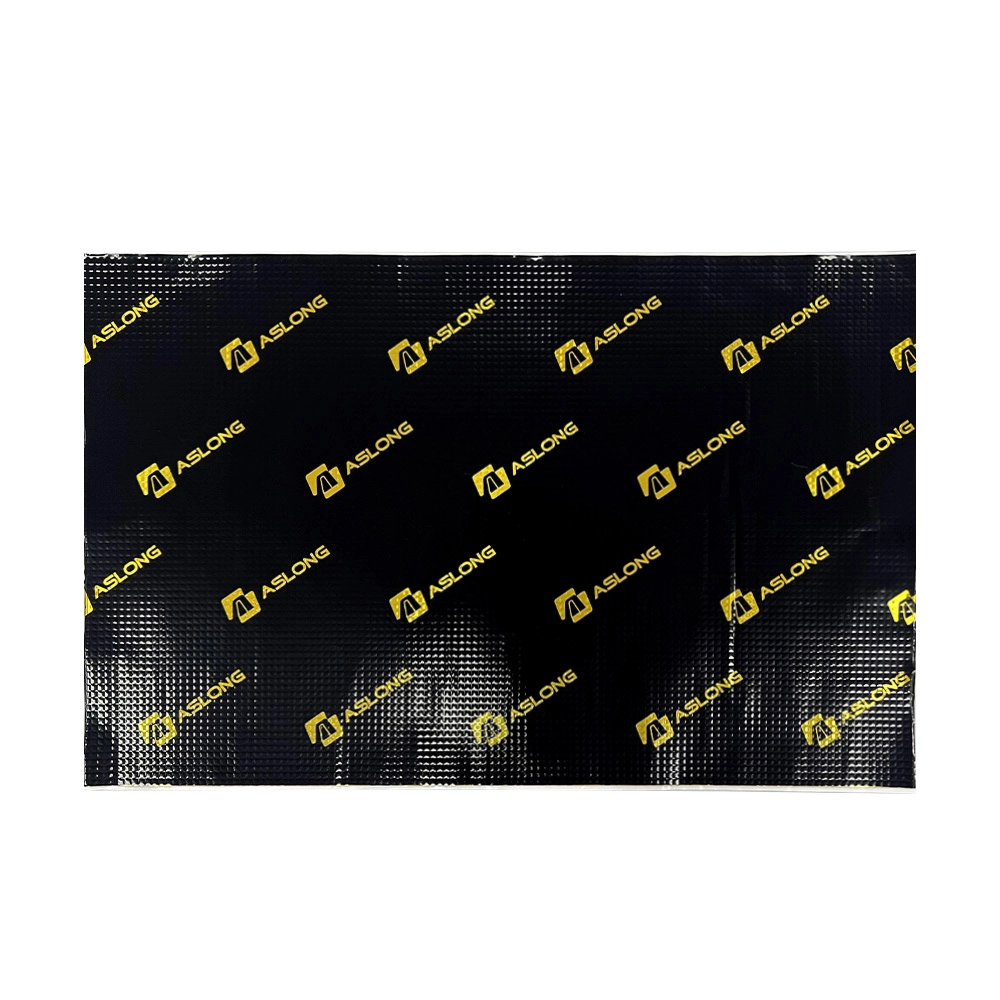
High Performance Car Sound Deadening Material for Automotive Insulation
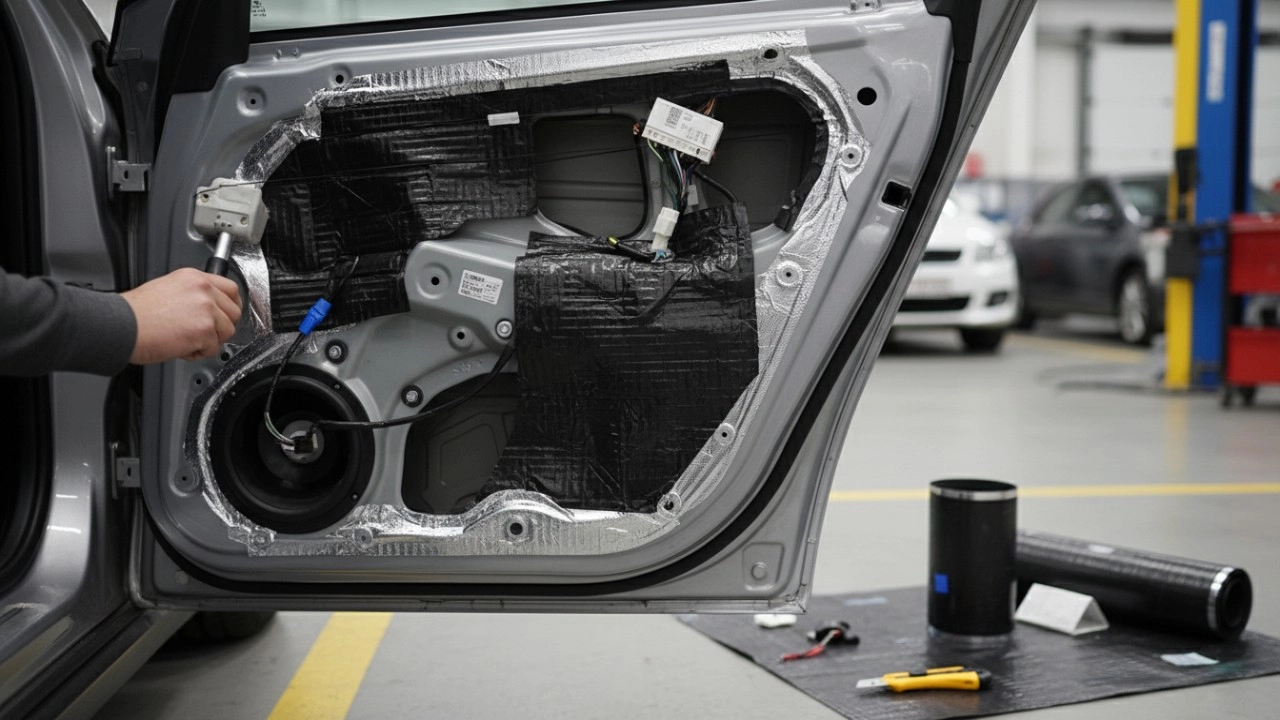
Does Installing Soundproofing Products Damage Your Vehicle?
FAQs
What industries are the products provided by ASLONG suitable for?
ASLONG's products are suitable for multiple industries, including air conditioning and HVAC, construction and waterproofing, automobiles and transportation, home appliances and electronics, industrial equipment and machinery, etc. We provide customized solutions for each industry to meet different needs.
Does ASLONG provide after-sales service?
Yes, we provide a full range of after-sales services, including technical support, installation guidance, product maintenance and quality tracking, etc., to ensure that each project goes smoothly and continues to perform at its best.
Do ASLONG's products meet environmental protection standards?
Yes, all ASLONG products comply with ISO14001 environmental management system certification and global environmental protection standards. We use environmentally friendly materials and are committed to providing sustainable solutions to help customers achieve green development goals.
What specific functions can ASLONG's products provide?
Our products cover functions such as insulation, sound insulation, shock absorption, waterproofing and sealing, and are widely used in improving energy efficiency, reducing noise, controlling vibration, protecting equipment, etc., helping customers optimize engineering effects and improve user experience.
How to customize products that meet the needs of my industry?
You only need to contact our sales or technical team, we will conduct an in-depth analysis based on your industry needs and provide tailor-made products and solutions. We guarantee to provide you with efficient and accurate services to meet your personalized requirements.
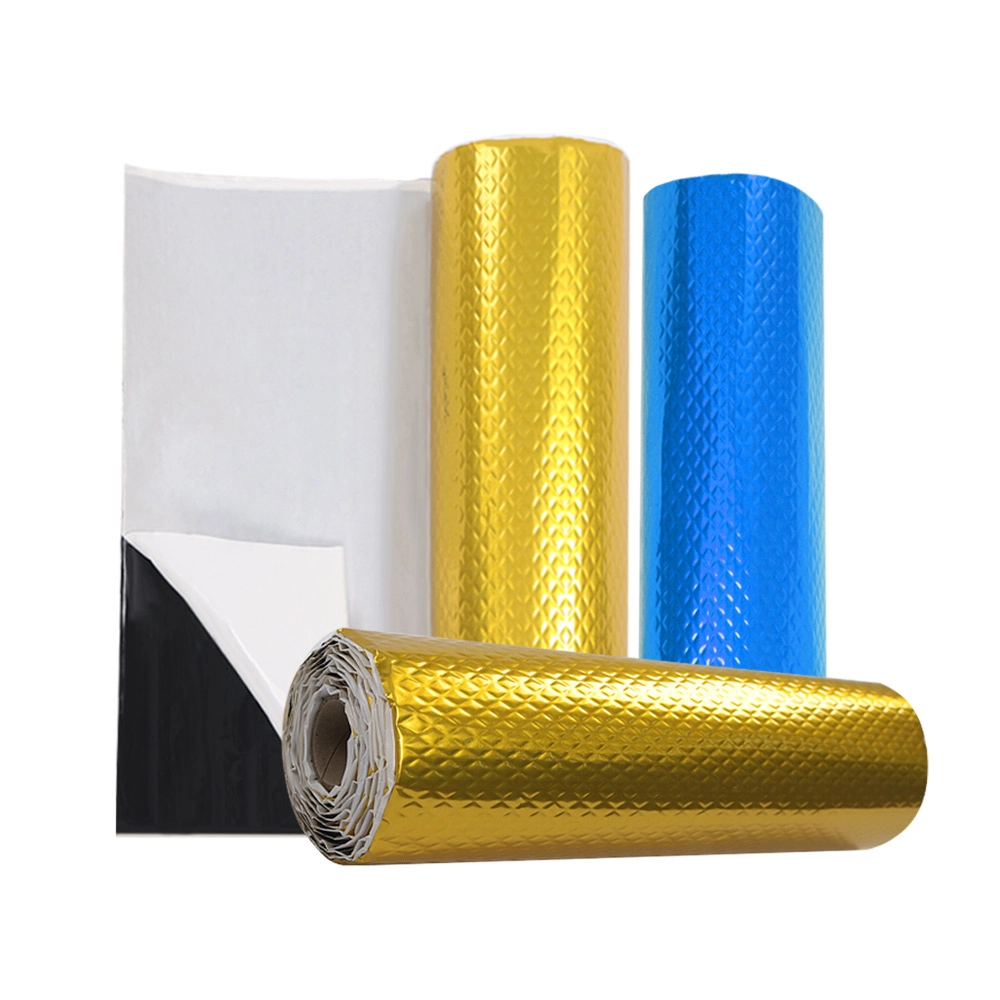
Butyl Rubber Sound Damping Mat
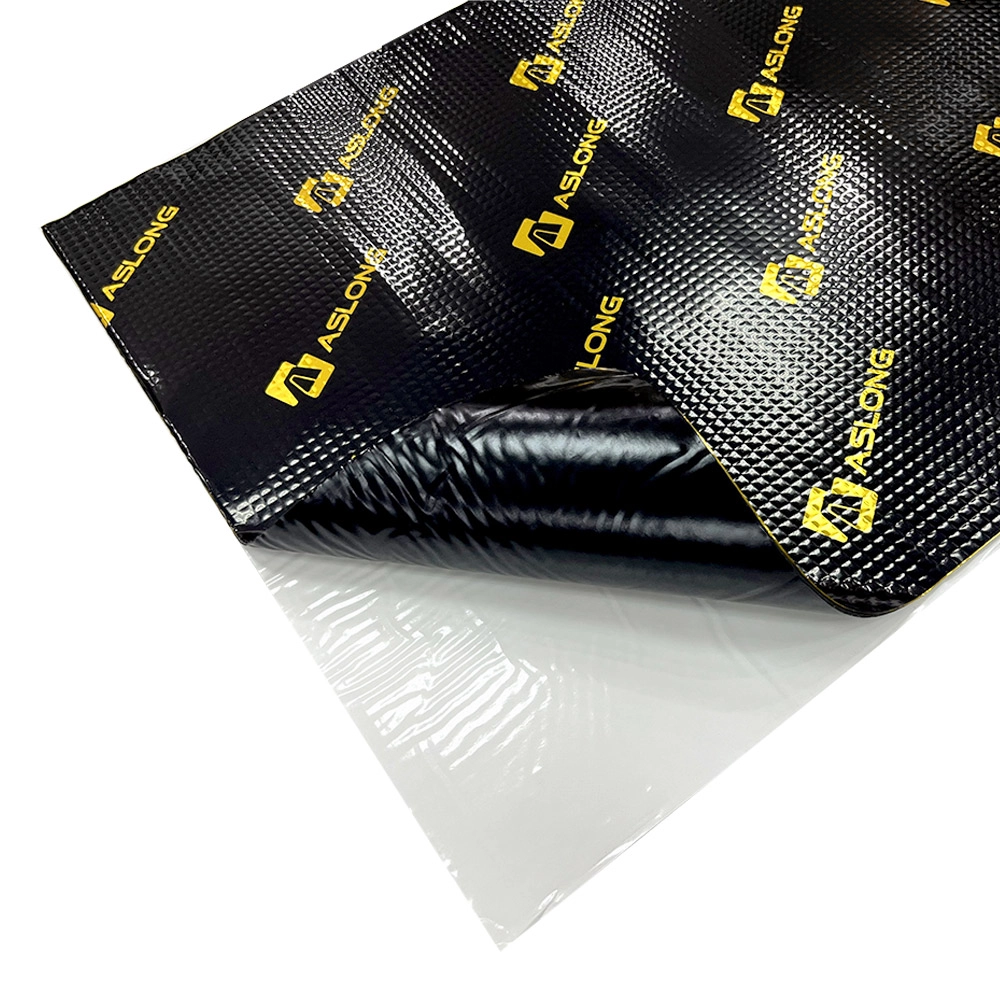
ASLONG Butyl Rubber Sound Damping Mat for sale. Effectively reduces noise and vibrations. High-quality butyl rubber ensures superior performance and durability. Ideal for automotive, industrial, and home applications.
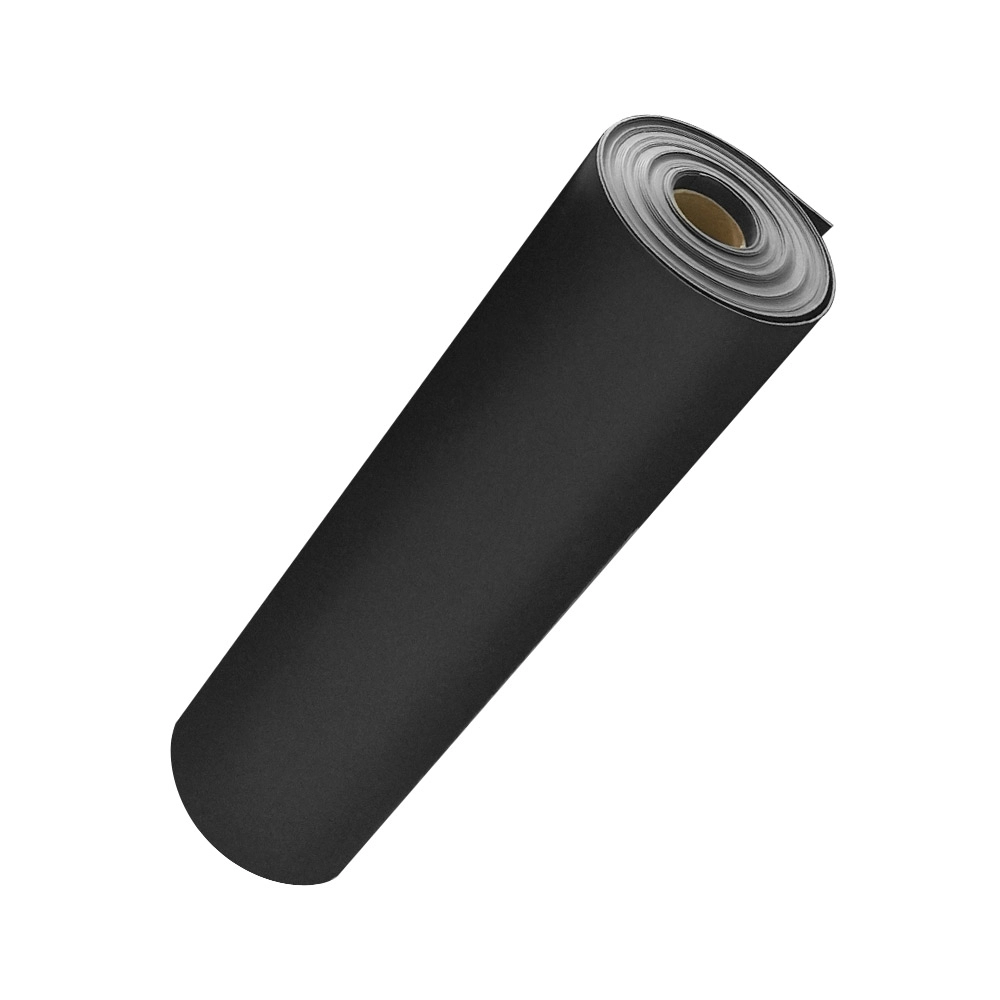
Mass Loaded Vinyl
ASLONG Mass Loaded Vinyl for sale. Reduce noise pollution effectively with our high-quality, mass-loaded vinyl. Ideal for soundproofing walls, floors, and more. Buy now and experience the difference!
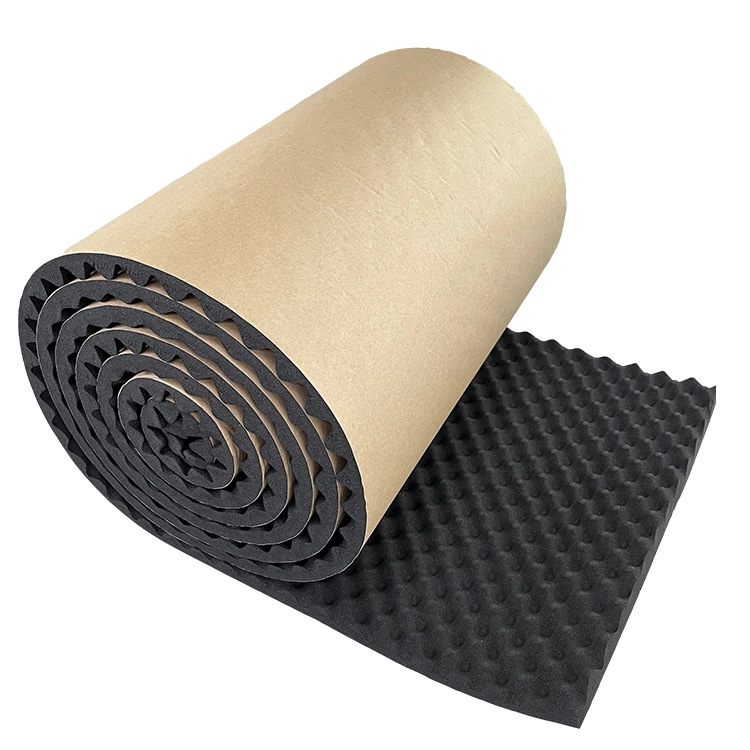
Egg Crate Foam
ASLONG Egg Crate Foam for sale. Lightweight, breathable, and comfortable, our egg crate foam provides superior support and pressure relief. Perfect for mattresses, cushions, cars, construction industry, KTV, factories, etc.
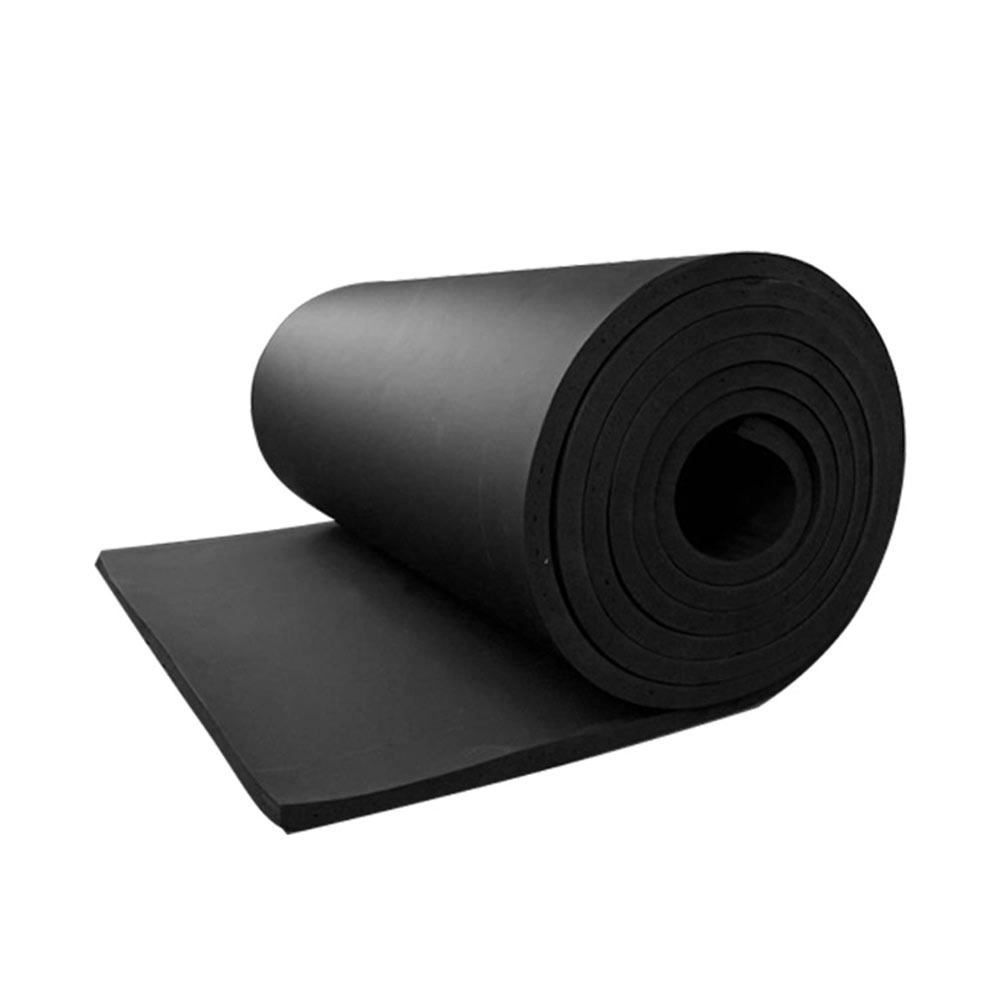
NBR Foam
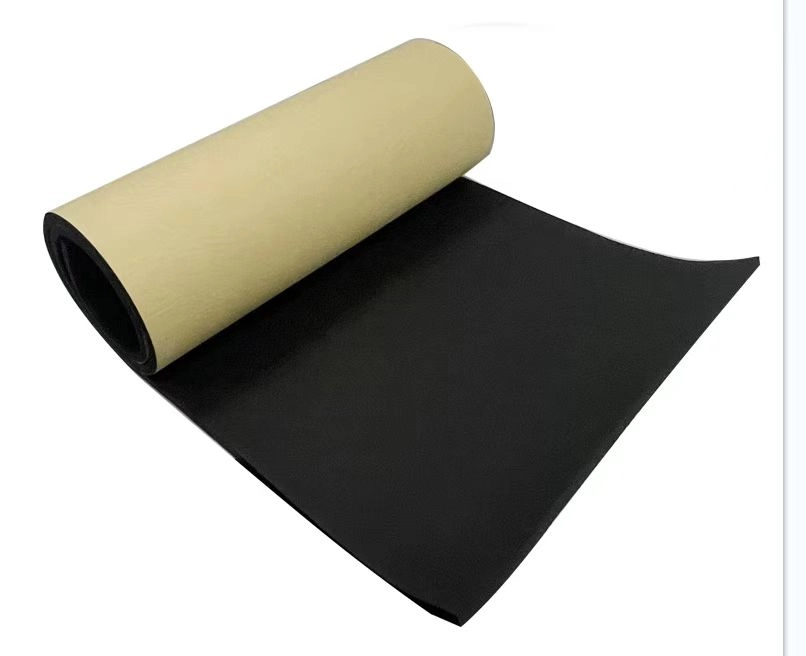
ASLONG NBR Foam: Wholesale NBR foam solutions for diverse applications. High-quality, durable, and competitively priced. Contact us today for bulk orders.
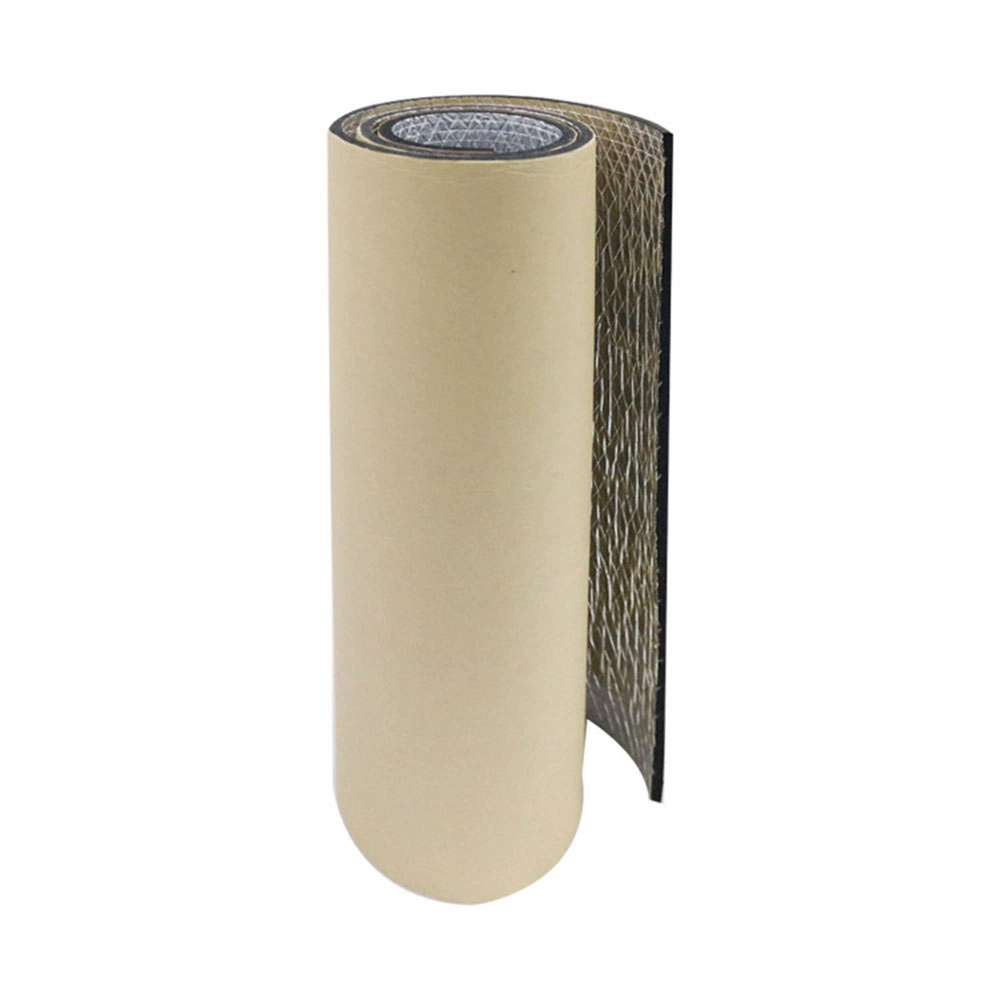
Multi layer Composite NBR foam
ASLONG's multi-layer composite NBR foam is your premium choice for superior cushioning and durability. Ideal for diverse applications, this high-quality NBR foam is available for sale now. Contact us for bulk orders.
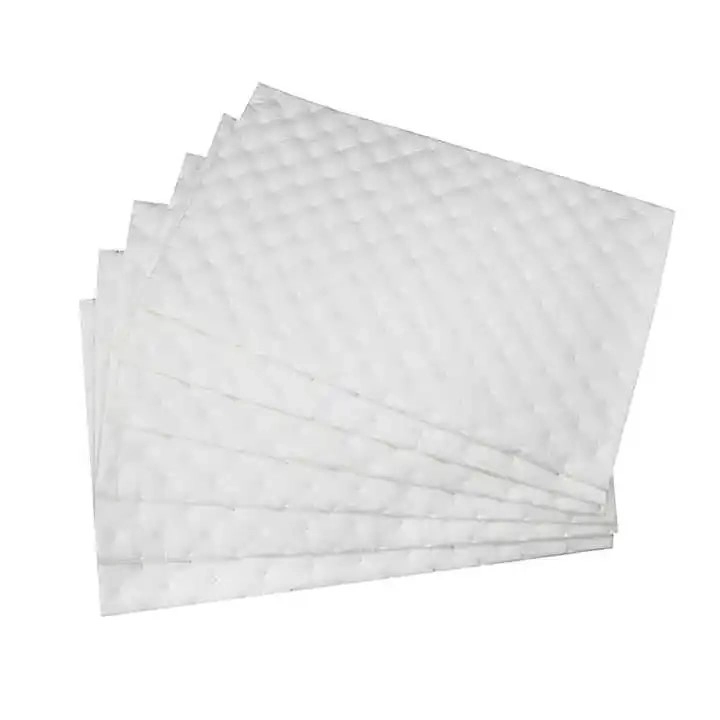
Sound Absorbing White Cotton
Sound-absorbing white cotton Made from PP and PET fibres by melt-blowing, special processes are used to achieve density diversification, sound absorption and noise reduction, thermal insulation, moisture-proof and mold resistance.
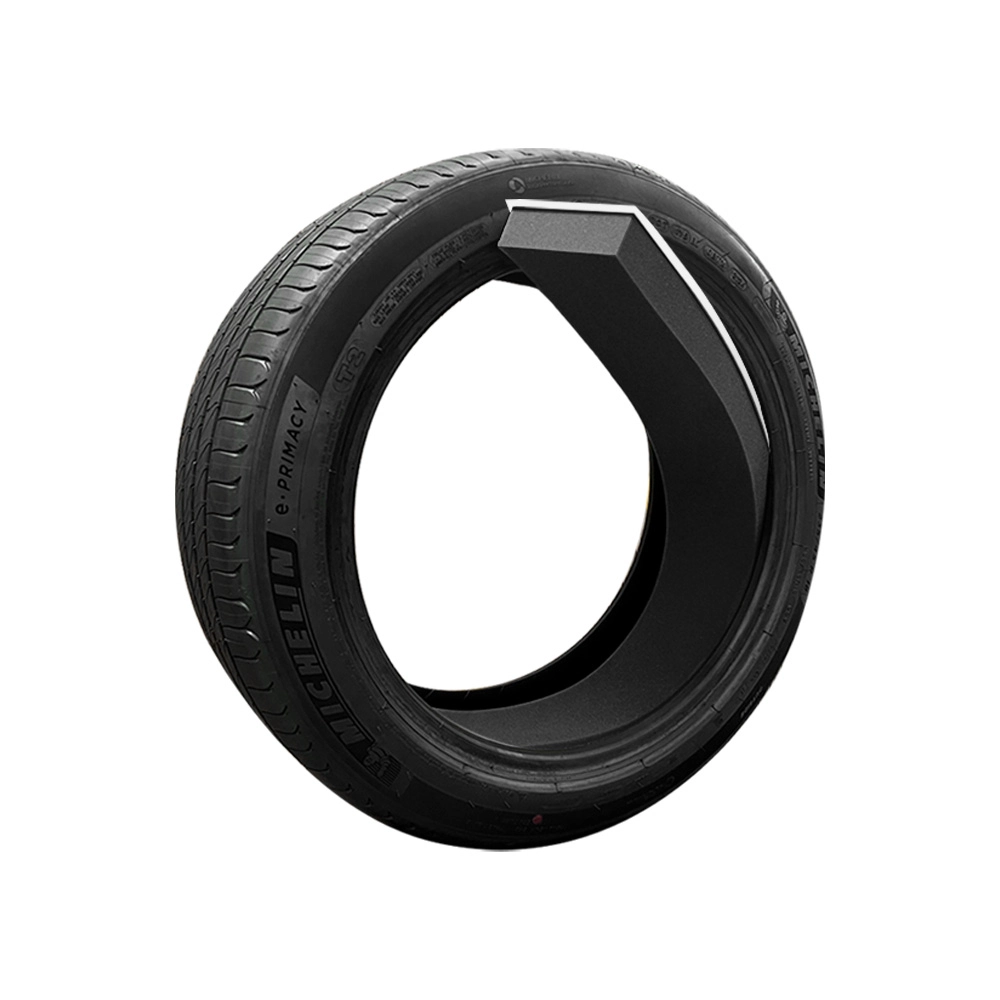
Puncture-Proof Soundproof Tire Foam, Self-Sealing Noise-Reducing Liner for Cars, Anti-Puncture Wheel Protection, Anti-Puncture Noise Reduction
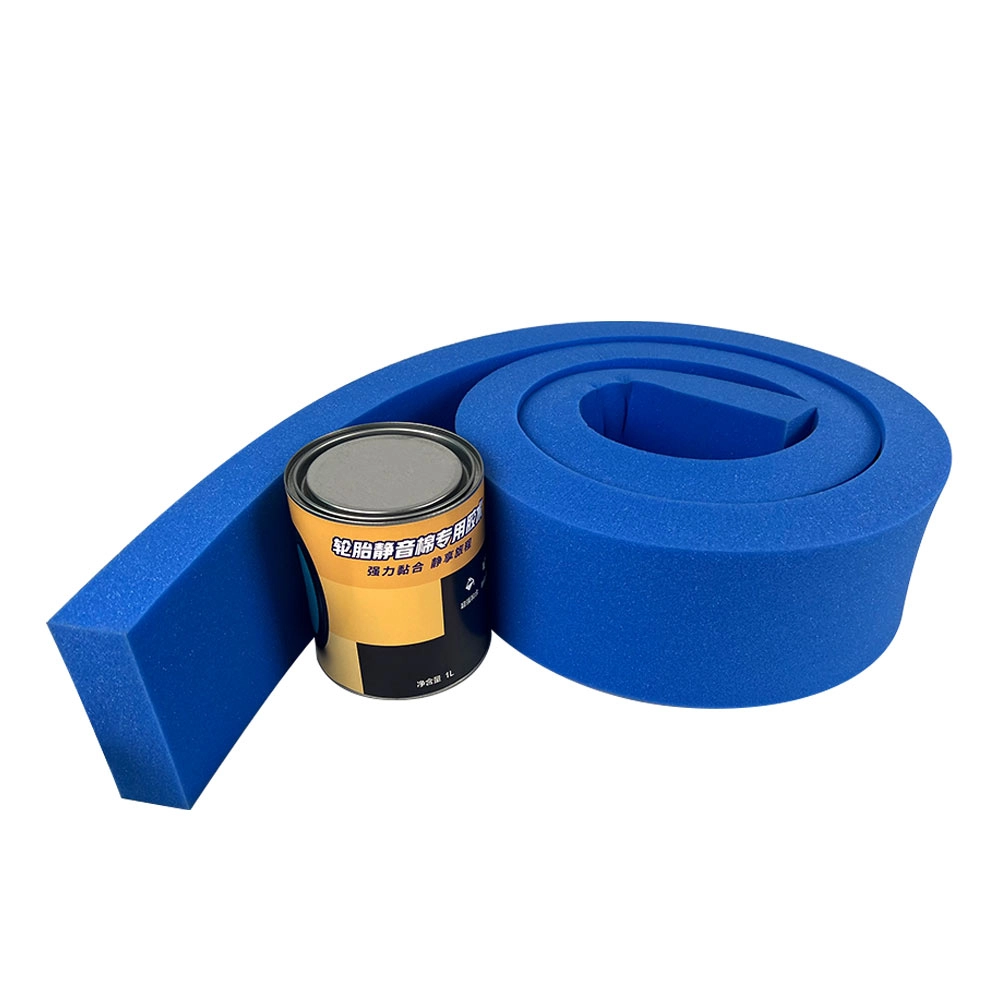
Tire Silent Foam with Special Glue
ASLONG Tire Silent Foam with special glue effectively reduces tire noise. Improve your vehicle's ride comfort. Buy ASLONG Tire Silent Foam for sale now and experience the quiet difference.
Professional support at any time
Contact us for a free quote on our new soundproofing materials!
© 2026 ASLONG All Rights Reserved. Privacy Policy | Terms and Conditions | Sitemap

 It would be pleasure to receive from you.
Whatsapp: +8613242879341
ASLONG Global
ASLONG
Aslong_global