

Car Soundproofing & Thermal Insulation: A Complete Guide for a Quieter and Cooler Driving Experience
Modern drivers expect more than transportation — they want quietness, comfort, and stable cabin temperature. As traffic noise grows and weather temperatures continue to rise, automotive soundproofing and heat insulation have become essential upgrades for both daily cars and modified vehicles.
Whether you're a distributor, workshop owner, or brand looking for premium butyl materials, this guide offers a complete, SEO-friendly view of how soundproofing + thermal insulation work, why they matter, and how to choose the right products.
- Why Do Cars Need Soundproofing and Heat Insulation?
- 1. Reduce Road, Engine, and Wind Noise
- 2. Lower Cabin Temperature
- 3. Improve Audio Performance
- 4. Boost Overall Driving Comfort
- 2. Core Materials Used in Automotive Soundproofing & Heat Insulation
- ① Butyl Rubber Damping Mat
- ② Thermal Aluminum Insulation (Heat Shield Foam)
- ③ Acoustic Foam (Closed-Cell)
- 3. Key Installation Areas for Best Performance
- 1. Front Firewall
- 2. Floor & Front Cabin Area
- 3. Doors
- 4. Roof
- 5. Trunk & Rear Wheel Arches
- 4. How to Choose Reliable Automotive Soundproofing Materials?
- ✔ High Butyl Content
- ✔ Thick and High-Density Aluminum Foil
- ✔ Zero Odor Formula
- ✔ Clear Product Specifications
- ✔ OEM Service & Factory Capability
- 5. Benefits for B2B Buyers and Workshops
- FAQ – Car Soundproofing & Heat Insulation
- 1. What’s the difference between soundproofing and heat insulation?
- 2. Will installing soundproof materials increase the car weight?
- 3. Why is butyl rubber better than asphalt?
- 4. Does soundproofing improve speaker performance?
- 5. How long does installation usually take?
- 6. Will insulation cause odor or affect the car interior?
- 7. Do you offer customized size, packaging, and logo?
Why Do Cars Need Soundproofing and Heat Insulation?
1. Reduce Road, Engine, and Wind Noise
External noise enters through the floor, doors, and wheel arches. Quality damping sheets eliminate metal resonance and noticeably reduce vibration-based noise.
2. Lower Cabin Temperature
Aluminum-foil-layered insulation blocks up to 90% of radiant heat, preventing the cabin from overheating during summer.
3. Improve Audio Performance
By stabilizing door panels and reducing vibration, the sound system delivers deeper bass and cleaner mid-high frequencies.
4. Boost Overall Driving Comfort
A quieter, cooler environment significantly improves long-distance driving experience and vehicle perceived value.
2. Core Materials Used in Automotive Soundproofing & Heat Insulation
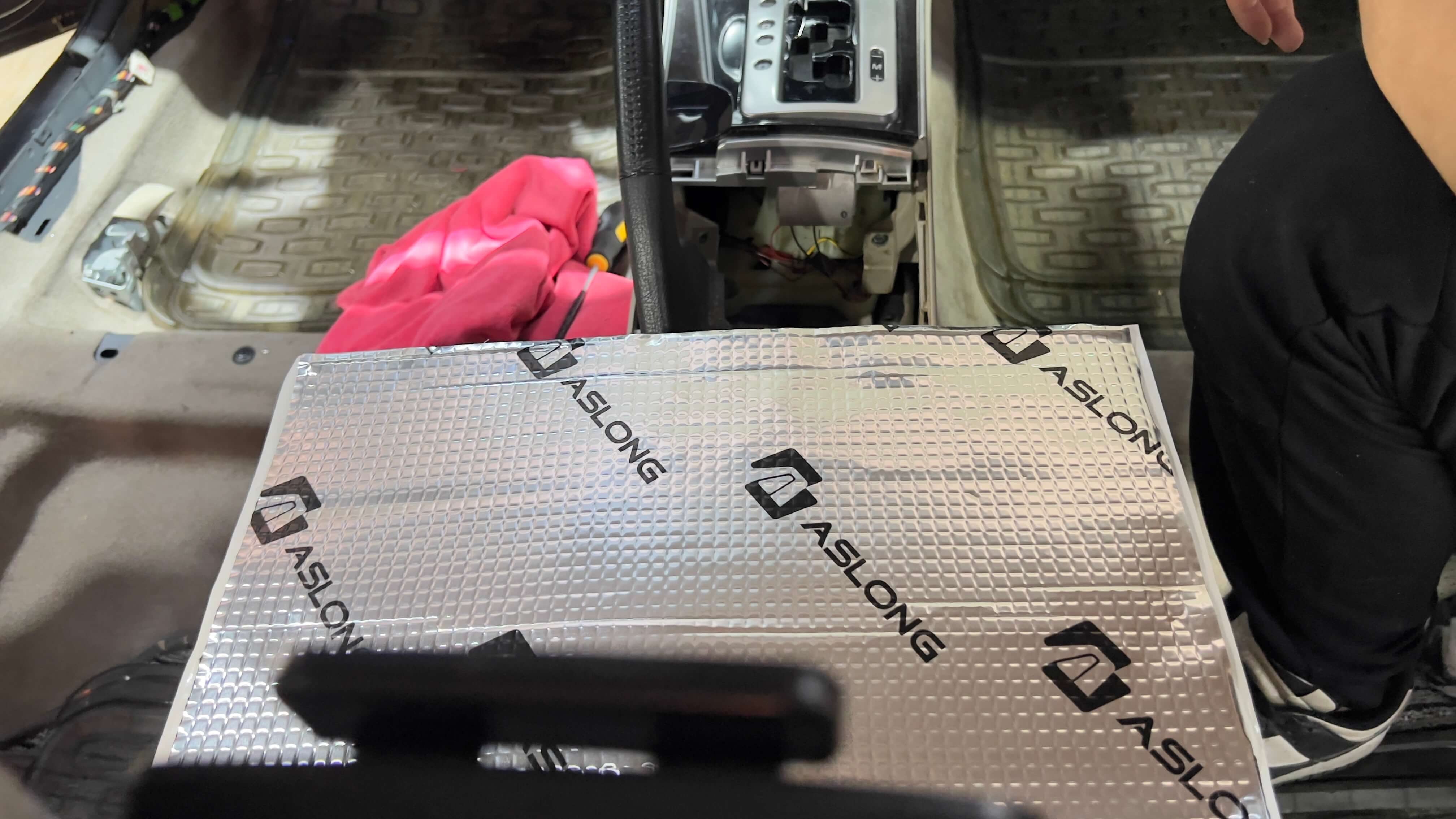
① Butyl Rubber Damping Mat
The industry standard for vibration damping.
Advantages:
-
High elasticity & strong adhesion
-
Excellent vibration absorption
-
Stable from −40°C to 120°C
-
Odorless compared with asphalt alternatives
Ideal for: doors, floors, trunk, wheel arches, firewall
② Thermal Aluminum Insulation (Heat Shield Foam)
A lightweight layer designed to block radiant heat.
Advantages:
-
Reflective aluminum surface
-
Prevents heat transfer from engine/exhaust
-
Improves AC cooling efficiency
-
Adds mild sound absorption
Ideal for: roof, firewall, floor
③ Acoustic Foam (Closed-Cell)
Handles mid-to-high-frequency noise.
Advantages:
-
Absorbs echo
-
Lightweight
-
Moisture-resistant
Ideal as a second layer on top of butyl mats.
3. Key Installation Areas for Best Performance

1. Front Firewall
Blocks engine heat and engine noise — one of the most effective zones.
2. Floor & Front Cabin Area
80% of road noise comes from under the vehicle.
A combination of butyl + heat insulation brings noticeable improvement.
3. Doors
One of the most cost-effective areas:
-
Reduces resonance
-
Stabilizes speakers
-
Improves audio clarity
4. Roof
Roof rain noise and sun exposure are major thermal issues; heat insulation foam is ideal here.
5. Trunk & Rear Wheel Arches
SUVs and hatchbacks get the biggest improvement from trunk soundproofing.
4. How to Choose Reliable Automotive Soundproofing Materials?
✔ High Butyl Content
Pure butyl = strong adhesion + durable vibration damping.
✔ Thick and High-Density Aluminum Foil
Better heat blocking and higher structural rigidity.
✔ Zero Odor Formula
Indicates absence of asphalt fillers and low-grade recycled rubber.
✔ Clear Product Specifications
Thickness, density, temperature resistance, adhesive strength — all should be transparent.
✔ OEM Service & Factory Capability
Manufacturing ability matters when launching a brand or scaling wholesale orders.
This is crucial for distributors, installers, and B2B buyers.
5. Benefits for B2B Buyers and Workshops
-
High return rate for installation services
-
Compatible with car audio upgrades
-
Strong aftermarket demand
-
Easy to upsell during maintenance or modification
-
Low installation risk, high customer satisfaction
Automotive soundproofing remains one of the most profitable and stable automotive aftermarket services.
FAQ – Car Soundproofing & Heat Insulation
1. What’s the difference between soundproofing and heat insulation?
Soundproofing reduces vibration and noise; heat insulation blocks thermal radiation. They complement each other and are often installed together.
2. Will installing soundproof materials increase the car weight?
Yes, but only slightly. Even full-car material usage increases weight by about 5–10 kg, which does not affect performance.
3. Why is butyl rubber better than asphalt?
Butyl is odorless, stable under high temperatures, and does not soften or melt. Asphalt materials may deform in hot climates.
4. Does soundproofing improve speaker performance?
Absolutely. Door damping eliminates resonance and significantly improves bass response and sound clarity.
5. How long does installation usually take?
Depending on the coverage:
-
Doors only: 1–2 hours
-
Full vehicle: 4–8 hours
6. Will insulation cause odor or affect the car interior?
High-quality butyl materials are odor-free and safe. Choose certified products for long-term stability.
7. Do you offer customized size, packaging, and logo?
Yes. Most manufacturers provide OEM/ODM support, including:
-
custom cuts
-
branded boxes
-
logo-printed sheets
-
bulk wholesale pricing

How to Choose the Best Car Soundproofing Materials for Maximum Noise Reduction
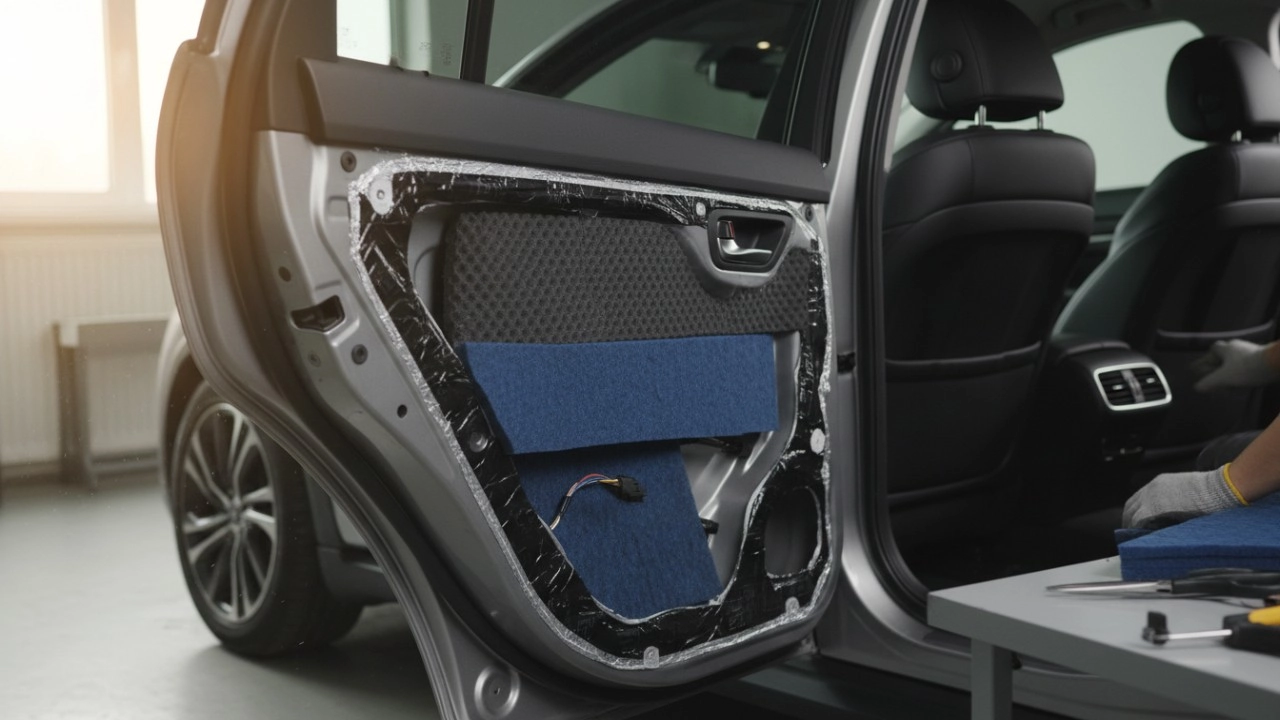
Complete Guide to Car Sound Deadening: Materials, Benefits and Installation
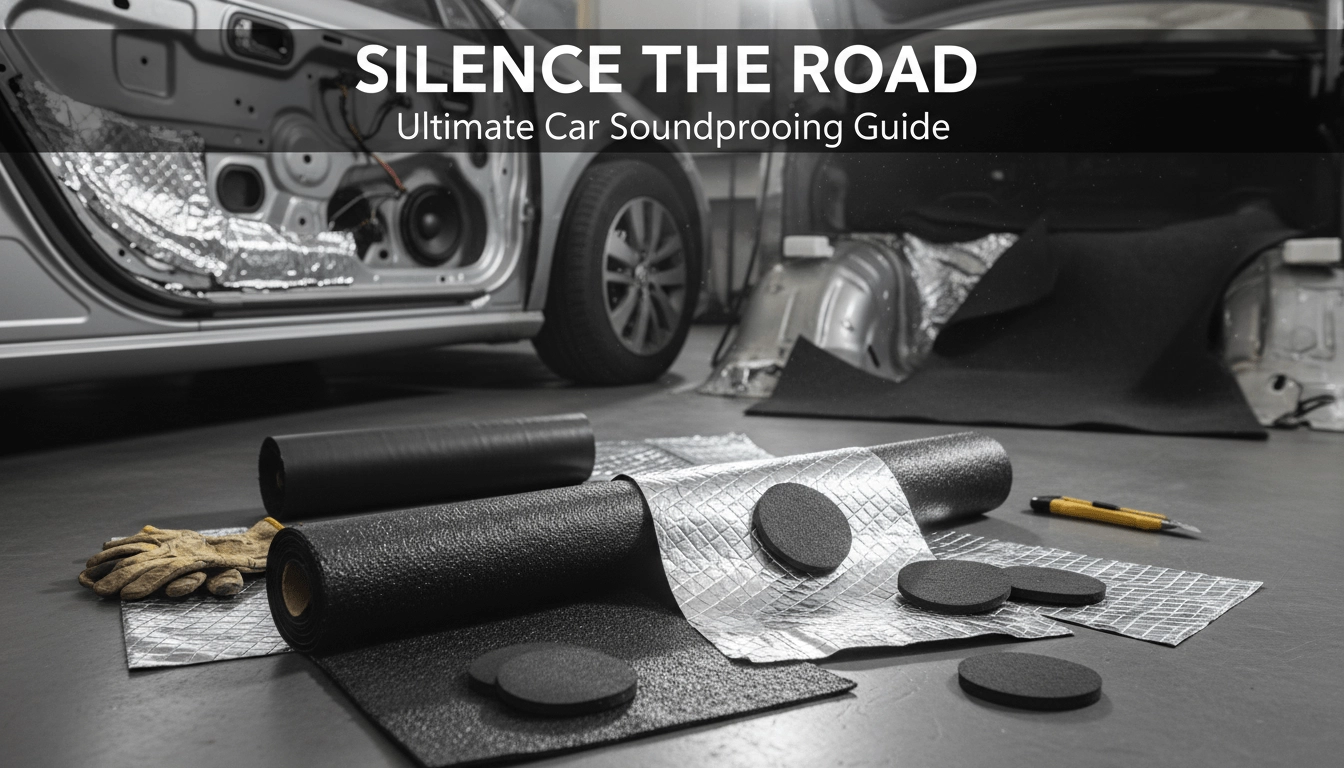
Main Types of Car Soundproofing Materials
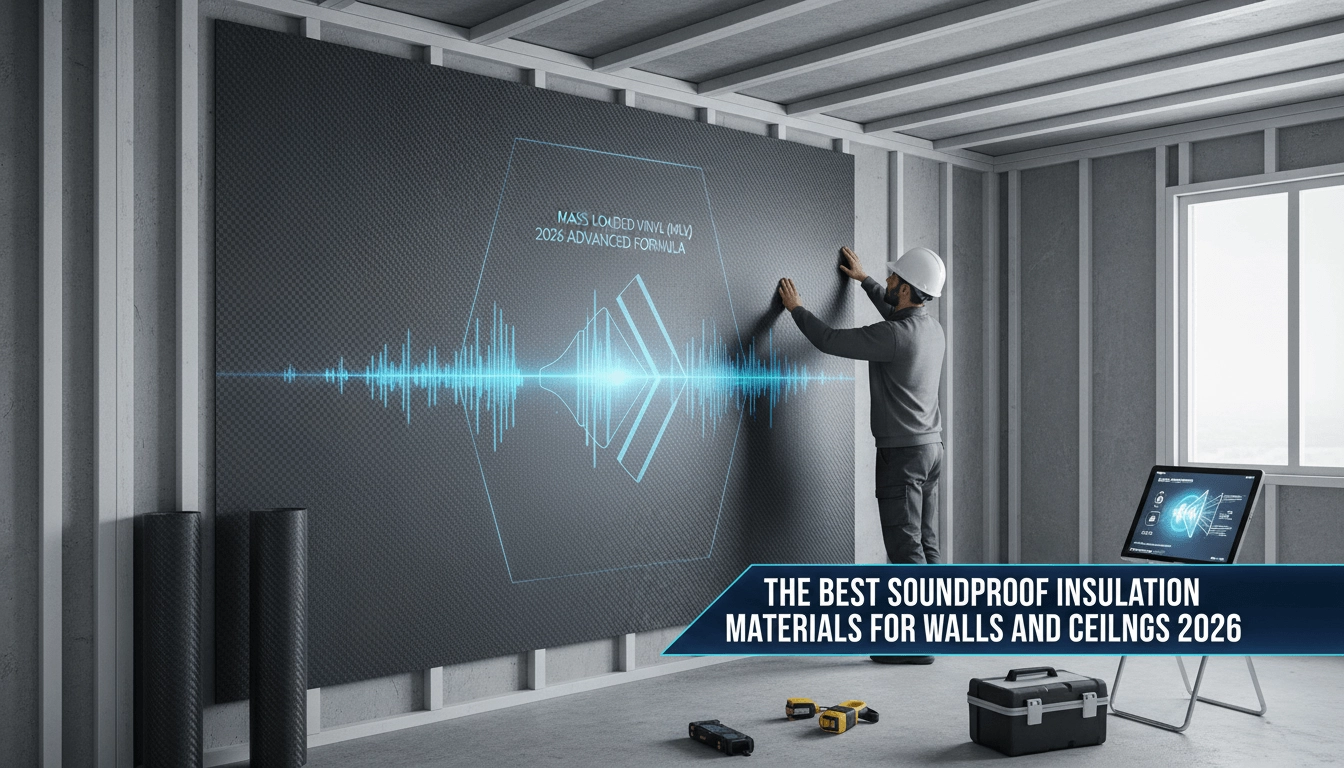
The Best Soundproof Insulation Materials for Walls and Ceilings 2026
Global Automotive Soundproofing Materials Market Trends & Forecast (2026–2035)
FAQs
How to customize products that meet the needs of my industry?
You only need to contact our sales or technical team, we will conduct an in-depth analysis based on your industry needs and provide tailor-made products and solutions. We guarantee to provide you with efficient and accurate services to meet your personalized requirements.
What specific functions can ASLONG's products provide?
Our products cover functions such as insulation, sound insulation, shock absorption, waterproofing and sealing, and are widely used in improving energy efficiency, reducing noise, controlling vibration, protecting equipment, etc., helping customers optimize engineering effects and improve user experience.
Do ASLONG's products meet environmental protection standards?
Yes, all ASLONG products comply with ISO14001 environmental management system certification and global environmental protection standards. We use environmentally friendly materials and are committed to providing sustainable solutions to help customers achieve green development goals.
Does ASLONG provide after-sales service?
Yes, we provide a full range of after-sales services, including technical support, installation guidance, product maintenance and quality tracking, etc., to ensure that each project goes smoothly and continues to perform at its best.
What industries are the products provided by ASLONG suitable for?
ASLONG's products are suitable for multiple industries, including air conditioning and HVAC, construction and waterproofing, automobiles and transportation, home appliances and electronics, industrial equipment and machinery, etc. We provide customized solutions for each industry to meet different needs.
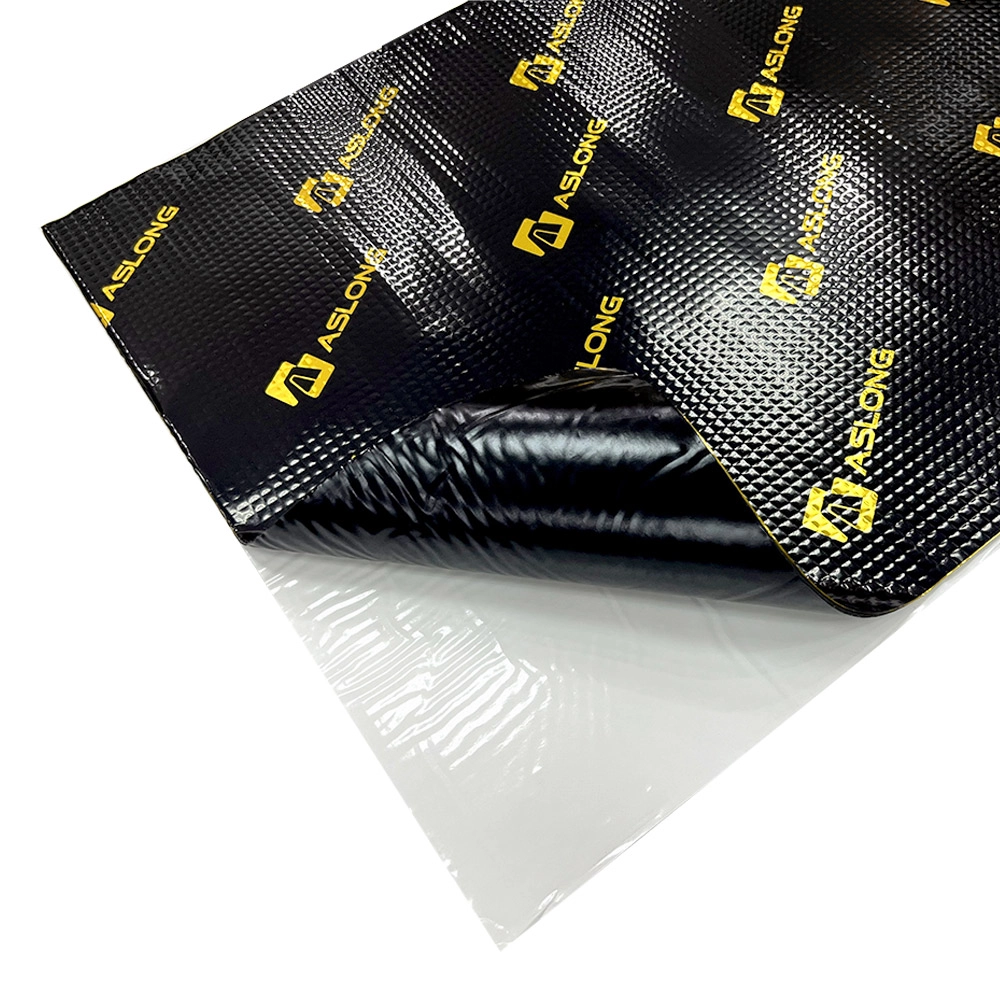
Car sound deadener mat
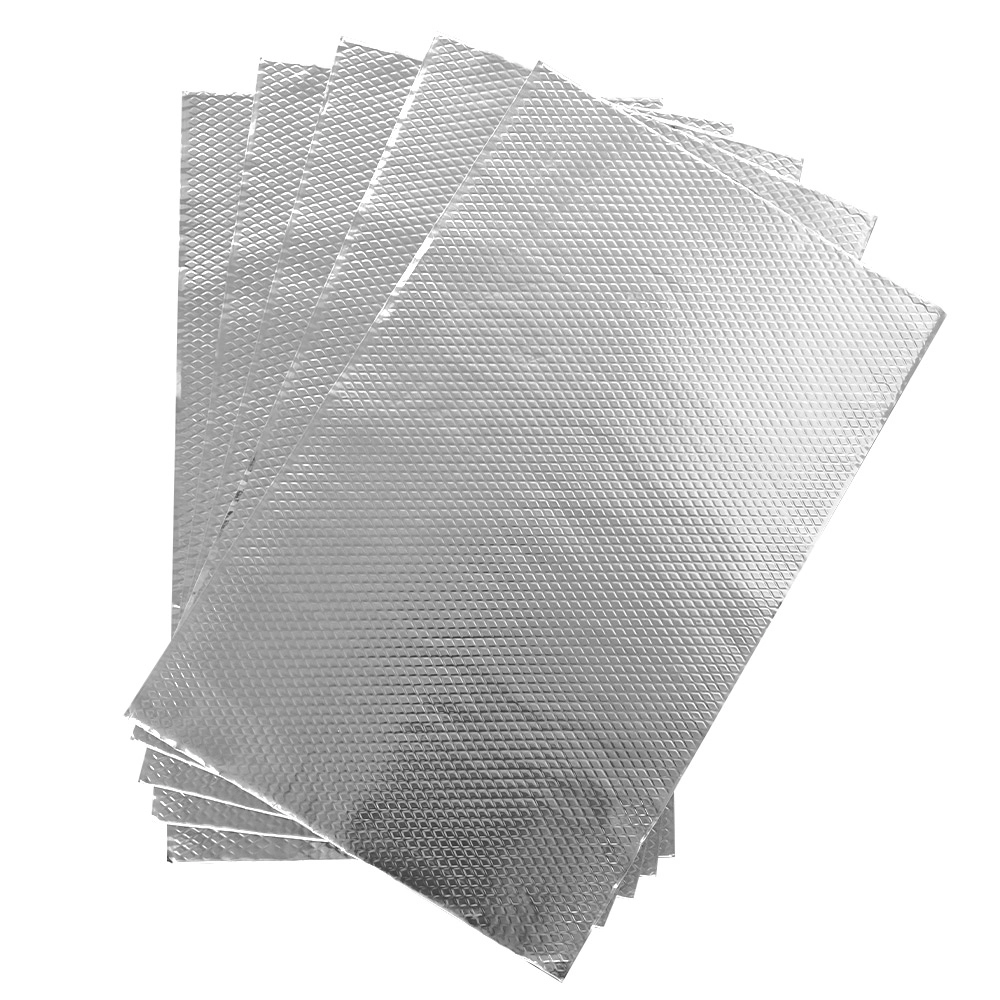
Car Sound Damping Sheet
Discover the ASLONG Car Sound Damping Sheet—High Quality sound damping material designed to reduce road noise and vibration. Improve your driving comfort with this easy-to-install, durable car sound damping sheet for superior sound insulation.
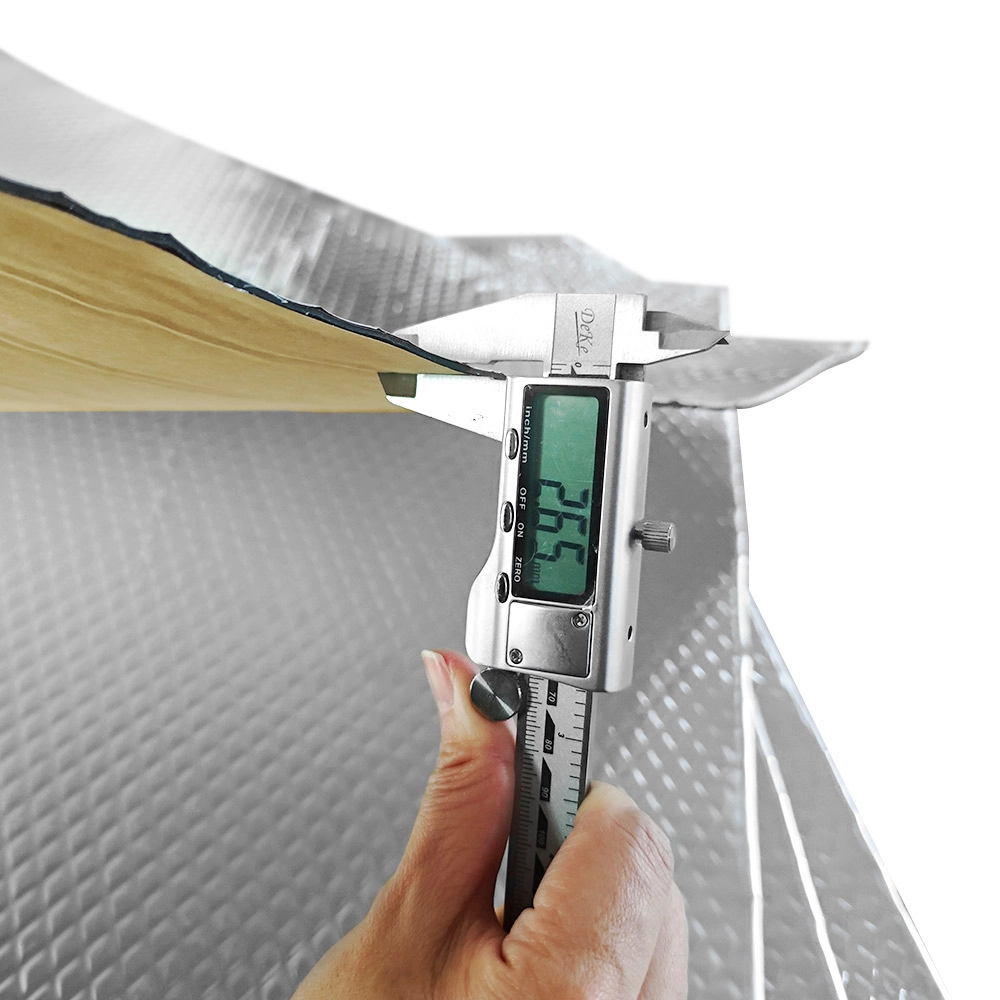
Aslong Premium Sound Deadening Mat | Butyl Rubber & Aluminum Vibrations Dampening Pad for Automotive Noise Reduction
The Aslong Sound Deadening Mat is made from high-density butyl rubber combined with reinforced aluminum foil. It effectively reduces vehicle vibrations, eliminates resonance noise, and improves cabin comfort. Ideal for doors, floors, trunks, wheel arches, and engine hoods. Strong adhesion and easy installation make it suitable for both professionals and DIY users.
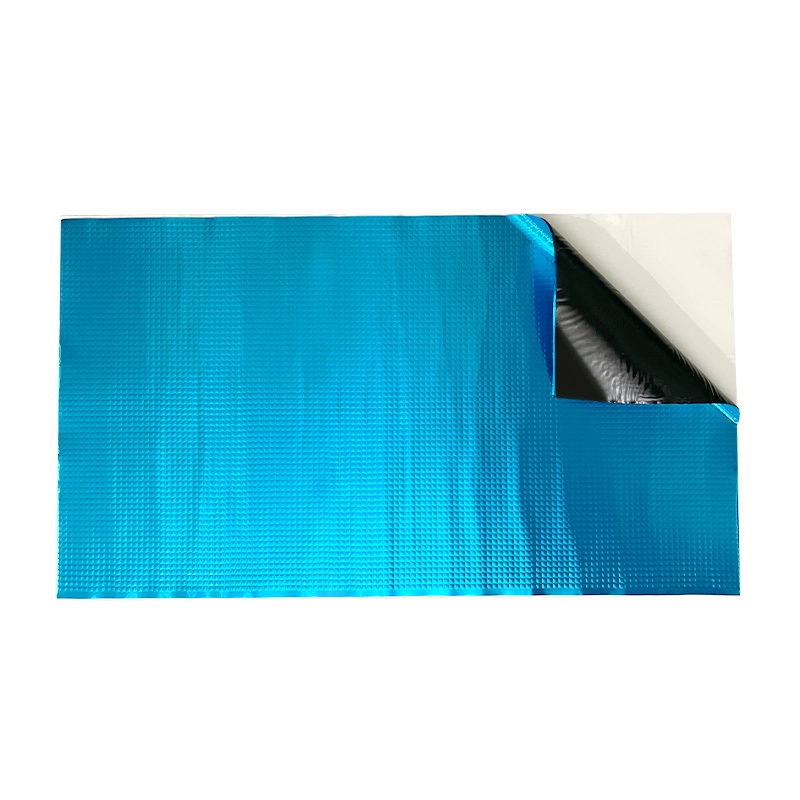
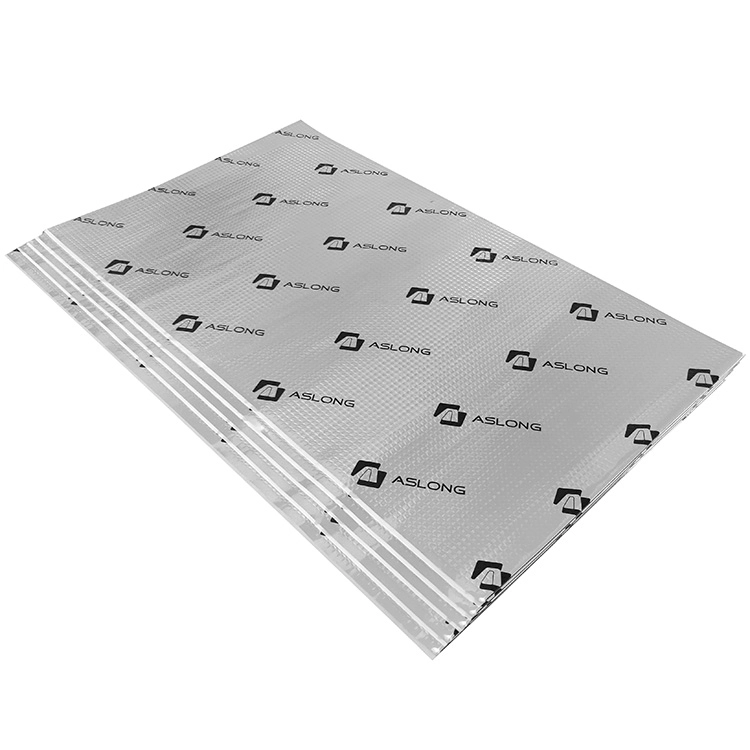
Butyl Rubber Sound Deadening Mat | Car Noise & Heat Insulation Aluminum Foil Pad | Automotive Soundproof & Thermal Barrier Material
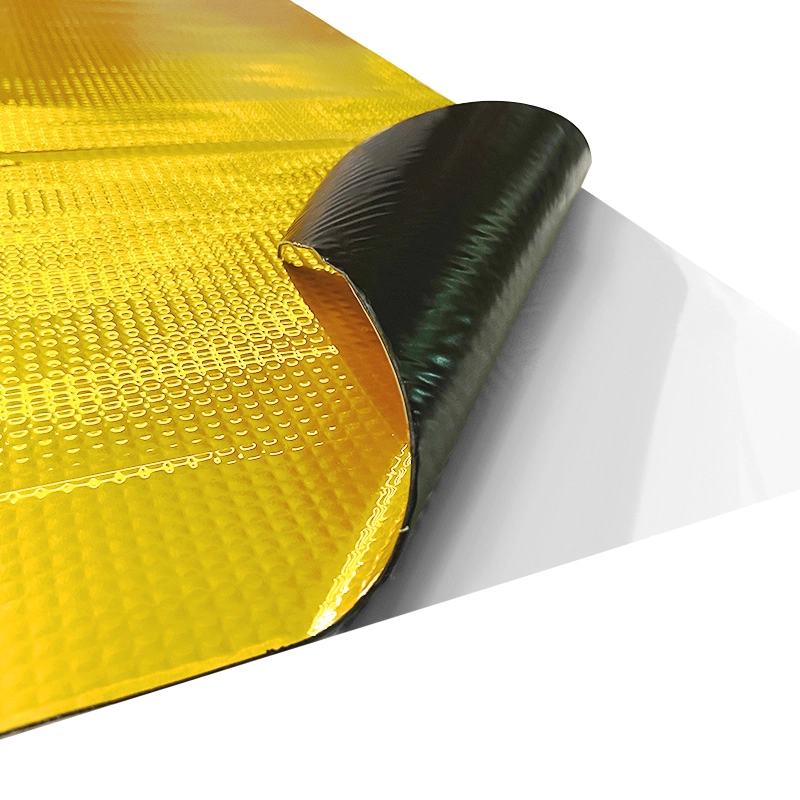
Premium Butyl Sound Deadening Mat – Automotive Noise & Heat Insulation with Aluminum Foil Layer
High-performance butyl rubber sound deadening mat designed to reduce road noise and heat inside vehicles. Backed with reflective aluminum foil, it provides superior thermal insulation, excellent vibration damping, and long-lasting adhesion. Ideal for cars, trucks, vans, and industrial applications.
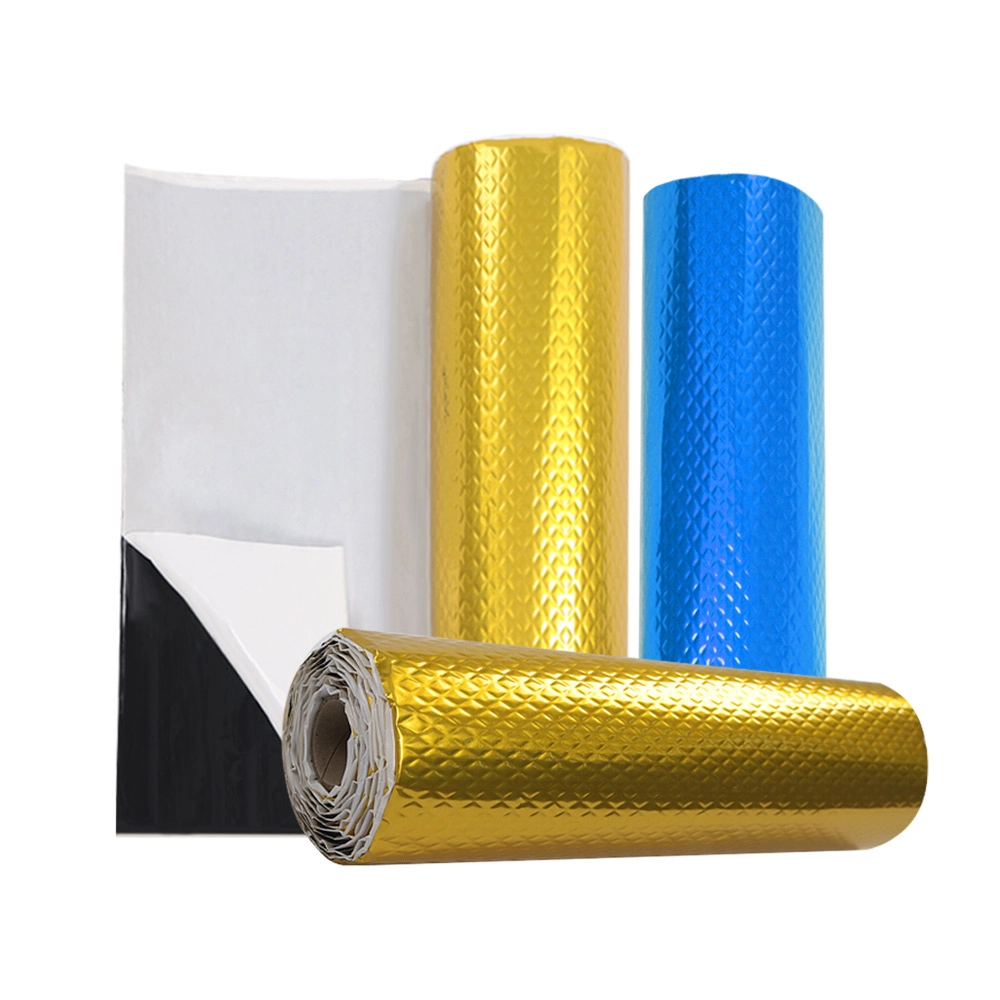
Butyl Rubber Sound Damping Mat
ASLONG Butyl Rubber Sound Damping Mat for sale. Effectively reduces noise and vibrations. High-quality butyl rubber ensures superior performance and durability. Ideal for automotive, industrial, and home applications.
Professional support at any time
Contact us for a free quote on our new soundproofing materials!
© 2026 ASLONG All Rights Reserved. Privacy Policy | Terms and Conditions | Sitemap

 It would be pleasure to receive from you.
Whatsapp: +8613242879341
ASLONG Global
ASLONG
Aslong_global