

Comparing Mass Loaded Vinyl Grades and Quality
- Comparing Mass Loaded Vinyl Grades and Quality
- What is Mass Loaded Vinyl and why it matters for soundproofing
- Product introduction — ASLONG Mass Loaded Vinyl
- How Mass Loaded Vinyl works — the physics in plain language
- Common Mass Loaded Vinyl grades and specifications
- Performance metrics to compare MLV grades: STC, TL, and NRC
- Choosing the right Mass Loaded Vinyl grade for common applications
- Installation considerations that affect real-world performance
- Durability, longevity, and quality indicators
- Cost vs. performance: making a practical choice
- Testing, certifications and verifying claims
- Why ASLONG Mass Loaded Vinyl is a strong choice
- Real-world example: expected improvements and limitations
- Frequently Asked Questions (FAQ)
- Q: What mass loaded vinyl grade should I use for a home recording studio?
- Q: Will adding Mass Loaded Vinyl make my floor feel different?
- Q: Can I install MLV myself?
- Q: Is heavier always better for Mass Loaded Vinyl?
- Q: How do I maintain or repair MLV?
- Contact and where to buy
- Sources and further reading

Comparing Mass Loaded Vinyl Grades and Quality
What is Mass Loaded Vinyl and why it matters for soundproofing
Mass loaded vinyl (MLV) is a flexible, high-density barrier material used to reduce airborne sound transmission in walls, floors, ceilings and doors. Mass and limpness make MLV effective at blocking sound across a wide frequency range without adding thickness like rigid barriers. For contractors, architects, and homeowners looking to improve acoustic performance, understanding the differences between Mass Loaded Vinyl grades and quality is essential to getting predictable results.
Product introduction — ASLONG Mass Loaded Vinyl
ASLONG Mass Loaded Vinyl for sale. Reduce noise pollution effectively with our high-quality, mass-loaded vinyl. Ideal for soundproofing walls, floors, and more. Buy now and experience the difference!
How Mass Loaded Vinyl works — the physics in plain language
Mass Loaded Vinyl works by adding mass to a partition, which reduces the amount of airborne sound energy transmitted through it. Two physical properties determine its effectiveness: surface mass (weight per unit area) and limpness (flexibility to damp vibrations). A denser MLV increases sound transmission loss (TL) and improves the Sound Transmission Class (STC) of a wall or ceiling. Because MLV is limp, it can absorb and dissipate vibrational energy instead of transmitting it, which helps at lower frequencies where rigid materials often fail.
Common Mass Loaded Vinyl grades and specifications
MLV products are commonly differentiated by their mass per unit area (lb/ft² or kg/m²) and thickness. Below is a practical comparison of typical grades you’ll encounter in the market and typical performance expectations. Values are representative averages; actual performance depends on system assembly and installation quality.
| Grade name | Weight (lb/ft²) | Weight (kg/m²) | Typical thickness | Typical STC improvement (added to an existing stud wall) | Common uses |
|---|---|---|---|---|---|
| Lightweight MLV | 0.5 | ~2.44 | 0.3–1.2 mm | 2–4 points | Small projects, cabinets, thin retrofit |
| Standard MLV | 1.0 | ~4.88 | 1.0–2.0 mm | 4–7 points | Walls, ceilings, doors |
| Heavy MLV | 1.5 | ~7.32 | 1.5–3.0 mm | 6–9 points | High-performance partitions, floors |
| Extra heavy | 2.0 | ~9.77 | up to 4.0 mm | 7–10+ points | Industrial or critical acoustics |
Table note: STC improvement figures are approximate and depend on the original wall construction, decoupling, sealing, and additional absorption layers. Sources for typical performance: acoustics manufacturers and industry guides (listed at article end).
Performance metrics to compare MLV grades: STC, TL, and NRC
When choosing Mass Loaded Vinyl, pay attention to these performance metrics:
- Sound Transmission Class (STC) — a single-number rating that estimates airborne sound isolation for partitions. Adding MLV to a wall can raise STC; heavier MLV tends to raise STC more.
- Transmission Loss (TL) — frequency-dependent measurement showing how much sound is reduced across frequencies. MLV offers consistent increases in TL across mid-to-high frequencies and helps at low frequencies due to limp mass.
- Noise Reduction Coefficient (NRC) — measures sound absorption, not blocking. MLV is not primarily an absorber; pair it with absorptive materials for room acoustics improvements.
Don’t rely on a single number; review lab test reports when available, and compare installed-system ratings rather than product-only values when possible.
Choosing the right Mass Loaded Vinyl grade for common applications
Match the MLV grade to the use case rather than picking the heaviest option by default. Heavier MLV increases cost, weight, and handling difficulty. Consider these guidelines:
- Interior walls (residential): Standard 1 lb/ft² MLV balances performance and cost. Combined with resilient channels or staggered studs it can deliver significant STC gains.
- Floors: Use heavy MLV (1.5–2.0 lb/ft²) under floating floors or as a layer in assemblies where impact noise and airborne sounds are both concerns.
- Ceilings: 1.0–1.5 lb/ft² is common; ensure structural support and proper sealing at edges.
- Doors and windows: Use MLV as a lining for doors or improvise seals around frames. Even lightweight MLV improves door performance noticeably.
- Commercial/industrial: Where stricter criteria exist, select heavy grades and validate with lab testing.
Installation considerations that affect real-world performance
Quality of installation is often more important than small differences in MLV grade. Key points:
- Seal all edges and seams with acoustic sealant—air leaks defeat MLV’s purpose.
- Overlap seams or use acoustic tape to create a continuous barrier.
- Do not puncture or compress MLV—fasteners should be minimized or sealed around.
- Combine MLV with absorptive insulation (e.g., fiberglass) and structural decoupling (resilient channels or staggered studs) for best STC gains.
- Consider weight: heavier MLV needs more robust supports and careful handling during installation.
Durability, longevity, and quality indicators
High-quality Mass Loaded Vinyl should be flexible yet tear-resistant, with consistent density across rolls. Look for:
- Uniform weight per area and no large voids or thin spots.
- UV-stable outer layer if used in areas with sunlight exposure.
- Manufacturer data sheets (MDS) and lab test reports (ISO or ASTM standards) showing TL/STC measurements for system assemblies.
- Warranty and product support—reputable brands back their MLV with clear warranty terms.
Cost vs. performance: making a practical choice
MLV pricing scales with weight and formulation. Lightweight MLV can be cost-effective for small upgrades, while heavier MLV is justified in studios, theaters, or multi-family construction where regulations or occupant expectations require higher performance. Consider total installed cost—materials, labor for handling heavier rolls, and any structural reinforcements—not only the raw per-roll price.
Testing, certifications and verifying claims
Ask manufacturers for lab reports or certified test data of the complete wall/floor assembly that includes the MLV. Standalone product mass is useful, but STC or TL of the installed assembly is what determines occupant experience. Typical standards and tests referenced include:
- ASTM E90 (Measurement of airborne sound transmission loss of building partitions)
- ASTM E413 (Classification for Rating Sound Insulation)
Always request test reports for assemblies similar to your use case.
Why ASLONG Mass Loaded Vinyl is a strong choice
ASLONG offers a range of Mass Loaded Vinyl products designed for different budgets and performance needs. Key advantages:
- Multiple densities available to match application needs without overpaying for unneeded weight.
- Consistent manufacturing tolerances and QA that reduce thin spots and variation in performance.
- Clear product specifications and installation guidance to help contractors achieve tested assembly results.
- Customer support for selecting the right Mass Loaded Vinyl grade for walls, floors, or ceilings.
Real-world example: expected improvements and limitations
Example: Adding 1 lb/ft² MLV to a typical 2x4 drywall partition with fiberglass insulation and a single layer of gypsum can often raise STC by 4–7 points, which translates to noticeably less speech intelligibility through the wall. However, MLV cannot fix flanking paths (gaps, shared ducts, unsealed penetrations) — these must be addressed separately. Low-frequency isolation (e.g., bass) is improved with heavier MLV and proper decoupling, but very low frequencies require specialized room treatments.
Frequently Asked Questions (FAQ)
Q: What mass loaded vinyl grade should I use for a home recording studio?
A: For home studios, a 1.5 lb/ft² MLV is a common starting point for walls and ceilings, combined with decoupling methods and absorptive materials. Use heavier MLV for floors or if neighbor disturbance is primarily low-frequency.
Q: Will adding Mass Loaded Vinyl make my floor feel different?
A: MLV adds mass but is thin and flexible. When installed under a floating floor, it can slightly change the feel due to the added layer, but it does not dramatically alter stiffness. Proper installation maintains floor comfort while improving airborne and impact noise performance when combined with underlayments designed for impact reduction.
Q: Can I install MLV myself?
A: Yes, many homeowners install MLV. Follow manufacturer instructions, use acoustic sealant, overlap seams, and consider assistance for heavy rolls. For best results in complex assemblies, consult a professional.
Q: Is heavier always better for Mass Loaded Vinyl?
A: Heavier MLV generally increases blocking performance, but returns diminish beyond certain points and may complicate installation. Balance weight, cost, and installation practicality with project goals.
Q: How do I maintain or repair MLV?
A: MLV is low-maintenance. Repair tears with patch pieces and acoustic tape/sealant. Avoid prolonged UV exposure unless product is UV-stable.
Contact and where to buy
After selecting the right MLV grade, consider Mass Loaded Vinyl and HVAC noise mitigation, which addresses a common source of unwanted sounds in both commercial and residential settings.Ready to choose the right Mass Loaded Vinyl for your project? Contact ASLONG for product specifications, pricing, and installation guidance. Our team can help you select the correct grade and provide technical documentation to match performance targets.
For product details and quotes, contact our sales team or view the ASLONG Mass Loaded Vinyl product line today.
Sources and further reading
- Acoustical Surfaces. Mass Loaded Vinyl (MLV) - Product Guide — https://www.acousticalsurfaces.com
- IAC Acoustics. Mass Loaded Vinyl Applications and Data — https://www.iacacoustics.com
- Soundproofing Company. How MLV Works & STC Improvements — https://www.soundproofingcompany.com
- ASTM International. Standards ASTM E90 and ASTM E413 — https://www.astm.org
Thermal and Acoustic Insulation Combinations 2026
Sound Deadening vs Sound Absorption for Cars 2026 Explained
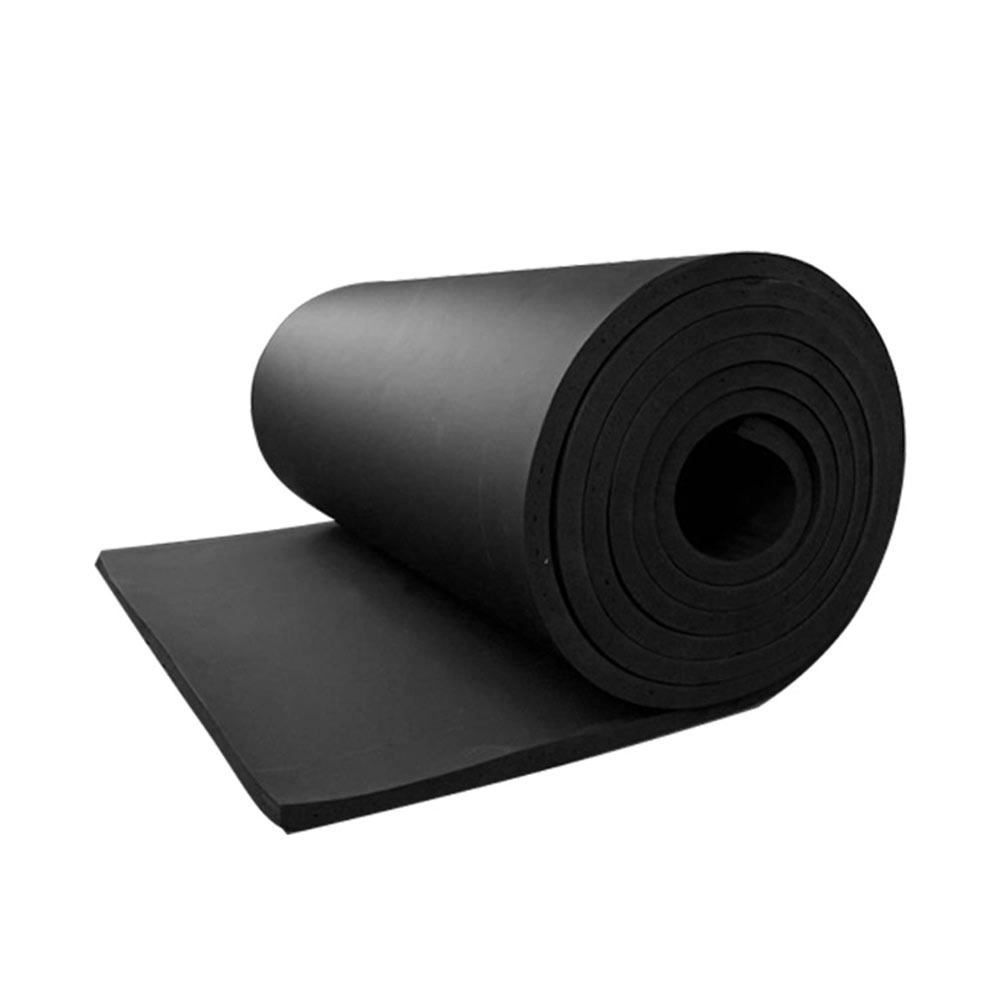
Benefits of NBR Foam in Industrial and Commercial Settings
Best lightweight soundproofing materials for EV cabins
FAQs
What industries are the products provided by ASLONG suitable for?
ASLONG's products are suitable for multiple industries, including air conditioning and HVAC, construction and waterproofing, automobiles and transportation, home appliances and electronics, industrial equipment and machinery, etc. We provide customized solutions for each industry to meet different needs.
Does ASLONG provide after-sales service?
Yes, we provide a full range of after-sales services, including technical support, installation guidance, product maintenance and quality tracking, etc., to ensure that each project goes smoothly and continues to perform at its best.
What specific functions can ASLONG's products provide?
Our products cover functions such as insulation, sound insulation, shock absorption, waterproofing and sealing, and are widely used in improving energy efficiency, reducing noise, controlling vibration, protecting equipment, etc., helping customers optimize engineering effects and improve user experience.
How to customize products that meet the needs of my industry?
You only need to contact our sales or technical team, we will conduct an in-depth analysis based on your industry needs and provide tailor-made products and solutions. We guarantee to provide you with efficient and accurate services to meet your personalized requirements.
Do ASLONG's products meet environmental protection standards?
Yes, all ASLONG products comply with ISO14001 environmental management system certification and global environmental protection standards. We use environmentally friendly materials and are committed to providing sustainable solutions to help customers achieve green development goals.
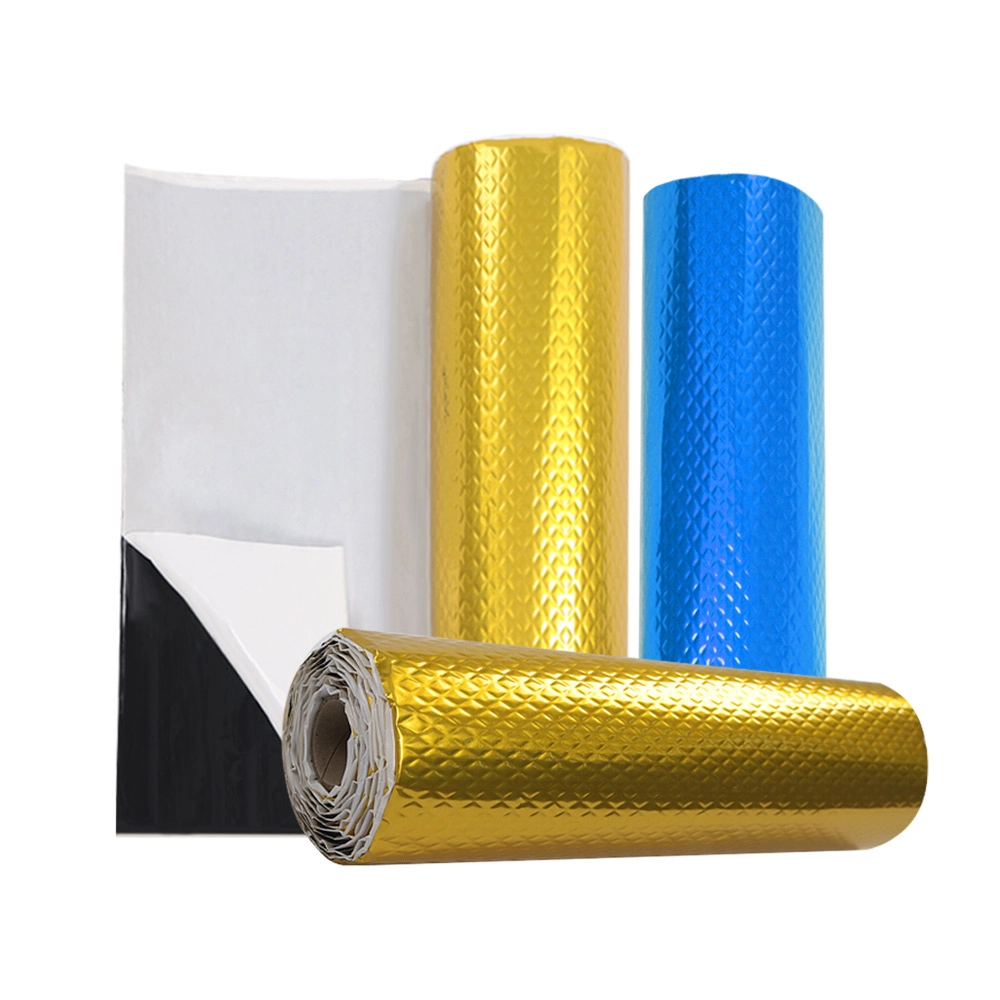
Butyl Rubber Sound Damping Mat
ASLONG Butyl Rubber Sound Damping Mat for sale. Effectively reduces noise and vibrations. High-quality butyl rubber ensures superior performance and durability. Ideal for automotive, industrial, and home applications.
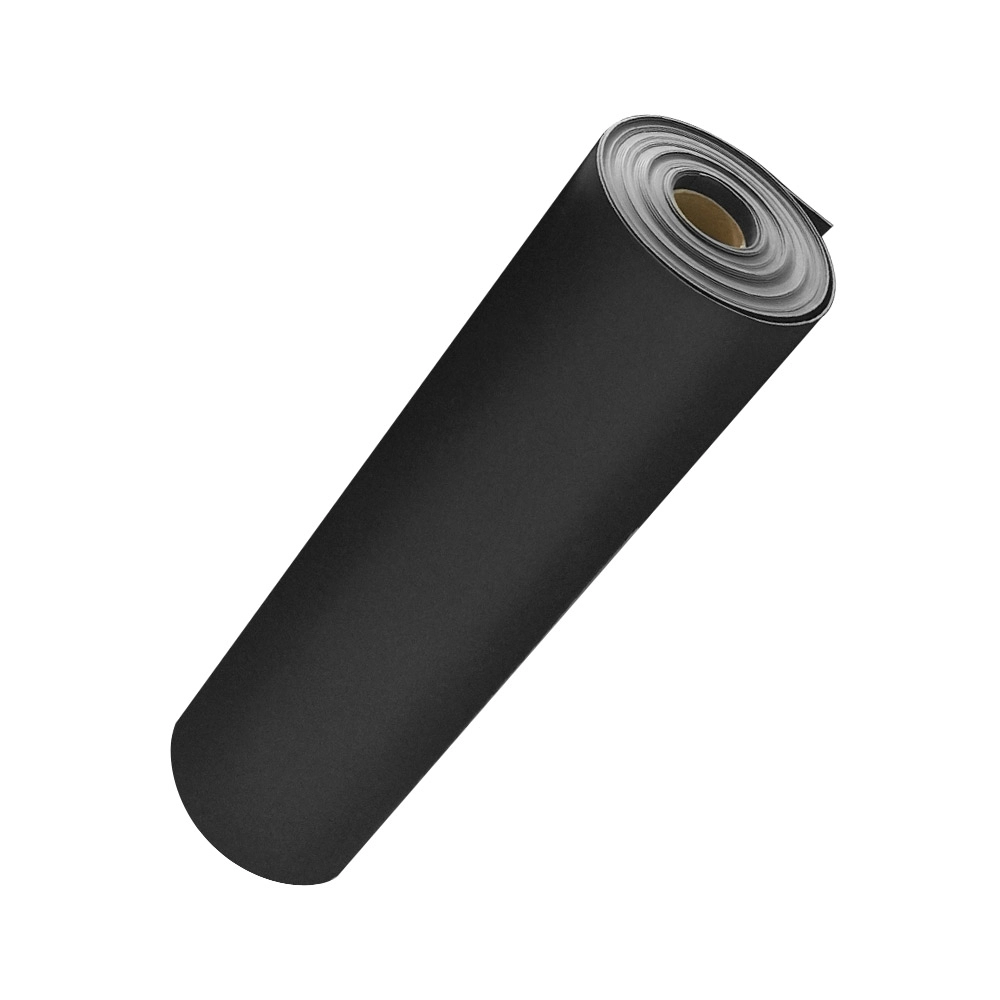
Mass Loaded Vinyl
ASLONG Mass Loaded Vinyl for sale. Reduce noise pollution effectively with our high-quality, mass-loaded vinyl. Ideal for soundproofing walls, floors, and more. Buy now and experience the difference!
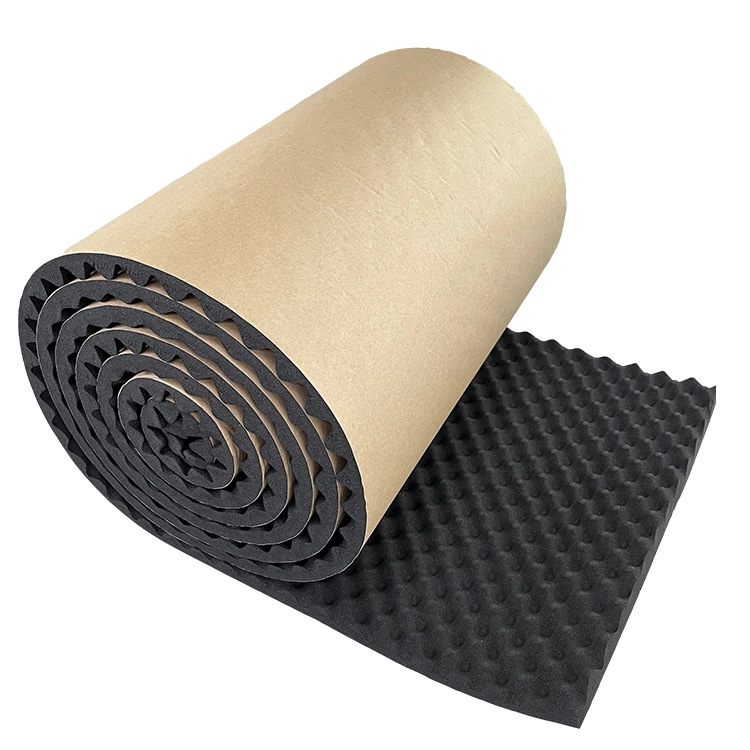
Egg Crate Foam
ASLONG Egg Crate Foam for sale. Lightweight, breathable, and comfortable, our egg crate foam provides superior support and pressure relief. Perfect for mattresses, cushions, cars, construction industry, KTV, factories, etc.
NBR Foam
ASLONG NBR Foam: Wholesale NBR foam solutions for diverse applications. High-quality, durable, and competitively priced. Contact us today for bulk orders.
Professional support at any time
If you have any comments or good suggestions, please leave us a message; later our professional staff will contact you as soon as possible.
© 2026 ASLONG All Rights Reserved. Privacy Policy | Terms and Conditions | Sitemap

 It would be pleasure to receive from you.
Whatsapp: +8613242879341
ASLONG Global
ASLONG
Aslong_global