

The Science Behind Noise Reduction: How Soundproofing Works
Noise is everywhere — from busy highways to humming engines and echoing rooms. While we can’t eliminate sound from our environment, soundproofing allows us to control and reduce unwanted noise. Whether in cars, homes, or studios, noise reduction technology helps create quiet, comfortable, and productive spaces.
In this article, we’ll explore the science behind noise reduction, how soundproofing materials work, and why investing in proper insulation makes a huge difference in comfort and performance.
What Is Noise?
Before understanding how soundproofing works, it’s important to know what noise actually is.
Noise is simply unwanted sound — vibrations that travel through air, solids, or liquids and reach our ears. These vibrations are measured in decibels (dB), and the higher the number, the louder the sound.
Everyday examples include:
-
Road noise and tire friction in vehicles
-
Vibrations from engines or machinery
-
Echoes inside rooms or metal panels
-
Airborne noise like music, speech, or traffic sounds
The Science of Soundproofing
Soundproofing is the process of reducing or blocking sound waves by controlling their movement through different materials. It’s based on three core scientific principles:
1. Absorption
Sound-absorbing materials, such as foam and fiber, capture sound waves and convert them into tiny amounts of heat energy. This reduces echoes and prevents sound from bouncing around.
2. Damping
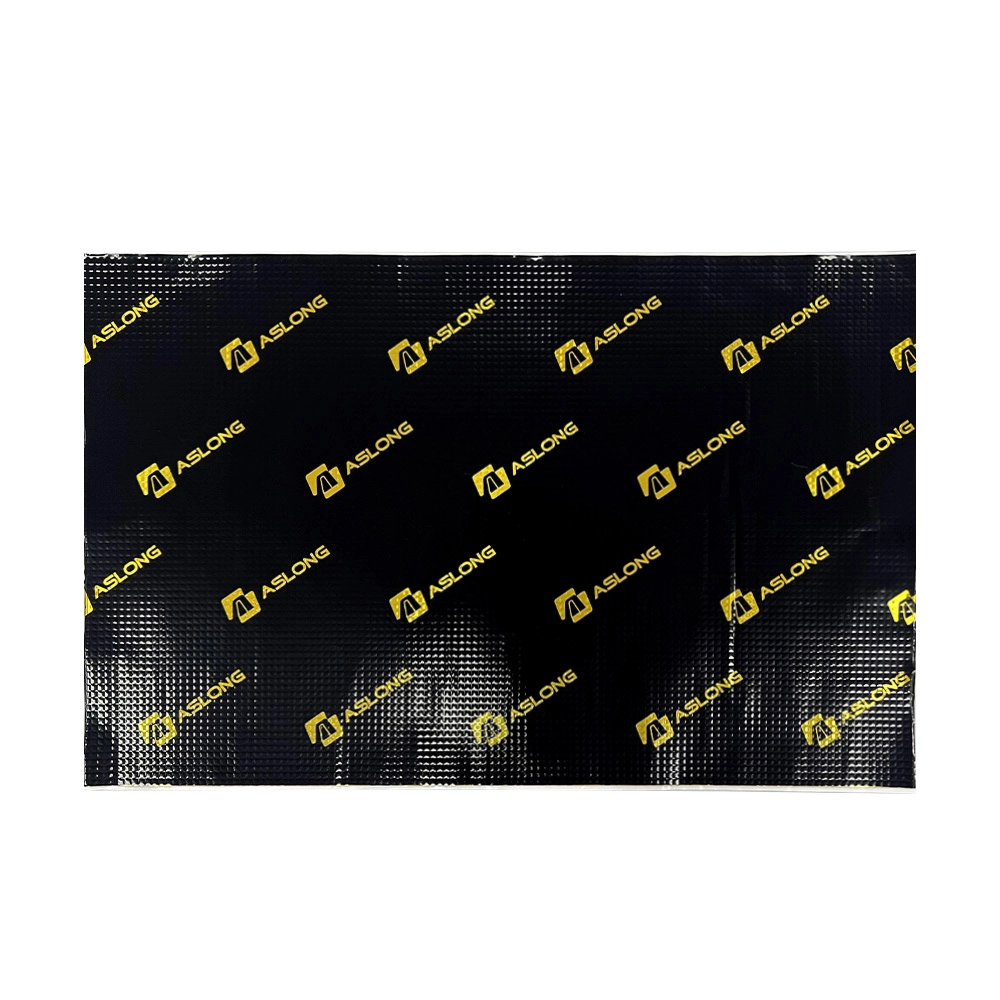
Damping materials — such as butyl rubber sound deadening mats — reduce vibrations on metal or solid surfaces. Instead of letting the vibration spread, they absorb and dissipate the energy, lowering overall noise levels.
3. Blocking (Mass Loading)
Heavier materials, like dense rubber sheets or multi-layer insulation, act as barriers that block airborne sound from passing through. The thicker and denser the material, the better it can block noise.
By combining absorption, damping, and blocking, effective soundproofing systems can reduce sound transmission by up to 40–60% depending on installation quality.
How Soundproofing Works in Cars
Cars are one of the most common applications for soundproofing materials. Vibrations from the road, tires, and engine easily travel through metal panels, creating unwanted cabin noise.
Key Noise Sources in Cars
-
Engine and exhaust vibration
-
Tire and road contact noise
-
Wind turbulence around doors and roof
-
Vibrations through the chassis and floor
How Soundproofing Helps
Installing butyl rubber mats, foam liners, and acoustic insulation sheets in strategic locations — like doors, floor, trunk, and firewall — helps:
-
Absorb structural vibrations
-
Block external sound waves
-
Reduce wind and tire noise
-
Improve in-car audio clarity
The result is a quieter, cooler, and more comfortable ride.
How Soundproofing Works in Buildings
In buildings, soundproofing focuses on both airborne noise (voices, music, machinery) and impact noise (footsteps, vibrations).
Common Methods:
-
Wall Insulation Panels: Reduce sound transfer between rooms.
-
Acoustic Foam or Fabric Panels: Absorb echoes in studios or offices.
-
Floor Underlays: Minimize vibration and footstep noise.
-
Multi-Layer Barriers: Combine density and absorption for maximum performance.
Proper building soundproofing enhances privacy, productivity, and energy efficiency — essential for modern living and commercial spaces.
Key Materials Used in Noise Reduction
| Material Type | Function | Common Uses |
|---|---|---|
| Butyl Rubber Mats | Damping & vibration control | Cars, machinery, metal panels |
| Foam Insulation | Sound absorption | Walls, roofs, car interiors |
| Fiberglass or Cotton Panels | Echo control & acoustic balance | Recording studios, offices |
| Multi-Layer Insulation Sheets | Combined heat and sound insulation | Vehicles, buildings |
Each of these materials contributes differently to overall noise reduction. The best results often come from combining multiple layers for both sound and thermal insulation.
The Added Benefit: Thermal Control
Many soundproofing materials also provide thermal insulation, helping to regulate temperature inside cars and buildings. For example, butyl rubber mats can block heat transfer from the engine bay or roof, keeping interiors cooler in summer and warmer in winter.
This dual function — noise and heat control — makes them an efficient and cost-effective upgrade for comfort and energy savings.
Why Professional Installation Matters
While some soundproofing materials are DIY-friendly, professional installation ensures better coverage and sealing of gaps. Even small gaps can let sound leak through, reducing overall effectiveness.
A well-installed soundproofing system not only enhances performance but also increases the durability and resale value of cars and buildings.
Conclusion – The Science of Quiet Comfort
Soundproofing is more than just a luxury — it’s a science that directly improves comfort, focus, and performance. By understanding how noise reduction works and using high-quality soundproofing materials, you can create spaces that are peaceful, energy-efficient, and long-lasting.
Whether it’s a car interior, a home studio, or a commercial building, effective soundproofing transforms your environment from noisy to serene — letting you enjoy true quiet comfort.
Practical Case Studies: Door, Floor & Roof Soundproofing Solutions for Cars
Advanced Acoustic Damping Tech by a Sound Insulation Materials Manufacturer (2026 Guide)

Eco-Friendly Options From a New Sound Insulation Materials Manufacturer in 2026
Exploring Core Products From a New Sound Insulation Materials Manufacturer in 2026
The Ultimate Guide to Sourcing from a Manufacturer of New Sound Insulation Materials [2026 Edition]
FAQs
What industries are the products provided by ASLONG suitable for?
ASLONG's products are suitable for multiple industries, including air conditioning and HVAC, construction and waterproofing, automobiles and transportation, home appliances and electronics, industrial equipment and machinery, etc. We provide customized solutions for each industry to meet different needs.
What specific functions can ASLONG's products provide?
Our products cover functions such as insulation, sound insulation, shock absorption, waterproofing and sealing, and are widely used in improving energy efficiency, reducing noise, controlling vibration, protecting equipment, etc., helping customers optimize engineering effects and improve user experience.
Does ASLONG provide after-sales service?
Yes, we provide a full range of after-sales services, including technical support, installation guidance, product maintenance and quality tracking, etc., to ensure that each project goes smoothly and continues to perform at its best.
Do ASLONG's products meet environmental protection standards?
Yes, all ASLONG products comply with ISO14001 environmental management system certification and global environmental protection standards. We use environmentally friendly materials and are committed to providing sustainable solutions to help customers achieve green development goals.
How to customize products that meet the needs of my industry?
You only need to contact our sales or technical team, we will conduct an in-depth analysis based on your industry needs and provide tailor-made products and solutions. We guarantee to provide you with efficient and accurate services to meet your personalized requirements.
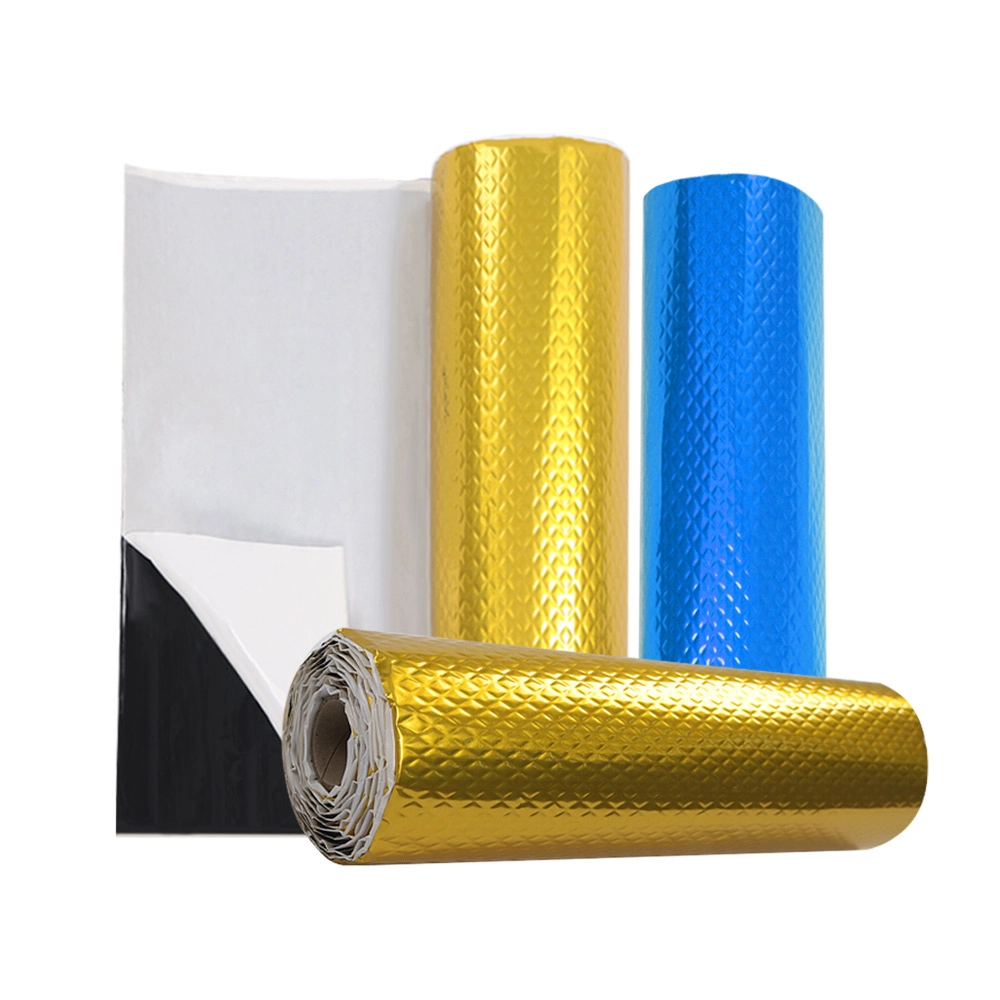
Butyl Rubber Sound Damping Mat
ASLONG Butyl Rubber Sound Damping Mat for sale. Effectively reduces noise and vibrations. High-quality butyl rubber ensures superior performance and durability. Ideal for automotive, industrial, and home applications.
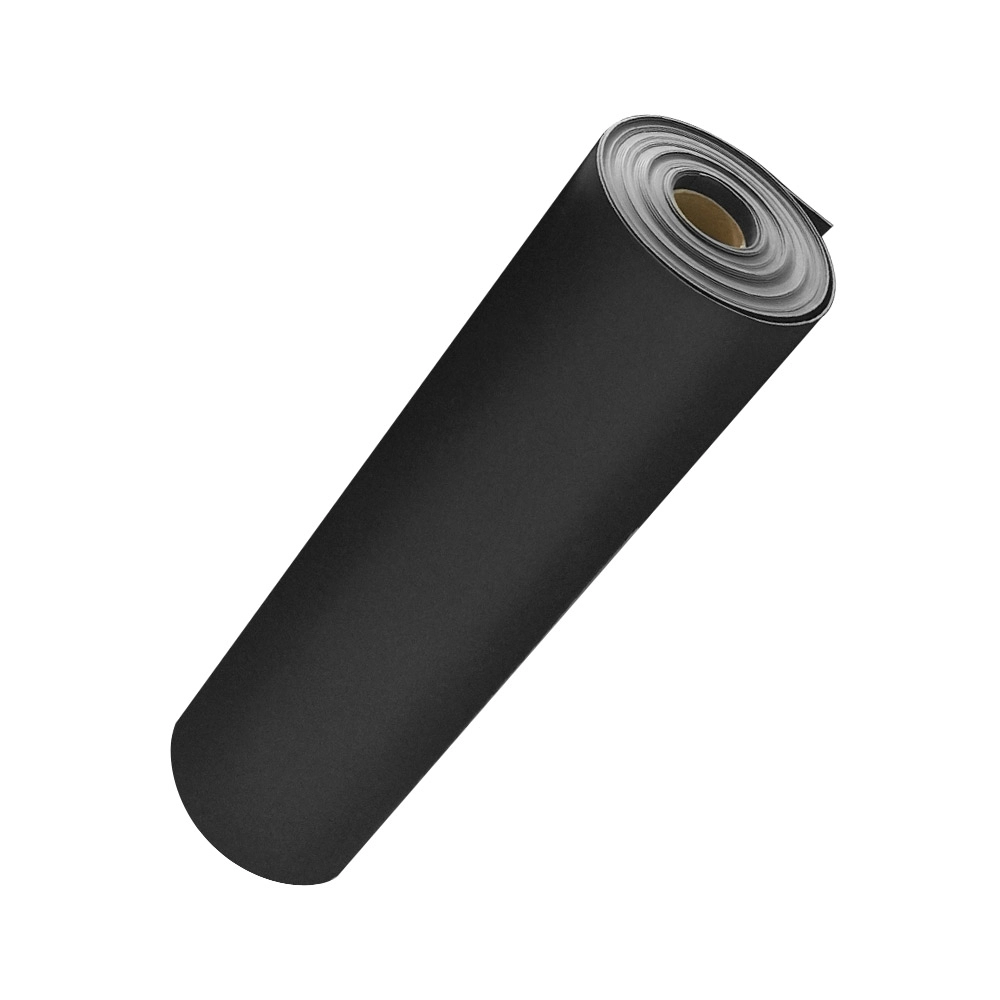
Mass Loaded Vinyl
ASLONG Mass Loaded Vinyl for sale. Reduce noise pollution effectively with our high-quality, mass-loaded vinyl. Ideal for soundproofing walls, floors, and more. Buy now and experience the difference!
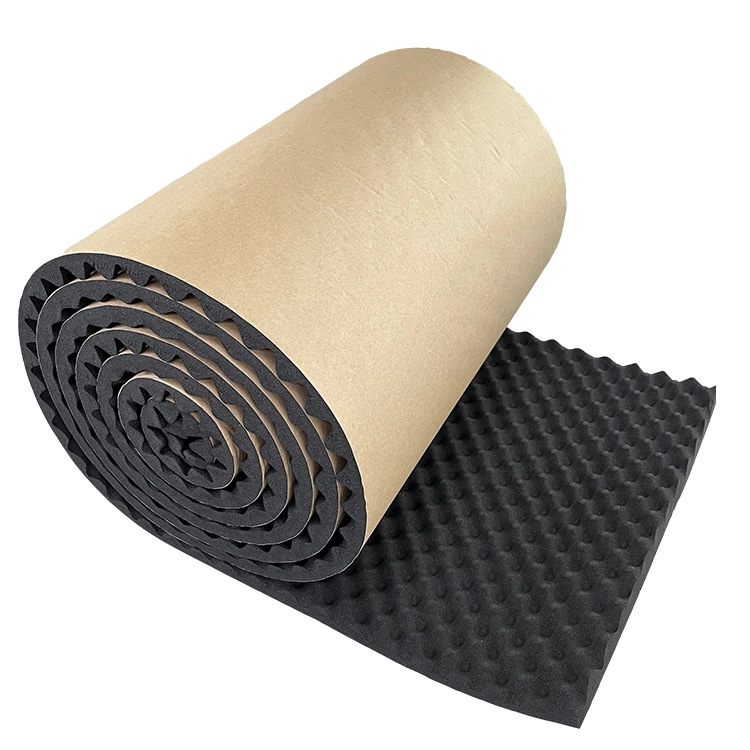
Egg Crate Foam
ASLONG Egg Crate Foam for sale. Lightweight, breathable, and comfortable, our egg crate foam provides superior support and pressure relief. Perfect for mattresses, cushions, cars, construction industry, KTV, factories, etc.
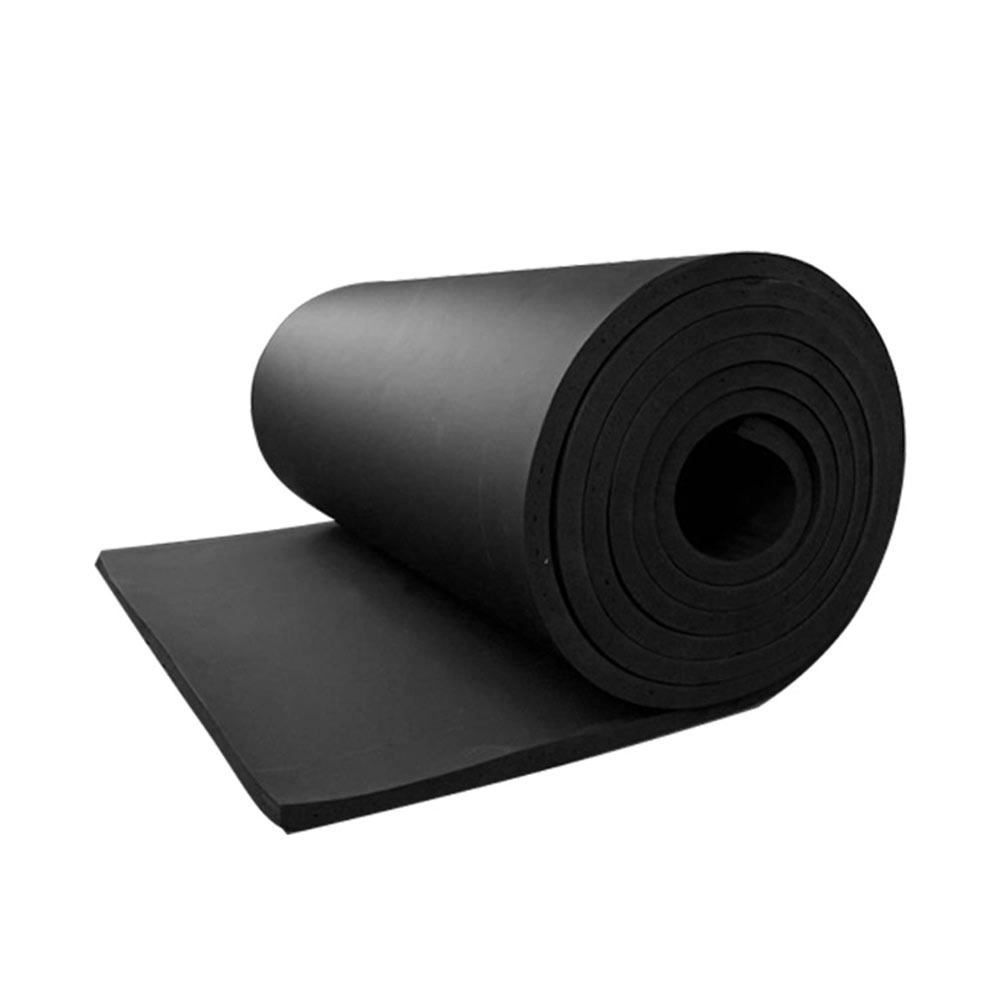
NBR Foam
ASLONG NBR Foam: Wholesale NBR foam solutions for diverse applications. High-quality, durable, and competitively priced. Contact us today for bulk orders.
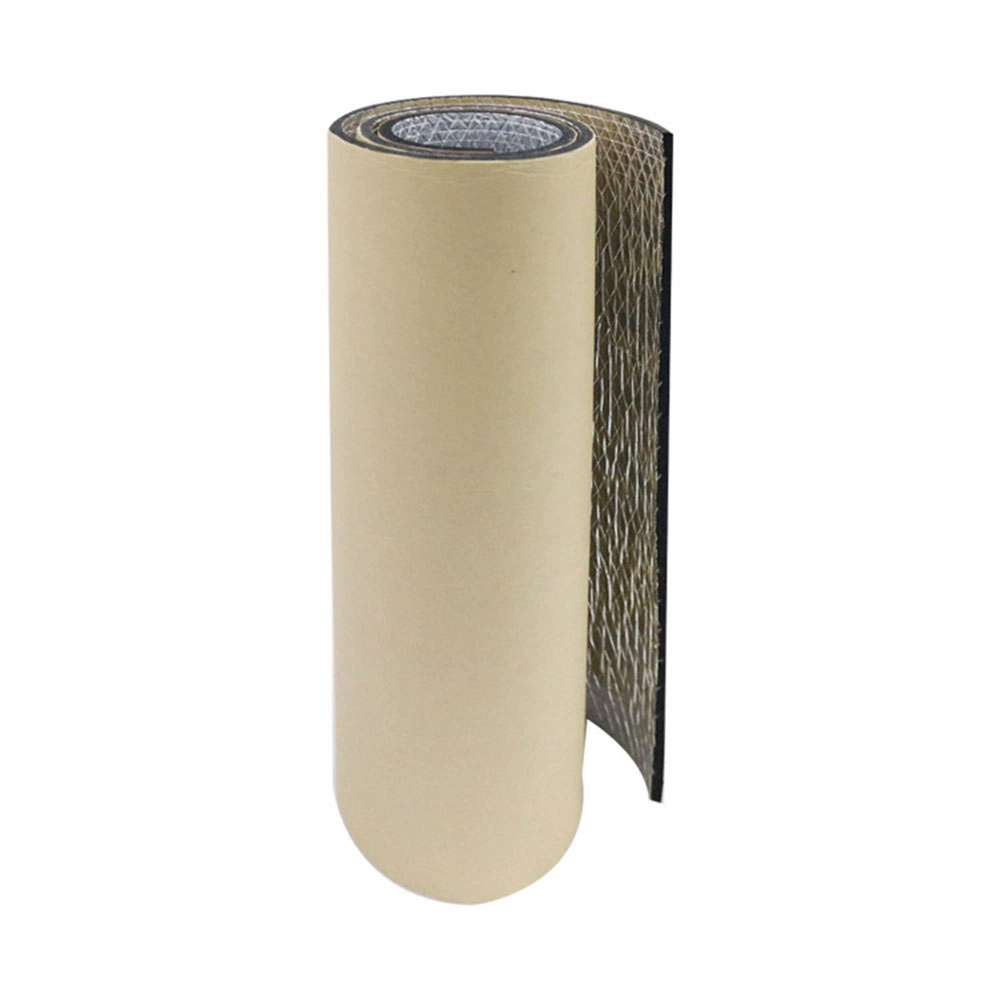
Multi layer Composite NBR foam
ASLONG's multi-layer composite NBR foam is your premium choice for superior cushioning and durability. Ideal for diverse applications, this high-quality NBR foam is available for sale now. Contact us for bulk orders.
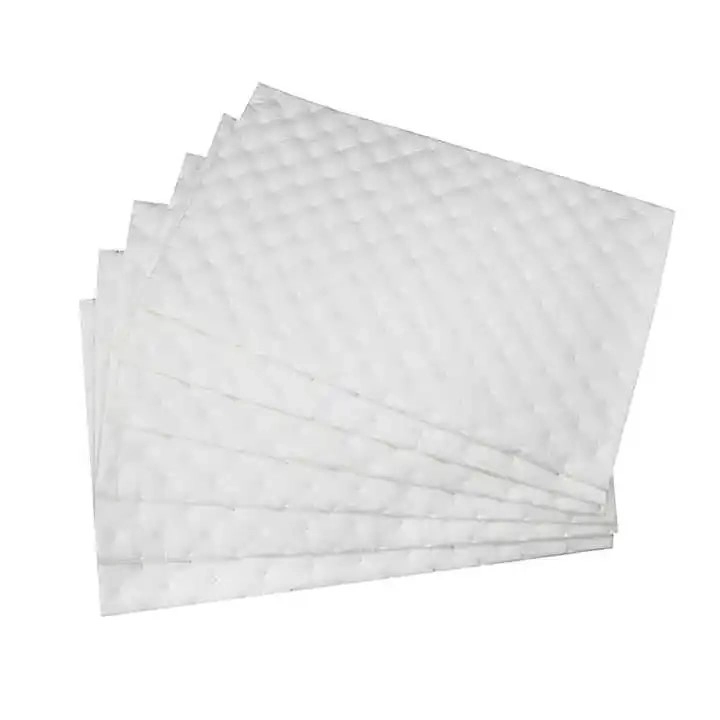
Sound Absorbing White Cotton
Sound-absorbing white cotton Made from PP and PET fibres by melt-blowing, special processes are used to achieve density diversification, sound absorption and noise reduction, thermal insulation, moisture-proof and mold resistance.
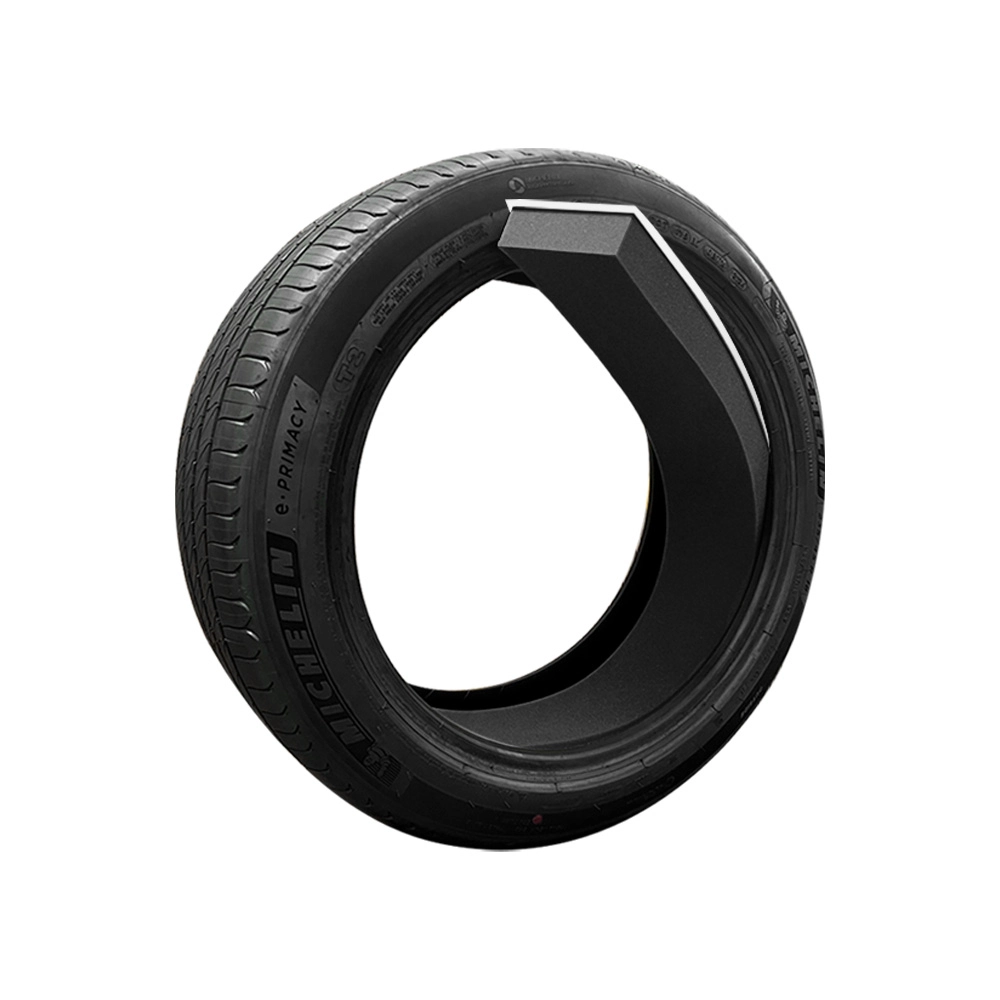
Puncture-Proof Soundproof Tire Foam, Self-Sealing Noise-Reducing Liner for Cars, Anti-Puncture Wheel Protection, Anti-Puncture Noise Reduction
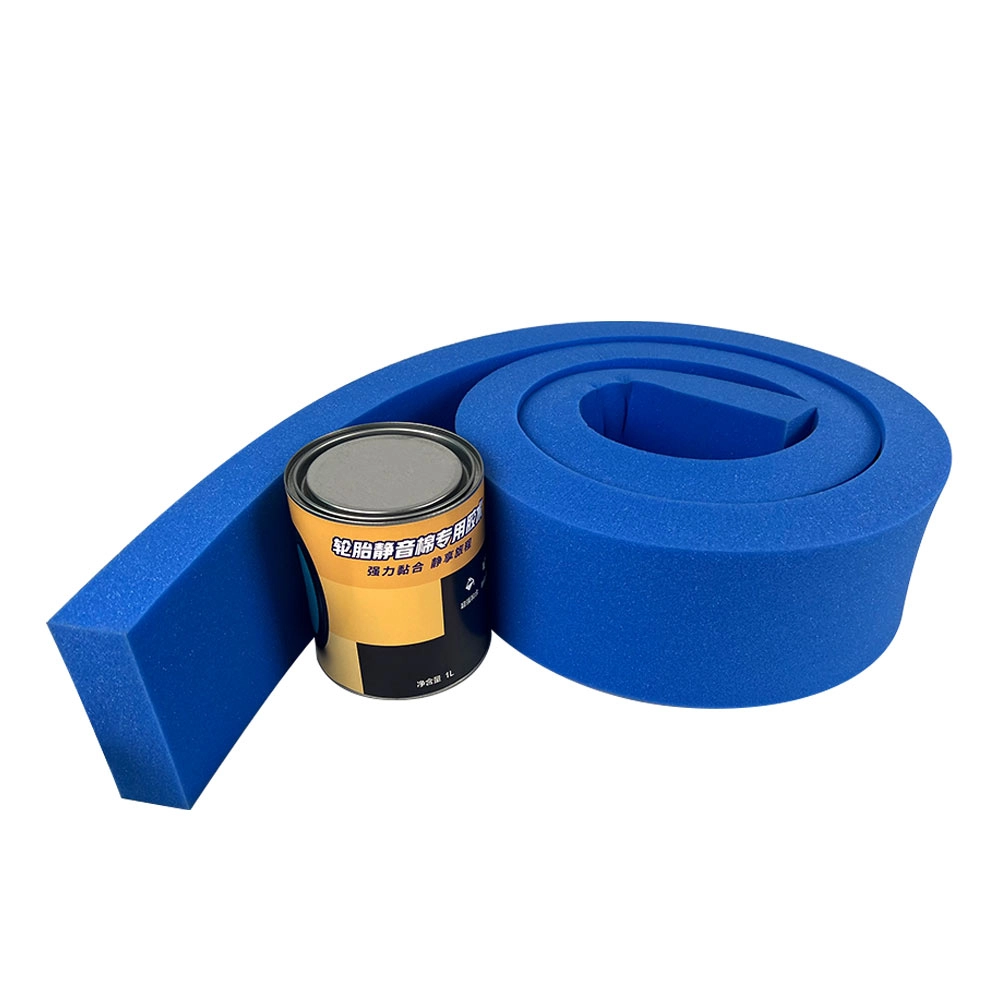
Tire Silent Foam with Special Glue
ASLONG Tire Silent Foam with special glue effectively reduces tire noise. Improve your vehicle's ride comfort. Buy ASLONG Tire Silent Foam for sale now and experience the quiet difference.
Professional support at any time
Contact us for a free quote on our new soundproofing materials!
© 2026 ASLONG All Rights Reserved. Privacy Policy | Terms and Conditions | Sitemap

 It would be pleasure to receive from you.
Whatsapp: +8613242879341
ASLONG Global
ASLONG
Aslong_global