

Exploring Core Products From a New Sound Insulation Materials Manufacturer in 2026
- What Defines a New Sound Insulation Materials Manufacturer?
- Key Takeaways: The Evolution of Acoustic Materials
- Core Product 1: Mass Loaded Vinyl (MLV) Barriers
- Core Product 2: Advanced Vibration Damping (Butyl Rubber & Tire Silent Foam)
- Core Product 3: Sound Absorbing White Cotton & NBR Foams
- Industry Leading Solution: How ASLONG is Pioneering Material Science
- Expanding Beyond Construction: Automotive NVH & Industrial Applications
- 2026 Market Trends: Sustainability and High-Tech Integration
- Expert Tips: Common Mistakes When Choosing Acoustic Materials
- Conclusion
- FAQs About New sound insulation materials manufacturer
The landscape of acoustic engineering is transforming rapidly in 2026. Finding a reliable new sound insulation materials manufacturer is no longer just about sourcing basic fiberglass; it requires partnering with innovators who understand cross-industry applications. From commercial construction to automotive engineering, the demand for high-performance, sustainable noise control is higher than ever. To win in today's market, contractors, engineers, and distributors must understand the advanced materials shaping the future of soundproofing.
What Defines a New Sound Insulation Materials Manufacturer?
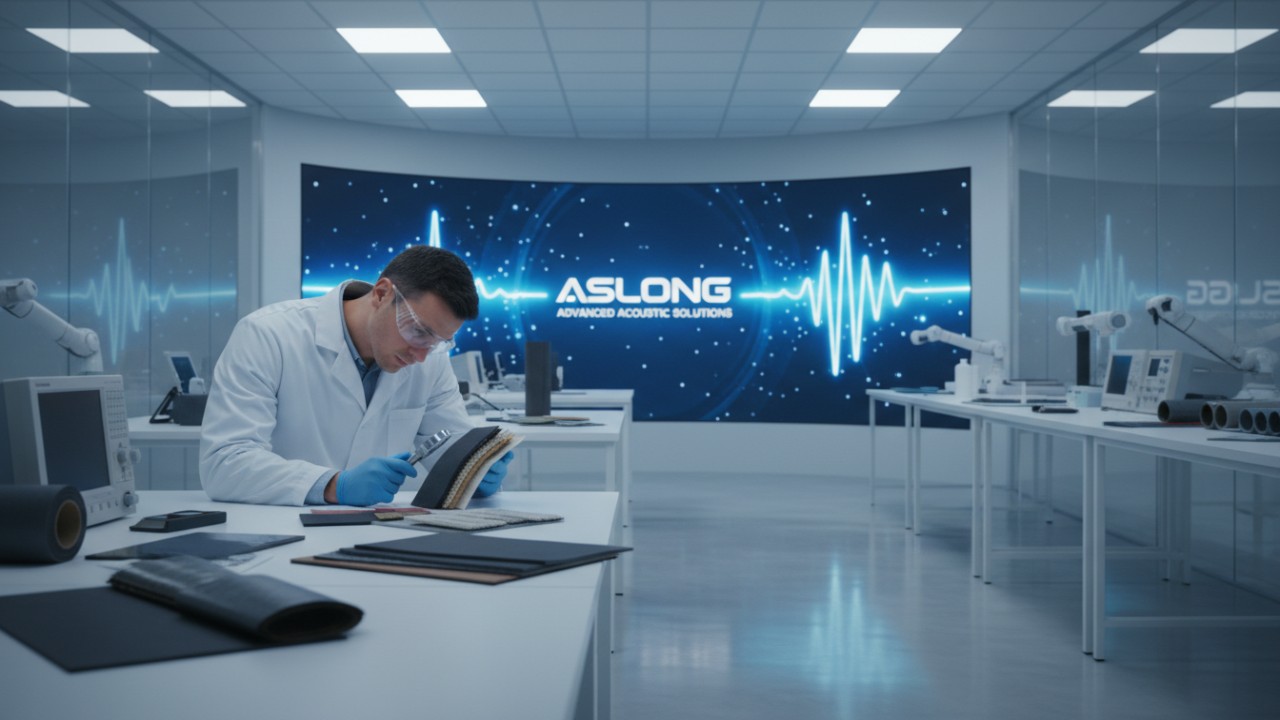
A new sound insulation materials manufacturer is defined by advanced material science, moving beyond basic fiberglass to produce high-performance, multi-industry solutions. They prioritize eco-friendly production, superior acoustic blocking, and hybrid applications spanning the automotive, industrial, and residential sectors.
Historically, the acoustic insulation industry relied heavily on single-purpose materials. If you needed to stop an echo, you bought foam. If you needed to stop sound transmission, you built a thicker wall. Today, a modern manufacturer engineers specialized products like Mass Loaded Vinyl (MLV), Butyl Rubber Damping Mats, and NBR foams. These materials are designed to address the three pillars of acoustics: absorption, blocking, and damping. By leveraging state-of-the-art production facilities, these manufacturers create composites that offer higher performance with a fraction of the weight and thickness of legacy materials.
Key Takeaways: The Evolution of Acoustic Materials
Modern noise control requires a blend of sound absorption, barrier creation, and vibration damping. High-tech materials like MLV and Butyl Rubber offer higher STC (Sound Transmission Class) ratings with thinner profiles, serving both automotive NVH and structural building markets simultaneously.
- Multi-Industry Application: Global manufacturers are expanding their portfolios to serve both the Automotive NVH (Noise, Vibration, and Harshness) and structural building markets.
- Space-Saving Efficiency: Advanced materials provide superior acoustic blocking without sacrificing valuable square footage or adding excessive weight to vehicle chassis.
- Sustainability Focus: The shift toward non-toxic, recyclable materials is no longer optional; it is a baseline requirement for modern building codes and automotive manufacturing standards.
Core Product 1: Mass Loaded Vinyl (MLV) Barriers
Mass loaded vinyl acoustic solutions are dense, flexible materials designed to block airborne noise without adding excessive bulk to walls or floors. They are ideal for modern construction and studio builds due to their high mass-to-thickness ratio and vibration-dampening properties.
The effectiveness of MLV lies in the "Mass Law" of acoustics, which states that heavy, dense materials are required to stop the transmission of sound waves. However, traditional mass (like concrete or multiple layers of drywall) is rigid and prone to transmitting structural vibrations. MLV solves this by suspending heavy mineral particles (like barium sulfate or calcium carbonate) in a flexible vinyl matrix.
When installed between drywall layers, under flooring, or wrapped around noisy HVAC ductwork, MLV acts as a limp mass barrier. It not only blocks airborne noise from voices or machinery but also significantly dampens structural vibrations. This makes it an indispensable tool for commercial recording studios, home theaters, and industrial plants where space is at a premium but sound isolation is critical.
Core Product 2: Advanced Vibration Damping (Butyl Rubber & Tire Silent Foam)
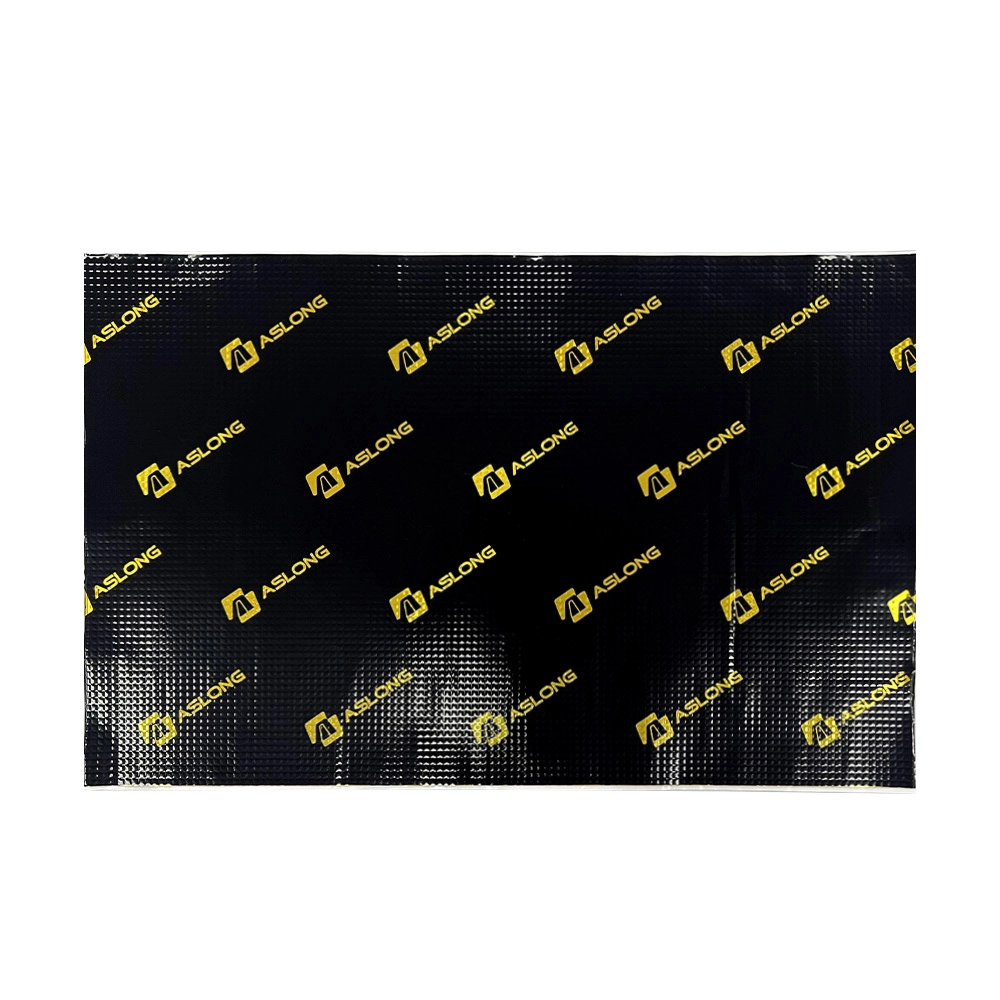
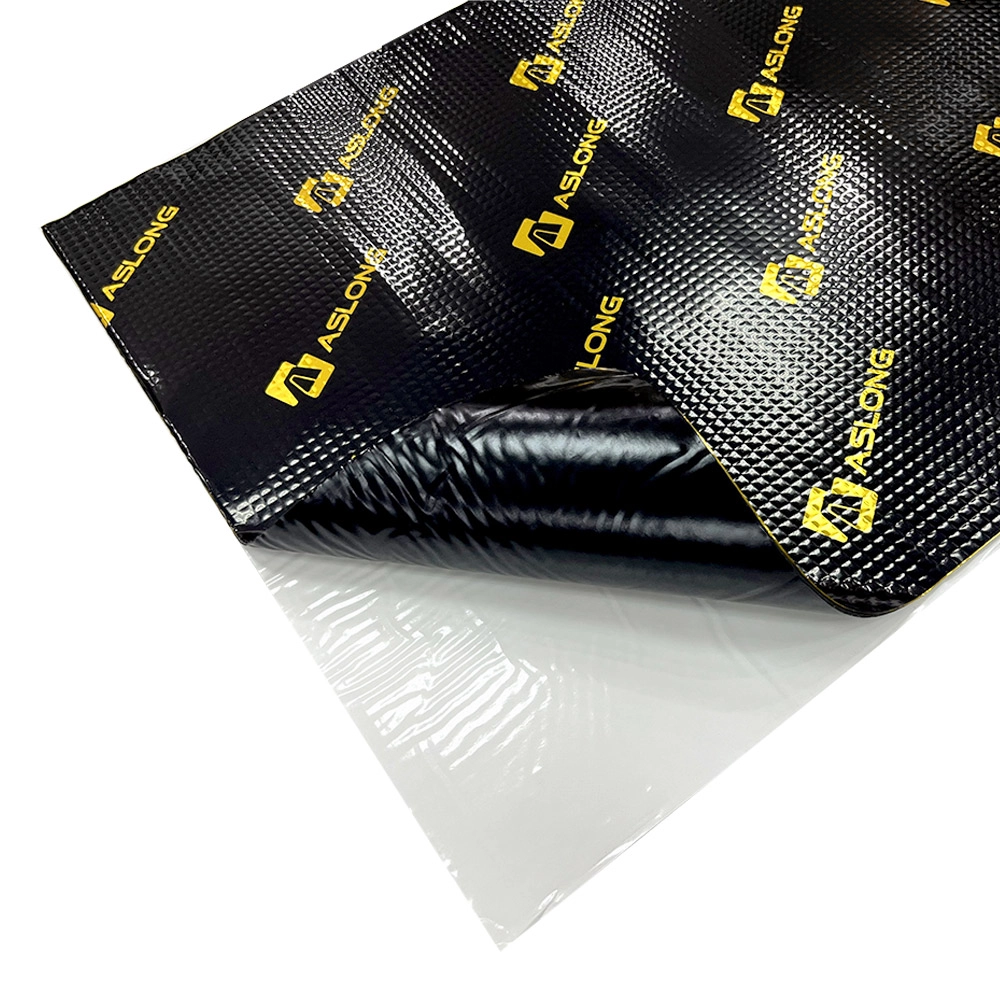
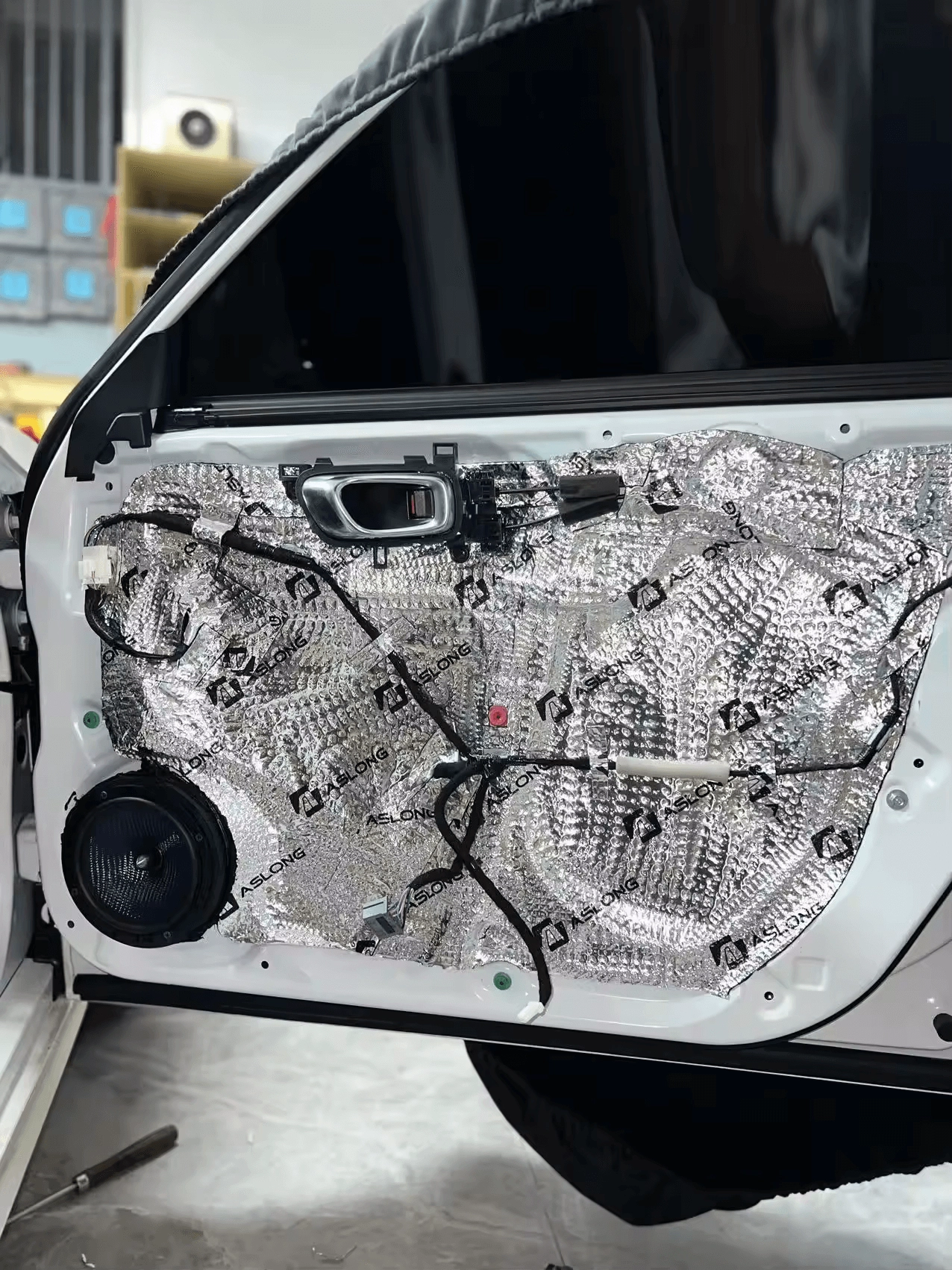
Vibration damping is critical for eliminating low-frequency structural noise in vehicles and heavy machinery. A butyl rubber sound damping mat transforms vibrational energy into trace amounts of heat, neutralizing rattles and hums while enhancing overall passenger comfort in automotive applications.
In the realm of automotive NVH damping materials, controlling structural resonance is the primary challenge. When a car drives over a rough road, the metal chassis vibrates, turning the cabin into a giant speaker cone. Butyl rubber leverages viscoelasticity—a property that allows it to act as both a viscous liquid and an elastic solid. Through a process called Constrained Layer Damping (CLD), the butyl rubber adheres to the metal panel and converts the kinetic energy of the vibration into low-grade thermal energy.
This technology is becoming increasingly vital. According to a recent 2026 industry analysis by Mordor Intelligence, the automotive NVH materials market is projected to reach $19.72 billion by 2031. This growth is heavily driven by EV (Electric Vehicle) platforms, which expose high-frequency noises previously masked by combustion engines, thereby demanding advanced, lightweight composites. Furthermore, innovations like Tire Silent Foam—a specialized acoustic foam applied directly inside the tire cavity—represent the cutting edge of automotive noise reduction, drastically cutting down cavity resonance before it ever reaches the suspension.
Core Product 3: Sound Absorbing White Cotton & NBR Foams
While MLV blocks sound, porous materials are required to absorb internal echoes and reverberations. Sound Absorbing White Cotton offers an eco-friendly, non-toxic alternative to traditional fiberglass batts, while NBR foam provides closed-cell structural integrity for moisture-prone industrial and marine applications.
Sound blocking and sound absorption are two entirely different mechanisms. To stop sound waves from bouncing off hard surfaces and creating a chaotic acoustic environment, manufacturers produce porous absorbers. Sound Absorbing White Cotton is engineered from high-quality, recyclable fibers. As sound waves enter the fibrous structure, they cause the micro-fibers to vibrate, dissipating the acoustic energy through friction. Unlike legacy fiberglass, it does not release irritating airborne particulates and boasts zero Volatile Organic Compounds (VOCs).
For industrial applications where moisture is a concern, NBR (Nitrile Butadiene Rubber) foam is the standard. Its closed-cell structure means it is completely impermeable to water and oil, making it perfect for insulating chiller pipes, marine engine rooms, and automotive firewalls where traditional open-cell foams would degrade or harbor mold.
Industry Leading Solution: How ASLONG is Pioneering Material Science
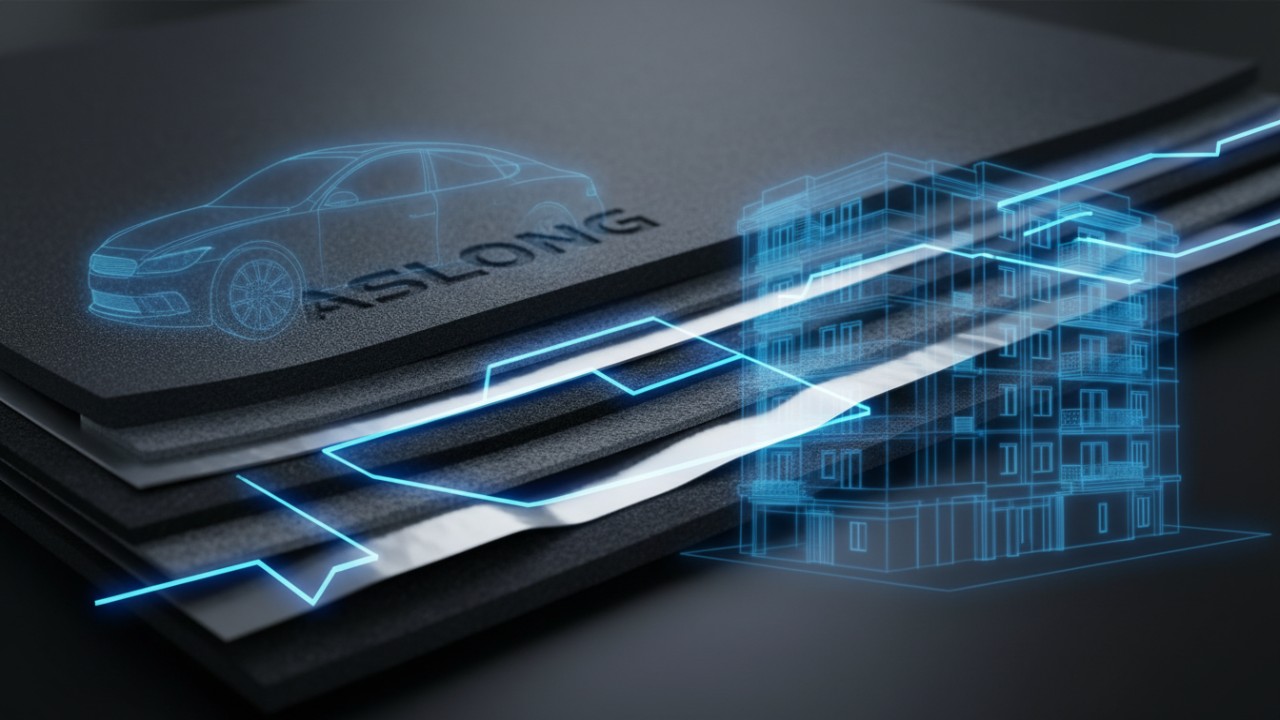
Founded in 2000, ASLONG (Welllink Guangdong New Material Co., Ltd.) bridges the gap between automotive and architectural acoustics. With over 10,000 square meters of production space, this high-tech enterprise manufactures a comprehensive suite of high-performance products exported globally.
Demonstrating true industry authority and experience, ASLONG has spent over two decades refining its research, development, and production capabilities. Their catalog represents the pinnacle of modern acoustic engineering, featuring everything from MLV and NBR foam to specialized Butyl waterproof tape and Electric auxiliary material.
By maintaining a massive, modern production base, ASLONG ensures strict quality control and high-volume scalability. Their commitment to efficient, environmentally friendly, and high-performance solutions has allowed them to successfully export to Europe, North America, Asia, and Africa. Currently, ASLONG is actively recruiting agents worldwide, offering a lucrative opportunity for distributors to partner with a proven leader in the acoustics space.
Expanding Beyond Construction: Automotive NVH & Industrial Applications
The best modern manufacturers engineer materials for specialized industries rather than just supplying building contractors. Automotive applications rely heavily on Butyl waterproof tapes and damping mats to achieve luxury-level cabin silence and optimize complex industrial installations for maximum efficiency.
The true mark of a premium manufacturer is cross-industry versatility. A company that only produces drywall acoustic panels cannot meet the rigorous demands of automotive OEMs or industrial engineers. In the automotive sector, achieving a whisper-quiet cabin requires a multi-layered approach: butyl mats for the floor pans, NBR foam for the firewall, and tire silent foam for the wheels.
Similarly, industrial installations often require acoustic materials that double as thermal insulators and moisture barriers. ASLONG’s inclusion of electric auxiliary materials and butyl waterproof tapes in their catalog demonstrates a holistic approach to these complex challenges. For a deeper dive into how to evaluate and select the right supply partner for these specialized needs, review our comprehensive manufacturer of new sound insulation materials guide.
2026 Market Trends: Sustainability and High-Tech Integration
The demand for eco-friendly soundproof panels 2026 is driving a massive shift towards multi-functional, non-toxic materials. Global supply chain reliability and advanced composite materials that offer dual thermal and acoustic properties are becoming key differentiators for top-tier manufacturers worldwide.
As building codes become stricter and consumer preference shifts toward green living, sustainability is no longer a buzzword—it is a regulatory mandate. The procurement policies of 2026 heavily favor non-toxic, recyclable materials like Sound Absorbing White Cotton over legacy products.
Furthermore, as highlighted in a 2026 market forecast by Mordor Intelligence, the global acoustic insulation market is estimated to reach $24.58 billion by 2031, propelled by tightening noise-control regulations and the rapid adoption of sustainable building standards. Manufacturers are heavily investing in composite materials that provide dual thermal and acoustic insulation to meet these aggressive green building targets.
Acoustic Material Comparison Data
To help visualize the differences between these advanced solutions, the table below outlines the core products defining the 2026 market:
| Material Type | Primary Function | Best Use Case | Eco-Friendliness & Safety |
|---|---|---|---|
| Mass Loaded Vinyl (MLV) | Sound Blocking (High STC) | Walls, ceilings, floors, and studio builds | Non-toxic, highly durable, flexible |
| Butyl Rubber Damping Mat | Vibration Damping (CLD) | Automotive NVH, metal chassis, heavy machinery | Odorless, heat-resistant, zero VOCs |
| NBR Closed-Cell Foam | Thermal & Acoustic Insulation | Marine environments, HVAC, industrial pipes | Moisture-proof, oil-resistant, long lifespan |
| White Cotton Absorber | Sound Absorption (Echo Reduction) | Residential walls, office partitions, green buildings | 100% recyclable, zero fiberglass irritation |
Expert Tips: Common Mistakes When Choosing Acoustic Materials
The most common mistake is confusing sound absorption with sound blocking. To achieve true soundproofing, you must address both airborne noise with MLV and structural vibration with damping materials, while ensuring moisture resistance with closed-cell foams in industrial environments.
When planning an acoustic treatment, avoid these costly pitfalls:
- Mistake 1: Confusing Absorption with Blocking. Placing porous foam on a wall will reduce echo inside the room, but it will not stop sound from traveling to the room next door. You need heavy barriers like MLV for blocking.
- Mistake 2: Ignoring Structural Vibration. Low-frequency impact noises (like footsteps or engine rumbles) travel directly through studs and metal frames. Without damping materials like Butyl Rubber, these vibrations will bypass your airborne sound barriers entirely.
- Mistake 3: Overlooking Moisture Resistance. Using standard open-cell foams in damp industrial environments or automotive doors instead of closed-cell NBR foam can lead to severe mold growth and rapid material degradation.
Conclusion

The landscape of noise control is rapidly advancing, led by innovative manufacturers producing highly engineered materials like MLV, Butyl Rubber Damping Mats, and NBR Foam. Whether you are soundproofing a commercial recording studio, an industrial plant, or upgrading automotive NVH, selecting a versatile, globally recognized manufacturer is paramount to success. By prioritizing advanced material science, eco-friendly production, and cross-industry applications, companies like ASLONG are setting the gold standard for the future of acoustics.
Contact us today at king@aslong.cc or visit https://www.aslong.cc to partner with a leading new sound insulation materials manufacturer and explore our industry-leading acoustic solutions.
FAQs About New sound insulation materials manufacturer
What are the most effective new sound insulation materials?
The most effective solutions depend on the specific acoustic problem. Mass Loaded Vinyl (MLV) is highly effective for blocking airborne noise. Butyl Rubber Damping Mats are the industry standard for eliminating structural vibrations. Meanwhile, Sound Absorbing White Cotton and NBR Foam are excellent for echo reduction and adding thermal properties to a space.
How does mass loaded vinyl compare to traditional acoustic panels?
MLV is a dense, heavy barrier specifically designed to stop sound from passing through walls or floors. In contrast, traditional acoustic panels are typically porous and designed only to absorb sound and reduce echo within a room. For true soundproofing and isolation, MLV is significantly more effective than standard acoustic panels.
What is butyl rubber sound damping mat used for?
It is primarily used to stop vibrations in sheet metal and hard structures. Common applications include automotive doors, floor pans, and industrial machinery housing. It works by converting vibrational kinetic energy into low-level heat, drastically reducing overall noise transmission and structural rattling.
Are modern soundproofing materials environmentally friendly?
Yes, many new materials prioritize sustainability and safety. Products like Sound Absorbing White Cotton are made from recyclable, non-toxic fibers that do not irritate the skin or lungs. Modern manufacturers also focus heavily on reducing VOCs (Volatile Organic Compounds) during the production process to ensure safe indoor air quality.
What is the difference between sound absorption and sound blocking?
Sound absorption stops sound waves from bouncing around a room, effectively reducing echo and reverberation (achieved using foams or cotton). Sound blocking, on the other hand, stops noise from entering or leaving a space entirely (achieved using MLV or heavy, dense barriers).
How do I choose the right sound insulation manufacturer?
Look for companies with their own dedicated R&D and manufacturing bases, such as ASLONG's 10,000-square-meter facility. Ensure they offer a diverse portfolio, including absorption, blocking, and damping materials. Finally, check their global export experience and adherence to international environmental standards.
Can automotive soundproofing materials be used in homes?
Yes, materials like Butyl Rubber Mats can be highly effective in residential applications. They are often used to silence noisy HVAC ducts, vibrating plumbing pipes, or metal roofing. However, for optimal results, they should be used in conjunction with standard building materials like MLV to address airborne noise.
What are the expected sound insulation trends for 2026?
The industry is seeing a massive shift towards multi-functional materials that offer both acoustic and thermal insulation. There is also an increased use of lightweight, high-density composites in the automotive EV (electric vehicle) market to reduce road noise. Furthermore, stricter global building codes are mandating the use of non-toxic, recycled materials.
Practical Case Studies: Door, Floor & Roof Soundproofing Solutions for Cars
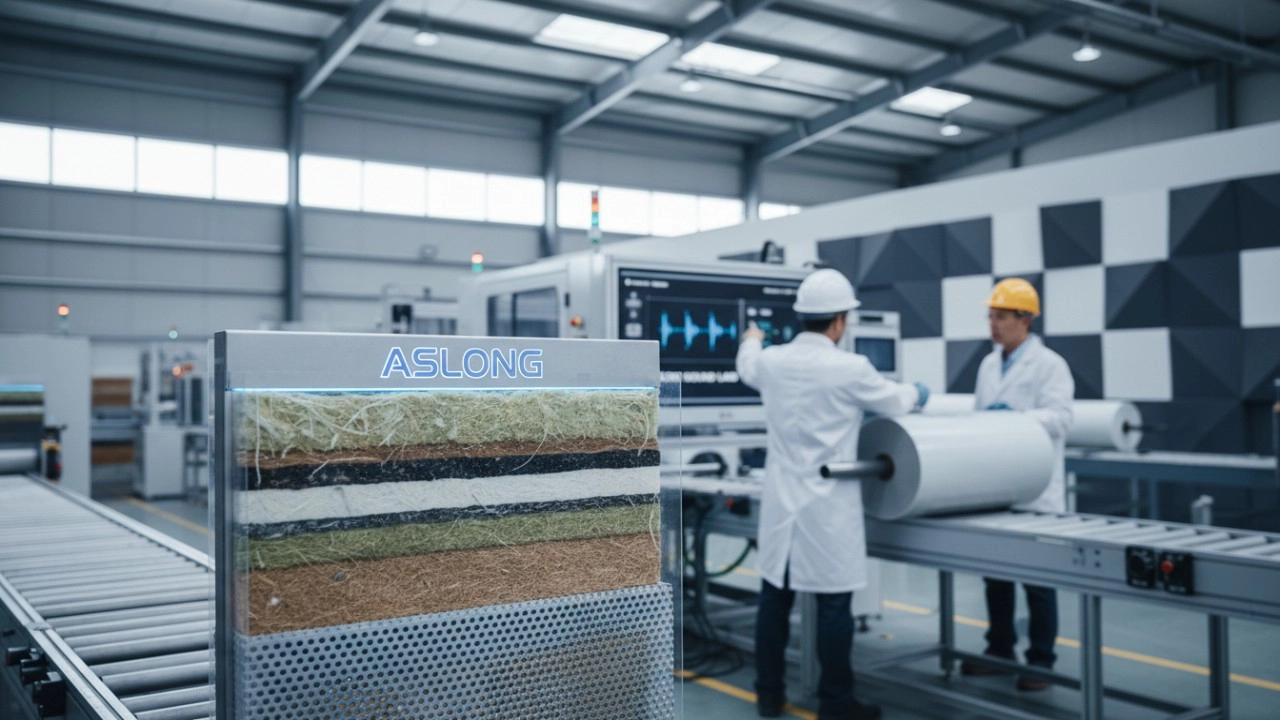
The Ultimate Guide to Sourcing from a Manufacturer of New Sound Insulation Materials [2026 Edition]
Importance & Optimization of Soundproofing Materials in Electric Vehicles (EVs)
Where to Apply Sound Deadening Material in a Car for Maximum Effect
Butyl vs Bitumen Sound Damping: Which Material Is Best for Car Soundproofing?
FAQs
How to customize products that meet the needs of my industry?
You only need to contact our sales or technical team, we will conduct an in-depth analysis based on your industry needs and provide tailor-made products and solutions. We guarantee to provide you with efficient and accurate services to meet your personalized requirements.
What specific functions can ASLONG's products provide?
Our products cover functions such as insulation, sound insulation, shock absorption, waterproofing and sealing, and are widely used in improving energy efficiency, reducing noise, controlling vibration, protecting equipment, etc., helping customers optimize engineering effects and improve user experience.
What industries are the products provided by ASLONG suitable for?
ASLONG's products are suitable for multiple industries, including air conditioning and HVAC, construction and waterproofing, automobiles and transportation, home appliances and electronics, industrial equipment and machinery, etc. We provide customized solutions for each industry to meet different needs.
Does ASLONG provide after-sales service?
Yes, we provide a full range of after-sales services, including technical support, installation guidance, product maintenance and quality tracking, etc., to ensure that each project goes smoothly and continues to perform at its best.
Do ASLONG's products meet environmental protection standards?
Yes, all ASLONG products comply with ISO14001 environmental management system certification and global environmental protection standards. We use environmentally friendly materials and are committed to providing sustainable solutions to help customers achieve green development goals.
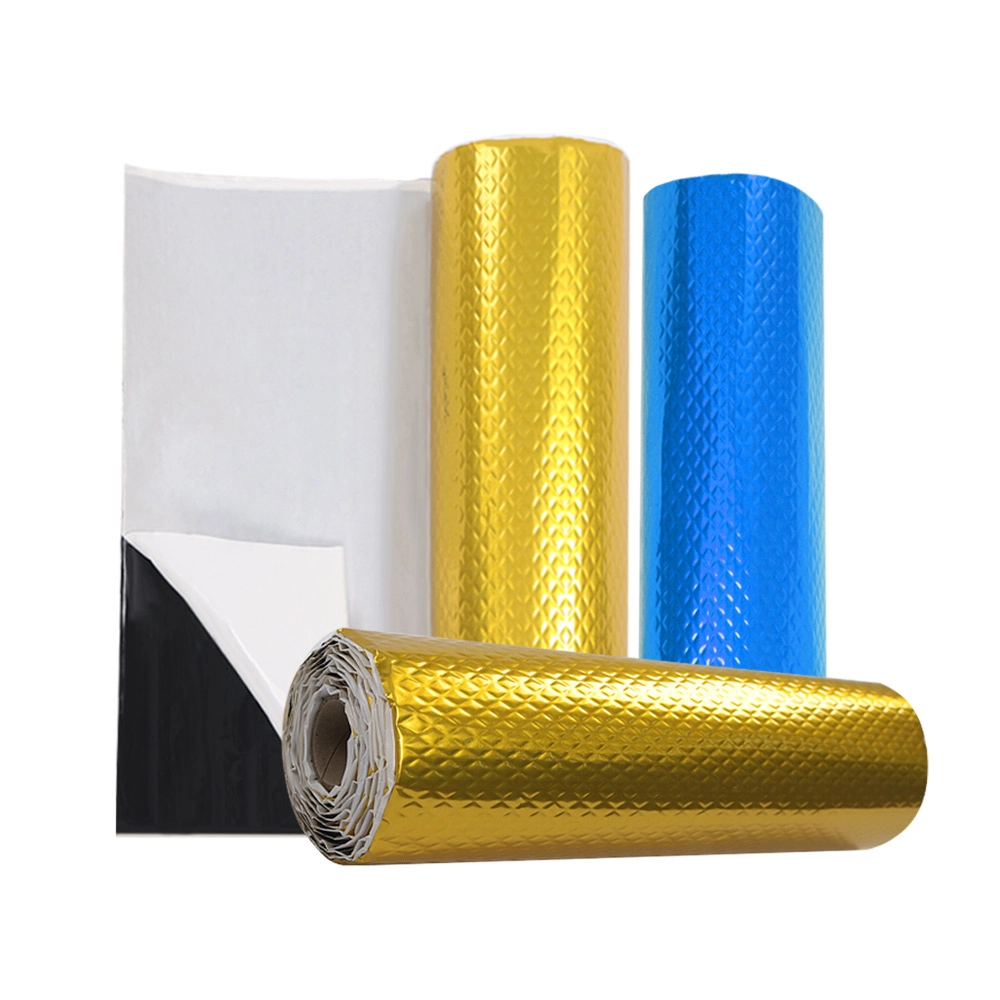
Butyl Rubber Sound Damping Mat
ASLONG Butyl Rubber Sound Damping Mat for sale. Effectively reduces noise and vibrations. High-quality butyl rubber ensures superior performance and durability. Ideal for automotive, industrial, and home applications.
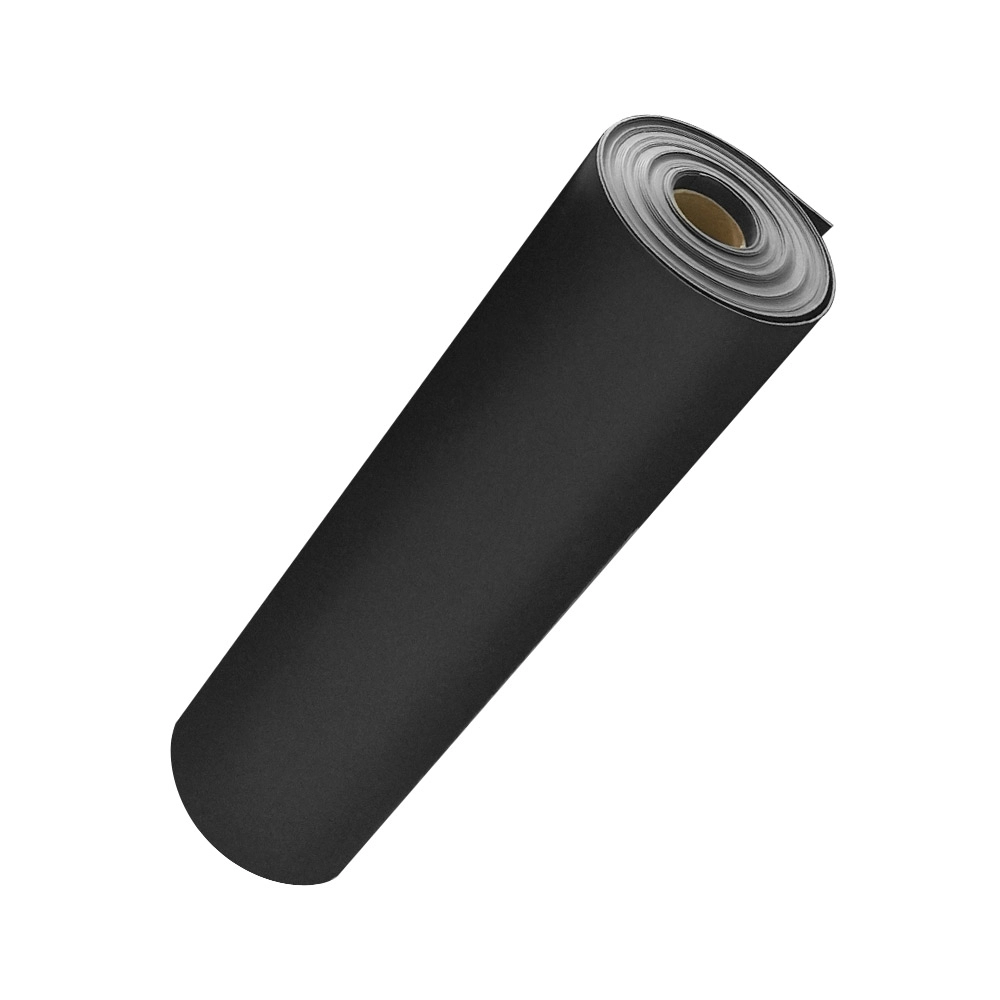
Mass Loaded Vinyl
ASLONG Mass Loaded Vinyl for sale. Reduce noise pollution effectively with our high-quality, mass-loaded vinyl. Ideal for soundproofing walls, floors, and more. Buy now and experience the difference!
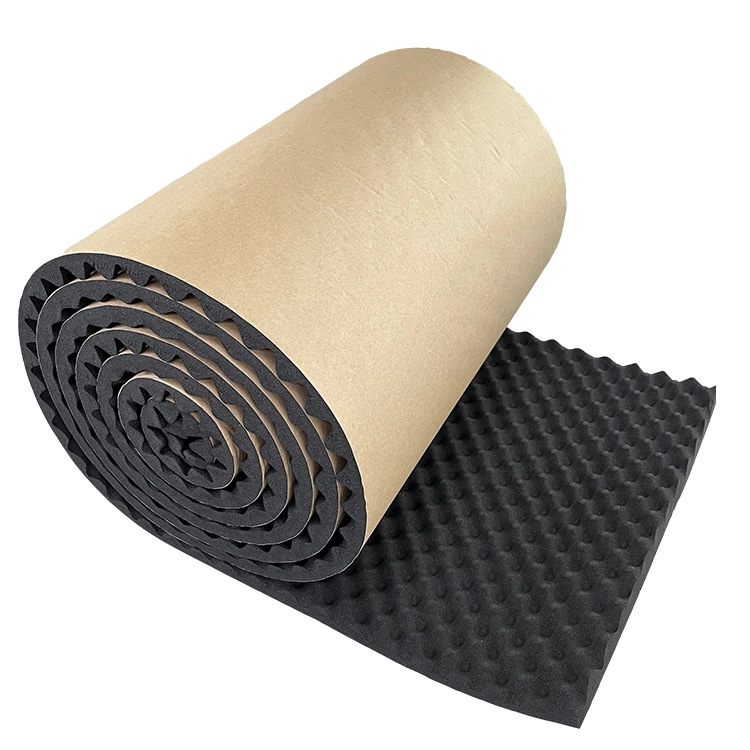
Egg Crate Foam
ASLONG Egg Crate Foam for sale. Lightweight, breathable, and comfortable, our egg crate foam provides superior support and pressure relief. Perfect for mattresses, cushions, cars, construction industry, KTV, factories, etc.
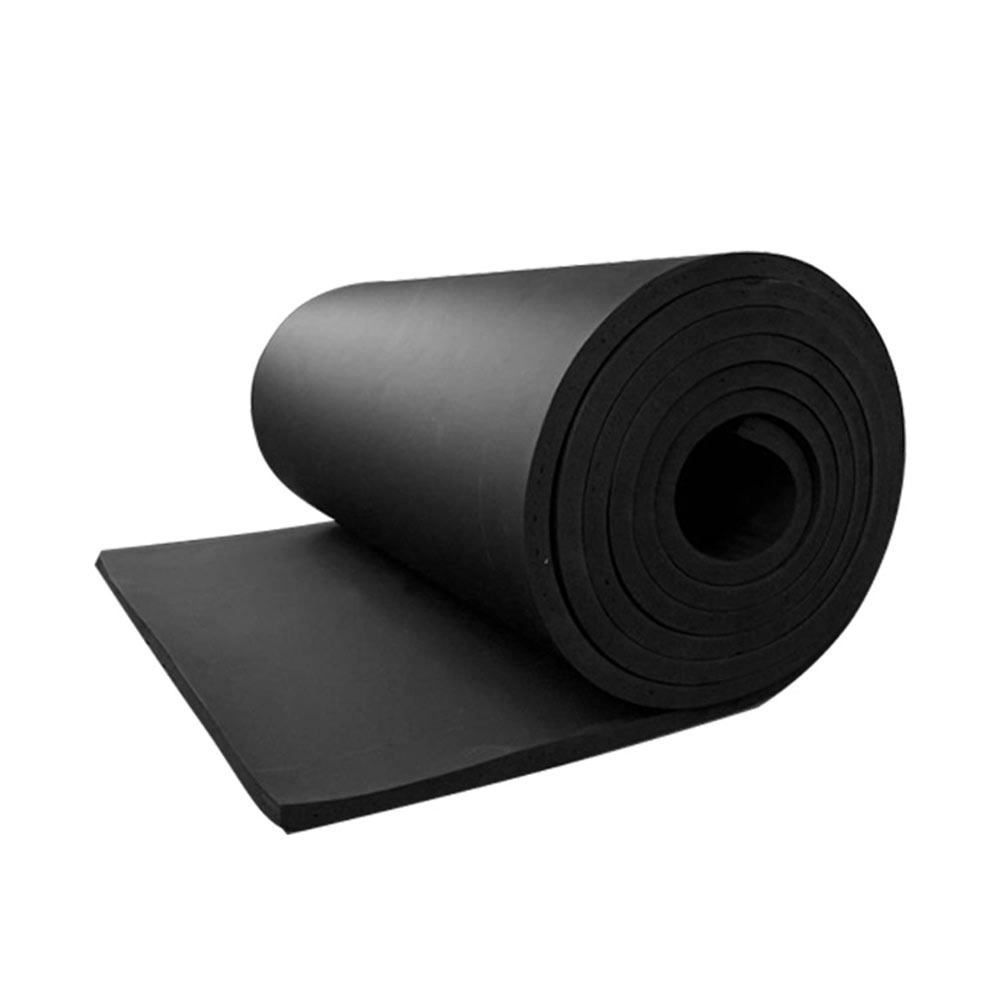
NBR Foam
ASLONG NBR Foam: Wholesale NBR foam solutions for diverse applications. High-quality, durable, and competitively priced. Contact us today for bulk orders.
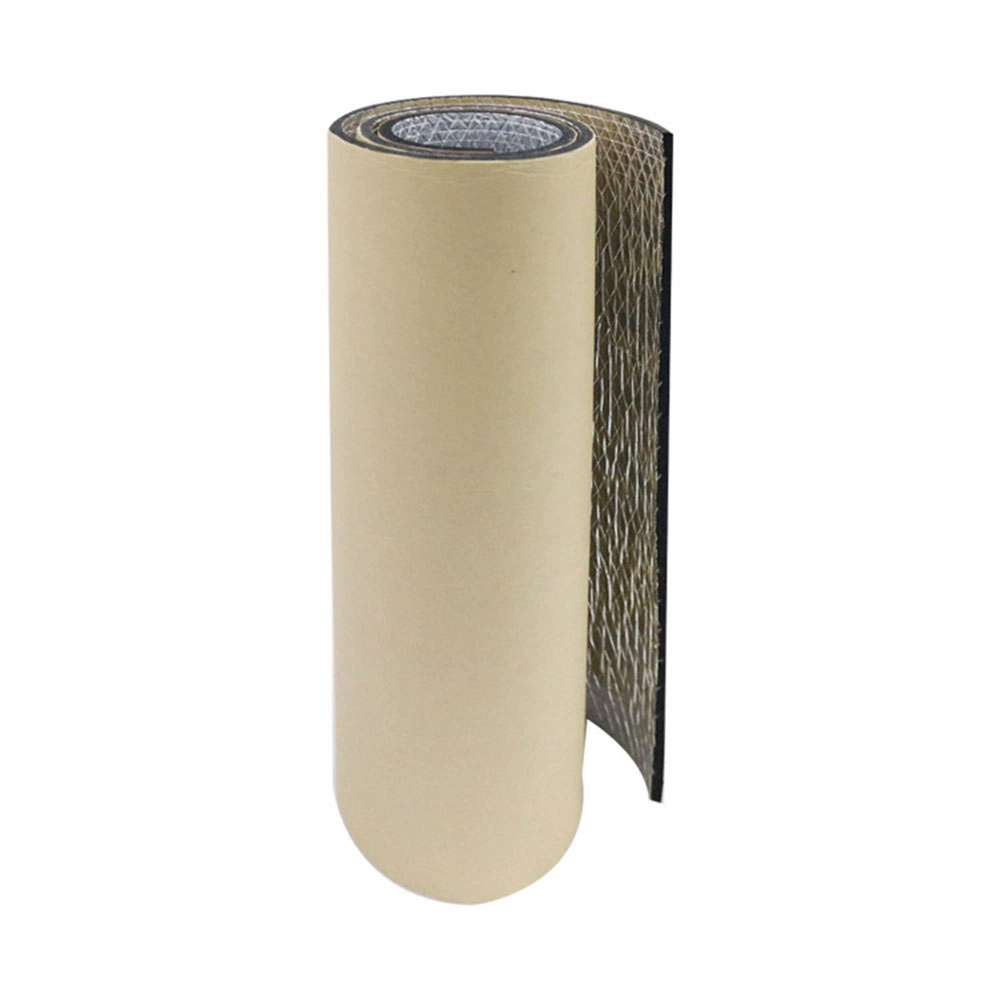
Multi layer Composite NBR foam
ASLONG's multi-layer composite NBR foam is your premium choice for superior cushioning and durability. Ideal for diverse applications, this high-quality NBR foam is available for sale now. Contact us for bulk orders.
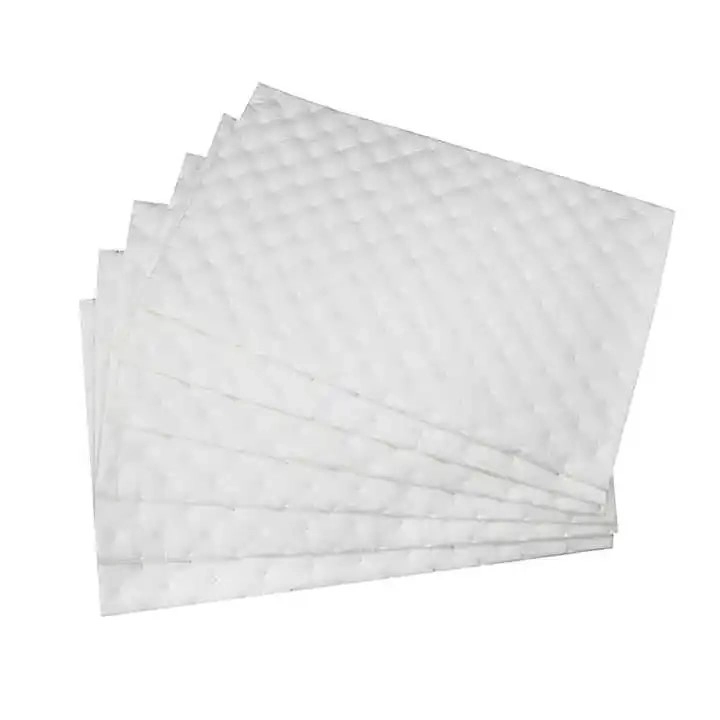
Sound Absorbing White Cotton
Sound-absorbing white cotton Made from PP and PET fibres by melt-blowing, special processes are used to achieve density diversification, sound absorption and noise reduction, thermal insulation, moisture-proof and mold resistance.
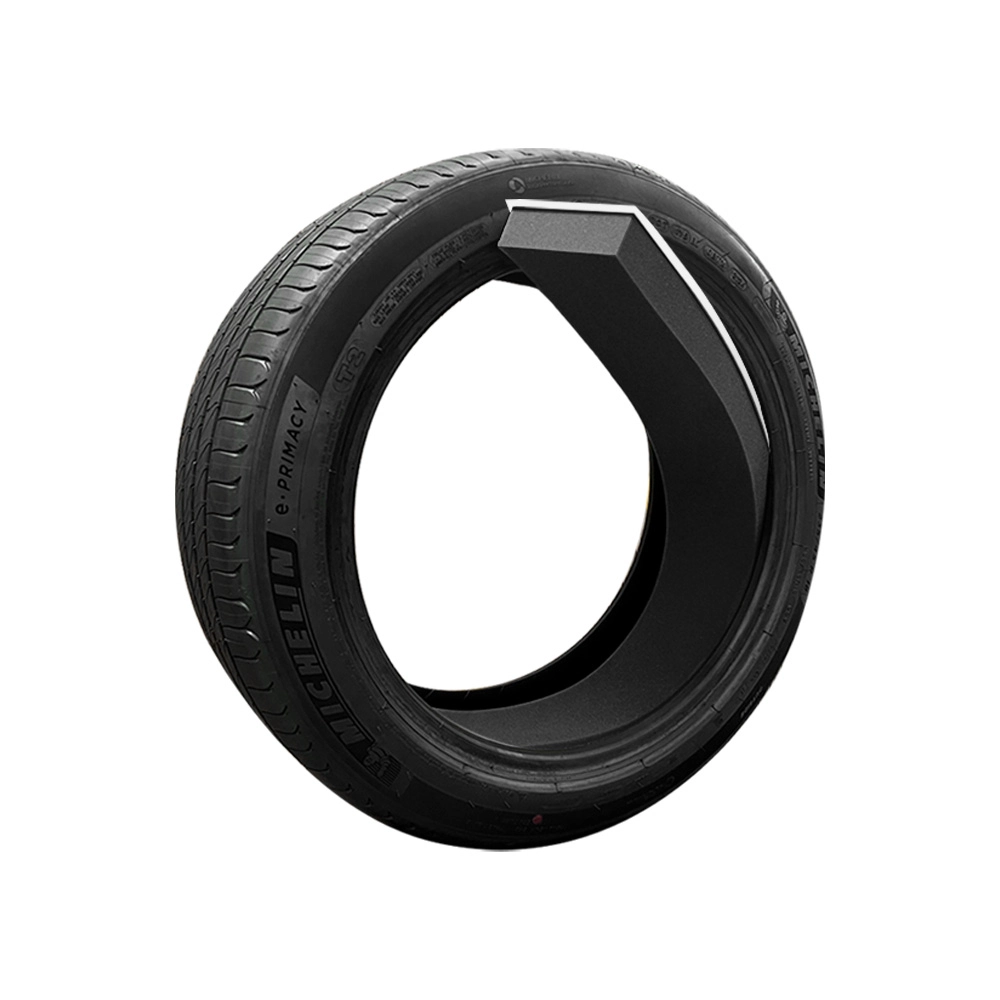
Puncture-Proof Soundproof Tire Foam, Self-Sealing Noise-Reducing Liner for Cars, Anti-Puncture Wheel Protection, Anti-Puncture Noise Reduction
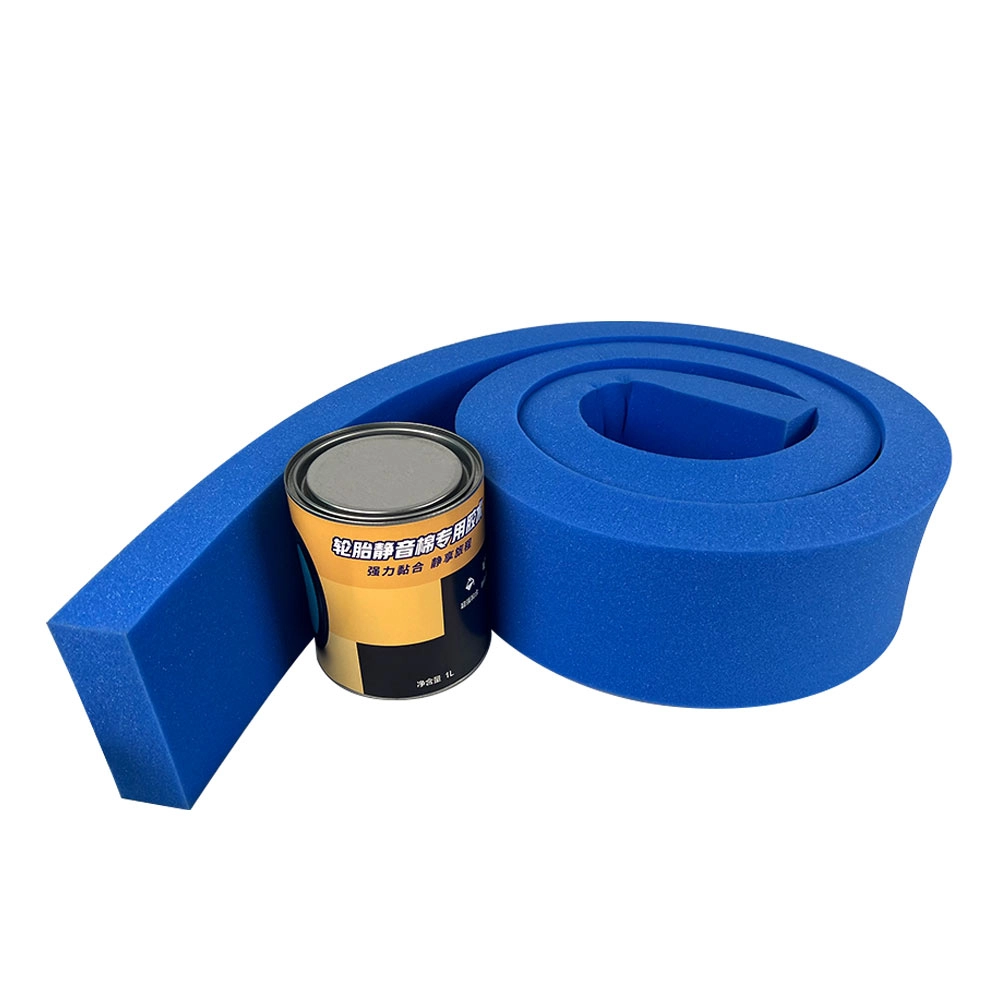
Tire Silent Foam with Special Glue
ASLONG Tire Silent Foam with special glue effectively reduces tire noise. Improve your vehicle's ride comfort. Buy ASLONG Tire Silent Foam for sale now and experience the quiet difference.
Professional support at any time
Contact us for a free quote on our new soundproofing materials!
© 2026 ASLONG All Rights Reserved. Privacy Policy | Terms and Conditions | Sitemap

 It would be pleasure to receive from you.
Whatsapp: +8613242879341
ASLONG Global
ASLONG
Aslong_global