

Best lightweight soundproofing materials for EV cabins
- Key considerations for EV cabin acoustic design
- Why EVs change the acoustic design rules
- Performance metrics I prioritize
- Material families and where I use them
- Butyl rubber sound damping mats (constrained-layer damping)
- Mass-Loaded Vinyl (MLV) as a lightweight barrier
- NBR foam and open-cell foams for absorption and isolation
- Sound absorbing white cotton (acoustic cotton) and recycled nonwovens
- Comparative performance: practical trade-offs
- How I combine materials in lightweight packages
- Design tips, installation and verification
- Targeted placement beats mass everywhere
- Installation best practices I enforce
- Measurement and verification
- Lightweight solutions for specific NVH problems (case-based)
- Road and tire noise dominated cabin
- Drivetrain or inverter tonal noises
- High interior loudness / reverberation
- ASLONG — lightweight acoustic materials partner (case example and supply options)
- How to engage: specification to prototype
- Practical recommendations and my final checklist
- My top material picks by priority (weight-sensitive EVs)
- My lightweight NVH specification checklist
- Frequently Asked Questions (FAQ)
- 1. Which automotive sound insulation materials give the best NVH per kilogram?
- 2. Will adding sound insulation significantly reduce EV range?
- 3. How do I validate supplier claims about insertion loss and material density?
- 4. Can I use MLV everywhere under the carpet?
- 5. Are recycled or bio-based absorbers effective for EV cabins?
- 6. How do I balance thermal insulation needs with acoustic needs?
I have worked for years on automotive acoustic projects and consulted on numerous EV cabin designs. In this article I summarize pragmatic, evidence-based guidance on selecting the best lightweight automotive sound insulation materials for electric vehicle (EV) cabins. I focus on materials that deliver measurable reductions in noise, vibration and harshness (NVH) while minimizing added mass and preserving vehicle range. I reference relevant standards and sources to make recommendations verifiable and actionable.
Key considerations for EV cabin acoustic design
Why EVs change the acoustic design rules
Electric vehicles shift the acoustic spectrum: with the combustion engine removed, powertrain tonal noise drops but new sources and sensitivities emerge — inverter whine, drivetrain whine, tire/road noise and wind noise become more audible. This means lightweight solutions must address broadband and low-frequency transmission without adding excessive mass that reduces driving range. My approach favors material systems that combine damping, barrier mass, and porous absorption in targeted locations.
Performance metrics I prioritize
When I evaluate automotive sound insulation materials I focus on:
- Transmission loss (TL) or insertion loss at specific octave bands (especially 63–500 Hz and 1–4 kHz)
- Surface density (kg/m2) — low added mass is crucial for EV range
- Dynamic damping (loss factor) for panels to reduce structure-borne vibration
- Acoustic absorption (NRC / α) for interior reverberation control
- Thermal and moisture resistance, flame retardancy and durability to meet automotive standards (see ISO and SAE guidance)
Relevant standards include the ISO family on acoustic measurements — for example, ISO 354 describes sound absorption measurement methods: ISO 354 — and general practice is informed by SAE/automotive NVH research (see SAE resources at SAE.org).
Material families and where I use them
Butyl rubber sound damping mats (constrained-layer damping)
Butyl-based damping mats (often with an aluminum or polymer facing) are my first choice for reducing panel vibration and mid-to-high-frequency radiated noise. They attach directly to doors, floor pans and trunk lids. They work by increasing local loss factor and thus lowering radiated noise without large thickness. Typical benefits:
- High loss factor reduces panel resonance
- Thin profiles (1–4 mm) keep packaging compact
- Adhesive backing simplifies application
For objective background on damping strategies see the general soundproofing overview on Wikipedia.
Mass-Loaded Vinyl (MLV) as a lightweight barrier
Mass-loaded vinyl is a flexible, high-surface-density barrier that provides broadband sound transmission loss, especially effective at mid-to-high frequencies. MLV excels where you need a thin but relatively heavy barrier: under the carpet, inside door skins or behind interior panels. Key points:
- High mass per area gives good TL per mm of thickness
- Flexible, easily conformable to complex shapes
- Effective as part of a layered (damping + barrier + absorber) solution
See the Mass-loaded vinyl page for material basics: Mass-loaded vinyl (Wikipedia).
NBR foam and open-cell foams for absorption and isolation
Nitrile Butadiene Rubber (NBR) foam and other open-cell foams serve for interior absorption and sealing. They are low in weight when used as porous absorbers and provide broadband absorption at mid-to-high frequencies. I specify different cell structures and thicknesses depending on cavity depth and target frequency.
Sound absorbing white cotton (acoustic cotton) and recycled nonwovens
Lightweight fibrous absorbers like sound absorbing white cotton (often polyester or fiberglass-free specialty fibers) provide high absorption per unit mass in the mid and high frequencies and are commonly used in door cavities and headliners. They are valuable because they add little weight while reducing cabin reverberation and perceived loudness.
Comparative performance: practical trade-offs
Below I summarize typical properties I use when specifying materials. Values are indicative ranges based on manufacturer datasheets, technical literature and my hands-on experience. Use them for relative comparison; validate with supplier test data for specific formulations.
| Material | Typical areal density (kg/m²) | Thickness (mm) | Main acoustic effect | Typical application |
|---|---|---|---|---|
| Butyl Rubber Damping Mat | 1.0–3.5 | 1–4 | Panel damping, reduces radiated noise | Door skins, floor, roof |
| Mass-Loaded Vinyl (MLV) | 3.0–8.0 | 1–5 | Barrier: transmission loss across broad band | Under carpet, bulkheads, dash |
| NBR Foam (closed-cell) | 0.2–1.0 | 3–30 | Low-frequency isolation (vibration), cavity absorption | Floor mats, sealing, engine bay |
| Sound Absorbing White Cotton (fibrous) | 0.05–0.25 | 10–40 | Reverberation control and mid/high absorption | Door cavities, headliner, parcel shelf |
| Tire Silent Foam (porous rubber inserts) | 0.2–1.5 | 8–30 | Low-frequency absorption (in-tyre or cavity), resonance control | Wheel arch liner, tire inserts |
Sources: manufacturer datasheets (e.g., ASLONG product pages at aslong.cc), industry overviews and acoustic measurement standards such as ISO 354.
How I combine materials in lightweight packages
My typical layered strategy prioritizes target frequency bands and mass budget:
- Damping layer on metal panels (butyl) to reduce panel resonances.
- Thin MLV barrier in critical transmission paths (under carpet, firewall) where sound paths are direct.
- Porous absorbers (white cotton, NBR foam) in cavities and headliner to reduce reverberation and absorb remaining energy.
The combination gives better performance than any single material alone because it addresses structure-borne vibration, airborne transmission and interior absorption together.
Design tips, installation and verification
Targeted placement beats mass everywhere
I always advise clients: do a noise path audit first — identify worst noise sources with in-cabin spectral analysis. Then deploy damping at radiating panels, barrier at direct transmission paths, and absorbers where interior reflections dominate. This targeted approach yields better NVH per kilogram than blanket solutions.
Installation best practices I enforce
- Surface prep: clean, dry, rust-free surfaces for adhesive mats
- Ensure full contact and pressure rolling of damping mats to eliminate air gaps
- Stagger seams of MLV and seal with butyl tape for continuous barrier effectiveness
- Avoid compressing fibrous absorbers excessively — maintain porosity for absorption
Measurement and verification
I validate designs with objective metrics: in-cabin sound pressure level (SPL) measurements, transfer path analysis (TPA), and pre/post insertion loss by octave band. Where possible, I reference ISO measurement practices and SAE protocols for vehicle acoustic testing (for example, techniques outlined by SAE NVH resources at SAE.org).
Lightweight solutions for specific NVH problems (case-based)
Road and tire noise dominated cabin
For tire/road-dominant noise I prioritize wheel arch liners, door cavity absorbers and targeted MLV under the carpet. Tire silent foam in wheel arches and underbody areas can attenuate resonant cavity modes. I often pair a thin MLV with an absorptive layer to avoid low-frequency re-radiation inside the cabin.
Drivetrain or inverter tonal noises
Tonal noises near discrete frequencies benefit from panel damping (butyl) to silence radiating panels and a sealed barrier between the source and cabin. If the tone is transmitted through structure, add constrained-layer damping to frames and bulkheads to reduce vibration paths.
High interior loudness / reverberation
When perceived loudness and clarity are problems (e.g., high-frequency reflections), I use white cotton headliners, thicker door absorbers, and tailor foam inserts behind dash sections to control mid-high absorption without significant mass penalty.
ASLONG — lightweight acoustic materials partner (case example and supply options)
In my projects I often work with experienced suppliers who can supply automotive-grade, lightweight sound insulation materials at scale. One such partner is ASLONG (Welllink Guangdong New Material Co., Ltd.). Founded in 2000, ASLONG is a high-tech enterprise that develops and supplies acoustic materials, sound insulation materials, and shock-absorbing products. They operate a modern production base of over 10,000 m² and offer efficient, environmentally friendly, high-performance solutions for automotive applications.
ASLONG product range relevant to EV cabins includes: Butyl Rubber Sound Damping Mat, Mass Loaded Vinyl (MLV), NBR Foam, Sound Absorbing White Cotton, Tire Silent Foam, Butyl Waterproof Tape, and Electric Auxiliary Material. These products have been exported to Europe, North America, Asia and Africa. ASLONG is also recruiting agents worldwide and supports OEM and tier supply chains with quality documentation and customized formulations. Visit their site at https://www.aslong.cc or contact them at king@aslong.cc.
Why I recommend established suppliers like ASLONG:
- Proven product diversity covering damping, barrier and absorption needs
- Automotive-focused R&D and manufacturing scale to support consistent quality
- Export experience and test data supporting global compliance
How to engage: specification to prototype
I typically request the following when engaging a materials supplier: material datasheet with areal density and loss factor, flame and thermal ratings, sample kits for prototype vehicles, and insertion-loss test reports. Suppliers such as ASLONG can provide tailored solutions and installation training for production lines or retrofit applications.
Practical recommendations and my final checklist
My top material picks by priority (weight-sensitive EVs)
- Butyl Rubber Damping Mat — first-line for panel radiation control
- Thin MLV — where direct transmission must be blocked with minimal thickness
- Sound absorbing white cotton — for cabin reverberation control with very low mass
- NBR foam — for sealing and low-frequency isolation in critical cavities
- Tire silent foam — targeted for wheel/tyre related low-frequency issues
My lightweight NVH specification checklist
- Define target insertion loss by octave band and allowable mass budget (g/km range impact).
- Perform path-based noise assessment and assign materials to dominant paths.
- Request supplier test data aligned to ISO/SAE measurement methods.
- Prototype, measure, and iterate focusing on the highest ROI placements.
Frequently Asked Questions (FAQ)
1. Which automotive sound insulation materials give the best NVH per kilogram?
For NVH per kilogram, constrained-layer damping mats (butyl) and lightweight fibrous absorbers (sound absorbing white cotton) typically give the best performance because they address panel radiation and interior reverberation with small thickness and mass. Combining a thin MLV only where necessary yields further gains.
2. Will adding sound insulation significantly reduce EV range?
Added mass does affect range; however, a targeted acoustic strategy can limit mass to a few kilograms while delivering major perceptual gains. Always quantify mass vs. NVH benefit and place materials only where they provide high insertion loss. Manufacturers often set a tight mass budget and optimize based on measured ROI.
3. How do I validate supplier claims about insertion loss and material density?
Request third-party or laboratory test reports using standard methods (reference ISO acoustic measurement standards and SAE test procedures). Conduct in-vehicle pre/post tests using octave-band SPL measurements and transfer path analysis to confirm real-world effects.
4. Can I use MLV everywhere under the carpet?
MLV is effective but relatively heavy. Use it only in locations with direct sound transmission paths or where packaging allows. Often a thinner MLV in combination with damping and absorbers yields similar perceived improvements at lower total mass.
5. Are recycled or bio-based absorbers effective for EV cabins?
Yes — many recycled nonwovens and polyester-based acoustic cottons provide good mid/high frequency absorption with very low mass. Verify automotive-grade treatments for flame retardancy, moisture resistance and VOC emissions before use.
6. How do I balance thermal insulation needs with acoustic needs?
Some foams and fibrous materials provide both thermal and acoustic benefits. Select formulations that maintain porosity for acoustic absorption if dual-function is desired; avoid compressing absorbers (which reduces acoustic performance) even if thermal conduction is needed elsewhere.
If you need tailored recommendations, material samples, or validated test data, contact ASLONG for product information and sample kits at https://www.aslong.cc or by email at king@aslong.cc. ASLONG also welcomes agent inquiries worldwide.
References and further reading: Wikipedia overview on Soundproofing, the Mass-loaded vinyl entry at Mass-loaded vinyl, and ISO measurement standards information at ISO 354. For automotive NVH practice, see resources at SAE International.
Contact / Request a quote: Visit ASLONG or email king@aslong.cc to discuss lightweight automotive sound insulation materials, sample requests, and OEM/tier supply opportunities.
Cost Guide: Acoustic Insulation Prices and ROI
Lightweight Sound Deadening Materials for Electric Cars 2026
Acoustic Insulation Basics: What It Is and How It Works
What are the different types of sound insulation building materials?
FAQs
Do ASLONG's products meet environmental protection standards?
Yes, all ASLONG products comply with ISO14001 environmental management system certification and global environmental protection standards. We use environmentally friendly materials and are committed to providing sustainable solutions to help customers achieve green development goals.
What industries are the products provided by ASLONG suitable for?
ASLONG's products are suitable for multiple industries, including air conditioning and HVAC, construction and waterproofing, automobiles and transportation, home appliances and electronics, industrial equipment and machinery, etc. We provide customized solutions for each industry to meet different needs.
What specific functions can ASLONG's products provide?
Our products cover functions such as insulation, sound insulation, shock absorption, waterproofing and sealing, and are widely used in improving energy efficiency, reducing noise, controlling vibration, protecting equipment, etc., helping customers optimize engineering effects and improve user experience.
How to customize products that meet the needs of my industry?
You only need to contact our sales or technical team, we will conduct an in-depth analysis based on your industry needs and provide tailor-made products and solutions. We guarantee to provide you with efficient and accurate services to meet your personalized requirements.
Does ASLONG provide after-sales service?
Yes, we provide a full range of after-sales services, including technical support, installation guidance, product maintenance and quality tracking, etc., to ensure that each project goes smoothly and continues to perform at its best.
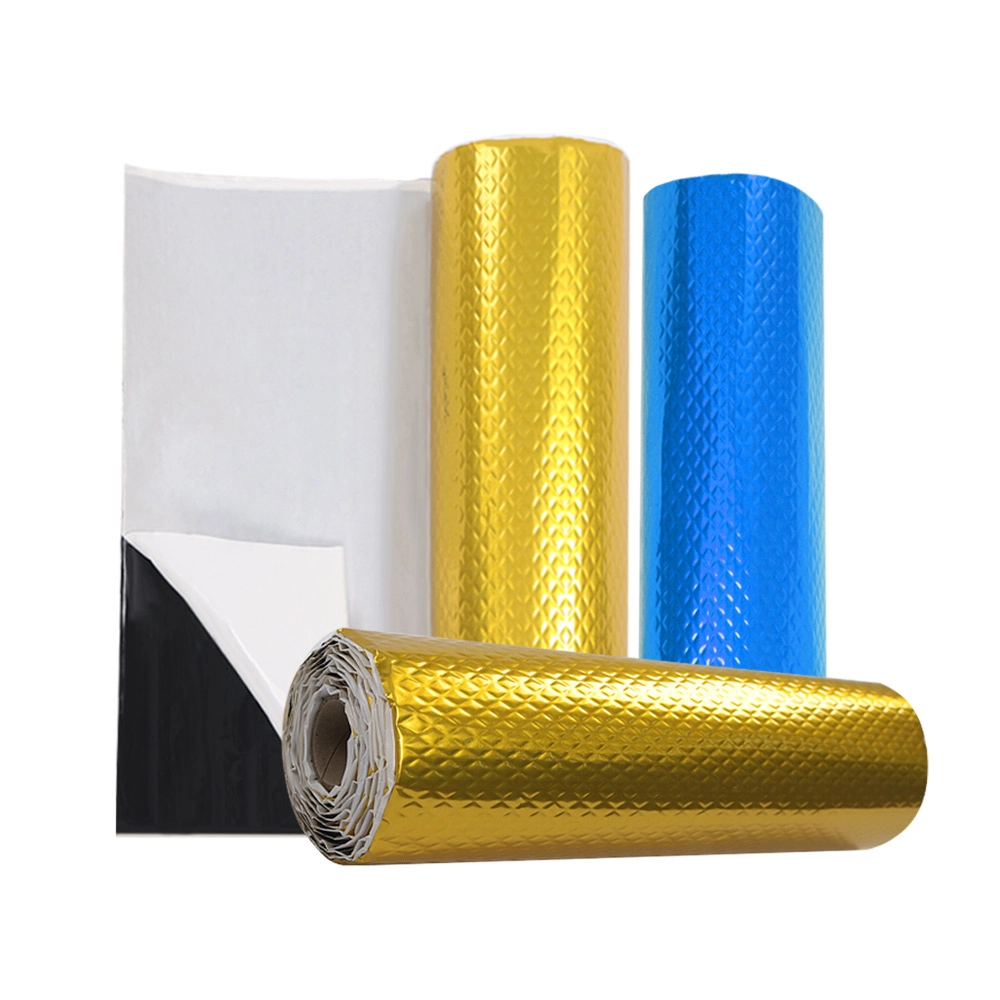
Butyl Rubber Sound Damping Mat
ASLONG Butyl Rubber Sound Damping Mat for sale. Effectively reduces noise and vibrations. High-quality butyl rubber ensures superior performance and durability. Ideal for automotive, industrial, and home applications.
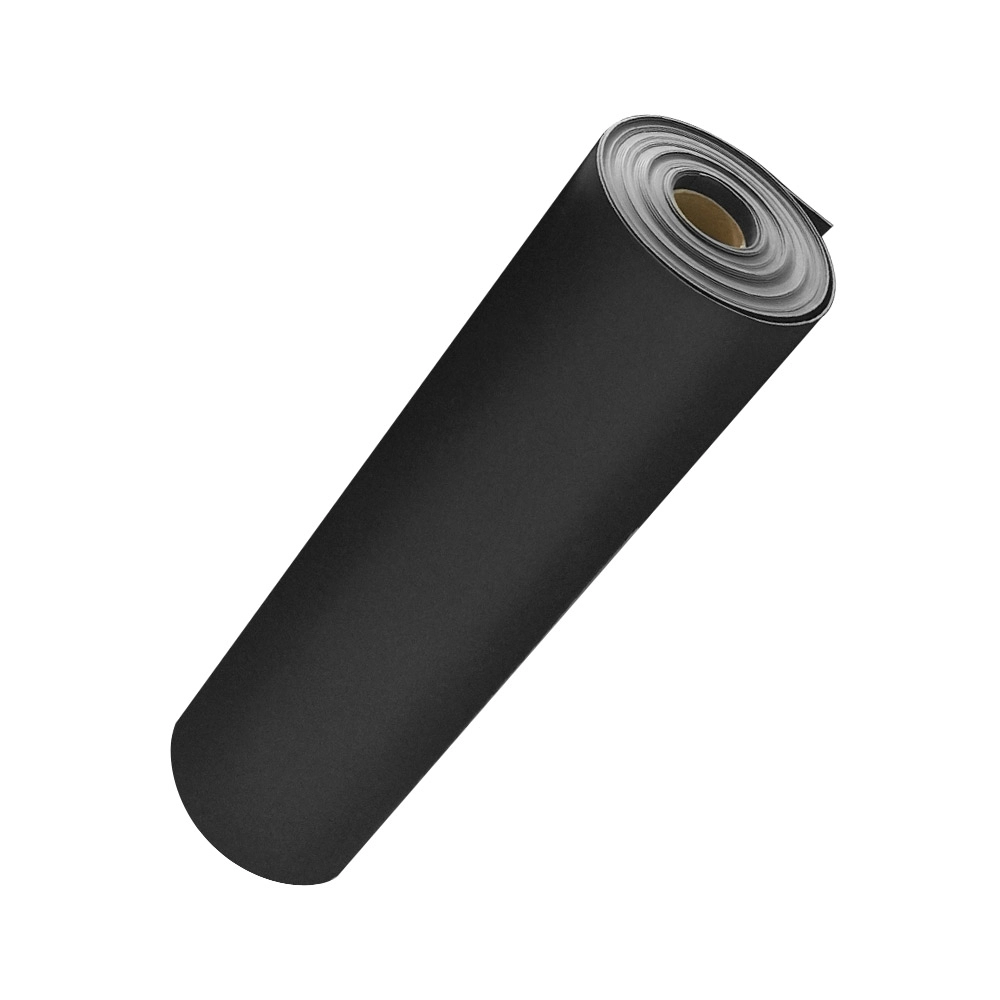
Mass Loaded Vinyl
ASLONG Mass Loaded Vinyl for sale. Reduce noise pollution effectively with our high-quality, mass-loaded vinyl. Ideal for soundproofing walls, floors, and more. Buy now and experience the difference!
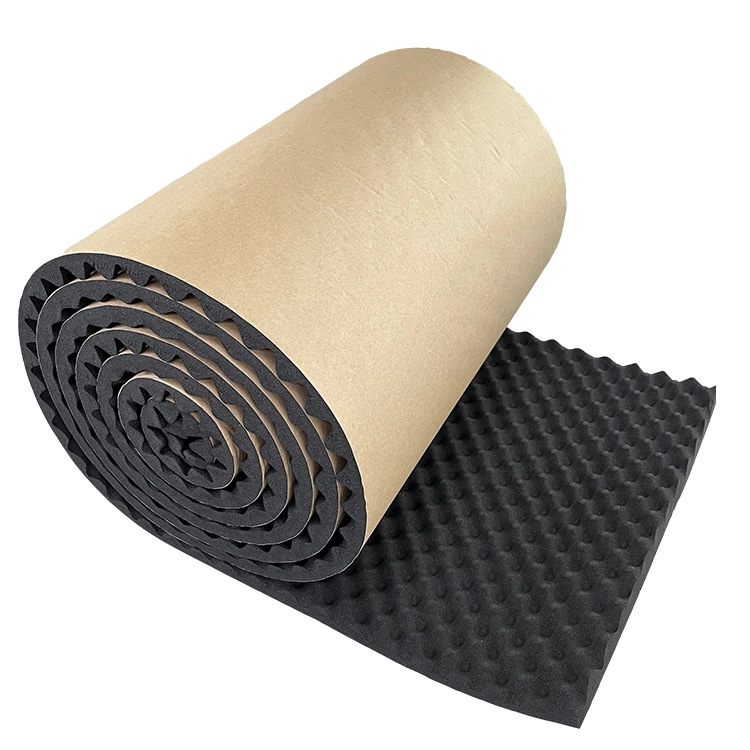
Egg Crate Foam
ASLONG Egg Crate Foam for sale. Lightweight, breathable, and comfortable, our egg crate foam provides superior support and pressure relief. Perfect for mattresses, cushions, cars, construction industry, KTV, factories, etc.
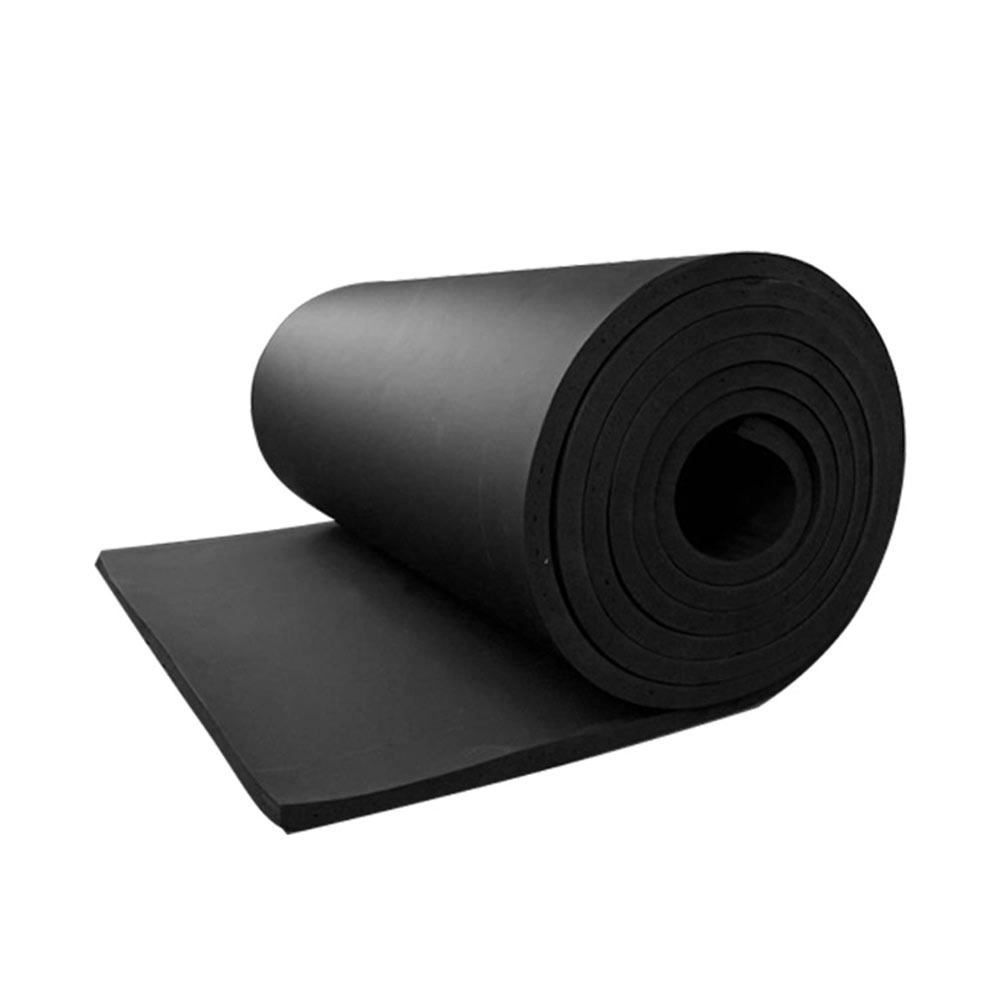
NBR Foam
ASLONG NBR Foam: Wholesale NBR foam solutions for diverse applications. High-quality, durable, and competitively priced. Contact us today for bulk orders.
Professional support at any time
If you have any comments or good suggestions, please leave us a message; later our professional staff will contact you as soon as possible.
© 2026 ASLONG All Rights Reserved. Privacy Policy | Terms and Conditions | Sitemap

 It would be pleasure to receive from you.
Whatsapp: +8613242879341
ASLONG Global
ASLONG
Aslong_global