

Benefits of NBR Foam in Industrial and Commercial Settings
- Benefits of NBR Foam in Industrial and Commercial Settings
- What is NBR Foam and why choose nbr foam for industry
- Key material properties of NBR Foam
- Acoustic benefits of NBR Foam in commercial and industrial spaces
- Thermal insulation and sealing advantages of NBR Foam
- Oil, fuel, and chemical resistance that stands up in industrial environments
- Durability, mechanical performance, and lifecycle benefits
- Performance comparison: NBR Foam versus common alternatives
- Common industrial and commercial applications of NBR Foam
- Specification and selection: choosing the right NBR Foam grade
- Installation and maintenance best practices for reliable performance
- Cost effectiveness and return on investment
- Environmental, health and safety considerations
- Why ASLONG NBR Foam is a strong choice for bulk industrial applications
- Checklist: When to specify nbr foam for your project
- Frequently Asked Questions (FAQ)
- Is NBR Foam suitable for outdoor use?
- Can NBR Foam resist petroleum-based oils and fuels?
- How do I select the right density and thickness?
- What are typical temperature limits for NBR Foam?
- Is NBR Foam flame retardant?
- How do I get samples or place a bulk order?
- Contact and product call to action
- References and authoritative resources

Benefits of NBR Foam in Industrial and Commercial Settings
As industries and commercial facilities increasingly require materials that combine sound insulation, sealing, chemical resistance, and long service life, nbr foam has become a preferred choice. This article examines why NBR Foam performs well in demanding environments, how to select the right grade, and practical installation and maintenance tips for engineers, facility managers, and procurement specialists. To fully appreciate these advantages, it helps to explore how NBR foam works: structure, density, and acoustic performance from a technical perspective.
ASLONG NBR Foam: Wholesale NBR foam solutions for diverse applications. High-quality, durable, and competitively priced. Contact us today for bulk orders.
What is NBR Foam and why choose nbr foam for industry
NBR foam is a closed-cell or semi-closed-cell foam made from nitrile butadiene rubber. It retains many of nitrile rubber's useful properties such as oil and fuel resistance, good mechanical strength, and flexibility over a broad temperature range. For industrial and commercial settings, these attributes translate into reliable gaskets, seals, vibration dampeners, and acoustic panels that maintain performance in oily, wet, or mechanically demanding conditions.
Key material properties of NBR Foam
- Oil and chemical resistance: NBR resists mineral oils, fuels, and many industrial fluids better than many other elastomers.
- Durability: Good compression set resistance and tear strength for long-term sealing and cushioning.
- Thermal range: Useable across a typical service range from about -40°C to +90°C depending on formulation.
- Acoustic and vibration damping: Closed-cell structures provide both noise reduction and mechanical isolation.
Acoustic benefits of NBR Foam in commercial and industrial spaces
One of the strongest s for using nbr foam is sound insulation and vibration control. In factories, mechanical rooms, HVAC systems, and commercial buildings, NBR Foam reduces airborne noise and structure-borne vibration when properly specified and installed.
- Noise reduction: Closed-cell NBR Foam can block and reflect airborne noise, while denser grades contribute more to sound transmission loss.
- Vibration damping: The compressible elastomeric nature helps isolate equipment and reduce structure-borne noise transmission.
- Practical effects: Lowered background noise in offices and retail spaces, reduced machine radiated noise in production areas, and better occupant comfort in mixed-use buildings.
Thermal insulation and sealing advantages of NBR Foam
NBR Foam provides thermal insulation benefits and effective sealing capabilities, improving energy efficiency in HVAC and piping systems. The closed-cell structure limits air and moisture penetration, offering both thermal resistance and condensation control.
- Energy savings: Reduced heat transfer on ductwork, chilled water lines, and refrigeration systems.
- Condensation control: Good moisture resistance minimizes corrosion risk and mold growth.
- Weather sealing: Durable compression set characteristics maintain tight seals over repeated cycles.
Oil, fuel, and chemical resistance that stands up in industrial environments
Industrial plants commonly expose materials to oils, lubricants, hydraulic fluids, and solvents. NBR Foam's base polymer, nitrile rubber, has inherently better resistance to these fluids compared with many rubbers such as natural rubber or ethylene propylene diene monomer EPDM. That makes NBR Foam a sound choice for gaskets, seals, and padding where fluid exposure is expected.
Durability, mechanical performance, and lifecycle benefits
Durability reduces downtime and replacement costs. NBR Foam typically exhibits:
- Good compression set and rebound, allowing repeated sealing cycles without excessive deformation.
- Resistance to tearing and abrasion in contact applications.
- Low water absorption for closed-cell formulations, preserving thermal and acoustic properties over time.
Performance comparison: NBR Foam versus common alternatives
Choosing the right material involves comparing key properties. The table below summarizes typical performance trends for NBR Foam versus EPDM foam, neoprene foam, and polyurethane foam. Note that actual performance varies by formulation and density.
| Property | NBR Foam | EPDM Foam | Neoprene Foam | Polyurethane Foam |
|---|---|---|---|---|
| Oil and fuel resistance | Excellent | Poor to fair | Good | Poor |
| Weather/UV resistance | Fair | Excellent | Good | Fair |
| Compression set | Good | Good | Fair to good | Poor to fair |
| Acoustic/vibration damping | Good | Fair | Good | Good (open cell) |
| Thermal insulation | Good (closed cell) | Good | Fair | Good (open cell) |
| Typical industrial uses | Seals, gaskets, pipe insulation, vibration pads | Weather seals, exterior gaskets | Insulation, gaskets, marine uses | Cushioning, acoustic panels (open cell) |
Common industrial and commercial applications of NBR Foam
Practical use cases where nbr foam delivers value include:
- Gaskets and seals for pumps, compressors, and engines where oils are present.
- Pipe and duct insulation in HVAC and refrigeration systems.
- Acoustic panels and machine enclosures to reduce noise and vibration.
- Door and window seals in commercial buildings for weatherproofing and noise control.
- Padding and anti-vibration mounts in manufacturing equipment and transport cases.
Specification and selection: choosing the right NBR Foam grade
Selecting the correct density, cell structure, and hardness is essential:
- Density: Higher densities improve sound transmission loss and mechanical strength but increase weight and cost.
- Closed-cell versus open-cell: Closed-cell NBR Foam is preferred for moisture resistance and thermal insulation; open-cell variants are used for acoustic absorption.
- Thickness and hardness: Determine based on required compression, gasket gap, and vibration frequency range.
Work with suppliers to obtain technical datasheets and test results such as compression set, tensile strength, and thermal conductivity to match application requirements.
Installation and maintenance best practices for reliable performance
Proper installation preserves acoustic and sealing performance and maximizes lifecycle:
- Surface preparation: Clean and dry mating surfaces to ensure good adhesion if using adhesive-backed foam or sealants.
- Correct compression: Avoid over-compression of gaskets which increases compression set; maintain recommended compression ratios.
- Fastening and edge sealing: Where edges are exposed to fluids, use compatible sealants or protective tapes to prevent ingress.
- Inspection schedules: Periodic inspections for deformation, chemical degradation, or loss of adhesion help detect issues early.
Cost effectiveness and return on investment
While nbr foam can be slightly more expensive than some commodity foams, its resistance to oils and longer service life typically reduce replacement frequency and unscheduled downtime. Below is an illustrative cost versus lifecycle comparison for a common gasket use case. Values are representative and should be validated with supplier quotes and in-house cost models.
| Material | Initial cost index | Expected service life | Replacement frequency per 5 years |
|---|---|---|---|
| NBR Foam | 1.2 | 3-5 years | 1 |
| EPDM Foam | 1.0 | 1-3 years (in oily environments) | 2-4 |
| Polyurethane Foam | 0.9 | 1-2 years in oily/abrasive conditions | 3-5 |
When downtime, labor, and potential failure costs are included, NBR Foam often shows a favorable total cost of ownership for demanding industrial environments.
Environmental, health and safety considerations
NBR Foam is generally safe for intended industrial uses, but consider the following:
- Fire performance: Standard NBR Foam is combustible; select flame-retardant grades when required by code or when used near heat sources.
- Disposal and recycling: Recycling options vary by region. Work with suppliers to understand end-of-life handling and available takeback programs.
- Volatile emissions: New foam can off-gas small amounts of volatiles; allow ventilation in enclosed installations and consult datasheets for specific VOC information.
Why ASLONG NBR Foam is a strong choice for bulk industrial applications
ASLONG offers large-volume, consistent quality NBR Foam products suitable for a wide range of industrial and commercial uses. Key strengths include:
- Wholesale supply capability for projects and OEM production runs.
- Consistent material specifications and quality control for predictable performance.
- Competitive pricing that helps reduce procurement costs without sacrificing performance.
- Technical support to help select grade, density, and thickness for the application.
Combining ASLONG NBR Foam with proper design and installation minimizes lifecycle costs and maximizes performance in noisy, oily, or vibration-prone environments.
Checklist: When to specify nbr foam for your project
Consider NBR Foam when any of the following apply:
- Equipment operates in oily or hydrocarbon-exposed environments.
- Seals must maintain compression over repeated cycles.
- Noise and vibration reduction is a design requirement.
- Thermal insulation and moisture resistance are needed for ducts or piping.
- Bulk purchase for OEM production or large facility retrofits is required.
Frequently Asked Questions (FAQ)
Is NBR Foam suitable for outdoor use?
NBR Foam has moderate resistance to weathering and UV, but it is not as UV-stable as EPDM. For prolonged outdoor exposure, consider protective coatings, covers, or specify UV-stabilized blends. For indoor industrial and commercial use, NBR Foam performs very well.
Can NBR Foam resist petroleum-based oils and fuels?
Yes. NBR Foam is especially formulated to resist mineral oils, fuels, and many hydraulic fluids, making it a preferred material for seals and gaskets in oil-exposed environments. Always confirm compatibility with specific fluids and temperatures using supplier compatibility charts.
How do I select the right density and thickness?
Selection depends on application: higher density increases mechanical strength and sound blocking, while greater thickness improves thermal insulation and gap filling. Consult with suppliers for datasheets and sample testing to establish optimal specifications for your seal or panel.
What are typical temperature limits for NBR Foam?
NBR Foam is commonly used between approximately -40°C and +90°C. Some special formulations can extend the upper temperature limit. For continuous high temperature exposure, verify with the supplier.
Is NBR Foam flame retardant?
Standard NBR Foam is not inherently flame retardant. Flame-retardant grades are available and should be used where fire safety codes require them. Check the material's fire rating and test data before selection.
How do I get samples or place a bulk order?
Contact ASLONG for samples, technical data sheets, and bulk order pricing. ASLONG NBR Foam offers competitive wholesale options and technical support to help with grade selection and application guidance.
Contact and product call to action
If you are specifying materials for industrial seals, HVAC insulation, acoustic panels, or vibration control, ASLONG NBR Foam offers high-quality, durable, and competitively priced solutions. For samples, technical datasheets, or bulk order pricing, contact us today to discuss your application and request a quote.
References and authoritative resources
- Wikipedia: Nitrile butadiene rubber - https://en.wikipedia.org/wiki/Nitrile_butadiene_rubber
- Wikipedia: Sound insulation - https://en.wikipedia.org/wiki/Sound_insulation
- ASTM D1056 Standard Specification for Rubber Sponge and Expanded Rubber - https://www.astm.org/d1056-17.
- Engineering Toolbox: Thermal conductivity of insulating materials - https://www.engineeringtoolbox.com/thermal-conductivity-d_429.
- Acoustical Society of America - https://acousticalsociety.org/
How to manufacturing car sound deadening material
How to manufacturing acoustic sound proof material
Top 5 insulation tape Company List and Products Compared
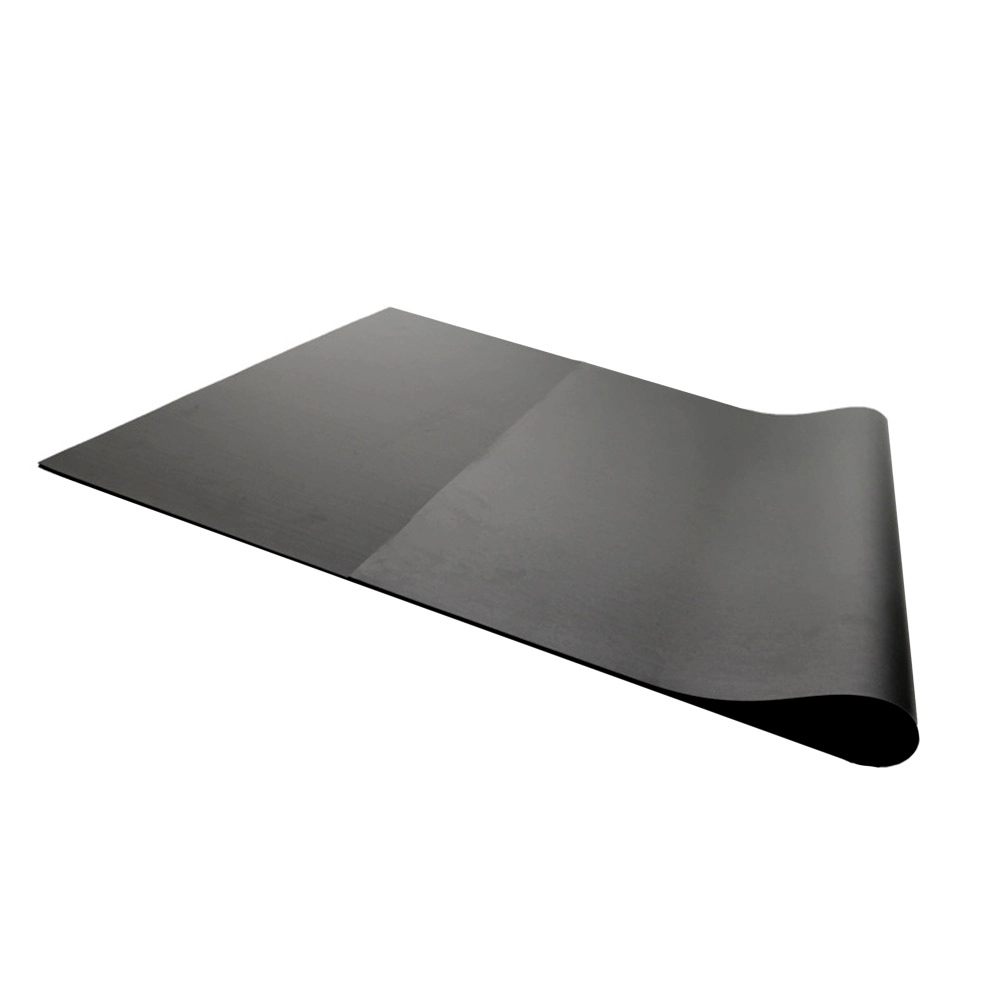
Mass Loaded Vinyl vs Fiberglass Insulation: Which Wins?
FAQs
Do ASLONG's products meet environmental protection standards?
Yes, all ASLONG products comply with ISO14001 environmental management system certification and global environmental protection standards. We use environmentally friendly materials and are committed to providing sustainable solutions to help customers achieve green development goals.
How to customize products that meet the needs of my industry?
You only need to contact our sales or technical team, we will conduct an in-depth analysis based on your industry needs and provide tailor-made products and solutions. We guarantee to provide you with efficient and accurate services to meet your personalized requirements.
Does ASLONG provide after-sales service?
Yes, we provide a full range of after-sales services, including technical support, installation guidance, product maintenance and quality tracking, etc., to ensure that each project goes smoothly and continues to perform at its best.
What specific functions can ASLONG's products provide?
Our products cover functions such as insulation, sound insulation, shock absorption, waterproofing and sealing, and are widely used in improving energy efficiency, reducing noise, controlling vibration, protecting equipment, etc., helping customers optimize engineering effects and improve user experience.
What industries are the products provided by ASLONG suitable for?
ASLONG's products are suitable for multiple industries, including air conditioning and HVAC, construction and waterproofing, automobiles and transportation, home appliances and electronics, industrial equipment and machinery, etc. We provide customized solutions for each industry to meet different needs.
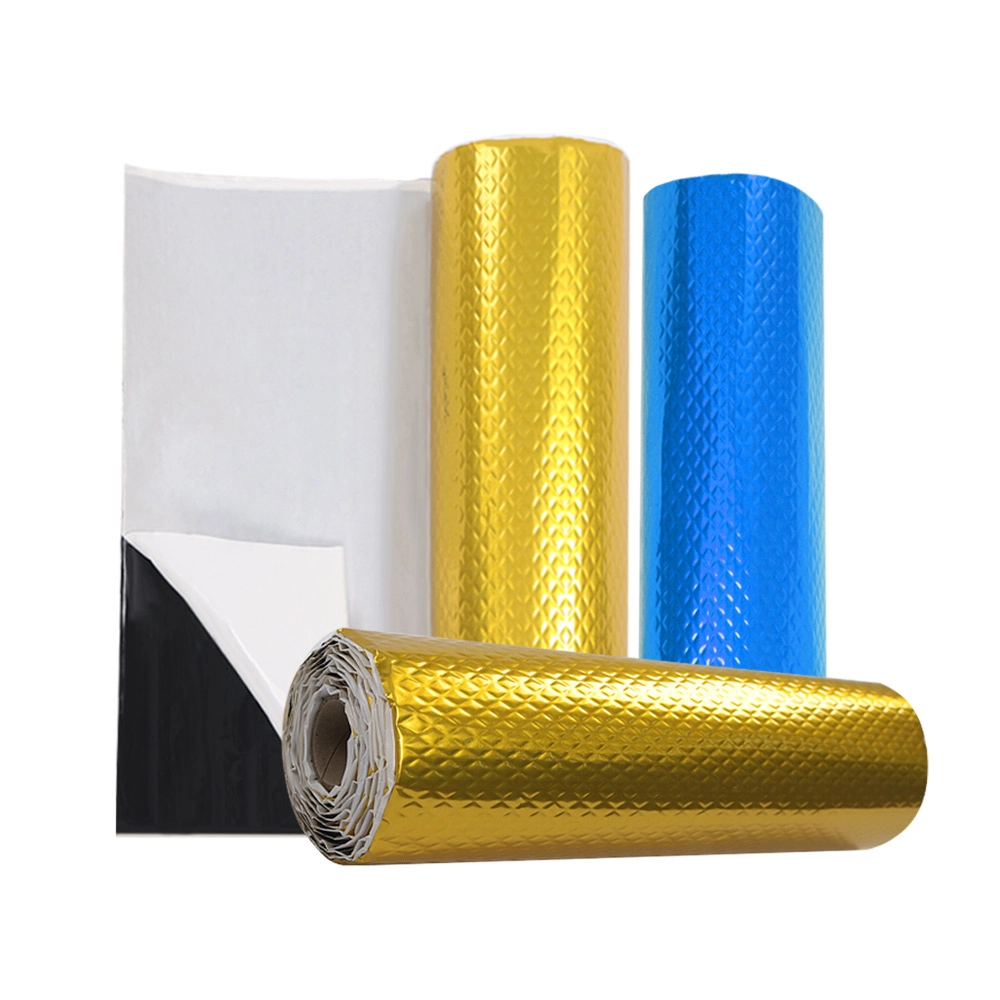
Butyl Rubber Sound Damping Mat
ASLONG Butyl Rubber Sound Damping Mat for sale. Effectively reduces noise and vibrations. High-quality butyl rubber ensures superior performance and durability. Ideal for automotive, industrial, and home applications.
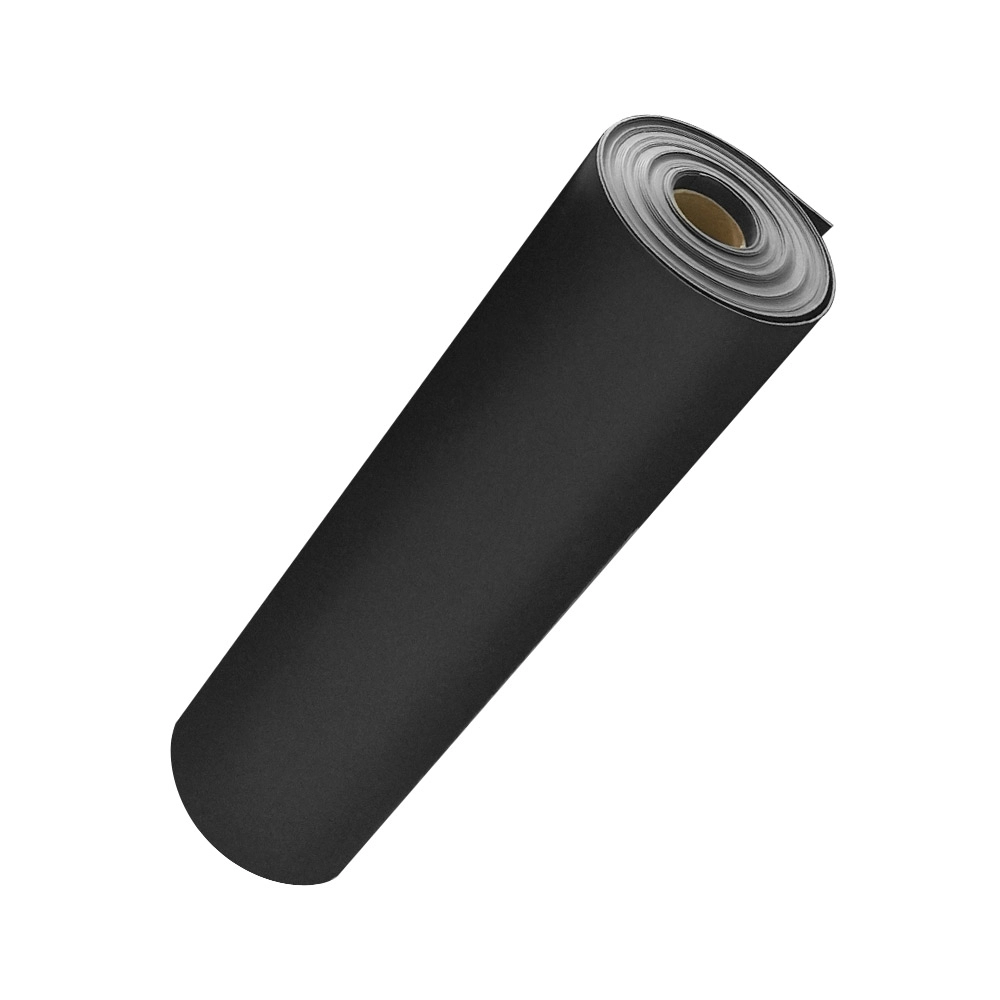
Mass Loaded Vinyl
ASLONG Mass Loaded Vinyl for sale. Reduce noise pollution effectively with our high-quality, mass-loaded vinyl. Ideal for soundproofing walls, floors, and more. Buy now and experience the difference!
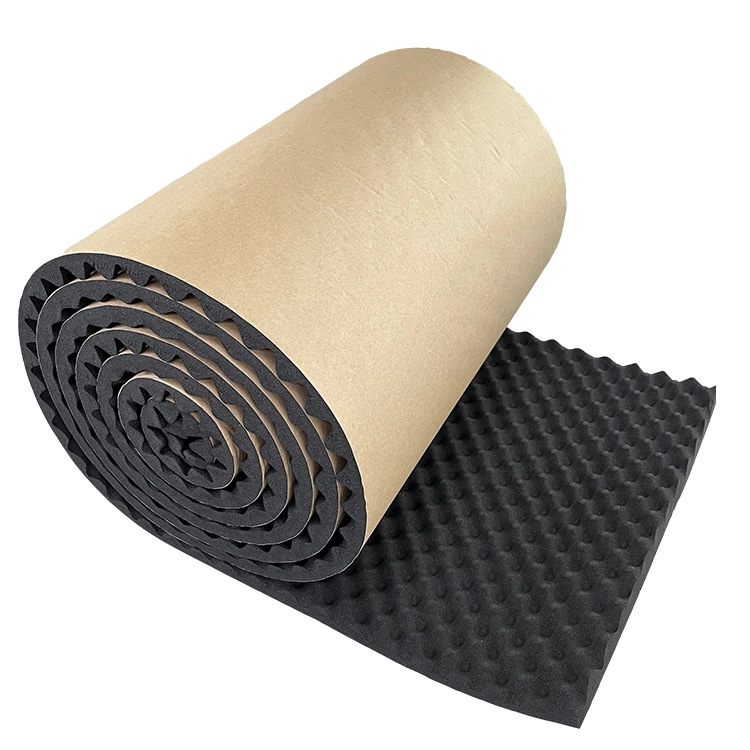
Egg Crate Foam
ASLONG Egg Crate Foam for sale. Lightweight, breathable, and comfortable, our egg crate foam provides superior support and pressure relief. Perfect for mattresses, cushions, cars, construction industry, KTV, factories, etc.
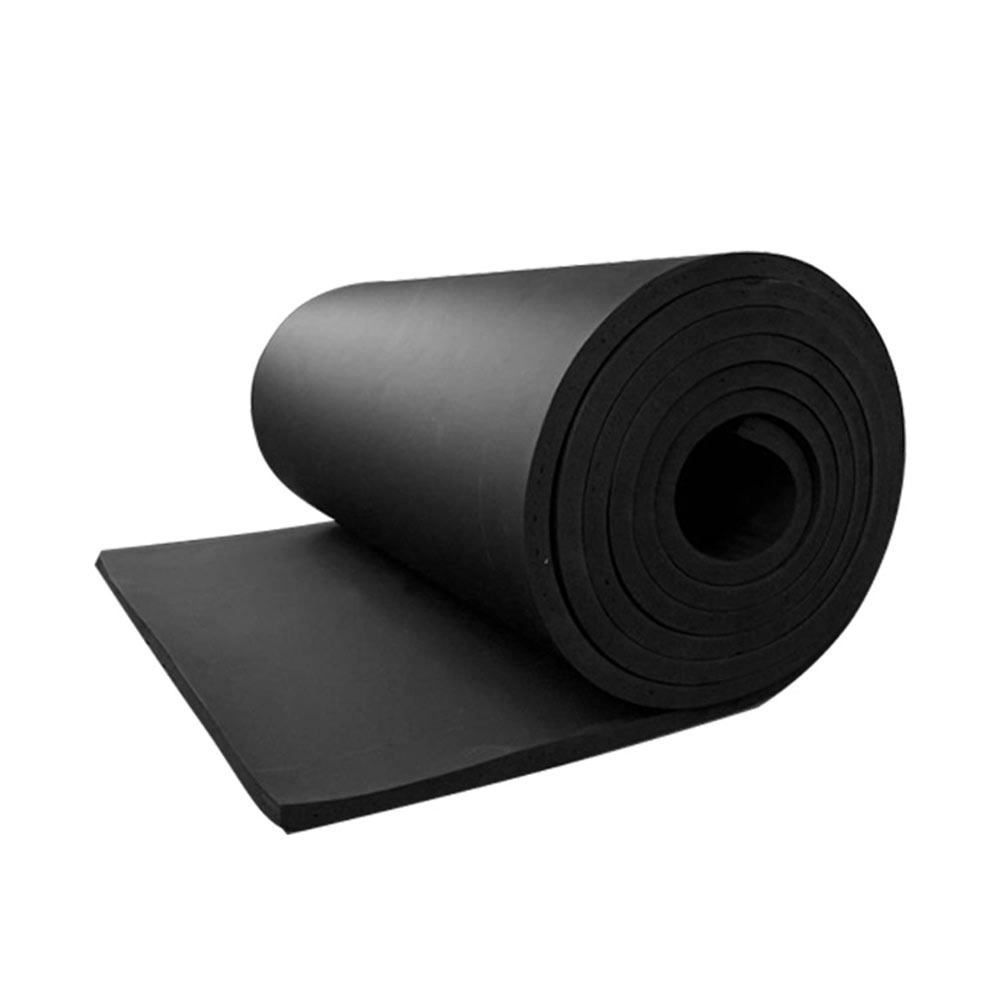
NBR Foam
ASLONG NBR Foam: Wholesale NBR foam solutions for diverse applications. High-quality, durable, and competitively priced. Contact us today for bulk orders.
Professional support at any time
If you have any comments or good suggestions, please leave us a message; later our professional staff will contact you as soon as possible.
© 2026 ASLONG All Rights Reserved. Privacy Policy | Terms and Conditions | Sitemap

 It would be pleasure to receive from you.
Whatsapp: +8613242879341
ASLONG Global
ASLONG
Aslong_global