

How NBR Foam Works: Structure, Density, and Acoustic Performance
- How NBR Foam Works: Structure, Density, and Acoustic Performance
- What is NBR Foam? Composition and Basic Properties (includes NBR Foam )
- Cell Structure: Closed-Cell vs Open-Cell and Acoustic Implications
- Density: How It Controls Mechanical and Acoustic Behavior
- Acoustic Performance: Transmission Loss, NRC, and STC
- Comparative Table: Typical Properties and Acoustic Roles
- Testing and Standards for Acoustic and Physical Performance
- Design and Installation: Maximizing Acoustic Benefits (Includes NBR Foam )
- Durability, Environmental Resistance and Maintenance
- Comparing NBR Foam with Other Foams: Quick Selection Guide
- Choosing the Right Density and Thickness: Practical Rules of Thumb
- Why Choose ASLONG NBR Foam for Your Projects (brand combination)
- FAQ — Frequently Asked Questions about NBR Foam
- Q1: Is NBR Foam good for soundproofing a room?
- Q2: What density of NBR Foam should I use for vibration isolation?
- Q3: Can NBR Foam be used outdoors?
- Q4: How do I test acoustic performance of a specific NBR Foam product?
- Q5: Can NBR Foam be bonded to metal or plastic?
- Contact and Product Call to Action
- Authoritative References and Further Reading

How NBR Foam Works: Structure, Density, and Acoustic Performance
Nitrile butadiene rubber foam (NBR foam) is widely used in sealing, vibration control and acoustic insulation across automotive, HVAC, industrial and building applications. Understanding how NBR Foam’s cellular structure and density control mechanical and acoustic performance is essential for engineers, specifiers and procurement teams who need reliable, durable sound-control solutions. This article explains the material fundamentals, test standards, selection guidance and practical installation tips — and highlights ASLONG NBR Foam as a wholesale source.
What is NBR Foam? Composition and Basic Properties (includes NBR Foam )
NBR Foam is a closed-cell or semi-closed-cell foam derived from nitrile butadiene rubber (NBR), a copolymer of acrylonitrile and butadiene. Compared with standard rubber sheets, foam versions offer reduced weight, compressibility, thermal insulation and improved acoustic damping. Key intrinsic properties include oil and fuel resistance, good compression set characteristics, and temperature stability across typical service ranges. For bulk supply and project procurement, NBR Foam products such as ASLONG NBR Foam provide consistent quality and cost-effectiveness for diverse applications.
Cell Structure: Closed-Cell vs Open-Cell and Acoustic Implications
Cell morphology defines how NBR Foam interacts with sound waves and mechanical loads. Closed-cell foam contains discrete pockets of gas separated by cell walls. This structure yields low water absorption, good thermal insulation and higher stiffness. Open-cell or partly open structures allow air to flow between cells and generally provide higher sound absorption for mid-high frequencies but lower mechanical sealing performance.
Acoustic mechanisms in NBR Foam are:
- Mass law (transmission loss increases with mass per unit area).
- Viscoelastic damping (internal friction converts acoustic energy to heat).
- Porous absorption (in open-cell materials, friction in pores dissipates sound energy).
Closed-cell NBR Foam mainly offers damping via viscoelastic losses and some transmission loss due to mass and stiffness; partially open or micro-perforated structures enhance absorption. Choosing the right cell type depends on whether you prioritize airborne sound insulation (transmission loss) or reverberant sound absorption.
Density: How It Controls Mechanical and Acoustic Behavior
Density is one of the most influential variables for both mechanical performance and acoustic behavior. Typical NBR foam densities range from ~40 kg/m3 (light) up to 300 kg/m3 (high-density rubber-like foam). General trends:
- Lower density: better compressibility, lighter weight, improved sound absorption at some frequencies (if porous), but lower transmission loss and lower mechanical strength.
- Higher density: higher mass per unit area -> improved sound transmission loss (better at blocking low-frequency noise), improved load-bearing and sealing, but reduced open-pore absorption and increased stiffness.
Practically, choosing foam density is a trade-off. For sealing and low-frequency isolation, higher density NBR Foam is preferred. For cavity absorption or reducing mid-to-high frequency reverberation, a lower-density or engineered micro-porous NBR Foam may be more effective.
Acoustic Performance: Transmission Loss, NRC, and STC
Acoustic performance is quantified using metrics such as Sound Transmission Loss (TL), Noise Reduction Coefficient (NRC), and Sound Transmission Class (STC). NBR Foam primarily affects TL through mass and damping and contributes to NRC when structured to absorb sound.
Key points:
- Mass and stiffness: heavier/higher density layers block more low-frequency energy (improving TL).
- Damping: the viscoelastic nature of NBR converts vibrational energy to heat, reducing resonance peaks and improving overall isolation.
- Thickness: increasing thickness generally improves low-frequency TL and absorption, but returns diminish beyond certain limits and depend on mounting conditions.
When designing acoustic systems, combine NBR Foam with other materials (mass-loaded vinyl, gypsum, mineral wool) to achieve desired broadband performance: NBR Foam provides sealing and damping; porous absorbers handle mid-high frequencies; massive layers block low frequencies.
Comparative Table: Typical Properties and Acoustic Roles
| Property / Role | Low Density NBR Foam (≈40–120 kg/m³) | High Density NBR Foam (≈120–300 kg/m³) |
|---|---|---|
| Primary benefit | Lightweight, compressible, cavity absorption | Sealing, higher TL, mechanical strength |
| Acoustic role | Absorption (mid–high freq), reduces reverberation | Mass/damping for low–mid frequency blocking |
| Water resistance | Moderate (depends on cell openness) | Good (closed-cell resists water) |
| Typical applications | Interior cavity linings, speaker enclosures, HVAC duct liners | Gasket seals, vibration mounts, engine bay insulation |
Testing and Standards for Acoustic and Physical Performance
To reliably specify NBR Foam for acoustic projects, refer to recognized test methods:
- ASTM E90 / ISO 10140 family: laboratory methods for measuring airborne sound transmission loss of building elements.
- ASTM C423: Sound absorption and sound absorption coefficients by the reverberation room method (NRC derivation).
- Compression set, tensile, and aging tests: various ISO/ASTM standards for rubber materials provide data on long-term mechanical behavior.
Manufacturers should supply tested TL, NRC and mechanical data for specific product densities and thicknesses. When evaluating supplier data, ensure the sample configuration, mounting conditions, and test standards are stated clearly.
Design and Installation: Maximizing Acoustic Benefits (Includes NBR Foam )
Best practices for installing NBR Foam to maximize acoustic performance:
- Seal all gaps. Even small leaks around joints bypass the foam’s benefits — NBR Foam gaskets and compression seals are designed to maintain airtight joints under compression.
- Use staged layers. Combine NBR Foam (damping/sealing) with a porous absorber and a mass layer to achieve broadband performance.
- Control flanking paths. Sound can bypass treated surfaces via adjacent structures; ensure continuous sealing and adequate mass in adjoining elements.
- Follow manufacturer adhesion and compression recommendations to avoid over-compression which reduces damping performance.
For bulk procurement and tailored thickness/density cuts, ASLONG NBR Foam offers wholesale NBR foam solutions that support project-scale installations and custom specifications.
Durability, Environmental Resistance and Maintenance
NBR Foam is prized for oil and fuel resistance, making it suitable for automotive and industrial environments. Temperature stability is generally good for typical HVAC and automotive ranges, but high-temperature continuous exposure can accelerate aging. UV exposure, ozone and extreme heat should be considered; protective coverings or alternative elastomers may be required for long-term outdoor exposure.
To extend service life:
- Avoid prolonged exposure to direct sunlight or ozone without protective cladding.
- Follow chemical compatibility charts when used near aggressive solvents.
- Inspect compression seals periodically and replace when permanent set or cracking is observed.
Comparing NBR Foam with Other Foams: Quick Selection Guide
When choosing between NBR Foam, EPDM, neoprene or PU foams, consider this simplified comparison:
| Material | Strengths | Limitations |
|---|---|---|
| NBR Foam | Oil/fuel resistance, good damping, wide density range | Limited UV/ozone resistance unless formulated |
| EPDM Foam | Excellent weather/ozone/UV resistance | Poor oil resistance |
| Neoprene Foam | Balanced chemical resistance and moderate durability | Cost may be higher for specific formulations |
| PU Foam | Good absorptive properties, lightweight | Poor oil resistance and durability in harsh environments |
Choosing the Right Density and Thickness: Practical Rules of Thumb
Selection guidance:
- Sealing/gaskets: choose mid-high density (≥120 kg/m³) for compression set resistance and better low-frequency blocking.
- Cavity absorption: choose lower density (40–120 kg/m³) with engineered porosity for mid/high frequency absorption.
- Vibration mounts: higher density and thicker sections, sometimes with closed-cell cores, provide load support and damping.
Example: For HVAC ductwork where both airtight sealing and reverberant sound control are required, use a combination—NBR Foam gaskets at flanges (high density) and lower-density NBR foam liners in plenums for absorption.
Why Choose ASLONG NBR Foam for Your Projects (brand combination)
ASLONG NBR Foam: Wholesale NBR foam solutions for diverse applications. High-quality, durable, and competitively priced. Contact us today for bulk orders.
ASLONG supplies consistent, factory-tested NBR Foam in multiple densities and thicknesses suitable for acoustic, sealing and thermal applications. Benefits of procuring from ASLONG include:
- Wholesale availability and custom cutting for project-specific sizes.
- Supply chain reliability for repeat production runs and installation schedules.
- Technical data sheets and test reports for acoustic and mechanical performance.
FAQ — Frequently Asked Questions about NBR Foam
Q1: Is NBR Foam good for soundproofing a room?
A1: NBR Foam contributes to soundproofing primarily by sealing gaps and providing damping. For full room soundproofing, combine NBR Foam with mass layers (drywall, MLV) and porous absorbers for a broadband solution.
Q2: What density of NBR Foam should I use for vibration isolation?
A2: For vibration isolation, higher density and thicker sections (typically ≥120 kg/m³) provide better load support and damping. Final selection depends on load, deflection and frequency of excitation.
Q3: Can NBR Foam be used outdoors?
A3: NBR Foam resists oil and many chemicals but is less resistant to UV and ozone than EPDM. For prolonged outdoor use, select UV-stabilized formulations or protective claddings.
Q4: How do I test acoustic performance of a specific NBR Foam product?
A4: Request laboratory measurements performed per ASTM E90/ISO 10140 for transmission loss and ASTM C423 for absorption. Ask the supplier for test setup details (thickness, mounting, sample size).
Q5: Can NBR Foam be bonded to metal or plastic?
A5: Yes — with appropriate adhesives recommended by the manufacturer. Surface preparation (cleaning, primer) and correct adhesive selection are essential for long-term adhesion, especially in high-moisture or oil-contaminated environments.
Contact and Product Call to Action
For project quotes, custom sizes, technical data sheets and bulk pricing for NBR Foam, contact ASLONG today. Whether you need gaskets, acoustic liners, or specialized cuts, ASLONG NBR Foam supplies high-quality, durable NBR Foam at competitive wholesale prices. Reach out to request samples, test data, or lead-time estimates for bulk orders. Once the acoustic principles are clear, selecting the correct product depends on choosing the right NBR foam: key specs to consider for each application.
Authoritative References and Further Reading
Sources used for factual background and standards:
- Wikipedia — Acrylonitrile butadiene rubber (NBR): https://en.wikipedia.org/wiki/Acrylonitrile_butadiene_rubber
- ASTM E90 — Standard Test Method for Laboratory Measurement of Airborne Sound Transmission Loss of Building Partitions: https://www.astm.org/e0090-09r20.
- ISO 10140 — Acoustics — Laboratory measurement of sound insulation of building elements: https://www.iso.org/standard/42032.
- ASTM C423 — Standard Test Method for Sound Absorption and Sound Absorption Coefficients: https://www.astm.org/c0423-17.
- Matmatch — Nitrile butadiene rubber (NBR) material overview: https://matmatch.com/materials/mam-nitrile-butadiene-rubber-nbr
- Acoustical Society of America — resources on sound transmission and absorption: https://acousticalsociety.org/
For more information or to request technical support and quotations for ASLONG NBR Foam (wholesale NBR foam solutions), please contact ASLONG through our sales channels.
Top 5 car sound deadener Company List and Products Compared
Top automotive sound insulation materials for buses
Best professional insulation for soundproofing ceiling manufacturers and supplier brands
Wholesale 2lb mlv manufacturer and supplier
FAQs
What industries are the products provided by ASLONG suitable for?
ASLONG's products are suitable for multiple industries, including air conditioning and HVAC, construction and waterproofing, automobiles and transportation, home appliances and electronics, industrial equipment and machinery, etc. We provide customized solutions for each industry to meet different needs.
Do ASLONG's products meet environmental protection standards?
Yes, all ASLONG products comply with ISO14001 environmental management system certification and global environmental protection standards. We use environmentally friendly materials and are committed to providing sustainable solutions to help customers achieve green development goals.
What specific functions can ASLONG's products provide?
Our products cover functions such as insulation, sound insulation, shock absorption, waterproofing and sealing, and are widely used in improving energy efficiency, reducing noise, controlling vibration, protecting equipment, etc., helping customers optimize engineering effects and improve user experience.
How to customize products that meet the needs of my industry?
You only need to contact our sales or technical team, we will conduct an in-depth analysis based on your industry needs and provide tailor-made products and solutions. We guarantee to provide you with efficient and accurate services to meet your personalized requirements.
Does ASLONG provide after-sales service?
Yes, we provide a full range of after-sales services, including technical support, installation guidance, product maintenance and quality tracking, etc., to ensure that each project goes smoothly and continues to perform at its best.
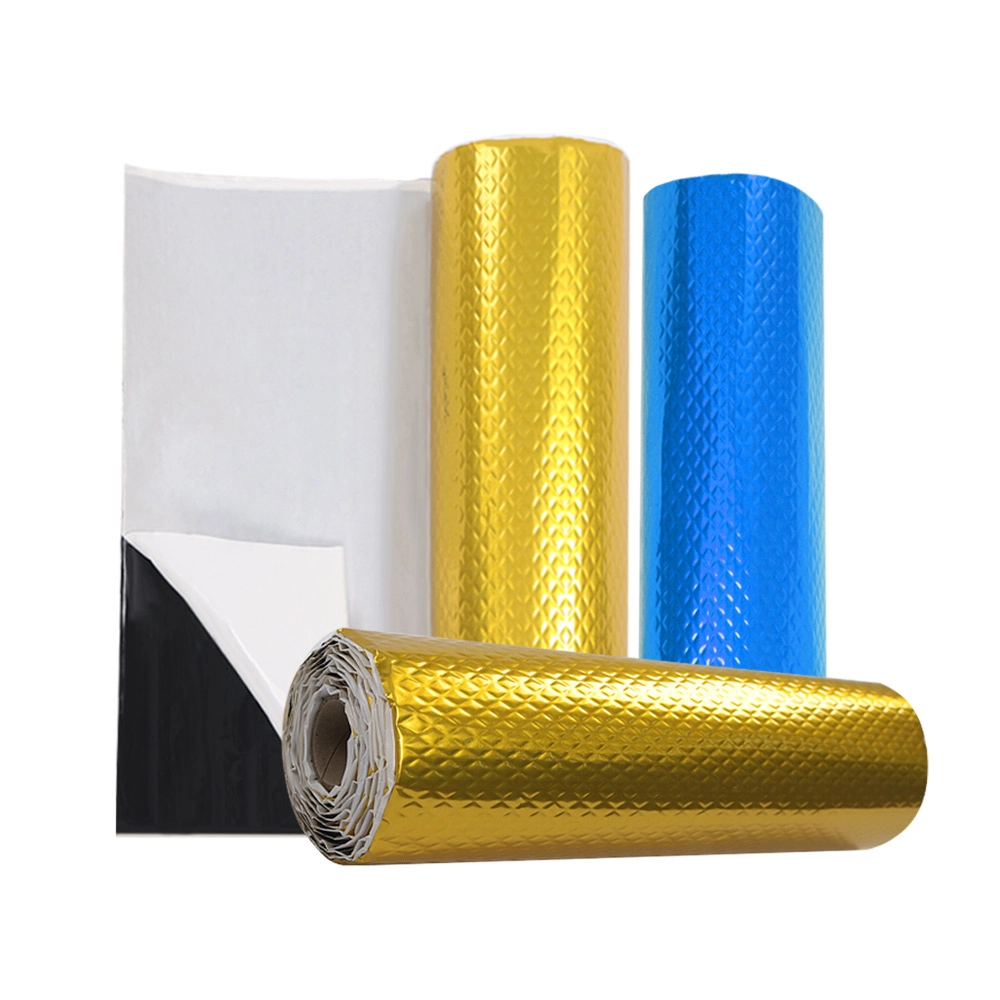
Butyl Rubber Sound Damping Mat
ASLONG Butyl Rubber Sound Damping Mat for sale. Effectively reduces noise and vibrations. High-quality butyl rubber ensures superior performance and durability. Ideal for automotive, industrial, and home applications.
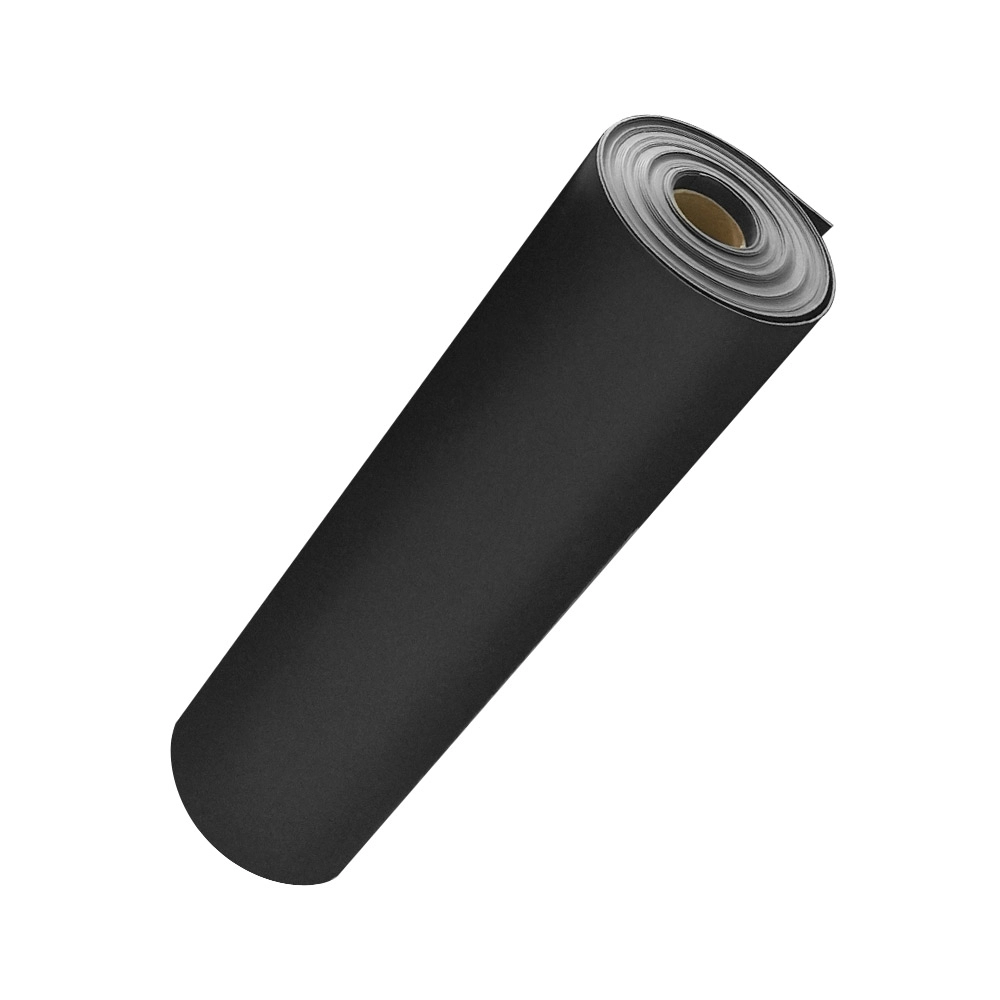
Mass Loaded Vinyl
ASLONG Mass Loaded Vinyl for sale. Reduce noise pollution effectively with our high-quality, mass-loaded vinyl. Ideal for soundproofing walls, floors, and more. Buy now and experience the difference!
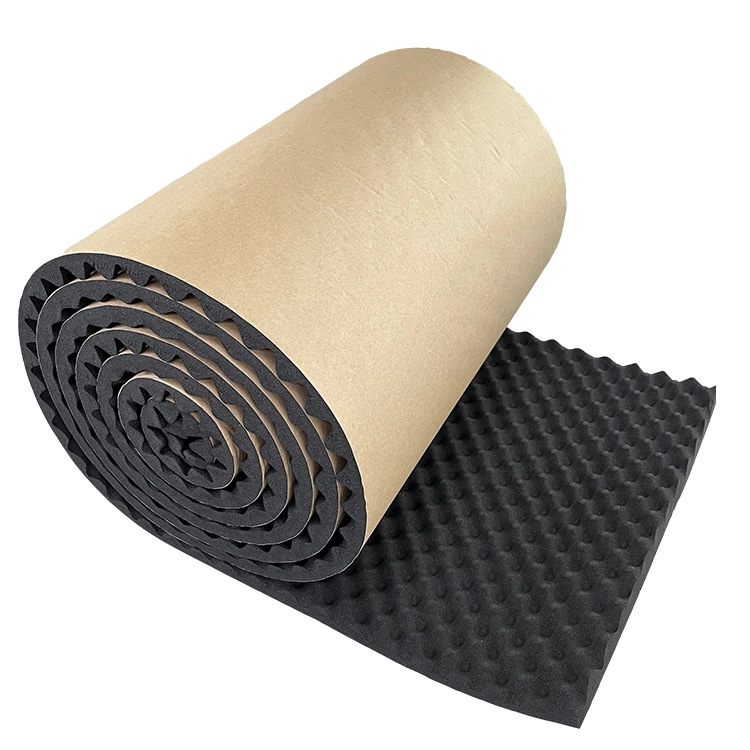
Egg Crate Foam
ASLONG Egg Crate Foam for sale. Lightweight, breathable, and comfortable, our egg crate foam provides superior support and pressure relief. Perfect for mattresses, cushions, cars, construction industry, KTV, factories, etc.
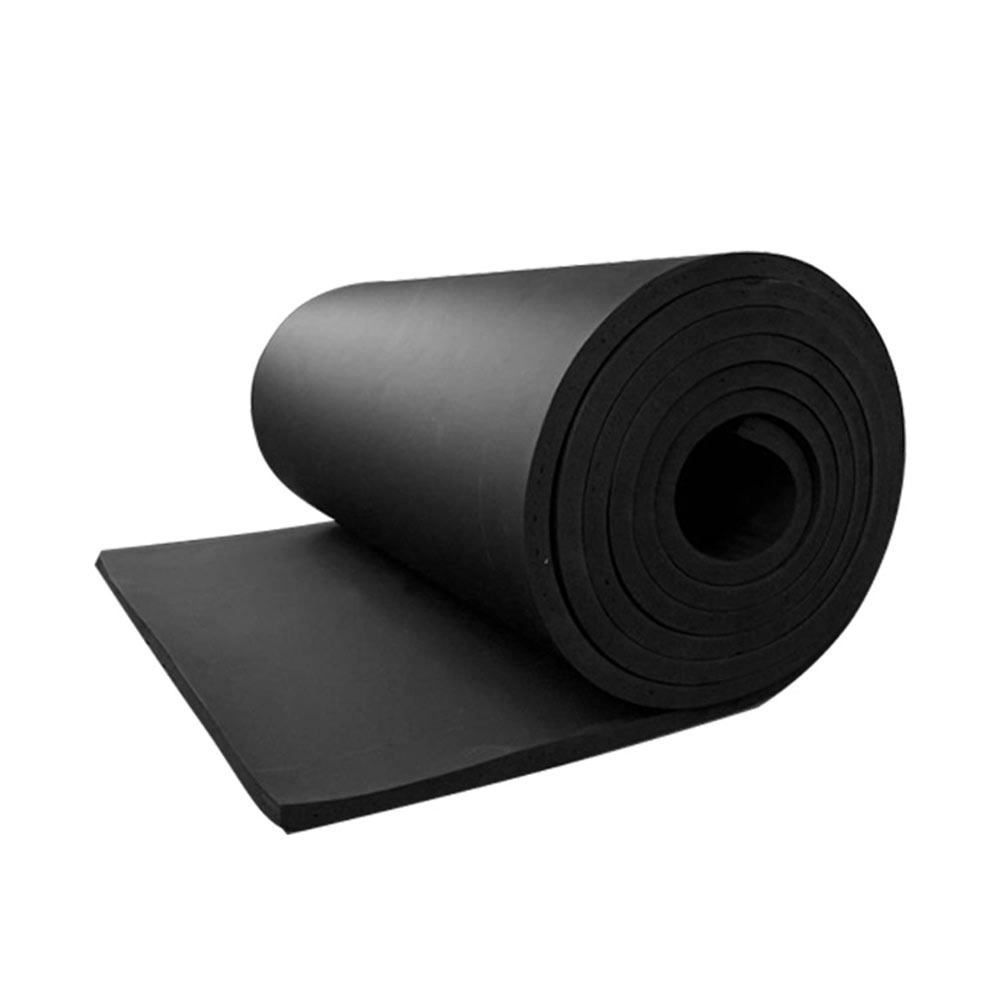
NBR Foam
ASLONG NBR Foam: Wholesale NBR foam solutions for diverse applications. High-quality, durable, and competitively priced. Contact us today for bulk orders.
Professional support at any time
If you have any comments or good suggestions, please leave us a message; later our professional staff will contact you as soon as possible.
© 2026 ASLONG All Rights Reserved. Privacy Policy | Terms and Conditions | Sitemap

 It would be pleasure to receive from you.
Whatsapp: +8613242879341
ASLONG Global
ASLONG
Aslong_global