

Choosing the Right NBR Foam: Key Specs to Consider
- Choosing the Right NBR Foam: Key Specs to Consider
- What is NBR Foam and why it matters for your project
- ASLONG NBR Foam: Product overview and
- Key specification 1 — Density (kg/m3): why it influences performance
- Key specification 2 — Hardness (Shore A): feel vs. functionality
- Key specification 3 — Cell structure: closed-cell vs open-cell
- Key specification 4 — Compression set and resilience
- Key specification 5 — Temperature range and thermal conductivity
- Key specification 6 — Chemical and oil resistance
- Key specification 7 — Fire performance and smoke emission
- Key specification 8 — Dimensional tolerances, bonding and fabrication
- Practical comparison table: common NBR foam grades
- Testing, standards, and supplier transparency
- How to choose the right grade for specific applications
- ASLONG advantage: why choose ASLONG NBR Foam for bulk needs
- Buying tips and lifecycle considerations
- FAQ — Common questions about NBR Foam and purchasing
- Contact and next steps — request samples or a bulk quote
- Authoritative references and further reading

Choosing the Right NBR Foam: Key Specs to Consider
What is NBR Foam and why it matters for your project
Nitrile butadiene rubber foam, commonly known as NBR foam or NBR Foam, combines the oil- and fuel-resistant chemistry of nitrile rubber with the lightweight, compressible structure of foam. This makes it a popular choice in automotive seals, gaskets, vibration dampers, insulation, pipe lagging, and industrial padding. In this guide we explain the critical specifications you should evaluate so you can choose the right NBR foam for your performance, durability, and cost goals.
ASLONG NBR Foam: Product overview and
ASLONG NBR Foam: Wholesale NBR foam solutions for diverse applications. High-quality, durable, and competitively priced. Contact us today for bulk orders.
Key specification 1 — Density (kg/m3): why it influences performance
Density is one of the first specs to check. Typical closed-cell NBR foam densities range from about 45 to 300 kg/m3 depending on formulation and intended use. Density affects:
- Compression strength and load-bearing capacity — higher density usually means more support and longer life under load.
- Thermal and acoustic insulation — denser foams often provide better thermal resistance and sound attenuation, but higher density can reduce flexibility.
- Weight and cost — lower density minimizes weight and material cost for large-volume applications.
Recommendation: For sealing and light cushioning choose 60–120 kg/m3; for heavy-duty gaskets or acoustic panels consider 150–300 kg/m3. Match density to mechanical demands and available space.
Key specification 2 — Hardness (Shore A): feel vs. functionality
Shore A hardness measures surface resistance to indentation and helps predict how the material compresses and rebounds in service. NBR foam is commonly available in a range from about 10 Shore A (very soft) to 60 Shore A (firm).
Selection tips:
- Soft foams (10–25 Shore A) are suitable for comfort padding, light seals, and vibration isolation.
- Medium hardness (25–45 Shore A) balances sealing performance and durability for window seals and gaskets.
- Harder foams (45–60 Shore A) are used where dimensional stability and resistance to extrusion are critical.
Consider both static and dynamic loading; repeated compression favors slightly firmer grades with better compression set resistance.
Key specification 3 — Cell structure: closed-cell vs open-cell
Cell structure dramatically affects water resistance, thermal insulation, acoustic behavior, and compressibility.
- Closed-cell NBR foam: cells are sealed and filled with gas. Provides excellent water and vapor resistance, good thermal insulation, and stable mechanical properties. Ideal for seals, pipe insulation, and dampers.
- Open-cell NBR foam: interconnected pores allow air and moisture through. Typically softer, more compressible, and better for acoustic absorption applications where open pores trap sound energy. Less suitable for wet environments.
Most industrial-grade NBR foam used for sealing and thermal insulation is closed-cell. Choose cell structure based on moisture exposure and whether you need sound absorption or moisture barrier.
Key specification 4 — Compression set and resilience
Compression set indicates the foam’s ability to return to original thickness after prolonged compression. Low compression set is critical for long-term sealing performance—if the material remains deformed, it will leak or fail to maintain contact pressure.
Resilience (recoverability) measures how quickly the foam springs back. For dynamic seals or vibration isolation, look for formulations with low compression set (measured per ASTM D1056 or similar) and high resilience. Many high-quality NBR foams aimed at sealing specify compression set values below 20% after defined test conditions.
Key specification 5 — Temperature range and thermal conductivity
NBR foam resists oils and fuels and performs well over a moderate temperature range. Typical useful service temperatures are roughly -40°C to +90°C, although specialty formulations and additives can extend upper limits or improve low-temperature flexibility.
Thermal conductivity (k-value) determines insulating ability. Closed-cell NBR foams have lower thermal conductivity than open-cell variants and can function as effective thermal barriers in HVAC or pipe insulation. If operating near extremes of the temperature range, request tested k-values and aging data from suppliers.
Key specification 6 — Chemical and oil resistance
NBR is prized for its resistance to hydrocarbons, oils, and fuels. However, resistance varies with nitrile (ACN) content: higher acrylonitrile content improves oil resistance but can lower low-temperature flexibility.
When specifying material for fuel or chemical exposure, ask the manufacturer for compatibility charts or immersion test results against the specific fluids and concentrations you expect in service. For critical applications, insist on laboratory chemical resistance data rather than general statements.
Key specification 7 — Fire performance and smoke emission
For building, transport, and public-space applications, fire behavior (flammability, smoke density, and toxic gas release) is essential. Common standards include FMVSS 302 for automotive, ASTM E84 for surface burning, and EN 45545 for railway materials.
Many NBR foams can be formulated with flame-retardant additives to meet regulations. When specifying, obtain certified test reports for the relevant standard rather than relying on supplier claims.
Key specification 8 — Dimensional tolerances, bonding and fabrication
Practical installation needs require knowing sheet or roll thickness tolerances, width, and length tolerances, and edge quality. NBR foam is commonly supplied as sheets, rolls, or die-cut parts. Check compatibility with adhesives, and whether the foam can be heat-formed or laminated with facings.
For gasketing, confirm adhesive backing options and whether the material bonds to substrate materials you use (metals, plastics, glass). For mass production, request samples for in-process testing.
Practical comparison table: common NBR foam grades
| Property | Light Seal Grade | Medium Seal/Insulation | Heavy Duty/Acoustic |
|---|---|---|---|
| Density (kg/m3) | 60–90 | 100–150 | 180–300 |
| Shore A | 15–30 | 25–40 | 40–60 |
| Cell Structure | Closed-cell | Closed-cell | Closed or open-cell for acoustic grades |
| Typical Temp Range | -30 to +80°C | -40 to +90°C | -40 to +110°C (specialty) |
| Typical Applications | Window seals, light gaskets | Pipe insulation, door seals | Acoustic panels, heavy gaskets |
Testing, standards, and supplier transparency
Ask suppliers for independent test reports and specify the test standards you need: ASTM D1056 for cellular rubber, ASTM E90 for sound transmission, ASTM E84 or EN 45545 for fire performance, and ISO 846 for fungal resistance when needed. Reputable suppliers will provide datasheets showing density, hardness, compression set, thermal conductivity, and chemical compatibility charts. If you require UL/FM certification or compliance with automotive or railway standards, confirm those as part of the procurement specification.
How to choose the right grade for specific applications
Use a decision checklist:
- Define primary function: seal, thermal insulation, acoustic absorption, vibration damping, or cushioning.
- Determine operating environment: temperature extremes, exposure to oils/chemicals, UV or outdoor exposure, moisture.
- Select target mechanical properties: required compression resistance, expected load cycles, necessary hardness.
- Match cell structure: closed-cell for moisture barrier and insulation, open-cell for sound absorption.
- Request sample parts and run accelerated aging and compression set tests relevant to your use case.
ASLONG advantage: why choose ASLONG NBR Foam for bulk needs
ASLONG supplies wholesale NBR foam solutions designed for commercial buyers. Key advantages to highlight when choosing ASLONG NBR Foam include:
- Consistent quality control and available test reports to support compliance with industry standards.
- Wide range of densities and hardnesses to match diverse applications from sealing to acoustics.
- Competitive pricing for bulk orders and flexible fabrication options (sheets, rolls, die-cut parts).
- Technical support to help select the correct specification and run application-specific trials.
When evaluating suppliers, consider lead time, minimum order quantities, and the ability to provide samples and certificates of conformity.
Buying tips and lifecycle considerations
Beyond initial performance, plan for lifetime costs and maintenance. Key lifecycle considerations are:
- Aging and UV resistance — if exposed outdoors, consider coated or UV-stabilized options.
- Replacement intervals — choose materials with lower compression set for long-lasting seals to reduce maintenance frequency.
- Recyclability and end-of-life — some NBR formulations are more amenable to recycling than others; ask suppliers about take-back or recycling programs.
FAQ — Common questions about NBR Foam and purchasing
Q1: Is NBR foam waterproof?
A: Closed-cell NBR foam is highly water-resistant and often behaves as a moisture barrier; open-cell NBR foam is not waterproof.
Q2: Can NBR foam resist motor oil and fuels?
A: Yes, NBR foam is specifically formulated for oil and fuel resistance. Confirm the nitrile content and request compatibility testing for the specific fluid and temperature.
Q3: How do I choose between closed-cell and open-cell NBR foam?
A: Select closed-cell for sealing and thermal insulation; select open-cell for acoustic absorption where moisture intrusion is controlled.
Q4: What tests should I request before bulk orders?
A: Request datasheets and test reports for density, Shore A hardness, compression set (ASTM D1056), thermal conductivity, and fire/smoke performance relevant to your application.
Q5: Can you get custom thicknesses and die-cut parts?
A: Most manufacturers, including ASLONG, offer custom thicknesses, adhesive backing, and die-cut fabrication for volume orders. Confirm minimum order quantities and lead times.
Contact and next steps — request samples or a bulk quote
If you are comparing multiple NBR foam grades, start by requesting free samples or small trial quantities and ask suppliers for the complete technical data package. For bulk procurement, prepare a specification sheet listing required density, hardness, cell structure, size tolerance, adhesive backing, and relevant test standards. Even the best specifications require proper execution, which is why installation best practices for NBR foam in buildings play a key role in overall performance.
ASLONG NBR Foam: Wholesale NBR foam solutions for diverse applications. High-quality, durable, and competitively priced. Contact us today for bulk orders.
Authoritative references and further reading
- Nitrile butadiene rubber — Wikipedia
- Foam rubber — Wikipedia
- Nitrile Butadiene Rubber (NBR) Material Profile — Matmatch
- Sound insulation materials overview — The Engineering Toolbox
- ASTM D1056 — Standard Specification for Flexible Cellular Materials — Rubber (for test reference)
For custom quotes, technical datasheets, or bulk orders of NBR Foam, contact ASLONG sales and request samples to validate performance in your application.
Top 5 waterproof insulation tape Company List and Products Compared
Where to Buy acoustic damping material
Top sound insulation materials Manufacturers and Supplier Brands
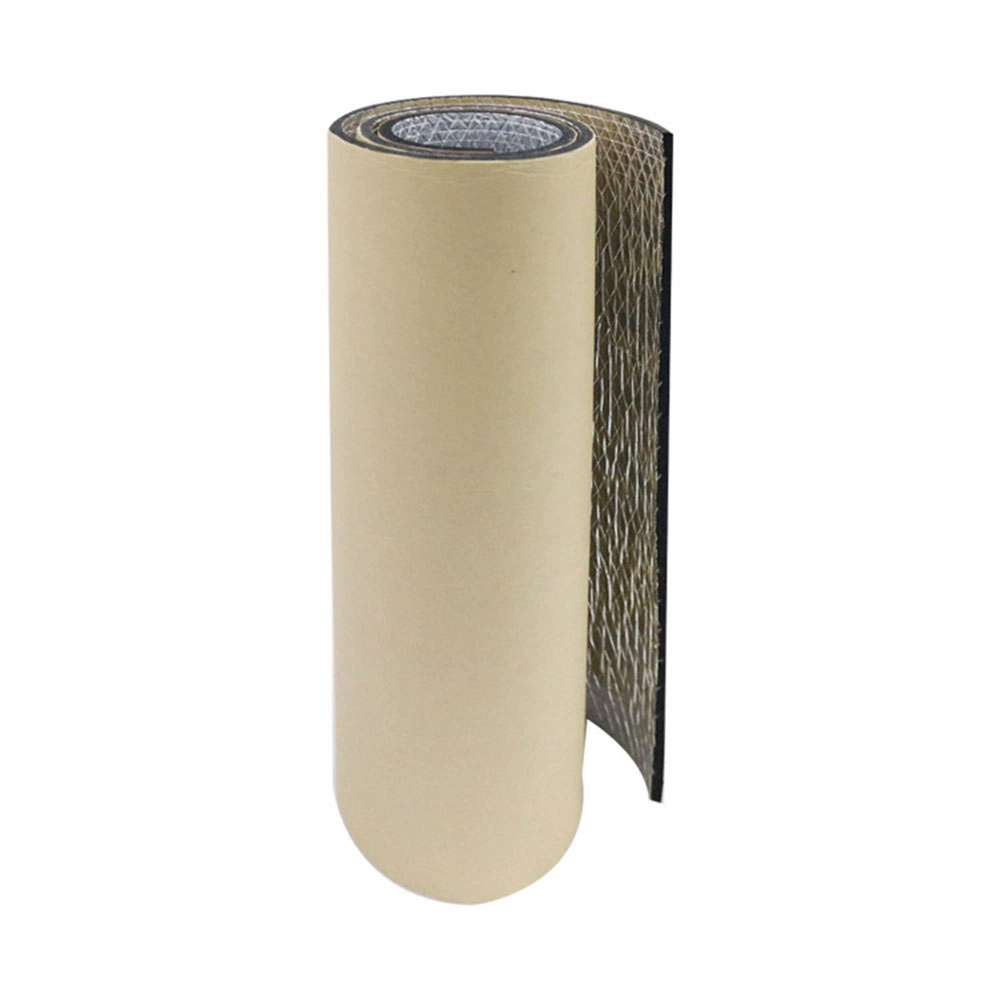
Comparing NBR Foam Grades for Acoustic and Vibration Control
FAQs
What specific functions can ASLONG's products provide?
Our products cover functions such as insulation, sound insulation, shock absorption, waterproofing and sealing, and are widely used in improving energy efficiency, reducing noise, controlling vibration, protecting equipment, etc., helping customers optimize engineering effects and improve user experience.
What industries are the products provided by ASLONG suitable for?
ASLONG's products are suitable for multiple industries, including air conditioning and HVAC, construction and waterproofing, automobiles and transportation, home appliances and electronics, industrial equipment and machinery, etc. We provide customized solutions for each industry to meet different needs.
Does ASLONG provide after-sales service?
Yes, we provide a full range of after-sales services, including technical support, installation guidance, product maintenance and quality tracking, etc., to ensure that each project goes smoothly and continues to perform at its best.
Do ASLONG's products meet environmental protection standards?
Yes, all ASLONG products comply with ISO14001 environmental management system certification and global environmental protection standards. We use environmentally friendly materials and are committed to providing sustainable solutions to help customers achieve green development goals.
How to customize products that meet the needs of my industry?
You only need to contact our sales or technical team, we will conduct an in-depth analysis based on your industry needs and provide tailor-made products and solutions. We guarantee to provide you with efficient and accurate services to meet your personalized requirements.
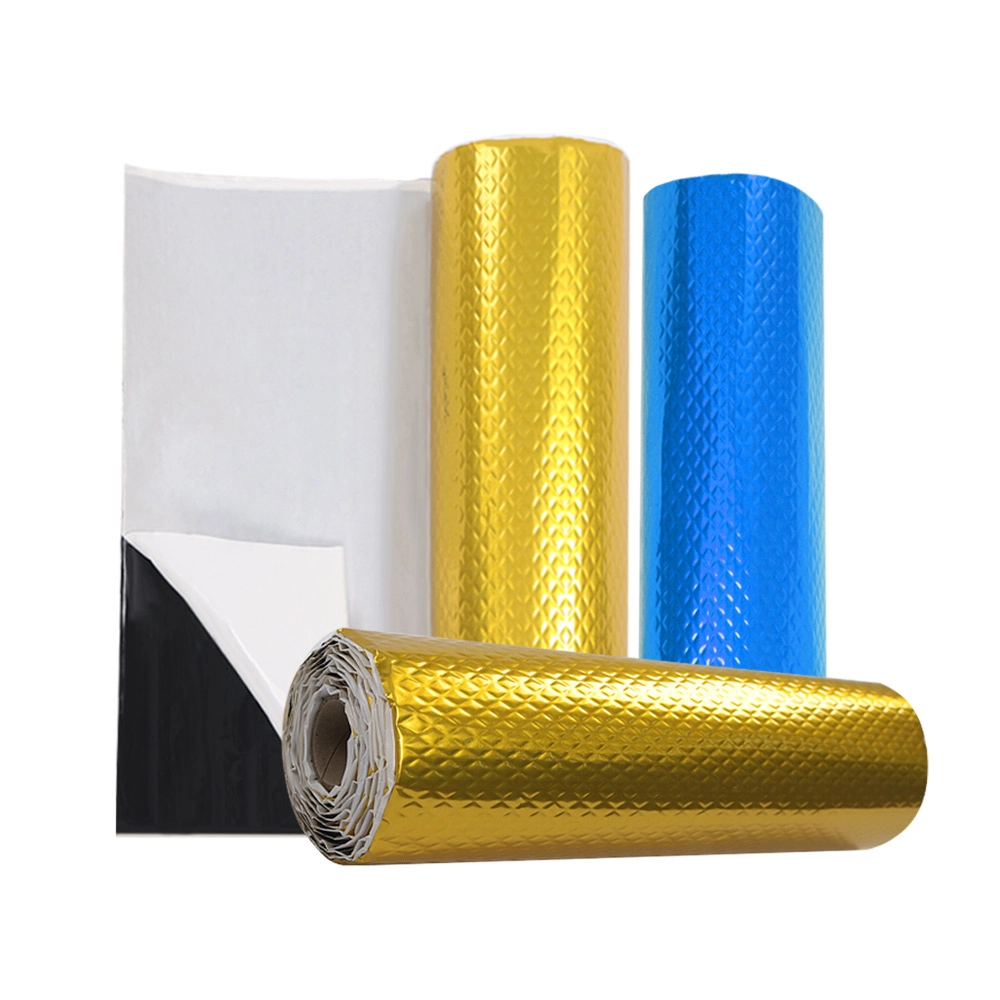
Butyl Rubber Sound Damping Mat
ASLONG Butyl Rubber Sound Damping Mat for sale. Effectively reduces noise and vibrations. High-quality butyl rubber ensures superior performance and durability. Ideal for automotive, industrial, and home applications.
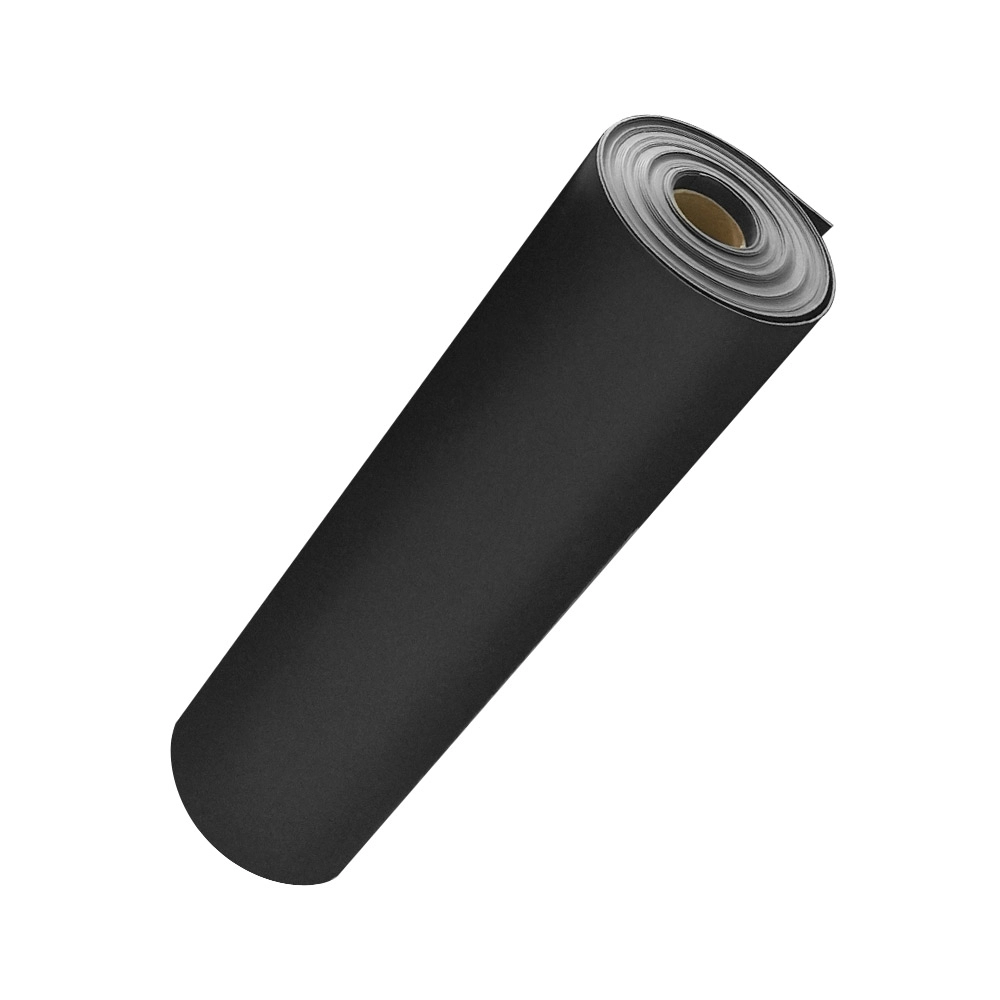
Mass Loaded Vinyl
ASLONG Mass Loaded Vinyl for sale. Reduce noise pollution effectively with our high-quality, mass-loaded vinyl. Ideal for soundproofing walls, floors, and more. Buy now and experience the difference!
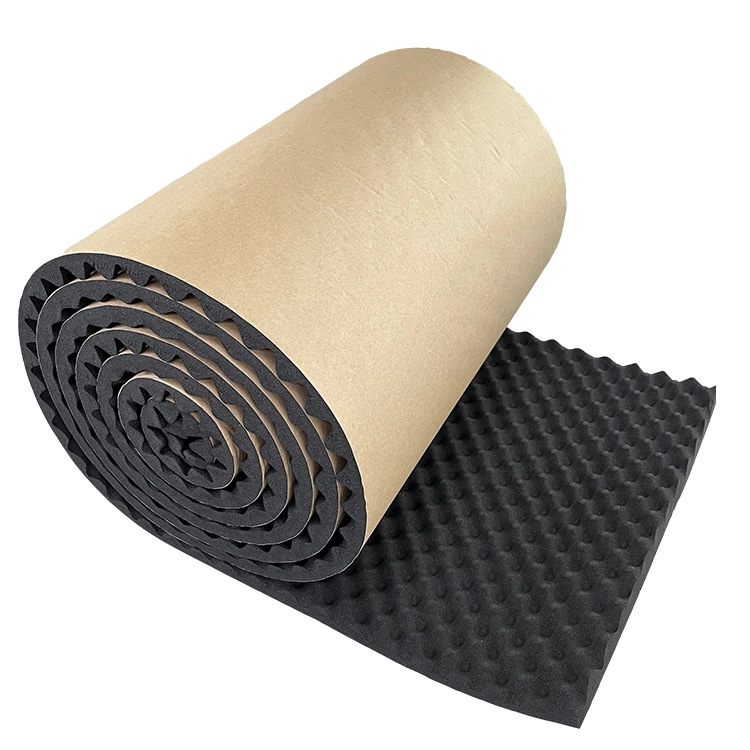
Egg Crate Foam
ASLONG Egg Crate Foam for sale. Lightweight, breathable, and comfortable, our egg crate foam provides superior support and pressure relief. Perfect for mattresses, cushions, cars, construction industry, KTV, factories, etc.
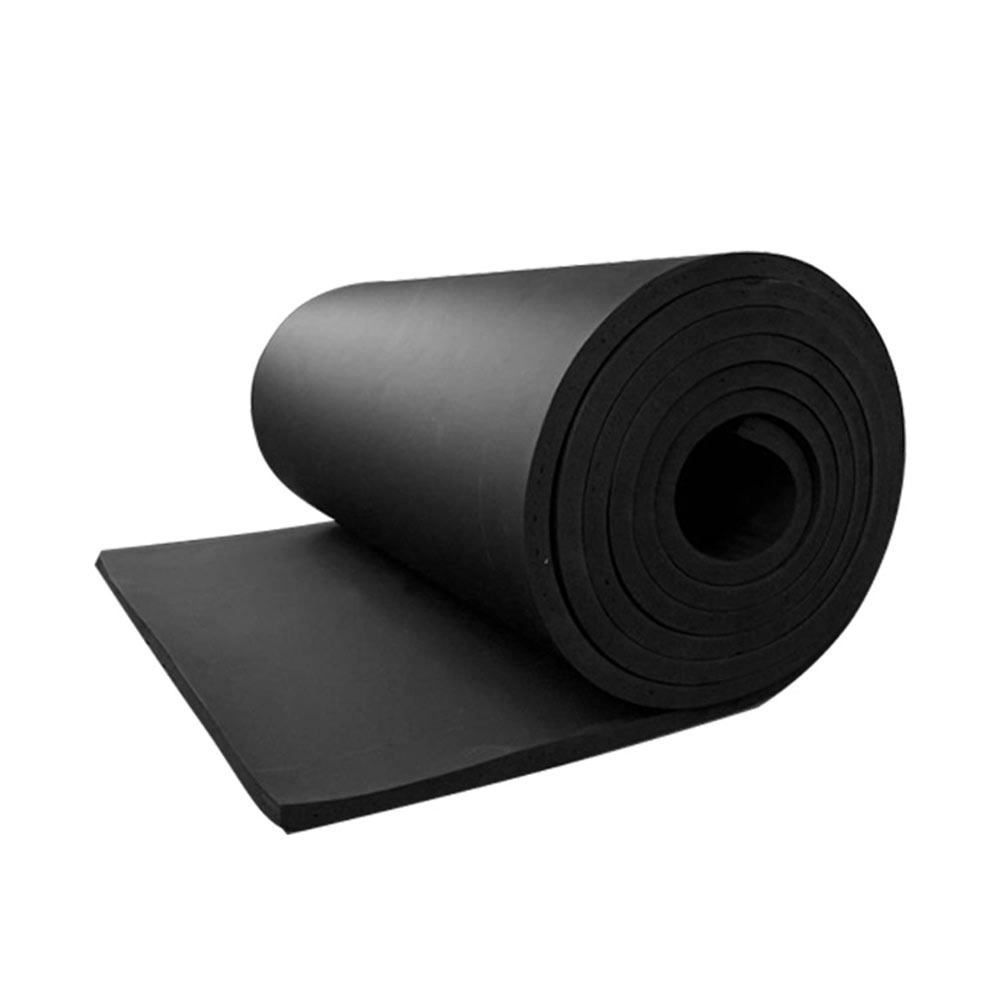
NBR Foam
ASLONG NBR Foam: Wholesale NBR foam solutions for diverse applications. High-quality, durable, and competitively priced. Contact us today for bulk orders.
Professional support at any time
If you have any comments or good suggestions, please leave us a message; later our professional staff will contact you as soon as possible.
© 2026 ASLONG All Rights Reserved. Privacy Policy | Terms and Conditions | Sitemap

 It would be pleasure to receive from you.
Whatsapp: +8613242879341
ASLONG Global
ASLONG
Aslong_global