

Installation Best Practices for NBR Foam in Buildings
- Installation Best Practices for NBR Foam in Buildings
- Overview: Why NBR Foam is a Preferred Choice for Building Insulation
- Pre-installation Planning for NBR Foam: Assessing Site and Materials
- Surface Preparation: Ensure Clean, Dry, and Stable Substrates
- Cutting and Shaping NBR Foam: Tools and Techniques
- Adhesives, Tapes, and Bonding Methods for NBR Foam
- Sealing Joints and Penetrations: Maintain Continuous Thermal and Acoustic Performance
- Installation on HVAC and Plumbing: Specific Considerations
- Thermal and Acoustic Best Practices: Balancing Performance
- Fire Safety, Codes, and Chemical Resistance
- Handling, Storage, and Personal Safety on Site
- Testing and Quality Assurance After Installation
- Comparison: NBR Foam vs Common Alternative Insulation Materials
- ASLONG NBR Foam — Product Advantages for Installers and Specifiers
- Common Installation Mistakes and How to Avoid Them
- FAQ (Frequently Asked Questions) about NBR Foam Installation
- Q1: Can NBR foam be used outdoors?
- Q2: How do I prevent condensation on cold pipes insulated with NBR foam?
- Q3: Is NBR foam flame-retardant?
- Q4: What adhesives work best for NBR foam?
- Contact and Product Information
- References and Authoritative Resources
- Final CTA

Installation Best Practices for NBR Foam in Buildings
Overview: Why NBR Foam is a Preferred Choice for Building Insulation
NBR foam (nitrile butadiene rubber foam) is widely used in building projects for thermal insulation, acoustic dampening, and vibration control. Its closed-cell structure delivers low water absorption, good resistance to oils and fuels, and effective thermal performance across a broad temperature range. Correct installation is essential to unlock these benefits, minimize on-site failures, and comply with fire and indoor-air regulations. Correct installation is especially important in mechanical systems, making NBR foam for HVAC noise control: applications and tips a logical next step.
ASLONG NBR Foam: Wholesale NBR foam solutions for diverse applications. High-quality, durable, and competitively priced. Contact us today for bulk orders.
Pre-installation Planning for NBR Foam: Assessing Site and Materials
Begin every project by matching the right NBR foam grade to the application. Identify thermal performance needs (R-value required), acoustic targets (STC or NRC goals), and exposure risks (chemicals, oils, UV, direct sunlight). Confirm thickness, density, and surface finish required for fittings and penetrations. Early coordination with architects and MEP contractors prevents last-minute changes that increase waste.
Surface Preparation: Ensure Clean, Dry, and Stable Substrates
Surface condition dramatically affects adhesive bond and long-term performance of nbr foam insulation. Remove dust, grease, loose paint, and rust. For porous substrates (concrete, plaster), ensure surfaces are dry and cured; for metals, remove oxidation and apply primers if recommended by the adhesive supplier. Avoid installing over surfaces where moisture migration is unresolved—address vapor barriers and wetting issues first.
Cutting and Shaping NBR Foam: Tools and Techniques
Use sharp blades, hot-wire cutters, or precision CNC for complex shapes. Hand-cutting is acceptable for simple straight runs; keep blades sharp to prevent tearing that compromises the closed-cell structure. For ducts and piping, pre-fit pieces with a small compression allowance (typically 3–10% depending on foam thickness) to achieve continuous contact without overstressing seams. Mark templates for repetitive cuts to maintain consistency and reduce waste.
Adhesives, Tapes, and Bonding Methods for NBR Foam
Selection of bonding agents is critical. Many projects use contact adhesives formulated for nitrile rubber or solvent-based adhesives rated for closed-cell elastomers. For removable installations, pressure-sensitive adhesives (PSAs) with appropriate tack can be used. Where high shear or peel strength is required (vertical surfaces, heavy panels), use mechanical fasteners combined with adhesive. Always verify chemical compatibility by testing a small sample and follow manufacturer’s open time and cure-time instructions.
Sealing Joints and Penetrations: Maintain Continuous Thermal and Acoustic Performance
Seams, butt joints, and penetrations are common weak points. For thermal and acoustic continuity use tape or a compatible seam sealant. Overlapping seams by at least 10–20 mm and using vapor-retarder tape improves performance. For pipe supports and wall penetrations, use preformed collars or on-site fabricated gaskets that compress to form airtight seals. In acoustic-sensitive areas, include acoustic mastic around penetrations to prevent flanking paths.
Installation on HVAC and Plumbing: Specific Considerations
When insulating HVAC ducts or plumbing lines with nbr foam, maintain continuous coverage and avoid gaps at supports and hangers. For chilled-water lines, include a properly specified vapor barrier on the service side to avoid condensation; follow recommended minimum thicknesses and insulation class for the operating temperature. For hot lines, select foam grades with higher maximum temperature ratings. Allow for thermal expansion where long runs or frequent temperature swings occur.
Thermal and Acoustic Best Practices: Balancing Performance
NBR foam excels at thermal isolation and reduces convective heat transfer when properly installed. For acoustic applications, pairing NBR foam with mass layers (e.g., drywall or mass-loaded vinyl) or air gaps increases low-frequency attenuation. Use layered solutions (foam + resilient channel + mass) when building partitions require high sound reduction. Perform a simple pre-installation calculation to estimate thermal resistance and acoustic improvement; when in doubt, consult a qualified acoustician or HVAC engineer for performance modeling.
Fire Safety, Codes, and Chemical Resistance
Fire classification and building code compliance are essential. Many NBR foams are manufactured to meet specific flame-spread and smoke-density ratings, but requirements vary by jurisdiction and application (e.g., plenum spaces). Check local building codes and NFPA standards for permitted materials and needed firestopping around penetrations. Also verify resistance to oils and chemicals if installed in mechanical rooms—nbr foam offers improved oil resistance compared with some other elastomers, but always verify against exposure chemicals and temperatures.
Handling, Storage, and Personal Safety on Site
Store NBR foam flat in a dry, ventilated area away from direct sunlight and sources of ozone (which can degrade some elastomers). Avoid stacking heavy loads on stored sheets to prevent compression set. During installation, workers should use gloves and eye protection; when using solvent-based adhesives, ensure ventilation and follow VOC and PPE guidelines. Dispose of scrap material per local regulations; many elastomeric wastes are not hazardous but should be handled responsibly.
Testing and Quality Assurance After Installation
Post-installation checks reduce call-backs. Inspect for continuous coverage, proper seam sealing, correct adhesive bead application, and absence of gaps around penetrations. For thermal installations use infrared thermography to detect cold spots or thermal bridging. For acoustic installations, on-site noise testing or STC verification can confirm performance. Document findings and keep manufacturer datasheets and certificates of compliance on file for warranty claims.
Comparison: NBR Foam vs Common Alternative Insulation Materials
| Property | NBR Foam | Neoprene (CR) Foam | EVA Foam | Polyethylene (PE) Foam |
|---|---|---|---|---|
| Water absorption | Very low (closed-cell) | Low (closed-cell) | Low to moderate | Low (closed-cell) |
| Oil/fuel resistance | Good (superior to CR) | Moderate | Poor | Poor |
| Temperature range | -40°C to +100°C (varies by formulation) | Similar | -20°C to +70°C | -40°C to +80°C |
| Acoustic performance | Good for vibration damping | Good | Moderate | Moderate |
| Typical uses | Pipes, HVAC, gaskets, acoustic panels | Industrial seals, HVAC | Sports, cushioning | Pipe insulation, packaging |
ASLONG NBR Foam — Product Advantages for Installers and Specifiers
ASLONG NBR Foam combines consistent manufacturing quality with competitive pricing for bulk orders. Key installer advantages include predictable sheet tolerances, a range of densities and thicknesses to suit common building needs, and readily available technical documentation to speed approvals. ASLONG supports sample evaluation and provides guidance on adhesive compatibility and installation details to reduce on-site risks.
Common Installation Mistakes and How to Avoid Them
Typical errors include insufficient surface cleaning, incorrect adhesive selection, underestimating vapor management needs, and poor joint detailing. Avoid these by following simple checklists: confirm surface prep, test adhesive on a sample, document vapor barrier placement, and require sign-off at critical milestones (insulation, firestopping, and final QA).
FAQ (Frequently Asked Questions) about NBR Foam Installation
Q1: Can NBR foam be used outdoors?
A: NBR foam is not typically designed for prolonged outdoor exposure to UV and ozone. If outdoor use is required, protect it with weather-resistant cladding or coatings specified for elastomers, or choose a UV-stable outer layer.
Q2: How do I prevent condensation on cold pipes insulated with NBR foam?
A: Use an integrated vapor barrier or a taped vapor-retarder layer, ensure continuous coverage without gaps, and maintain the recommended insulation thickness for the operating temperature of the line.
Q3: Is NBR foam flame-retardant?
A: Some NBR foam products are manufactured to meet flame-spread and smoke-density ratings; always request the product’s fire test reports (e.g., ASTM E84 or local equivalents) and verify compliance with local codes, especially for plenum and escape-route installations.
Q4: What adhesives work best for NBR foam?
A: Use adhesives recommended for nitrile elastomers—contact adhesives, solvent-based adhesives with nitrile compatibility, or specialized construction adhesives. Always perform a compatibility test and follow manufacturer instructions on open time and clamping.
Contact and Product Information
For project quotes, technical data sheets, and bulk ordering of ASLONG NBR Foam, contact our sales team. We provide sample packs, installation guides, and on-request testing data to support project approvals. Reach out to discuss your specification and get a customized supply plan.
References and Authoritative Resources
- Wikipedia — Nitrile rubber (overview of material properties): https://en.wikipedia.org/wiki/Nitrile_butadiene_rubber
- U.S. Environmental Protection Agency — Indoor Air Quality (IAQ) guidance: https://www.epa.gov/indoor-air-quality-iaq
- National Fire Protection Association (NFPA) — codes and standards: https://www.nfpa.org/
- International Organization for Standardization (ISO) — acoustic testing standards: https://www.iso.org/standard/34289.
- ASHRAE — building thermal and HVAC guidance: https://www.ashrae.org/
Final CTA
Ready to specify or order NBR foam? Contact ASLONG for pricing, samples, and installation support. Our team will help you choose the correct NBR foam product and provide installation guidance tailored to your building project.
What is Car Sound Insulation
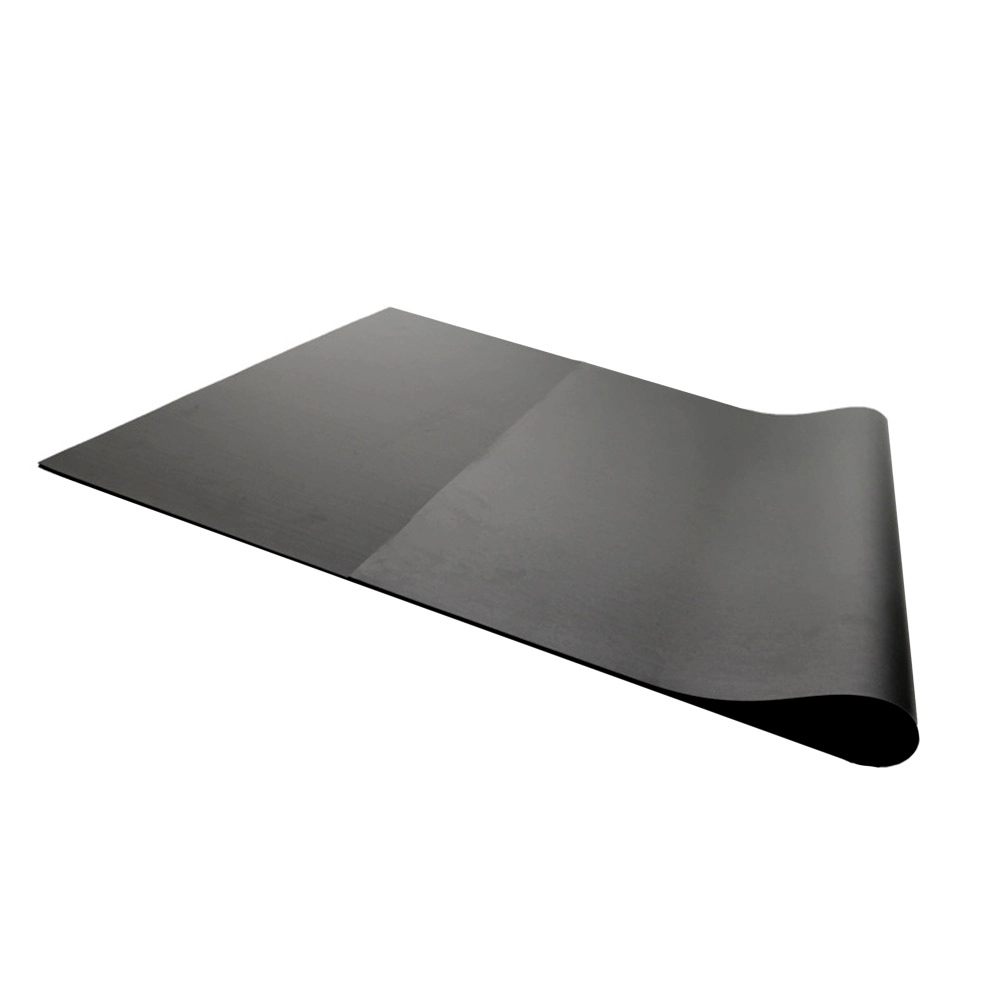
Mass Loaded Vinyl for Music Studios and Recording Rooms
Best Automotive Sound Insulation Materials for 2026
Best long-lasting automotive sound insulation materials
FAQs
What industries are the products provided by ASLONG suitable for?
ASLONG's products are suitable for multiple industries, including air conditioning and HVAC, construction and waterproofing, automobiles and transportation, home appliances and electronics, industrial equipment and machinery, etc. We provide customized solutions for each industry to meet different needs.
How to customize products that meet the needs of my industry?
You only need to contact our sales or technical team, we will conduct an in-depth analysis based on your industry needs and provide tailor-made products and solutions. We guarantee to provide you with efficient and accurate services to meet your personalized requirements.
Does ASLONG provide after-sales service?
Yes, we provide a full range of after-sales services, including technical support, installation guidance, product maintenance and quality tracking, etc., to ensure that each project goes smoothly and continues to perform at its best.
What specific functions can ASLONG's products provide?
Our products cover functions such as insulation, sound insulation, shock absorption, waterproofing and sealing, and are widely used in improving energy efficiency, reducing noise, controlling vibration, protecting equipment, etc., helping customers optimize engineering effects and improve user experience.
Do ASLONG's products meet environmental protection standards?
Yes, all ASLONG products comply with ISO14001 environmental management system certification and global environmental protection standards. We use environmentally friendly materials and are committed to providing sustainable solutions to help customers achieve green development goals.
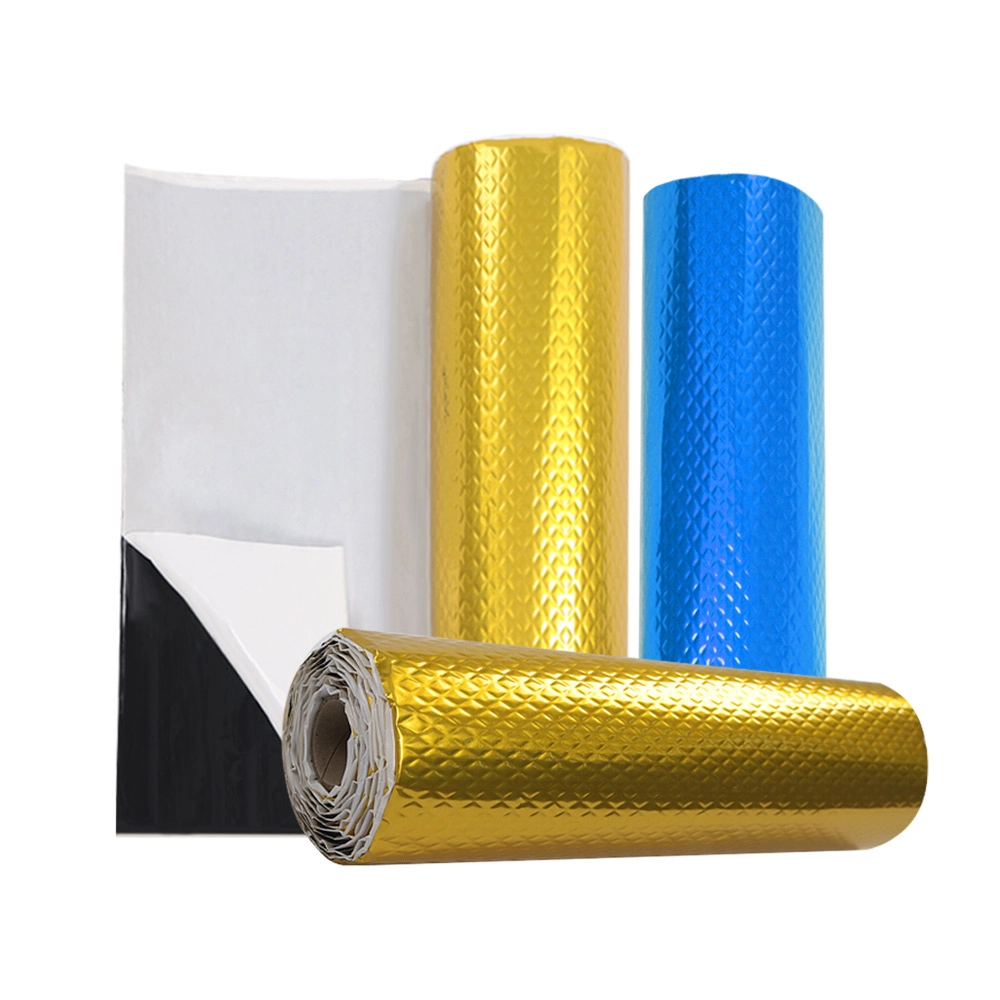
Butyl Rubber Sound Damping Mat
ASLONG Butyl Rubber Sound Damping Mat for sale. Effectively reduces noise and vibrations. High-quality butyl rubber ensures superior performance and durability. Ideal for automotive, industrial, and home applications.
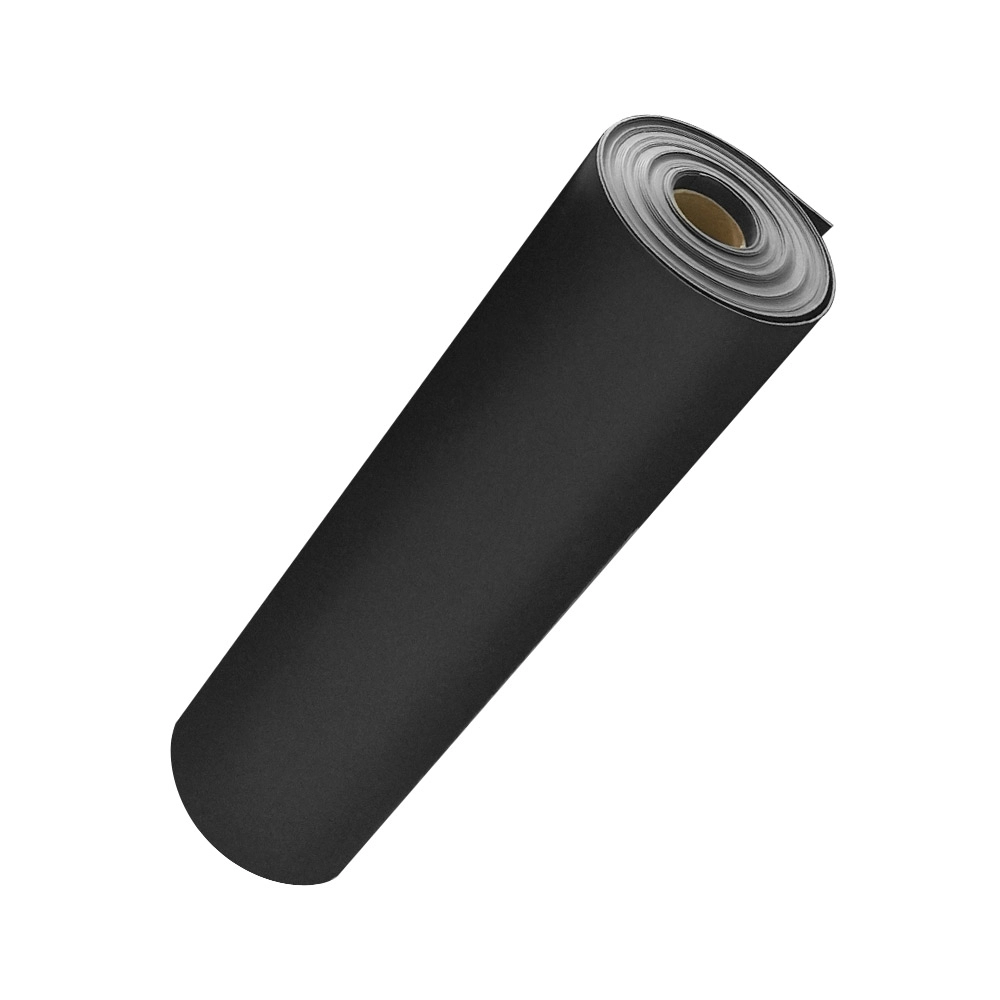
Mass Loaded Vinyl
ASLONG Mass Loaded Vinyl for sale. Reduce noise pollution effectively with our high-quality, mass-loaded vinyl. Ideal for soundproofing walls, floors, and more. Buy now and experience the difference!
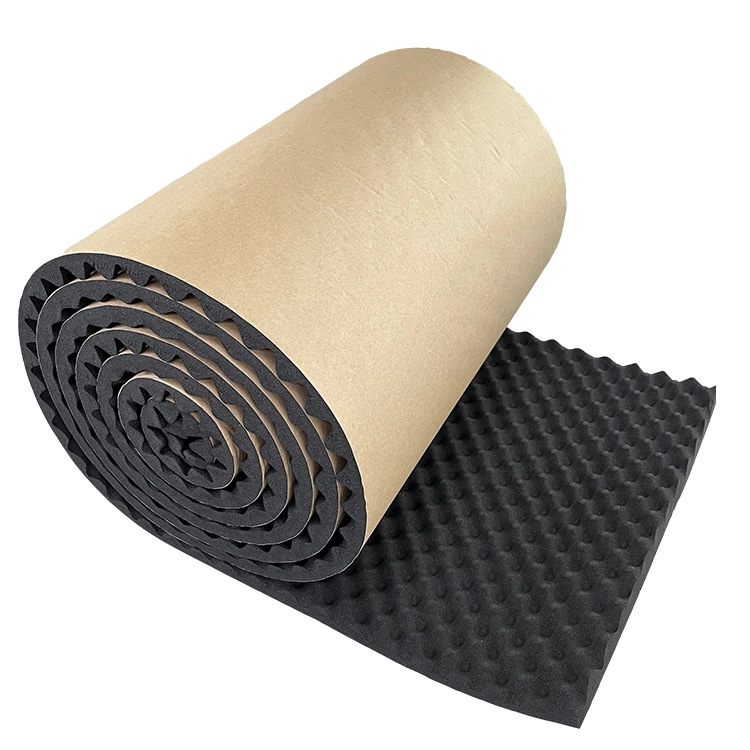
Egg Crate Foam
ASLONG Egg Crate Foam for sale. Lightweight, breathable, and comfortable, our egg crate foam provides superior support and pressure relief. Perfect for mattresses, cushions, cars, construction industry, KTV, factories, etc.
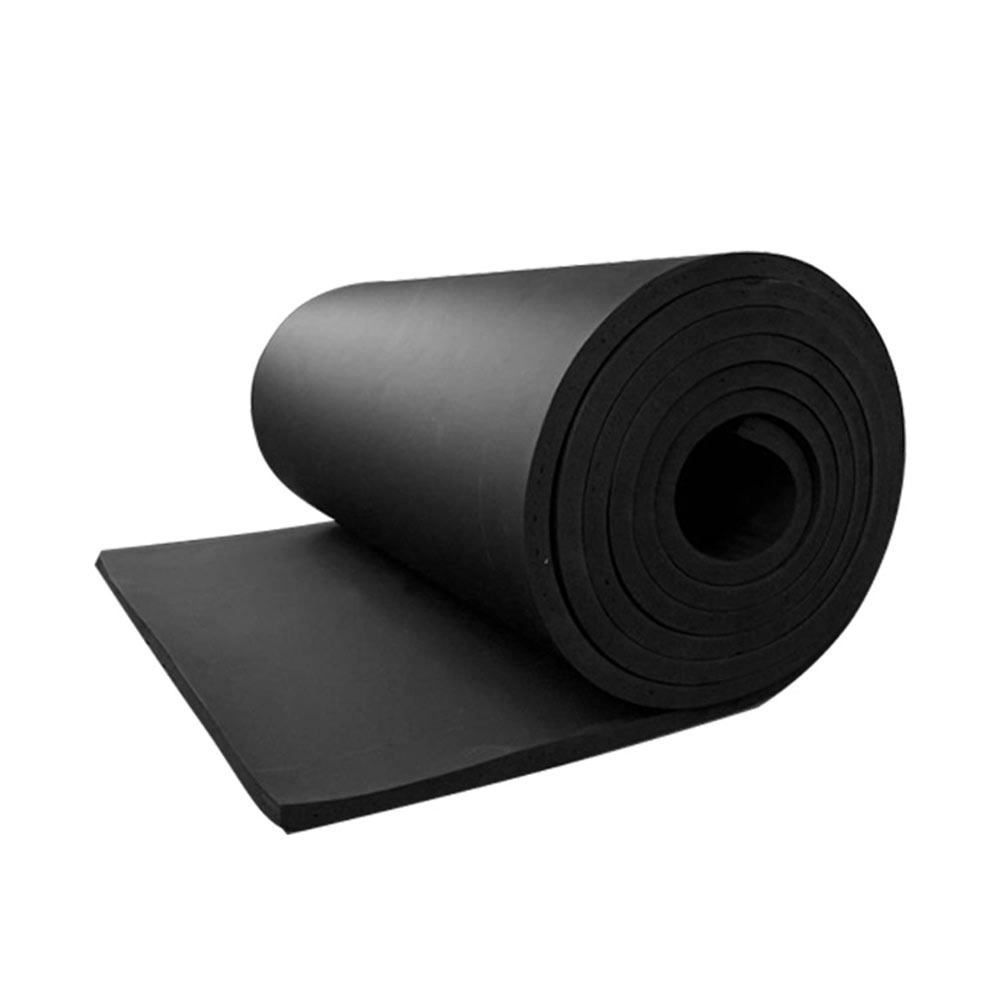
NBR Foam
ASLONG NBR Foam: Wholesale NBR foam solutions for diverse applications. High-quality, durable, and competitively priced. Contact us today for bulk orders.
Professional support at any time
If you have any comments or good suggestions, please leave us a message; later our professional staff will contact you as soon as possible.
© 2026 ASLONG All Rights Reserved. Privacy Policy | Terms and Conditions | Sitemap

 It would be pleasure to receive from you.
Whatsapp: +8613242879341
ASLONG Global
ASLONG
Aslong_global