

NBR Foam for HVAC Noise Control: Applications and Tips
- NBR Foam for HVAC Noise Control: Applications and Tips
- Why NBR Foam Is a Smart Choice for HVAC Noise Control
- Product Snapshot: ASLONG NBR Foam
- Key Acoustic and Physical Properties of NBR Foam
- Common HVAC Applications for NBR Foam
- Selecting the Right NBR Foam Type for Your HVAC Project
- Installation Tips to Maximize Acoustic Performance
- Design Considerations: Acoustic Performance vs Thermal, Fire, and Durability Needs
- Comparing NBR Foam to Other Common HVAC Acoustic Materials
- Practical Case Example: Reducing Fan Tones in a Mechanical Room
- Maintenance and Longevity of NBR Foam in HVAC Systems
- Fire Safety and Regulatory Considerations
- Adhesives, Tapes and Fixings Compatible with NBR Foam
- Cost Considerations and Sourcing for Bulk Projects
- Brand Summary: Why Choose ASLONG NBR Foam for HVAC Projects
- Frequently Asked Questions (FAQ)
- Q1: Is nbr foam safe to use inside HVAC ducts?
- Q2: How thick should NBR Foam be to reduce fan noise?
- Q3: Can nbr foam withstand refrigerant oil and leakage?
- Q4: How does nbr foam compare to fiberglass liners for sound control?
- Q5: What adhesives are recommended for NBR Foam?
- Contact Us / View Product
- Authoritative References and Further Reading

NBR Foam for HVAC Noise Control: Applications and Tips
Why NBR Foam Is a Smart Choice for HVAC Noise Control
Nitrile butadiene rubber foam, commonly referred to as nbr foam, combines good acoustic damping with oil, fuel and ozone resistance. These properties make NBR Foam an excellent option for HVAC noise control where durability and aging resistance matter. In HVAC systems, noise from fans, air movement in ducts, vibration transfers, and mechanical equipment can degrade occupant comfort. Selecting the right insulation and acoustic material is critical for meeting performance goals and regulatory requirements.
Product Snapshot: ASLONG NBR Foam
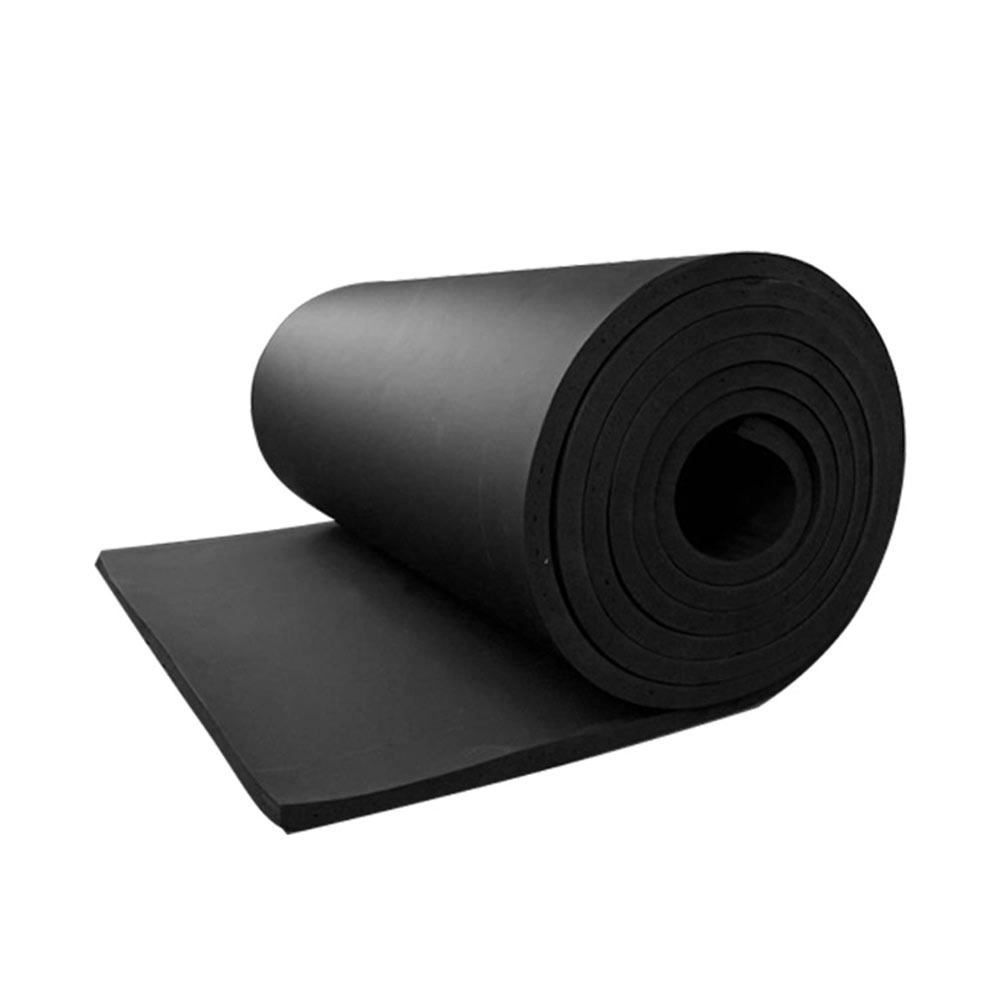
ASLONG NBR Foam: Wholesale NBR foam solutions for diverse applications. High-quality, durable, and competitively priced. Contact us today for bulk orders.
Key Acoustic and Physical Properties of NBR Foam
Understanding the relevant material properties helps you match nbr foam to your HVAC application. Important characteristics include density, cell structure (closed-cell vs open-cell), dynamic stiffness, sound absorption coefficient, thermal conductivity, flame performance, and compression set. NBR Foam typically offers a closed-cell structure with moderate density and good resistance to oils and refrigerants. These traits reduce long-term degradation in mechanical rooms and near compressors.
Common HVAC Applications for NBR Foam
NBR Foam is used across HVAC systems for both noise control and ancillary benefits like thermal insulation and condensation control. Typical applications include:
- Duct lining and internal baffles to reduce airborne noise and flow-induced tonal noise
- Fan housings and plenum linings to damp fan blade harmonics
- Pipe and refrigeration line insulation to reduce structure-borne noise transmission and prevent sweating
- Vibration isolation pads and gaskets at equipment mounts to minimize transmitted vibration
- Access door seals and equipment enclosures to reduce sound leakage
Selecting the Right NBR Foam Type for Your HVAC Project
Not all nbr foam products are identical. When choosing, evaluate density, thickness, cell type, and surface treatment. Higher density NBR Foam usually gives better damping and improved sound absorption at lower frequencies, while thicker laminates increase low-frequency performance. Look for closed-cell grades if moisture resistance and thermal insulation are required. If adhesive bonding is needed, confirm compatibility with the selected adhesive and any primer recommendations.
Installation Tips to Maximize Acoustic Performance
Proper installation often matters more than material differences. Practical tips for using NBR Foam in HVAC noise control include:
- Ensure continuous coverage: even small gaps or seams allow sound leakage and reduce absorption effectiveness.
- Use sealed butt joints with compatible adhesives or tapes to prevent air paths that transmit noise and moisture.
- Apply acoustic baffles or corrugated linings in ducts where flow-induced noise or standing waves appear.
- For vibration isolation, use dedicated pads sized for the equipment load; avoid over-compression which reduces isolation effectiveness.
- Combine NBR Foam lining with mass-loaded membranes on panels where needed to control low-frequency structure-borne noise.
Design Considerations: Acoustic Performance vs Thermal, Fire, and Durability Needs
Acoustic designers must balance competing requirements. NBR Foam provides a useful combination of acoustic damping and thermal insulation, but projects with strict fire or smoke requirements may need treated grades or additional protective layers. Consider the following design trade-offs:
- Thickness for low-frequency attenuation increases space and cost. Use targeted placement near noise sources to save material.
- Combining absorptive NBR Foam with reflective barriers can address broadband noise and low-frequency issues simultaneously.
- For exterior or exposed installations, choose UV- and ozone-resistant grades or protective cladding to maintain lifespan.
Comparing NBR Foam to Other Common HVAC Acoustic Materials
Here is an at-a-glance comparison of NBR Foam with typical alternatives used in HVAC:
| Property | NBR Foam | Polyethylene Foam | Fiberglass Duct Liner |
|---|---|---|---|
| Cell Type | Closed-cell (typically) | Closed-cell | Open-fiber |
| Acoustic Absorption | Good for mid-high frequencies; moderate low-frequency | Moderate for mid-high frequencies | Excellent broadband absorption, better low-frequency when thick |
| Thermal Performance | Good; low thermal conductivity | Good | Fair to good |
| Moisture Resistance | High | High | Low unless faced |
| Durability / Chemical Resistance | High (oils, refrigerants) | Moderate | Lower; can degrade when wet |
| Typical HVAC Uses | Duct lining, pipe insulation, vibration pads | Packing, lightweight insulation | Duct liners for sound absorption |
Practical Case Example: Reducing Fan Tones in a Mechanical Room
Problem: A rooftop packaged unit transmits tonal noise through a short duct run into a quiet office area. Solution using nbr foam: Apply a 10 mm to 20 mm NBR Foam lining on the fan housing and the first 1.5 m of ducting downstream to reduce blade pass tones. Add a mass-loaded vinyl panel on the fan access door to reduce low-frequency structural transmission. Result: measurable reduction in perceived tonal level and improved occupant comfort. This approach is compact and resilient to compressor oils commonly present in rooftop equipment.
Maintenance and Longevity of NBR Foam in HVAC Systems
Routine inspection and maintenance preserve acoustic performance. Check for compression set at mounting points, adhesive failures at seams, and mechanical damage. Because nbr foam has good resistance to oils and many chemicals, it tends to maintain its properties longer than open-cell fibrous products in mechanical spaces. For long-term performance, avoid over-compression and ensure clips or adhesives do not create point loads that accelerate wear.
Fire Safety and Regulatory Considerations
Fire performance varies by formulation and any applied facings. Always verify compliance with local building codes and project fire standards such as ASTM E84 or equivalent local tests. For critical installations, specify fire-retardant grades or sandwich NBR Foam between fire-rated panels. When in doubt, consult a fire protection engineer to ensure the chosen product meets smoke and flame spread requirements for the application.
Adhesives, Tapes and Fixings Compatible with NBR Foam
Adhesive selection affects installation speed and durability. Pressure-sensitive acrylic tapes, neoprene contact adhesives, and polyurethane-based adhesives are commonly compatible with NBR Foam. For long-term performance in mechanical rooms, use adhesives rated for elevated temperatures and resistant to oils. Manufacturer technical data sheets will list recommended adhesives and surface preparation steps for optimal bonding.
Cost Considerations and Sourcing for Bulk Projects
nbr foam is competitively priced versus specialty acoustic solutions and offers lifecycle advantages where moisture and oils would degrade fiber-based liners. For large HVAC projects, buying in bulk reduces unit cost and simplifies inventory. ASLONG NBR Foam provides wholesale solutions for contractors and OEMs looking for consistent supply and pricing. Evaluate total installed cost including adhesives, labor, and maintenance when comparing options.
Brand Summary: Why Choose ASLONG NBR Foam for HVAC Projects
ASLONG NBR Foam offers a balance of acoustic performance, chemical and moisture resistance, and competitive pricing suitable for HVAC applications. Benefits include consistent supply for bulk orders, product grades tailored to HVAC needs, and technical support for installation and material selection. For contractors and specifiers seeking durability and value in HVAC noise control, ASLONG NBR Foam is positioned as a practical choice.
Frequently Asked Questions (FAQ)
Q1: Is nbr foam safe to use inside HVAC ducts?
A1: Yes, many closed-cell NBR Foam grades are suitable for duct lining. Choose products that meet local fire and smoke regulations and that are rated for use in ventilation ducts. Ensure proper adhesives and seamless installation to avoid air leakage paths.
Q2: How thick should NBR Foam be to reduce fan noise?
A2: Typical thicknesses for fan noise mitigation range from 10 mm to 25 mm for duct lining and 10 mm to 20 mm for fan housings. Low-frequency issues may require thicker or combined treatments. Always validate with a site acoustic assessment if low-frequency noise dominates.
Q3: Can nbr foam withstand refrigerant oil and leakage?
A3: One of the advantages of NBR Foam is its resistance to oils and many refrigerants, which helps it retain performance where other materials might degrade.
Q4: How does nbr foam compare to fiberglass liners for sound control?
A4: Fiberglass offers very good broadband absorption, often superior in raw acoustic absorption per thickness. However, NBR Foam provides moisture and oil resistance, better durability in mechanical spaces, and easier maintenance. Choice depends on the environment and priority between absorption and robustness.
Q5: What adhesives are recommended for NBR Foam?
A5: Acrylic pressure-sensitive tapes, neoprene contact adhesives, and polyurethane adhesives are commonly used. Refer to manufacturer guidance for specific product compatibility and service temperature limits.
Contact Us / View Product
If you are specifying materials for an HVAC noise control project or need bulk supply, contact ASLONG for product data, pricing, and sample requests. ASLONG NBR Foam: Wholesale NBR foam solutions for diverse applications. High-quality, durable, and competitively priced. Contact us today for bulk orders. For fast assistance, reach out to our sales team to discuss technical requirements and lead times. Beyond noise reduction, system designers must also evaluate risk factors, including fire safety and durability of NBR foam explained.
Authoritative References and Further Reading
- Information on nitrile rubber and properties: https://en.wikipedia.org/wiki/Nitrile_butadiene_rubber
- Acoustics resources and HVAC guidance: ASHRAE Handbook and technical resources: https://www.ashrae.org/technical-resources/bookstore/handbook
- U.S. EPA on noise pollution and health guidance: https://www.epa.gov/noise
- ISO standards for acoustic measurements: https://www.iso.org/standard/15033.
- Manufacturer and technical datasheets on elastomeric insulation and NBR formulations (example): https://www.armacell.com/
How to start the cable repair products business ?
Tips for buy odorless car sound deadening mat
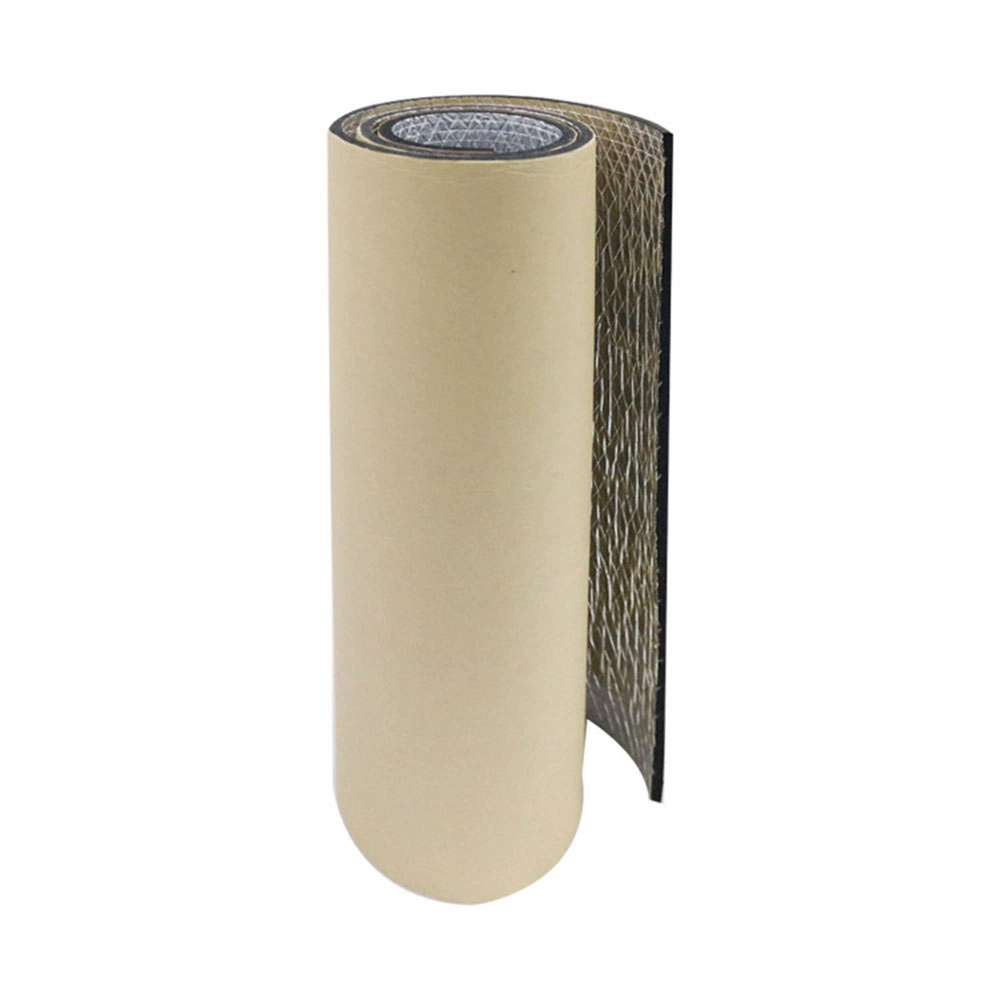
NBR Foam Procurement Guide for Industrial Sound Insulation Buyers
Top 10 sound deadening material for cars Manufacturers and Supplier Brands
FAQs
What industries are the products provided by ASLONG suitable for?
ASLONG's products are suitable for multiple industries, including air conditioning and HVAC, construction and waterproofing, automobiles and transportation, home appliances and electronics, industrial equipment and machinery, etc. We provide customized solutions for each industry to meet different needs.
What specific functions can ASLONG's products provide?
Our products cover functions such as insulation, sound insulation, shock absorption, waterproofing and sealing, and are widely used in improving energy efficiency, reducing noise, controlling vibration, protecting equipment, etc., helping customers optimize engineering effects and improve user experience.
Does ASLONG provide after-sales service?
Yes, we provide a full range of after-sales services, including technical support, installation guidance, product maintenance and quality tracking, etc., to ensure that each project goes smoothly and continues to perform at its best.
How to customize products that meet the needs of my industry?
You only need to contact our sales or technical team, we will conduct an in-depth analysis based on your industry needs and provide tailor-made products and solutions. We guarantee to provide you with efficient and accurate services to meet your personalized requirements.
Do ASLONG's products meet environmental protection standards?
Yes, all ASLONG products comply with ISO14001 environmental management system certification and global environmental protection standards. We use environmentally friendly materials and are committed to providing sustainable solutions to help customers achieve green development goals.
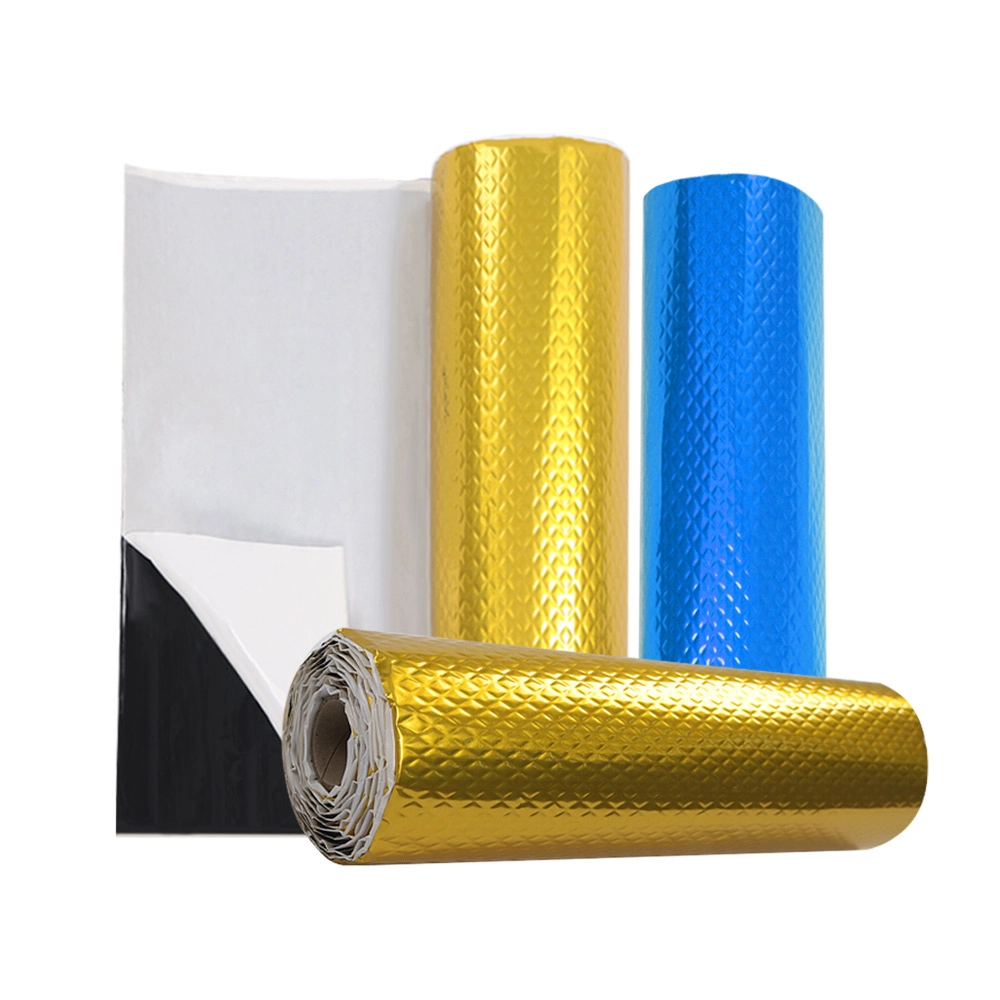
Butyl Rubber Sound Damping Mat
ASLONG Butyl Rubber Sound Damping Mat for sale. Effectively reduces noise and vibrations. High-quality butyl rubber ensures superior performance and durability. Ideal for automotive, industrial, and home applications.
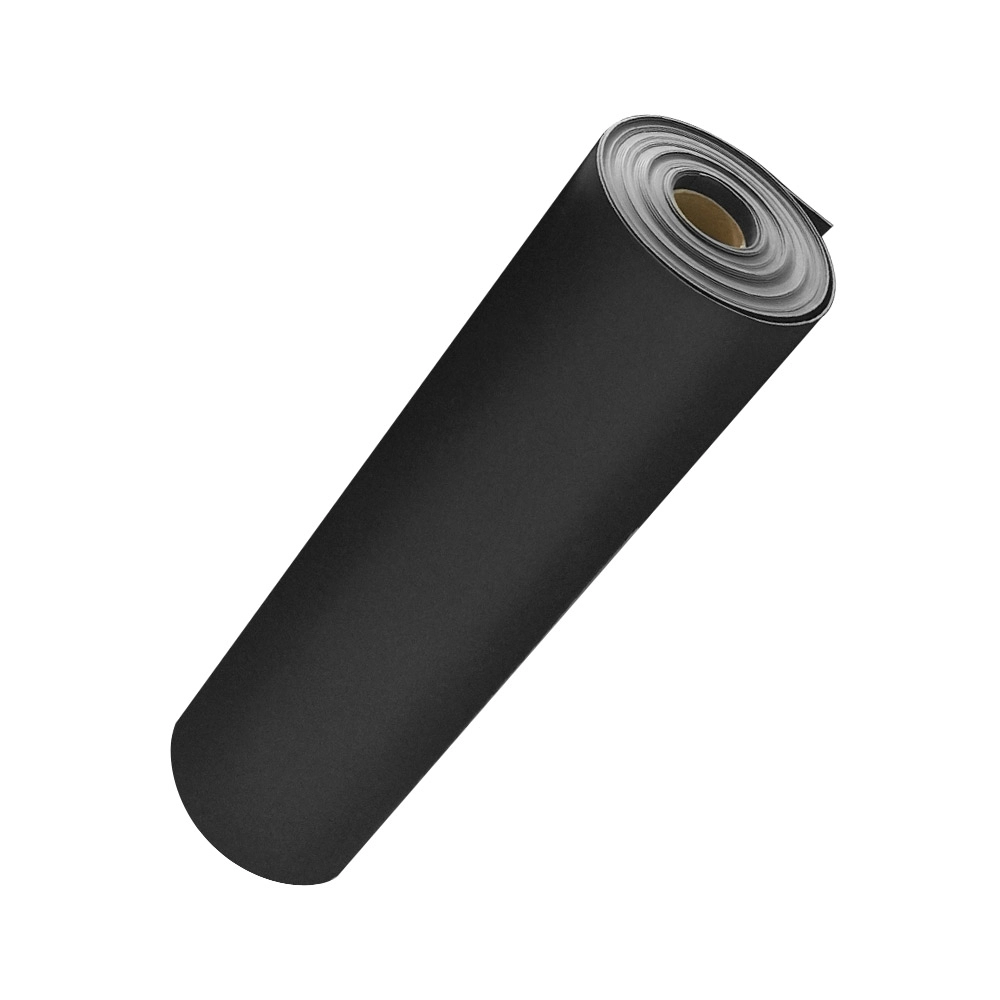
Mass Loaded Vinyl
ASLONG Mass Loaded Vinyl for sale. Reduce noise pollution effectively with our high-quality, mass-loaded vinyl. Ideal for soundproofing walls, floors, and more. Buy now and experience the difference!
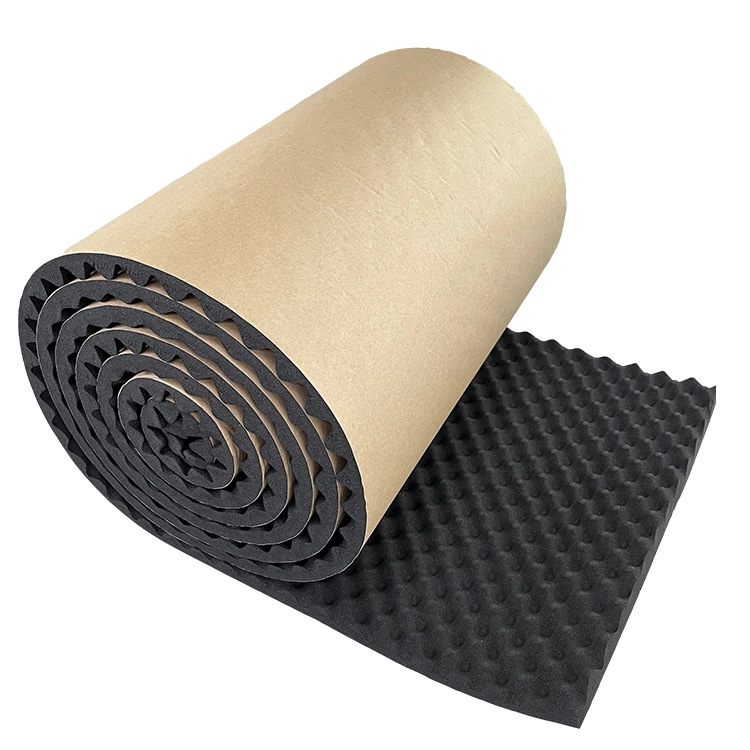
Egg Crate Foam
ASLONG Egg Crate Foam for sale. Lightweight, breathable, and comfortable, our egg crate foam provides superior support and pressure relief. Perfect for mattresses, cushions, cars, construction industry, KTV, factories, etc.
NBR Foam
ASLONG NBR Foam: Wholesale NBR foam solutions for diverse applications. High-quality, durable, and competitively priced. Contact us today for bulk orders.
Professional support at any time
If you have any comments or good suggestions, please leave us a message; later our professional staff will contact you as soon as possible.
© 2026 ASLONG All Rights Reserved. Privacy Policy | Terms and Conditions | Sitemap

 It would be pleasure to receive from you.
Whatsapp: +8613242879341
ASLONG Global
ASLONG
Aslong_global