

Fire Safety and Durability of NBR Foam Explained
- Fire Safety and Durability of NBR Foam Explained
- What is NBR Foam and where is it used? (includes : nbr foam)
- ASLONG NBR Foam — Product overview (: NBR Foam)
- Basic fire behavior of NBR Foam (nbr foam fire characteristics)
- Standards and laboratory tests that define fire performance (: nbr foam testing)
- How to interpret fire ratings for NBR Foam (nbr foam rating)
- Durability factors that affect long-term fire performance (: durability nbr foam)
- Comparing NBR Foam with other common foams (nbr foam vs PU vs EPDM vs silicone)
- Treatments and design strategies to improve fire safety (nbr foam fire retardant)
- Installation, inspection, and maintenance best practices (: buy nbr foam, nbr foam installation)
- Regulatory and certification considerations for installers and specifiers (nbr foam compliance)
- Environmental, recycling and health aspects (nbr foam sustainability)
- Case examples and common applications where fire safety is critical (nbr foam applications)
- Why choose ASLONG NBR Foam for bulk projects (: NBR Foam wholesale nbr foam)
- Practical checklist before specifying NBR Foam (nbr foam checklist)
- Frequently Asked Questions (FAQs) about NBR Foam fire safety and durability (: nbr foam faq)
- Q: Is NBR Foam flame-retardant by default?
- Q: How does NBR Foam behave when exposed to high heat?
- Q: Are there low-smoke NBR Foam options for confined spaces?
- Q: Can I use NBR Foam near fuel systems?
- Q: What maintenance is required to keep NBR Foam safe?
- Contact to buy or get technical support (: buy nbr foam contact)
- Authoritative references and further reading

Fire Safety and Durability of NBR Foam Explained
What is NBR Foam and where is it used? (includes : nbr foam)
NBR Foam (nitrile butadiene rubber foam) is a closed-cell synthetic rubber foam commonly used for sealing, gasketing, insulation, vibration damping, and acoustic applications. Its popularity in industrial, automotive, HVAC, marine, and construction sectors stems from a balance of mechanical resilience, oil and fuel resistance, and cost-effectiveness. If you are sourcing nbr foam for bulk applications, material selection should consider both fire performance and long-term durability. Long-term durability naturally raises sustainability concerns, leading many buyers to examine the environmental impact and recycling of NBR foam materials.
ASLONG NBR Foam — Product overview (: NBR Foam)
ASLONG NBR Foam: Wholesale NBR foam solutions for diverse applications. High-quality, durable, and competitively priced. Contact us today for bulk orders.
Basic fire behavior of NBR Foam (nbr foam fire characteristics)
NBR Foam is combustible: like most organic polymer foams, it can ignite, burn, and produce heat and smoke. The closed-cell structure can slow down oxygen diffusion, which sometimes reduces the speed of flame spread compared with open-cell foams, but it does not make the material non-flammable. Key combustion phenomena to consider are ignition temperature, flame spread, smoke production, and the generation of toxic gases (such as CO and NOx). For safety-critical installations, understanding these behaviors helps determine whether NBR Foam requires fire-retardant treatment or protective barriers.
Standards and laboratory tests that define fire performance (: nbr foam testing)
Fire performance of foams is evaluated by standardized tests. Commonly referenced protocols include:
- UL 94: Standard for the flammability of plastic materials — classifies materials for burning behavior (V-0, V-1, V-2).
- ASTM E84 / UL 723: Surface burning characteristics — measures flame spread index and smoke developed index for building materials.
- ISO 5660 / ISO 1716: Cone calorimeter and calorific value tests — key for heat release and smoke production metrics.
- ISO 11925 / EN 13823 (SBI test): Reaction-to-fire tests used in Europe for building products.
When specifying nbr foam, request the material’s test reports or classification for these standards to confirm suitability for the intended environment.
How to interpret fire ratings for NBR Foam (nbr foam rating)
A common misconception is that a single rating makes a material 'safe.' In reality, ratings are context-specific. For example, a UL 94 V-0 rating indicates that samples self-extinguish quickly in small flammability tests, but it does not predict behavior in a full-scale fire. Surface burning tests (ASTM E84) provide flame spread and smoke indices that are more relevant for large-area installations. For confined spaces or applications where toxic smoke is critical (e.g., marine cabins, public transport), cone calorimeter data (heat release rate, total smoke production) is normally requested.
Durability factors that affect long-term fire performance (: durability nbr foam)
Durability of nbr foam impacts its fire performance over time. Key aging mechanisms include:
- Thermal aging — prolonged exposure to elevated temperatures can embrittle the foam and change its combustion behavior.
- Oxidative aging — exposure to oxygen, ozone, or sunlight (UV) degrades polymer chains, leading to cracks and higher flammability risk.
- Chemical exposure — oils, fuels, solvents, and cleaning agents can alter material chemistry and reduce resistance.
- Mechanical compression and fatigue — repeated compression or abrasion can damage cell walls, increasing surface area and potential ignition sites.
Choosing NBR Foam with appropriate density, closed-cell integrity, and stabilizers can significantly extend both mechanical life and predictable fire behavior.
Comparing NBR Foam with other common foams (nbr foam vs PU vs EPDM vs silicone)
To decide whether NBR Foam is right for your project, compare it with alternatives. The following table highlights typical properties relevant to fire safety and durability:
| Property | NBR Foam | EPDM Foam | Polyurethane (PU) Foam | Silicone Foam |
|---|---|---|---|---|
| Oil/fuel resistance | Good | Poor–Moderate | Poor | Good |
| Temperature range | -40°C to ~100°C (depends on grade) | -50°C to ~120°C | -30°C to ~80°C | -60°C to 200°C |
| Typical flammability | Combustible; can be flame-retarded | Combustible; generally better weather resistance | Often highly combustible unless treated | Low flammability; often rated for higher fire safety |
| Compression set | Good (low to moderate set) | Good | Variable | Excellent |
| Typical applications | Seals, gasketing, insulation in fuel-exposed environments | Outdoor seals, weatherstripping | Cushioning, low-cost insulation | High-temp seals, aerospace, specialty |
Treatments and design strategies to improve fire safety (nbr foam fire retardant)
There are practical ways to improve the fire performance of nbr foam without sacrificing its mechanical benefits:
- Use flame-retardant formulations: chemical additives can reduce flammability and smoke production. Verify the long-term stability and effects on mechanical properties.
- Employ protective barriers: claddings, metal or mineral-faced laminates, or intumescent coatings can protect foam from direct flame exposure.
- Design for minimal exposed surface area and segmentation: smaller pieces or encapsulated seals reduce the potential for large-area burning.
- Maintain adequate separation from heat sources and ensure proper ventilation to minimize temperature buildup.
Installation, inspection, and maintenance best practices (: buy nbr foam, nbr foam installation)
Proper installation and preventive maintenance extend service life and keep fire risk low. Practical steps include:
- Follow manufacturer installation guides — adhesion, compression ratios, and mounting method affect performance.
- Inspect periodically for cracking, hardening, or chemical attack; replace degraded sections promptly.
- Avoid exposure to open flames, hot surfaces, or fuels beyond the material’s specification limits.
- Use approved adhesives and sealants that do not compromise fire performance.
Regulatory and certification considerations for installers and specifiers (nbr foam compliance)
Specifying nbr foam for commercial or public projects often requires verified documentation of fire performance and safety. Typical deliverables from suppliers include:
- Test reports (ASTM E84, UL 94, cone calorimeter) with sample conditions and classification.
- Material safety data sheets (MSDS/SDS) detailing decomposition products and recommended safe handling.
- Certificates of conformity for specific regional building codes or industry standards (e.g., marine class societies for shipboard use).
Always confirm that the provided documentation matches the exact density, formulation, and manufacturing batch of the product you intend to use.
Environmental, recycling and health aspects (nbr foam sustainability)
NBR Foam is a synthetic material derived from petroleum feedstocks. While durable, recycling options are limited compared with thermoplastics. Considerations include:
- End-of-life management: some industrial programs accept cured rubber residues for energy recovery; check local waste regulations.
- Emissions during combustion: burning NBR can release combustion products; avoid uncontrolled incineration.
- Occupational safety: handling cured foam typically poses low risk, but cutting or machining should include dust control and appropriate PPE.
Case examples and common applications where fire safety is critical (nbr foam applications)
Typical applications requiring careful fire evaluation include:
- HVAC duct insulation in public buildings — flame spread and smoke could endanger occupants.
- Automotive engine bay seals — proximity to heat and fuels increases risk.
- Marine cabins and electrical enclosures — confined spaces require low smoke and toxicity.
- Electrical enclosures and battery housings — thermal events demand materials with predictable decomposition.
In each case, select NBR Foam grades tested for the specific exposure (heat, fuel, electrical hazards) and confirm with supplier documentation.
Why choose ASLONG NBR Foam for bulk projects (: NBR Foam wholesale nbr foam)
ASLONG offers wholesale NBR foam solutions suitable for industrial and commercial projects. Key advantages include:
- Consistent quality control and available test documentation for fire and mechanical properties.
- Multiple density and hardness options to match sealing, cushioning, or insulating needs.
- Competitive bulk pricing and flexible cutting, die-cutting, and finishing services.
- Technical support to help match material grade to the fire performance and durability required by your specification.
For procurement teams and specifications engineers, ASLONG can supply sample testing and batch traceability to support compliance audits.
Practical checklist before specifying NBR Foam (nbr foam checklist)
Before final specification, walk through this checklist:
- Confirm operating temperatures and ensure the selected NBR grade covers the range.
- Obtain fire test reports (UL 94, ASTM E84 or cone calorimeter) for the specific foam grade.
- Review chemical exposure and oil/fuel contact expectations.
- Decide whether flame-retardant treatment or protective shielding is required.
- Request sample parts and, if possible, perform in-situ mock-ups or small-scale tests.
Frequently Asked Questions (FAQs) about NBR Foam fire safety and durability (: nbr foam faq)
Q: Is NBR Foam flame-retardant by default?
A: No. Standard NBR Foam is combustible. Flame-retardant formulations or protective barriers are available if required by the application.
Q: How does NBR Foam behave when exposed to high heat?
A: It can soften, lose mechanical integrity, and eventually decompose. Long-term exposure to elevated temperatures accelerates aging and can increase flammability.
Q: Are there low-smoke NBR Foam options for confined spaces?
A: Yes — manufacturers can provide formulations tested for reduced smoke and toxicant release. Always request cone calorimeter and smoke test data for verification.
Q: Can I use NBR Foam near fuel systems?
A: NBR Foam has good resistance to oils and fuels, which makes it a common choice near fuel systems. Ensure the specific grade is validated for prolonged fuel exposure.
Q: What maintenance is required to keep NBR Foam safe?
A: Periodic inspection for cracking, hardening, or chemical attack; timely replacement of degraded sections; and ensuring no unauthorized modifications are made that expose foam to new heat sources.
Contact to buy or get technical support (: buy nbr foam contact)
Ready to evaluate ASLONG NBR Foam for your project? Contact our sales team for bulk pricing, technical datasheets, and sample requests. We provide test reports and can assist in selecting the right grade to meet your fire-safety and durability needs. Request a quote or technical consultation today.
Authoritative references and further reading
- Wikipedia — Nitrile rubber (overview of NBR chemistry and properties): https://en.wikipedia.org/wiki/Nitrile_rubber
- UL — Understanding Flammability Ratings and Testing: https://www.ul.com
- ASTM International — Overview of fire test standards (ASTM E84): https://www.astm.org/Standards/E84.htm
- ISO — Standards for reaction to fire tests and cone calorimeter information: https://www.iso.org
- NFPA — Fire safety guidance and building code references: https://www.nfpa.org
- U.S. Fire Administration — Fire safety resources and guidance: https://www.usfa.fema.gov
For product-specific inquiries, technical test data, or to request bulk samples of ASLONG NBR Foam, please contact our sales department today.
How to manufacturing car sound deadening material
Affordable Car Sound Deadening Materials 2026: Budget Guide
Top 5 egg crate foam Company List and Products Compared
Wholesale nbr foam rubber manufacturer and supplier
FAQs
Does ASLONG provide after-sales service?
Yes, we provide a full range of after-sales services, including technical support, installation guidance, product maintenance and quality tracking, etc., to ensure that each project goes smoothly and continues to perform at its best.
Do ASLONG's products meet environmental protection standards?
Yes, all ASLONG products comply with ISO14001 environmental management system certification and global environmental protection standards. We use environmentally friendly materials and are committed to providing sustainable solutions to help customers achieve green development goals.
What specific functions can ASLONG's products provide?
Our products cover functions such as insulation, sound insulation, shock absorption, waterproofing and sealing, and are widely used in improving energy efficiency, reducing noise, controlling vibration, protecting equipment, etc., helping customers optimize engineering effects and improve user experience.
What industries are the products provided by ASLONG suitable for?
ASLONG's products are suitable for multiple industries, including air conditioning and HVAC, construction and waterproofing, automobiles and transportation, home appliances and electronics, industrial equipment and machinery, etc. We provide customized solutions for each industry to meet different needs.
How to customize products that meet the needs of my industry?
You only need to contact our sales or technical team, we will conduct an in-depth analysis based on your industry needs and provide tailor-made products and solutions. We guarantee to provide you with efficient and accurate services to meet your personalized requirements.
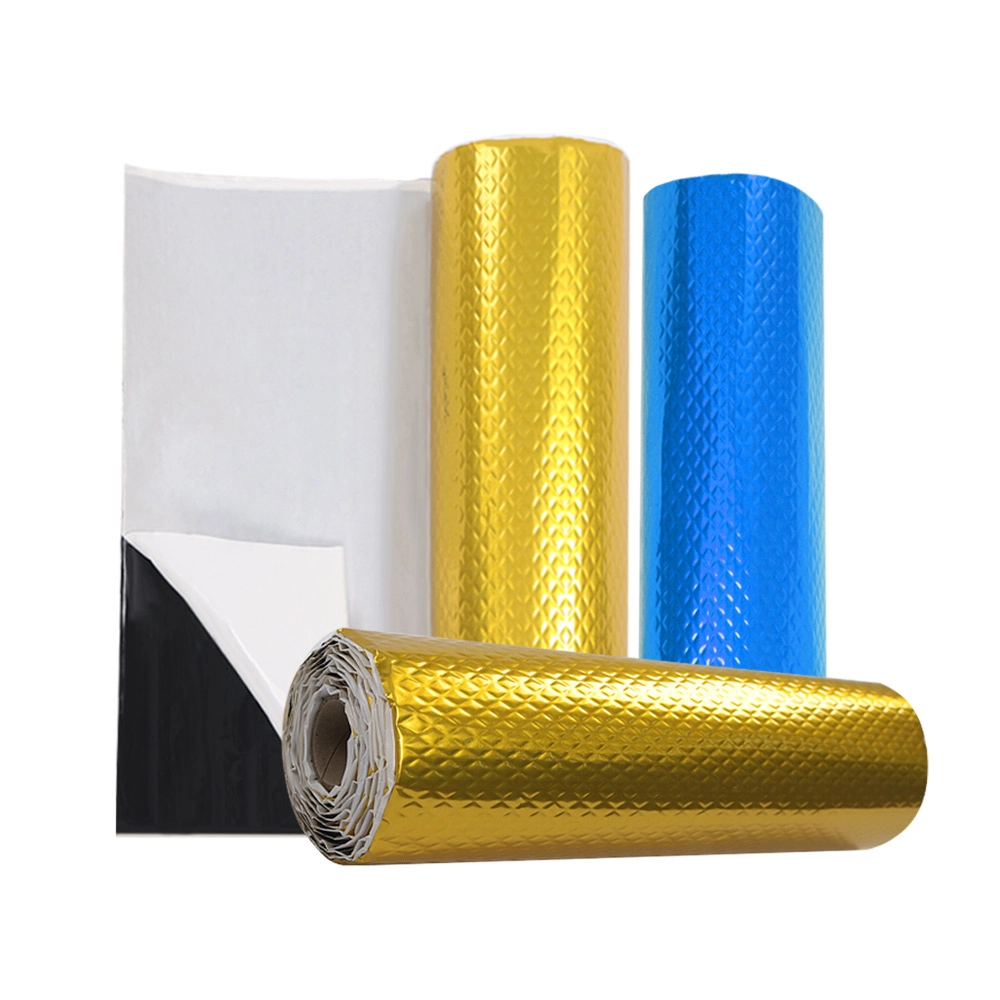
Butyl Rubber Sound Damping Mat
ASLONG Butyl Rubber Sound Damping Mat for sale. Effectively reduces noise and vibrations. High-quality butyl rubber ensures superior performance and durability. Ideal for automotive, industrial, and home applications.
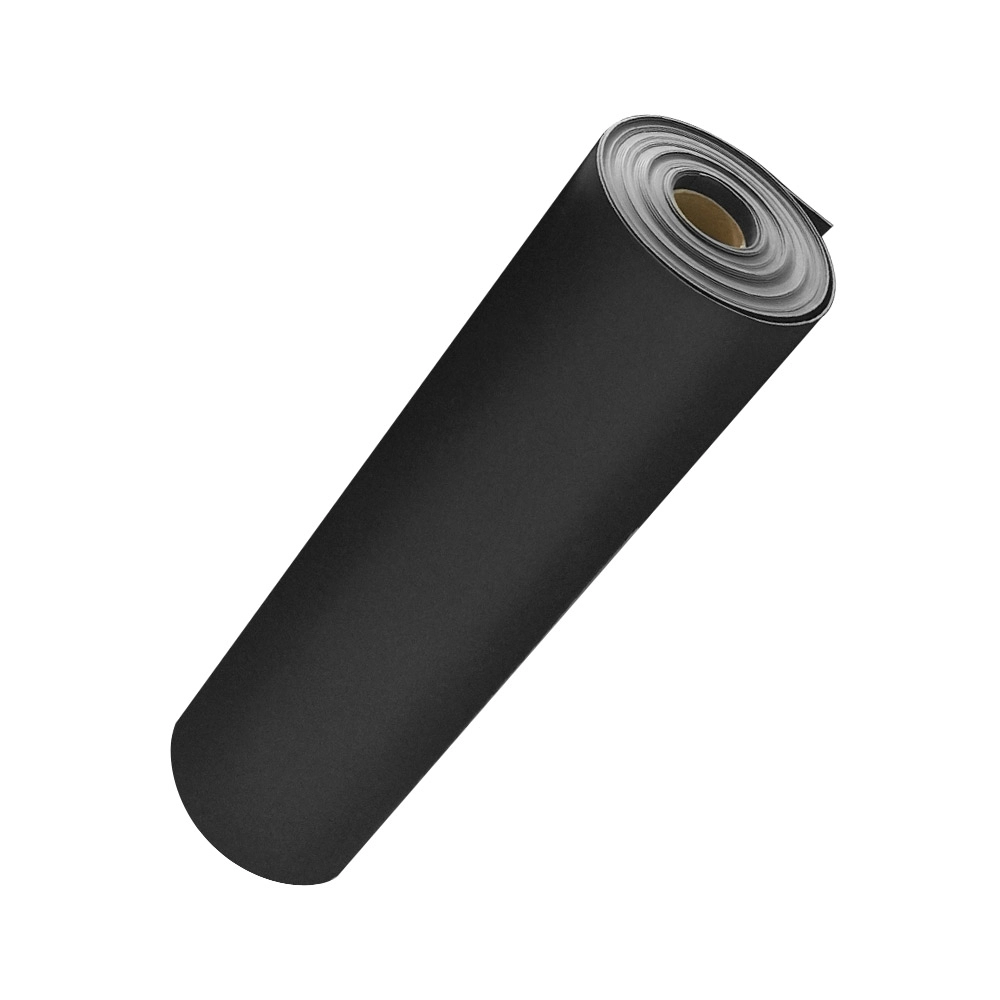
Mass Loaded Vinyl
ASLONG Mass Loaded Vinyl for sale. Reduce noise pollution effectively with our high-quality, mass-loaded vinyl. Ideal for soundproofing walls, floors, and more. Buy now and experience the difference!
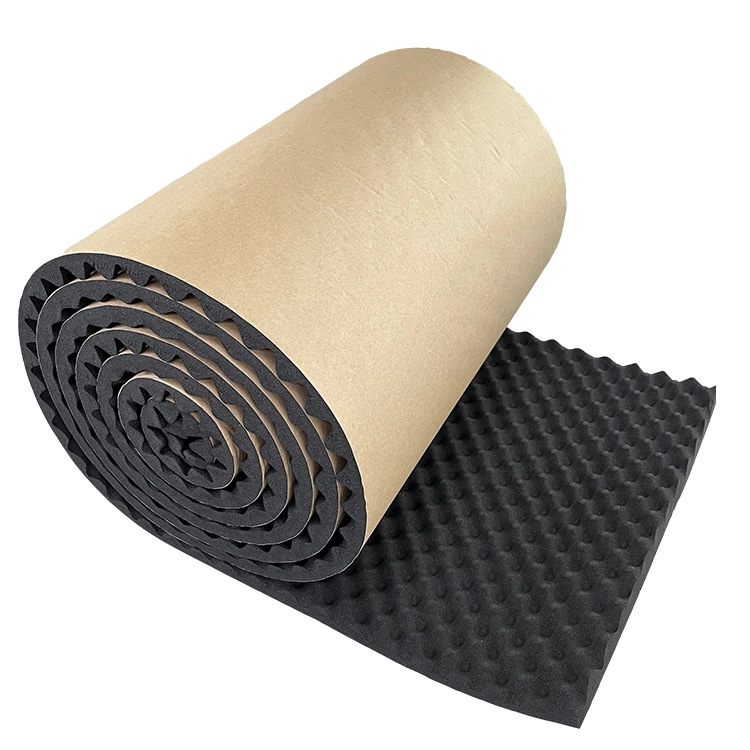
Egg Crate Foam
ASLONG Egg Crate Foam for sale. Lightweight, breathable, and comfortable, our egg crate foam provides superior support and pressure relief. Perfect for mattresses, cushions, cars, construction industry, KTV, factories, etc.
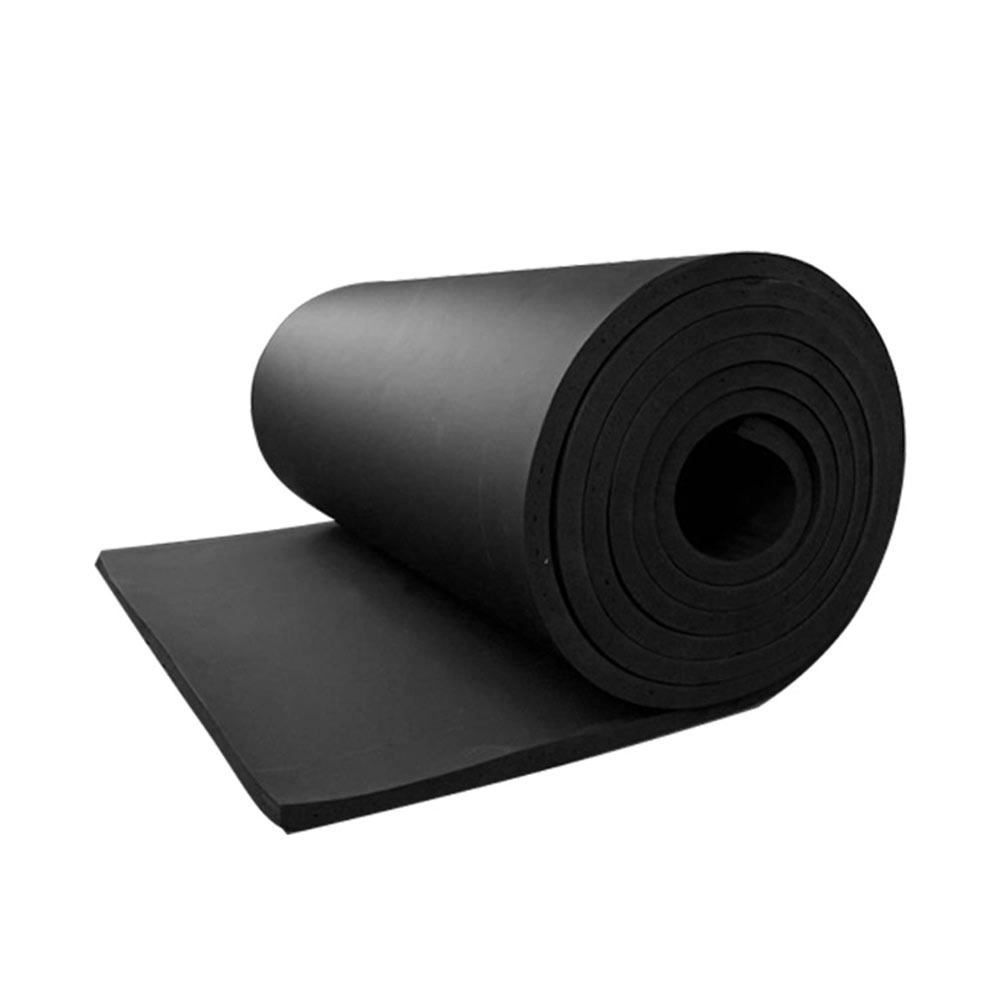
NBR Foam
ASLONG NBR Foam: Wholesale NBR foam solutions for diverse applications. High-quality, durable, and competitively priced. Contact us today for bulk orders.
Professional support at any time
If you have any comments or good suggestions, please leave us a message; later our professional staff will contact you as soon as possible.
© 2026 ASLONG All Rights Reserved. Privacy Policy | Terms and Conditions | Sitemap

 It would be pleasure to receive from you.
Whatsapp: +8613242879341
ASLONG Global
ASLONG
Aslong_global