

Environmental Impact and Recycling of NBR Foam Materials
- Environmental Impact and Recycling of NBR Foam Materials
- What is NBR Foam and where is it used?
- ASLONG NBR Foam — Product Snapshot
- Production Impacts: Raw Materials and Manufacturing Footprint
- End-of-Life Options for NBR Foam: Overview and Environmental Trade-offs
- Comparative overview (qualitative)
- Mechanical Recycling: Practical Steps and Suitability for NBR Foam
- Chemical Recycling and Feedstock Recovery: Prospects for NBR Foam
- Energy Recovery and Incineration: When is it Appropriate?
- Environmental Regulations and Standards Relevant to NBR Foam
- Life Cycle Thinking: How to Assess Environmental Impact
- Design for Recycling: Recommendations for Manufacturers and Specifiers
- Buyer Guidance: How Bulk Purchasers Can Reduce Environmental Impact
- Case Example: Rebonded NBR Foam from Manufacturing Scrap
- Practical Challenges and Solutions in Recycling NBR Foam
- Comparing Disposal Pathways: Environmental and Economic Considerations
- ASLONG’s Approach: Combining Quality with Sustainable Practice
- Actionable Steps for Companies and Waste Managers
- Frequently Asked Questions (FAQ)
- Q1: Is NBR foam recyclable?
- Q2: How should I dispose of scrap NBR foam from manufacturing?
- Q3: Does recycling NBR foam reduce greenhouse gas emissions?
- Q4: Can recycled NBR foam match the performance of virgin NBR foam?
- Q5: What should bulk buyers ask suppliers about sustainability?
- Q6: How can ASLONG help with sustainable procurement?
- Call to Action
- References and Further Reading

Environmental Impact and Recycling of NBR Foam Materials
What is NBR Foam and where is it used?
Nitrile Butadiene Rubber foam (commonly referred to as NBR foam) is a closed-cell synthetic rubber foam valued for its oil resistance, thermal insulation, flexibility, and mechanical durability. NBR foam finds applications in automotive seals and gaskets, HVAC insulation, acoustic pads, medical cushioning, footwear insoles, and industrial vibration control. Its performance advantages make it a popular choice for bulk purchasers and OEMs looking for reliable foam materials. Environmental considerations often go hand in hand with performance optimization, which is why comparing closed-cell and open-cell NBR foam for acoustics becomes essential.
ASLONG NBR Foam — Product Snapshot
ASLONG NBR Foam: Wholesale NBR foam solutions for diverse applications. High-quality, durable, and competitively priced. Contact us today for bulk orders.
Production Impacts: Raw Materials and Manufacturing Footprint
The environmental impact of NBR foam begins with the production of nitrile butadiene rubber. NBR is a copolymer derived from acrylonitrile and butadiene, both petrochemical feedstocks. Key impacts during production include fossil feedstock use, energy consumption, and emissions from polymerization and foaming processes. Manufacturing steps for NBR foam (mixing, vulcanization, foaming and finishing) can contribute to:
- Greenhouse gas emissions from energy use (electricity and heat)
- Volatile organic compound (VOC) emissions and process off-gases
- Waste streams from trimming, off-spec material and solvents
For buyers and procurement teams, asking suppliers for energy-use data, VOC controls, and material origin helps evaluate the upstream environmental footprint of the NBR foam they purchase.
End-of-Life Options for NBR Foam: Overview and Environmental Trade-offs
When NBR foam reaches end-of-life, four primary options exist: reuse/re-purpose, mechanical recycling, chemical recycling (feedstock recovery), and energy recovery or disposal. Each option has different environmental outcomes and technical feasibility.
Comparative overview (qualitative)
| End-of-life route | Environmental Benefit | Barriers / Notes |
|---|---|---|
| Reuse / repurpose | High (avoids new production) | Requires clean, intact material; limited applications |
| Mechanical recycling (grinding & rebonding) | Medium (retains material form, saves raw inputs) | Quality loss, contamination (oils, adhesives), limited use-cases |
| Chemical recycling (pyrolysis / depolymerization) | Potentially high (feedstocks recovered) | Technically complex, energy-intensive, infrastructure limited |
| Energy recovery / incineration | Recovers energy, reduces landfill | CO2 and possible toxic emissions if not controlled |
| Landfill | Low | Long-term persistence, lost resource value |
Mechanical Recycling: Practical Steps and Suitability for NBR Foam
Mechanical recycling involves collecting, sorting, size-reducing (grinding), and reprocessing foam into rebonded products or fillers. For NBR foam, mechanical recycling is commonly used for foam offcuts, manufacturing scrap, and post-consumer parts that are sufficiently clean. Typical products made from rebonded NBR foam include carpet underlays, cushioning layers, and non-critical insulation.
Key considerations for successful mechanical recycling:
- Contamination control — separation from metal, adhesives, oils or other polymers improves output quality.
- Particle size and binder selection — rebonded foam quality depends on the grind size and rebonding binder.
- Tracing and stream segregation — segregating NBR from other foams (e.g., EPDM, polyethylene) prevents property dilution.
Chemical Recycling and Feedstock Recovery: Prospects for NBR Foam
Chemical recycling breaks polymer chains back into monomers or useful hydrocarbons, often via pyrolysis, solvolysis, or depolymerization. For nitrile-based rubbers, pyrolysis and thermal cracking are the most-studied routes — they can convert rubber waste into oils, gases, and char that can be upgraded to fuels or chemical feedstocks.
Advantages:
- Potential to recover higher-value feedstocks than mechanical recycling.
- Ability to handle mixed or contaminated streams better than mechanical routes.
Limitations:
- High energy demand and complex gas cleaning needs to control emissions.
- Economic viability depends on scale and local energy/chemical markets.
Energy Recovery and Incineration: When is it Appropriate?
Controlled incineration with energy recovery (waste-to-energy) can be a practical pathway where recycling is not feasible. Modern facilities with proper flue gas cleaning can safely combust NBR foam, recovering heat or electricity. However, incineration emits CO2 and must be carefully managed for nitrogenous compounds and other potential pollutants due to nitrile content.
Environmental Regulations and Standards Relevant to NBR Foam
Regulatory frameworks influence how NBR foam is produced and disposed of. Important policy drivers include waste hierarchy principles (reduce, reuse, recycle), extended producer responsibility (EPR) schemes in some jurisdictions, and emissions standards for incineration and manufacturing. Manufacturers and buyers should be aware of local regulations on waste classification, hazardous constituents, and recycling mandates.
Life Cycle Thinking: How to Assess Environmental Impact
Life Cycle Assessment (LCA) is the standard method to quantify environmental impact across raw material extraction, production, use, and end-of-life. For NBR foam, an LCA helps identify hotspots such as energy-intensive processing steps or VOC emissions during manufacturing. ISO 14040/14044 provide the framework for LCAs and are recommended when comparing material choices and end-of-life scenarios.
Design for Recycling: Recommendations for Manufacturers and Specifiers
Improving circularity begins at design. For NBR foam products, follow these practical steps:
- Design to minimize contamination (avoid bonding with unrecyclable adhesives or mixed-material laminates).
- Standardize materials where possible — single-polymer streams are easier to recycle.
- Clearly label foam type and provide end-of-life instructions on product datasheets.
- Offer take-back or consolidation programs for large-volume customers to close the loop.
Buyer Guidance: How Bulk Purchasers Can Reduce Environmental Impact
Organizations procuring bulk NBR foam (such as OEMs and insulation contractors) can minimize environmental impact by:
- Choosing suppliers who disclose material and process environmental data.
- Specifying grades of NBR foam that are easier to recycle (single-layer, minimal additives).
- Working with suppliers to manage scraps — request consolidation or take-back for offcuts.
- Prioritizing lifecycle cost and environmental performance over lowest upfront price when possible.
Case Example: Rebonded NBR Foam from Manufacturing Scrap
A common industrial practice is to collect trim and off-spec NBR foam, grind it, and rebond the particles into insulation or cushioning products. This keeps material out of landfill, reduces raw material demand, and creates value from waste. While the rebonded product may not meet the mechanical specs of virgin foam, it is suitable for many non-critical applications.
Practical Challenges and Solutions in Recycling NBR Foam
Challenges include contamination with oils/adhesives, inconsistent feedstocks, and limited local recycling infrastructure. Solutions to these challenges are:
- Establishing collection points and segregated waste streams at manufacturing sites.
- Partnering with regional recyclers or industrial consolidators to reach scale.
- Investing in on-site pre-processing (de-binding, cleaning, shredding) to improve feedstock quality.
Comparing Disposal Pathways: Environmental and Economic Considerations
Below is a simplified comparison to help stakeholders evaluate options when planning end-of-life for NBR foam:
| Criterion | Reuse / Repurpose | Mechanical Recycling | Chemical Recycling | Energy Recovery |
|---|---|---|---|---|
| Environmental impact | Best (avoids production) | Good (retains material) | Good to Very Good (depends on process) | Moderate (CO2 emitted) |
| Cost | Low (if simple) | Low–Medium | High (capital-intensive) | Variable (depends on tipping fees & energy credits) |
| Technology maturity | High | High | Developing | High |
ASLONG’s Approach: Combining Quality with Sustainable Practice
ASLONG NBR Foam is positioned to support customers seeking quality bulk NBR foam while improving environmental outcomes. Key brand advantages:
- Bulk supply capabilities that reduce per-unit transport emissions and packaging waste.
- Consistent product quality to minimize manufacturing scrap at customer sites.
- Willingness to discuss scrap consolidation and take-back options for large orders.
- Competitive pricing that enables buyers to invest in more sustainable handling and recycling solutions.
Actionable Steps for Companies and Waste Managers
To improve NBR foam circularity today, adopt the following roadmap:
- Audit foam usage and waste streams to quantify volumes and contamination sources.
- Set up segregation systems at point-of-use and connect with local recyclers or rebonders.
- Engage suppliers (like ASLONG) to request product data sheets and discuss take-back programs.
- Consider investing in on-site grinding or partnering with a consolidator to reach economies of scale.
- Track performance with basic KPIs: percentage recycled, landfill diversion, and cost per ton managed.
Frequently Asked Questions (FAQ)
Q1: Is NBR foam recyclable?
Yes. NBR foam can be recycled through mechanical routes (grinding and rebonding) and, at increasing scale, through chemical recycling technologies like pyrolysis. The feasibility depends on contamination, local recycling infrastructure, and the intended secondary use.
Q2: How should I dispose of scrap NBR foam from manufacturing?
Segregate NBR foam from mixed waste, keep it clean of oils and adhesives, and contact your supplier or local recycler for collection. For large volumes, discuss consolidation or take-back options with your NBR foam supplier.
Q3: Does recycling NBR foam reduce greenhouse gas emissions?
Generally, yes. Mechanical recycling and reuse avoid new production of polymer feedstock, typically lowering lifecycle greenhouse gas emissions. The net benefit depends on the recycling process efficiency and transport impacts.
Q4: Can recycled NBR foam match the performance of virgin NBR foam?
Rebonded or mechanically recycled NBR foam often has lower mechanical properties than virgin foam, making it best for non-critical applications such as underlays or general cushioning. Chemical recycling may allow recovery of higher-value feedstocks, but reconstituted materials may still differ from virgin properties.
Q5: What should bulk buyers ask suppliers about sustainability?
Request material composition and processing information, ask about VOC controls and energy sources at production sites, inquire about scrap handling and take-back, and seek any available environmental declarations or LCA summaries.
Q6: How can ASLONG help with sustainable procurement?
ASLONG offers high-volume NBR Foam with consistent quality, can discuss consolidation and bulk shipping that reduces transport impacts, and engages with customers about handling scrap and improving circularity for large orders.
Call to Action
If you are purchasing NBR foam in bulk or seeking sustainable foam solutions, contact ASLONG for pricing, technical data, and options for scrap consolidation or take-back. For product inquiries or to discuss a sustainability plan for your foam usage, contact our sales team or request a sample today.
References and Further Reading
The following authoritative sources provide background on nitrile rubber, recycling principles, and lifecycle assessment methodologies:
- Wikipedia — Nitrile rubber (overview of chemistry and applications): https://en.wikipedia.org/wiki/Nitrile_butadiene_rubber
- European Commission — Waste and recycling (policy context and waste hierarchy): https://environment.ec.europa.eu/topics/waste-and-recycling_en
- United States Environmental Protection Agency (EPA) — Sustainable Management of Materials and Waste: https://www.epa.gov/smm
- ISO — ISO 14040:2006 Environmental management — Life cycle assessment — Principles and framework: https://www.iso.org/standard/37456.
- ScienceDirect — Topics: Nitrile butadiene rubber (technical literature and reviews): https://www.sciencedirect.com/topics/engineering/nitrile-butadiene-rubber
Top 5 waterproof insulation tape Company List and Products Compared
The B2B Buyer’s Guide to Automotive Soundproofing Material
Cost Guide: Acoustic Insulation Prices and ROI
Installation Methods and Bonding Options for Butyl Damping Mats
FAQs
How to customize products that meet the needs of my industry?
You only need to contact our sales or technical team, we will conduct an in-depth analysis based on your industry needs and provide tailor-made products and solutions. We guarantee to provide you with efficient and accurate services to meet your personalized requirements.
Do ASLONG's products meet environmental protection standards?
Yes, all ASLONG products comply with ISO14001 environmental management system certification and global environmental protection standards. We use environmentally friendly materials and are committed to providing sustainable solutions to help customers achieve green development goals.
What specific functions can ASLONG's products provide?
Our products cover functions such as insulation, sound insulation, shock absorption, waterproofing and sealing, and are widely used in improving energy efficiency, reducing noise, controlling vibration, protecting equipment, etc., helping customers optimize engineering effects and improve user experience.
Does ASLONG provide after-sales service?
Yes, we provide a full range of after-sales services, including technical support, installation guidance, product maintenance and quality tracking, etc., to ensure that each project goes smoothly and continues to perform at its best.
What industries are the products provided by ASLONG suitable for?
ASLONG's products are suitable for multiple industries, including air conditioning and HVAC, construction and waterproofing, automobiles and transportation, home appliances and electronics, industrial equipment and machinery, etc. We provide customized solutions for each industry to meet different needs.
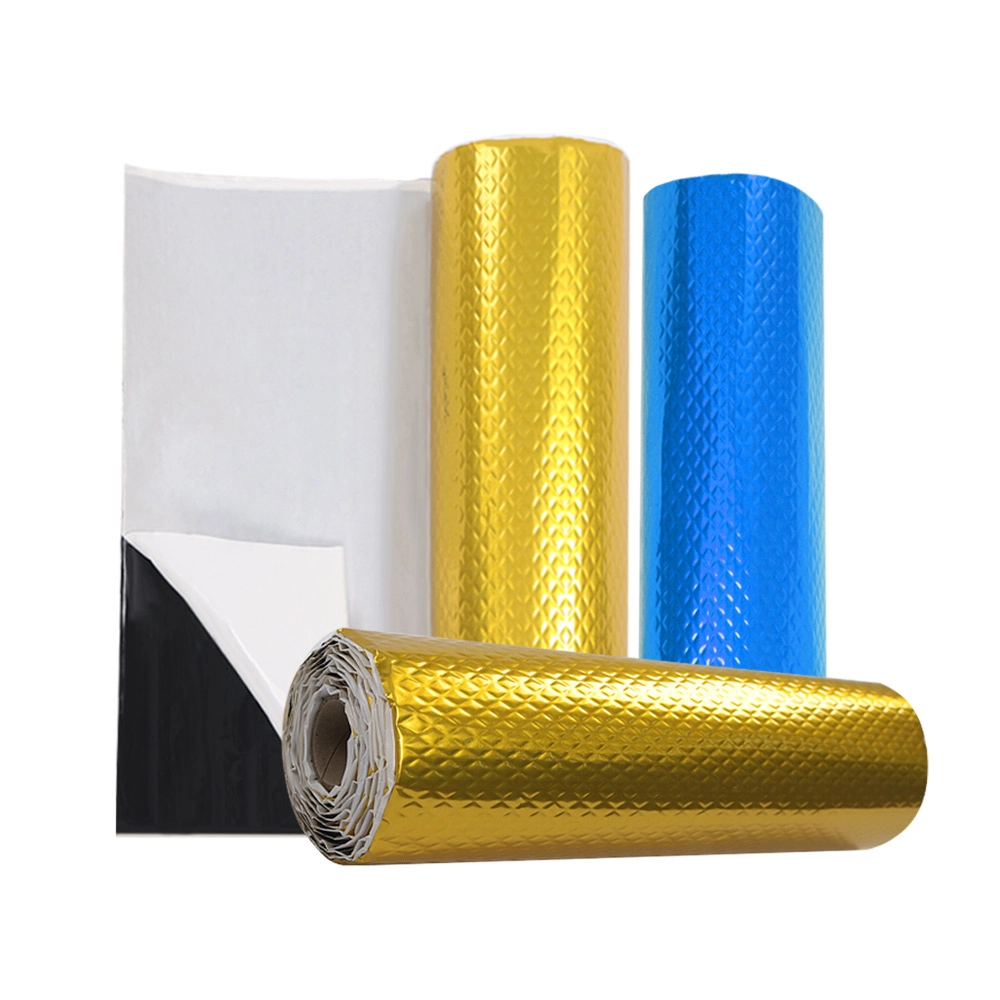
Butyl Rubber Sound Damping Mat
ASLONG Butyl Rubber Sound Damping Mat for sale. Effectively reduces noise and vibrations. High-quality butyl rubber ensures superior performance and durability. Ideal for automotive, industrial, and home applications.
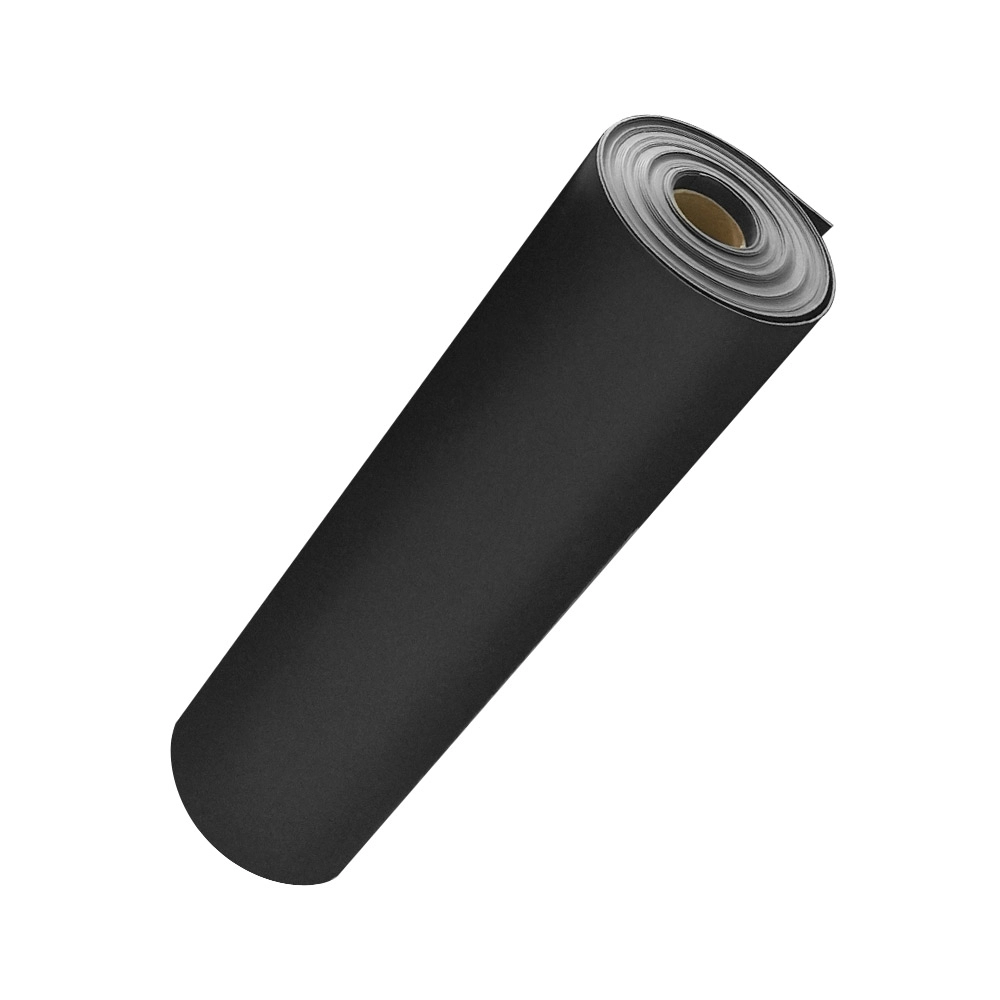
Mass Loaded Vinyl
ASLONG Mass Loaded Vinyl for sale. Reduce noise pollution effectively with our high-quality, mass-loaded vinyl. Ideal for soundproofing walls, floors, and more. Buy now and experience the difference!
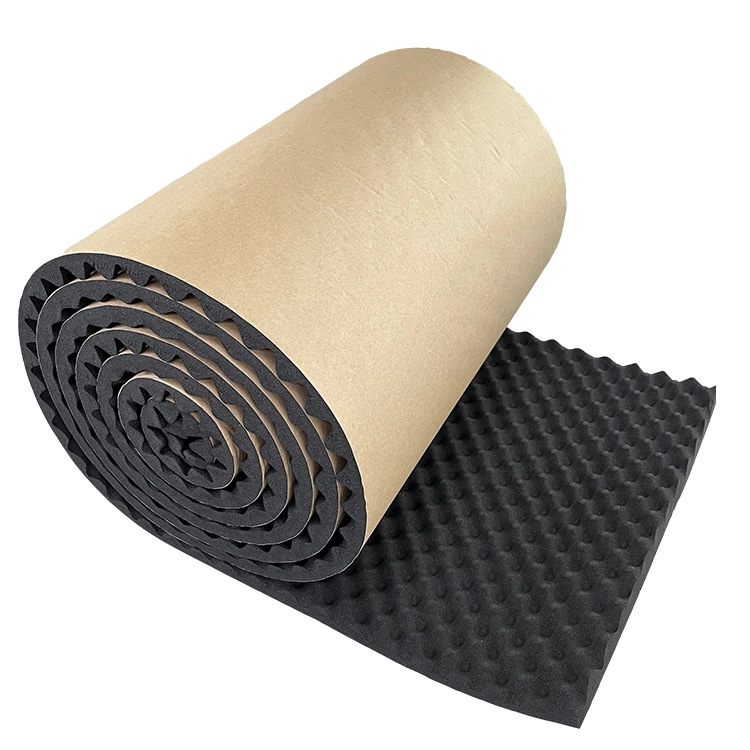
Egg Crate Foam
ASLONG Egg Crate Foam for sale. Lightweight, breathable, and comfortable, our egg crate foam provides superior support and pressure relief. Perfect for mattresses, cushions, cars, construction industry, KTV, factories, etc.
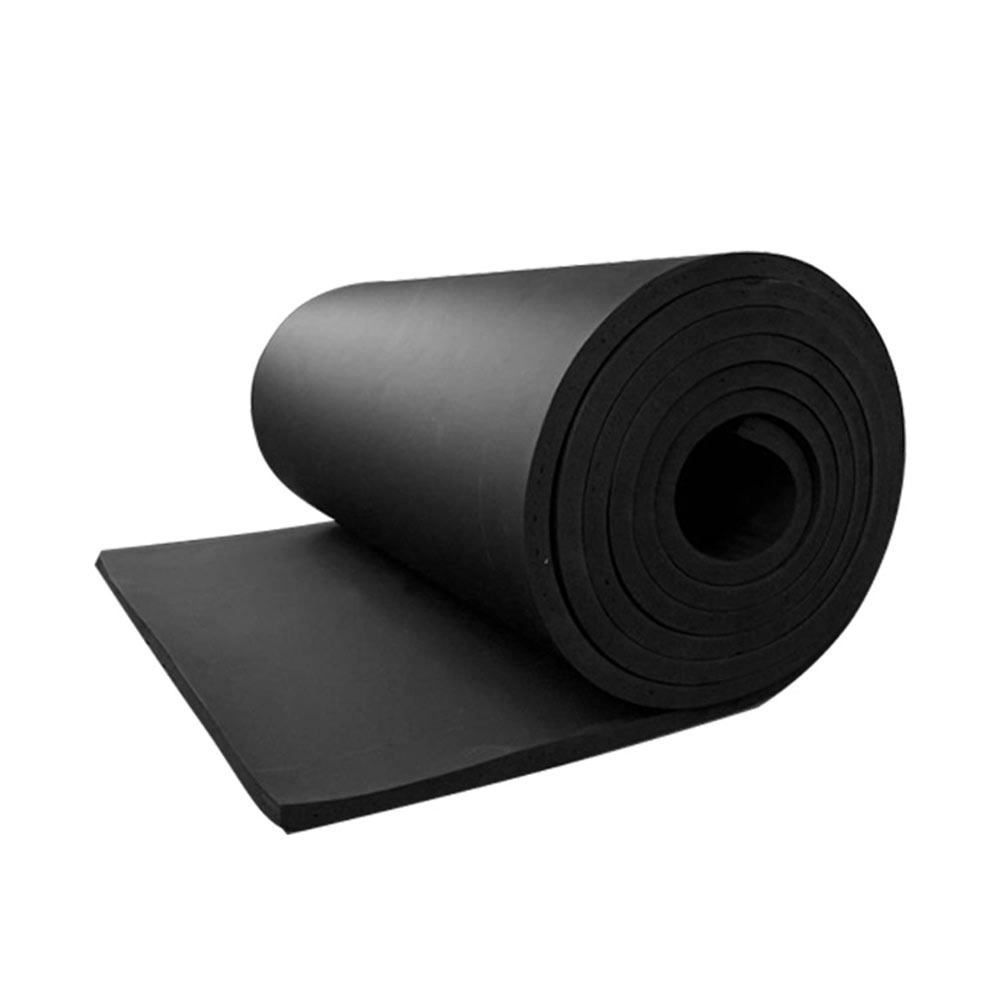
NBR Foam
ASLONG NBR Foam: Wholesale NBR foam solutions for diverse applications. High-quality, durable, and competitively priced. Contact us today for bulk orders.
Professional support at any time
If you have any comments or good suggestions, please leave us a message; later our professional staff will contact you as soon as possible.
© 2026 ASLONG All Rights Reserved. Privacy Policy | Terms and Conditions | Sitemap

 It would be pleasure to receive from you.
Whatsapp: +8613242879341
ASLONG Global
ASLONG
Aslong_global