

Comparing Closed-Cell and Open-Cell NBR Foam for Acoustics
- Comparing Closed-Cell and Open-Cell NBR Foam for Acoustics
- What is NBR Foam? (nbr foam and product overview)
- Basic Cell Structures: Closed-Cell vs Open-Cell and Acoustic Implications
- How Acoustics Are Measured: Key Metrics to Know
- Direct Comparison Table: Closed-Cell vs Open-Cell NBR Foam (acoustic and physical)
- Acoustic Performance Details: Where Each Excels
- Practical Considerations: Installation, Environmental and Durability Factors
- Typical Applications by Foam Type (matching acoustic goals to use)
- Design Tips: Selecting and Specifying NBR Foam for Acoustic Projects
- Cost, Sourcing and Bulk Purchasing Considerations
- Why Choose ASLONG NBR Foam for Acoustic Projects (brand advantage)
- Frequently Asked Questions (FAQ)
- Q1: Which NBR foam type is best for reducing reverberation in a room?
- Q2: Can closed-cell NBR foam be used for soundproofing walls and doors?
- Q3: How thick should NBR foam be for effective acoustic absorption?
- Q4: Is NBR foam resistant to oils and solvents?
- Q5: Can I use open-cell NBR foam outdoors?
- Q6: Do you provide acoustic test reports for NBR foam?
- Contact & Call to Action
- Authority & Reference Links

Comparing Closed-Cell and Open-Cell NBR Foam for Acoustics
What is NBR Foam? (nbr foam and product overview)
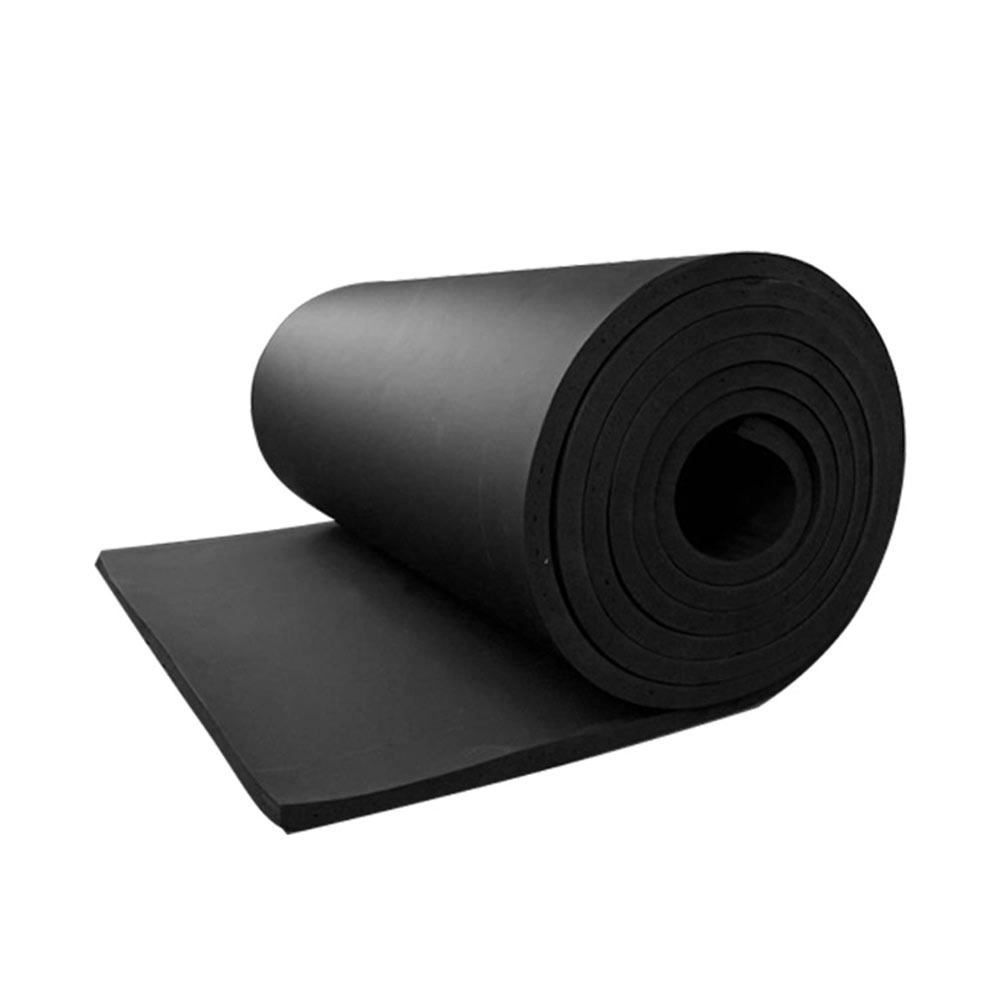
NBR foam (nitrile butadiene rubber foam) is a synthetic elastomeric foam valued for its combination of mechanical durability, oil and fuel resistance, and thermal and acoustic properties. NBR foam is available in closed-cell and open-cell constructions; each has distinct properties that affect how it performs for sound absorption, sound isolation, and vibration damping. Below is a short product introduction for context:
ASLONG NBR Foam: Wholesale NBR foam solutions for diverse applications. High-quality, durable, and competitively priced. Contact us today for bulk orders.
Basic Cell Structures: Closed-Cell vs Open-Cell and Acoustic Implications
Closed-cell NBR foam consists of tiny, discrete sealed bubbles (cells) filled with gas. The closed cells make the foam more rigid to air flow and provide better resistance to water, oil, and gas permeation. Acoustic behavior of closed-cell foam leans toward sound transmission reduction (damping and sealing) rather than broadband absorption.
Open-cell NBR foam features interconnected voids that allow air to flow into the foam structure. This open structure increases sound absorption because incident sound energy is dissipated through viscous friction and heat within the interconnected pores. Open-cell NBR is often preferred when absorption of mid-to-high frequencies is the primary goal.
How Acoustics Are Measured: Key Metrics to Know
To choose the appropriate NBR foam, understand these common acoustic metrics:
- Sound Absorption Coefficient (α): Fraction of incident sound energy absorbed by a material at a given frequency (0 = total reflection, 1 = total absorption).
- Noise Reduction Coefficient (NRC): Average absorption coefficient across 250–2000 Hz, reported as a single-number index (0–1).
- Sound Transmission Loss (STL) / Transmission Loss (TL) or STC: How much sound energy is blocked or attenuated through a material or assembly.
- Airflow Resistivity: A measure of how easily air passes through a porous material — critical for absorption performance in open-cell foams.
Direct Comparison Table: Closed-Cell vs Open-Cell NBR Foam (acoustic and physical)
| Property | Closed-Cell NBR Foam | Open-Cell NBR Foam |
|---|---|---|
| Structure | Sealed, gas-filled cells | Interconnected, air-filled pores |
| Typical Density | 120–350 kg/m³ (depending on formulation) | 60–200 kg/m³ (lighter, more porous) |
| Sound Absorption | Low to moderate; best for blocking/transmission loss and mid-low frequency damping when combined with mass layers | Moderate to high in mid-high frequencies; effective absorber when thickness and airflow resistivity are optimized |
| Airflow Resistivity | Very high (near-impermeable) | Low to moderate (permeable) |
| Water/Oil Resistance | Excellent (low absorption) | Higher water uptake unless treated |
| Durability & Compression Set | Superior long-term resilience and compression recovery | Good but can compress more over time depending on density |
| Thermal Insulation | Better due to trapped gas | Moderate |
| Typical Uses in Acoustic Projects | Sealing gaps, vibration isolation, gasketing, blocking airborne transmission, multilayer barriers | Acoustic panels, absorber pads, interior lining for machinery enclosures, broadband absorption |
| Cost (relative) | Often higher per volume because of density and processing | Often lower per unit volume, though performance depends on thickness |
Acoustic Performance Details: Where Each Excels
If your priority is reducing reverberation and absorbing mid- to high-frequency noise (speech, machinery high-frequency components), open-cell NBR foam typically performs better. Open-cell structures dissipate acoustic energy via viscous losses in the pores. To improve low-frequency absorption with open-cell foam, thicker layers or additional backing (air cavity or porous layers) are often needed.
Closed-cell NBR foam is advantageous when you need soundproofing (reducing transmission) rather than absorption—especially in assemblies where the foam is used as a seal, damper, or part of a multilayer barrier system. Closed-cell foam offers better sealing against air leaks and handles moisture and oils well, which is important in industrial settings.
Practical Considerations: Installation, Environmental and Durability Factors
Consider these practical factors:
- Moisture: Closed-cell NBR resists water and oils — ideal for humid or oily environments. Open-cell NBR may require hydrophobic treatment or protective facings to prevent moisture retention and microbial growth.
- Temperature: NBR generally performs well across broad temperature ranges (-40°C to +100°C depending on formulation). Specific compound choice affects low-temperature flexibility and high-temperature stability.
- Fire Performance: NBR formulations can vary in flammability and smoke characteristics; always check the specific fire ratings (UL94, ASTM) required for your project and choose treated or inherently flame-retardant grades when needed.
- Mechanical Wear: Closed-cell is more abrasion- and compression-resistant; good for gaskets and repeated compression applications.
Typical Applications by Foam Type (matching acoustic goals to use)
Open-cell NBR foam applications:
- Acoustic absorber panels in enclosures, booths, and equipment housings.
- Interior linings for HVAC, fans and low-mid frequency noise control.
- Pads and blankets for machinery to reduce airborne noise and dampen high frequency components.
Closed-cell NBR foam applications:
- Sealing and gasketing to prevent sound leaks—critical for achieving design STC in walls, doors, and equipment access panels.
- Vibration isolation strips placed under equipment or between mounting points.
- Multilayer barriers combined with mass-loaded vinyl or sheet metal to create compact soundproofing assemblies.
Design Tips: Selecting and Specifying NBR Foam for Acoustic Projects
Follow these practical design tips:
- Define the dominant noise frequencies: use open-cell NBR for mid/high frequencies; consider thicker or backed solutions for low frequencies.
- Combine materials: for soundproofing, pair closed-cell NBR as a seal/damper with mass layers (e.g., MLV) and maybe an outer open-cell absorber for mixed-spectrum noise.
- Account for airflow resistivity: target materials with measured airflow resistivity suited for absorption targets. Many acoustic engineers tune resistivity by selecting foam grade and density.
- Plan for maintenance and environment: use closed-cell in oily/wet areas; consider coatings or facings for open-cell used in dusty or humid areas.
- Test early: request acoustic test data (absorption coefficients, NRC, transmission loss) from suppliers or ask for samples for in-situ testing when possible.
Cost, Sourcing and Bulk Purchasing Considerations
Open-cell NBR foam often appears cheaper per cubic meter, but effective cost depends on required thickness and any treatments (hydrophobic, fire retardant). Closed-cell can cost more but may reduce installation complexity by combining sealing and some damping functions.
When specifying for commercial or industrial projects, request material data sheets (MDS), acoustic test reports, and pricing for bulk volumes. Lead times and custom cut-to-size services are important for installation scheduling.
Why Choose ASLONG NBR Foam for Acoustic Projects (brand advantage)
ASLONG offers a range of NBR foam solutions suitable for both closed-cell and open-cell acoustic applications. Our advantages:
- Wholesale pricing and the ability to supply bulk orders for large projects.
- Multiple densities and formulations to optimize absorption, sealing, and environmental resistance.
- Quality control and testing support—suppliers can provide datasheets and acoustic performance data upon request.
- Custom services including die-cutting, adhesive backing, and laminations to integrate the foam into your assemblies quickly.
ASLONG NBR Foam: Wholesale NBR foam solutions for diverse applications. High-quality, durable, and competitively priced. Contact us today for bulk orders.
Frequently Asked Questions (FAQ)
Q1: Which NBR foam type is best for reducing reverberation in a room?
A: Open-cell NBR foam is generally better at absorbing mid- and high-frequency sound that contributes to reverberation. To address low-frequency reverberation, use thicker panels, porous absorbers with backing cavities, or combine with bass traps.
Q2: Can closed-cell NBR foam be used for soundproofing walls and doors?
A: Yes—closed-cell NBR foam is effective as a seal and damping layer in assemblies aimed at reducing sound transmission. It works best when used with mass layers (e.g., gypsum, MLV) and proper sealing around edges to prevent flanking paths.
Q3: How thick should NBR foam be for effective acoustic absorption?
A: Thickness depends on target frequency. For mid-high frequencies, 10–30 mm open-cell panels can help. For lower frequencies, thicker layers (50 mm or greater) or combinations with an air cavity are often needed. Always consult absorption coefficient data for specific grades.
Q4: Is NBR foam resistant to oils and solvents?
A: NBR is known for oil and fuel resistance, especially in closed-cell formulations. However, resistance varies with compound formulation—request chemical compatibility data for aggressive environments.
Q5: Can I use open-cell NBR foam outdoors?
A: Open-cell foam exposed to weather can absorb water and degrade over time. If outdoor use is required, choose a closed-cell grade, protective coating, or suitable enclosure to extend service life.
Q6: Do you provide acoustic test reports for NBR foam?
A: Reputable suppliers like ASLONG can provide datasheets and test results (e.g., sound absorption coefficients, NRC) upon request. For critical projects, ask for sample testing under your installation conditions.
Contact & Call to Action
Ready to select the right NBR foam for your acoustic project? Whether you need open-cell absorbers, closed-cell seals, or custom-cut parts, ASLONG supplies bulk quantities with quality assurance and technical support. With cell structure clarified, readers often return to fundamentals by revisiting what NBR foam is and how it improves sound insulation, completing the full knowledge loop.
ASLONG NBR Foam: Wholesale NBR foam solutions for diverse applications. High-quality, durable, and competitively priced. Contact us today for bulk orders.
To request samples, technical data, or a bulk quote, contact our sales team or visit our product page.
Authority & Reference Links
- Overview of Nitrile Butadiene Rubber (NBR) — Wikipedia: https://en.wikipedia.org/wiki/Nitrile_butadiene_rubber
- Fundamentals of acoustics — Acoustical Society of America: https://acousticalsociety.org
- Sound absorption and measurement basics — Wikipedia: https://en.wikipedia.org/wiki/Sound_absorption_coefficient
- ASTM C423: Standard Test Method for Sound Absorption and Sound Absorption Coefficients — ASTM International: https://www.astm.org/Standards/C423.htm
- General porous absorber theory and airflow resistivity concepts — Engineering Toolbox: https://www.engineeringtoolbox.com/sound-absorbing-materials-d_58.
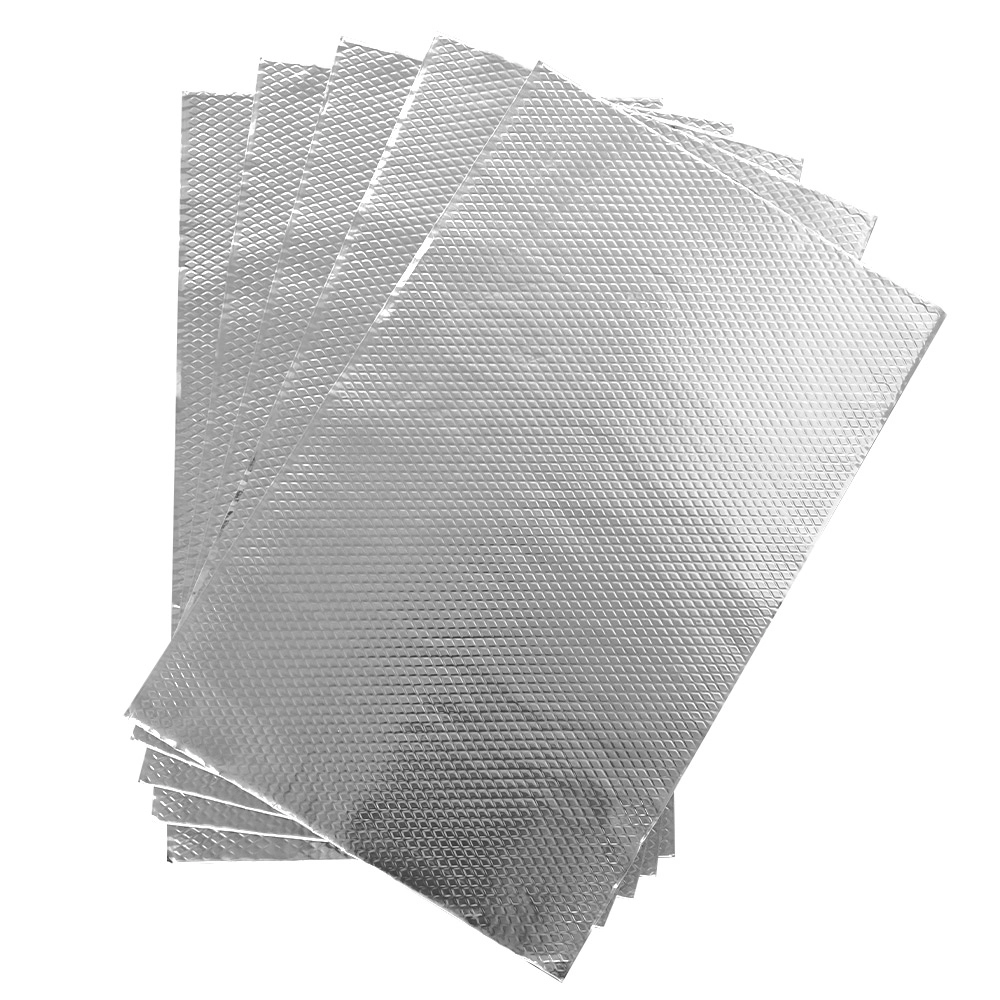
Key Metrics for Car Sound Damping Sheets: Weight & Durability
Why choose ASLONG as your car sound deadener manufacturer
Top 10 wall acoustic insulation materials Manufacturers and Supplier Brands
Why choose ASLONG as your car hood insulation pad manufacturer
FAQs
What industries are the products provided by ASLONG suitable for?
ASLONG's products are suitable for multiple industries, including air conditioning and HVAC, construction and waterproofing, automobiles and transportation, home appliances and electronics, industrial equipment and machinery, etc. We provide customized solutions for each industry to meet different needs.
How to customize products that meet the needs of my industry?
You only need to contact our sales or technical team, we will conduct an in-depth analysis based on your industry needs and provide tailor-made products and solutions. We guarantee to provide you with efficient and accurate services to meet your personalized requirements.
Does ASLONG provide after-sales service?
Yes, we provide a full range of after-sales services, including technical support, installation guidance, product maintenance and quality tracking, etc., to ensure that each project goes smoothly and continues to perform at its best.
Do ASLONG's products meet environmental protection standards?
Yes, all ASLONG products comply with ISO14001 environmental management system certification and global environmental protection standards. We use environmentally friendly materials and are committed to providing sustainable solutions to help customers achieve green development goals.
What specific functions can ASLONG's products provide?
Our products cover functions such as insulation, sound insulation, shock absorption, waterproofing and sealing, and are widely used in improving energy efficiency, reducing noise, controlling vibration, protecting equipment, etc., helping customers optimize engineering effects and improve user experience.
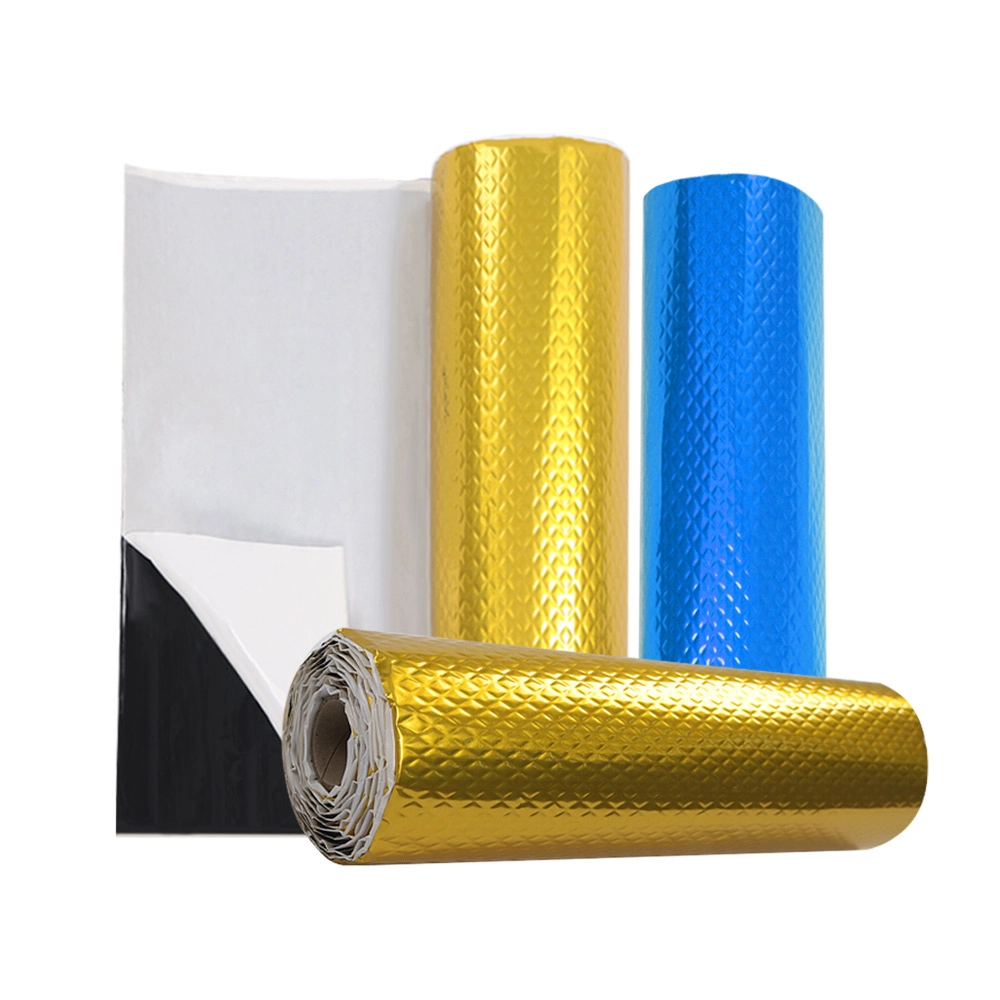
Butyl Rubber Sound Damping Mat
ASLONG Butyl Rubber Sound Damping Mat for sale. Effectively reduces noise and vibrations. High-quality butyl rubber ensures superior performance and durability. Ideal for automotive, industrial, and home applications.
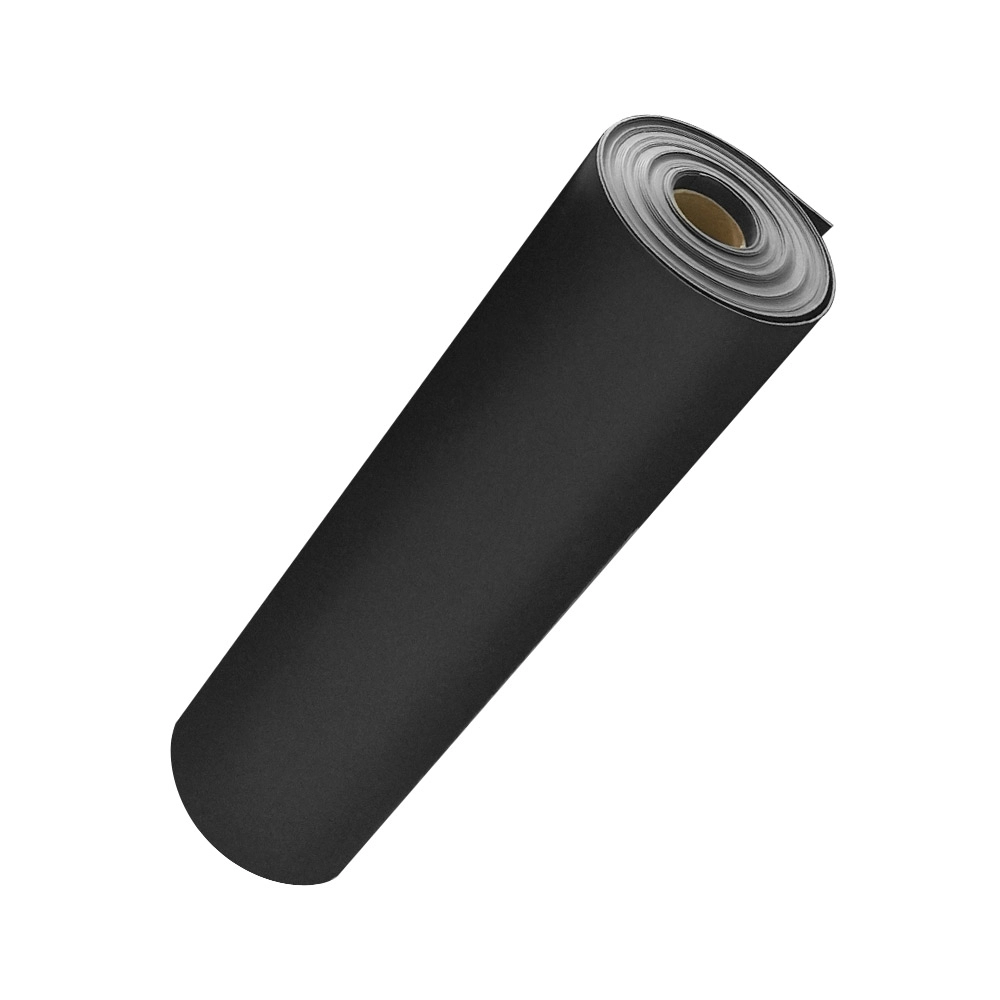
Mass Loaded Vinyl
ASLONG Mass Loaded Vinyl for sale. Reduce noise pollution effectively with our high-quality, mass-loaded vinyl. Ideal for soundproofing walls, floors, and more. Buy now and experience the difference!
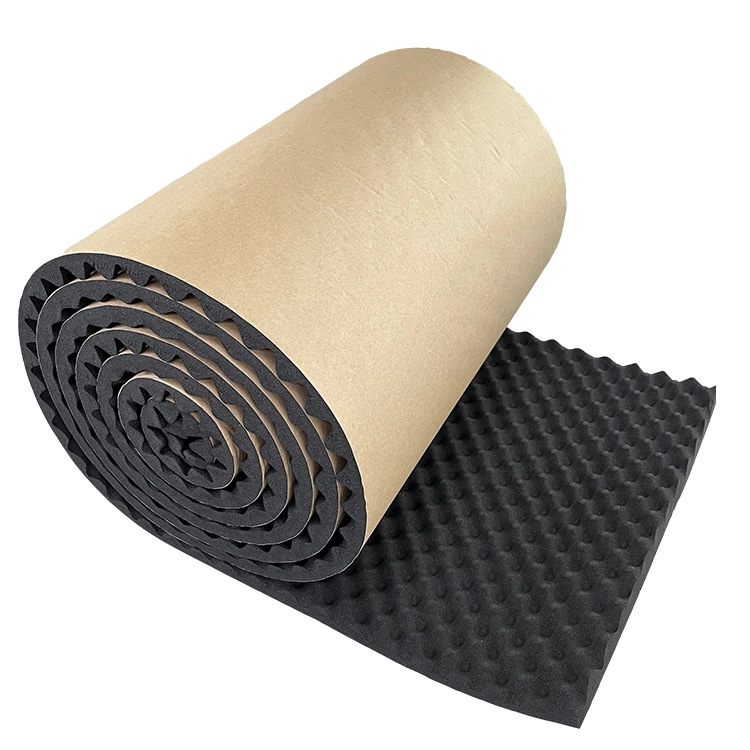
Egg Crate Foam
ASLONG Egg Crate Foam for sale. Lightweight, breathable, and comfortable, our egg crate foam provides superior support and pressure relief. Perfect for mattresses, cushions, cars, construction industry, KTV, factories, etc.
NBR Foam
ASLONG NBR Foam: Wholesale NBR foam solutions for diverse applications. High-quality, durable, and competitively priced. Contact us today for bulk orders.
Professional support at any time
If you have any comments or good suggestions, please leave us a message; later our professional staff will contact you as soon as possible.
© 2026 ASLONG All Rights Reserved. Privacy Policy | Terms and Conditions | Sitemap

 It would be pleasure to receive from you.
Whatsapp: +8613242879341
ASLONG Global
ASLONG
Aslong_global