

Mass Loaded Vinyl for Music Studios and Recording Rooms
- Mass Loaded Vinyl for Music Studios and Recording Rooms
- Introduction: Why Mass Loaded Vinyl Matters for Studio Soundproofing
- What Is Mass Loaded Vinyl and How Does It Work?
- Key Acoustic Benefits of Mass Loaded Vinyl in Studios
- Mass Loaded Vinyl vs Other Soundproofing Materials (Comparison)
- When to Use MLV vs. Other Solutions
- Installation Best Practices for Music Studios and Recording Rooms
- Acoustic Design: Isolation vs Absorption
- Cost, Weight and Structural Considerations
- Typical Studio Applications and Expected Results
- Why Choose ASLONG Mass Loaded Vinyl
- Installation Checklist (Quick Reference)
- FAQ — Mass Loaded Vinyl for Studios
- Q1: Will MLV alone make my room soundproof?
- Q2: How thick/heavy should MLV be for a recording studio?
- Q3: Can I install MLV on a finished wall without removing drywall?
- Q4: Is MLV flammable or does it emit VOCs?
- Q5: How does MLV affect bass frequencies?
- Contact & View Product
- References
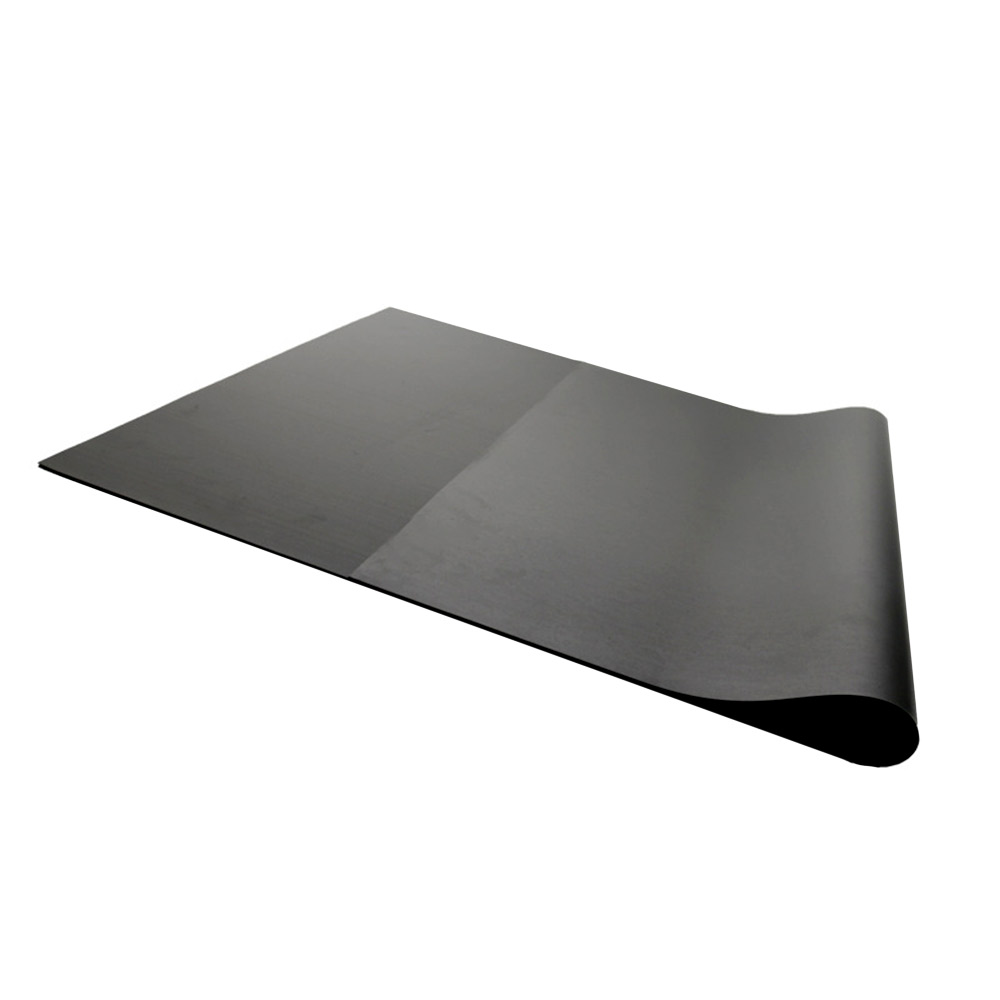
Mass Loaded Vinyl for Music Studios and Recording Rooms
Introduction: Why Mass Loaded Vinyl Matters for Studio Soundproofing
Creating a quiet, controlled recording environment requires addressing two challenges: isolation (preventing external noise from getting in and studio sound from leaking out) and internal acoustics (controlling reflections and resonances). Mass Loaded Vinyl (MLV) is a proven, cost-effective product for improving isolation in music studios and recording rooms. It is thin, dense, and flexible, making it practical for retrofits and new builds alike. If you're ready to upgrade isolation or looking to buy reliable mass loaded vinyl for sale, ASLONG Mass Loaded Vinyl offers a professional solution. For studio or general use, it’s helpful to consult Mass Loaded Vinyl FAQs: common buyer questions, addressing typical concerns and clarifying technical details.
ASLONG Mass Loaded Vinyl for sale. Reduce noise pollution effectively with our high-quality, mass-loaded vinyl. Ideal for soundproofing walls, floors, and more. Buy now and experience the difference!
What Is Mass Loaded Vinyl and How Does It Work?
Mass Loaded Vinyl (MLV) is a composite barrier consisting of polyvinyl chloride (PVC) or similar polymer loaded with heavy mineral or metal particles to increase its mass per unit area. The principle behind MLV's effectiveness is the acoustic mass law: adding mass to a wall or partition reduces the amount of sound transmitted through it, especially at mid and high frequencies. MLV is typically sold by weight per square foot (for example 1 lb/ft² or 2 lb/ft²) and can be hung, stapled, or glued to studs, joists, or subfloors. Its flexibility allows it to conform to irregular surfaces and be used in combination with drywall, resilient channels, or floating floors.
Key Acoustic Benefits of Mass Loaded Vinyl in Studios
Mass Loaded Vinyl offers several studio-specific benefits:
- Low-frequency improvement: While acoustic foam absorbs mid and high frequencies, adding mass is one of the most effective ways to reduce low-frequency transmission—critical in music applications where bass bleed is common.
- Thin profile: High mass per unit area with a low thickness (typically 1.5–4 mm) preserves usable room dimensions—important in small home studios.
- Versatility: Works on walls, ceilings, floors, doors, and ductwork to reduce airborne noise transmission.
- Retrofit-friendly: Can be installed behind finished surfaces or under flooring without major reconstruction.
Mass Loaded Vinyl vs Other Soundproofing Materials (Comparison)
Choosing the right combination of materials is essential. The following table compares common studio isolation materials and shows where MLV fits into a typical strategy.
| Material | Primary Function | Typical Thickness | Best Use in Studio | Typical STC Improvement* |
|---|---|---|---|---|
| Mass Loaded Vinyl (MLV) | Mass barrier (isolation) | 1.5–4 mm | Walls, ceilings, floors, doors, ducts | +3–10 STC (depends on assembly) |
| Dense Drywall (additional layer) | Mass barrier | 12.7 mm (½–⅝) | When building new walls/ceiling layers | +3–6 STC per layer |
| Acoustic Foam | Absorption (reduces reflections) | 25–100 mm | Control mids/highs, reflections | Minimal STC impact |
| Resilient Channel / Decoupling | Decouples layers to reduce structural transmission | 25–50 mm depth | Walls/ceilings to combat structural paths | +4–8 STC (depends on implementation) |
*STC gains vary widely depending on existing construction and assembly; numbers are representative ranges. Source: Acoustical Surfaces, Soundproofing Company.
When to Use MLV vs. Other Solutions
Use MLV when:
- You need to add isolation without significantly increasing wall thickness.
- You are retrofitting an existing room where rebuilding walls is impractical.
- You need a flexible solution to wrap doors, irregular ductwork, or floors.
Pair MLV with decoupling techniques (resilient channel, double-stud walls) and absorptive treatments (bass traps, broadband absorbers) for a complete studio solution. MLV addresses transmission loss; absorption addresses in-room reverberation. Both are necessary for professional-sounding recordings.
Installation Best Practices for Music Studios and Recording Rooms
Correct installation maximizes MLV's performance. Key practices:
- Seal all gaps: Sound finds tiny leaks. Overlap seams, tape or weld seams if recommended by the manufacturer, and use an acoustic sealant (non-hardening) around edges, penetrations, and outlet boxes.
- Combine with mass and decoupling: Attach MLV to studs and then add an extra layer of drywall or use resilient channels to decouple the finished surface from structure-borne vibrations.
- Address flanking paths: Sound can travel through ceilings, floors, ducts, and gaps. Apply MLV to secondary surfaces and use isolation techniques for mechanical systems.
- Use the right fasteners and adhesives: Use staples, screws with large washers, or recommended adhesives to avoid tearing the MLV and to preserve the air-tight seal.
- Layer wisely: For floors, use MLV under a floating floor or underlayment; for walls, MLV behind drywall can save space compared to building double stud walls.
Acoustic Design: Isolation vs Absorption
Understanding roles helps you spend budget effectively. Isolation (MLV, dense layers, decoupling) reduces sound energy transfer between rooms. Absorption (foam, fiberglass, mineral wool) reduces reflections inside the room to improve clarity. Bass traps handle low-frequency energy which MLV helps block but does not absorb. A common recommendation for studios is:
- MLV + extra drywall/decoupling on shared walls/ceilings for isolation.
- Broadband absorbers and bass traps at reflection points and corners for internal acoustics.
- Sealing and treating doors, windows, and HVAC to minimize leaks.
Cost, Weight and Structural Considerations
MLV is heavier than typical building membranes, so check load assumptions for ceilings or suspended systems. Typical densities are sold in lb/ft²: 1 lb/ft² (≈4.9 kg/m²) and 2 lb/ft² (≈9.8 kg/m²). For example, a 10 m² ceiling covered with 2 lb/ft² MLV will add measurable mass—ensure joists and hangers are adequate. MLV itself is not a structural component but adds point loads at fasteners.
Price is influenced by density, roll size, and manufacturer. While specific pricing varies over time and region, MLV is often more expensive per square meter than simple drywall but costs less than full reconstruction (double-stud walls). Consider life-cycle value: effective isolation reduces rework and improves recording quality.
Fire ratings and smoke/toxicity vary by formulation—consult product datasheets and local codes before installation in commercial or public studios.
Typical Studio Applications and Expected Results
Example scenarios:
- Home apartment studio: Attach 1–2 lb/ft² MLV to shared walls and ceiling, seal seams, add an extra drywall layer on resilient channels. Expect meaningful reduction in airborne noise and improved privacy—often enough to reduce objectionable voice and music leakage.
- Control room to live room isolation: Use MLV on shared partitions and double up with resilient channel and insulation. This reduces monitor bleed into close-miked sources.
- Floor-mounted drum booths: MLV under a floating floor and wrapped under the drum riser reduces low-frequency energy transmission into lower apartments.
Actual STC or dB improvement depends on original construction. Combining MLV with decoupling and additional mass yields the best, most predictable results.
Why Choose ASLONG Mass Loaded Vinyl
ASLONG Mass Loaded Vinyl is designed for professional and DIY studio projects. The product advantages include:
- High mass-to-thickness ratio: Provides meaningful isolation without sacrificing room dimensions.
- Flexible and easy to handle: Conforms to irregular surfaces and is straightforward to cut and fasten.
- Quality control & availability: Commercial-grade manufacturing ensures consistent density and performance; available for sale in rolls sized to reduce seam complexity.
- Support and guidance: ASLONG provides datasheets and installation recommendations so buyers get the expected performance.
When you buy Mass Loaded Vinyl from ASLONG, you are selecting a product optimized for studio isolation—backed by technical documentation and customer support to help with installation choices.
Installation Checklist (Quick Reference)
- Measure surface area and buy 10–15% extra for overlaps and waste.
- Choose density based on needs: 1 lb/ft² for modest improvements; 2 lb/ft² for stronger isolation.
- Seal seams and edges with acoustic tape/sealant.
- Combine with decoupling or extra drywall where possible.
- Check fire code and datasheet before installing in public or commercial spaces.
FAQ — Mass Loaded Vinyl for Studios
Q1: Will MLV alone make my room soundproof?
A: MLV significantly reduces airborne transmission, especially mid and high frequencies, and helps with low frequencies relative to mass. However, true studio soundproofing typically requires a combination of mass (MLV, drywall), decoupling (resilient channels or double studs), and sealing flanking paths. For internal acoustics, add absorbers and bass traps.
Q2: How thick/heavy should MLV be for a recording studio?
A: Common choices are 1 lb/ft² for light upgrades and 2 lb/ft² for more demanding isolation. Thicker/heavier MLV gives better low-frequency performance but increases weight and cost. Evaluate structural load capacity, especially for ceilings.
Q3: Can I install MLV on a finished wall without removing drywall?
A: Yes—MLV can be applied over existing drywall and then covered with another drywall layer or decorative finish. For best results, seal seams and couple with resilient mounting to avoid bridging structural paths.
Q4: Is MLV flammable or does it emit VOCs?
A: MLV formulations vary. Check the specific ASLONG product datasheet for flame spread, smoke index, and VOC/emission data. Comply with local building codes and prioritize products with appropriate certifications for commercial spaces.
Q5: How does MLV affect bass frequencies?
A: Adding mass helps reduce bass transmission but low frequencies are the hardest to control. Use MLV alongside bass traps, decoupling, and floating floors to tackle low-frequency problems effectively.
Contact & View Product
If you are ready to improve your studio isolation or would like technical guidance, contact us or view product details and buy ASLONG Mass Loaded Vinyl today. Our technical team can recommend the right density, roll size, and installation approach for your recording room. Contact: sales@aslong.com | Call: +1-800-XXX-XXXX
References
- Acoustical Surfaces — Mass Loaded Vinyl (product and technical notes). https://www.acousticalsurfaces.com
- Soundproofing Company — Mass Loaded Vinyl Guide. https://www.soundproofingcompany.com/mass-loaded-vinyl-mlv/
- Audimute — What is Mass Loaded Vinyl? https://www.audimute.com/what-is-mass-loaded-vinyl
- Sound On Sound — Improving Room Acoustics (studio acoustics primer). https://www.soundonsound.com/techniques/improving-room-acoustics
What is soundproofing material
Tips for buy sound deadening material
Wholesale Acoustic Material manufacturer and supplier in China
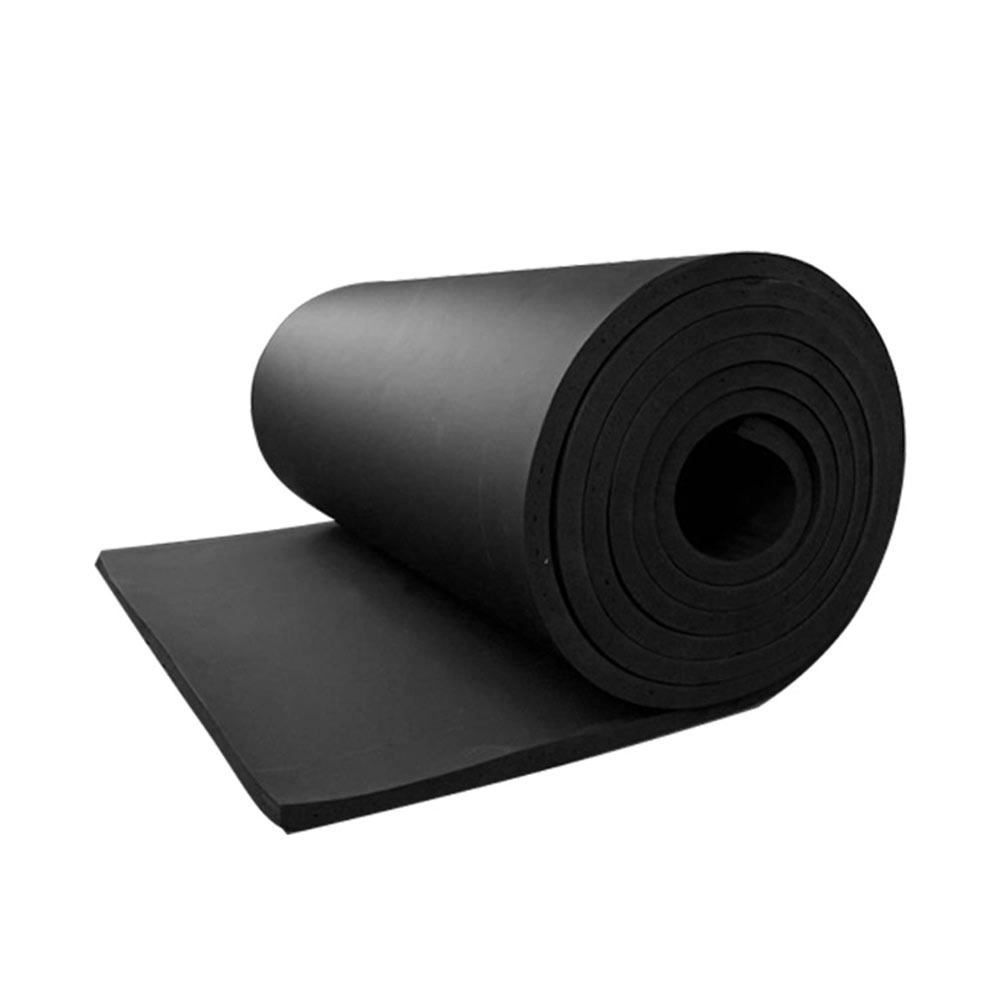
Benefits of NBR Foam in Industrial and Commercial Settings
FAQs
What specific functions can ASLONG's products provide?
Our products cover functions such as insulation, sound insulation, shock absorption, waterproofing and sealing, and are widely used in improving energy efficiency, reducing noise, controlling vibration, protecting equipment, etc., helping customers optimize engineering effects and improve user experience.
What industries are the products provided by ASLONG suitable for?
ASLONG's products are suitable for multiple industries, including air conditioning and HVAC, construction and waterproofing, automobiles and transportation, home appliances and electronics, industrial equipment and machinery, etc. We provide customized solutions for each industry to meet different needs.
Does ASLONG provide after-sales service?
Yes, we provide a full range of after-sales services, including technical support, installation guidance, product maintenance and quality tracking, etc., to ensure that each project goes smoothly and continues to perform at its best.
Do ASLONG's products meet environmental protection standards?
Yes, all ASLONG products comply with ISO14001 environmental management system certification and global environmental protection standards. We use environmentally friendly materials and are committed to providing sustainable solutions to help customers achieve green development goals.
How to customize products that meet the needs of my industry?
You only need to contact our sales or technical team, we will conduct an in-depth analysis based on your industry needs and provide tailor-made products and solutions. We guarantee to provide you with efficient and accurate services to meet your personalized requirements.
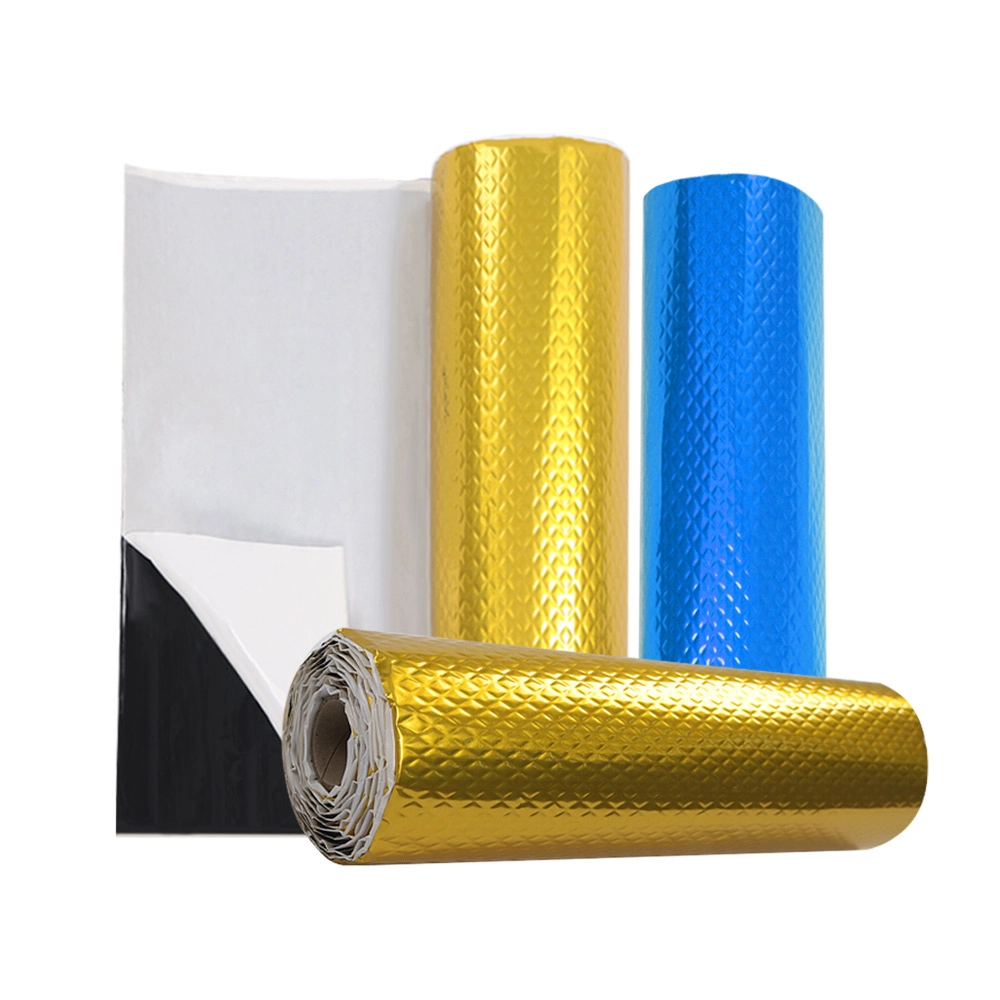
Butyl Rubber Sound Damping Mat
ASLONG Butyl Rubber Sound Damping Mat for sale. Effectively reduces noise and vibrations. High-quality butyl rubber ensures superior performance and durability. Ideal for automotive, industrial, and home applications.
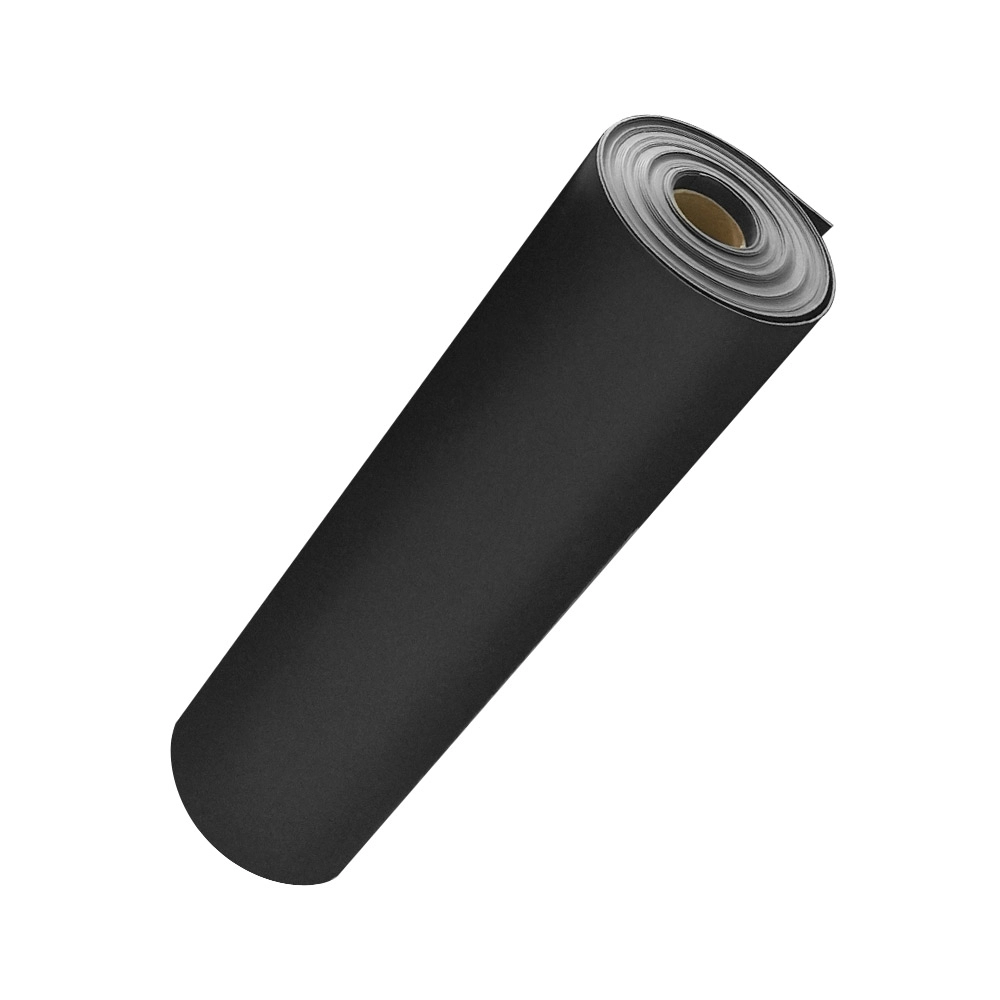
Mass Loaded Vinyl
ASLONG Mass Loaded Vinyl for sale. Reduce noise pollution effectively with our high-quality, mass-loaded vinyl. Ideal for soundproofing walls, floors, and more. Buy now and experience the difference!
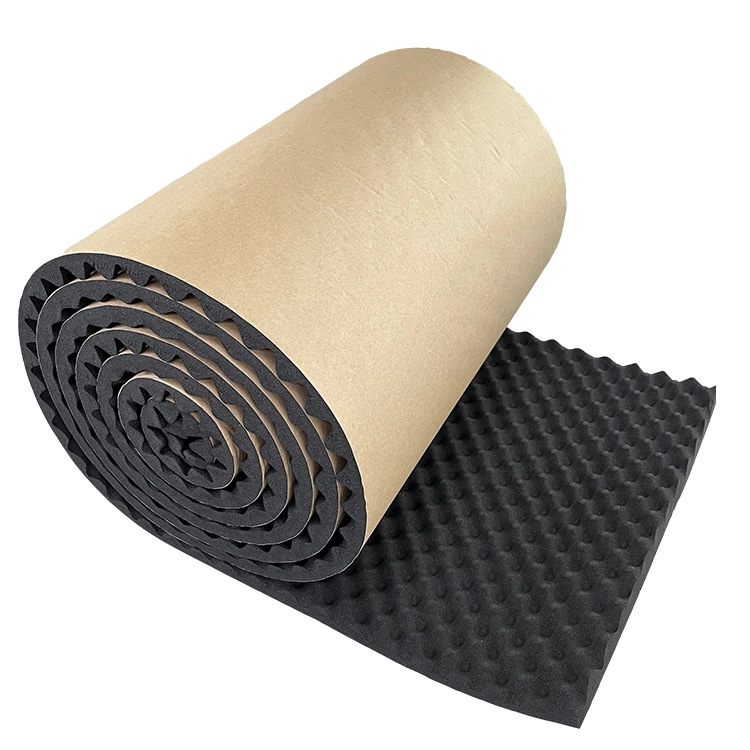
Egg Crate Foam
ASLONG Egg Crate Foam for sale. Lightweight, breathable, and comfortable, our egg crate foam provides superior support and pressure relief. Perfect for mattresses, cushions, cars, construction industry, KTV, factories, etc.
NBR Foam
ASLONG NBR Foam: Wholesale NBR foam solutions for diverse applications. High-quality, durable, and competitively priced. Contact us today for bulk orders.
Professional support at any time
If you have any comments or good suggestions, please leave us a message; later our professional staff will contact you as soon as possible.
© 2026 ASLONG All Rights Reserved. Privacy Policy | Terms and Conditions | Sitemap

 It would be pleasure to receive from you.
Whatsapp: +8613242879341
ASLONG Global
ASLONG
Aslong_global