

Tips for buy sound deadening material
- Essential Tips for Buying Sound Deadening Material
- Understanding the Types of Sound Deadening Material
- Identify Your Specific Soundproofing Needs
- Consider Material Performance Metrics
- Assess Installation Methods and Flexibility
- Prioritize Environmental and Health Safety
- Evaluate Longevity and Durability
- Compare Costs and Value Beyond Price
- Choose a Trusted Supplier with Proven Expertise
- Request Samples and Technical Documentation
- Conclusion
- Common Questions about Sound Deadening Material
Essential Tips for Buying Sound Deadening Material
As noise pollution becomes an increasing concern globally, the demand for effective sound deadening material continues to grow across multiple industries. Whether you are aiming to improve acoustic comfort at home, reduce vehicle noise, or enhance industrial environments, choosing the right sound deadening material is crucial for achieving the best results. In this comprehensive guide, we will share practical tips to help you make informed purchasing decisions and ensure optimal sound insulation performance.
Understanding the Types of Sound Deadening Material
Sound deadening materials come in various forms, each designed for specific applications and noise reduction mechanisms. Common types include Butyl Rubber Sound Damping Mats, Mass Loaded Vinyl (MLV), NBR foam, and Sound White Cotton. For instance, Butyl Rubber mats are widely used in automotive and industrial sectors due to their excellent vibration damping and durability, while Mass Loaded Vinyl is preferred for its high density and ability to block airborne noise. Knowing the material types will help you match product characteristics with your soundproofing needs.
Identify Your Specific Soundproofing Needs
Before purchasing sound deadening material, clearly identify the sources and nature of the noise you want to mitigate. Is it airborne noise like voices or music, or structural noise such as vibrations from machinery or traffic? For example, environments with heavy vibrations require shock-absorbing materials, whereas rooms facing loud external noise need dense, mass-loaded barriers. This targeted approach helps you select products that effectively address your specific sound challenges.
Consider Material Performance Metrics
When evaluating sound deadening materials, pay close attention to key performance indicators such as Noise Reduction Coefficient (NRC), Sound Transmission Class (STC), and density. Products with higher STC ratings provide better sound blocking between spaces, while a higher NRC means better sound absorption within rooms. For example, Mass Loaded Vinyl often has STC ratings above 26-32, making it ideal for walls and ceilings. Understanding these metrics enables you to compare products scientifically and choose the best solution.
Assess Installation Methods and Flexibility
Ease of installation is vital to maximizing the benefits of sound deadening material. Some materials come as self-adhesive mats, like Butyl Rubber sheets, which can be applied directly to metal surfaces in vehicles or machinery. Others, such as NBR foam or Sound White Cotton, may require mechanical fixing or additional adhesives. Consider whether you need a material that can be easily customized, cut to size, or layered for enhanced effect. This will save installation time and reduce labor costs.
Prioritize Environmental and Health Safety
With increasing environmental awareness, it's important to choose sound deadening materials that are eco-friendly and safe for indoor air quality. Many advanced products from reliable manufacturers like ASLONG are designed with low VOC emissions and recyclable components. Avoid materials containing harmful chemicals such as asbestos or formaldehyde, which can pose health risks. Choosing certified products ensures compliance with international environmental standards and contributes to sustainable building practices.
Evaluate Longevity and Durability
Investing in high-quality sound deadening material offers long-term value by maintaining performance over time and resisting wear and tear. Consider factors like moisture resistance, temperature tolerance, and mechanical strength. For example, Butyl Rubber Sound Damping Mats are favored for their excellent adhesion and stability in harsh automotive conditions, while Mass Loaded Vinyl maintains density without sagging or cracking. Selecting durable materials reduces the need for frequent replacements and provides sustained noise control.
Compare Costs and Value Beyond Price
While budget is always a consideration, avoid compromising on quality by solely focusing on the lowest price. Calculate the cost-effectiveness by factoring in material performance, installation expenses, and maintenance requirements. High Quality products may have higher upfront costs but deliver superior soundproofing, easier installation, and longer lifespan. ASLONG offers a variety of competitively priced options backed by technical expertise and international certifications, ensuring excellent value for money.
Choose a Trusted Supplier with Proven Expertise
Partnering with a reputable manufacturer or supplier guarantees not just quality products but also reliable technical support and after-sales service. ASLONG (Welllink Guangdong New Material Co., Ltd.) has over two decades of industry experience, specializing in acoustic, sound insulation, and shock absorption materials. Their products serve diverse sectors including construction, automotive, industrial, and entertainment globally. Selecting recognized companies helps mitigate risks and secures access to customized solutions when needed.
Request Samples and Technical Documentation
Before committing to large orders, ask your supplier for samples to test the material’s suitability in your environment. Request datasheets, installation guides, and certifications that verify sound insulation performance and safety compliance. Real-world testing can reveal practical installation challenges or acoustic effectiveness, allowing informed decisions and avoiding costly mistakes.
Conclusion
Buying the right sound deadening material involves understanding your noise control requirements, analyzing product types and performance metrics, assessing installation and environmental factors, and choosing durable, cost-effective solutions from trusted manufacturers. By following these tips, you can create quieter, more comfortable spaces while benefiting from efficient soundproofing technology. ASLONG remains committed to providing high-performance sound deadening products worldwide, helping customers achieve superior noise reduction in every project.
Common Questions about Sound Deadening Material
What is the difference between sound deadening and sound insulation materials?
Sound deadening materials primarily reduce vibrations and mechanical noise by absorbing or damping sound energy, whereas sound insulation materials block airborne noise transmission through walls, ceilings, or floors. Often, these materials are combined for comprehensive soundproofing.
How thick should sound deadening material be for effective noise reduction?
The required thickness depends on the material type and application. For example, Mass Loaded Vinyl sheets typically range from 1.5mm to 5mm, while foam materials vary more widely. Thicker or layered materials generally offer better sound attenuation but may involve higher costs and installation space.
Are there eco-friendly sound deadening materials available?
Yes, many manufacturers provide sound deadening materials with low VOC emissions and recyclable components. ASLONG’s product lines include environmentally responsible options certified for indoor air quality and sustainability.
Can I install sound deadening materials myself?
Some materials, like self-adhesive Butyl Rubber mats, can be DIY installed with proper surface preparation. However, complex projects may require professional installation to ensure maximum effectiveness and compliance with building codes.
How long do sound deadening materials typically last?
High-quality sound deadening materials can last 10 years or more under normal conditions. Durability depends on environmental exposure, installation quality, and material composition.
The B2B Buyer’s Guide to fireproof sound absorbing cotton | ASLONG Ultimate Insights
Best professional car soundproofing material manufacturers and supplier brands
How to manufacturing acoustic panel material
Top thermal and acoustic insulation materials for vehicles
FAQs
What industries are the products provided by ASLONG suitable for?
ASLONG's products are suitable for multiple industries, including air conditioning and HVAC, construction and waterproofing, automobiles and transportation, home appliances and electronics, industrial equipment and machinery, etc. We provide customized solutions for each industry to meet different needs.
What specific functions can ASLONG's products provide?
Our products cover functions such as insulation, sound insulation, shock absorption, waterproofing and sealing, and are widely used in improving energy efficiency, reducing noise, controlling vibration, protecting equipment, etc., helping customers optimize engineering effects and improve user experience.
Do ASLONG's products meet environmental protection standards?
Yes, all ASLONG products comply with ISO14001 environmental management system certification and global environmental protection standards. We use environmentally friendly materials and are committed to providing sustainable solutions to help customers achieve green development goals.
How to customize products that meet the needs of my industry?
You only need to contact our sales or technical team, we will conduct an in-depth analysis based on your industry needs and provide tailor-made products and solutions. We guarantee to provide you with efficient and accurate services to meet your personalized requirements.
Does ASLONG provide after-sales service?
Yes, we provide a full range of after-sales services, including technical support, installation guidance, product maintenance and quality tracking, etc., to ensure that each project goes smoothly and continues to perform at its best.
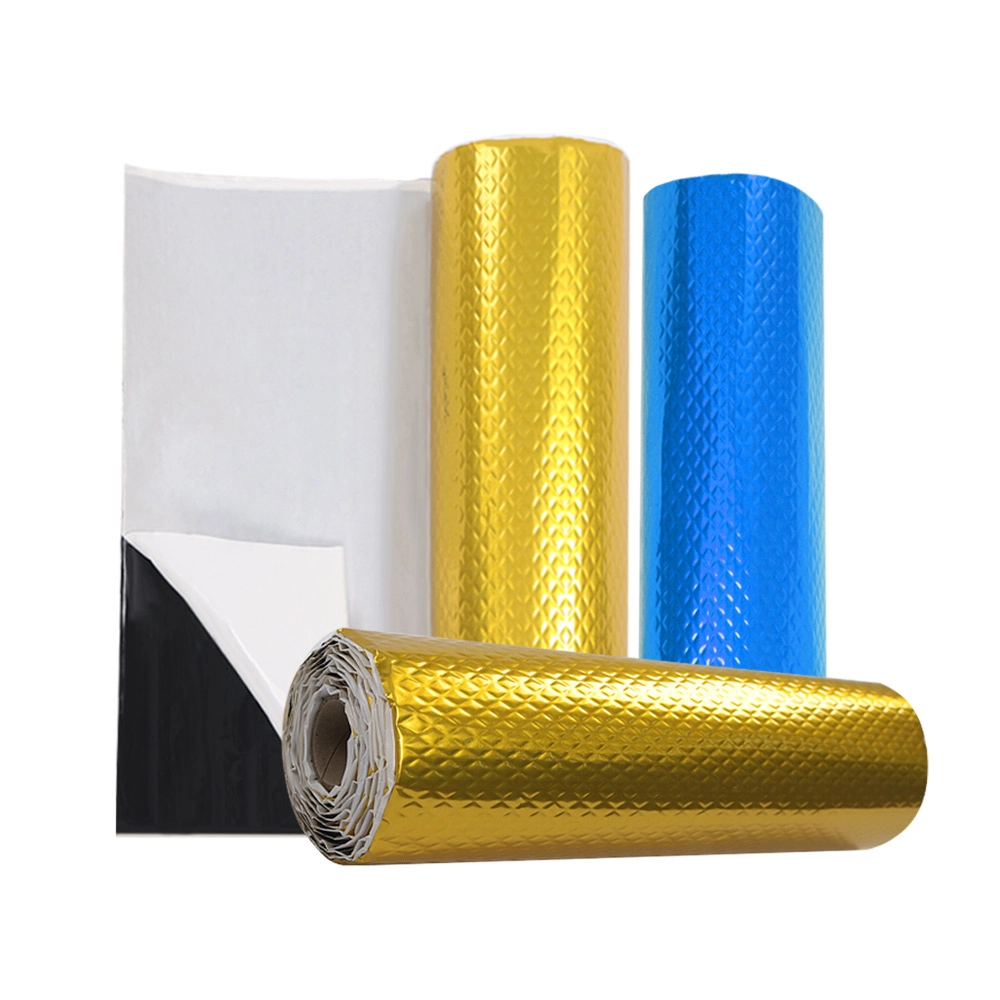
Butyl Rubber Sound Damping Mat
ASLONG Butyl Rubber Sound Damping Mat for sale. Effectively reduces noise and vibrations. High-quality butyl rubber ensures superior performance and durability. Ideal for automotive, industrial, and home applications.
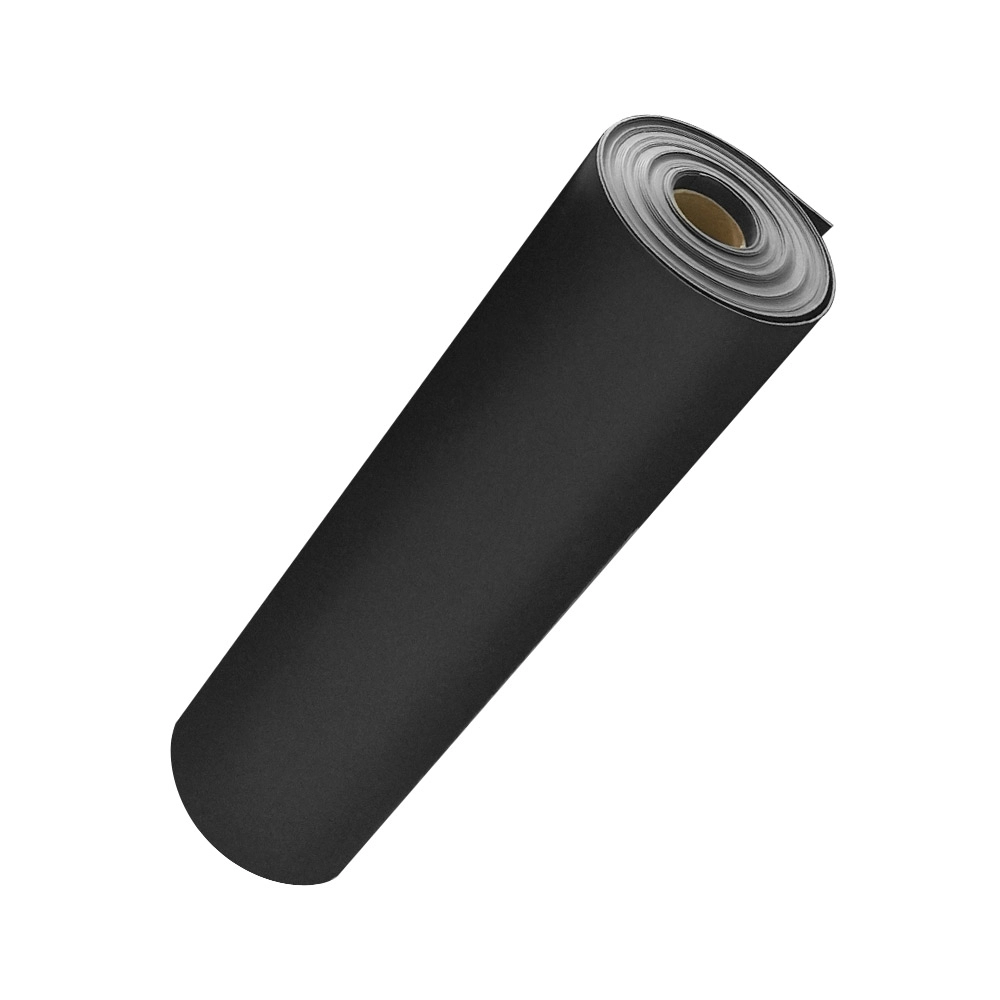
Mass Loaded Vinyl
ASLONG Mass Loaded Vinyl for sale. Reduce noise pollution effectively with our high-quality, mass-loaded vinyl. Ideal for soundproofing walls, floors, and more. Buy now and experience the difference!
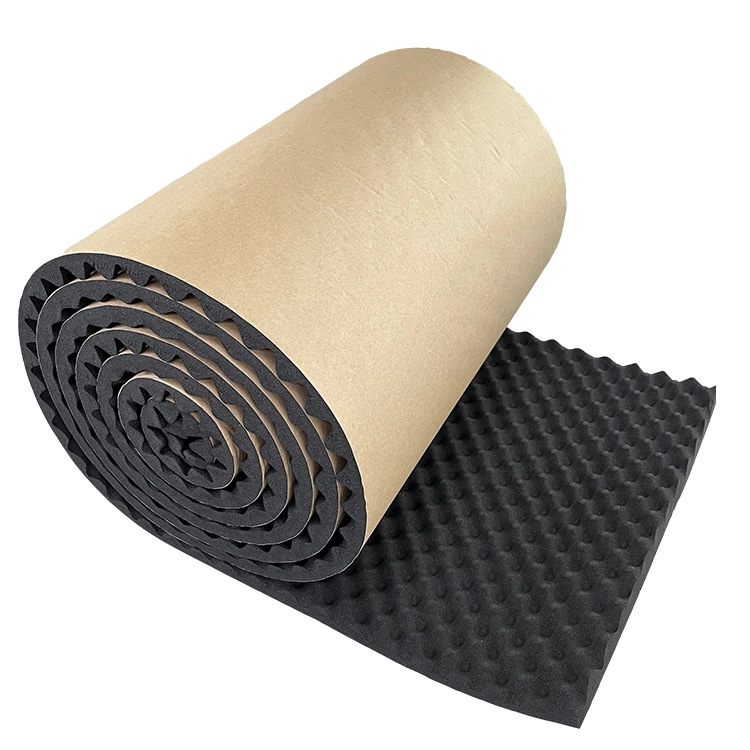
Egg Crate Foam
ASLONG Egg Crate Foam for sale. Lightweight, breathable, and comfortable, our egg crate foam provides superior support and pressure relief. Perfect for mattresses, cushions, cars, construction industry, KTV, factories, etc.
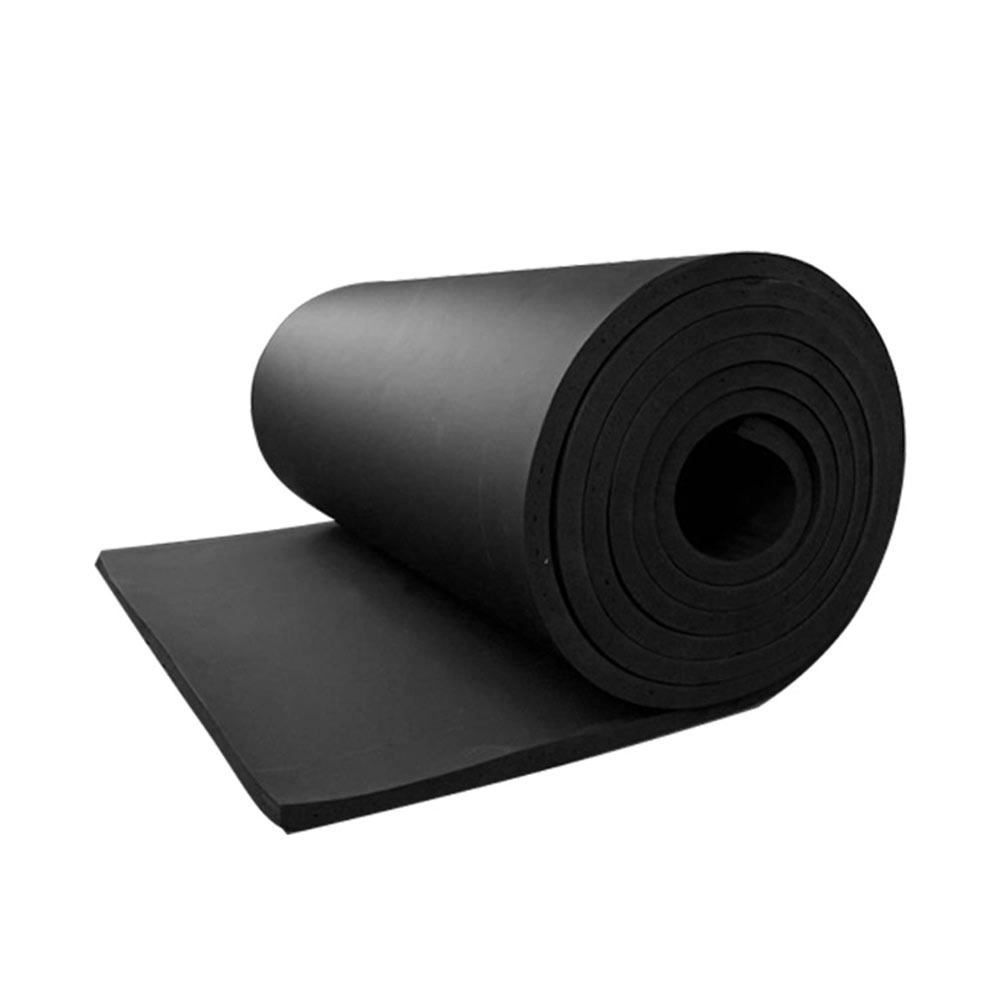
NBR Foam
ASLONG NBR Foam: Wholesale NBR foam solutions for diverse applications. High-quality, durable, and competitively priced. Contact us today for bulk orders.
Professional support at any time
If you have any comments or good suggestions, please leave us a message; later our professional staff will contact you as soon as possible.
© 2026 ASLONG All Rights Reserved. Privacy Policy | Terms and Conditions | Sitemap

 It would be pleasure to receive from you.
Whatsapp: +8613242879341
ASLONG Global
ASLONG
Aslong_global