

Comparing NBR Foam Grades for Acoustic and Vibration Control
- Comparing NBR Foam Grades for Acoustic and Vibration Control
- Why choose NBR foam for sound and vibration problems?
- Product highlight: Multi layer Composite NBR foam
- Core material properties that determine acoustic and vibration performance
- Typical NBR foam grades and where they excel
- How to read the table
- Acoustic performance: absorption vs transmission loss
- Vibration control: isolation, damping, and resonance management
- Environmental and durability factors
- Testing standards and measurement methods
- Selection guide: choosing the right NBR foam grade
- Practical design tips and installation best practices
- Direct comparison: performance trade-offs
- Why Multi layer Composite NBR foam may be the best single-component solution
- Cost considerations and life-cycle value
- Case studies and typical applications
- Brand advantage: Why choose ASLONG's Multi layer Composite NBR foam
- Frequently Asked Questions (FAQ)
- Q: What is the difference between nbr foam and standard nitrile rubber sheet?
- Q: Can I use a single NBR foam grade for both sound absorption and vibration isolation?
- Q: How do I determine the correct thickness of nbr foam for low-frequency noise?
- Q: Is NBR foam resistant to oil and fuels?
- Q: How should NBR foam be bonded to metal or plastic surfaces?
- Q: Where can I get test data for NBR foam performance?
- Next steps — prototyping, testing, and procurement
- Contact and product access
- References and authoritative resources

Comparing NBR Foam Grades for Acoustic and Vibration Control
Why choose NBR foam for sound and vibration problems?
Nitrile butadiene rubber (NBR) foam — commonly referenced as nbr foam — is widely used for acoustic and vibration control because it combines good mechanical damping, oil and fuel resistance, and tunable mechanical properties. Whether the requirement is airborne noise absorption, structure-borne vibration isolation, or sealing and gasketing in harsh environments, different NBR foam grades provide distinct advantages. This article helps engineers, specifiers, and procurement teams compare grades and select the best NBR foam for their application. Once you know the right grade, you should perform a cost-benefit analysis of multi layer composite NBR foam solutions. Balancing price with performance ensures you maximize return on investment while maintaining high-quality acoustic solutions.
Product highlight: Multi layer Composite NBR foam
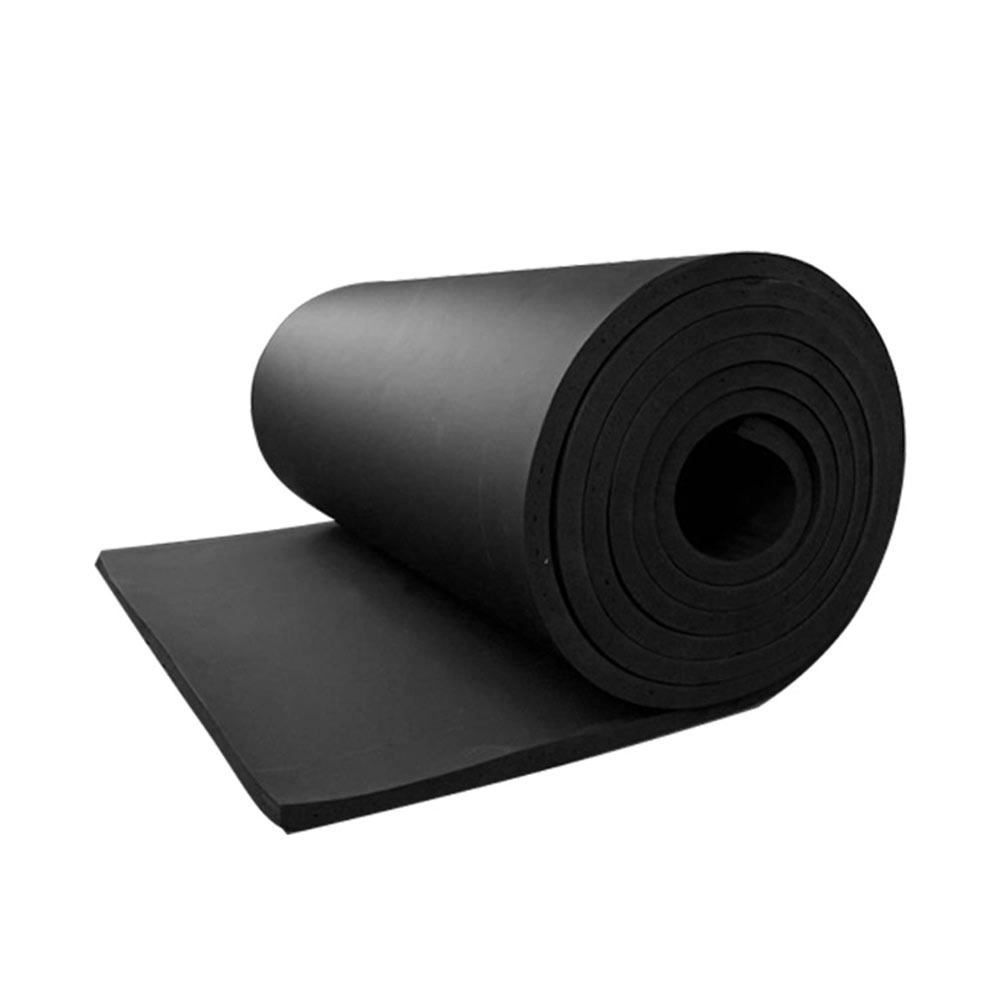
ASLONG's multi-layer composite NBR foam is your High Quality choice for superior cushioning and durability. Ideal for diverse applications, this high-quality NBR foam is available for sale now. Contact us for bulk orders.
Core material properties that determine acoustic and vibration performance
NBR foam performance depends on several measurable properties. When evaluating nbr foam, consider the following:
- Density (kg/m3): Higher density often increases mass and transmission loss for airborne noise but can reduce sound absorption at certain frequencies.
- Closed-cell vs open-cell structure: Closed-cell foams offer better sealing, moisture resistance, and isolation; open-cell foams provide improved sound absorption.
- Hardness (Shore A): Indicates stiffness. Softer foams (lower Shore A) are better at damping low-frequency vibrations, while firmer foams support higher loads and reduce resonance displacement.
- Compression set and fatigue life: Lower compression set means the foam maintains isolation performance over time.
- Dynamic stiffness and loss-factor: Key to vibration isolation—the higher the loss factor at the target frequency, the better the damping.
- Temperature and chemical resistance: NBR shows good oil and fuel resistance, making it suitable for automotive and industrial environments.
- These parameters are used together to match a foam grade to an acoustic or vibration problem.
Typical NBR foam grades and where they excel
Manufacturers provide a range of NBR foam grades. The simplified categories below help translate lab data to practical selection choices. The following table summarizes common grade categories and recommended uses.
| Grade | Density (kg/m³) | Shore A | Cell Structure | Primary Benefits | Typical Applications |
|---|---|---|---|---|---|
| Soft/open-cell | 40–120 | 10–30 | Open | High sound absorption, lightweight, flexible | Interior acoustics, HVAC cavities, speaker enclosures |
| Medium-density | 120–240 | 25–55 | Closed or semi-closed | Balanced absorption/isolation, better durability | Automotive seals, machinery anti-vibration pads |
| High-density/firm | >240 | 55–80+ | Closed | High load-bearing, improved airborne transmission loss | Structural isolation layers, heavy equipment mounts |
| Multi-layer composite | Varies (layered) | Varies | Layered open/closed | Combines absorption, isolation and sealing in one product | Complex assemblies, automotive dash, machinery housings |
How to read the table
For airborne noise control, higher density or multi-layer systems that include a heavy layer (increased mass) will generally improve transmission loss. For structure-borne vibration, the dynamic stiffness and loss-factor of the foam at operational frequencies determine isolation efficiency. Multi layer Composite NBR foam lets you tailor layers—soft absorbing faces with firmer core isolation—achieving both goals in constrained spaces.
Acoustic performance: absorption vs transmission loss
Acoustic control involves two different objectives: absorbing incident sound (sound absorption) and blocking sound passage (transmission loss). NBR foam can be engineered for either objective:
- Sound absorption: Open-cell, lower-density NBR foams trap and dissipate sound energy. Effective especially at mid-high frequencies; thickness and porosity govern low-frequency performance.
- Transmission loss (sound blocking): Higher mass and closed-cell structure increase sound transmission loss. Multi-layer composites that combine dense layers with resilient layers provide superior broadband blocking.
Design tip: If you need both absorption and blocking in a thin package, choose a multi-layer composite solution (e.g., ASLONG's Multi layer Composite NBR foam) that pairs an absorbing face layer with a denser barrier core.
Vibration control: isolation, damping, and resonance management
For vibration control, the objectives are to isolate the source from its supports and to dampen resonant motion. Key considerations when selecting nbr foam:
- Natural frequency: To isolate effectively, the isolator's natural frequency should be significantly lower than the excitation frequency. Softer (lower stiffness) foam reduces natural frequency but may increase deflection under load.
- Static deflection: Ensure the foam supports expected static loads without bottoming out; multi-layer cores can provide progressive stiffness.
- Damping behavior: Loss factor vs frequency indicates how well the foam dissipates vibratory energy. NBR generally offers good damping compared to purely elastic polymers.
Application example: For an industrial motor running at 1,800 RPM (30 Hz), choose an NBR foam isolator with a natural frequency below ~6–10 Hz to achieve meaningful isolation. Multi-layer options help meet load and displacement limits while retaining damping.
Environmental and durability factors
Beyond pure acoustic and vibration metrics, real-world applications require resistance to temperature, oils, UV, and compression set. NBR foam is prized for oil and fuel resistance; however, its usable temperature range and long-term compression properties vary by formulation and cell structure.
- Temperature: Typical NBR formulations perform well from approximately -40°C to +100°C depending on additives. Check grade datasheets for extremes.
- Oil/chemical exposure: NBR resists many oils and fuels—preferable for engine and transmission mounts.
- Compression set and creep: Closed-cell, higher resilience foams maintain thickness and isolation longer under static load. Multi-layer composites can improve lifecycle performance.
Testing standards and measurement methods
When specifying nbr foam for critical applications, reference industry test methods to compare grades objectively. Common standards include:
- ISO 10140 / ISO 717: Methods for measuring and rating sound insulation in buildings (airborne sound transmission).
- ASTM E90: Laboratory measurement of airborne sound transmission loss.
- ASTM D575 / D395: Compression set and compression properties of rubber materials.
- IS0/ASTM dynamic mechanical analysis (DMA): To measure storage modulus, loss modulus, and damping across frequency and temperature.
Always request laboratory test data for the frequency range and environmental conditions relevant to your project.
Selection guide: choosing the right NBR foam grade
Follow these steps to choose the optimal nbr foam grade:
- Define the dominant problem: airborne noise, structure-borne vibration, sealing, or a combination.
- Identify the frequency range of concern and the static load/space constraints.
- Prioritize environmental needs: oil exposure, temperature extremes, or humidity.
- Match density and stiffness: softer/open-cell for absorption, denser/closed-cell for blocking and load-bearing.
- Consider a multi-layer composite for combined requirements—absorption + isolation + sealing in one part.
- Request lab data (transmission loss curves, loss-factor, compression set) and prototype test in target assembly.
Practical design tips and installation best practices
Small design choices influence long-term performance:
- Bonding: Use adhesives compatible with NBR. Proper adhesion prevents gaps that compromise isolation.
- Edge sealing: For open-cell products in humid or oily environments, consider facing or lamination to prevent contamination.
- Layering and spacing: Use resilient layers to decouple heavy panels; add mass-loaded vinyl or metalized films where transmission loss is critical.
- Preload and compression: Design for recommended static deflection; avoid over-compressing foam during assembly.
- Prototyping: Always test in-situ; lab results are a guide but installation details change performance.
Direct comparison: performance trade-offs
The following table contrasts key performance trade-offs when choosing between soft/open-cell, medium, high-density, and multi-layer composite NBR foam for acoustic and vibration control.
| Performance Aspect | Soft / Open-cell | Medium-density | High-density / Firm | Multi-layer Composite |
|---|---|---|---|---|
| Sound absorption | Excellent at mid-high frequencies | Good | Fair | Good to excellent (with absorbing face) |
| Sound blocking (transmission loss) | Poor | Moderate | Good | Excellent (layered mass + resilient layer) |
| Vibration isolation | Very good for light loads | Good | Moderate (higher stiffness) | Tailorable (best balance) |
| Durability and compression set | Lower | Moderate | High | High (engineered layers) |
| Resistance to oils/chemicals | Good (depending on formulation) | Good | Good | Good to excellent |
| Space efficiency | Low (thicker required for low freq) | Moderate | High (better TL per mm) | High (optimized layers) |
Why Multi layer Composite NBR foam may be the best single-component solution
Multi layer Composite NBR foam combines functional layers—soft, porous face layers for absorption; resilient intermediate layers for damping; and dense layers for mass and blocking. This engineered approach is particularly advantageous when space is limited or when a single product must meet multiple performance targets (e.g., under-hood acoustic packages in vehicles, equipment enclosures, and modular building panels).
ASLONG's Multi layer Composite NBR foam provides a factory-optimized balance of these layers, simplifying installation and minimizing assembly time. For procurement teams, buying a multi-layer composite reduces the need for multiple suppliers and custom lamination steps.
Cost considerations and life-cycle value
While higher-density and multi-layer products are costlier per unit volume, total life-cycle cost often favors them due to improved durability, lower maintenance, and fewer replacement cycles. Evaluate total installed cost including bonding labor, downtime, and expected service life rather than unit price alone.
Case studies and typical applications
Examples where nbr foam grades are applied effectively:
- Automotive: Dashboard and door panel acoustic packages use multi-layer composites for engine and road noise control while providing moisture and oil resistance.
- Industrial machinery: Vibration pads and mounts made from medium to high-density NBR foam isolate pumps and compressors.
- HVAC: Soft/open-cell NBR foam used inside ducts and plenums for absorption of fan noise.
- Building envelopes: NBR foam gaskets and seals prevent air leakage and help reduce sound transmission through partitions.
Brand advantage: Why choose ASLONG's Multi layer Composite NBR foam
ASLONG's product line emphasizes tested performance, consistency, and supply-chain reliability. Key brand advantages include:
- Pre-engineered layers that meet common acoustic and vibration specifications, minimizing design iterations.
- Durable NBR formulations optimized for oil and temperature resistance, extending service life in demanding environments.
- Available for bulk orders—supporting OEM scale production and repeatable quality.
- Technical support for prototyping and in-situ performance testing.
Contact ASLONG for technical datasheets, CAD files, and certified test reports to validate performance in your specific use case.
Frequently Asked Questions (FAQ)
Q: What is the difference between nbr foam and standard nitrile rubber sheet?
A: nbr foam is a cellular (foamed) form of nitrile rubber. It provides compressibility, resilience, and acoustic damping that solid nitrile sheets do not. Solid nitrile excels at sealing and barrier properties where foam's porosity is not desired.
Q: Can I use a single NBR foam grade for both sound absorption and vibration isolation?
A: A single-grade can sometimes work, but it is often a compromise. Multi-layer composite NBR foam is specifically designed to combine absorption, damping, and blocking in one component and is therefore a better single-product solution.
Q: How do I determine the correct thickness of nbr foam for low-frequency noise?
A: Low-frequency sound requires larger thickness or tuned multi-layer solutions. Use mass-spring resonance calculations and consult lab absorption coefficients. Prototyping in the target enclosure is strongly recommended.
Q: Is NBR foam resistant to oil and fuels?
A: Yes—NBR chemistry provides good resistance to many oils and fuels. Verify the compatibility with specific fluids and temperatures in the technical datasheet.
Q: How should NBR foam be bonded to metal or plastic surfaces?
A: Use adhesives recommended by the foam supplier that are tested for peel strength and environmental resistance. Proper surface preparation (cleaning, priming where needed) ensures long-term adhesion.
Q: Where can I get test data for NBR foam performance?
A: Request datasheets and certified test reports from the supplier. Look for ISO or ASTM test references such as ISO 10140 or ASTM E90 for airborne performance and DMA data for damping characteristics.
Next steps — prototyping, testing, and procurement
To move from selection to deployment:
- Specify the target frequencies, load, environmental conditions, and space constraints.
- Request ASLONG's Multi layer Composite NBR foam samples and technical datasheets.
- Run in-situ tests for transmission loss and vibration isolation in the intended assembly.
- Select final grade and confirm adhesive and installation details for production.
Contact and product access
ASLONG's Multi layer Composite NBR foam is available for sale. For bulk orders, technical datasheets, pricing, and samples, please contact our sales team. Request a quote, CAD files, and test reports to accelerate your validation and production schedule.
References and authoritative resources
- Wikipedia — Nitrile rubber (NBR): https://en.wikipedia.org/wiki/Nitrile_rubber
- International Organization for Standardization (ISO) — Acoustic standards overview: https://www.iso.org/ics/17.140.99/x/
- ASTM International — Testing standards listings: https://www.astm.org/Standards
- Acoustical Society of America (ASA): https://acousticalsociety.org/
- Sound & Vibration Magazine — practical articles on vibration isolation: https://www.soundandvibration.com/
For further assistance selecting the right nbr foam grade or to request Multi layer Composite NBR foam samples and bulk pricing, please contact ASLONG's sales team via our website or sales channels.
Wholesale fireproof sound absorbing cotton manufacturer and supplier
How to Install Car Sound Deadening Material 2026: DIY Guide
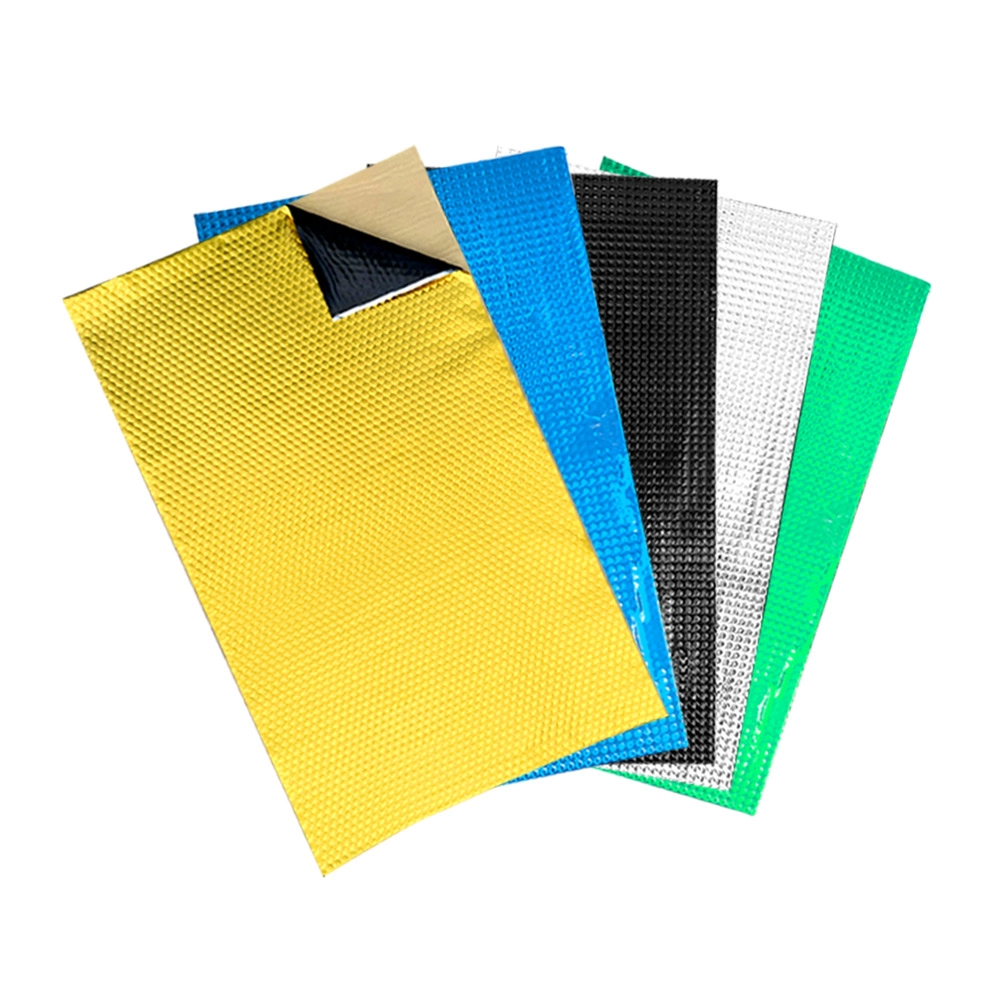
Installation tips for maximum performance of Butyl Rubber Sound Mat
Designing Acoustic Partitions with Mass Loaded Vinyl Sheets
FAQs
Does ASLONG provide after-sales service?
Yes, we provide a full range of after-sales services, including technical support, installation guidance, product maintenance and quality tracking, etc., to ensure that each project goes smoothly and continues to perform at its best.
What specific functions can ASLONG's products provide?
Our products cover functions such as insulation, sound insulation, shock absorption, waterproofing and sealing, and are widely used in improving energy efficiency, reducing noise, controlling vibration, protecting equipment, etc., helping customers optimize engineering effects and improve user experience.
How to customize products that meet the needs of my industry?
You only need to contact our sales or technical team, we will conduct an in-depth analysis based on your industry needs and provide tailor-made products and solutions. We guarantee to provide you with efficient and accurate services to meet your personalized requirements.
What industries are the products provided by ASLONG suitable for?
ASLONG's products are suitable for multiple industries, including air conditioning and HVAC, construction and waterproofing, automobiles and transportation, home appliances and electronics, industrial equipment and machinery, etc. We provide customized solutions for each industry to meet different needs.
Do ASLONG's products meet environmental protection standards?
Yes, all ASLONG products comply with ISO14001 environmental management system certification and global environmental protection standards. We use environmentally friendly materials and are committed to providing sustainable solutions to help customers achieve green development goals.
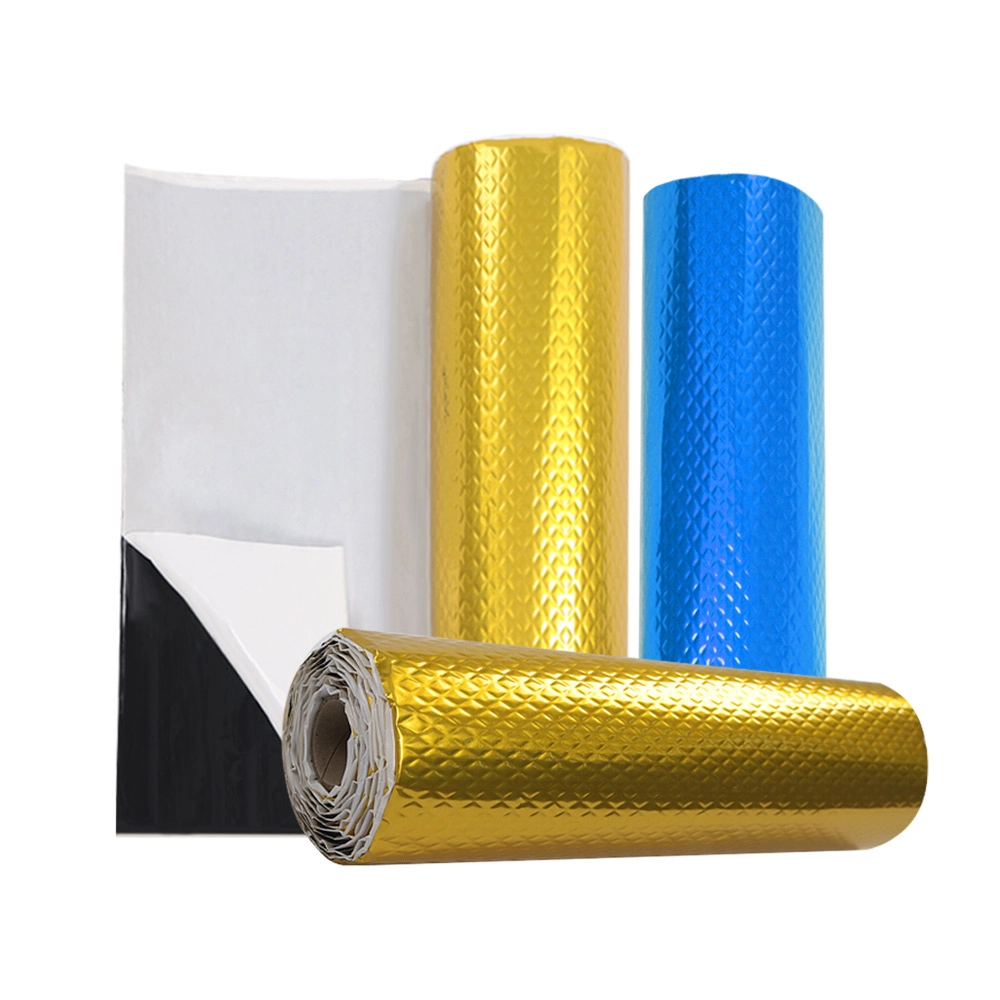
Butyl Rubber Sound Damping Mat
ASLONG Butyl Rubber Sound Damping Mat for sale. Effectively reduces noise and vibrations. High-quality butyl rubber ensures superior performance and durability. Ideal for automotive, industrial, and home applications.
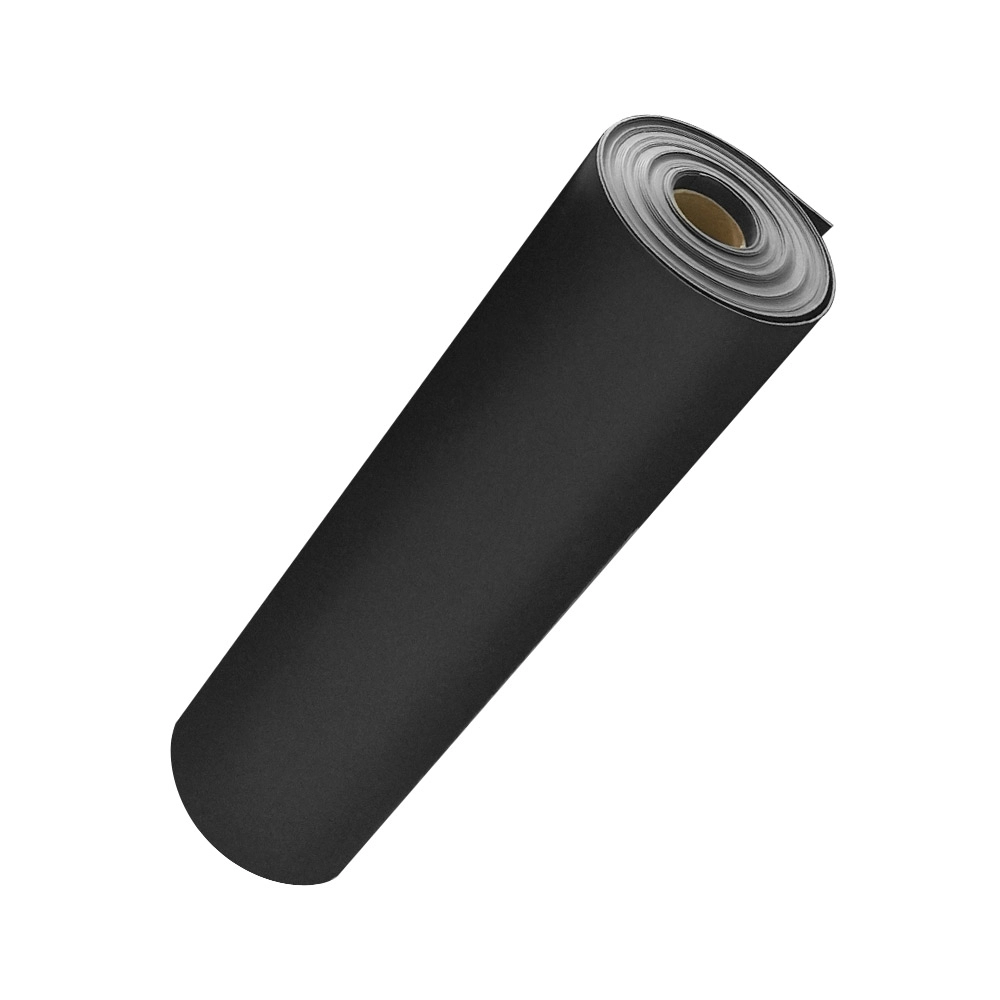
Mass Loaded Vinyl
ASLONG Mass Loaded Vinyl for sale. Reduce noise pollution effectively with our high-quality, mass-loaded vinyl. Ideal for soundproofing walls, floors, and more. Buy now and experience the difference!
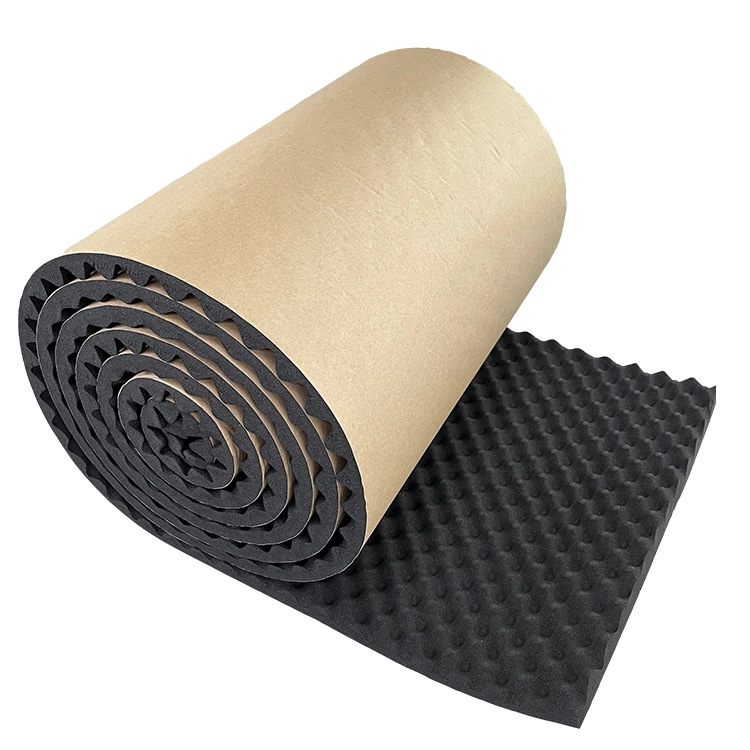
Egg Crate Foam
ASLONG Egg Crate Foam for sale. Lightweight, breathable, and comfortable, our egg crate foam provides superior support and pressure relief. Perfect for mattresses, cushions, cars, construction industry, KTV, factories, etc.
NBR Foam
ASLONG NBR Foam: Wholesale NBR foam solutions for diverse applications. High-quality, durable, and competitively priced. Contact us today for bulk orders.
Professional support at any time
If you have any comments or good suggestions, please leave us a message; later our professional staff will contact you as soon as possible.
© 2026 ASLONG All Rights Reserved. Privacy Policy | Terms and Conditions | Sitemap

 It would be pleasure to receive from you.
Whatsapp: +8613242879341
ASLONG Global
ASLONG
Aslong_global