

Cost-Benefit Analysis of Multi layer Composite NBR Foam Solutions
- Cost-Benefit Analysis of Multi layer Composite NBR Foam Solutions
- Overview of nbr foam and Multi layer Composite NBR foam
- Key material benefits of nbr foam relevant to cost-benefit decisions
- Cost components for Multi layer Composite NBR foam solutions
- 1. Raw material and compound formulation
- 2. Manufacturing and layering processes
- 3. Tooling, cutting and finishing
- 4. Testing, certification and quality control
- 5. Logistics, packaging and installation
- Benefits and cost offsets delivered by Multi layer Composite NBR foam
- Direct comparison: Multi layer Composite NBR foam versus single-layer NBR and alternative materials
- Lifecycle cost example and ROI calculation
- How to calculate your own project ROI
- Engineering considerations that change the cost-benefit outcome
- Layer selection, thickness and density
- Cell structure and closed-cell versus open-cell
- Adhesive systems and bonding reliability
- Standards, testing and performance verification
- Environmental, regulatory and disposal considerations
- End-of-life and circularity options
- ASLONG's Multi layer Composite NBR foam: product strengths and business advantages
- Practical recommendations for buyers evaluating Multi layer Composite NBR foam
- Frequently Asked Questions (FAQ) about Multi layer Composite NBR foam and cost-benefit
- Q1: How much more does Multi layer Composite NBR foam cost compared to single-layer NBR foam?
- Q2: Will Multi layer Composite NBR foam reduce maintenance and downtime?
- Q3: Can ASLONG manufacture custom layer stacks and shapes?
- Q4: What tests should I request from a supplier?
- Q5: Are there sustainability or recycling options for NBR foam?
- Contact sales and request samples
- Authoritative references and further reading

Cost-Benefit Analysis of Multi layer Composite NBR Foam Solutions
Overview of nbr foam and Multi layer Composite NBR foam
ASLONG's multi-layer composite NBR foam is your High Quality choice for superior cushioning and durability. Ideal for diverse applications, this high-quality NBR foam is available for sale now. Contact us for bulk orders.
Nitrile butadiene rubber foam, commonly called nbr foam, combines flexibility, oil resistance and good mechanical properties. When engineered as a multi layer composite, layers of different densities, cell structures and thicknesses are laminated to create a product that is tuned for multiple performance targets simultaneously, such as impact absorption, compression recovery, thermal insulation and sealing. This article delivers a practical cost-benefit analysis that helps engineers, procurement managers and product designers decide when Multi layer Composite NBR foam makes financial and technical sense. After evaluating costs, it’s important to consider logistics. Understanding lead time and supply reliability for NBR foam manufacturers helps ensure timely delivery and avoids project delays, especially in large-scale industrial applications.
Key material benefits of nbr foam relevant to cost-benefit decisions
Understanding the intrinsic properties of nbr foam is the first step in evaluating cost effectiveness. Key benefits that influence lifecycle costs include:
- Oil and fuel resistance that reduces degradation in harsh environments, extending service life.
- Good compression set performance which minimizes the need for frequent replacements in sealing and gasket applications.
- Wide operating temperature range for many industrial uses, reducing environmental failure risks.
- Customizable density and cell structure via multilayer construction to concentrate material where it provides the most value.
Cost components for Multi layer Composite NBR foam solutions
When budgeting for a Multi layer Composite NBR foam solution, consider these cost components. Each has direct impact on final procurement price and lifecycle cost.
1. Raw material and compound formulation
Base NBR polymer cost varies with acrylonitrile content and oil fillers. Specialty compounding for fire retardance, lower VOC or improved aging will increase material cost but can yield savings via longer life or regulatory compliance.
2. Manufacturing and layering processes
Multi layer products require lamination, co-extrusion or adhesive bonding. Complexity rises with the number of layers and precision tolerances. Higher processing cost can be justified if layers significantly improve performance where needed.
3. Tooling, cutting and finishing
Die cutting, CNC routing, and bonding add per-part costs that are amortized over order volume. For custom geometries, tooling may be a non-trivial upfront cost.
4. Testing, certification and quality control
Industry or customer-specific testing (compression set, tensile strength, flammability) increases project cost but reduces warranty and failure costs downstream.
5. Logistics, packaging and installation
Finished foam is lightweight but can be bulky. Transportation and on-site installation labor should be included in total cost of ownership calculations.
Benefits and cost offsets delivered by Multi layer Composite NBR foam
Multi layer Composite NBR foam can produce quantifiable cost offsets that justify higher initial investment. These include:
- Extended service life and reduced replacement frequency
- Improved product performance that lowers warranty claims and downtime
- Better sealing and vibration control that reduces maintenance on mating parts
- Potential for lighter-weight designs compared with dense single-material solutions
Direct comparison: Multi layer Composite NBR foam versus single-layer NBR and alternative materials
Below is a practical comparison table summarizing key performance and cost dimensions. Values are representative ranges for common industrial applications and should be validated with supplier quotes and lab tests for a specific project.
| Metric | Multi layer Composite NBR foam | Single-layer NBR foam | EPDM foam | Polyurethane foam |
|---|---|---|---|---|
| Initial material cost | Medium to high | Low to medium | Low to medium | Low |
| Service life (typical) | High | Medium | Medium | Low to medium |
| Oil/chemical resistance | Excellent | Good | Poor | Poor to fair |
| Compression set | Low (optimized by layer) | Medium | Better at high temp | Variable |
| Customizability | High | Medium | Medium | High |
| Typical applications | Seals, gaskets, vibration pads, cushioning | Generic seals, pads | Weather seals | Cushioning, insulation |
Lifecycle cost example and ROI calculation
To make a procurement decision, calculate total cost of ownership (TCO) over a realistic time horizon, for example 5 or 10 years. Below is a simplified example for a sealing application comparing Multi layer Composite NBR foam to single-layer NBR foam over 10 years. Numbers are illustrative and should be replaced with actual quotes and field data.
| Item | Multi layer Composite NBR foam | Single-layer NBR foam |
|---|---|---|
| Initial purchase cost per unit | USD 12 | USD 8 |
| Expected service life | 10 years | 4 years |
| Replacements in 10 years | 1 | 3 |
| Total material cost over 10 years | USD 12 | USD 24 |
| Installation and downtime per replacement | USD 20 (one-time) | USD 20 x 3 = 60 |
| Total cost of ownership (material + installation) | USD 32 | USD 84 |
In this example, the higher initial cost of the Multi layer Composite NBR foam is offset by fewer replacements and lower downtime, producing substantial lifetime savings. Use TCO calculations like this with your actual costs for an accurate ROI assessment.
How to calculate your own project ROI
Step-by-step:
- Estimate initial costs per unit including installation.
- Estimate expected service life for your operating conditions.
- Estimate replacement costs and labor downtime per replacement.
- Compute total cost over target horizon (for example 5 or 10 years).
- Compare alternatives and compute net savings and payback period.
Engineering considerations that change the cost-benefit outcome
Layer selection, thickness and density
Multi layer Composite NBR foam allows designers to concentrate high-performance NBR where it matters and use lighter, less costly layers for bulk. For example, a thin dense NBR facing layer for sealing plus a thicker low-density cushion layer for impact control provides a balanced, cost-effective solution.
Cell structure and closed-cell versus open-cell
Closed-cell NBR foam has better moisture and fluid resistance and higher compressive strength, but it is more costly. Open-cell structures can be cheaper and softer but may degrade faster in wet or oil-exposed environments.
Adhesive systems and bonding reliability
Layer bonding must resist shear, temperature cycles and chemical exposure. Investing in matched adhesive systems reduces delamination risk and long-term warranty costs.
Standards, testing and performance verification
Reliable cost-benefit analysis depends on validated performance. Common tests and standards include:
- Compression set tests (for example ASTM D395)
- Tensile and elongation tests (for example ASTM D412)
- Density and specific gravity measurements (ISO 845)
- Flammability and smoke tests where applicable
Request test reports and certificates from suppliers. Third-party lab testing can be budgeted as part of project qualification and will reduce uncertainty in lifecycle estimates.
Environmental, regulatory and disposal considerations
NBR is not inherently biodegradable. Considerations that affect cost-benefit include recyclability options, VOC content for indoor applications, and compliance with local regulations such as REACH and RoHS. In some applications, higher initial cost for low-VOC or certified materials can avoid regulatory fines and downstream rework costs.
End-of-life and circularity options
Regrind and energy recovery can reduce disposal costs. Discuss take-back or recycling programs with suppliers for large-volume contracts to reduce landfill fees and support sustainability goals.
ASLONG's Multi layer Composite NBR foam: product strengths and business advantages
ASLONG's Multi layer Composite NBR foam combines tailored layer stacks, controlled bonding and manufacturing quality to deliver predictable performance. Key brand advantages that influence cost-benefit are:
- Custom engineering support to size layer configuration to application needs, minimizing unnecessary material cost.
- Batch testing and traceability to ensure performance and reduce risk of premature failure.
- Flexible production volumes from prototype runs to bulk orders, allowing realistic unit-cost scaling.
- Availability of value-added services such as die-cutting, kitting and bonded assemblies to reduce customer in-house processing costs.
For procurement teams seeking a balance between performance and lifecycle cost, ASLONG offers technical consultation and sample programs to validate designs before committing to large orders.
Practical recommendations for buyers evaluating Multi layer Composite NBR foam
- Define operating environment and failure modes. Oil exposure, temperature cycles and physical abrasion change expected life dramatically.
- Request material test data and comparable field case studies from suppliers.
- Run a TCO model with your own cost inputs and sensitivity analysis for service life and replacement frequency.
- Consider pilot runs or limited field tests to validate assumptions under real conditions.
- Factor in non-material benefits such as reduced downtime, improved product reliability and lower warranty exposure.
Frequently Asked Questions (FAQ) about Multi layer Composite NBR foam and cost-benefit
Q1: How much more does Multi layer Composite NBR foam cost compared to single-layer NBR foam?
A1: Initial cost is typically 15 to 50 percent higher depending on layer complexity and compound choices. However, lifecycle savings from extended service life and fewer replacements often offset the High Quality. Use a TCO model to quantify savings for your application.
Q2: Will Multi layer Composite NBR foam reduce maintenance and downtime?
A2: Yes. Because layers can be tuned for sealing, compression set resistance and impact absorption, well-designed multilayer solutions frequently lower maintenance frequency and reduce downtime costs, which often represent a larger fraction of TCO than material cost alone.
Q3: Can ASLONG manufacture custom layer stacks and shapes?
A3: Yes. ASLONG offers custom layer engineering, lamination and finishing including die cutting and kitting for bulk orders. Contact sales to discuss specifications and sample programs.
Q4: What tests should I request from a supplier?
A4: Ask for compression set results, tensile strength, density, temperature ratings and any application-specific tests such as fuel immersion or flammability. Compare supplier test methods to recognized standards such as ASTM and ISO.
Q5: Are there sustainability or recycling options for NBR foam?
A5: Options include mechanical regrind for non-critical applications and energy recovery. Discuss supplier take-back or recycling programs for large volumes. Choosing low-VOC formulations can also help meet environmental requirements.
Contact sales and request samples
To evaluate cost-benefit for your specific application, request samples and a quotation from ASLONG. For bulk orders and technical support contact our sales team to start a pilot program and obtain full test documentation.
Authoritative references and further reading
- Wikipedia: Nitrile rubber - https://en.wikipedia.org/wiki/Nitrile_rubber
- ASTM D1056 standard for flexible cellular materials - https://www.astm.org/d1056-20.
- ISO 845 on determination of apparent density of cellular plastics and rubbers - https://www.iso.org/standard/64892.
- European Chemicals Agency - REACH regulation overview - https://echa.europa.eu/regulations/reach/understanding-reach
- US EPA on volatile organic compounds and indoor air quality - https://www.epa.gov/indoor-air-quality-iaq/voc
For assistance with cost modeling, sample requests or technical specifications for ASLONG's Multi layer Composite NBR foam, contact our sales department today and get tailored guidance for your application.
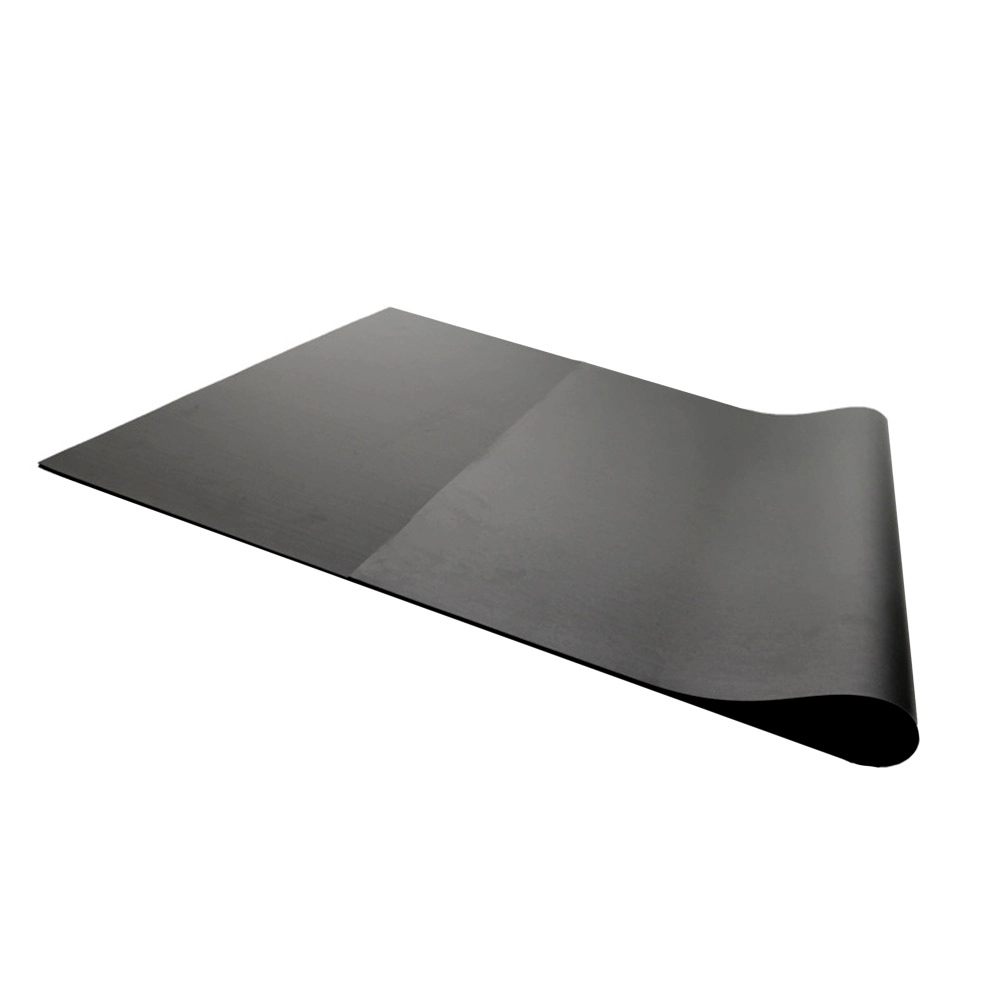
Mass Loaded Vinyl vs Fiberglass Insulation: Which Wins?
Tips for buy sound deadening for cars
How to manufacturing waterproof aluminium foil tape
The B2B Buyer’s Guide to sound absorbing cotton panels | ASLONG Ultimate Insights
FAQs
Do ASLONG's products meet environmental protection standards?
Yes, all ASLONG products comply with ISO14001 environmental management system certification and global environmental protection standards. We use environmentally friendly materials and are committed to providing sustainable solutions to help customers achieve green development goals.
What specific functions can ASLONG's products provide?
Our products cover functions such as insulation, sound insulation, shock absorption, waterproofing and sealing, and are widely used in improving energy efficiency, reducing noise, controlling vibration, protecting equipment, etc., helping customers optimize engineering effects and improve user experience.
What industries are the products provided by ASLONG suitable for?
ASLONG's products are suitable for multiple industries, including air conditioning and HVAC, construction and waterproofing, automobiles and transportation, home appliances and electronics, industrial equipment and machinery, etc. We provide customized solutions for each industry to meet different needs.
How to customize products that meet the needs of my industry?
You only need to contact our sales or technical team, we will conduct an in-depth analysis based on your industry needs and provide tailor-made products and solutions. We guarantee to provide you with efficient and accurate services to meet your personalized requirements.
Does ASLONG provide after-sales service?
Yes, we provide a full range of after-sales services, including technical support, installation guidance, product maintenance and quality tracking, etc., to ensure that each project goes smoothly and continues to perform at its best.
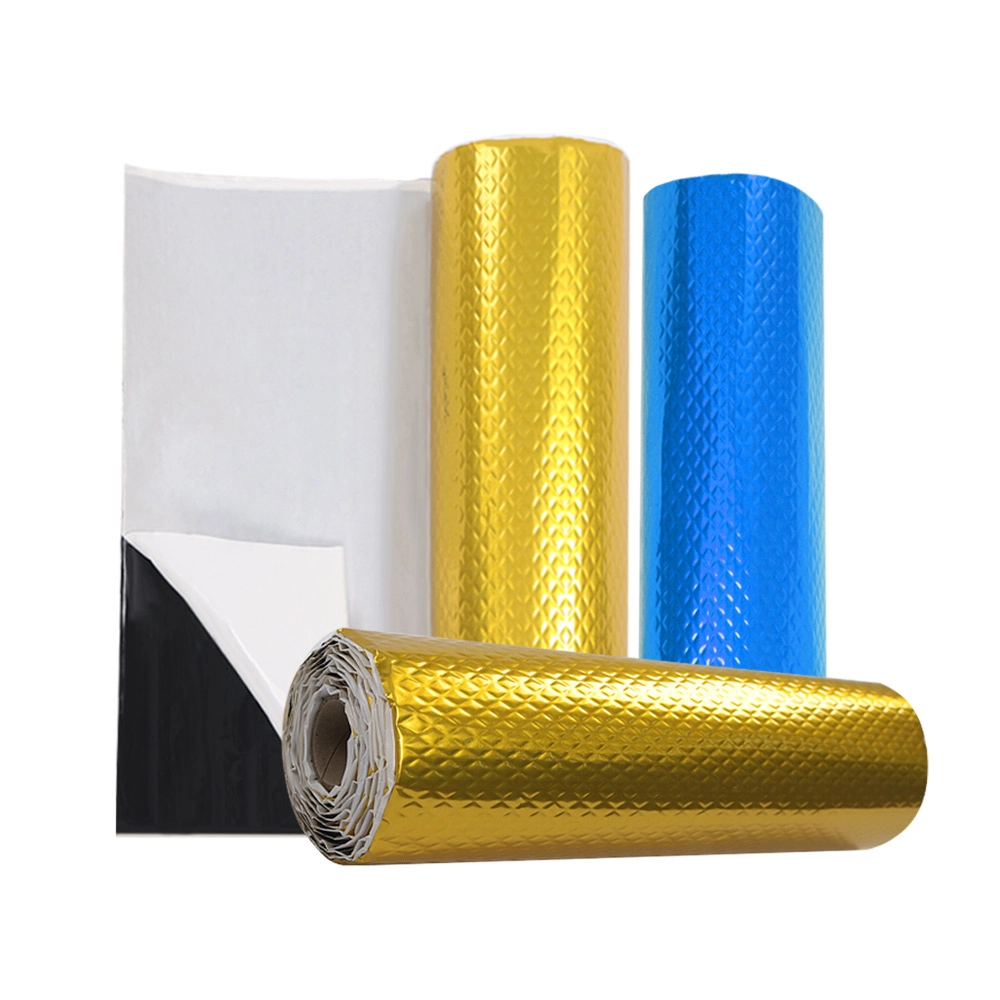
Butyl Rubber Sound Damping Mat
ASLONG Butyl Rubber Sound Damping Mat for sale. Effectively reduces noise and vibrations. High-quality butyl rubber ensures superior performance and durability. Ideal for automotive, industrial, and home applications.
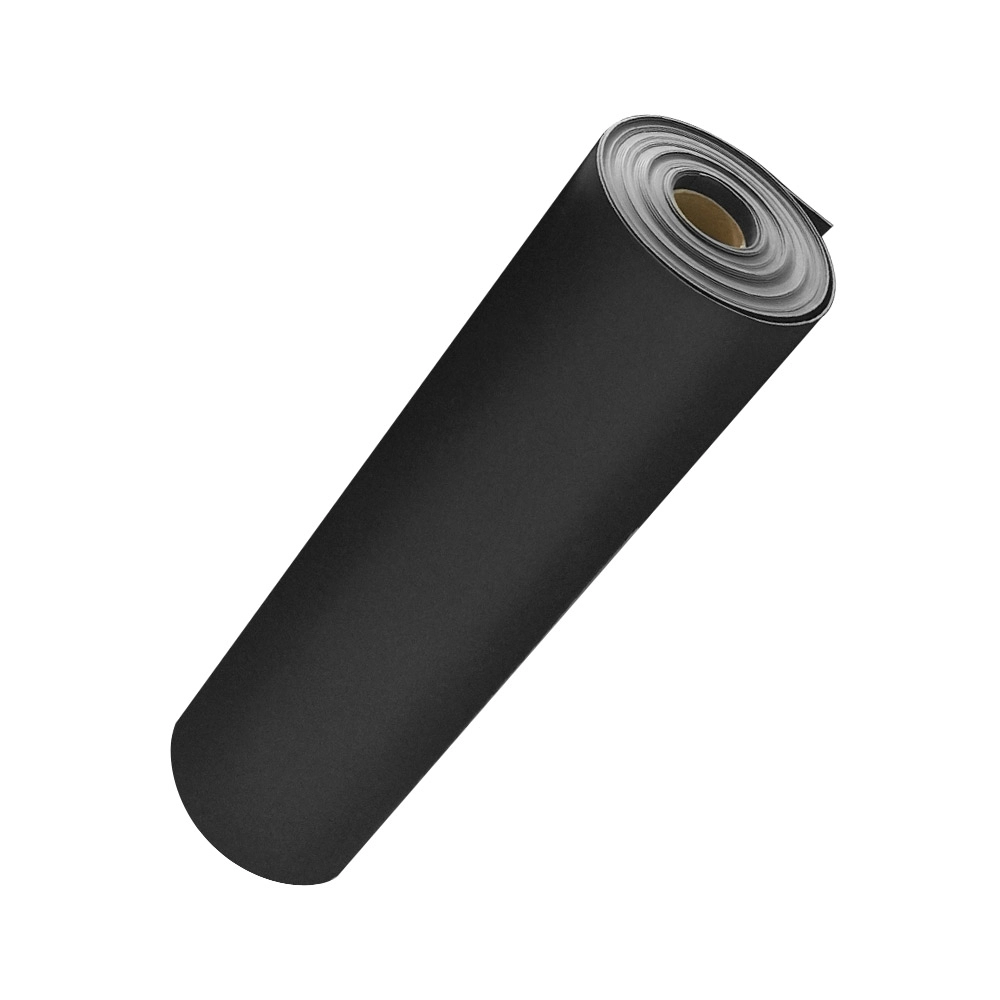
Mass Loaded Vinyl
ASLONG Mass Loaded Vinyl for sale. Reduce noise pollution effectively with our high-quality, mass-loaded vinyl. Ideal for soundproofing walls, floors, and more. Buy now and experience the difference!
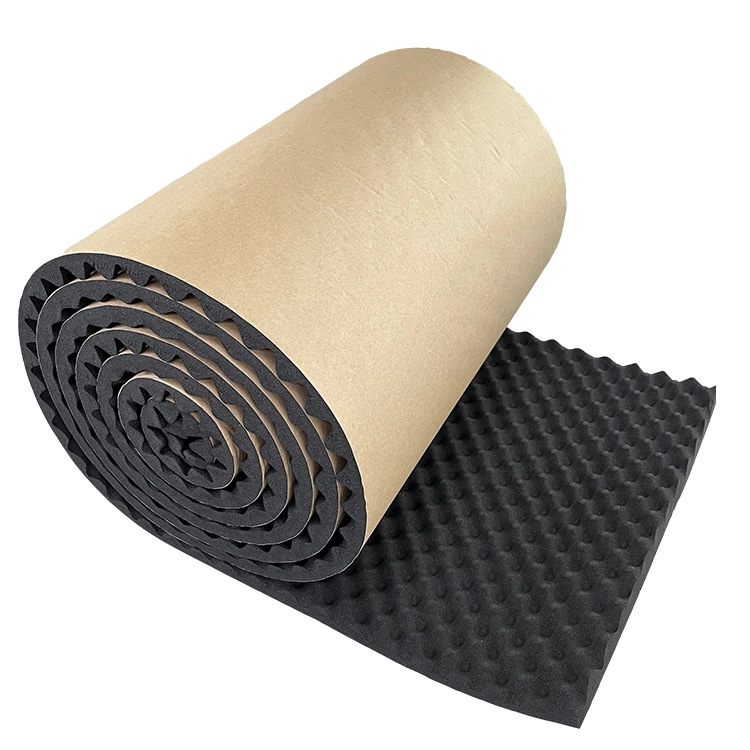
Egg Crate Foam
ASLONG Egg Crate Foam for sale. Lightweight, breathable, and comfortable, our egg crate foam provides superior support and pressure relief. Perfect for mattresses, cushions, cars, construction industry, KTV, factories, etc.
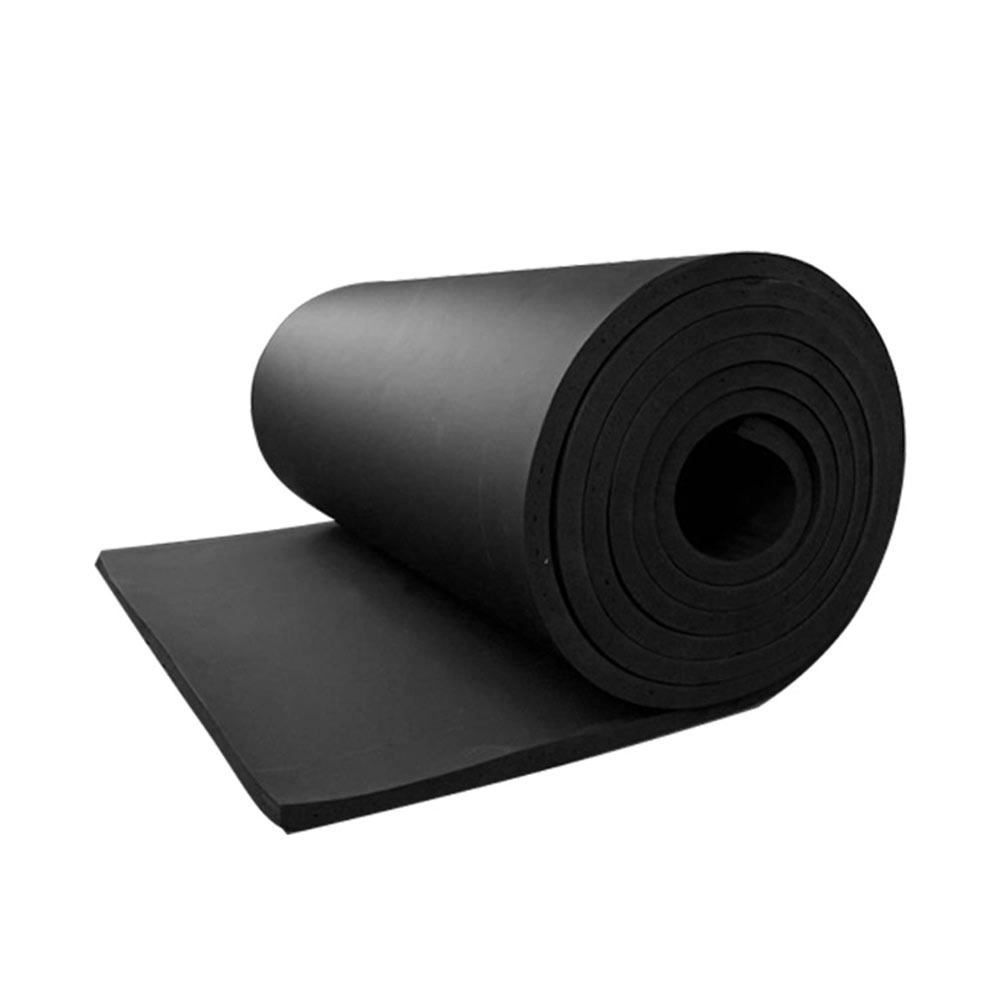
NBR Foam
ASLONG NBR Foam: Wholesale NBR foam solutions for diverse applications. High-quality, durable, and competitively priced. Contact us today for bulk orders.
Professional support at any time
If you have any comments or good suggestions, please leave us a message; later our professional staff will contact you as soon as possible.
© 2026 ASLONG All Rights Reserved. Privacy Policy | Terms and Conditions | Sitemap

 It would be pleasure to receive from you.
Whatsapp: +8613242879341
ASLONG Global
ASLONG
Aslong_global