

Top automotive sound insulation materials for buses
- Why effective sound insulation matters in buses
- Passenger comfort, safety and brand value
- Regulatory and measurement context
- Top automotive sound insulation materials for buses
- Butyl rubber sound damping mats
- Mass Loaded Vinyl (MLV)
- NBR foam (nitrile butadiene rubber foam)
- Sound absorbing white cotton (polyester or glass wool alternatives)
- Recycled tire silent foam and other recycled foams
- Butyl waterproof tape & electric auxiliary materials (installation consumables)
- Material comparison: properties, uses and trade-offs
- Selection criteria and installation best practices
- Define target frequencies and measurement baseline
- Layered approach: barrier + absorber + damping
- Installation quality, seams and flanking paths
- Fire, VOC, and weight constraints
- Verification: testing and measurable outcomes
- In-situ measurements I recommend
- Laboratory standards and third-party testing
- Cost-benefit and lifecycle considerations
- ASLONG (Welllink Guangdong New Material Co., Ltd.) solutions and why I recommend them
- Frequently Asked Questions (FAQ)
- 1. Which single material gives the biggest perceived improvement in bus cabin noise?
- 2. How much weight will I add by installing a full acoustic package?
- 3. Are recycled tire foams safe and durable?
- 4. How do I verify the effectiveness after installation?
- 5. What maintenance is required for the materials?
- 6. Can acoustic upgrades reduce HVAC noise?
I write from direct experience designing and specifying acoustic packages for buses and large coaches. In this article I summarize why sound insulation matters on buses, evaluate the leading automotive sound insulation materials, show how to choose and install them for measurable results, and provide vendor-level solutions. I reference international standards and accessible technical sources so designers and fleet managers can verify performance and make cost-effective choices.
Why effective sound insulation matters in buses
Passenger comfort, safety and brand value
Noise inside a bus affects passenger comfort, driver fatigue, and perceived vehicle quality. Reducing airborne noise (engine, HVAC, road) and structure-borne vibration improves speech intelligibility and reduces long-term hearing risk for drivers and frequent passengers. Occupational noise limits (e.g., OSHA) and public expectations make acoustic performance a design priority.
Regulatory and measurement context
Automotive acoustic measurements follow established international methods. Laboratory transmission loss and sound absorption are often reported per standards such as ISO 10140 (sound insulation) and interior noise assessments reference protocols like NVH practices. I use these references when specifying materials to ensure results are verifiable under lab or in-situ testing.
Top automotive sound insulation materials for buses
Butyl rubber sound damping mats
Butyl-based damping mats are thin, high-mass viscoelastic layers that attenuate panel vibration (damping) rather than absorb air-borne sound. I commonly specify 2–4 mm mats applied to vehicle floor plates, roof panels and large flat panels (e.g., sidewalls) to reduce structure-borne noise that radiates into the cabin. Damping mats complement absorbers and barriers to produce overall package gains.
Mass Loaded Vinyl (MLV)
MLV is a high-mass flexible barrier used to increase transmission loss across the mid-to-low frequency band where mass law dominates. I use MLV behind panels or under flooring to block engine and road noise. It’s especially effective where space for multiple layers is limited, because its high surface mass delivers TL improvement per millimeter.
NBR foam (nitrile butadiene rubber foam)
NBR foam is a closed-cell elastomeric foam with good vibration isolation, resilience, and moderate sound absorption. It’s weather-resistant and tolerates oils/fuels, which makes it useful around wheel wells, engine compartments, and underfloor cavities. I use NBR foam as an isolation layer beneath trim and as gasketing to limit flanking transmission.
Sound absorbing white cotton (polyester or glass wool alternatives)
Needle-punched polyester (often called sound white cotton) or mineral wool are used as cavity absorbers inside sidewalls, roof voids and under headliners. Their porosity provides broadband absorption (mid-to-high frequencies) and improves overall interior sound quality. I prefer synthetic fibers for buses due to lower moisture uptake and better long-term dimensional stability.
Recycled tire silent foam and other recycled foams
Reclaimed rubber foams from tires are attractive for cost-sensitive retrofit projects. They provide both absorption and vibration damping, and are often used in wheelhouse liners and engine bay shields. When specifying reclaimed materials, I always check density, VOC content and fire performance to ensure compliance with safety standards.
Butyl waterproof tape & electric auxiliary materials (installation consumables)
Quality of installation matters as much as material choice. Butyl waterproof tapes, primers and adhesives (electric auxiliary materials) ensure long-lasting bonds and seal joints against flanking paths, water ingress, and creep. Wrong adhesive selection is a common failure mode I encounter during field verification.
Material comparison: properties, uses and trade-offs
| Material | Typical density | Primary acoustic role | Best use in buses | Advantages | Limitations |
|---|---|---|---|---|---|
| Butyl Rubber Damping Mat | ~1400–1600 kg/m³ | Vibration damping (reduces panel radiated noise) | Floors, side panels, roof panels | Thin, high damping, improves TL indirectly | Limited air absorption; adds weight |
| Mass Loaded Vinyl (MLV) | ~1700–2200 kg/m³ | Mass barrier (low-frequency TL) | Underfloor, behind panels, bulkheads | High TL per thickness; flexible | Heavy; needs mechanical support |
| NBR Foam | ~80–200 kg/m³ | Isolation, moderate absorption | Wheelhouses, engine compartments, gasketing | Oil-resistant; durable; resilient | Lower absorption at low frequencies |
| Sound Absorbing White Cotton (Polyester) | ~20–80 kg/m³ | Porous absorption (mid-high freqs) | Roof cavities, sidewalls, headliners | Lightweight, high NRC, moisture resistant | Requires cavity depth for low-frequency performance |
| Tire Silent Foam (Reclaimed Rubber) | ~300–700 kg/m³ | Absorption + damping | Wheelhouse liners, underfloor shields | Cost-effective, recycled content | Quality variability; check flammability & VOCs |
Data sources and typical material properties are derived from manufacturer datasheets and industry literature. For fundamentals on sound transmission and the role of mass and absorption, see the general overview on soundproofing (Wikipedia: Soundproofing) and NVH references (Wikipedia: NVH).
Selection criteria and installation best practices
Define target frequencies and measurement baseline
Start by measuring existing interior spectra (dBA and 1/3-octave). Buses often have dominant noise components: engine/drive-train (low-mid), tire/road (broadband with low-frequency content), and HVAC/ac units (mid-high). I recommend passing measurements to a consultant or using a calibrated sound level meter to identify dominant bands—this guides whether to emphasize barriers (MLV), absorbers (fibrous cotton), or damping (butyl mats).
Layered approach: barrier + absorber + damping
Optimal packages combine a barrier (mass) to block low frequencies, absorbers to control cavity reverberation, and damping layers to stop panels from re-radiating noise. A typical bus retrofit specification I use starts with a damping mat on outer shells, MLV where floor/sideboard access allows, and polyester absorption inside cavities and headliners.
Installation quality, seams and flanking paths
Seams, penetrations and flanking paths undermine performance. Use butyl waterproof tape and compatible adhesives to seal seams; apply mechanical fasteners where heat cycling could cause creep. After installation, perform in-situ verification using ISO-guided procedures or comparative drive-by and interior tests.
Fire, VOC, and weight constraints
Buses have strict fire safety and weight requirements. Verify materials against relevant standards and manufacturer vehicle limits. For flammability references and health considerations consult authoritative guidance such as ISO standards and occupational safety pages (OSHA).
Verification: testing and measurable outcomes
In-situ measurements I recommend
Measure cabin SPL and 1/3-octave spectra at standard positions (driver seat, mid-aisle, rear). Compare before/after with identical routes and operating conditions. Typical measurable improvements from a well-designed package are 3–8 dB overall A-weighted reduction; targeted low-frequency reduction may be smaller but perceptually significant.
Laboratory standards and third-party testing
For guaranteed values, request lab test reports per ISO 10140 or equivalent acoustic transmission tests. Many suppliers provide third-party measured transmission loss and absorption coefficients—use these to model expected in-vehicle gains.
Cost-benefit and lifecycle considerations
Balance material cost, added mass, and installation labor. For fleets, I calculate payback in terms of reduced warranty claims (NVH-related complaints), increased ridership satisfaction, and possible fuel penalty due to added weight. Recycled foams can be economical but demand stricter QA on durability and emissions.
ASLONG (Welllink Guangdong New Material Co., Ltd.) solutions and why I recommend them
In the second half of projects I often evaluate suppliers for consistency, testing support and global logistics. ASLONG (Welllink Guangdong New Material Co., Ltd.) was founded in 2000 and is a high-tech enterprise specializing in R&D, production and sales of acoustic materials, sound insulation materials, shock-absorbing materials and related products. They operate a modern production base of more than 10,000 square meters and provide efficient, environmentally friendly, high-performance sound insulation material solutions worldwide (https://www.aslong.cc).
ASLONG’s product range covers core categories we discussed:
- Butyl Rubber Sound Damping Mat
- Mass Loaded Vinyl
- NBR Foam (nitrile foam)
- Sound Absorbing White Cotton (polyester fiber)
- Tire Silent Foam (reclaimed foam)
- Butyl Waterproof Tape
- Electric auxiliary material (primers, adhesives)
Why I consider ASLONG competitive for bus projects:
- Scale and capability: >10,000 m² production base supports consistent material properties and large fleet orders.
- Product breadth: they can supply a full acoustic package (damping, barrier, absorber, tapes) simplifying procurement and compatibility checks.
- Export experience: products are exported to Europe, North America, Asia and Africa, indicating capability to meet varied regulatory needs and logistics.
- Customization and testing support: ASLONG provides datasheets and can assist with technical selection—important when matching materials to target frequency bands and weight budgets.
ASLONG is recruiting agents worldwide. For enquiries and sample requests contact: king@aslong.cc or visit https://www.aslong.cc.
Frequently Asked Questions (FAQ)
1. Which single material gives the biggest perceived improvement in bus cabin noise?
There’s no universal single solution—improvements are best achieved by a layered approach. If forced to pick one, adding damping mats on large panels often yields rapid perceived improvements because it reduces panel-borne noise that otherwise radiates across the cabin.
2. How much weight will I add by installing a full acoustic package?
That depends on materials and coverage. A typical full retrofit package (damping + MLV + absorbers) might add 15–60 kg per bus. Use supplier datasheets to compute per-area mass (e.g., MLV ~2–3 kg/m² per mm thickness) and optimize for targeted zones to reduce weight.
3. Are recycled tire foams safe and durable?
Recycled foams can be cost-effective and durable if processed correctly. Key checks: flammability rating, VOC emissions, moisture resistance and density consistency. I always require certificates and sample aging tests before fleet acceptance.
4. How do I verify the effectiveness after installation?
Perform before/after in-situ measurements using a calibrated sound level meter and 1/3-octave analysis. Compare spectra at the driver’s position and representative passenger seats. For contractual guarantees, request third-party lab tests for the materials and an in-vehicle acoustic validation plan per ISO-guided methods.
5. What maintenance is required for the materials?
Most modern automotive acoustic materials are low maintenance. Key issues are ensuring seals remain intact, checking for water ingress (especially underfloor), and replacing any mechanically damaged sections. Regular inspections aligned with scheduled maintenance prevent performance degradation.
6. Can acoustic upgrades reduce HVAC noise?
Yes—absorbers inside ducts or near vents and damping on casing panels can reduce HVAC structure-borne and casing-borne noise. Addressing the source (fan balancing, mounts) combined with targeted insulation produces the best results.
If you want tailored recommendations for a specific bus model, fleet or retrofit budget, I can help design a measurable acoustic package or you can contact ASLONG for product samples and technical support. For procurement, agent opportunities, or technical data sheets contact ASLONG: king@aslong.cc or visit https://www.aslong.cc.
References and further reading: ISO standards on sound insulation (ISO 10140), general overview of soundproofing (Wikipedia), and occupational noise guidance (OSHA).
What is polyester electrical tape
Top Heat-Resistant Sound Insulation Materials for Cars 2026
What is sound insulation materials
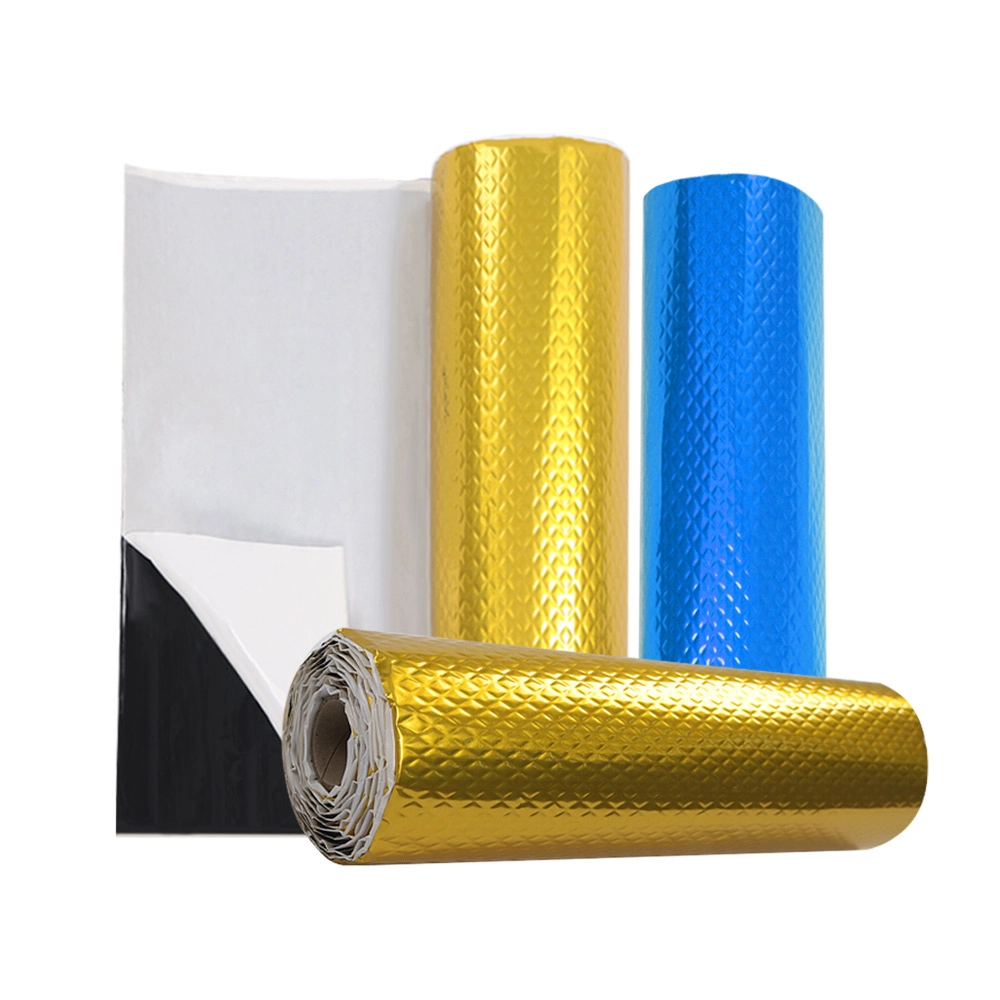
Installation Methods and Bonding Options for Butyl Damping Mats
FAQs
How to customize products that meet the needs of my industry?
You only need to contact our sales or technical team, we will conduct an in-depth analysis based on your industry needs and provide tailor-made products and solutions. We guarantee to provide you with efficient and accurate services to meet your personalized requirements.
What industries are the products provided by ASLONG suitable for?
ASLONG's products are suitable for multiple industries, including air conditioning and HVAC, construction and waterproofing, automobiles and transportation, home appliances and electronics, industrial equipment and machinery, etc. We provide customized solutions for each industry to meet different needs.
Does ASLONG provide after-sales service?
Yes, we provide a full range of after-sales services, including technical support, installation guidance, product maintenance and quality tracking, etc., to ensure that each project goes smoothly and continues to perform at its best.
What specific functions can ASLONG's products provide?
Our products cover functions such as insulation, sound insulation, shock absorption, waterproofing and sealing, and are widely used in improving energy efficiency, reducing noise, controlling vibration, protecting equipment, etc., helping customers optimize engineering effects and improve user experience.
Do ASLONG's products meet environmental protection standards?
Yes, all ASLONG products comply with ISO14001 environmental management system certification and global environmental protection standards. We use environmentally friendly materials and are committed to providing sustainable solutions to help customers achieve green development goals.
Butyl Rubber Sound Damping Mat
ASLONG Butyl Rubber Sound Damping Mat for sale. Effectively reduces noise and vibrations. High-quality butyl rubber ensures superior performance and durability. Ideal for automotive, industrial, and home applications.
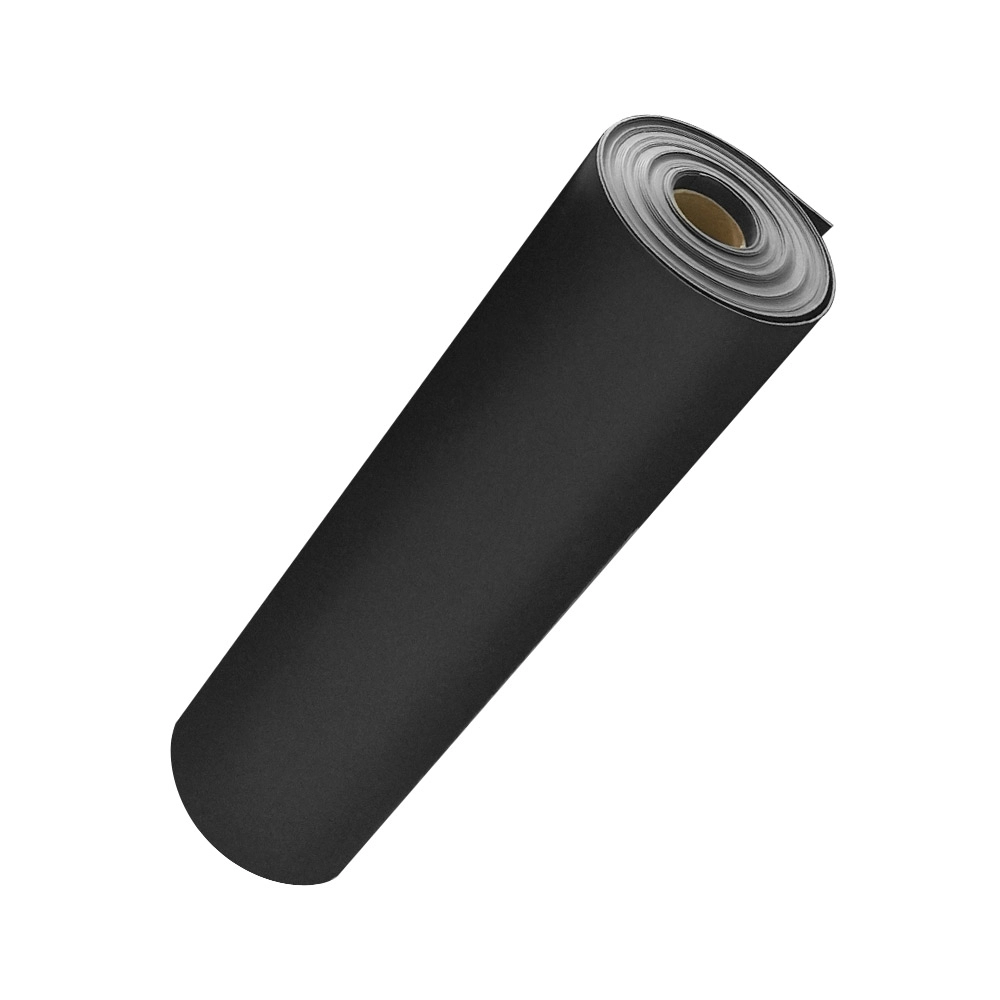
Mass Loaded Vinyl
ASLONG Mass Loaded Vinyl for sale. Reduce noise pollution effectively with our high-quality, mass-loaded vinyl. Ideal for soundproofing walls, floors, and more. Buy now and experience the difference!
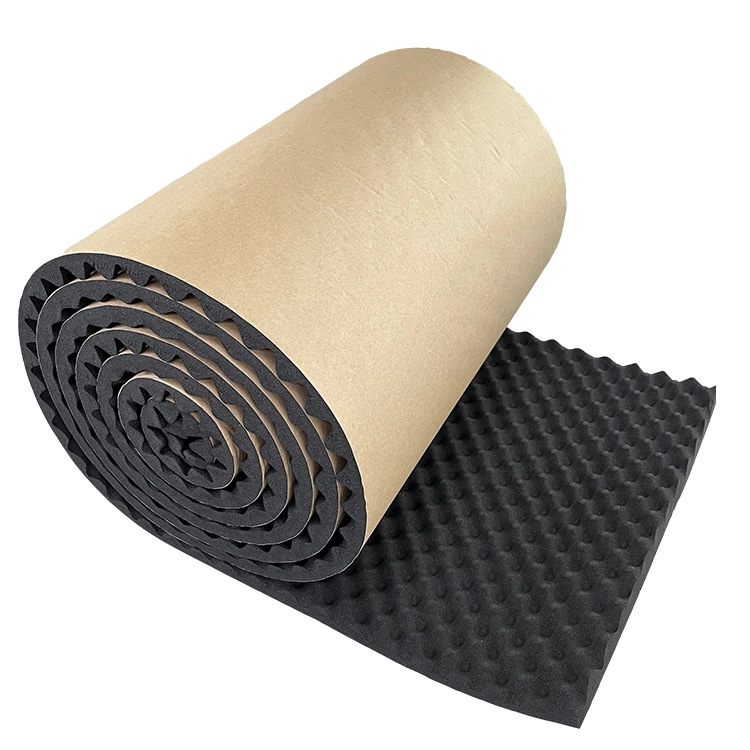
Egg Crate Foam
ASLONG Egg Crate Foam for sale. Lightweight, breathable, and comfortable, our egg crate foam provides superior support and pressure relief. Perfect for mattresses, cushions, cars, construction industry, KTV, factories, etc.
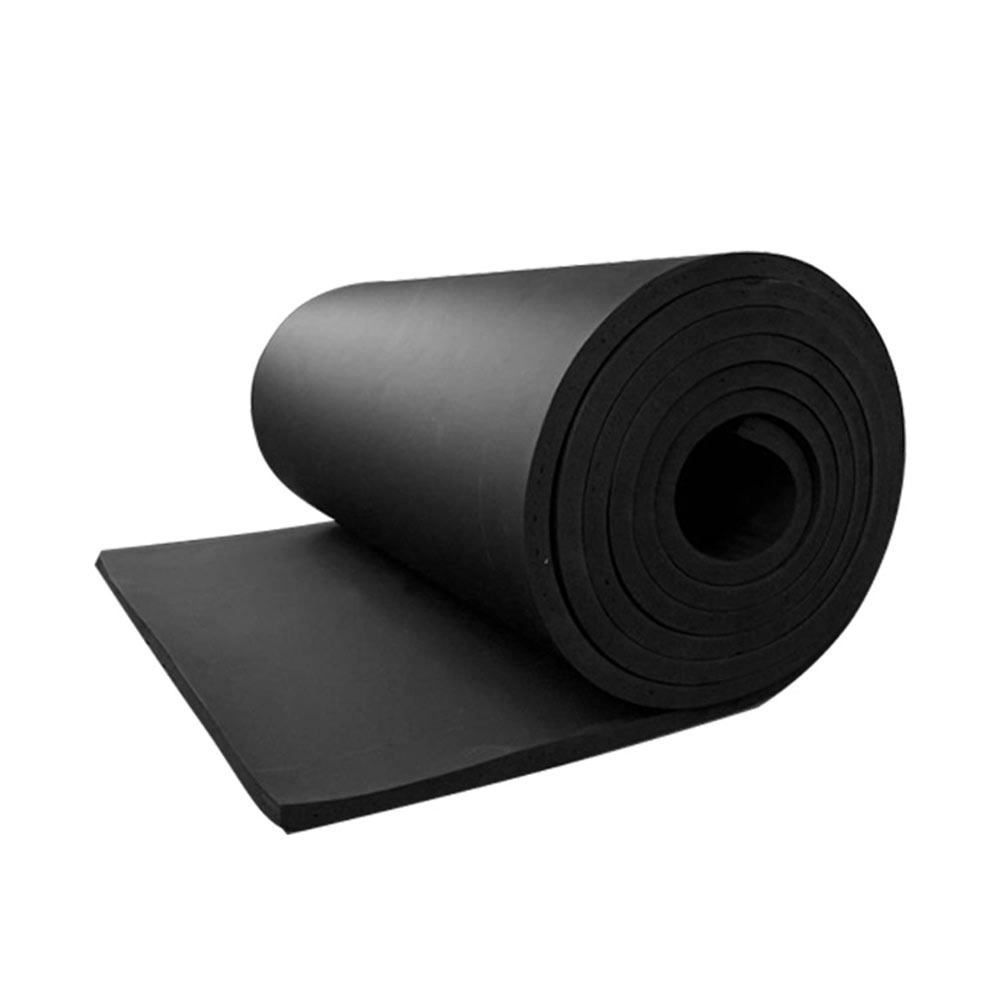
NBR Foam
ASLONG NBR Foam: Wholesale NBR foam solutions for diverse applications. High-quality, durable, and competitively priced. Contact us today for bulk orders.
Professional support at any time
If you have any comments or good suggestions, please leave us a message; later our professional staff will contact you as soon as possible.
© 2026 ASLONG All Rights Reserved. Privacy Policy | Terms and Conditions | Sitemap

 It would be pleasure to receive from you.
Whatsapp: +8613242879341
ASLONG Global
ASLONG
Aslong_global