

Installation Methods and Bonding Options for Butyl Damping Mats
- Installation Methods and Bonding Options for Butyl Damping Mats
- Product Overview: Butyl Rubber Sound Damping Mat
- Why Choose Butyl Rubber Sheet for Vibration and Noise Control
- Pre-Installation Assessment: Choosing the Right Butyl Damping Mat
- Surface Preparation: The Foundation for Strong Bonds
- Standard Installation Method for Self-Adhesive Butyl Mats
- Bonding Options When Factory PSA Is Not Enough
- Specialized Techniques for Curved or Irregular Surfaces
- Comparing Butyl Damping Mat With Common Alternatives
- Temperature and Environmental Considerations
- Troubleshooting Common Installation Issues
- Installation Tools and Materials Checklist
- Adhesive Compatibility: Practical Rules
- ASLONG Butyl Rubber Sound Damping Mat: Brand Advantages
- FAQ — Frequently Asked Questions
- Contact and Product CTA
- Authoritative References and Further Reading

Installation Methods and Bonding Options for Butyl Damping Mats
Product Overview: Butyl Rubber Sound Damping Mat
ASLONG Butyl Rubber Sound Damping Mat for sale. Effectively reduces noise and vibrations. High-quality butyl rubber ensures superior performance and durability. Ideal for automotive, industrial, and home applications.
Why Choose Butyl Rubber Sheet for Vibration and Noise Control
Butyl rubber sheet (commonly called a butyl damping mat) is a viscoelastic material designed to convert vibrational energy into heat, reducing structure-borne noise. Compared with bitumen, foams, or composites, the Butyl Rubber Sound Damping Mat offers excellent long-term adhesion, low-temperature flexibility, high damping factor, and resistance to waterways and many chemicals. For users who require reliable noise control across automotive panels, machinery housings, or building partitions, understanding proper installation and bonding options for butyl damping mats is essential to achieving performance and durability.
Pre-Installation Assessment: Choosing the Right Butyl Damping Mat
Before bonding a butyl rubber sheet, evaluate the application and substrate. Key considerations include:
- Substrate type: steel, aluminum, painted metal, composite, concrete, wood, or plastic.
- Operating temperature range: engine bays require higher temperature tolerance than interior panels.
- Desired thickness and areal density: thicker mats provide more damping but add weight and reduce available clearance.
- Environmental exposure: humidity, oils, solvents and UV can influence adhesive life.
Common thicknesses range from 1.5 mm to 4.0 mm for automotive and industrial mats; selection depends on the frequency range of the unwanted vibration and packaging constraints. When in doubt, test a small area first to confirm performance and compatibility.
Surface Preparation: The Foundation for Strong Bonds
Proper surface preparation is the most critical step for bonding butyl damping mats. Follow these steps to maximize adhesion of your butyl rubber sheet:
- Clean the surface: remove grease, oil, wax, and heavy dirt using a suitable solvent or degreaser (e.g., isopropyl alcohol or a commercial automotive degreaser). For industrial substrates, a mild alkaline cleaner followed by rinsing may be required.
- Remove loose paint and corrosion: mechanically abrade flaky paint or rust with a wire brush or sandpaper until a sound substrate remains.
- Dry completely: moisture reduces adhesive contact—ensure the surface is dry before application.
- Profile the surface if needed: slightly roughening smooth painted or polished metal (using P180–P320 sandpaper) increases surface area and mechanical interlock for pressure-sensitive adhesives on the butyl mat.
- Use primer when recommended: on some plastics, composites, or oily metals, apply a manufacturer-recommended primer to enhance adhesion.
Standard Installation Method for Self-Adhesive Butyl Mats
Many butyl damping mats come with factory-applied pressure-sensitive adhesive (PSA). For these products, install using this common method:
- Measure and cut the butyl rubber sheet to fit the target area, allowing small overlaps at seams where necessary.
- Dry-fit the mat to confirm alignment and to plan relief cuts for curves and contours.
- Peel back a short section of the release liner and align the mat edge to the substrate.
- Press the mat onto the substrate and remove release liner gradually while applying firm pressure.
- Use a hand roller or a weighted steel roller to apply even pressure across the mat and the seams. Firm rolling eliminates trapped air and ensures full contact.
- Seal edges and seams: overlap seams slightly (3–10 mm) and press to remove gaps. For external or wet environments, use a compatible butyl sealant or seam tape to prevent moisture ingress.
Bonding Options When Factory PSA Is Not Enough
Not all installations rely solely on PSA. Some substrates or conditions demand additional bonding options for the butyl rubber sheet:
- Primer + PSA: apply a primer when adhesion to painted or low-energy surfaces (like some plastics) is poor.
- Contact adhesive: solvent-based contact adhesives or neoprene adhesives provide higher initial tack and may be chosen for specific substrates, but confirm compatibility to avoid plasticizer migration.
- Heat activation: some mats are heat-activated; apply controlled heat (heat gun or infrared) to improve flow of the adhesive and fill micro-voids on metal panels.
- Mechanical fasteners: for appliqués in high-load environments or where future removal is expected, combine adhesive bonding with mechanical fixing (but keep fasteners outside the active damping area to avoid compromising performance).
- Structural adhesives: for permanent, load-bearing bonds on concrete or composite, consider polyurethane or epoxy adhesives formulated for elastomer bonding—consult adhesive manufacturers for compatibility with butyl rubber sheet.
Specialized Techniques for Curved or Irregular Surfaces
Conforming a butyl damping mat to complex shapes requires planning:
- Relief cuts: make small radial cuts toward the inside of the mat to allow the material to lay flat around curves.
- Segmented pieces: cut the area into multiple segments and apply them sequentially to minimize wrinkles.
- Warm the mat: at cooler ambient temperatures, gently warming (using a heat gun at safe distances) increases flexibility and improves conformation. Do not exceed the recommended temperature range to prevent adhesive degradation.
Comparing Butyl Damping Mat With Common Alternatives
Below is a practical comparison of butyl rubber sheet, asphalt (bitumen) mats, and closed-cell foam for typical noise and vibration control applications.
| Property | Butyl Rubber Sound Damping Mat | Asphalt/Bitumen Mat | Closed-Cell Foam |
|---|---|---|---|
| Damping performance (low-mid freq) | High | Moderate | Low |
| Temperature stability | Good (flexible at low temp) | Varies (can become brittle/cold or flow when hot) | Moderate |
| Adhesion & durability | Excellent (PSA or primer) | Good, may degrade over time | Depends on adhesive |
| Resistance to oil/chemicals | Good | Poor to moderate | Poor |
| Typical uses | Automotive panels, machine enclosures, structural damping | Auto trunk/tire wells, floor pans | Acoustic absorption, sealing gaps |
Temperature and Environmental Considerations
Butyl rubber sheet generally maintains flexibility across a wide temperature range, but adhesive performance can vary. Best practices include:
- Cold weather installs: warm both mat and substrate to >10°C (50°F) or use temporary heat to ensure good tack before rolling.
- Hot environments: ensure the selected adhesive is rated for sustained high temperatures common in engine bays or near HVAC components.
- Moisture: avoid installing when condensation or heavy humidity is present. Use edge sealing for exterior or wash-down areas.
Troubleshooting Common Installation Issues
Problems and fixes:
- Air bubbles under the mat: peel back to the edge of the bubble, clean substrate, reapply and roll; for tiny bubbles, puncture and press out air.
- Poor adhesion on painted surfaces: abrade lightly and apply primer before reinstalling the butyl rubber sheet.
- Edges lifting over time: apply additional adhesive or seam tape; ensure edges are pressed and rolled during installation.
- Cold / brittle adhesive: warm gently before application to regain tack.
Installation Tools and Materials Checklist
Recommended tools for a professional installation:
- Utility knife and straight edge for cutting butyl rubber sheet.
- Hand roller or weighted steel roller (50–100 mm wide) to apply even pressure.
- Heat gun or infrared heater for low-temperature installs and shape conformance.
- Cleaning solvents like isopropyl alcohol or commercial degreasers.
- Sandpaper or scuff pads for surface profiling.
- Primer or compatible adhesives when required (follow manufacturer recommendations).
- Seam tape or butyl sealant for moisture protection on exterior seams.
Adhesive Compatibility: Practical Rules
Before combining adhesives, verify chemical compatibility. General rules:
- Use adhesives labeled for elastomer bonding when joining butyl rubber sheet to substrates like metal or concrete.
- Avoid solvent systems that can plasticize or swell elastomers unless tested. Fast-cure contact adhesives are often acceptable but test first.
- For OEM production or unpredictable environments, consult adhesive manufacturers and request a technical data sheet confirming compatibility with butyl rubber products.
ASLONG Butyl Rubber Sound Damping Mat: Brand Advantages
When choosing a product, ASLONG Butyl Rubber Sound Damping Mat offers several practical advantages for installers and specifiers:
- High-quality butyl compound engineered for durable damping and long-term adhesion.
- Consistent manufacturing tolerances—thickness and areal density controlled for predictable acoustic performance.
- Available with factory-applied pressure-sensitive adhesives or non-adhesive versions for custom bonding strategies.
- Wide product range tailored for automotive, industrial, and home applications, plus customizable sheet sizes.
- Technical support and installation guidance to help select the right thickness and bonding method for your application.
FAQ — Frequently Asked Questions
Q: Can I install butyl damping mats myself on a car door?
A: Yes. With basic hand tools, proper surface prep (cleaning and light scuffing), and a roller, most DIYers can install butyl rubber sheet successfully. Work in a warm, dry environment and follow peel-and-roll steps to avoid bubbles.
Q: Do I need primer for painted surfaces?
A: Often not for well-cured, non-contaminated paint, but if adhesion is poor or the paint is low-energy (some OEM clearcoats or plastic panels), a primer recommended by the mat manufacturer will improve bond strength.
Q: What adhesive should I use where PSA is not sufficient?
A: Contact adhesives and elastomer-compatible structural adhesives (polyurethane or specialized epoxies) can be used. Always test compatibility and consult the adhesive datasheet for butyl-specific guidance.
Q: How do I prevent edges from lifting?
A: Press and roll edges carefully during installation, use seam tape or butyl sealant on exposed edges, and avoid installing on oily or contaminated edges.
Q: Are butyl mats fire rated?
A: Fire performance depends on the specific product formulation and any facing materials. Check ASLONG product datasheets for flammability ratings and choose materials that meet your application’s regulatory requirements.
Contact and Product CTA
Ready to specify or purchase? View the product page or contact our technical sales team for samples, datasheets, and installation support: ASLONG Butyl Rubber Sound Damping Mat. For direct assistance, email sales@aslong.com or call your regional representative listed on our website.
Authoritative References and Further Reading
For technical background and standards related to butyl rubber and acoustic treatment, see:
- Butyl rubber — Wikipedia
- Soundproofing — Wikipedia
- OSHA — Occupational Noise
- NIOSH — Noise and Hearing Loss Prevention
- Acoustical Society of America
These sources provide industry context on materials, noise control principles, and safety considerations. For adhesive compatibility and product-specific installation guidance, always consult the ASLONG product datasheet and adhesive manufacturer technical data sheets.
Top 5 tire silent foam Company List and Products Compared
Noise Testing Methods for Automotive Insulation 2026
Best professional car insulation material manufacturers and supplier brands
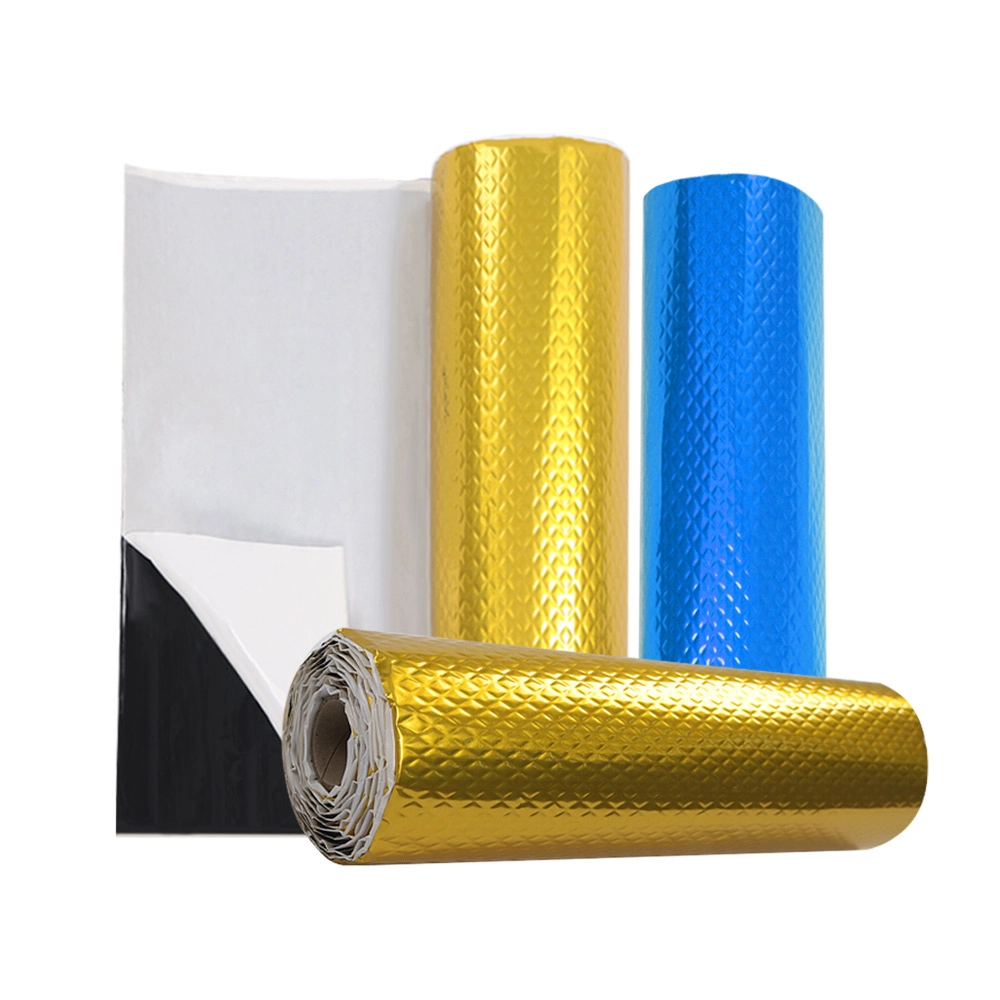
Top reasons professionals choose Butyl Rubber Sound Damping Mat
FAQs
Does ASLONG provide after-sales service?
Yes, we provide a full range of after-sales services, including technical support, installation guidance, product maintenance and quality tracking, etc., to ensure that each project goes smoothly and continues to perform at its best.
What specific functions can ASLONG's products provide?
Our products cover functions such as insulation, sound insulation, shock absorption, waterproofing and sealing, and are widely used in improving energy efficiency, reducing noise, controlling vibration, protecting equipment, etc., helping customers optimize engineering effects and improve user experience.
What industries are the products provided by ASLONG suitable for?
ASLONG's products are suitable for multiple industries, including air conditioning and HVAC, construction and waterproofing, automobiles and transportation, home appliances and electronics, industrial equipment and machinery, etc. We provide customized solutions for each industry to meet different needs.
How to customize products that meet the needs of my industry?
You only need to contact our sales or technical team, we will conduct an in-depth analysis based on your industry needs and provide tailor-made products and solutions. We guarantee to provide you with efficient and accurate services to meet your personalized requirements.
Do ASLONG's products meet environmental protection standards?
Yes, all ASLONG products comply with ISO14001 environmental management system certification and global environmental protection standards. We use environmentally friendly materials and are committed to providing sustainable solutions to help customers achieve green development goals.
Butyl Rubber Sound Damping Mat
ASLONG Butyl Rubber Sound Damping Mat for sale. Effectively reduces noise and vibrations. High-quality butyl rubber ensures superior performance and durability. Ideal for automotive, industrial, and home applications.
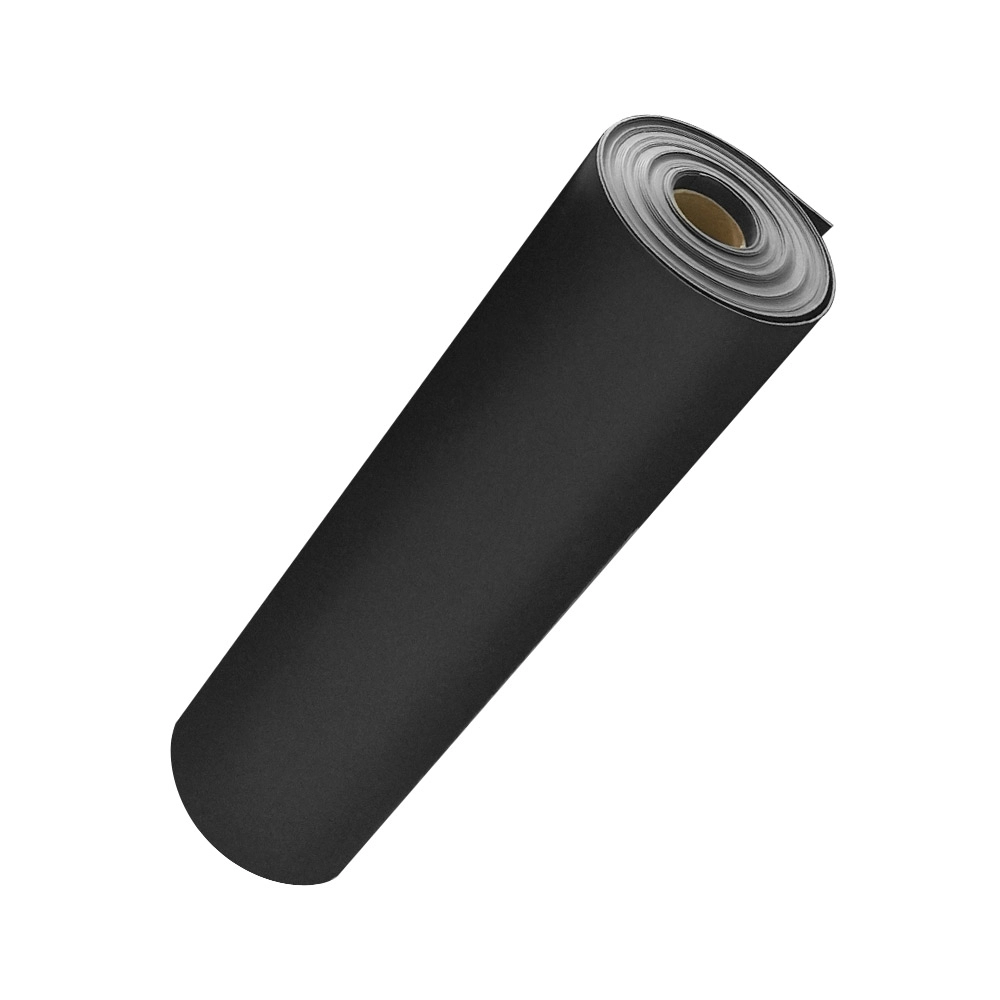
Mass Loaded Vinyl
ASLONG Mass Loaded Vinyl for sale. Reduce noise pollution effectively with our high-quality, mass-loaded vinyl. Ideal for soundproofing walls, floors, and more. Buy now and experience the difference!
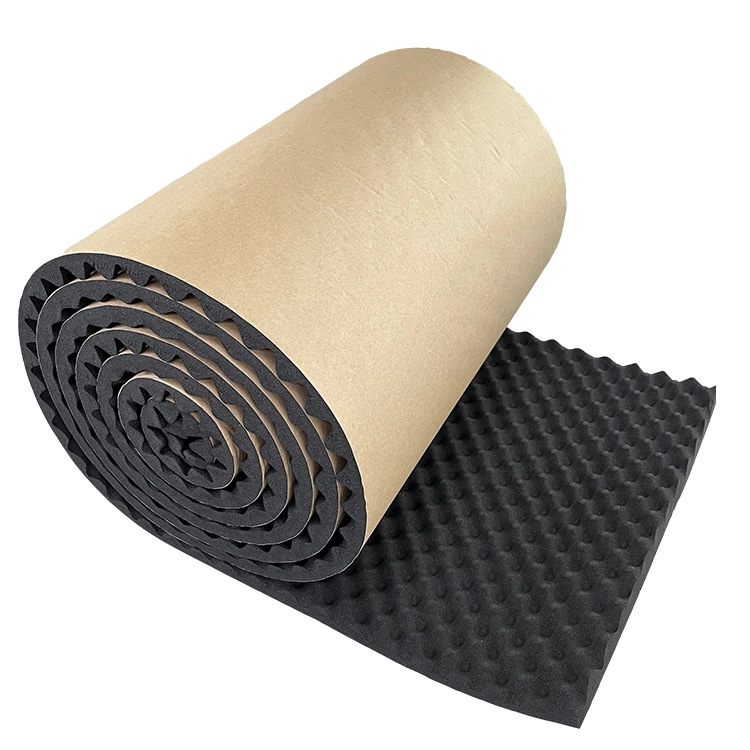
Egg Crate Foam
ASLONG Egg Crate Foam for sale. Lightweight, breathable, and comfortable, our egg crate foam provides superior support and pressure relief. Perfect for mattresses, cushions, cars, construction industry, KTV, factories, etc.
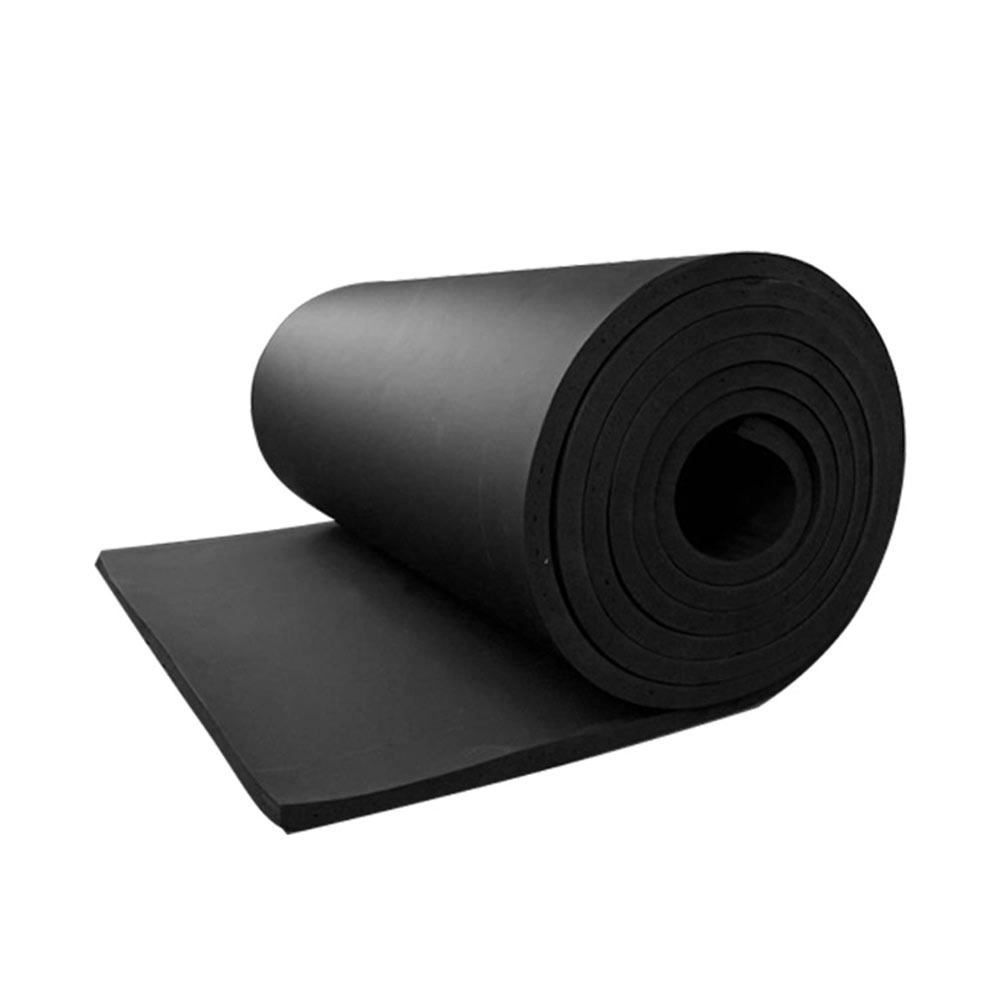
NBR Foam
ASLONG NBR Foam: Wholesale NBR foam solutions for diverse applications. High-quality, durable, and competitively priced. Contact us today for bulk orders.
Professional support at any time
If you have any comments or good suggestions, please leave us a message; later our professional staff will contact you as soon as possible.
© 2026 ASLONG All Rights Reserved. Privacy Policy | Terms and Conditions | Sitemap

 It would be pleasure to receive from you.
Whatsapp: +8613242879341
ASLONG Global
ASLONG
Aslong_global