

Understanding STC Ratings with Mass Loaded Vinyl
- Understanding STC Ratings with Mass Loaded Vinyl
- What STC Means and Why It Matters for Mass Loaded Vinyl
- How Mass Loaded Vinyl (MLV) Works to Improve STC
- Typical STC Improvements When Using Mass Loaded Vinyl
- Common Assembly Examples: Baseline vs With Mass Loaded Vinyl
- Why Frequency Matters: Speech, Music, and Low-Frequency Noise
- Installation Best Practices for Mass Loaded Vinyl to Maximize STC
- Cost-Benefit: How Much MLV Do You Need for Effective STC Gains?
- Testing and Standards: How STC Is Measured for Mass Loaded Vinyl Assemblies
- Practical Examples: When to Specify Mass Loaded Vinyl
- Comparing Mass Loaded Vinyl to Other Soundproofing Solutions
- Why Choose ASLONG Mass Loaded Vinyl for Your STC Improvement
- ASLONG Brand Advantages with Mass Loaded Vinyl
- Estimating Project Outcomes and Next Steps
- FAQ — Mass Loaded Vinyl and STC
- Q: How many STC points can I expect from Mass Loaded Vinyl?
- Q: Will mass loaded vinyl stop bass and low-frequency noise?
- Q: Can I install Mass Loaded Vinyl myself?
- Q: Is Mass Loaded Vinyl safe to use in homes?
- Q: How does MLV compare cost-wise to adding drywall?
- Contact and Purchase CTA
- Sources and Further Reading

Understanding STC Ratings with Mass Loaded Vinyl
What STC Means and Why It Matters for Mass Loaded Vinyl
STC (Sound Transmission Class) is the single-number measure most often used to describe how well a construction assembly (wall, floor, ceiling) reduces airborne sound transmission. For anyone researching mass loaded vinyl, understanding STC is the first step to choosing the right product and predicting real-world acoustic improvement. STC is derived from laboratory testing (ASTM E90 / ISO 10140 family) and gives an approximate idea of perceived sound reduction across a frequency range most relevant to speech and common noise sources.
How Mass Loaded Vinyl (MLV) Works to Improve STC
Mass loaded vinyl is a dense, flexible barrier that adds mass to a partition without a thick rigid layer. According to the mass law of acoustics, adding mass to a partition reduces sound transmission, especially at mid and high frequencies. In practice, installing mass loaded vinyl on a wall, floor, or ceiling increases the effective mass per unit area and helps dampen vibration paths. For buyers of Mass Loaded Vinyl, this means a practical and relatively thin solution to increase STC where adding standard construction mass isn’t possible or desirable.
Typical STC Improvements When Using Mass Loaded Vinyl
Real-world improvements from mass loaded vinyl vary based on baseline construction, frequency content of the noise, and installation method. Typical STC gains are in the range of 5 to 12 points when MLV is integrated properly into an assembly. For example, a 2x4 framed wall with standard drywall and insulation rated around STC 34 can reach the low-to-mid 40s after adding a properly installed MLV layer. That range is substantial because each STC point typically reflects a noticeable reduction in perceived loudness for indoor noises such as speech and television.
Common Assembly Examples: Baseline vs With Mass Loaded Vinyl
Below is a concise comparison table showing typical STC ranges for common assemblies before and after adding a mass loaded vinyl layer. Use this as a planning guide; final results depend on installation quality and specific products.
| Assembly | Typical Baseline STC (No MLV) | Typical STC with Mass Loaded Vinyl | Notes |
|---|---|---|---|
| 2x4 wood stud wall, single 1/2 drywall both sides, insulation | 33–36 | 38–46 | MLV adds mass; decoupling & resilient channels increase gains |
| Concrete block (unfilled) | 35–40 | 40–48 | MLV improves lightweight finishes on block walls |
| Wood floor over joists, typical finish | 30–35 | 36–44 | Combine MLV with underlayment for best results |
Sources for typical ranges: acoustical product manufacturers and independent acoustics resources (see sources list at the end).
Why Frequency Matters: Speech, Music, and Low-Frequency Noise
STC is weighted toward speech frequencies (about 125 Hz to 4000 Hz). Mass loaded vinyl performs well in the mid-to-high frequency range but is less efficient in reducing very low-frequency bass unless combined with other treatments (decoupling, large air gaps, tuned resonant absorbers). If your priority noise source is HVAC rumble, bass-heavy music, or subwoofer transfer, consider a combined strategy: MLV for mid/high frequencies plus resilient mounting, additional mass layers, and low-frequency absorbers where needed.
Installation Best Practices for Mass Loaded Vinyl to Maximize STC
Installation quality directly impacts STC outcomes. Key practices when using mass loaded vinyl include:
- Seal all seams and perimeter gaps with acoustical sealant—sound bypass is the most common performance killer.
- Avoid direct rigid connections that create flanking paths; use resilient channels or hat channels on walls and ceilings to decouple drywall.
- Overlap seams of MLV by a small amount and tape or seal seams to maintain a continuous mass barrier.
- Combine with insulation in cavities to reduce reverberant field within the partition, improving mid-frequency performance.
- Use mechanical fasteners with washers designed for MLV to avoid tearing and preserve continuous mass.
Following these steps helps realize the STC gains promised by product data and lab tests.
Cost-Benefit: How Much MLV Do You Need for Effective STC Gains?
Mass loaded vinyl thickness and weight are commonly specified in ounces per square foot (e.g., 1 lb/ft2, 2 lb/ft2). Heavier MLV provides more mass and typically produces higher STC improvement, but diminishing returns apply and costs rise. Typical commercial choices balance performance and cost: 1 lb/ft2 (approx 4.9 kg/m2) for moderate improvement, and 2 lb/ft2 for higher demands. When planning, factor in:
- Target STC (what level you need to meet local code or occupant expectations);
- Existing construction constraints (space for additional layers);
- Budget for material and labor; heavier MLV is costlier and slightly more challenging to install.
Testing and Standards: How STC Is Measured for Mass Loaded Vinyl Assemblies
STC derives from standardized laboratory tests (ASTM E90; for airborne sound transmission) where a complete assembly is mounted between two rooms and measured across frequency bands. Manufacturers sometimes provide lab-tested assembly results showing STC with specific MLV configurations. Always request the test report and assembly details—STC is meaningful only when you compare identical or very similar constructions. For compliance and project specifications, rely on accredited lab reports rather than marketing numbers alone.
Practical Examples: When to Specify Mass Loaded Vinyl
Consider mass loaded vinyl when you need soundproofing but cannot add thick masonry or multiple drywall layers due to space, weight limits, or cost. Typical use cases:
- Renovation apartments where wall thickness is limited but privacy is required;
- Stud walls and ceilings where a thin, dense barrier is desired;
- Floors above home theaters or commercial spaces where impact noise reduction combined with airborne reduction is needed (when combined with underlayment);
- Mechanical rooms, hospitals, or retail fit-outs where predictable STC improvement is required without major structural modification.
Comparing Mass Loaded Vinyl to Other Soundproofing Solutions
MLV vs additional drywall: Adding a second layer of drywall increases mass but may require more framing or load capacity. MLV provides similar mass in a much thinner profile. MLV vs resilient channels: Channels decouple but do not add mass; combining both is often best. MLV vs green glue: Green Glue is a damping compound that reduces vibration transmission between rigid layers; pairing MLV with damped double drywall can target both mass and damping. Choosing the right mix depends on target STC, budget, and construction limits.
Why Choose ASLONG Mass Loaded Vinyl for Your STC Improvement
ASLONG Mass Loaded Vinyl is engineered for reliable, consistent mass per unit area and flexibility for onsite installation. Our Mass Loaded Vinyl product is suitable for walls, floors, and ceilings and designed to be user-friendly in renovation or new construction projects. Benefits include excellent mass-to-thickness ratio, durable face layers for handling, and compatibility with common acoustical sealants and fasteners.
ASLONG Mass Loaded Vinyl for sale. Reduce noise pollution effectively with our high-quality, mass-loaded vinyl. Ideal for soundproofing walls, floors, and more. Buy now and experience the difference!
ASLONG Brand Advantages with Mass Loaded Vinyl
When selecting a product, ASLONG stands out for several practical reasons:
- Quality control: Consistent mass and thickness across production batches for predictable acoustic results.
- Comprehensive data: Access to assembly test reports and installation guidance to support STC planning.
- Support and documentation: Clear installation instructions and customer service to minimize installation errors that reduce STC.
- Product availability: Options in different weights to match budget and performance needs.
Estimating Project Outcomes and Next Steps
To estimate realistic STC improvement for your project, collect current assembly details (stud type, insulation, drywall layers, existing STC if known) and the noise profile (speech, music, mechanical). Provide those to your supplier or acoustical consultant. For many projects, a conservative planning assumption is a 5–8 STC point improvement with a properly installed MLV layer combined with sealing and, if possible, decoupling measures. For higher gains, layering strategies that combine MLV with additional drywall or resilient mounts deliver better results.
FAQ — Mass Loaded Vinyl and STC
Q: How many STC points can I expect from Mass Loaded Vinyl?
A: Typical improvements range from about 5 to 12 STC points depending on baseline construction, MLV weight, and quality of installation. Very thin or poorly sealed installations will see lower gains.
Q: Will mass loaded vinyl stop bass and low-frequency noise?
A: MLV improves mid and high frequencies effectively. Low-frequency (bass) reduction is more challenging and often requires additional measures like decoupling, increased air gaps, or tuned absorbers. Combining MLV with other techniques provides the best overall performance.
Q: Can I install Mass Loaded Vinyl myself?
A: Many DIYers can install MLV on walls and ceilings, but attention to sealing seams, fastening properly, and avoiding flanking paths is essential. For critical applications or commercial projects, professional installation is recommended to meet targeted STC values.
Q: Is Mass Loaded Vinyl safe to use in homes?
A: High-quality MLV products are designed for indoor use and are stable and non-reactive. Check product-specific datasheets for fire ratings and indoor air quality certifications if required for your project.
Q: How does MLV compare cost-wise to adding drywall?
A: Per square foot, heavy MLV can be more expensive than a single drywall layer, but because MLV is much thinner and requires less structural modification, the overall project cost and time may be lower when space or weight constraints are present.
Contact and Purchase CTA
Ready to improve STC with Mass Loaded Vinyl? Contact our sales team to discuss your project requirements, request test reports, or get a quote. Visit our product page at /products/mass-loaded-vinyl or contact customer service to view product specifications and availability. For fast advice, provide your existing assembly details and noise concerns so we can recommend the most cost-effective solution.To fully understand STC values, it also helps to explore how the material itself influences sound transmission. For a deeper breakdown, you can read Mass Loaded Vinyl and Sound Transmission Class Explained.
Sources and Further Reading
- ASTM E90: Standard Test Method for Laboratory Measurement of Airborne Sound Transmission Loss of Building Partitions. (ASTM International)
- Acoustical Surfaces – Mass Loaded Vinyl product and performance information (industry reference for MLV characteristics)
- SoundproofingCompany.com – Articles and typical STC improvements for common assemblies
Wholesale mass loaded vinyl manufacturer and supplier
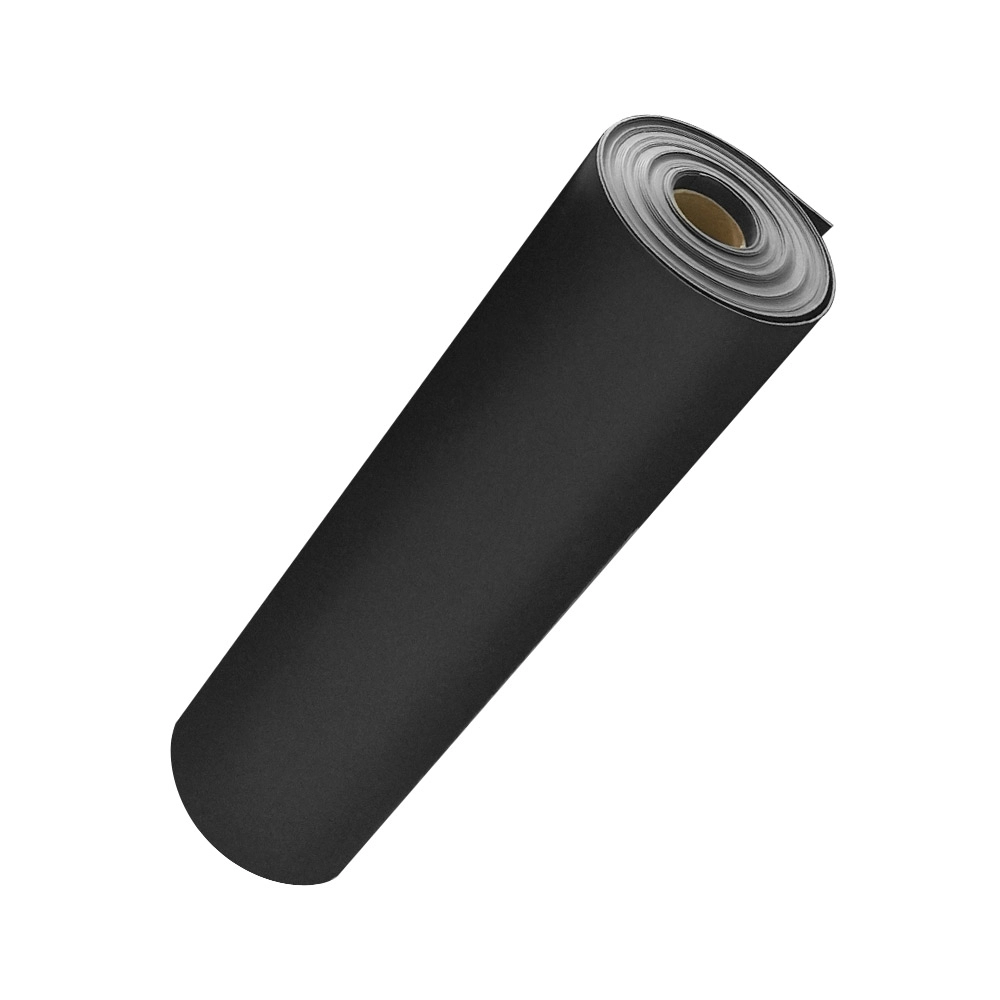
Mass Loaded Vinyl: Myths vs Facts
Tips for buy self-adhesive automotive sound deadening mat
Top 10 Mass Loaded Vinyl Products for Professional Soundproofing
FAQs
Does ASLONG provide after-sales service?
Yes, we provide a full range of after-sales services, including technical support, installation guidance, product maintenance and quality tracking, etc., to ensure that each project goes smoothly and continues to perform at its best.
What industries are the products provided by ASLONG suitable for?
ASLONG's products are suitable for multiple industries, including air conditioning and HVAC, construction and waterproofing, automobiles and transportation, home appliances and electronics, industrial equipment and machinery, etc. We provide customized solutions for each industry to meet different needs.
What specific functions can ASLONG's products provide?
Our products cover functions such as insulation, sound insulation, shock absorption, waterproofing and sealing, and are widely used in improving energy efficiency, reducing noise, controlling vibration, protecting equipment, etc., helping customers optimize engineering effects and improve user experience.
Do ASLONG's products meet environmental protection standards?
Yes, all ASLONG products comply with ISO14001 environmental management system certification and global environmental protection standards. We use environmentally friendly materials and are committed to providing sustainable solutions to help customers achieve green development goals.
How to customize products that meet the needs of my industry?
You only need to contact our sales or technical team, we will conduct an in-depth analysis based on your industry needs and provide tailor-made products and solutions. We guarantee to provide you with efficient and accurate services to meet your personalized requirements.
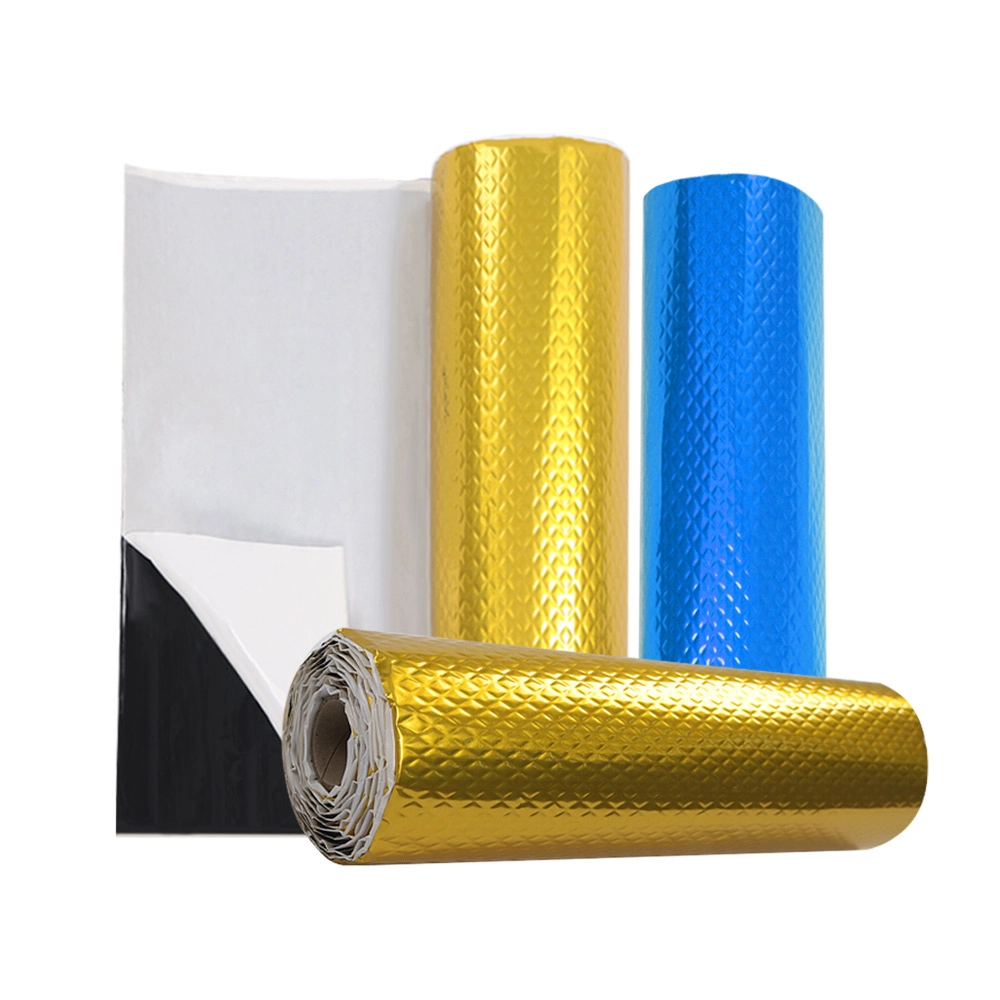
Butyl Rubber Sound Damping Mat
ASLONG Butyl Rubber Sound Damping Mat for sale. Effectively reduces noise and vibrations. High-quality butyl rubber ensures superior performance and durability. Ideal for automotive, industrial, and home applications.
Mass Loaded Vinyl
ASLONG Mass Loaded Vinyl for sale. Reduce noise pollution effectively with our high-quality, mass-loaded vinyl. Ideal for soundproofing walls, floors, and more. Buy now and experience the difference!
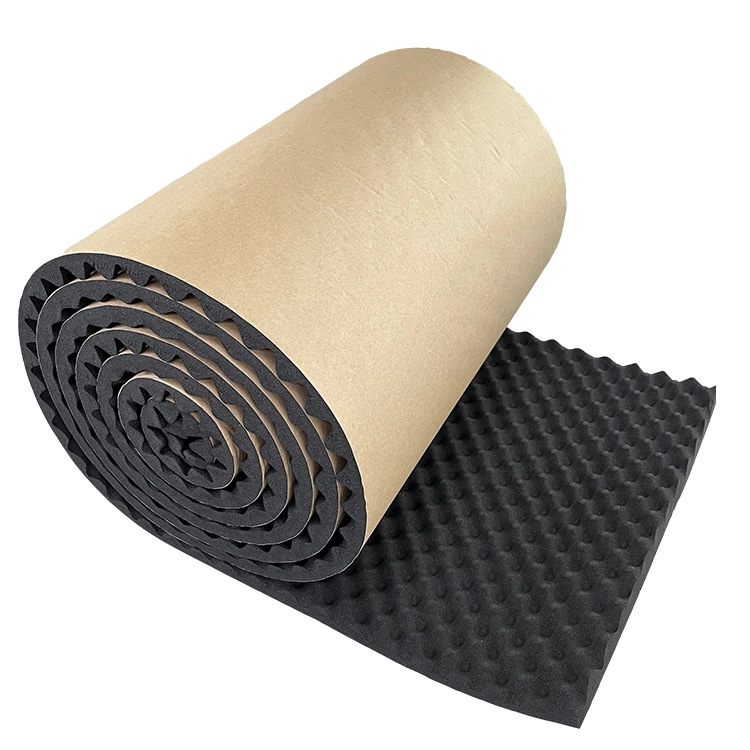
Egg Crate Foam
ASLONG Egg Crate Foam for sale. Lightweight, breathable, and comfortable, our egg crate foam provides superior support and pressure relief. Perfect for mattresses, cushions, cars, construction industry, KTV, factories, etc.
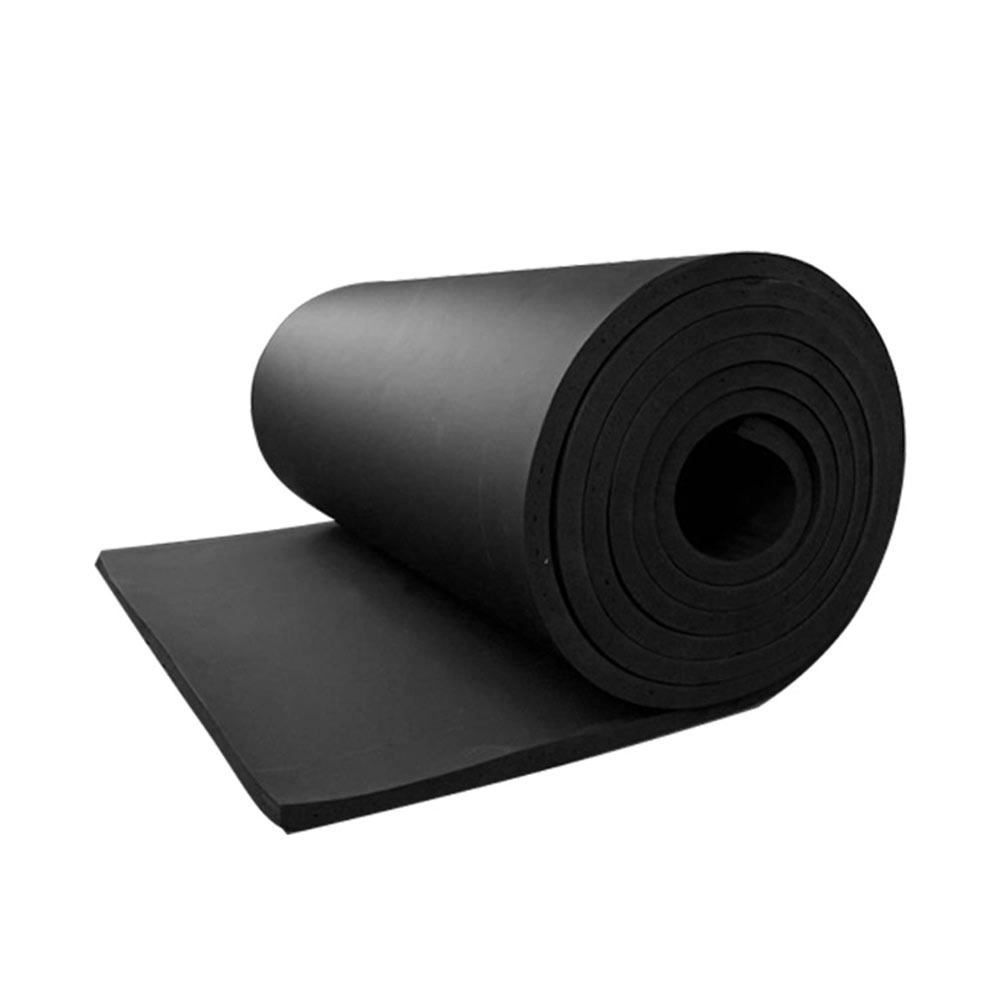
NBR Foam
ASLONG NBR Foam: Wholesale NBR foam solutions for diverse applications. High-quality, durable, and competitively priced. Contact us today for bulk orders.
Professional support at any time
If you have any comments or good suggestions, please leave us a message; later our professional staff will contact you as soon as possible.
© 2026 ASLONG All Rights Reserved. Privacy Policy | Terms and Conditions | Sitemap

 It would be pleasure to receive from you.
Whatsapp: +8613242879341
ASLONG Global
ASLONG
Aslong_global