

Mass Loaded Vinyl and Sound Transmission Class Explained
- Mass Loaded Vinyl and Sound Transmission Class Explained
- What is Mass Loaded Vinyl (Mass Loaded Vinyl)?
- How Sound Transmission Class (STC) Works and Why It Matters
- Why Mass (and MLV) Reduces Noise
- Typical MLV Specifications and Commercial Use (Mass Loaded Vinyl)
- Product Introduction — ASLONG Mass Loaded Vinyl
- How MLV Affects STC: Practical Improvements
- Comparison Table: MLV Options and Expected Performance
- Standards and Testing: STC, ASTM E90 and Related Protocols
- Installation Best Practices to Maximize STC Gains
- Common Applications and Case Examples
- Limitations and When to Use Complementary Solutions
- Cost Considerations and Return on Investment
- How to Specify MLV for a Project (Mass Loaded Vinyl)
- Brand Advantages: Why Choose ASLONG Mass Loaded Vinyl
- FAQ — Frequently Asked Questions (Mass Loaded Vinyl & STC)
- Contact / View Product — Call to Action
- Sources and References
- Disclaimer

Mass Loaded Vinyl and Sound Transmission Class Explained
What is Mass Loaded Vinyl (Mass Loaded Vinyl)?
Mass Loaded Vinyl (MLV) is a high-density, flexible soundproofing material used to add mass to building assemblies and reduce airborne sound transmission. Composed of a heavy polymer compound often blended with barium sulfate or calcium carbonate, MLV is manufactured as flexible sheets that can be applied to walls, ceilings, floors, doors, and ductwork. : Mass Loaded Vinyl is widely used in residential and commercial projects to achieve effective soundproofing without major construction.Once the fundamentals of STC and MLV are clear, the next step is seeing how these principles work in real spaces. Learn more in How Mass Loaded Vinyl Improves Room Acoustics.
How Sound Transmission Class (STC) Works and Why It Matters
Sound Transmission Class (STC) is a single-number rating that describes how well a building partition (wall, floor, ceiling) attenuates airborne sound. STC is derived from standardized laboratory measurements comparing transmission loss at different frequencies and then matching the results to a reference contour (ASTM E413). Higher STC values indicate better sound isolation. For context: a typical interior drywall partition might have an STC in the mid-30s, while a properly insulated double-stud wall with MLV and decoupling can reach STC 55+.
Why Mass (and MLV) Reduces Noise
The principle of adding mass to control airborne sound is rooted in basic acoustics: heavier partitions vibrate less for a given sound pressure, so less energy is transmitted through. MLV acts as a limp mass layer — it is dense yet flexible, which helps damp vibrations and break sound transmission paths. : Using Mass Loaded Vinyl is an efficient way to increase the mass of an assembly without rebuilding a wall.
Typical MLV Specifications and Commercial Use (Mass Loaded Vinyl)
MLV comes in various nominal weights and thicknesses. Typical commercial products range from about 1 lb/ft² to 2 lb/ft² (≈4.9 to 9.8 kg/m²) and thicknesses from roughly 1.5 mm to 6 mm. Heavier MLV delivers greater low-frequency performance but is less flexible for tight turns. : ASLONG Mass Loaded Vinyl offers product options suitable for walls, floors, and ceilings to meet different project needs.
Product Introduction — ASLONG Mass Loaded Vinyl
ASLONG Mass Loaded Vinyl for sale. Reduce noise pollution effectively with our high-quality, mass-loaded vinyl. Ideal for soundproofing walls, floors, and more. Buy now and experience the difference!
How MLV Affects STC: Practical Improvements
When properly installed, MLV can increase the STC rating of an existing partition by several points. Typical improvements depend on the baseline assembly and installation quality. A single layer of MLV applied to an existing drywall can add roughly 5–10 STC points in many assemblies. For example, adding MLV to an existing 1/2 drywall partition (STC mid-30s) may push performance toward the low-to-mid 40s if seams and flanking paths are addressed. : Specifying Mass Loaded Vinyl as part of a retrofit or new build lets you meet target STC ratings without major wall rebuilds.
Comparison Table: MLV Options and Expected Performance
Below is a practical comparison of common MLV options and their typical effects on assemblies. Values are approximate and depend on the entire assembly and installation quality.
| MLV Type | Nominal Weight | Thickness | Typical Added STC (approx.) | Best Uses |
|---|---|---|---|---|
| Light MLV | ~1 lb/ft² (4.9 kg/m²) | ~1.5–2.0 mm | +3 to +6 | Interior walls, ceilings, doors |
| Standard MLV | ~1.5 lb/ft² (7.3 kg/m²) | ~2.0–3.5 mm | +5 to +8 | Walls, floors, retrofit projects |
| Heavy MLV | ~2 lb/ft² (9.8 kg/m²) | ~4.0–6.0 mm | +7 to +12 | High-noise environments, studios, mechanical rooms |
Sources for ranges: manufacturer data and independent lab tests (see citations at end).
Standards and Testing: STC, ASTM E90 and Related Protocols
STC values come from standardized testing. ASTM E90 describes laboratory measurement of airborne sound transmission loss; ASTM E413 defines how to derive single-number ratings like STC from those measurements. For real-world comparisons, field test standards like ASTM E336 may be used. : When specifying Mass Loaded Vinyl for code or certification purposes, require lab-tested assemblies with documented STC values per ASTM standards.
Installation Best Practices to Maximize STC Gains
MLV is effective only if installed to minimize flanking paths and leaks. Key steps:
- Overlap and seal all seams with acoustic tape or mastic.
- Seal perimeters—use acoustical caulk around edges and penetrations.
- Apply directly to framing or over existing drywall; in some assemblies it’s sandwiched between layers of gypsum.
- Avoid bridging with rigid fasteners; use washers or resilient channels if necessary.
- Address flanking paths (ducts, gaps, electrical boxes) to preserve STC gains.
Common Applications and Case Examples
MLV is used widely in:
- Apartment and condominium retrofit walls to meet neighbor noise complaints.
- Recording studios and home theaters where mid and high-frequency isolation matters.
- Mechanical rooms and HVAC ductwork to reduce transmitted noise.
- Floor underlayment systems to reduce impact and airborne noise transmission.
Limitations and When to Use Complementary Solutions
MLV primarily addresses airborne noise. It is less effective alone for structure-borne or impact noise (e.g., footsteps, impact on floor). To control these, combine MLV with acoustic underlayments, resilient channels, or floating floor systems. Low-frequency noise (sub-bass) is more challenging — addressing room boundaries, adding mass, and decoupling are necessary. : For complete solutions, combine Mass Loaded Vinyl with insulation, resilient channels, or acoustic panels as recommended by ASLONG.
Cost Considerations and Return on Investment
While MLV is more expensive per square foot than basic gypsum board, it avoids the time and cost of reconstructing walls. Consider labor savings, reduced downtime, and improved tenant satisfaction. For commercial projects seeking to meet a specific STC target, MLV can be cost-effective compared with full wall rebuilds or adding multiple layers of drywall. : ASLONG offers competitively priced Mass Loaded Vinyl in roll sizes optimized to reduce waste and installation time.
How to Specify MLV for a Project (Mass Loaded Vinyl)
When writing specs:
- Specify the MLV nominal mass (e.g., 1.5 lb/ft²) and thickness.
- Reference ASTM testing and require documentation for assemblies claiming STC ratings.
- Require installation procedures: sealing, overlap, fastener type, and treatment of penetrations.
- Include warranty and product handling guidelines.
Brand Advantages: Why Choose ASLONG Mass Loaded Vinyl
ASLONG Mass Loaded Vinyl brings several practical advantages:
- Quality control: consistent density and flexibility for reliable field performance.
- Variety: multiple weight and thickness options to match different STC targets and installation constraints.
- Support: installation guidance and documentation to ensure sealed seams and minimized flanking paths.
- Value: competitive pricing with roll sizes that reduce seams and labor time.
FAQ — Frequently Asked Questions (Mass Loaded Vinyl & STC)
Q: What is the difference between MLV and regular drywall?
A: Drywall adds stiffness and some mass; MLV adds high mass in a thin, flexible form. MLV is designed to be a limp mass layer that reduces airborne sound transmission and can complement drywall for higher STC performance.
Q: Can MLV stop low-frequency noise?
A: MLV helps low-frequency transmission compared to lighter materials, but very low-frequency (sub-bass) control often requires additional mass, decoupling, and room treatments.
Q: Is MLV hard to install?
A: MLV is flexible and can be hung or adhesively bonded, but seams and perimeter sealing are critical. Proper installation ensures the expected STC gains.
Q: How is STC measured?
A: STC is calculated from laboratory measurements of transmission loss across a frequency range (per ASTM E90) and referenced to a standard contour (ASTM E413).
Q: Will MLV block impact noise (footsteps)?
A: No—MLV primarily addresses airborne noise. For impact noise, combine MLV with acoustic underlayment or floating floor systems.
Contact / View Product — Call to Action
If you're ready to reduce noise with a proven solution, contact ASLONG for samples, technical datasheets, and pricing. View product options and order Mass Loaded Vinyl today to start improving STC and occupant comfort.
Contact ASLONG | View Mass Loaded Vinyl Products
Sources and References
The following standards and industry resources were referenced for technical definitions, testing methods, and typical performance ranges:
- ASTM E90 — Standard Test Method for Laboratory Measurement of Airborne Sound Transmission Loss of Building Partitions. (ASTM International)
- ASTM E413 — Classification for Rating Sound Insulation. (ASTM International)
- Acoustical Surfaces — Product and installation guides for Mass Loaded Vinyl (technical datasheets and performance notes).
- Soundproofing Company — Technical articles on MLV and soundproofing performance.
- Green Glue Noiseproofing — Industry resources on adding mass and sound isolation strategies.
Disclaimer
Performance numbers in this article are representative ranges based on manufacturer data, independent lab reports, and field experience. Actual STC gains depend on the complete assembly, installation quality, and site-specific factors. For certified STC values, request lab-tested assembly data per ASTM E90/E413 from your supplier.
The B2B Buyer’s Guide to environmental sound absorbing cotton china | ASLONG Ultimate Insights
How to Choose the best soundproofing material for interior walls manufacturer and supplier ?
Top 5 butyl waterproof tape Company List and Products Compared
Wholesale acoustic panel material manufacturer and supplier
FAQs
How to customize products that meet the needs of my industry?
You only need to contact our sales or technical team, we will conduct an in-depth analysis based on your industry needs and provide tailor-made products and solutions. We guarantee to provide you with efficient and accurate services to meet your personalized requirements.
What specific functions can ASLONG's products provide?
Our products cover functions such as insulation, sound insulation, shock absorption, waterproofing and sealing, and are widely used in improving energy efficiency, reducing noise, controlling vibration, protecting equipment, etc., helping customers optimize engineering effects and improve user experience.
Does ASLONG provide after-sales service?
Yes, we provide a full range of after-sales services, including technical support, installation guidance, product maintenance and quality tracking, etc., to ensure that each project goes smoothly and continues to perform at its best.
Do ASLONG's products meet environmental protection standards?
Yes, all ASLONG products comply with ISO14001 environmental management system certification and global environmental protection standards. We use environmentally friendly materials and are committed to providing sustainable solutions to help customers achieve green development goals.
What industries are the products provided by ASLONG suitable for?
ASLONG's products are suitable for multiple industries, including air conditioning and HVAC, construction and waterproofing, automobiles and transportation, home appliances and electronics, industrial equipment and machinery, etc. We provide customized solutions for each industry to meet different needs.
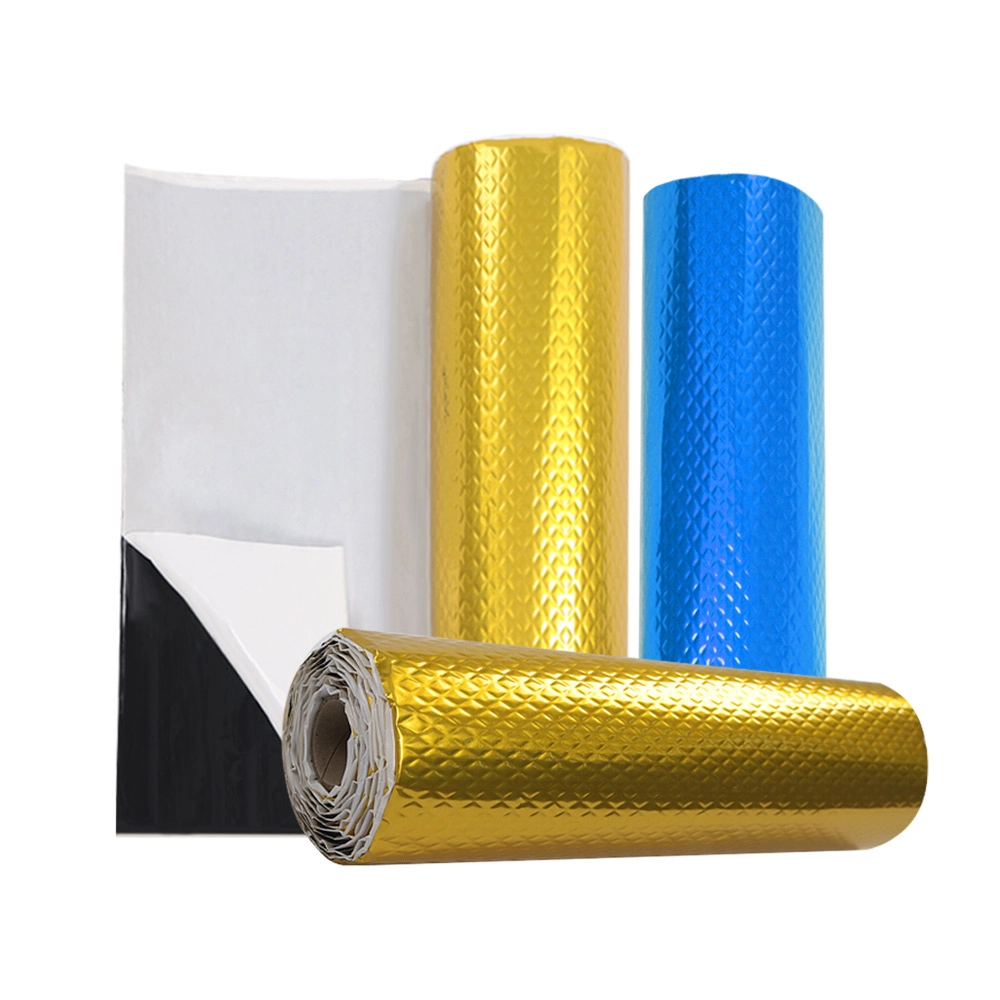
Butyl Rubber Sound Damping Mat
ASLONG Butyl Rubber Sound Damping Mat for sale. Effectively reduces noise and vibrations. High-quality butyl rubber ensures superior performance and durability. Ideal for automotive, industrial, and home applications.
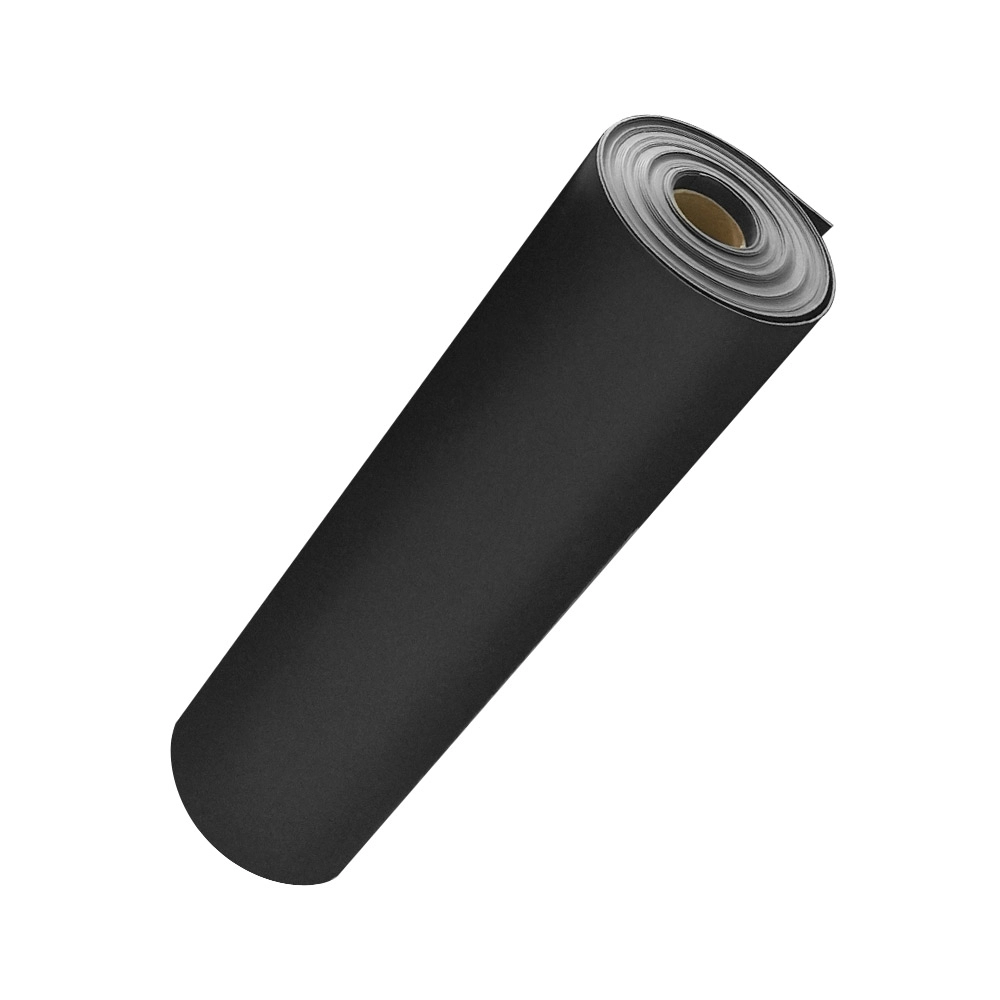
Mass Loaded Vinyl
ASLONG Mass Loaded Vinyl for sale. Reduce noise pollution effectively with our high-quality, mass-loaded vinyl. Ideal for soundproofing walls, floors, and more. Buy now and experience the difference!
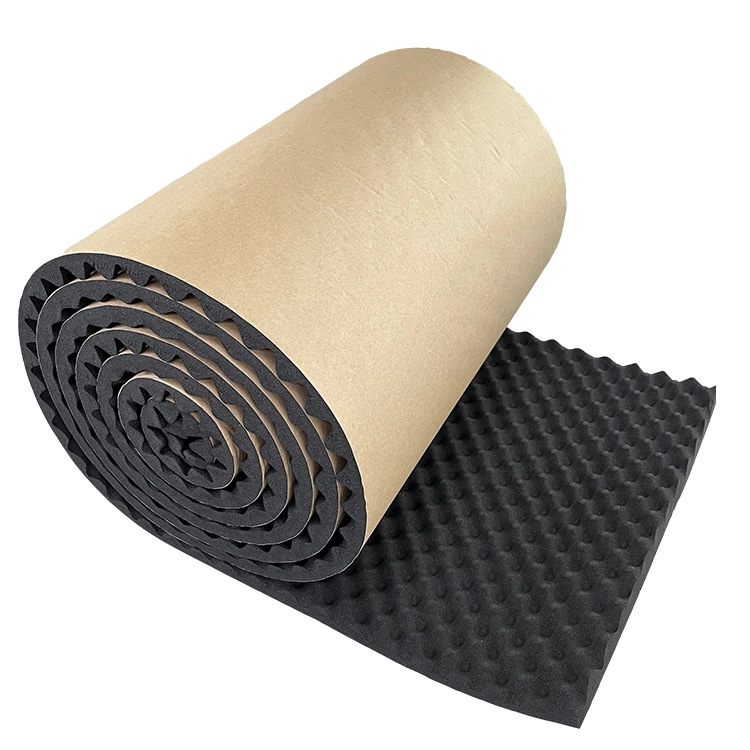
Egg Crate Foam
ASLONG Egg Crate Foam for sale. Lightweight, breathable, and comfortable, our egg crate foam provides superior support and pressure relief. Perfect for mattresses, cushions, cars, construction industry, KTV, factories, etc.
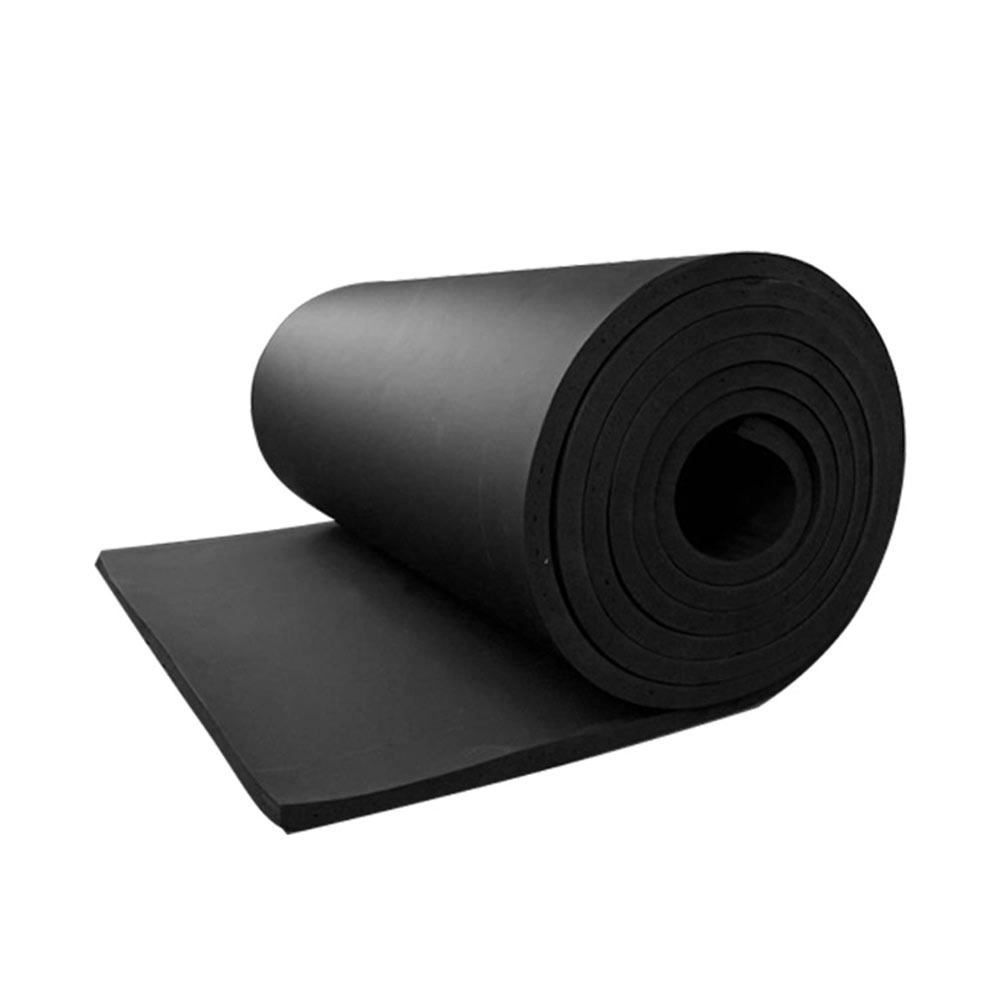
NBR Foam
ASLONG NBR Foam: Wholesale NBR foam solutions for diverse applications. High-quality, durable, and competitively priced. Contact us today for bulk orders.
Professional support at any time
If you have any comments or good suggestions, please leave us a message; later our professional staff will contact you as soon as possible.
© 2026 ASLONG All Rights Reserved. Privacy Policy | Terms and Conditions | Sitemap

 It would be pleasure to receive from you.
Whatsapp: +8613242879341
ASLONG Global
ASLONG
Aslong_global