

How Butyl Rubber Sound Damping Mat reduces vibrations and road noise
- How Butyl Rubber Sound Damping Mat reduces vibrations and road noise
- Product introduction — Butyl Rubber Sound Damping Mat
- What is a butyl rubber sheet and why it matters for sound damping
- How vibrations and road noise are generated
- Mechanisms: How Butyl Rubber Sound Damping Mat reduces vibration and road noise
- Material properties that make butyl rubber effective
- Performance comparison: Butyl rubber mat versus common alternatives
- Where Butyl Rubber Sound Damping Mat delivers the most benefit
- Installation best practices for maximum performance
- Quantifying benefits — what to expect in real-world reductions
- Durability, maintenance, and environmental considerations
- Case studies and typical use cases
- ASLONG brand advantages and why choose Butyl Rubber Sound Damping Mat
- Cost vs. benefit — making the business case
- Frequently Asked Questions (FAQ)
- Q: What is the difference between butyl rubber sheet and other sound-deadening mats?
- Q: How much coverage of Butyl Rubber Sound Damping Mat do I need for a car door?
- Q: Will the mat cause corrosion under panels?
- Q: Can I install the mat myself?
- Q: How long does the damping effect last?
- Contact us / View product
- Further reading and authoritative references

How Butyl Rubber Sound Damping Mat reduces vibrations and road noise
Product introduction — Butyl Rubber Sound Damping Mat
ASLONG Butyl Rubber Sound Damping Mat for sale. Effectively reduces noise and vibrations. High-quality butyl rubber ensures superior performance and durability. Ideal for automotive, industrial, and home applications.
What is a butyl rubber sheet and why it matters for sound damping
The term butyl rubber sheet refers to a sheet-form elastomer made from isobutylene and isoprene (butyl rubber). In sound control applications, these sheets are laminated or supplied as mats—commonly called Butyl Rubber Sound Damping Mat—to provide viscoelastic damping, mass loading, and sealing. Butyl rubber combines flexibility, strong adhesion to metal or composite surfaces, and long-term environmental stability. These properties are essential for reducing structure-borne vibrations and airborne road noise in vehicles, machinery, and building applications.
How vibrations and road noise are generated
Road noise consists of multiple components: tire-pavement interaction, engine and drivetrain noise, aerodynamic noise, and structure-borne vibrations transmitted through vehicle panels and mounts. When a vibrating source (wheel, engine, or road surface) excites a vehicle panel, that panel can act as a radiating surface and convert mechanical energy into sound energy. Controlling road noise effectively requires addressing both airborne and structure-borne paths—damping materials like butyl rubber sheets are targeted predominantly at the structure-borne component by reducing the panel’s ability to vibrate and radiate sound.
Mechanisms: How Butyl Rubber Sound Damping Mat reduces vibration and road noise
Butyl Rubber Sound Damping Mat works through several complementary mechanisms:
- Viscoelastic damping: Butyl rubber exhibits viscoelastic behavior—the material dissipates vibrational energy as heat. When bonded to a vibrating panel, the butyl mat converts mechanical vibrational energy into thermal energy, lowering the panel’s vibration amplitude and sound radiation.
- Mass loading: Adding mass to a thin metal panel shifts its natural frequencies downward and reduces the panel’s acceleration for the same excitation force, which reduces radiated noise at mid-to-high frequencies.
- Constrained-layer damping (CLD) effect: When a butyl layer is bonded between a structural panel and a constraining layer (e.g., foil or another skin), shear strains in the elastomer increase dissipation—this is very effective across a broad frequency band.
- Sealing and decoupling: Butyl mats can seal gaps and isolate panels from direct transmission paths, preventing airborne noise leakage and reducing transmitted vibration to adjacent structures.
Material properties that make butyl rubber effective
Key material attributes of butyl rubber that directly influence damping performance:
- High loss factor: Butyl exhibits a relatively high loss factor (internal damping), which determines how much vibrational energy it can dissipate.
- Adhesion: Good tack and adhesive backing allow durable, continuous contact with substrate surfaces—critical for efficient energy transfer from metal to damping layer.
- Temperature stability: Butyl maintains damping performance across a useful temperature range, resisting hardening or excessive softening that would reduce efficiency.
- Durability and aging resistance: Butyl resists ozone and oxidative degradation better than many natural rubber formulations, ensuring long-term effectiveness.
Performance comparison: Butyl rubber mat versus common alternatives
Below is a practical comparison of typical damping materials used for vehicles and industrial panels. The values listed are characteristic and intended for comparison, not exact specifications for a particular product.
| Property | Butyl Rubber Sheet (Butyl Mat) | Bitumen / Asphalt Mat | Closed-cell Foam | Constrained-layer (Butyl + Foil) |
|---|---|---|---|---|
| Typical density (kg/m3) | ~900–1300 | ~1000–1400 | ~30–200 | ~1100–1500 |
| Loss factor (damping) | High | Medium | Low | Very high (broadband) |
| Temperature stability | Good | Variable (soft at high T) | Limited | Good |
| Adhesion to metal | Excellent (adhesive backing available) | Good | Poor (needs adhesive) | Excellent |
| Typical applications | Automotive doors, floors, trunks, machinery panels | Vehicle panels, ceilings | HVAC ducts, enclosures (air absorption) | High-performance vehicle damping, body-in-white |
Where Butyl Rubber Sound Damping Mat delivers the most benefit
The mat is particularly effective in applications where metal panels are the dominant radiators of noise: vehicle doors, roof, floor pans, trunk lids, inner fenders, and engine compartment panels. In industrial settings, it performs well on equipment housings, generator enclosures, and sheet-metal panels subject to tonal excitations. In buildings, butyl mats can be used under floors, behind drywall, or on metal HVAC components to reduce vibration-induced noise. The product's flexibility and conformability allow application to curved surfaces and tight spaces, enabling targeted damping where it matters most.
Installation best practices for maximum performance
Correct installation is essential to realize the performance of a butyl rubber sheet. Follow these practical steps:
- Surface preparation: Clean the surface to remove oil, dirt, and rust. A degreaser and light abrasion create the best bond.
- Temperature: Apply at recommended temperatures (often >10°C/50°F) to ensure good adhesion; some products can be heated lightly to improve conformability.
- Roll and press: Use a roller to press the mat firmly to the substrate, removing air pockets and ensuring intimate contact for shear coupling.
- Coverage strategy: For broad panels, cover strategic high-vibration zones (center of panel, corners, and spans) or use patterned coverage to balance weight and performance.
- Edge sealing: Overlap or seal edges where possible to prevent moisture ingress and maintain continuous damping.
Quantifying benefits — what to expect in real-world reductions
Real-world noise reduction depends on vehicle type, panel geometry, and installation coverage. Typical results from field tests and acoustic modeling show:
- Structure-borne vibration reduction of 3–12 dB at targeted modal peaks.
- Perceived cabin noise reduction of 1–4 dB overall, which is significant because a 3 dB reduction represents roughly a 20% energy decrease and is noticeable to listeners.
- Substantial tonal reduction where constrained-layer damping targets specific resonant frequencies.
These figures vary; combining damping with absorption and barrier strategies yields the best broadband reduction.
Durability, maintenance, and environmental considerations
Butyl mats are valued for their long-term stability. They resist cracking, remain adhesive over years, and are less sensitive to ozone and UV than some elastomers. For maintenance:
- Inspect adhesion at edges periodically in high-moisture environments.
- Replace or re-adhere areas where corrosion under the mat has occurred (good surface prep prevents this).
- Do not paint over mats unless specified by the manufacturer—some coatings can reduce damping.
Case studies and typical use cases
Common cases where Butyl Rubber Sound Damping Mat provides measurable gains:
- Automotive: Reduced door panel rattles and lower mid-frequency cabin noise after applying ~1.5–2.5 m² of butyl mat per vehicle in strategic locations.
- Industrial: Generator enclosures and HVAC panels saw reduced tonal noise and a calmer acoustic signature when mat was applied to radiating panels.
- Home and marine: Appliance housings and boat engine compartments benefited from reduced panel-borne noise, improving perceived quietness.
ASLONG brand advantages and why choose Butyl Rubber Sound Damping Mat
ASLONG’s Butyl Rubber Sound Damping Mat stands out for several reasons:
- Quality raw materials: High-grade butyl formulations ensure consistent damping and adhesion over time.
- Manufacturing controls: Controlled thickness and backing adhesion improve installation reliability and predictability.
- Product range: Options in thickness, adhesive backing, and laminated constraining layers (foil) allow tailoring to weight and performance targets.
- Application support: Technical guidance for installers and engineers helps maximize in-situ performance.
Cost vs. benefit — making the business case
While adding mass and material has a cost and weight impact, the benefits often justify the investment: reduced warranty calls for rattles, improved occupant comfort (which is a brand differentiator in automotive markets), and extended life of components by reducing fatigue-inducing vibrations. Optimizing coverage (targeted application) achieves most of the benefit at a controlled cost and minimal weight penalty.
Frequently Asked Questions (FAQ)
Q: What is the difference between butyl rubber sheet and other sound-deadening mats?
A: Butyl rubber sheets provide higher viscoelastic damping and adhesion compared with many foams and standard bitumen sheets. They perform especially well across a broad temperature range and for constrained-layer applications.
Q: How much coverage of Butyl Rubber Sound Damping Mat do I need for a car door?
A: Coverage depends on door design and target performance. A common approach is to cover the central radiating areas and perimeter and use 30–60% surface coverage to achieve significant vibration reduction without excessive weight.
Q: Will the mat cause corrosion under panels?
A: Proper surface preparation (cleaning and treating bare metal) prevents corrosion. Quality butyl mats are designed to be non-reactive, but trapped moisture under improperly prepared surfaces can cause problems—prepare and dry surfaces before installation.
Q: Can I install the mat myself?
A: Yes. Many butyl mats have peel-and-stick backing for DIY installation. For best results on critical applications, professional installation ensures proper surface prep and roller compression for maximum bond.
Q: How long does the damping effect last?
A: With proper installation, damping performance typically lasts many years (5–15+), depending on environmental stressors and mechanical abrasion. Butyl's resistance to aging gives it a long service life compared with some alternatives.
Contact us / View product
With the damping mechanism in mind, proper material selection matters, which is why choosing the right thickness of Butyl Rubber Sheet for soundproofing directly affects results.If you want to reduce vibration and road noise in your vehicle, equipment, or building, contact our sales and technical team to discuss ASLONG Butyl Rubber Sound Damping Mat options, coverage planning, and pricing. For product specifications, samples, or installation guidance, reach out to your local ASLONG representative or request a quote. (Contact information available on our website or via our sales team.)
Further reading and authoritative references
For readers who want to dive deeper into the science and standards behind materials and acoustics, consult the following authoritative sources:
- Butyl rubber — Wikipedia: https://en.wikipedia.org/wiki/Butyl_rubber
- Soundproofing — Wikipedia: https://en.wikipedia.org/wiki/Soundproofing
- Engineering Toolbox — Sound Insulation Materials: https://www.engineeringtoolbox.com/sound-insulation-d_80.
- Acoustical Society of America — Resources on sound and vibration: https://acousticalsociety.org/
Top 5 car sound deadener Company List and Products Compared
Tips for buy automotive sound deadening material
How to manufacturing butyl waterproof tape
How to Choose Automotive Sound Insulation Materials in 2026
FAQs
How to customize products that meet the needs of my industry?
You only need to contact our sales or technical team, we will conduct an in-depth analysis based on your industry needs and provide tailor-made products and solutions. We guarantee to provide you with efficient and accurate services to meet your personalized requirements.
Do ASLONG's products meet environmental protection standards?
Yes, all ASLONG products comply with ISO14001 environmental management system certification and global environmental protection standards. We use environmentally friendly materials and are committed to providing sustainable solutions to help customers achieve green development goals.
What specific functions can ASLONG's products provide?
Our products cover functions such as insulation, sound insulation, shock absorption, waterproofing and sealing, and are widely used in improving energy efficiency, reducing noise, controlling vibration, protecting equipment, etc., helping customers optimize engineering effects and improve user experience.
What industries are the products provided by ASLONG suitable for?
ASLONG's products are suitable for multiple industries, including air conditioning and HVAC, construction and waterproofing, automobiles and transportation, home appliances and electronics, industrial equipment and machinery, etc. We provide customized solutions for each industry to meet different needs.
Does ASLONG provide after-sales service?
Yes, we provide a full range of after-sales services, including technical support, installation guidance, product maintenance and quality tracking, etc., to ensure that each project goes smoothly and continues to perform at its best.
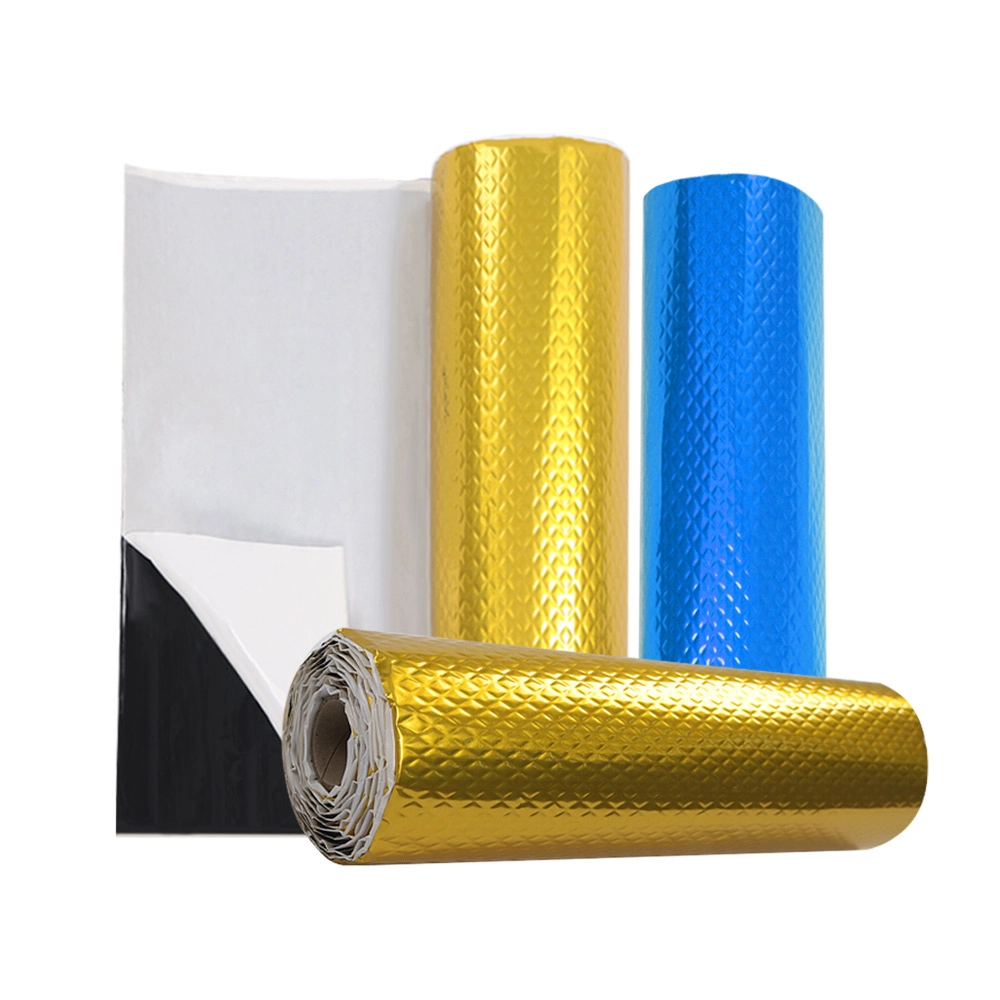
Butyl Rubber Sound Damping Mat
ASLONG Butyl Rubber Sound Damping Mat for sale. Effectively reduces noise and vibrations. High-quality butyl rubber ensures superior performance and durability. Ideal for automotive, industrial, and home applications.
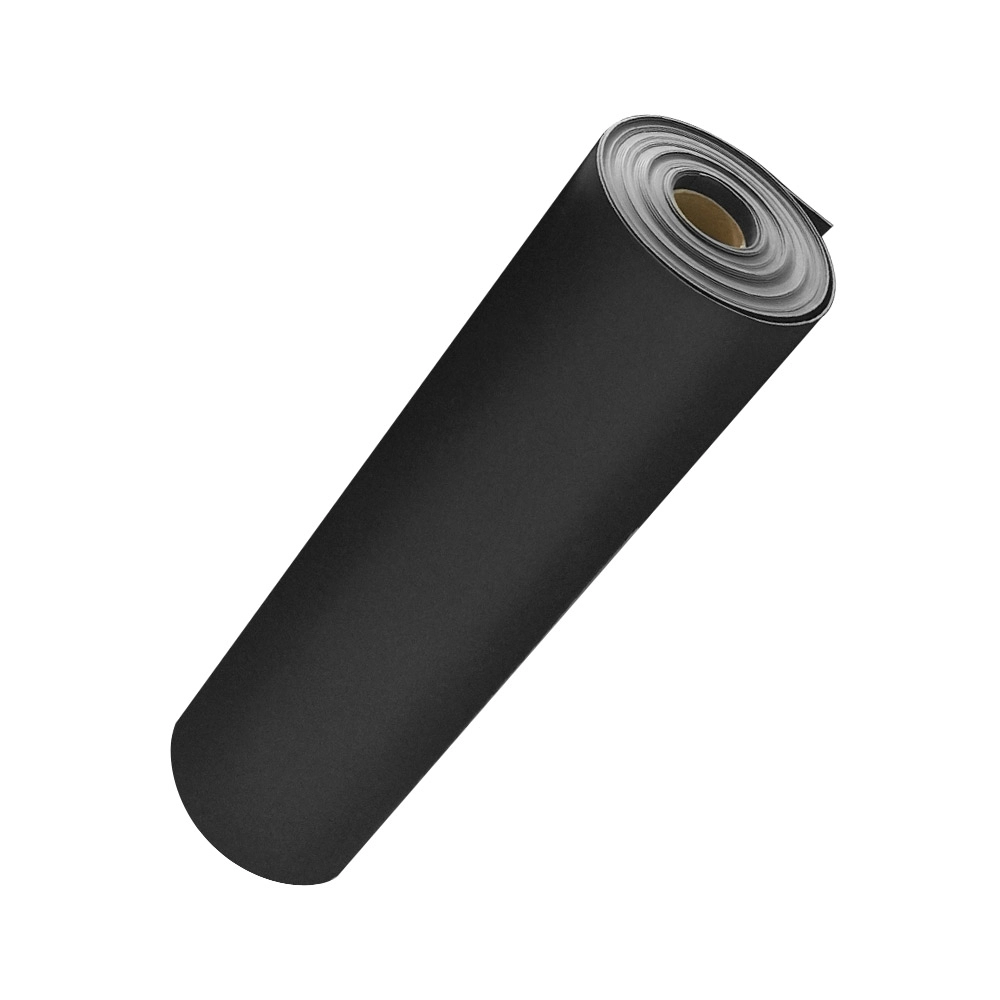
Mass Loaded Vinyl
ASLONG Mass Loaded Vinyl for sale. Reduce noise pollution effectively with our high-quality, mass-loaded vinyl. Ideal for soundproofing walls, floors, and more. Buy now and experience the difference!
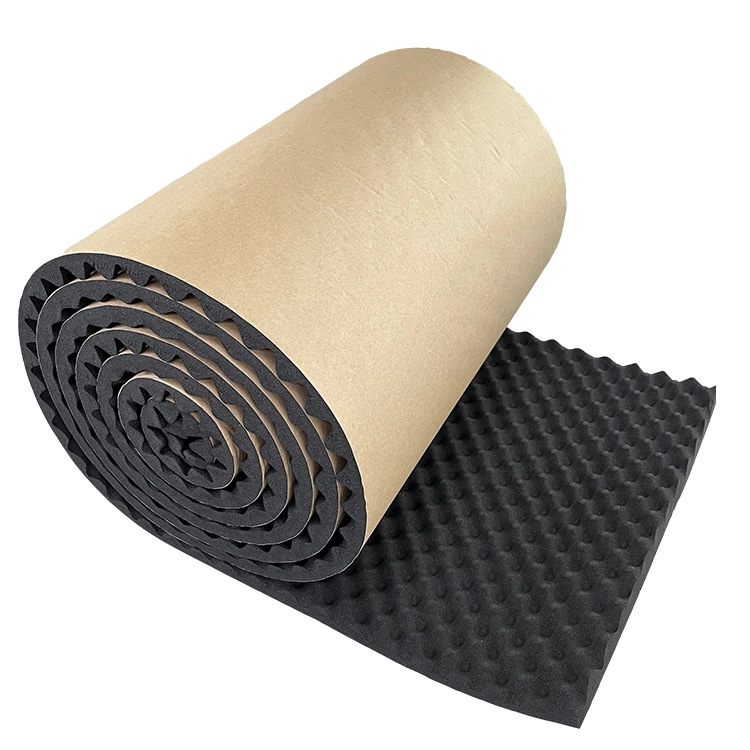
Egg Crate Foam
ASLONG Egg Crate Foam for sale. Lightweight, breathable, and comfortable, our egg crate foam provides superior support and pressure relief. Perfect for mattresses, cushions, cars, construction industry, KTV, factories, etc.
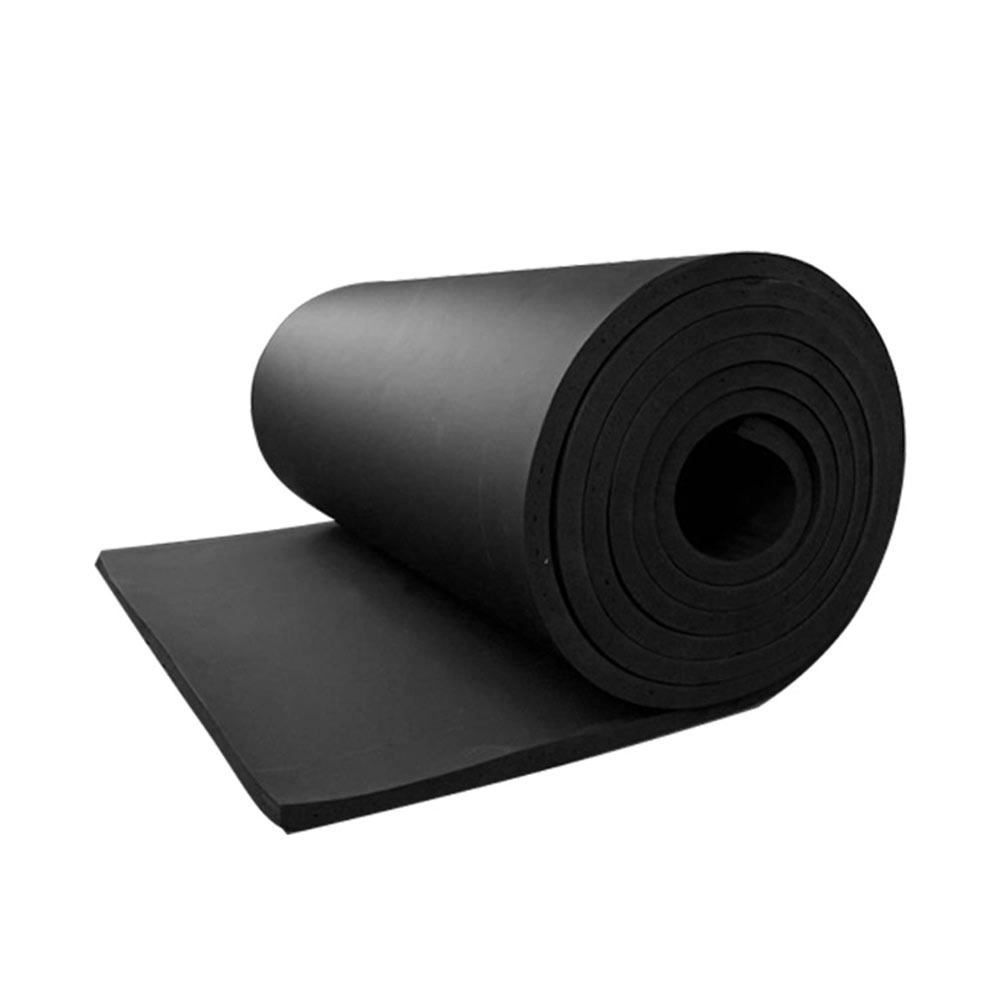
NBR Foam
ASLONG NBR Foam: Wholesale NBR foam solutions for diverse applications. High-quality, durable, and competitively priced. Contact us today for bulk orders.
Professional support at any time
If you have any comments or good suggestions, please leave us a message; later our professional staff will contact you as soon as possible.
© 2026 ASLONG All Rights Reserved. Privacy Policy | Terms and Conditions | Sitemap

 It would be pleasure to receive from you.
Whatsapp: +8613242879341
ASLONG Global
ASLONG
Aslong_global