

Procurement Guide: Selecting Butyl Rubber Sheet for Noise Control
- Procurement Guide: Selecting Butyl Rubber Sheet for Noise Control
- Introduction to butyl rubber sheet and
- What is a butyl rubber sheet and why buy Butyl Rubber Sound Damping Mat?
- Key commercial-intent phrase: buy butyl rubber sheet
- Performance characteristics to specify when procuring butyl rubber sheet
- Applications: where Butyl Rubber Sound Damping Mat excels
- phrase: Butyl Rubber Sound Damping Mat for sale
- Comparison: butyl rubber sheet vs alternative damping materials
- How to specify technical requirements in a purchase order
- Installation best practices for butyl rubber sheets
- Testing, standards, and acceptance criteria
- Commercial-intent phrase: Butyl rubber sheet testing and certification
- Procurement checklist and supplier evaluation
- Cost considerations and lifecycle value
- Storage, handling, and environmental considerations
- Brand advantages: Why choose ASLONG Butyl Rubber Sound Damping Mat
- FAQs — Frequently asked questions about butyl rubber sheet procurement
- Q1: How thick should a butyl rubber sheet be for automotive door panels?
- Q2: Can the butyl mat withstand engine bay temperatures?
- Q3: Are butyl damping mats permanent — will adhesive fail over time?
- Q4: Can I overlap butyl sheets to increase damping?
- Q5: Do I need fire-rated butyl mats for building applications?
- Contact and next steps — order samples and view product
- Authoritative references and further reading

Procurement Guide: Selecting Butyl Rubber Sheet for Noise Control
Introduction to butyl rubber sheet and
When selecting materials to reduce airborne and structure-borne noise, a high-performance butyl rubber sheet is often the preferred choice for automotive, industrial, and residential projects. This procurement guide explains how to evaluate Butyl Rubber Sound Damping Mat options, what technical properties matter, and how to select a reliable supplier to meet performance, durability, and budget goals.
What is a butyl rubber sheet and why buy Butyl Rubber Sound Damping Mat?
Butyl rubber sheet is a dense, viscoelastic polymer sheet designed to absorb and dissipate vibrational energy. Its flexibility, adhesive-friendly surface, and long-term dimensional stability make it ideal as a damping layer applied to metal panels, machinery housings, or building structures. If you are looking to buy butyl rubber sheet, the product commonly sold as a Butyl Rubber Sound Damping Mat delivers significant reductions in structure-borne noise and vibration.
Product spotlight:
<p>ASLONG Butyl Rubber Sound Damping Mat for sale. Effectively reduces noise and vibrations. High-quality butyl rubber ensures superior performance and durability. Ideal for automotive, industrial, and home applications.</p>
Key commercial-intent phrase: buy butyl rubber sheet
For procurement teams, the phrase buy butyl rubber sheet implies requirements beyond material chemistry: consistent performance, reliable supply, installation support, and documented test results. This guide helps translate those requirements into actionable procurement criteria.
Performance characteristics to specify when procuring butyl rubber sheet
When you evaluate Butyl Rubber Sound Damping Mat options, focus on measurable properties that affect damping performance and lifecycle:
- Loss factor (tan delta): A direct measure of energy dissipation. For damping mats, higher loss factors across the operating frequency range indicate better vibration attenuation.
- Density and mass per unit area: Heavier sheets can increase sound transmission loss at mid-to-high frequencies; specify grams per square meter (g/m²) or kg/m² as required.
- Thickness: Typical damping sheets range from 1 mm to 4 mm. Thickness affects flexibility, adhesion, and the frequency band of effective damping.
- Adhesive backing: Self-adhesive butyl mats simplify installation. Ensure adhesive strength and temperature range meet your application (cold-start and elevated temperatures).
- Temperature and environmental resistance: Butyl stays flexible at low temps and resists aging; however, specify operating range (e.g., -40°C to +120°C) and resistance to oils/solvents if used in engine compartments.
- Fire and smoke ratings: For building and public transport applications, request flammability, smoke index, and toxicity data.
Applications: where Butyl Rubber Sound Damping Mat excels
Butyl rubber sheets are versatile. Typical use-cases include:
- Automotive: Door skins, trunks, floor pans, roof panels and under-hood components to reduce rattle and airborne noise.
- Industrial equipment: Motor housings, HVAC ductwork, and pump or compressor mounts to lower vibration transmission and improve worker comfort.
- Residential and commercial buildings: HVAC enclosures, metal cladding, and retrofitting of walls or ceilings to reduce structure-borne noise.
phrase: Butyl Rubber Sound Damping Mat for sale
For purchasers who need ready-to-install solutions, mats sold with factory-applied adhesive and standardized sizing reduce onsite labor and variability. Ask for sample packs and installation guides before placing larger orders.
Comparison: butyl rubber sheet vs alternative damping materials
Choosing the right material often requires comparing performance, cost, and installation practicality. The table below summarizes typical differences:
| Material | Typical STC/attenuation improvement (approx.) | Typical thickness | Advantages | Drawbacks |
|---|---|---|---|---|
| Butyl rubber sheet (damping mat) | 3–8 dB | 1–4 mm | High damping, durable, adhesive-backed, temperature-stable | Higher material cost vs simple foams, heavier |
| Bitumen damping sheets | 2–6 dB | 1–3 mm | Cost-effective, good mass-loading | Can flow at high temp, smell, heavier |
| Open-cell acoustic foam | 1–3 dB (structure-borne limited) | 10–50 mm | Lightweight, good for airborne absorption | Poor structural damping, degrades over time |
| Constrained layer damping (CLD) systems | 5–12 dB | varies | Very effective over broad band | More complex installation, higher cost |
Note: dB ranges are approximate and depend on substrate, installation quality, and frequency content of the noise source. Always request test data or conduct on-site trials for critical applications.
How to specify technical requirements in a purchase order
Include the following items in your technical specification to ensure suppliers quote correctly:
- Product type and commercial name (e.g., Butyl Rubber Sound Damping Mat, ASLONG).
- Thickness tolerance and density (e.g., 2.0 ±0.1 mm, 2.1 g/cm³).
- Mass per unit area (g/m² or kg/m²).
- Adhesive type and peel strength (N/25 mm) and allowed service temperature range.
- Dimensional tolerances and roll/trim sizes (e.g., 1 m x 10 m rolls or 500 x 1000 mm sheets).
- Environmental and fire performance requirements (e.g., UL94-V0, FMVSS if automotive, or local building code classification).
- Testing and acceptance criteria (e.g., supplier test reports for damping loss factor, bond strength, and aging tests; optional third-party lab tests).
Installation best practices for butyl rubber sheets
Proper installation maximizes material performance and reduces rework costs. Key steps:
- Surface preparation: Clean surfaces of oil, dust, and loose paint. Use a mild solvent if necessary and ensure the surface is dry.
- Temperature: Install at manufacturer-recommended temperature range. Adhesive bonds develop best between 10–35°C for most self-adhesive mats.
- Application technique: Apply firm pressure (roller or hand) to eliminate air pockets and ensure uniform contact. Overlap edges only if recommended—avoid excessive overlaps that create lumps.
- Edge sealing: For outdoor or moisture-prone applications, seal cut edges with compatible sealant to avoid water ingress.
- Service inspection: Plan periodic inspections for detachment, cracking, or adhesive bleed in harsh environments.
Testing, standards, and acceptance criteria
Request documented test data aligned with recognized standards. Common references include:
- Dynamic mechanical analysis (DMA) for loss factor vs frequency and temperature.
- ASTM E90 / ISO 10140 for laboratory airborne sound transmission testing.
- ASTM D3330 for peel adhesion (if self-adhesive).
- UL/EN fire classifications or automotive standards (FMVSS, SAE) depending on application.
Including a clause for third-party verification or on-site acoustic validation gives buyers confidence in supplier claims.
Commercial-intent phrase: Butyl rubber sheet testing and certification
Ask suppliers to supply certificates and test reports. If a product claim lacks supporting documentation, require samples for independent lab testing prior to bulk purchase.
Procurement checklist and supplier evaluation
Use this checklist when comparing quotes and suppliers:
- Are full product specifications supplied (thickness, density, adhesive type)?
- Are test reports or certificates available for damping performance and adhesive strength?
- Does the supplier provide installation guidelines and technical support?
- What are lead times, minimum order quantities, and packaging options?
- Warranty terms and shelf-life (storage conditions and expected lifetime in-service).
- References from similar projects or industries (automotive OEMs, HVAC contractors, or building projects).
Cost considerations and lifecycle value
Although butyl rubber sheets have a higher upfront cost than simple foams, their durability and superior damping often lead to lower lifecycle costs by reducing maintenance, vibration-related failures, and warranty claims. When evaluating bids, compare total installed cost (material + labor + downtime) and expected service life rather than unit price alone.
Storage, handling, and environmental considerations
Store mats flat or on rolls in cool, dry conditions away from direct sunlight. Avoid stacking heavy objects on top of stored rolls to prevent permanent deformation. For environmentally sensitive projects, ask about recyclability, VOC emissions, and presence of restricted substances (RoHS compliance where applicable).
Brand advantages: Why choose ASLONG Butyl Rubber Sound Damping Mat
ASLONG Butyl Rubber Sound Damping Mat is designed for procurement professionals who need a balance of performance, durability, and practical installation features. Key brand advantages include:
- Consistent damping performance across a broad frequency range, backed by DMA test data (request reports).
- Self-adhesive backing for fast application and reduced labor costs.
- Robust temperature tolerance and aging resistance suitable for automotive and industrial environments.
- Available in a range of standardized roll sizes and sheet formats to fit production and retrofit workflows.
- Technical support and installation guidance to reduce field errors and warranty claims.
FAQs — Frequently asked questions about butyl rubber sheet procurement
Q1: How thick should a butyl rubber sheet be for automotive door panels?
A: For door skins, 1.5–3.0 mm is common. Thicker sheets provide higher damping but may add weight and reduce panel flexibility. Trial kits and supplier recommendations are useful for the ideal selection.
Q2: Can the butyl mat withstand engine bay temperatures?
A: Many butyl damping mats are formulated for service up to 100–120°C. Verify the supplier’s specification for continuous and short-term peak temperatures for engine compartment usage.
Q3: Are butyl damping mats permanent — will adhesive fail over time?
A: High-quality butyl mats with proper adhesive backing are designed to remain bonded for years. Proper surface prep and installation within recommended temperature ranges are essential for long adhesive life.
Q4: Can I overlap butyl sheets to increase damping?
A: Some overlap is acceptable for edge sealing, but excessive overlap can create uneven surfaces and reduce the quality of fit. For increased damping, use thicker or higher-loss-factor materials or constrained-layer approaches.
Q5: Do I need fire-rated butyl mats for building applications?
A: Yes — if local building codes require fire or smoke performance, specify the required standard (e.g., EN / UL classifications) and request relevant test documentation.
Contact and next steps — order samples and view product
If you are ready to evaluate Butyl Rubber Sound Damping Mat for your project, request product samples and technical datasheets. For procurement support, installation guides, and pricing, please contact our sales team or visit the product page to view ASLONG Butyl Rubber Sound Damping Mat options and order sample kits.
Contact sales to request a sample, view detailed product specifications, or arrange an on-site demonstration of butyl rubber sheet performance.
Authoritative references and further reading
For additional technical background and standards, consult the following sources:
- Butyl rubber — Wikipedia: https://en.wikipedia.org/wiki/Butyl_rubber
- International Organization for Standardization (ISO): https://www.iso.org
- ASTM International (standards for acoustic and material testing): https://www.astm.org
- Society of Automotive Engineers (SAE): https://www.sae.org
- World Health Organization — Environmental noise: https://www.who.int/health-topics/noise
End of procurement guide.
The B2B Buyer’s Guide to Automotive Soundproofing Material
Wholesale mlv insulation manufacturer and supplier
Top 5 butyl waterproof tape Company List and Products Compared
Top 10 mass loaded vinyl Manufacturers and Supplier Brands
FAQs
How to customize products that meet the needs of my industry?
You only need to contact our sales or technical team, we will conduct an in-depth analysis based on your industry needs and provide tailor-made products and solutions. We guarantee to provide you with efficient and accurate services to meet your personalized requirements.
What specific functions can ASLONG's products provide?
Our products cover functions such as insulation, sound insulation, shock absorption, waterproofing and sealing, and are widely used in improving energy efficiency, reducing noise, controlling vibration, protecting equipment, etc., helping customers optimize engineering effects and improve user experience.
Do ASLONG's products meet environmental protection standards?
Yes, all ASLONG products comply with ISO14001 environmental management system certification and global environmental protection standards. We use environmentally friendly materials and are committed to providing sustainable solutions to help customers achieve green development goals.
Does ASLONG provide after-sales service?
Yes, we provide a full range of after-sales services, including technical support, installation guidance, product maintenance and quality tracking, etc., to ensure that each project goes smoothly and continues to perform at its best.
What industries are the products provided by ASLONG suitable for?
ASLONG's products are suitable for multiple industries, including air conditioning and HVAC, construction and waterproofing, automobiles and transportation, home appliances and electronics, industrial equipment and machinery, etc. We provide customized solutions for each industry to meet different needs.
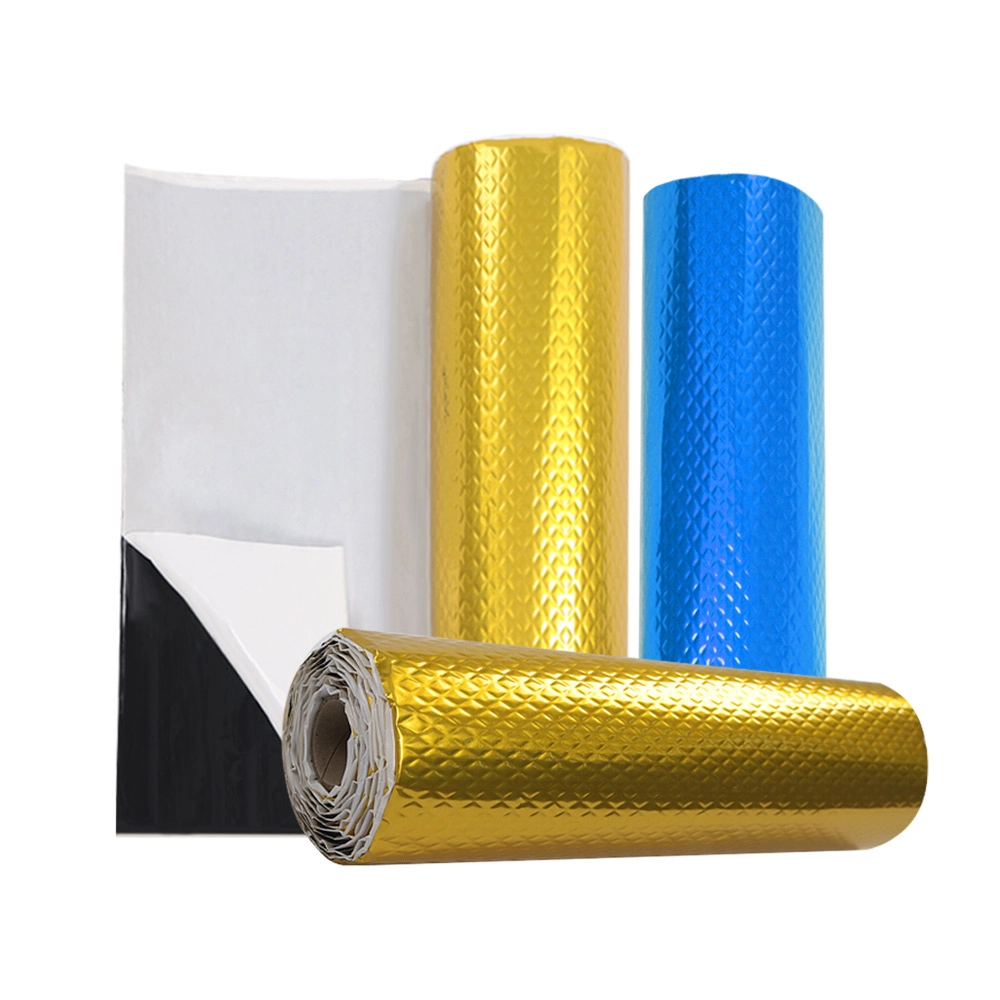
Butyl Rubber Sound Damping Mat
ASLONG Butyl Rubber Sound Damping Mat for sale. Effectively reduces noise and vibrations. High-quality butyl rubber ensures superior performance and durability. Ideal for automotive, industrial, and home applications.
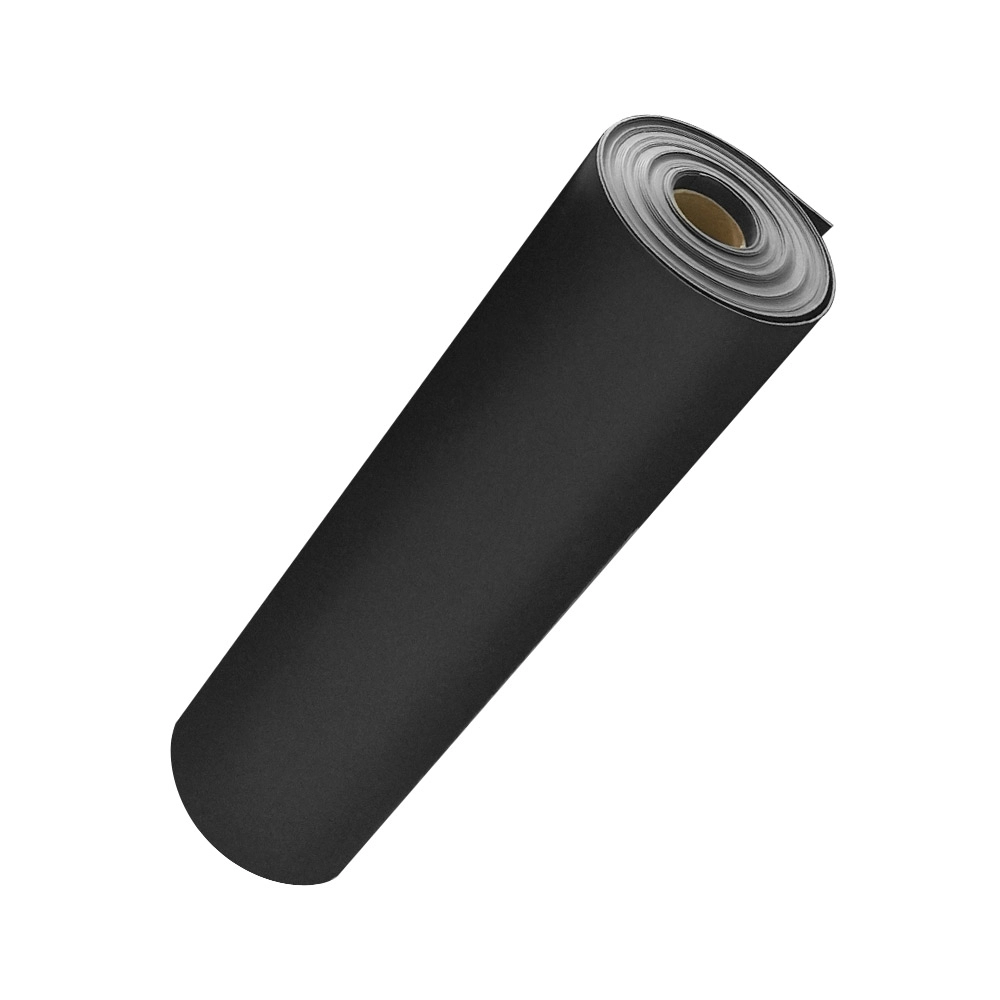
Mass Loaded Vinyl
ASLONG Mass Loaded Vinyl for sale. Reduce noise pollution effectively with our high-quality, mass-loaded vinyl. Ideal for soundproofing walls, floors, and more. Buy now and experience the difference!
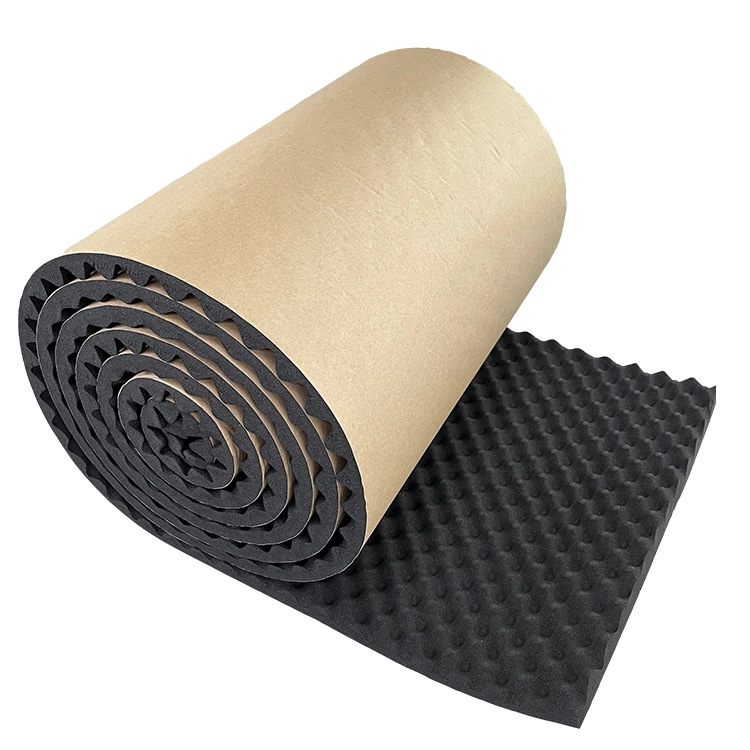
Egg Crate Foam
ASLONG Egg Crate Foam for sale. Lightweight, breathable, and comfortable, our egg crate foam provides superior support and pressure relief. Perfect for mattresses, cushions, cars, construction industry, KTV, factories, etc.
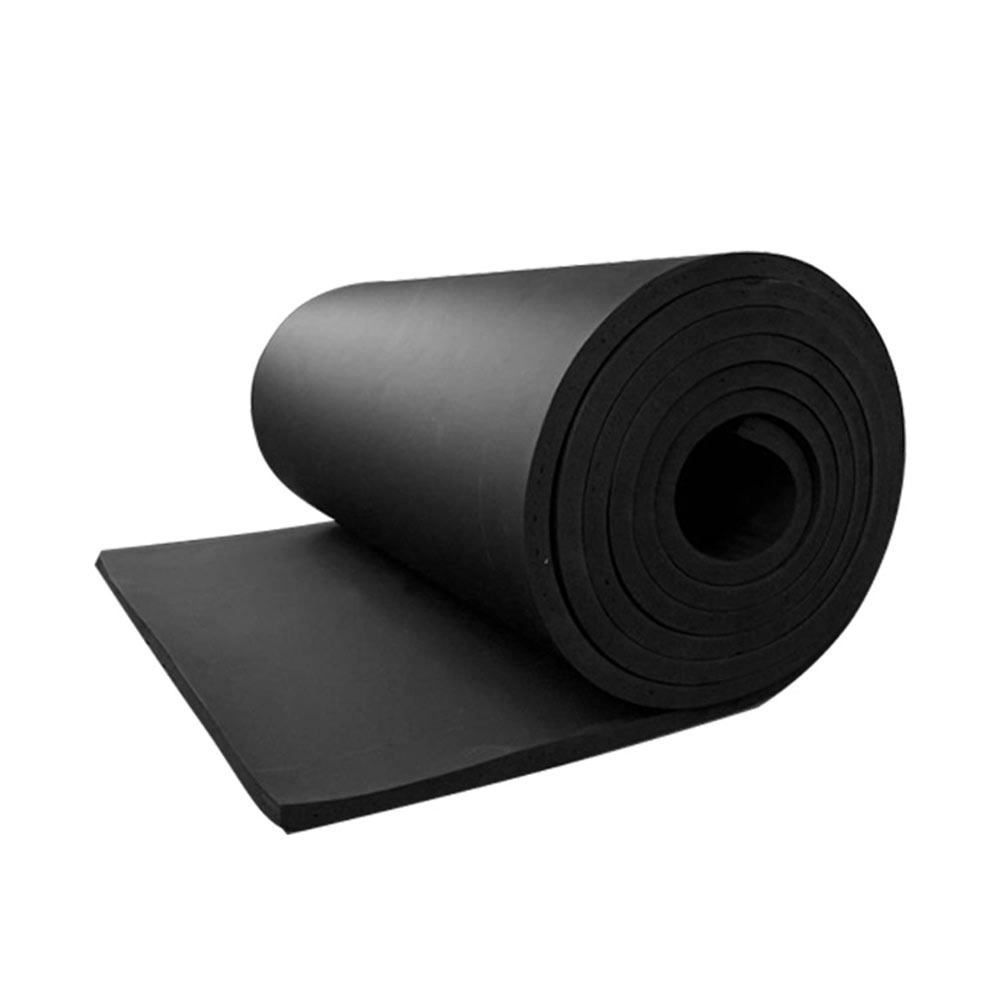
NBR Foam
ASLONG NBR Foam: Wholesale NBR foam solutions for diverse applications. High-quality, durable, and competitively priced. Contact us today for bulk orders.
Professional support at any time
If you have any comments or good suggestions, please leave us a message; later our professional staff will contact you as soon as possible.
© 2026 ASLONG All Rights Reserved. Privacy Policy | Terms and Conditions | Sitemap

 It would be pleasure to receive from you.
Whatsapp: +8613242879341
ASLONG Global
ASLONG
Aslong_global