

Buyer's Guide: Choosing Butyl Rubber Sound Damping Mat
- Why Butyl Rubber Is a Superior Choice for Sound Damping
- How butyl rubber reduces noise and vibration
- Key physical properties that matter
- Common applications for butyl damping mats
- How to Choose the Right Butyl Rubber Sound Damping Mat
- Match the mat to the application environment
- Thickness, density, and coverage calculations
- Adhesive backing and surface prep
- Comparing Butyl Rubber Mats to Other Sound Insulation Options
- Performance and durability comparison
- Cost-effectiveness and lifecycle
- Installation, Maintenance, and Troubleshooting
- Step-by-step installation best practices
- Maintenance tips for longevity
- Troubleshooting common problems
- Brand Advantages and Why Choose ASLONG Butyl Rubber Mat
- Product highlights
- Quality and testing
- Support and customization
- Frequently Asked Questions (FAQ)
- Q: How much noise reduction can I expect from using a butyl rubber mat?
- Q: Can butyl mats be used on painted surfaces?
- Q: Are butyl damping mats safe for vehicle interiors and do they emit odors?
- Q: What thickness should I choose for car doors vs. trunk floors?
- Q: How does butyl compare to foam for soundproofing a home studio?

ASLONG Butyl Rubber Sound Damping Mat for sale. Effectively reduces noise and vibrations. High-quality butyl rubber ensures superior performance and durability. Ideal for automotive, industrial, and home applications.
This buyer’s guide explains why Butyl Rubber Sound Damping Mat is a top choice among rubber mats and sound-deadening products. It covers the material science behind butyl damping, real-world applications, selection criteria, installation tips, and comparisons with other common sound insulation materials. The goal is to help engineers, DIYers, fleet managers, and facility teams make confident purchasing decisions that meet acoustic and durability needs.
Why Butyl Rubber Is a Superior Choice for Sound Damping
How butyl rubber reduces noise and vibration
Butyl rubber is a dense, viscoelastic material that converts vibrational energy into a small amount of heat, dramatically reducing structure-borne noise. When applied as a damping mat to metal panels, floors, or enclosure walls, it lowers resonance and rattles by increasing mass and internal friction. This makes it particularly effective for automotive floor pans, engine compartments, machinery housings, and HVAC ducts where both airborne and structure-borne noise are concerns.
Key physical properties that matter
Important properties to evaluate when comparing rubber mats include surface density (mass per unit area), loss factor (damping efficiency), temperature range, and adhesion quality. Butyl rubber typically offers high damping across a broad temperature range and maintains flexibility, which prevents cracking or debonding over time. For a technical reference on butyl rubber composition and properties, see the Butyl rubber entry on Wikipedia (https://en.wikipedia.org/wiki/Butyl_rubber).
Common applications for butyl damping mats
Butyl rubber sheets are widely used in:
- Automotive soundproofing: under carpeting, door panels, trunks, and wheel wells.
- Industrial equipment: around motors, compressors, and conveyors to control vibration.
- Building and home projects: reducing transmission through floors, ceilings, and shared walls.
How to Choose the Right Butyl Rubber Sound Damping Mat
Match the mat to the application environment
Consider temperature extremes, exposure to oils/chemicals, UV exposure, and expected mechanical wear. For automotive under-hood or engine-bay installations, select mats rated for higher temperature and oil resistance. For interior floors and door panels, prioritize thin, high-loss-factor sheets that conform easily to contours. For long-term outdoor installations, confirm UV and ozone resistance.
Thickness, density, and coverage calculations
Thickness affects both damping and fit. Typical thickness ranges for butyl sound damping mats are 1.5 mm to 5 mm. Higher thickness increases mass and low-frequency performance but may interfere with trim fitment. A simple coverage calculation:
Required area (m²) = number of panels × panel area. For automotive projects, measure floor area and doors separately. Manufacturers often sell mats in pre-cut sizes and roll widths; buy 10-15% extra for overlaps and trimming.
Adhesive backing and surface prep
Most butyl damping mats come with a pressure-sensitive adhesive (PSA) peel-off liner. Check adhesive temperature rating and tack. For best adhesion, clean surfaces with isopropyl alcohol or a recommended solvent, remove rust, and ensure the metal is dry. For cold installations, warming the mat with a heat gun improves conformability and adhesion. For more about general soundproofing principles, see the Soundproofing article on Wikipedia (https://en.wikipedia.org/wiki/Soundproofing).
Comparing Butyl Rubber Mats to Other Sound Insulation Options
Performance and durability comparison
Below is a practical comparison between common rubber mats and alternatives such as asphalt-based mats and foam underlayments. This table focuses on acoustic performance, durability, weight, and ideal uses.
| Material | Acoustic Strengths | Durability | Weight / Mass | Best Uses |
|---|---|---|---|---|
| Butyl Rubber Sound Damping Mat | Excellent damping of structure-borne vibration and mid-low frequencies | High; resists aging, oil, and flex fatigue | High (adds mass) | Automotive panels, industrial housings, floor underlayment |
| Asphalt/Bitumen Mats | Good low-frequency mass-loading, variable damping | Moderate; can harden with heat/cold cycles | Very high | Automotive sound-deadening, heavy mass barriers |
| Acoustic Foam / Fiberglass | Good at absorbing airborne mid-high frequencies | Moderate; moisture sensitive | Low to moderate | Room acoustics, duct linings, cabinetry |
Summary: For combined vibration control and practical installation inside vehicles or machines, butyl rubber damping mats offer an optimal balance of damping, conformability, and long-term resilience compared with heavier asphalt sheets or lightweight foam absorbers.
Cost-effectiveness and lifecycle
While butyl mats can have a higher initial cost than simple foam, their durability and continued damping performance often yield superior lifecycle value. In automotive fleets, reduced NVH (noise, vibration, harshness) translates into perceived quality improvements and potentially reduced maintenance related to vibrating panels and fasteners.
Installation, Maintenance, and Troubleshooting
Step-by-step installation best practices
- Measure and cut: Trim mats to size, leaving small relief cuts for tight contours.
- Surface prep: Clean metal with isopropyl alcohol and remove rust or loose paint.
- Apply: Peel adhesive liner, press firmly, and use a rubber roller to remove air pockets.
- Seal edges: Overlap seams slightly and press edges to prevent moisture ingress.
Maintenance tips for longevity
Butyl rubber mats are generally low-maintenance. Inspect annually for peeling or edge lift in high-vibration environments. If you detect lifting, re-clean the area and apply a new adhesive strip or a compatible spray adhesive. Avoid prolonged exposure to strong solvents or petroleum that could soften adhesives over time.
Troubleshooting common problems
- Poor adhesion: Re-clean surface and use heat to reactivate adhesive; ensure part temperatures exceed the minimum for PSA bond.
- Creasing or trapped air: Use a roller and warm the mat to increase flexibility; cut reliefs for complex contours.
- Odor concerns inside cabins: Fully cure mats for 24-48 hours in a ventilated area before final assembly; high-quality butyl typically has low VOC emissions compared with older asphalt products.
Brand Advantages and Why Choose ASLONG Butyl Rubber Mat
Product highlights
ASLONG Butyl Rubber Sound Damping Mat combines high-density butyl with an aggressive pressure-sensitive adhesive to deliver lasting vibration damping and noise reduction. The product is purpose-designed for automotive, industrial, and home applications, offering an optimal balance of mass, flexibility, and adhesion.
Quality and testing
ASLONG conducts performance testing for loss factor, peel adhesion, and temperature stability to ensure consistent results. Choosing mats from a reputable supplier reduces variability in on-site performance and ensures material specifications meet project requirements.
Support and customization
ASLONG offers pre-cut kits for common automotive panels as well as roll goods for large industrial projects. Technical support is available to help select thickness, quantity, and accessory products (primers, rollers, and seam tapes) based on application specifics.
Frequently Asked Questions (FAQ)
Q: How much noise reduction can I expect from using a butyl rubber mat?
A: Results vary with application and coverage. Typical improvements for structure-borne noise (rattles and panel resonance) are noticeable after covering 30-50% of panel area; complete coverage yields the best low-frequency reduction. For airborne noise, combine damping with absorptive materials for the best results.
Q: Can butyl mats be used on painted surfaces?
A: Yes, but adhesion is best on well-prepared surfaces. Clean the paint with isopropyl alcohol and ensure the paint is not chalking or flaking. For powder-coated or delicate finishes, test a small area first.
Q: Are butyl damping mats safe for vehicle interiors and do they emit odors?
A: High-quality butyl mats have low VOC emissions and minimal odor compared with older asphalt products. Allowing a brief airing period before final assembly reduces any transient odor; always source mats from reputable manufacturers who provide outgassing data.
Q: What thickness should I choose for car doors vs. trunk floors?
A: For door skins, 1.5–2.5 mm sheets often balance flexibility and damping. For trunk floors and large panels where low-frequency control is critical, 2.5–5 mm options add more mass and reduce deeper tones.
Q: How does butyl compare to foam for soundproofing a home studio?
A: Foam absorbs airborne mid-high frequencies and is useful for reducing echoes. Butyl rubber mats control structure-borne vibrations and low-frequency transmission through walls and floors. For a studio, use foam for interior reflection control and butyl mats under floors or around HVAC equipment to reduce transmitted bass and mechanical noise.
If you have specific project questions, need a quote, or want pre-cut kits for automotive installs, contact our customer service or view the product page for ASLONG Butyl Rubber Sound Damping Mat: View product and buy or email sales@aslong.com for custom orders and technical assistance.
References: Butyl rubber technical overview (Wikipedia), Soundproofing fundamentals (Wikipedia), noise and public health guidance (EPA Quiet).
Top 10 wall sound insulation materials Manufacturers and Supplier Brands
Where to Buy acoustic thermal pcr advanced function material
Best professional sound deadening material car manufacturers and supplier brands
Best Practices for Car Sound Deadening Installation 2026
FAQs
Do ASLONG's products meet environmental protection standards?
Yes, all ASLONG products comply with ISO14001 environmental management system certification and global environmental protection standards. We use environmentally friendly materials and are committed to providing sustainable solutions to help customers achieve green development goals.
What specific functions can ASLONG's products provide?
Our products cover functions such as insulation, sound insulation, shock absorption, waterproofing and sealing, and are widely used in improving energy efficiency, reducing noise, controlling vibration, protecting equipment, etc., helping customers optimize engineering effects and improve user experience.
Does ASLONG provide after-sales service?
Yes, we provide a full range of after-sales services, including technical support, installation guidance, product maintenance and quality tracking, etc., to ensure that each project goes smoothly and continues to perform at its best.
What industries are the products provided by ASLONG suitable for?
ASLONG's products are suitable for multiple industries, including air conditioning and HVAC, construction and waterproofing, automobiles and transportation, home appliances and electronics, industrial equipment and machinery, etc. We provide customized solutions for each industry to meet different needs.
How to customize products that meet the needs of my industry?
You only need to contact our sales or technical team, we will conduct an in-depth analysis based on your industry needs and provide tailor-made products and solutions. We guarantee to provide you with efficient and accurate services to meet your personalized requirements.
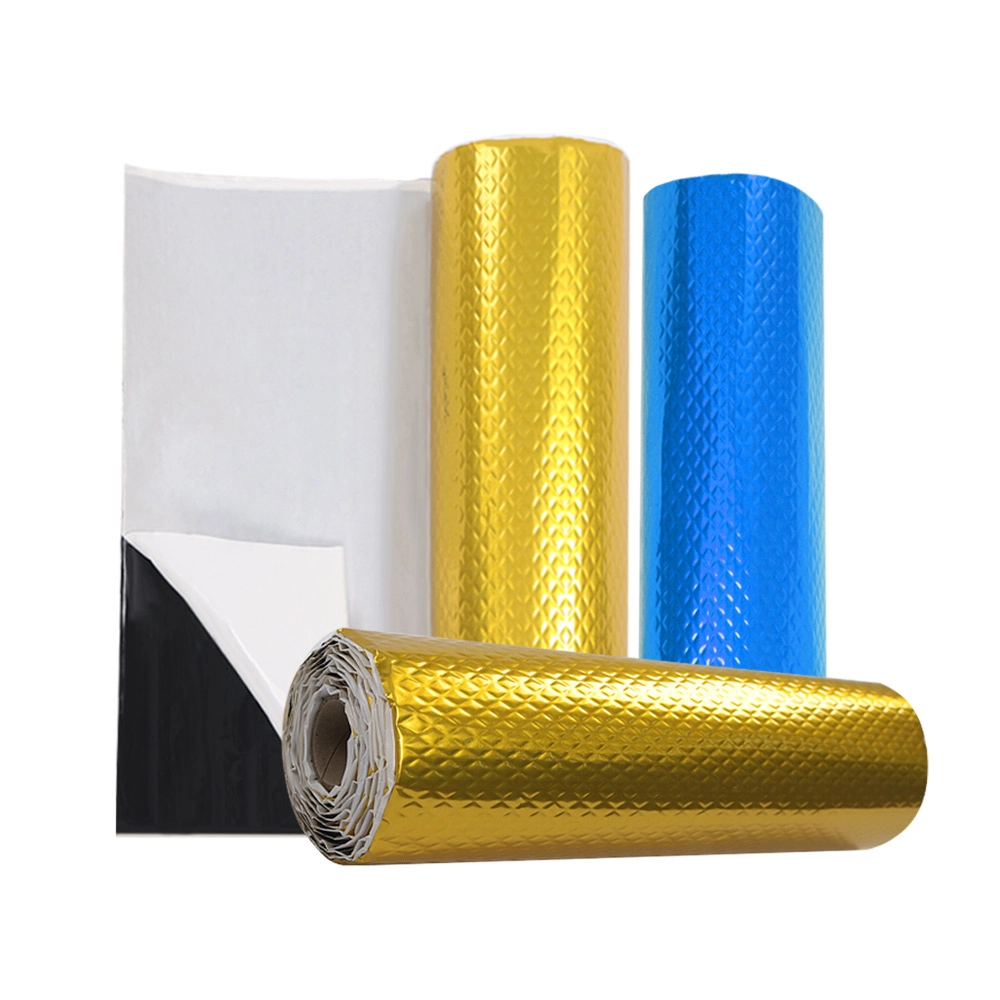
Butyl Rubber Sound Damping Mat
ASLONG Butyl Rubber Sound Damping Mat for sale. Effectively reduces noise and vibrations. High-quality butyl rubber ensures superior performance and durability. Ideal for automotive, industrial, and home applications.
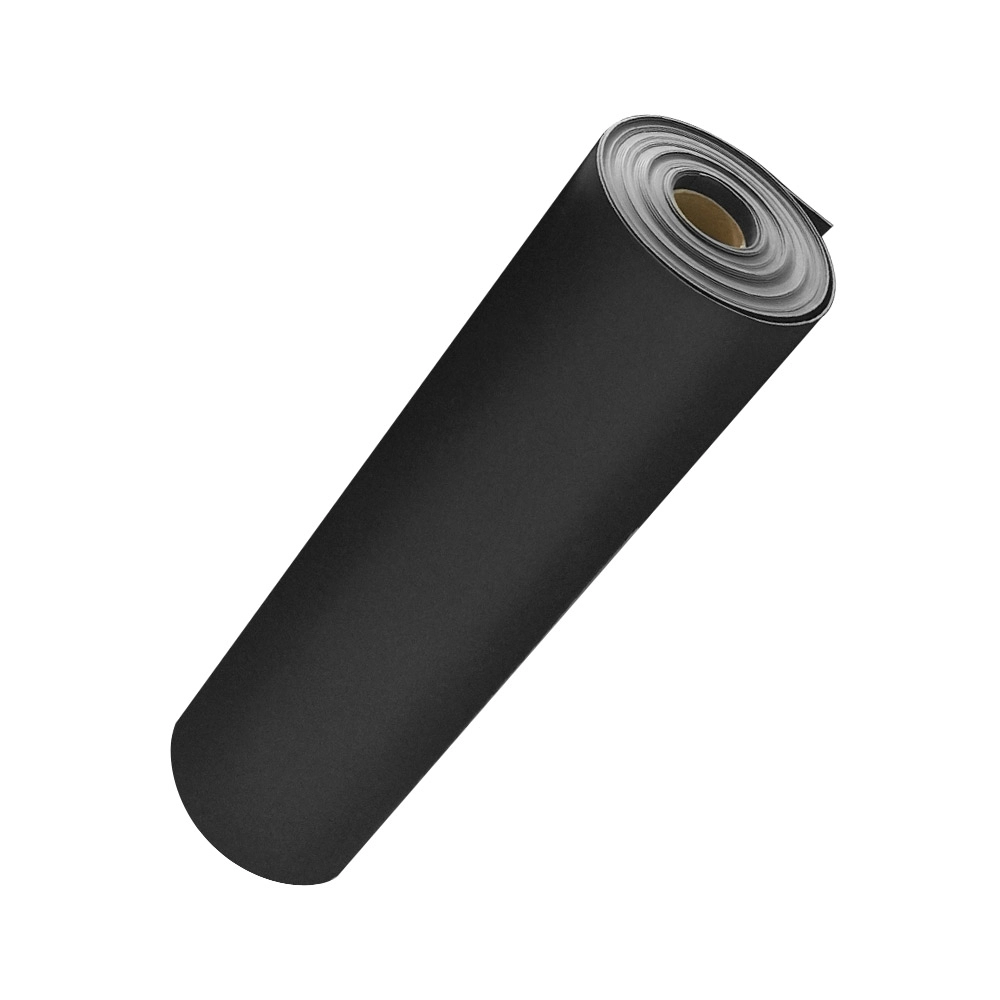
Mass Loaded Vinyl
ASLONG Mass Loaded Vinyl for sale. Reduce noise pollution effectively with our high-quality, mass-loaded vinyl. Ideal for soundproofing walls, floors, and more. Buy now and experience the difference!
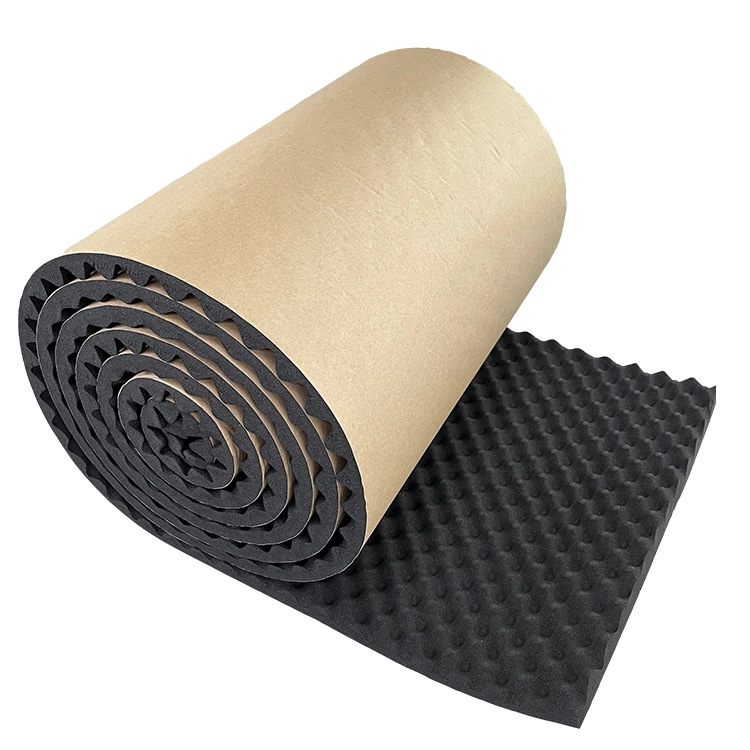
Egg Crate Foam
ASLONG Egg Crate Foam for sale. Lightweight, breathable, and comfortable, our egg crate foam provides superior support and pressure relief. Perfect for mattresses, cushions, cars, construction industry, KTV, factories, etc.
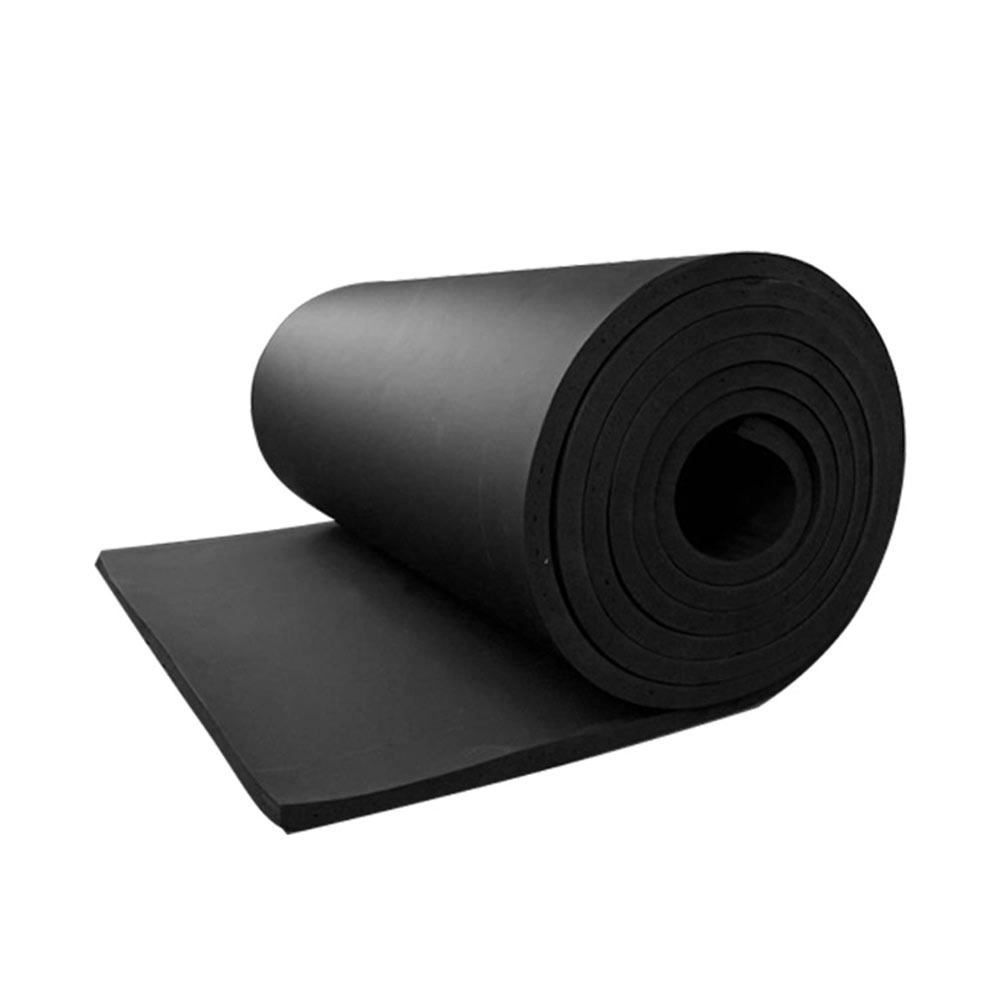
NBR Foam
ASLONG NBR Foam: Wholesale NBR foam solutions for diverse applications. High-quality, durable, and competitively priced. Contact us today for bulk orders.
Professional support at any time
If you have any comments or good suggestions, please leave us a message; later our professional staff will contact you as soon as possible.
© 2026 ASLONG All Rights Reserved. Privacy Policy | Terms and Conditions | Sitemap

 It would be pleasure to receive from you.
Whatsapp: +8613242879341
ASLONG Global
ASLONG
Aslong_global