

Can you put foam in your tires? | Insights by ASLONG
Sound Insulation Materials Procurement Guide: Key Considerations and Industry Insights
When embarking on the procurement of sound insulation materials, it's crucial to understand the various options available, their performance characteristics, and the latest industry trends. This guide addresses common questions and provides professional insights to assist you in making informed decisions.
1. What are the primary types of sound insulation materials?
Sound insulation materials are typically categorized into several types:
Mineral Wool: Known for its excellent sound attenuation, thermal insulation, and fire resistance, mineral wool is commonly used in building envelopes, HVAC systems, partition walls, and ceiling cavities.
Glass Wool: Lightweight and cost-effective, glass wool is widely used in ceiling, partition systems, and floor insulation, especially in regions where insulation strength and price are top priorities.
Foamed Plastics: Materials like expanded polystyrene (EPS), extruded polystyrene (XPS), and polyurethane (PU) foams offer both thermal and acoustic insulation, making them suitable for automotive and aerospace industries.
Natural Fibers: Materials such as hemp, flax, cellulose, cotton, and recycled denim are gaining popularity due to their sustainability and biodegradability, making them ideal for green building projects.
2. How do I assess the performance of sound insulation materials?
Evaluating the performance of sound insulation materials involves considering several key factors:
Sound Absorption Coefficient: Indicates the material's ability to absorb sound at specific frequencies. Materials with higher coefficients are more effective in reducing noise.
Sound Transmission Class (STC): Measures the material's ability to block sound transmission through walls, floors, and ceilings. Higher STC ratings signify better soundproofing capabilities.
Noise Reduction Coefficient (NRC): Represents the average sound absorption performance across a range of frequencies. An NRC value closer to 1.0 indicates superior sound absorption.
Fire Resistance: Assess the material's fire rating to ensure it meets safety standards.
Thermal Insulation: Consider the material's thermal conductivity to evaluate its effectiveness in temperature regulation.
3. What are the latest trends in sound insulation materials?
Recent developments in the sound insulation industry include:
Sustainability: There's a growing emphasis on eco-friendly materials, such as recycled and biodegradable options, to reduce environmental impact.
Technological Innovations: Advancements in manufacturing techniques have led to lighter, more efficient materials that are easier to install.
Smart Integration: The incorporation of sensors and smart technologies into insulation materials allows for real-time monitoring and adaptive noise control.
4. How do regulatory standards impact the selection of sound insulation materials?
Regulatory standards play a significant role in material selection:
Noise Regulations: Compliance with local noise ordinances and building codes is mandatory. For instance, the European Union's Environmental Noise Directive requires member states to map noise hotspots and implement action plans, directly increasing demand for sound-dampening materials in construction and renovation projects.
Building Certifications: Achieving certifications like LEED or BREEAM often necessitates the use of sustainable and effective sound insulation materials.
Health and Safety Standards: Materials must meet fire safety and indoor air quality standards to ensure occupant well-being.
5. What are the challenges in procuring sound insulation materials?
Procurement challenges include:
Cost Considerations: High-quality materials can be expensive, potentially impacting project budgets.
Supply Chain Volatility: Fluctuations in raw material prices and availability can affect procurement timelines and costs.
Installation Complexity: Some materials require specialized installation techniques, which can increase labor costs and project duration.
Regulatory Compliance: Ensuring materials meet all local and international standards can be time-consuming and complex.
Conclusion: Why Choose ASLONG for Your Sound Insulation Needs?
ASLONG stands out in the sound insulation industry due to its commitment to quality, sustainability, and innovation. By selecting ASLONG's products, you benefit from:
High-Performance Materials: Offering superior sound absorption and thermal insulation properties.
Eco-Friendly Solutions: Utilizing recycled and biodegradable materials to support green building initiatives.
Advanced Technology: Incorporating smart features for adaptive noise control and real-time monitoring.
Comprehensive Support: Providing expert guidance and support throughout the procurement and installation process.
By choosing ASLONG, you ensure that your sound insulation needs are met with the highest standards of excellence and sustainability.
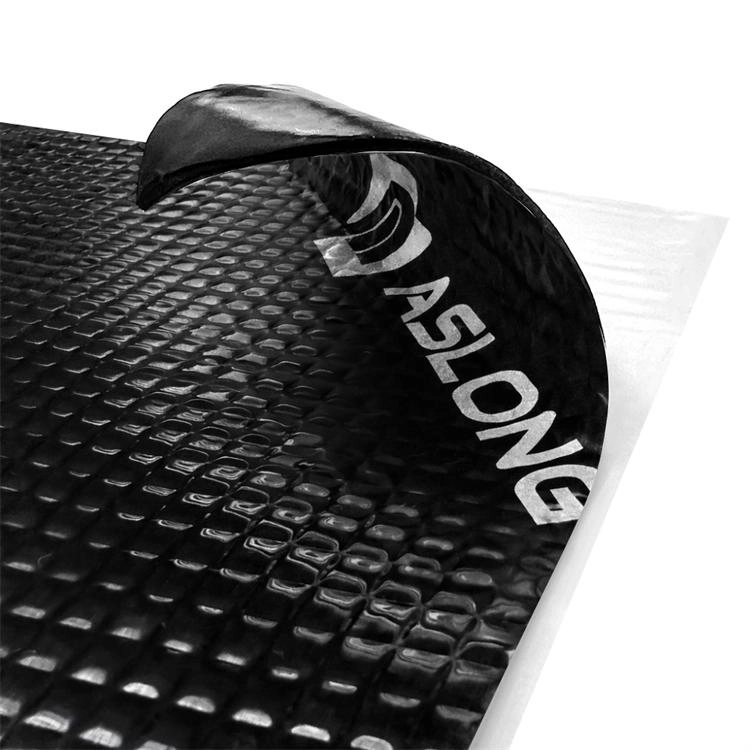
Butyl vs Asphalt Sound Deadening: Which Material Is Better for Cars?
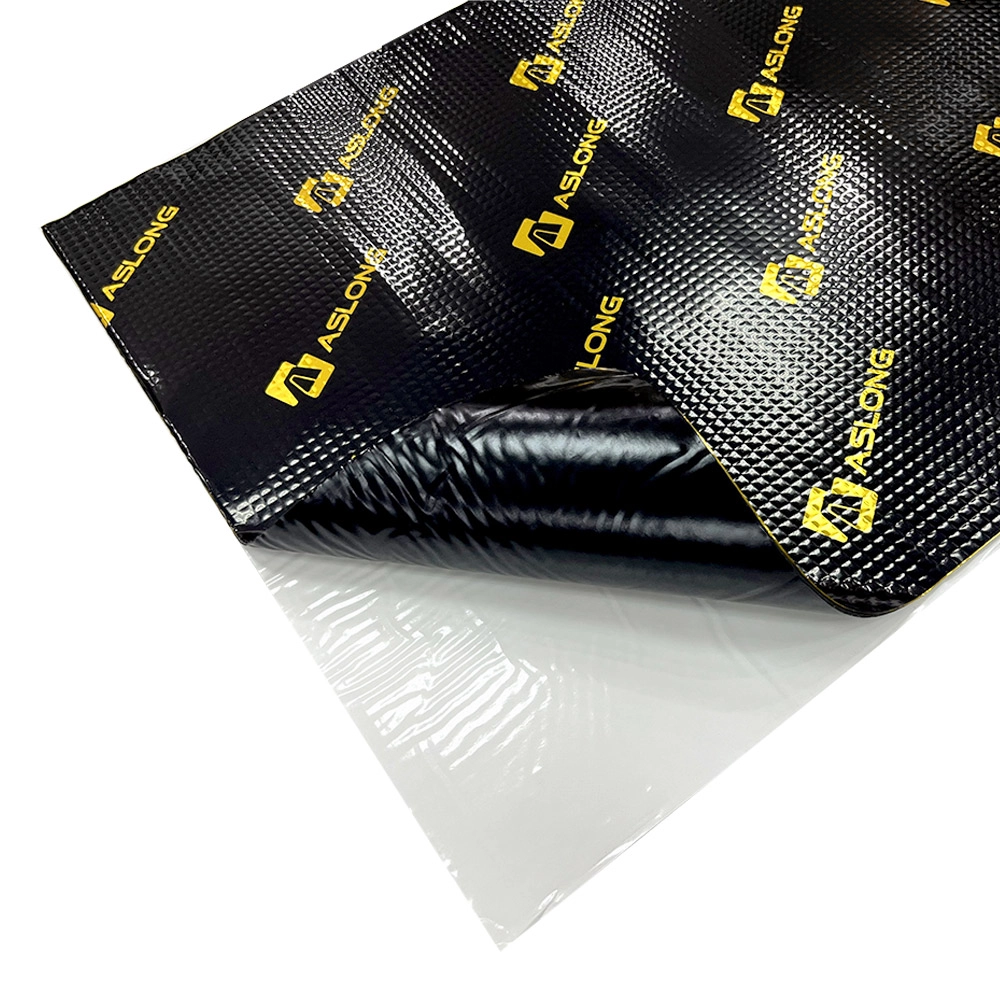
Eco-friendly Soundproofing Materials for Automotive Applications: Future Outlook and Market Trends

How to Choose the Best Car Soundproofing Materials for Maximum Noise Reduction
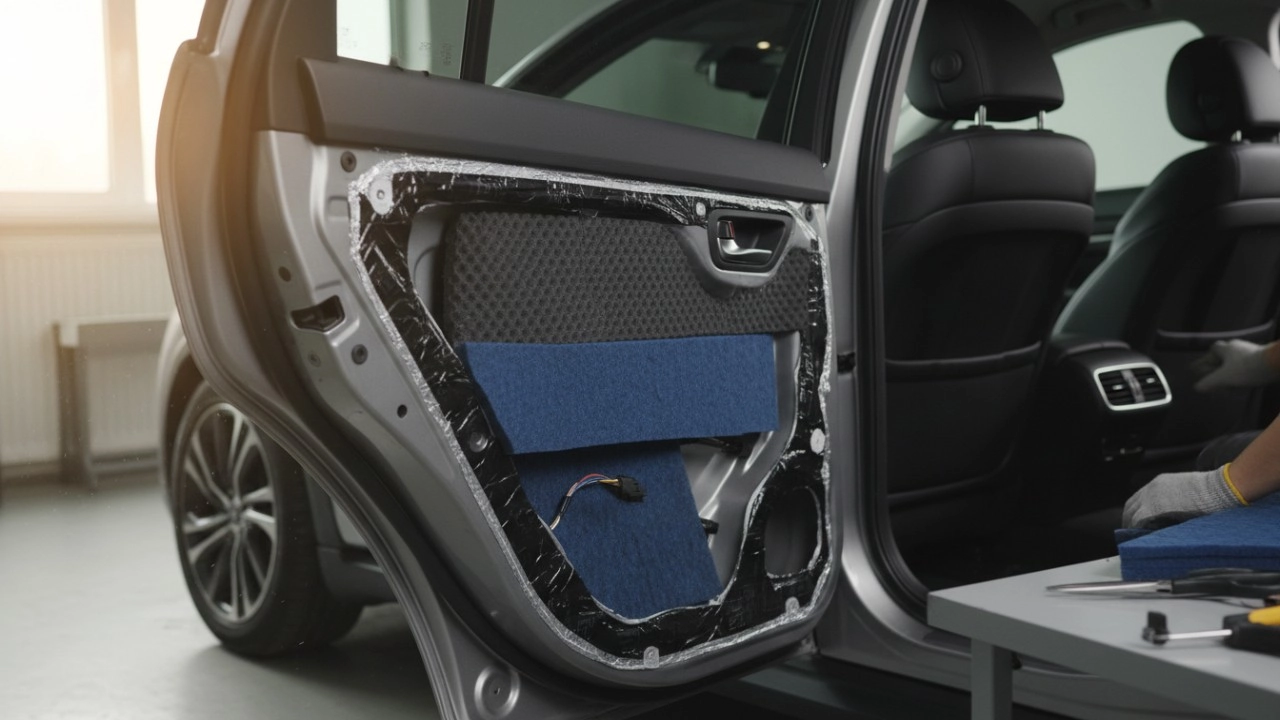
Complete Guide to Car Sound Deadening: Materials, Benefits and Installation
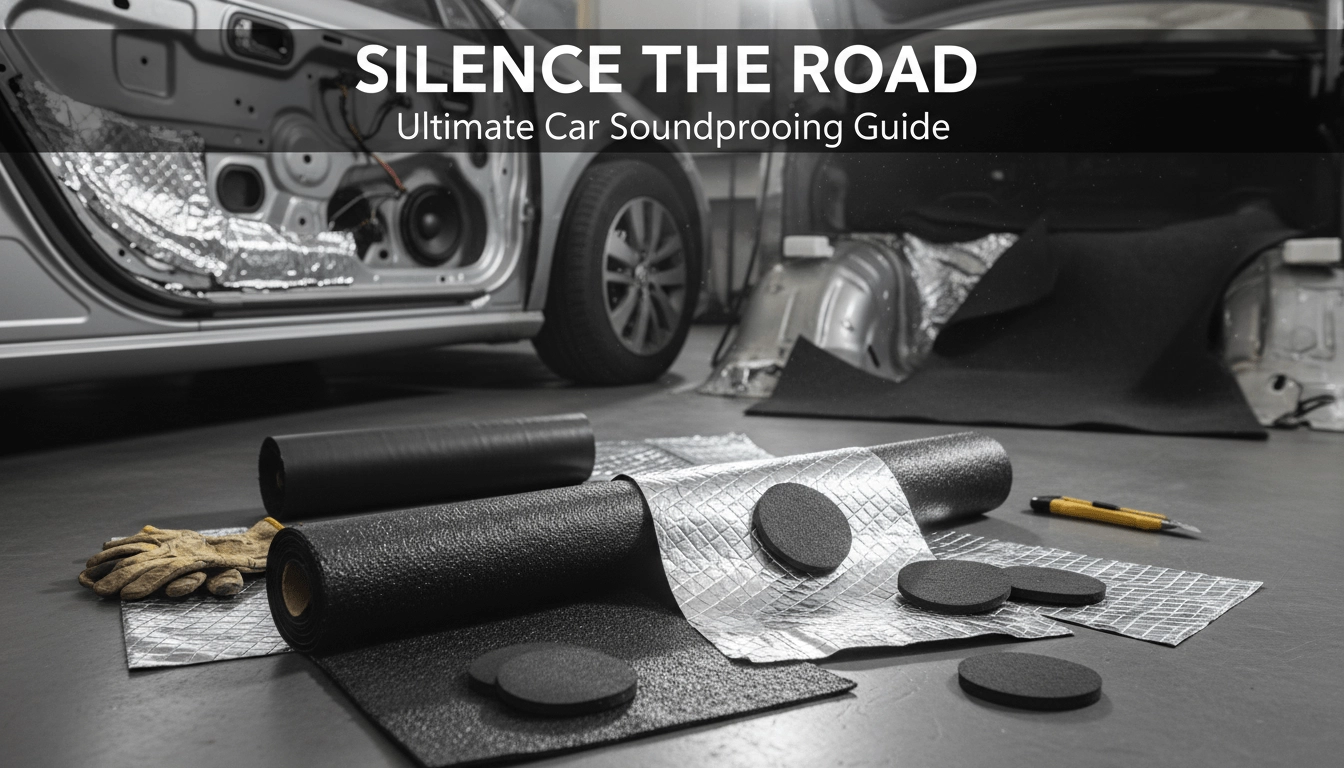
Main Types of Car Soundproofing Materials
FAQs
Do ASLONG's products meet environmental protection standards?
Yes, all ASLONG products comply with ISO14001 environmental management system certification and global environmental protection standards. We use environmentally friendly materials and are committed to providing sustainable solutions to help customers achieve green development goals.
Does ASLONG provide after-sales service?
Yes, we provide a full range of after-sales services, including technical support, installation guidance, product maintenance and quality tracking, etc., to ensure that each project goes smoothly and continues to perform at its best.
What specific functions can ASLONG's products provide?
Our products cover functions such as insulation, sound insulation, shock absorption, waterproofing and sealing, and are widely used in improving energy efficiency, reducing noise, controlling vibration, protecting equipment, etc., helping customers optimize engineering effects and improve user experience.
What industries are the products provided by ASLONG suitable for?
ASLONG's products are suitable for multiple industries, including air conditioning and HVAC, construction and waterproofing, automobiles and transportation, home appliances and electronics, industrial equipment and machinery, etc. We provide customized solutions for each industry to meet different needs.
How to customize products that meet the needs of my industry?
You only need to contact our sales or technical team, we will conduct an in-depth analysis based on your industry needs and provide tailor-made products and solutions. We guarantee to provide you with efficient and accurate services to meet your personalized requirements.
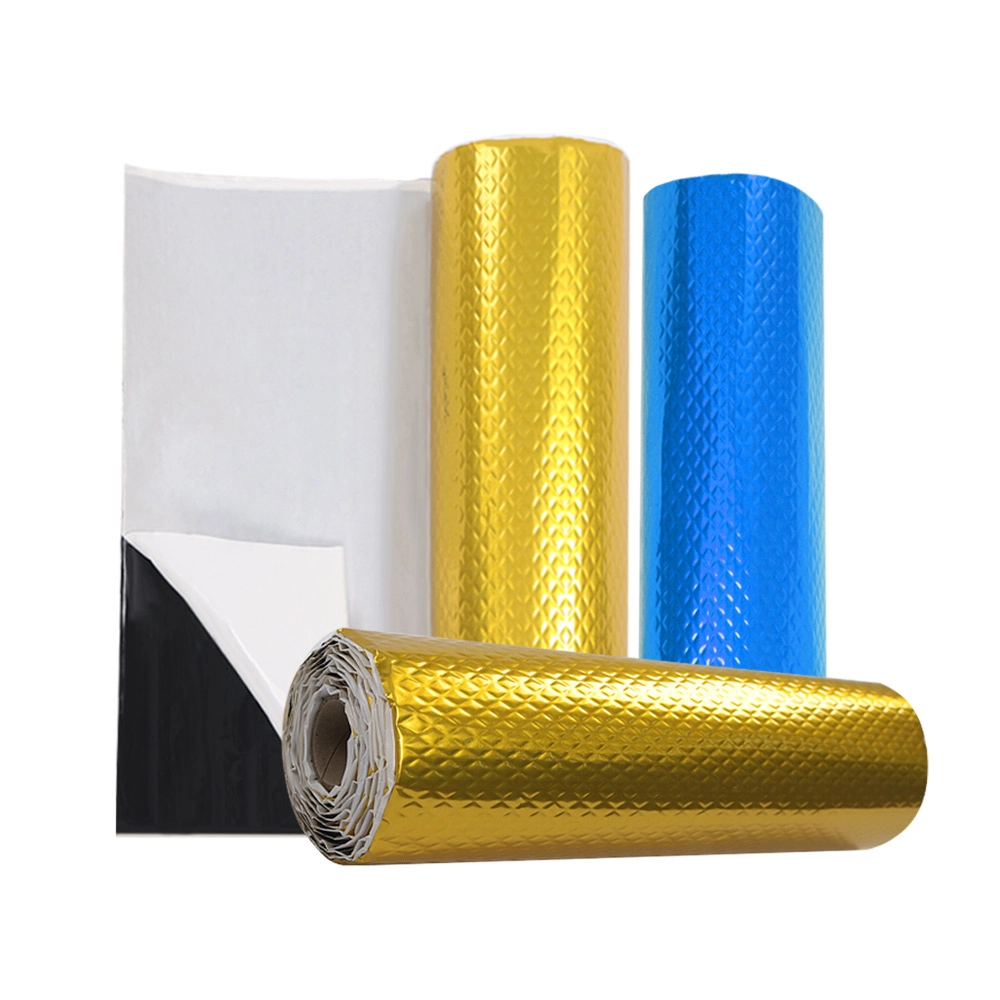
Butyl Rubber Sound Damping Mat
ASLONG Butyl Rubber Sound Damping Mat for sale. Effectively reduces noise and vibrations. High-quality butyl rubber ensures superior performance and durability. Ideal for automotive, industrial, and home applications.
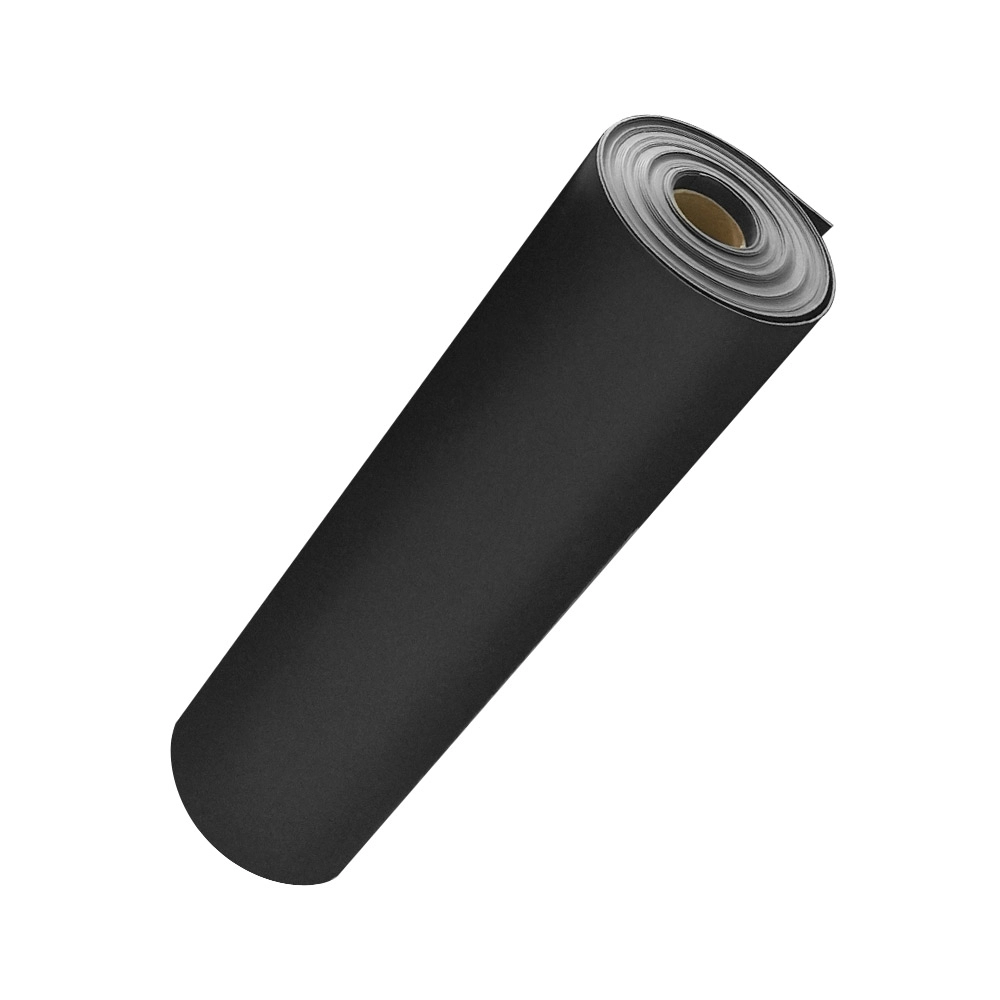
Mass Loaded Vinyl
ASLONG Mass Loaded Vinyl for sale. Reduce noise pollution effectively with our high-quality, mass-loaded vinyl. Ideal for soundproofing walls, floors, and more. Buy now and experience the difference!
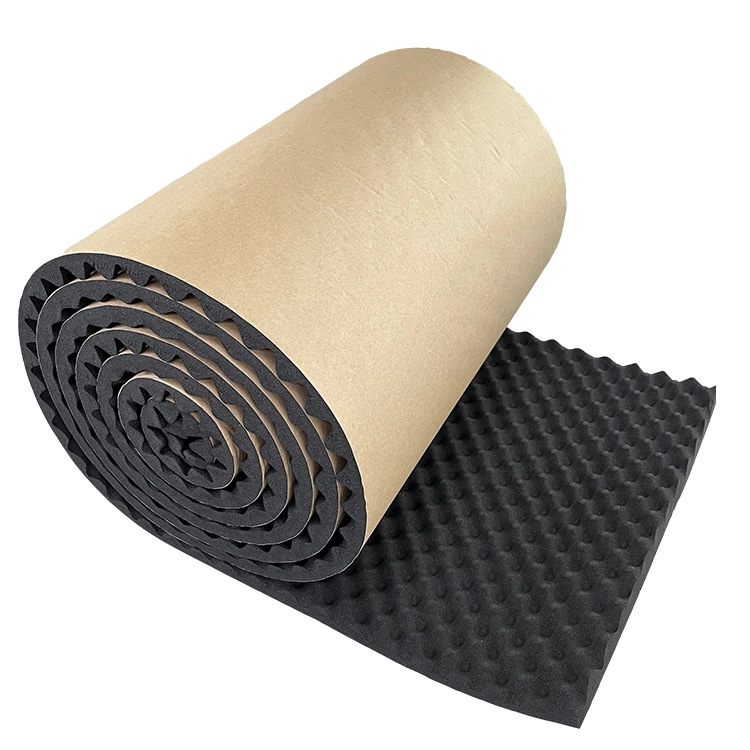
Egg Crate Foam
ASLONG Egg Crate Foam for sale. Lightweight, breathable, and comfortable, our egg crate foam provides superior support and pressure relief. Perfect for mattresses, cushions, cars, construction industry, KTV, factories, etc.
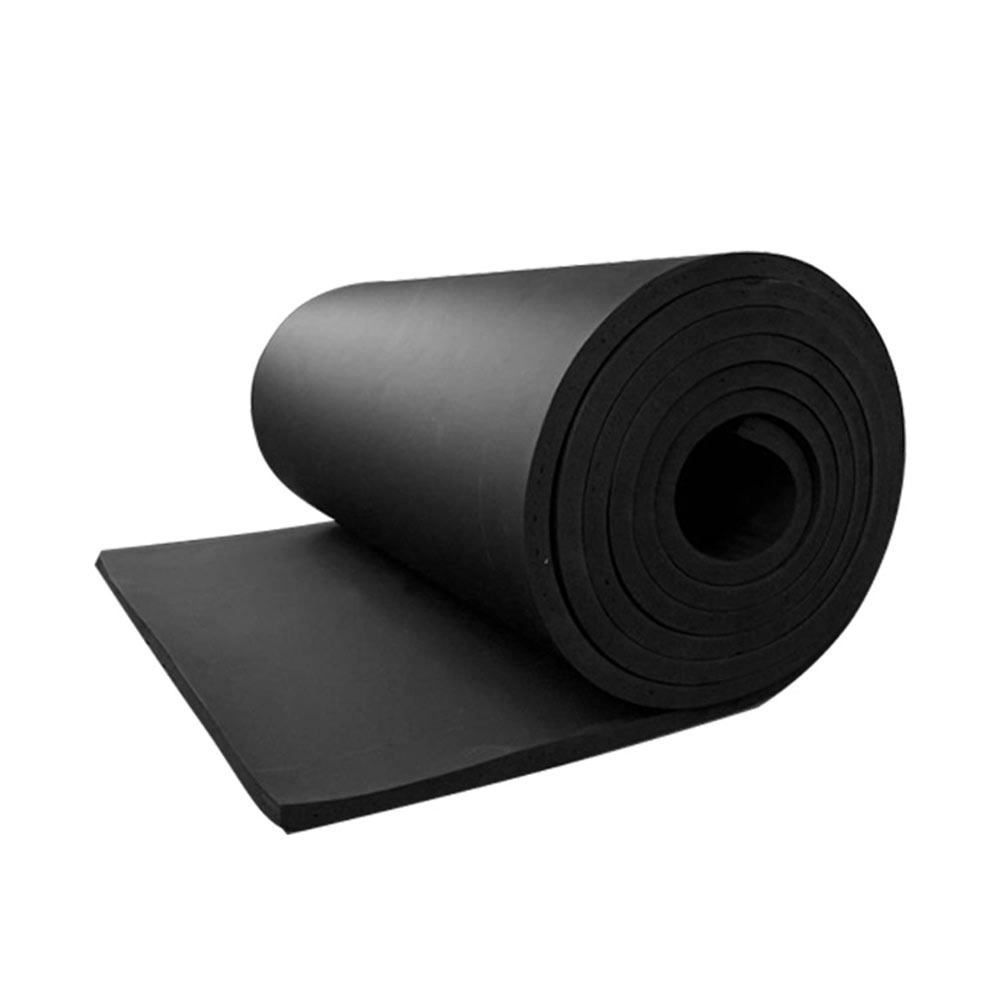
NBR Foam
ASLONG NBR Foam: Wholesale NBR foam solutions for diverse applications. High-quality, durable, and competitively priced. Contact us today for bulk orders.
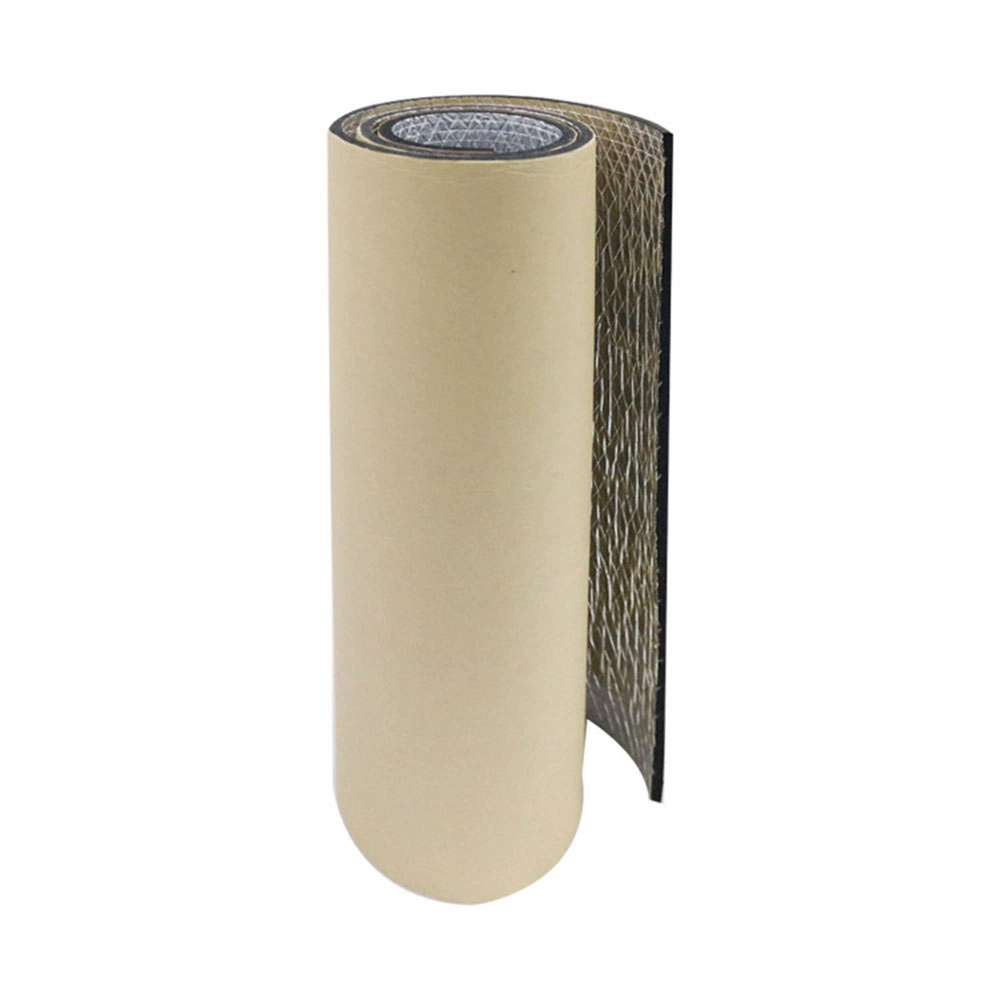
Multi layer Composite NBR foam
ASLONG's multi-layer composite NBR foam is your premium choice for superior cushioning and durability. Ideal for diverse applications, this high-quality NBR foam is available for sale now. Contact us for bulk orders.
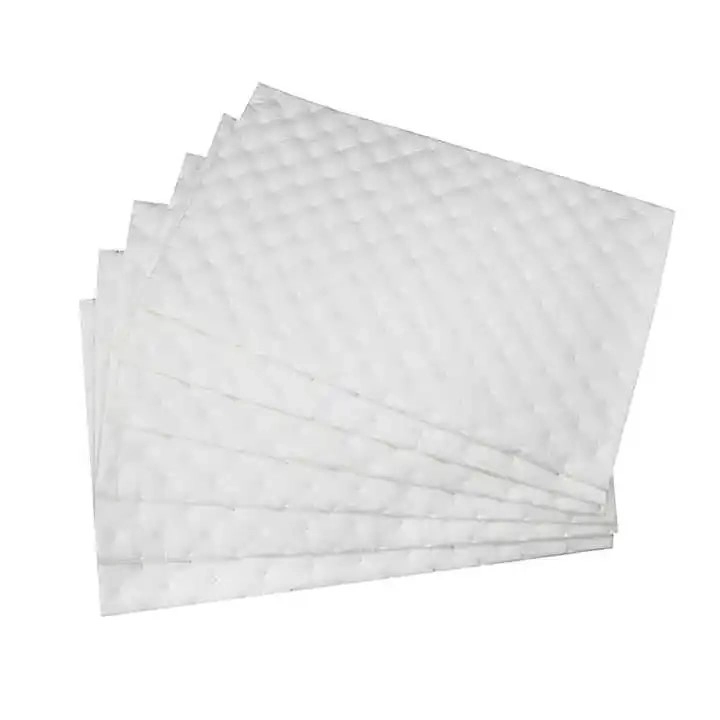
Sound Absorbing White Cotton
Sound-absorbing white cotton Made from PP and PET fibres by melt-blowing, special processes are used to achieve density diversification, sound absorption and noise reduction, thermal insulation, moisture-proof and mold resistance.
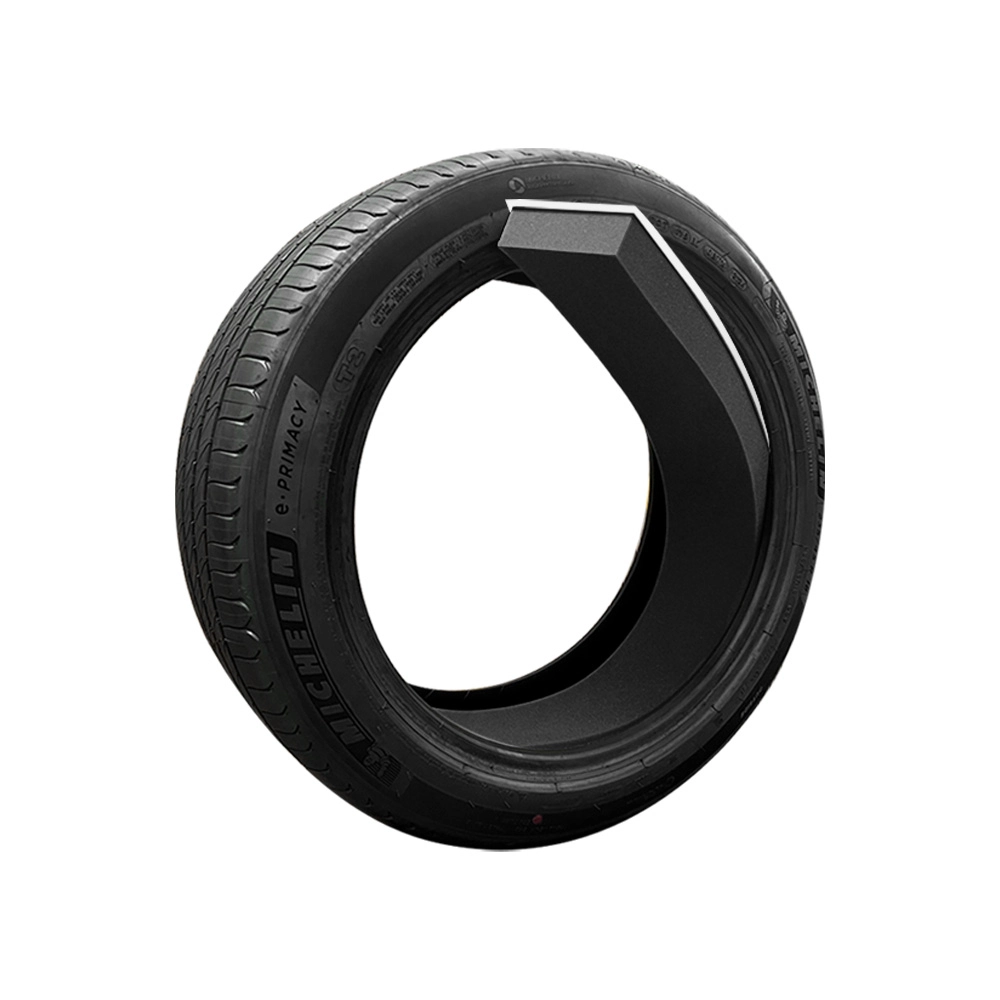
Puncture-Proof Soundproof Tire Foam, Self-Sealing Noise-Reducing Liner for Cars, Anti-Puncture Wheel Protection, Anti-Puncture Noise Reduction
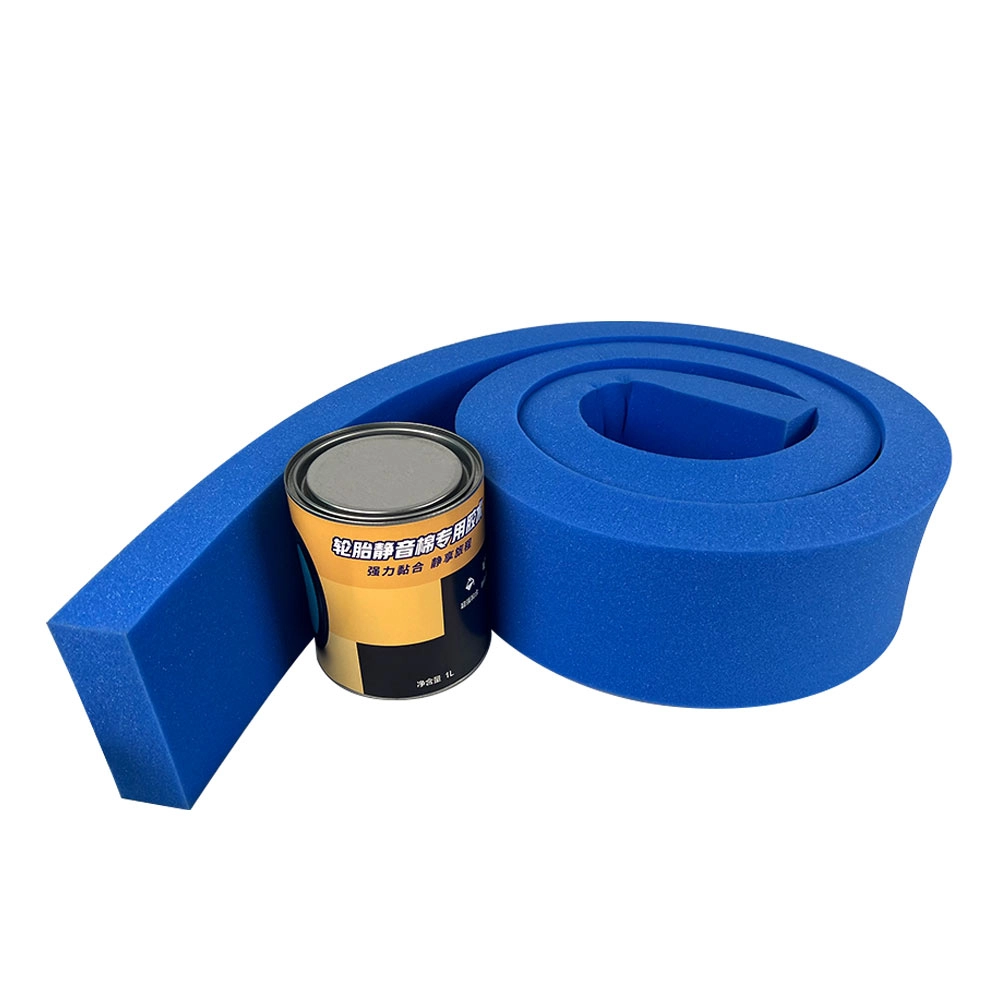
Tire Silent Foam with Special Glue
ASLONG Tire Silent Foam with special glue effectively reduces tire noise. Improve your vehicle's ride comfort. Buy ASLONG Tire Silent Foam for sale now and experience the quiet difference.
Professional support at any time
Contact us for a free quote on our new soundproofing materials!
© 2026 ASLONG All Rights Reserved. Privacy Policy | Terms and Conditions | Sitemap

 It would be pleasure to receive from you.
Whatsapp: +8613242879341
ASLONG Global
ASLONG
Aslong_global