

Eco-friendly Soundproofing Materials for Automotive Applications: Future Outlook and Market Trends
Explore eco-friendly soundproofing materials for automotive applications, including sustainable innovations, market trends, benefits, and future outlook for green vehicle insulation solutions.
- Eco-friendly Soundproofing Materials for Automotive Applications: Future Outlook
- 1. Introduction
- 2. Why Eco-friendly Soundproofing Matters
- 3. Types of Eco-friendly Automotive Soundproofing Materials
- 4. Key Benefits of Eco-friendly Soundproofing Materials
- 5. Market Trends and Growth Drivers
- 6. Challenges in Adoption
- 7. Future Outlook
- 8. Conclusion
Eco-friendly Soundproofing Materials for Automotive Applications: Future Outlook
1. Introduction
As the automotive industry shifts toward sustainability, eco-friendly soundproofing materials are gaining significant attention. Traditional noise reduction materials—often based on petroleum-derived products—are being replaced with greener alternatives that reduce environmental impact without compromising performance.
With the rise of electric vehicles (EVs) and stricter environmental regulations, the demand for sustainable acoustic solutions is expected to grow rapidly in the coming years.
2. Why Eco-friendly Soundproofing Matters
2.1 Environmental Concerns
Conventional soundproofing materials, such as asphalt-based damping sheets and synthetic foams, are:
-
Non-biodegradable
-
Difficult to recycle
-
Energy-intensive to produce
Eco-friendly alternatives help reduce:
-
Carbon footprint
-
Industrial waste
-
Toxic emissions
2.2 Changing Automotive Trends
Modern vehicles—especially EVs—require better sound insulation because:
-
Electric motors are quieter, exposing road and wind noise
-
Consumers expect a premium, silent driving experience
3. Types of Eco-friendly Automotive Soundproofing Materials
3.1 Recycled Fiber Materials
These materials are made from recycled textiles, PET bottles, or industrial waste fibers.
Advantages:
-
Lightweight
-
Cost-effective
-
Good sound absorption performance
Applications:
-
Door panels
-
Roof liners
-
Trunk insulation
3.2 Natural Fiber Composites
Natural fibers like:
-
Cotton
-
Jute
-
Hemp
-
Kenaf
are increasingly used in automotive insulation.
Benefits:
-
Renewable resources
-
Biodegradable
-
Low environmental impact
3.3 Bio-based Foams
Bio-based polyurethane or plant-derived foams are replacing petroleum-based foams.
Key Features:
-
Reduced VOC emissions
-
Comparable acoustic performance
-
Improved sustainability profile
3.4 Recyclable Butyl Alternatives
Traditional butyl rubber is effective but not always eco-friendly. New formulations focus on:
-
Low-VOC butyl compounds
-
Recyclable damping layers
-
Hybrid structures with aluminum foil and eco cores
3.5 Mass Loaded Vinyl (MLV) Alternatives
MLV is widely used but heavy and less sustainable. Eco-friendly alternatives include:
-
Thermoplastic elastomers (TPE)
-
Mineral-filled recyclable barriers
4. Key Benefits of Eco-friendly Soundproofing Materials
4.1 Reduced Environmental Impact
-
Lower carbon emissions
-
Sustainable sourcing
-
Easier recycling
4.2 Lightweight Design
Weight reduction is critical for:
-
Fuel efficiency
-
EV battery range
Eco materials often provide better weight-to-performance ratios.
4.3 Improved Cabin Comfort
Modern green materials offer:
-
Excellent noise absorption
-
Thermal insulation
-
Vibration damping
4.4 Compliance with Regulations
Automakers must comply with:
-
REACH regulations
-
RoHS directives
-
Global carbon reduction targets
Eco-friendly materials help meet these standards.
5. Market Trends and Growth Drivers
5.1 Rise of Electric Vehicles (EVs)
EV manufacturers prioritize:
-
Silent cabins
-
Lightweight materials
-
Sustainable production
This drives demand for eco acoustic solutions.
5.2 OEM Sustainability Goals
Major automotive brands are:
-
Committing to carbon neutrality
-
Increasing use of recycled materials
-
Reducing lifecycle emissions
5.3 Consumer Awareness
End-users are increasingly:
-
Environmentally conscious
-
Willing to pay for green products
6. Challenges in Adoption
Despite advantages, eco-friendly soundproofing materials face some challenges:
-
Higher initial costs
-
Limited large-scale production
-
Performance consistency compared to traditional materials
However, ongoing R&D is rapidly addressing these issues.
7. Future Outlook
The future of eco-friendly automotive soundproofing materials looks promising:
7.1 Advanced Material Innovation
-
Nanotechnology-enhanced acoustic materials
-
Smart sound-absorbing structures
-
Multi-functional composites
7.2 Circular Economy Integration
-
Fully recyclable vehicle interiors
-
Closed-loop material systems
7.3 Increased Industry Collaboration
Collaboration between:
-
Material suppliers
-
Automotive OEMs
-
Research institutions
will accelerate innovation and adoption.
8. Conclusion
Eco-friendly soundproofing materials are no longer just an option—they are becoming a necessity in modern automotive design. With increasing environmental regulations, consumer demand, and technological advancements, sustainable acoustic solutions will play a crucial role in shaping the future of the automotive industry.
Companies that invest early in green materials and innovation will gain a strong competitive advantage in the evolving global market.
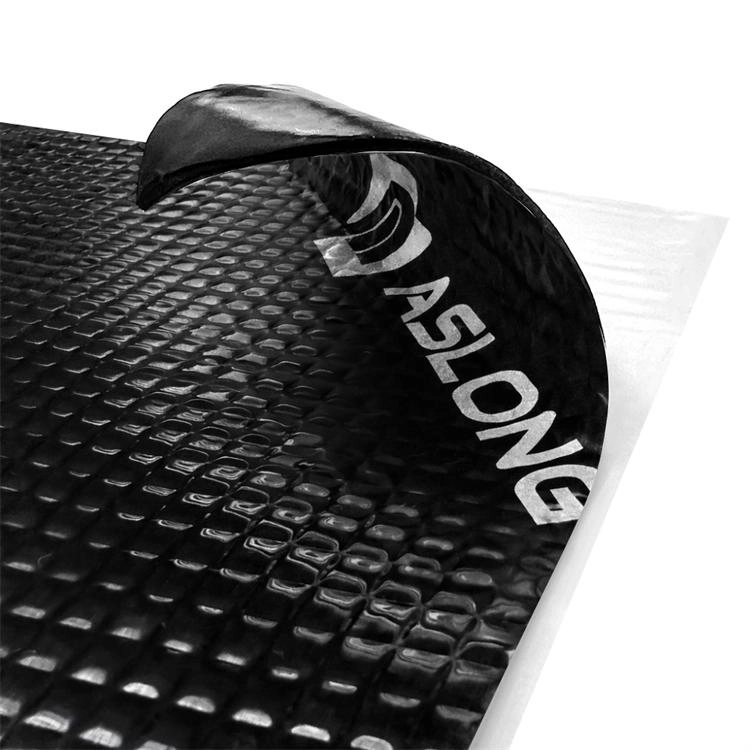
Butyl vs Asphalt Sound Deadening: Which Material Is Better for Cars?

How to Choose the Best Car Soundproofing Materials for Maximum Noise Reduction
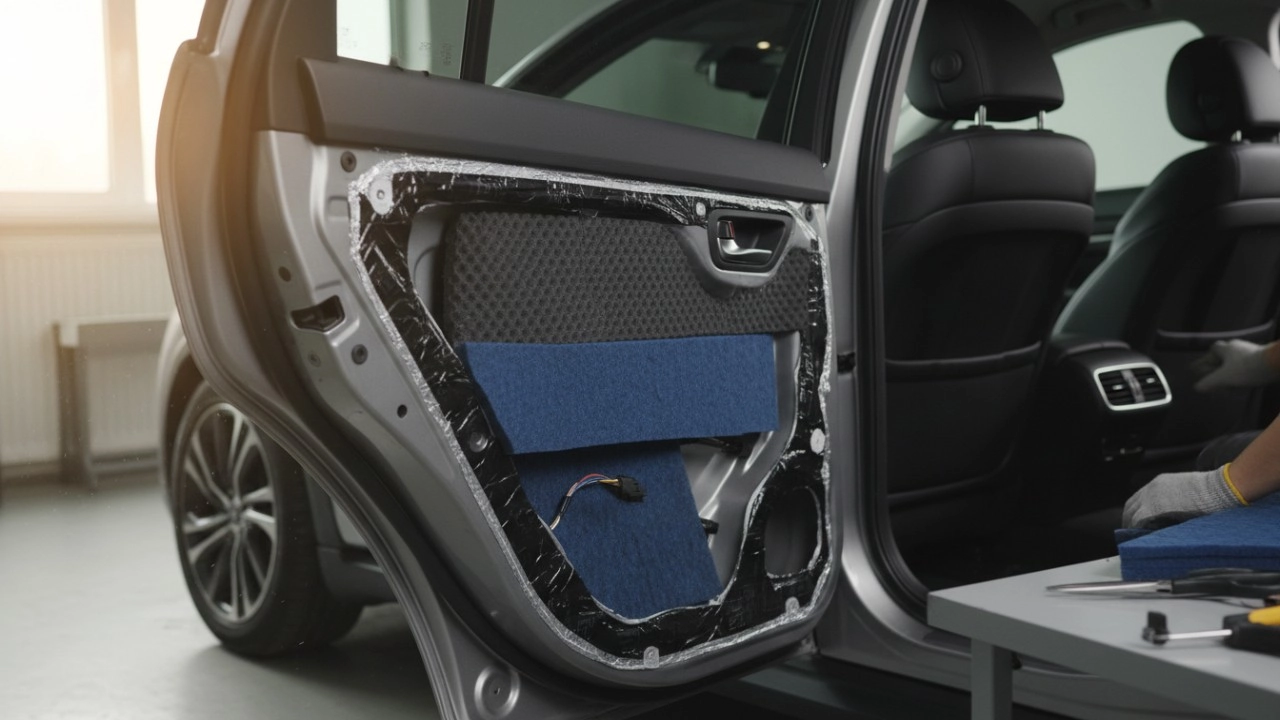
Complete Guide to Car Sound Deadening: Materials, Benefits and Installation
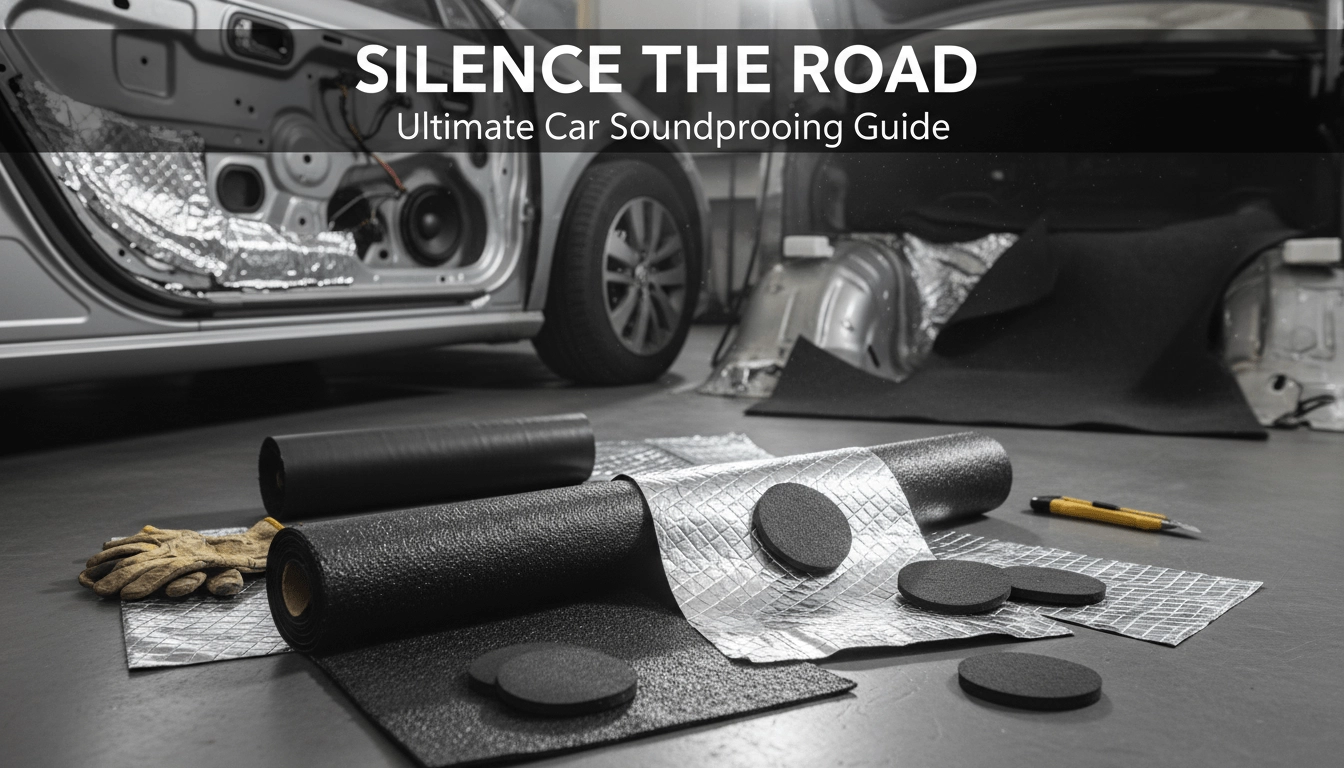
Main Types of Car Soundproofing Materials
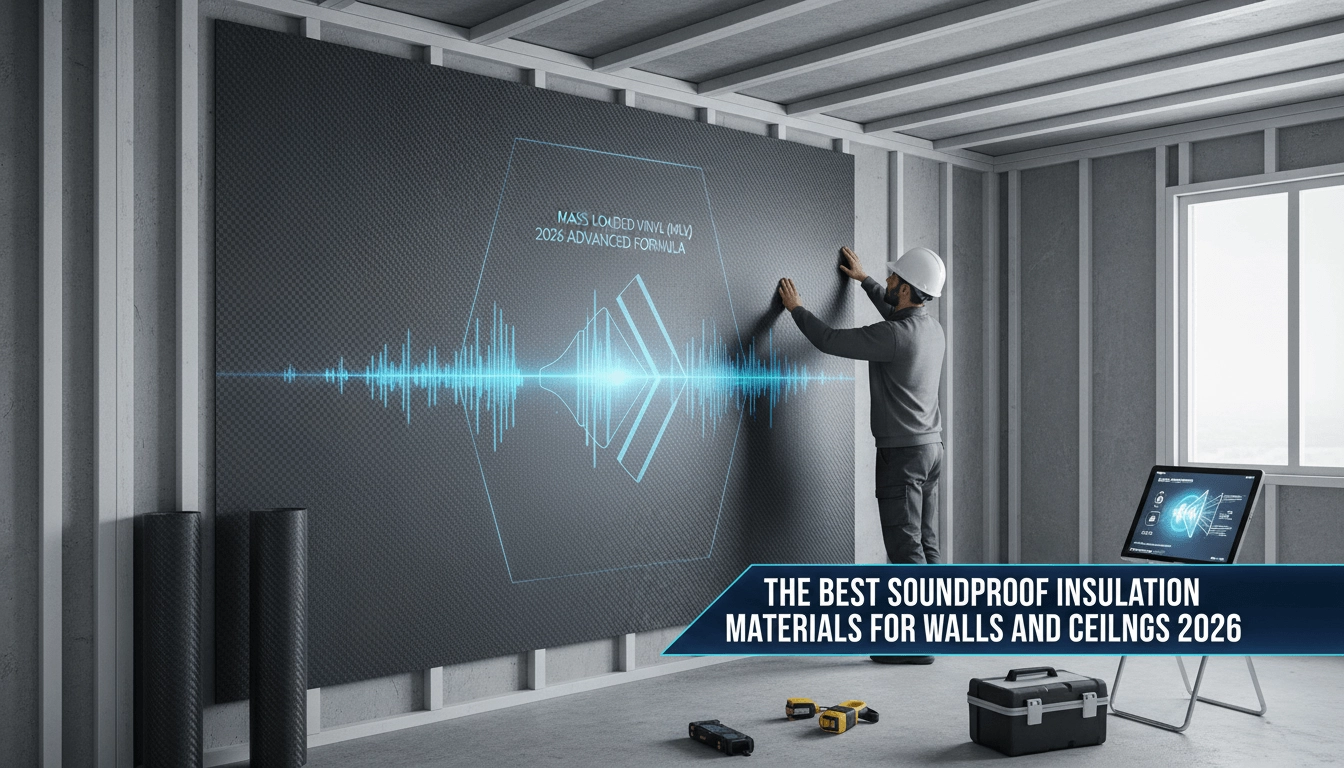
The Best Soundproof Insulation Materials for Walls and Ceilings 2026
FAQs
Do ASLONG's products meet environmental protection standards?
Yes, all ASLONG products comply with ISO14001 environmental management system certification and global environmental protection standards. We use environmentally friendly materials and are committed to providing sustainable solutions to help customers achieve green development goals.
What specific functions can ASLONG's products provide?
Our products cover functions such as insulation, sound insulation, shock absorption, waterproofing and sealing, and are widely used in improving energy efficiency, reducing noise, controlling vibration, protecting equipment, etc., helping customers optimize engineering effects and improve user experience.
What industries are the products provided by ASLONG suitable for?
ASLONG's products are suitable for multiple industries, including air conditioning and HVAC, construction and waterproofing, automobiles and transportation, home appliances and electronics, industrial equipment and machinery, etc. We provide customized solutions for each industry to meet different needs.
How to customize products that meet the needs of my industry?
You only need to contact our sales or technical team, we will conduct an in-depth analysis based on your industry needs and provide tailor-made products and solutions. We guarantee to provide you with efficient and accurate services to meet your personalized requirements.
Does ASLONG provide after-sales service?
Yes, we provide a full range of after-sales services, including technical support, installation guidance, product maintenance and quality tracking, etc., to ensure that each project goes smoothly and continues to perform at its best.
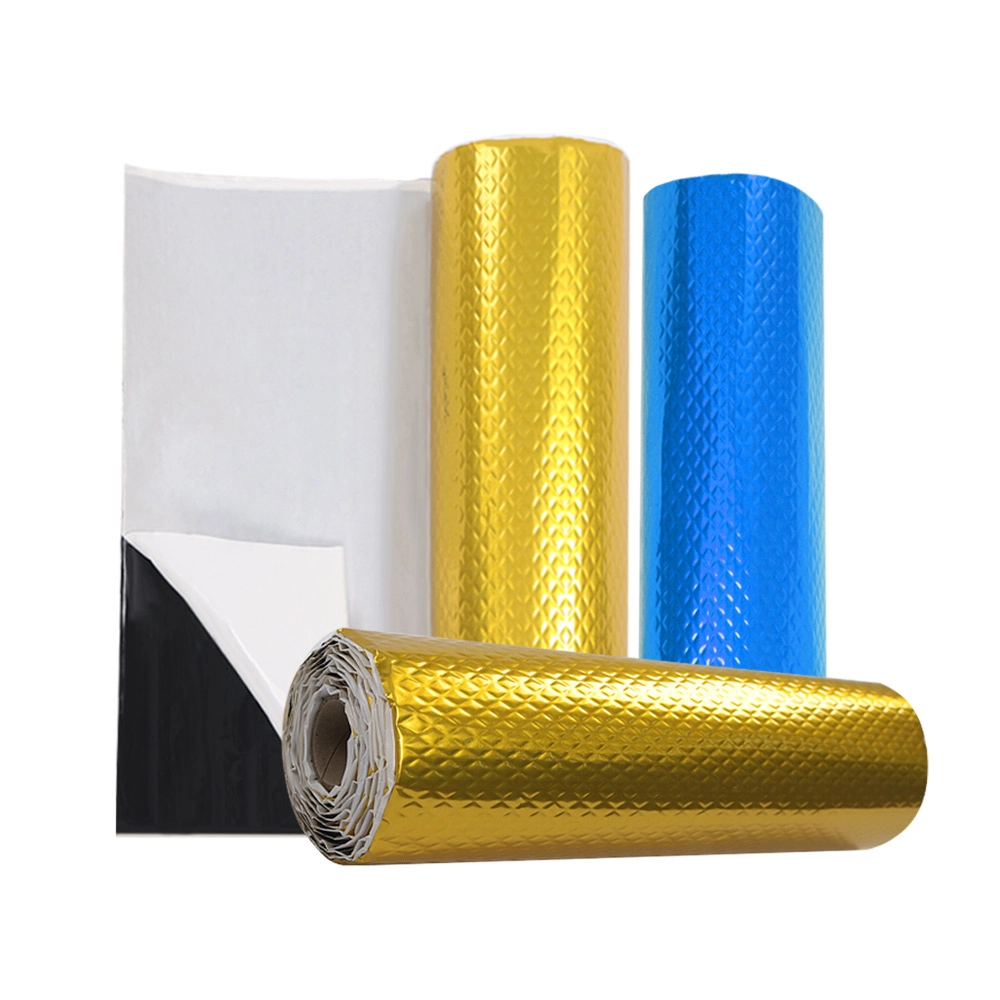
Butyl Rubber Sound Damping Mat
ASLONG Butyl Rubber Sound Damping Mat for sale. Effectively reduces noise and vibrations. High-quality butyl rubber ensures superior performance and durability. Ideal for automotive, industrial, and home applications.
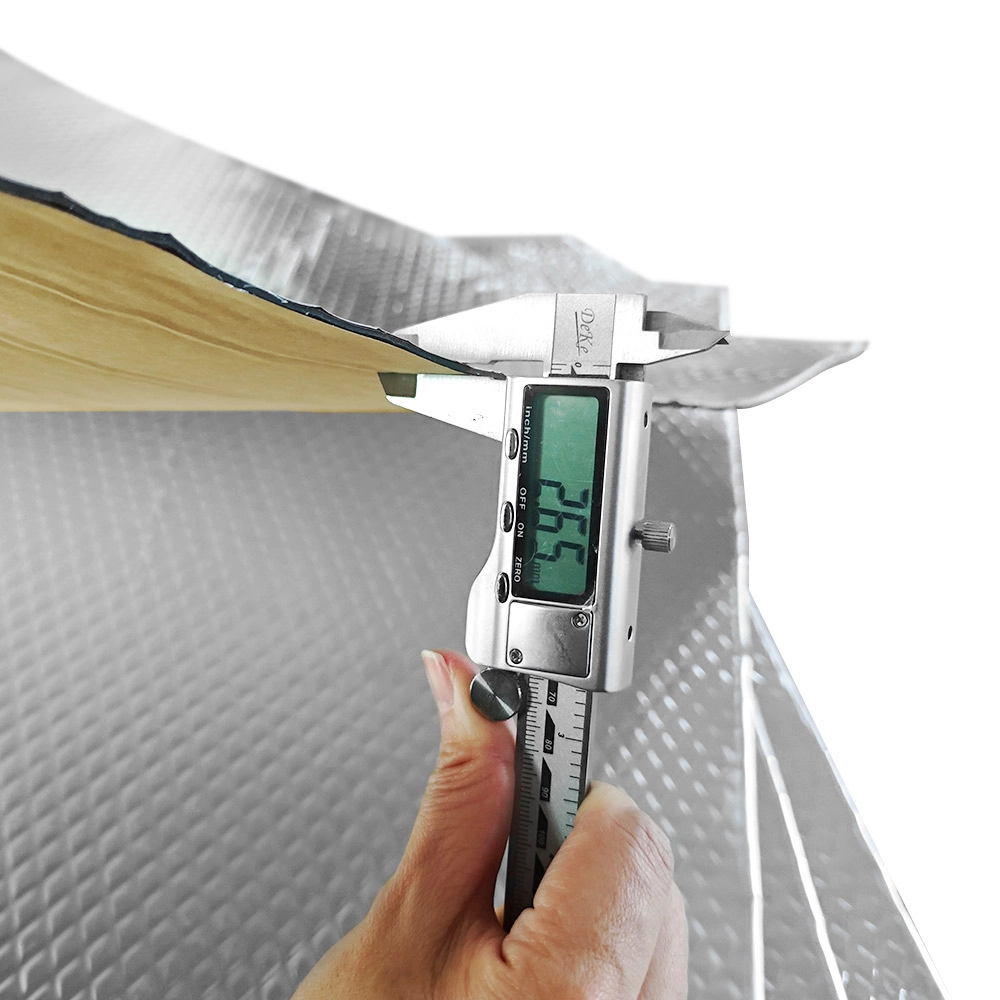
Car Sound Damping Sheet
Discover the ASLONG Car Sound Damping Sheet—High Quality sound damping material designed to reduce road noise and vibration. Improve your driving comfort with this easy-to-install, durable car sound damping sheet for superior sound insulation.
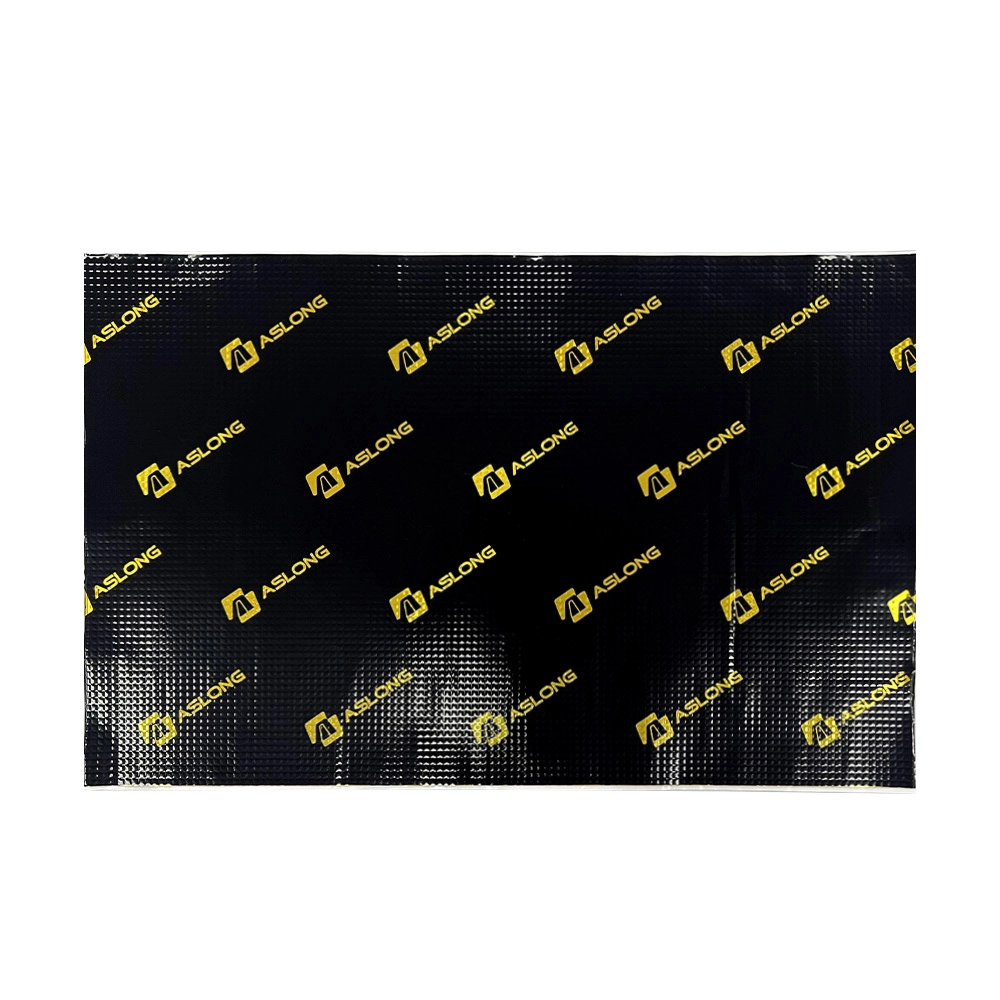
High Performance Butyl Rubber Sound Deadening Mat | Aluminum Foil Car Soundproofing Vibration Damping Sheet
Premium butyl rubber sound deadening mat with aluminum foil layer. Designed for car vibration damping and noise reduction. OEM manufacturer with custom thickness and private label service.
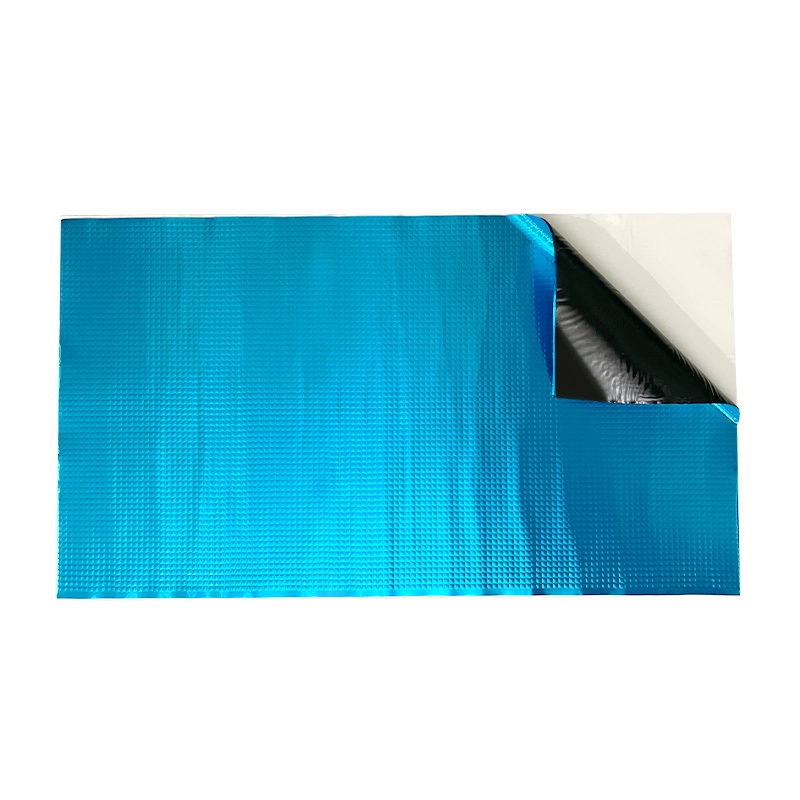
Butyl Rubber Sound Deadening Mat | Car Noise & Heat Insulation Aluminum Foil Pad | Automotive Soundproof & Thermal Barrier Material
Professional support at any time
Contact us for a free quote on our new soundproofing materials!
© 2026 ASLONG All Rights Reserved. Privacy Policy | Terms and Conditions | Sitemap

 It would be pleasure to receive from you.
Whatsapp: +8613242879341
ASLONG Global
ASLONG
Aslong_global