

Butyl vs Asphalt Sound Deadening: Which Material Is Better for Cars?
In the realm of automotive acoustic refinement, materials define performance. While installation techniques and coverage strategies play important roles, the true foundation of effective sound deadening lies in the choice of material itself.
Among the many options available, two materials have historically dominated the market: butyl rubber and asphalt-based compounds. Though they may appear similar at a glance, their behavior under real-world conditions differs profoundly.
Understanding these differences is essential—not only for achieving optimal noise reduction, but also for ensuring durability, safety, and long-term comfort within the vehicle.
What Is Butyl Rubber Sound Deadening
Butyl rubber is a synthetic elastomer known for its exceptional flexibility, adhesion, and stability. In automotive sound deadening, it is typically combined with an aluminum foil layer to create a high-performance damping sheet.
What distinguishes butyl is its viscoelastic nature. When subjected to vibration, it absorbs and dissipates energy rather than reflecting it. This allows it to effectively suppress resonance across a wide range of frequencies.
In addition, butyl materials maintain their integrity under extreme temperatures, making them particularly suitable for demanding automotive environments.

What Is Asphalt-Based Sound Deadening
Asphalt-based sound deadening materials are composed of bitumen, a petroleum-derived substance commonly used in construction and roofing applications.
Historically, asphalt sheets were used as a cost-effective solution for vibration damping. They add mass to metal panels, which can reduce certain types of noise. However, their performance is limited by their rigidity and thermal sensitivity.
Under high temperatures, asphalt materials may soften, emit odors, or lose adhesion. In colder conditions, they can become brittle and less effective at damping vibration.
Key Differences Between Butyl and Asphalt
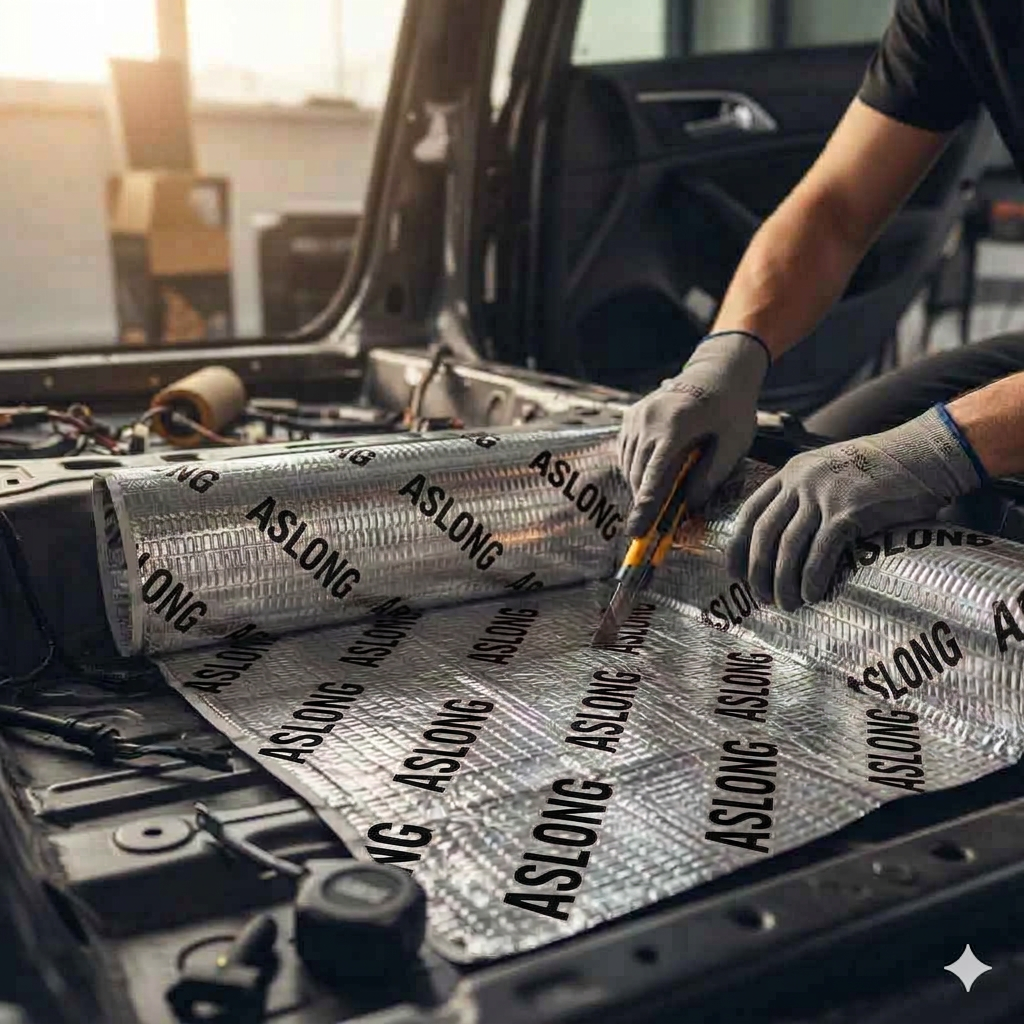
While both materials aim to reduce vibration, their physical properties create significant performance differences.
Flexibility and Elasticity
Butyl remains flexible across a wide temperature range, allowing it to conform to complex surfaces and maintain consistent damping performance. Asphalt, by contrast, tends to harden or soften depending on temperature.
Adhesion
Butyl provides strong, long-lasting adhesion to metal surfaces without requiring additional adhesives. Asphalt materials may require reinforcement and are more prone to peeling over time.
Temperature Resistance
In high-temperature environments such as engine compartments, butyl remains stable. Asphalt can degrade, releasing odor and compromising performance.
Durability
Butyl materials are resistant to aging, moisture, and environmental stress. Asphalt is more susceptible to cracking and deterioration.
Performance Comparison
From an acoustic perspective, butyl-based sound deadening consistently outperforms asphalt in both efficiency and consistency.
Butyl’s ability to convert vibrational energy into heat allows it to reduce resonance more effectively, particularly in mid- to low-frequency ranges where road noise is most prominent.
Asphalt, while capable of adding mass, lacks the same level of damping efficiency. Its performance is often inconsistent, especially under changing environmental conditions.
Which Material Is Better for Cars
For modern automotive applications, butyl rubber is widely regarded as the superior choice.
It offers:
-
Stable performance across temperatures
-
Strong and reliable adhesion
-
Superior vibration damping
-
No unpleasant odor
-
Long-term durability
As vehicles become more refined and customer expectations increase, the demand for high-performance materials continues to grow. Butyl aligns with these expectations, delivering both performance and reliability.
Why Most Modern Cars Use Butyl Mats
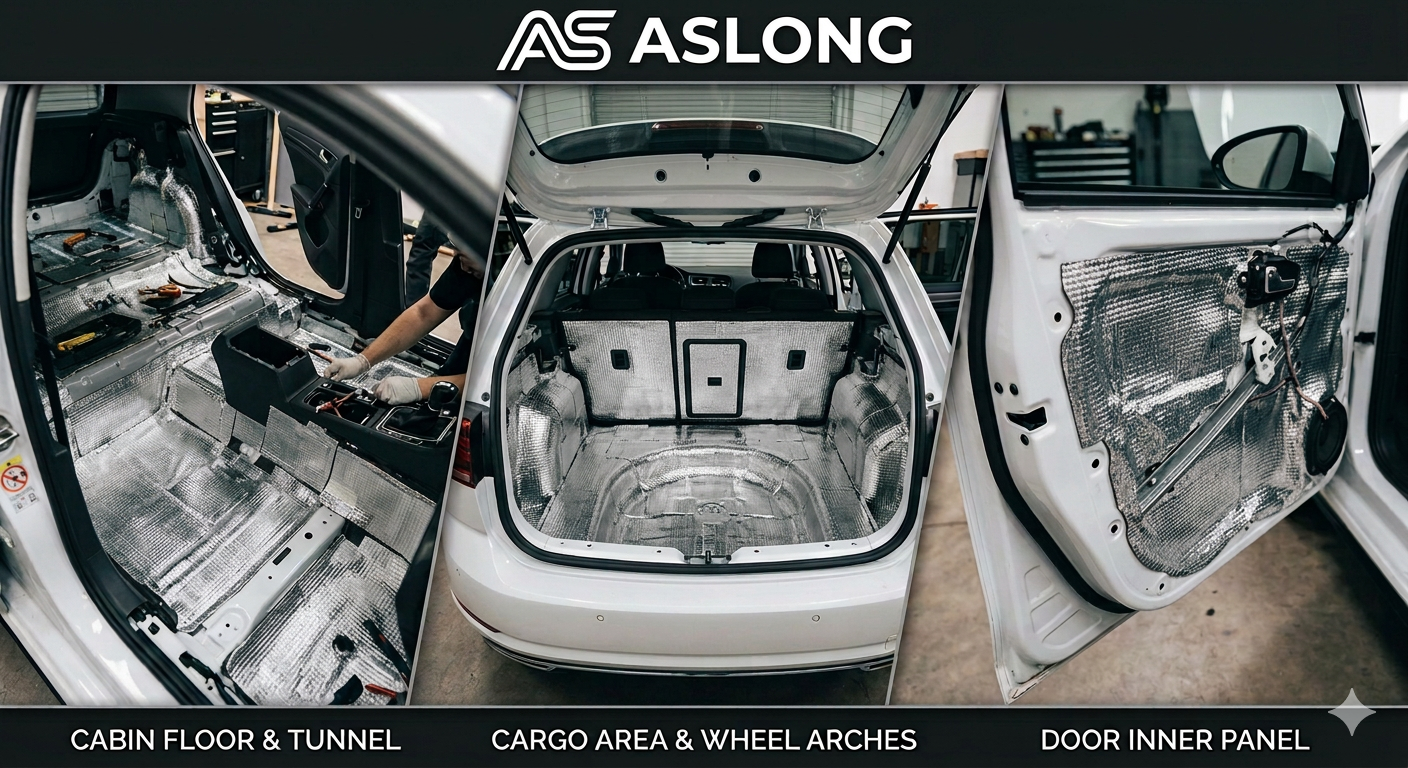
Automotive manufacturers prioritize consistency, safety, and longevity. Butyl-based materials meet these requirements while also contributing to improved cabin comfort and acoustic quality.
In contrast, asphalt-based solutions are gradually being phased out in favor of more advanced materials that better support modern engineering standards.
FAQ
Is asphalt sound deadening still used today?
It is still available in some low-cost products, but it is increasingly being replaced by butyl-based materials.
Does butyl smell in hot weather?
No. High-quality butyl materials are designed to remain odorless even under extreme temperatures.
Is butyl worth the higher cost?
Yes. The improved performance, durability, and user experience justify the investment.
Conclusion
In the pursuit of quieter, more refined vehicles, material selection is not a minor detail—it is a defining decision.
Between butyl and asphalt, the distinction is clear. One represents modern engineering, stability, and precision. The other reflects an older approach, limited by its physical constraints.
For those who value performance without compromise, butyl is not merely the better option—it is the standard.
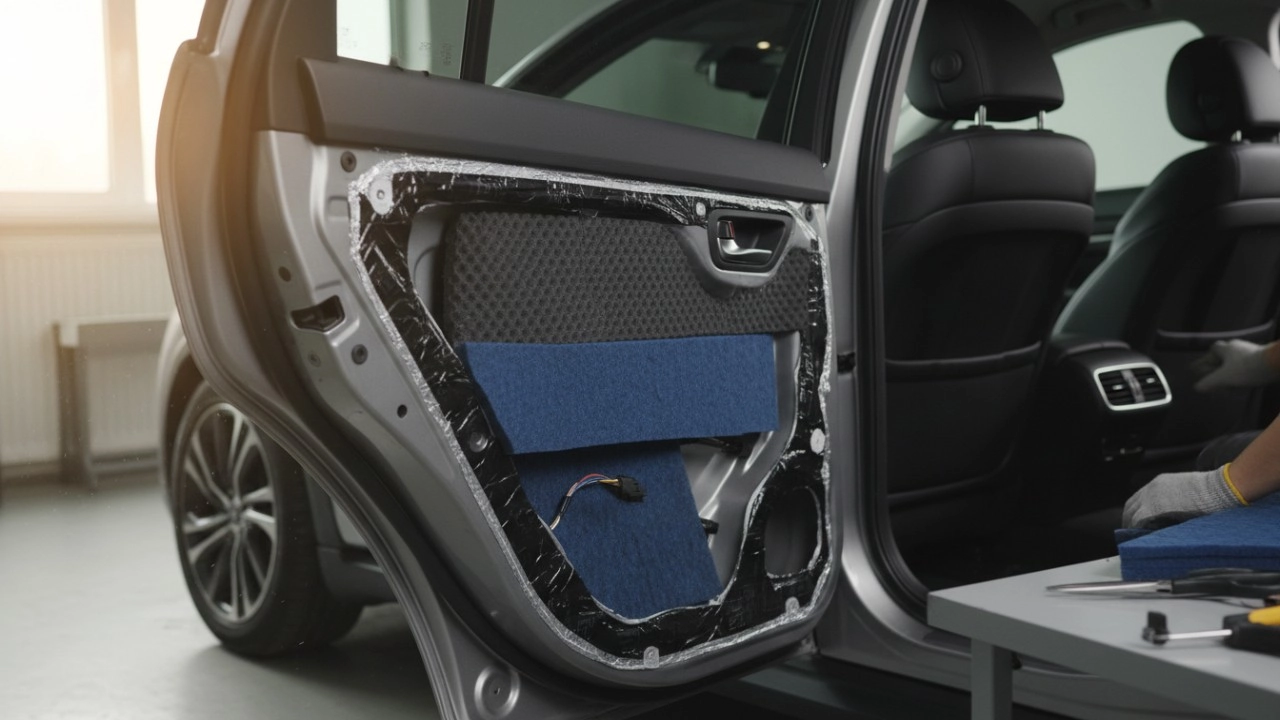
Complete Guide to Car Sound Deadening: Materials, Benefits and Installation
FAQs
How to customize products that meet the needs of my industry?
You only need to contact our sales or technical team, we will conduct an in-depth analysis based on your industry needs and provide tailor-made products and solutions. We guarantee to provide you with efficient and accurate services to meet your personalized requirements.
Do ASLONG's products meet environmental protection standards?
Yes, all ASLONG products comply with ISO14001 environmental management system certification and global environmental protection standards. We use environmentally friendly materials and are committed to providing sustainable solutions to help customers achieve green development goals.
What specific functions can ASLONG's products provide?
Our products cover functions such as insulation, sound insulation, shock absorption, waterproofing and sealing, and are widely used in improving energy efficiency, reducing noise, controlling vibration, protecting equipment, etc., helping customers optimize engineering effects and improve user experience.
Does ASLONG provide after-sales service?
Yes, we provide a full range of after-sales services, including technical support, installation guidance, product maintenance and quality tracking, etc., to ensure that each project goes smoothly and continues to perform at its best.
What industries are the products provided by ASLONG suitable for?
ASLONG's products are suitable for multiple industries, including air conditioning and HVAC, construction and waterproofing, automobiles and transportation, home appliances and electronics, industrial equipment and machinery, etc. We provide customized solutions for each industry to meet different needs.
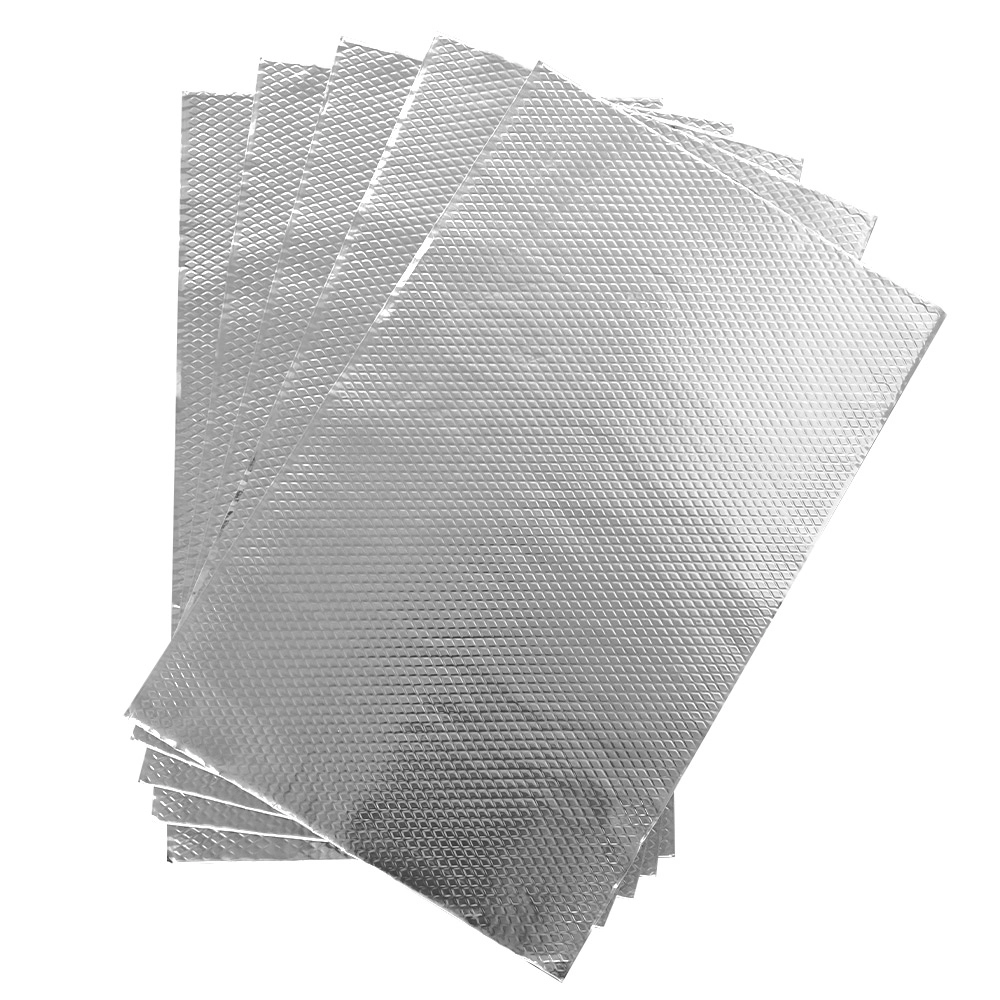
Car sound deadener mat
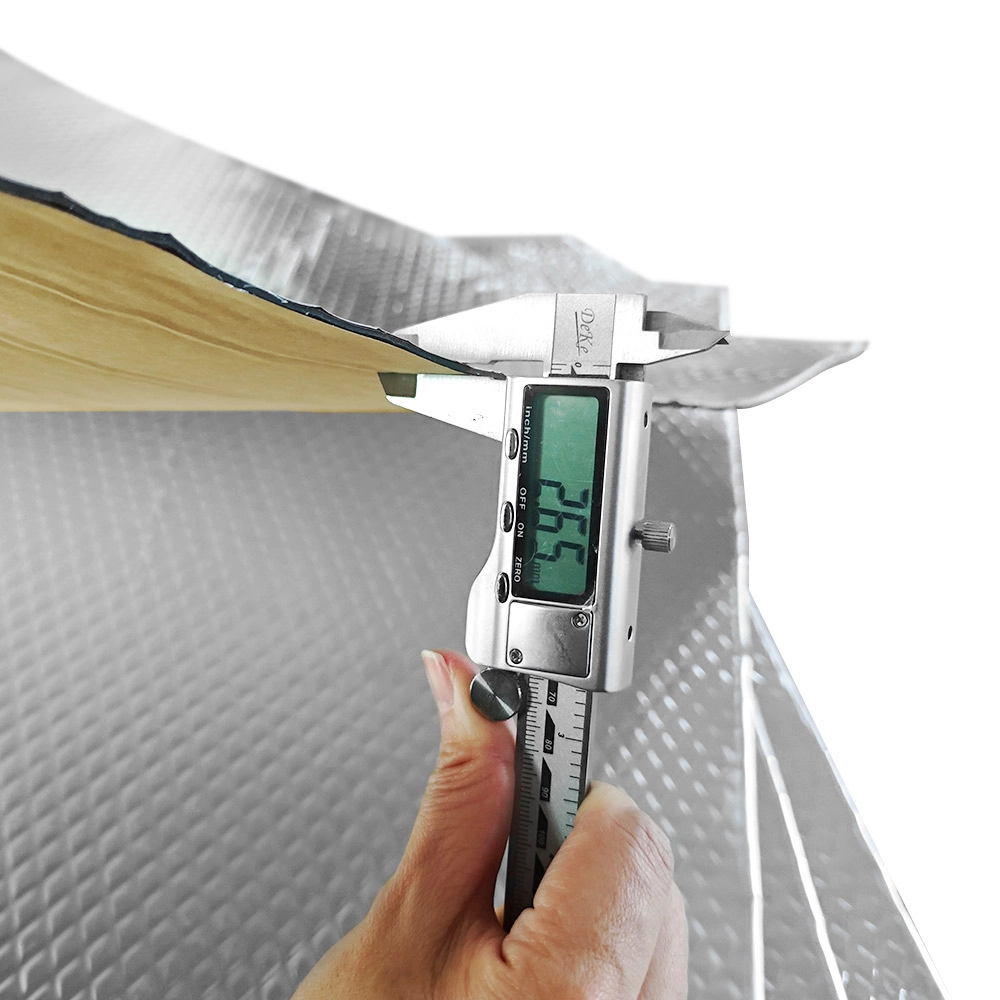
Car Sound Damping Sheet
Discover the ASLONG Car Sound Damping Sheet—High Quality sound damping material designed to reduce road noise and vibration. Improve your driving comfort with this easy-to-install, durable car sound damping sheet for superior sound insulation.
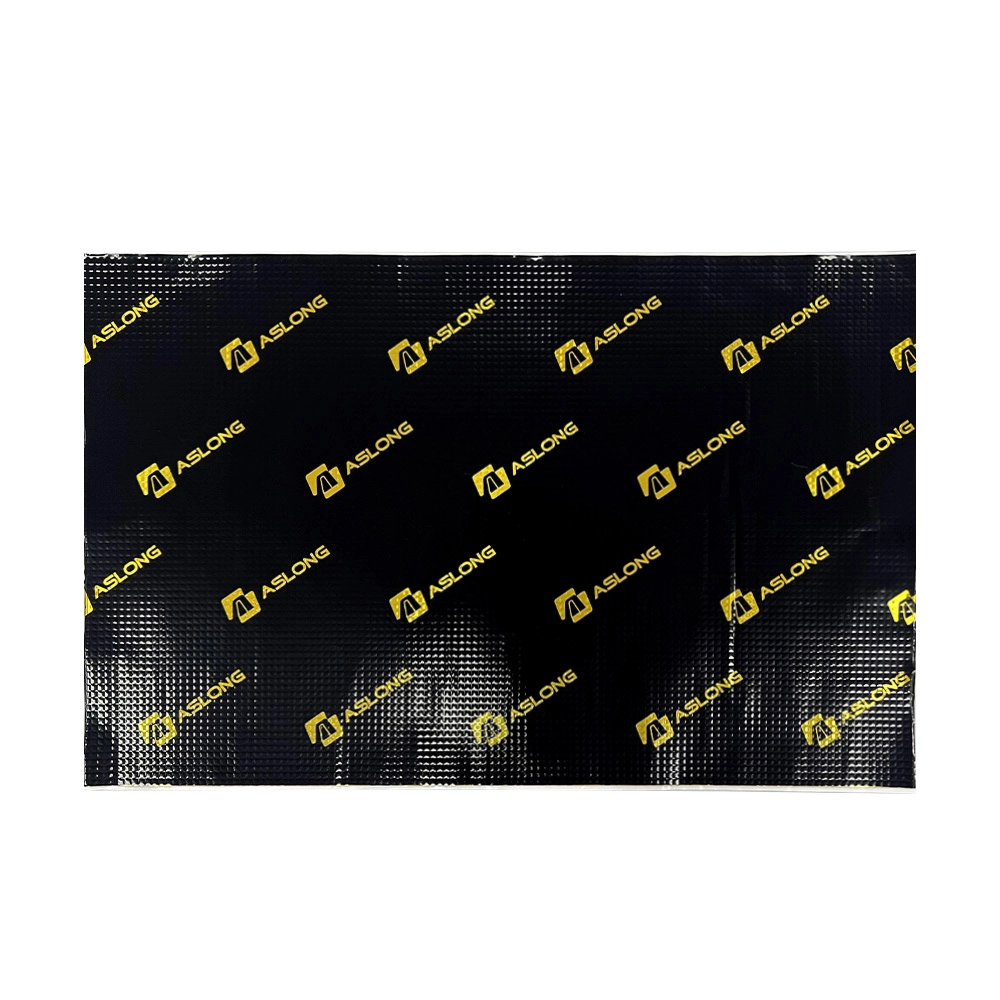
High Performance Butyl Rubber Sound Deadening Mat | Aluminum Foil Car Soundproofing Vibration Damping Sheet
Premium butyl rubber sound deadening mat with aluminum foil layer. Designed for car vibration damping and noise reduction. OEM manufacturer with custom thickness and private label service.
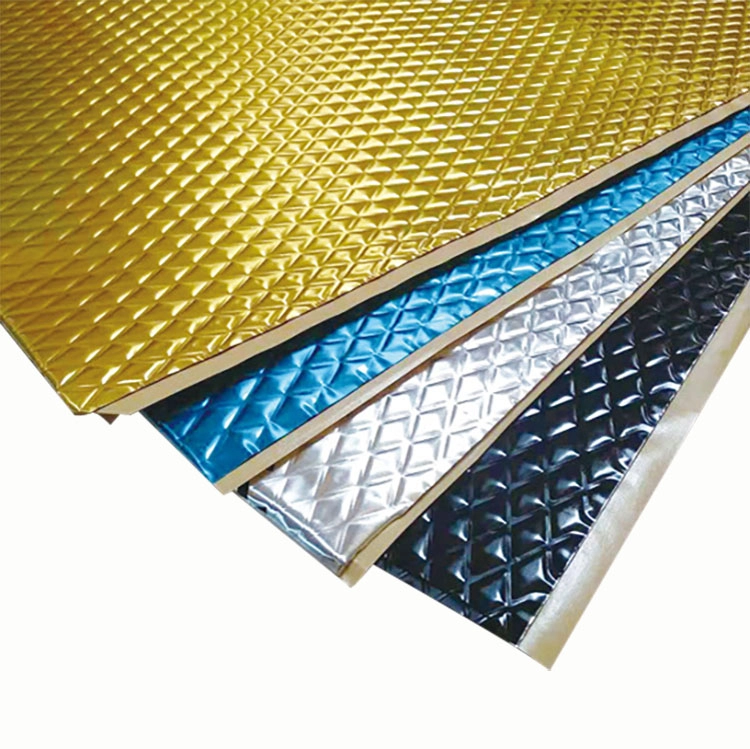
Sound Deadening Mat | Butyl Rubber & Aluminum Vibration Dampening Pad for Automotive Noise Reduction
Automotive Butyl Rubber Sound Deadening Mat is designed to minimize structural noise caused by panel resonance and road vibration. Built with an elastic butyl compound and an aluminum-backed surface, it stabilizes vehicle body panels and transforms noisy metal surfaces into acoustically controlled structures. Ideal for OEM upgrades, car audio installations, and professional automotive soundproofing projects.
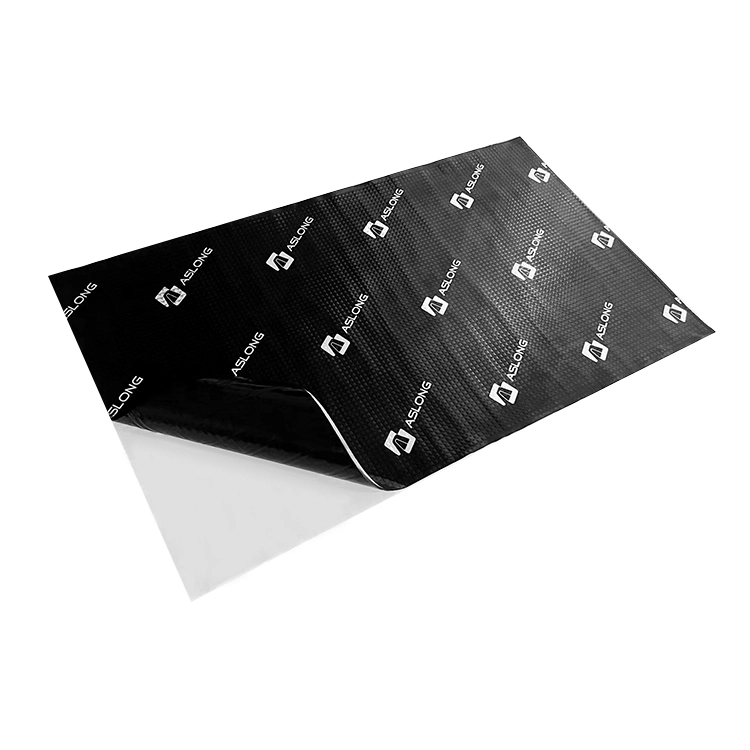
Automotive Sound Deadening Mat for Doors Floor Roof | Butyl Rubber Vibration Damper
High-density butyl rubber sound deadening mat designed to reduce road noise, vibration and resonance. Ideal for car doors, floors, roofs and trunk. Easy DIY installation, long-lasting performance.
Car Sound Deadening & Heat Insulation Mat | Butyl Rubber + Aluminum Foil Automotive Insulation
The Aslong Sound & Heat Insulation Mat is engineered with a high-density butyl core and heat-resistant aluminum foil surface to provide reliable noise reduction and thermal protection. Designed to block road noise, engine heat, and vibration, it upgrades your vehicle’s comfort instantly. Strong adhesion ensures long-lasting performance in all climates.
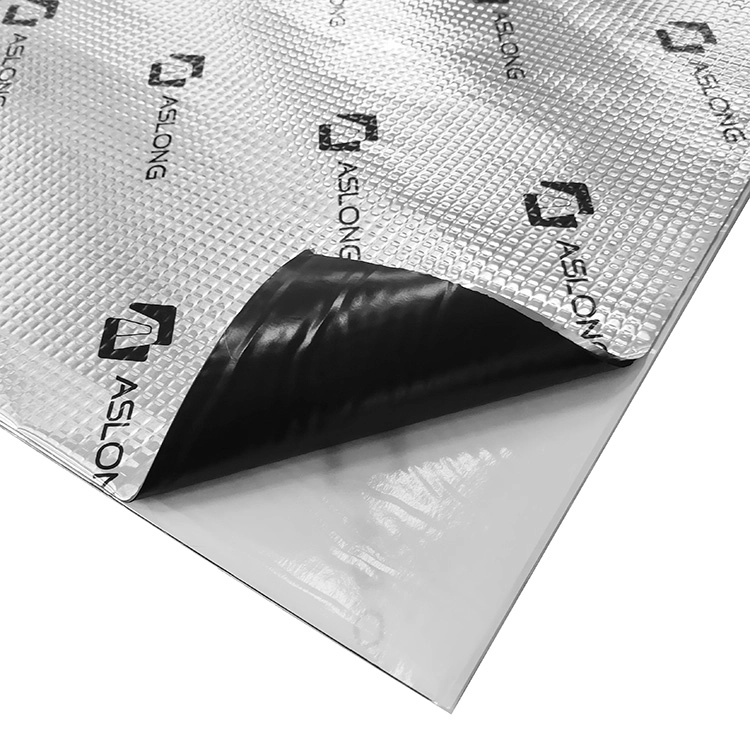
Aslong Professional Vibration Control Panel | Butyl-Based Automotive Sound Deadening Board with Aluminum Layer
ASLONG Butyl Rubber Sound Deadening Mat is designed to minimize structural noise caused by panel resonance and road vibration. Built with an elastic butyl compound and an aluminum-backed surface, it stabilizes vehicle body panels and transforms noisy metal surfaces into acoustically controlled structures. Ideal for OEM upgrades, car audio installations, and professional automotive soundproofing projects.
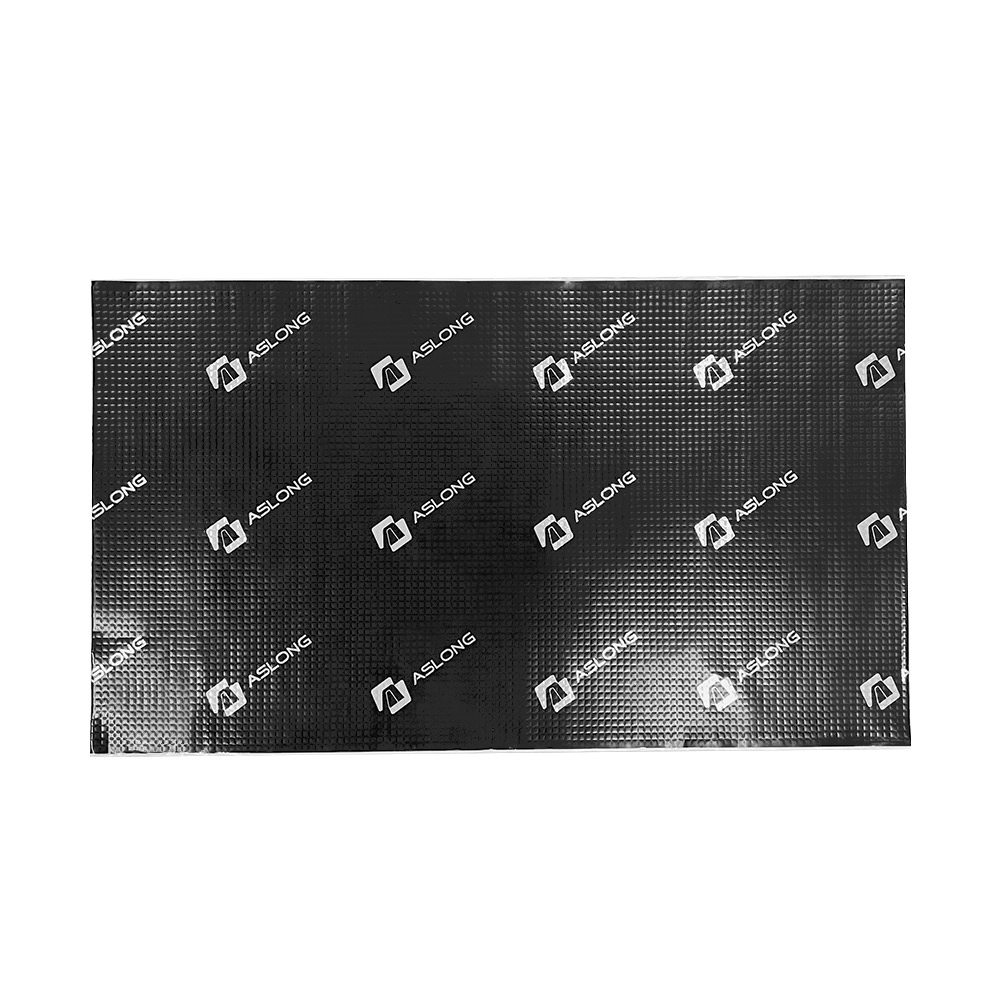
Aslong Dual-Layer Sound & Heat Insulation Mat | High-Density Butyl Deadening Sheet for Automotive Noise Control
The Aslong Sound & Heat Insulation Mat is engineered with a high-density butyl core and heat-resistant aluminum foil surface to provide reliable noise reduction and thermal protection. Designed to block road noise, engine heat, and vibration, it upgrades your vehicle’s comfort instantly. Strong adhesion ensures long-lasting performance in all climates.
Professional support at any time
Contact us for a free quote on our new soundproofing materials!
© 2026 ASLONG All Rights Reserved. Privacy Policy | Terms and Conditions | Sitemap

 It would be pleasure to receive from you.
Whatsapp: +8613242879341
ASLONG Global
ASLONG
Aslong_global