

How to Maintain Silent Foam Tires: Care, Repair, and Lifespan
A detailed SEO-optimized guide on maintaining silent foam tires, covering daily care, repair options, lifespan tips, and expert recommendations for safer and quieter driving.
Introduction
Silent foam tires are becoming increasingly popular, especially among electric vehicle owners, because they significantly reduce road noise and make driving much more comfortable. But unlike regular tires, they require slightly different care to perform at their best. In this friendly, easy-to-understand guide, we’ll walk you through how silent foam tires work, how to maintain them properly, what to do when they get damaged, and how to extend their overall lifespan.
1. How Silent Foam Tires Work
Silent foam tires include a layer of acoustic polyurethane foam attached inside the tire. This foam absorbs the sound waves generated in the tire cavity while driving, reducing noise inside the cabin by several decibels — especially useful for quiet EVs where engine noise is already minimal.
2. Daily Maintenance Tips
1. Keep Tire Pressure Within the Recommended Range
Check your tire pressure at least once a month. Proper tire pressure helps protect the foam layer and keeps noise reduction performance consistent.
2. Clean the Tires Regularly
Wash away dirt, sand, or small stones that may stick to the tread. While the foam is internal, external debris can still lead to uneven wear and vibration.
3. Rotate and Align on Time
Rotate your tires every 8,000–10,000 km and get a wheel alignment if you notice pulling or uneven wear. This prevents premature deterioration of both the tread and the foam.
3. Can Silent Foam Tires Be Repaired?
Yes, minor punctures located in the tread area can often be repaired — but always by a professional, as the foam layer must be carefully inspected. However, if the damage is on the sidewall or if the foam is torn or detached, replacement is usually recommended.
4. How to Make Them Last Longer
-
Drive smoothly — avoid sudden acceleration or hard braking
-
Do not hit curbs when parking
-
Store your vehicle in cool, dry conditions when possible
-
Check tread depth and surface cracks regularly
5. When Should You Replace Silent Foam Tires?
Consider replacing them if:
-
Tread depth is less than 3 mm
-
Cabin noise suddenly increases noticeably
-
Visible cracks, deformation, or rubber hardening appear
Conclusion
With just a bit of mindful care, silent foam tires can deliver excellent performance for a long time. Regular pressure checks, professional repairs, and early detection of wear are the best ways to protect your investment and enjoy a quieter, smoother driving experience.
Butyl vs Asphalt Sound Deadening: Which Material Is Better for Cars?
Eco-friendly Soundproofing Materials for Automotive Applications: Future Outlook and Market Trends

How to Choose the Best Car Soundproofing Materials for Maximum Noise Reduction
Complete Guide to Car Sound Deadening: Materials, Benefits and Installation
Main Types of Car Soundproofing Materials
FAQs
Do ASLONG's products meet environmental protection standards?
Yes, all ASLONG products comply with ISO14001 environmental management system certification and global environmental protection standards. We use environmentally friendly materials and are committed to providing sustainable solutions to help customers achieve green development goals.
How to customize products that meet the needs of my industry?
You only need to contact our sales or technical team, we will conduct an in-depth analysis based on your industry needs and provide tailor-made products and solutions. We guarantee to provide you with efficient and accurate services to meet your personalized requirements.
What specific functions can ASLONG's products provide?
Our products cover functions such as insulation, sound insulation, shock absorption, waterproofing and sealing, and are widely used in improving energy efficiency, reducing noise, controlling vibration, protecting equipment, etc., helping customers optimize engineering effects and improve user experience.
Does ASLONG provide after-sales service?
Yes, we provide a full range of after-sales services, including technical support, installation guidance, product maintenance and quality tracking, etc., to ensure that each project goes smoothly and continues to perform at its best.
What industries are the products provided by ASLONG suitable for?
ASLONG's products are suitable for multiple industries, including air conditioning and HVAC, construction and waterproofing, automobiles and transportation, home appliances and electronics, industrial equipment and machinery, etc. We provide customized solutions for each industry to meet different needs.
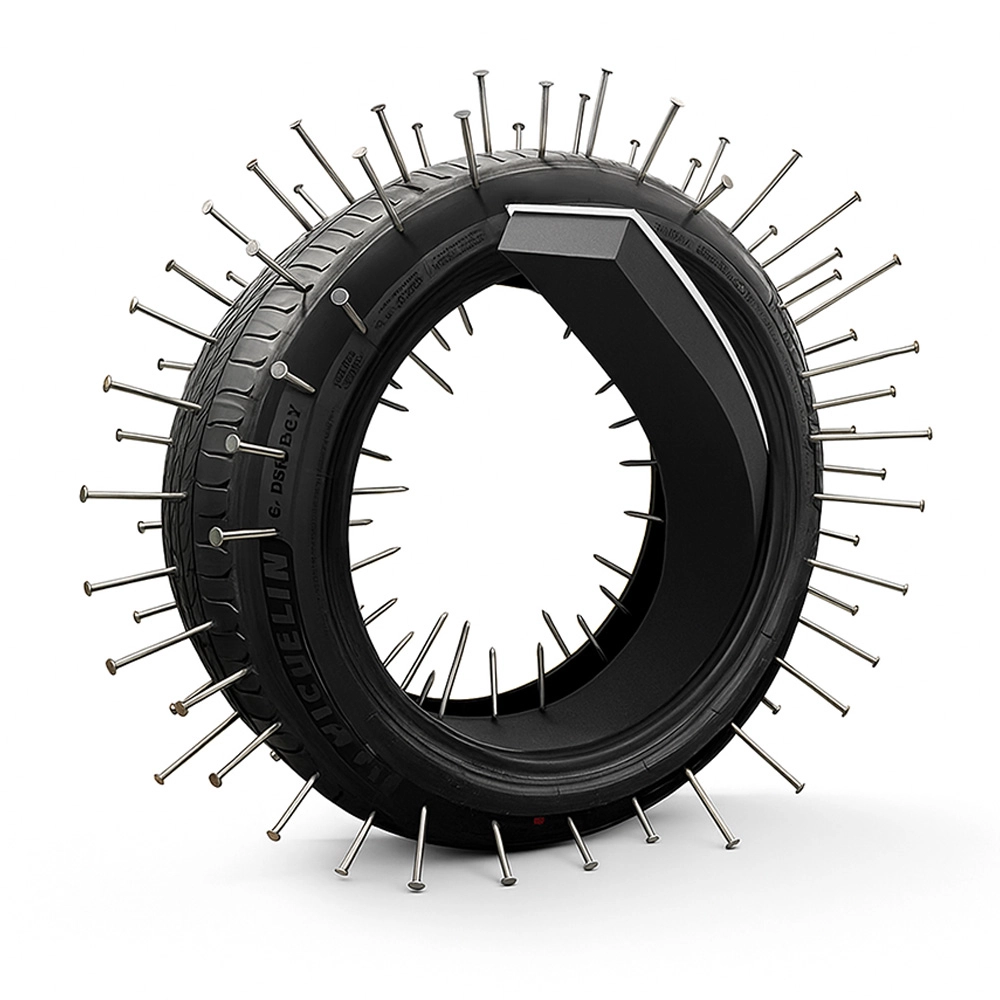
ASLONG Puncture-Proof Soundproof Tire Foam
ASLONG Puncture-Proof Soundproof Tire Foam is an advanced tire insert designed to provide both puncture-proof protection and soundproofing benefits. Made from self-healing materials, this innovative foam instantly seals any puncture caused by sharp objects, minimizing the risk of tire failure. Additionally, it reduces road noise and vibrations, offering a quieter, more comfortable driving experience.
Professional support at any time
Contact us for a free quote on our new soundproofing materials!
© 2026 ASLONG All Rights Reserved. Privacy Policy | Terms and Conditions | Sitemap

 It would be pleasure to receive from you.
Whatsapp: +8613242879341
ASLONG Global
ASLONG
Aslong_global