

How thick should foam be for soundproofing? | ASLONG Guide
How thick should foam be for soundproofing?
Professionals seeking optimal soundproofing need to know how foam thickness impacts acoustic performance. This article outlines how thick foam should be for soundproofing, clarifying product choices and application techniques for maximum effectiveness in sound insulation projects.
How Thick Should Foam Be For Soundproofing?
Key Considerations for Foam Thickness
-
Nature of the Sound:
- Low-frequency noise (e.g., bass, heavy machinery) penetrates thinner foam; thicker foam is needed for effectiveness.
- High-frequency sounds (e.g., conversation, chimes) are more easily absorbed by thinner foam.
-
Type of Foam:
- Open-cell foam is preferable for airborne noise absorption.
- Closed-cell foam offers limited airborne sound absorption but adds mass for structural isolation.
-
Application Area:
- Wall and ceiling installations may require different foam thicknesses based on structural constraints and desired performance.
Recommended Foam Thickness by Application
-
Studios and Control Rooms:
- 50mm–100mm (2–4 inches) open-cell acoustic foam effectively absorbs mid-to-high frequencies.
- For bass traps, 100mm–150mm (4–6 inches) thickness is ideal.
-
Industrial & Mechanical Spaces:
- 50mm–100mm foam for general reverberation control.
- Incorporate 100mm+ foam panels when targeting industrial noise sources.
-
Residential Rooms:
- For typical household noise, 25mm–50mm (1–2 inches) foam is often sufficient.
- Thicker foam (50mm+) is recommended for home theaters or music rooms.
Performance Data
-
NRC (Noise Reduction Coefficient) increases with foam thickness:
- 25mm foam: NRC 0.40–0.60
- 50mm foam: NRC 0.70–1.00
-
Greater thickness yields diminishing returns after a certain point for normal speech frequencies.
Other Critical Factors
-
Foam Placement and Coverage:
- Full wall coverage with thinner foam can be as effective as partial coverage with thicker foam.
-
Complementary Materials:
- Combine foam with mass-loaded vinyl or dense insulation for broader frequency soundproofing.
-
Fire Ratings and Certifications:
- Professional settings should use foam with certified fire resistance (e.g., Class A per ASTM E84).
Common User Mistakes
- Using overly thin foam for low-frequency noise control.
- Assuming thicker foam always offers a linear improvement—returns diminish beyond 100mm for standard applications.
- Neglecting the role of proper installation and total coverage area.
Industry Recommendations
- Always match foam thickness to the dominant noise type.
- Use data sheets and lab test results (e.g., NRC) to confirm effectiveness.
- For best practices, consult with acoustics professionals or refer to authoritative sources, such as the National Research Council or ASTM standards.
Summary Table: Foam Thickness vs. Soundproofing Performance
| Application | Recommended Thickness | Frequency Focus |
|---|---|---|
| Residential Walls | 25–50mm | Mid–High |
| Studio Panels | 50–100mm | Mid–Low (bass) |
| Industrial Barriers | 50–150mm | Full spectrum; more mass |
| Bass Traps | 100–150mm | Low frequency |
References
- ASTM C423 – Standard Test Method for Sound Absorption and Sound Absorption Coefficients by the Reverberation Room Method
- Acoustical Society of America – (https://acousticalsociety.org/)
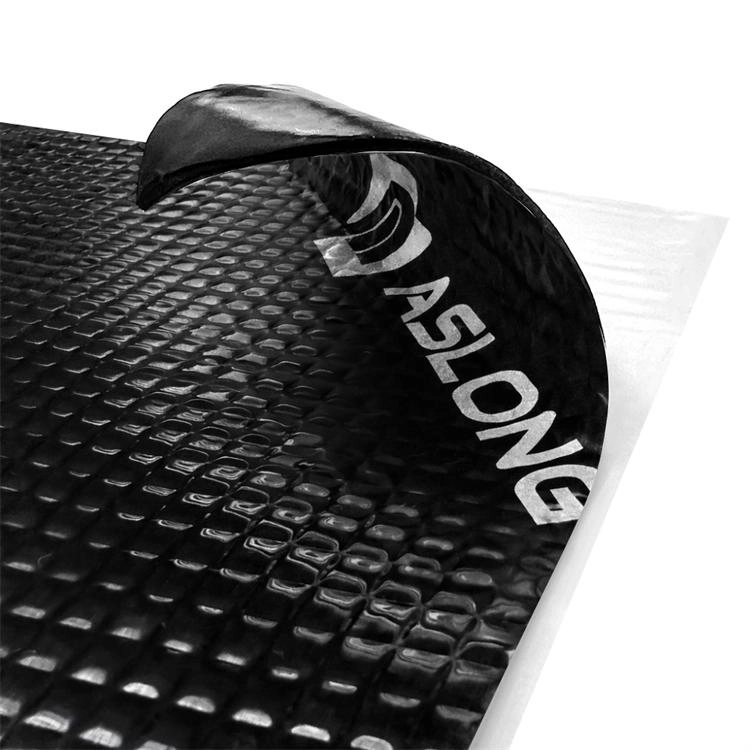
Butyl vs Asphalt Sound Deadening: Which Material Is Better for Cars?
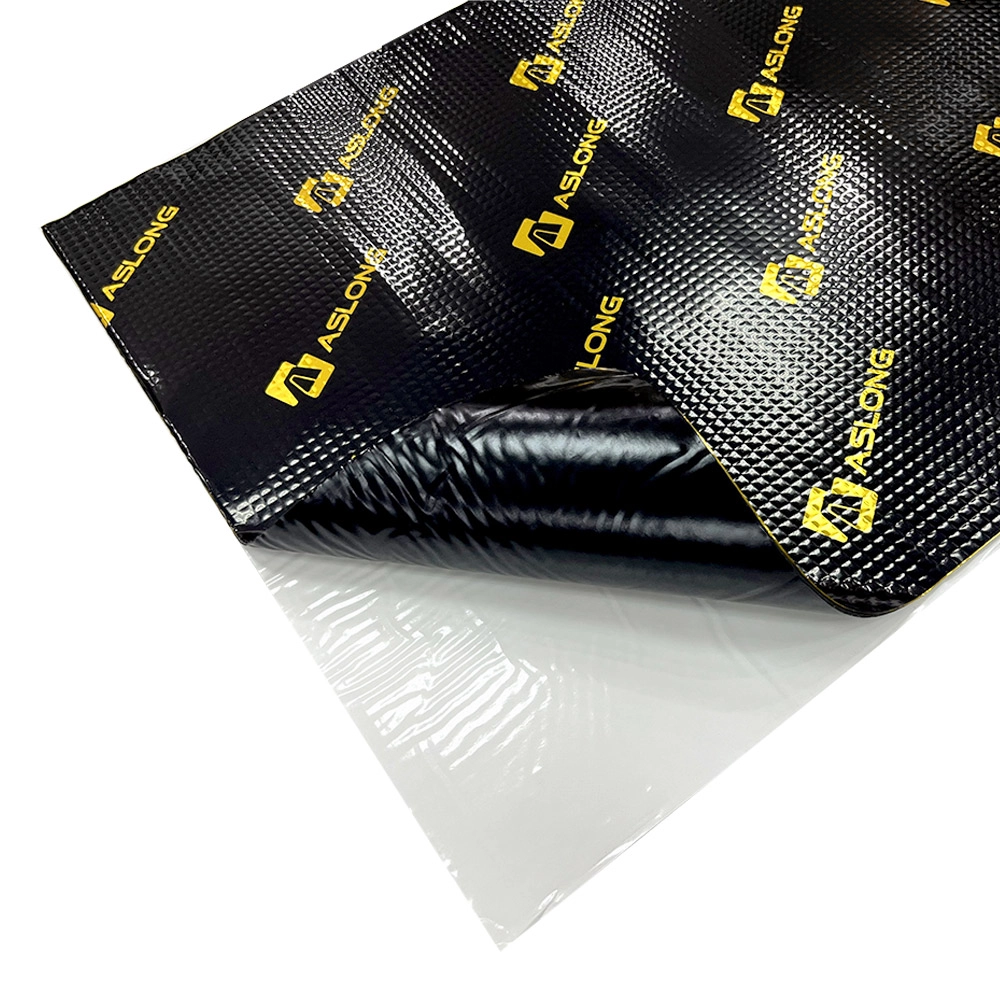
Eco-friendly Soundproofing Materials for Automotive Applications: Future Outlook and Market Trends

How to Choose the Best Car Soundproofing Materials for Maximum Noise Reduction
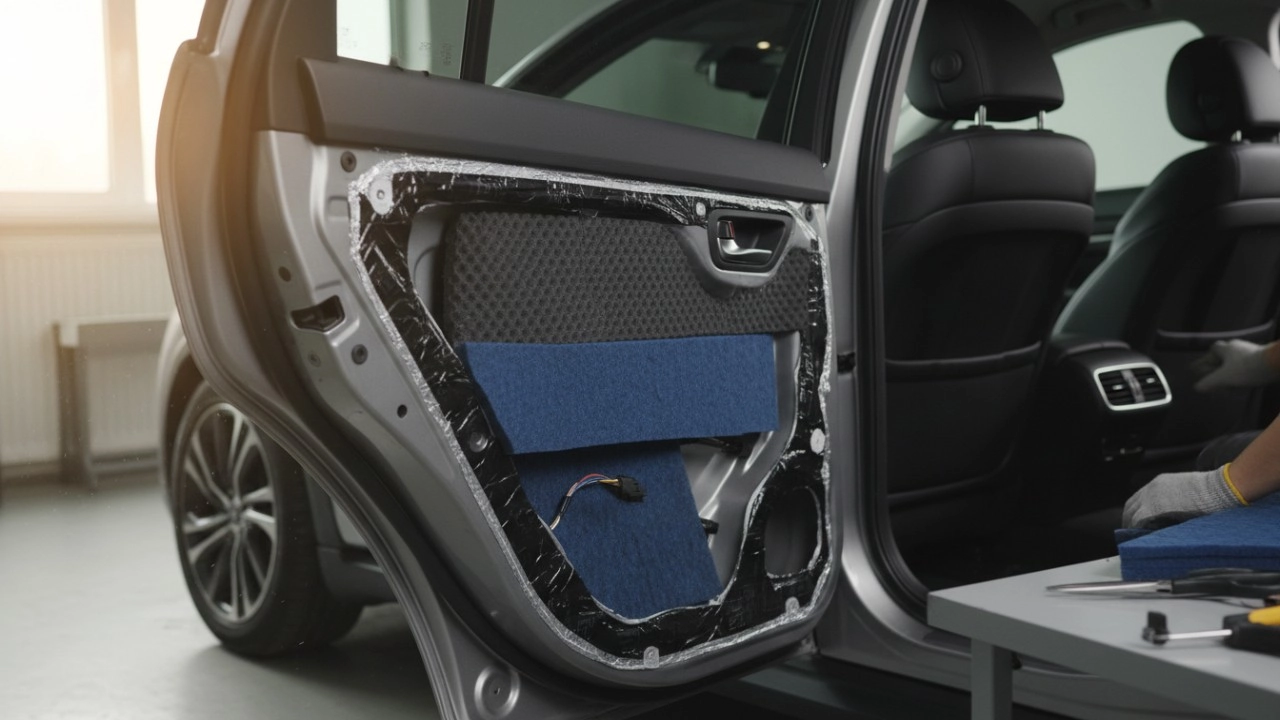
Complete Guide to Car Sound Deadening: Materials, Benefits and Installation
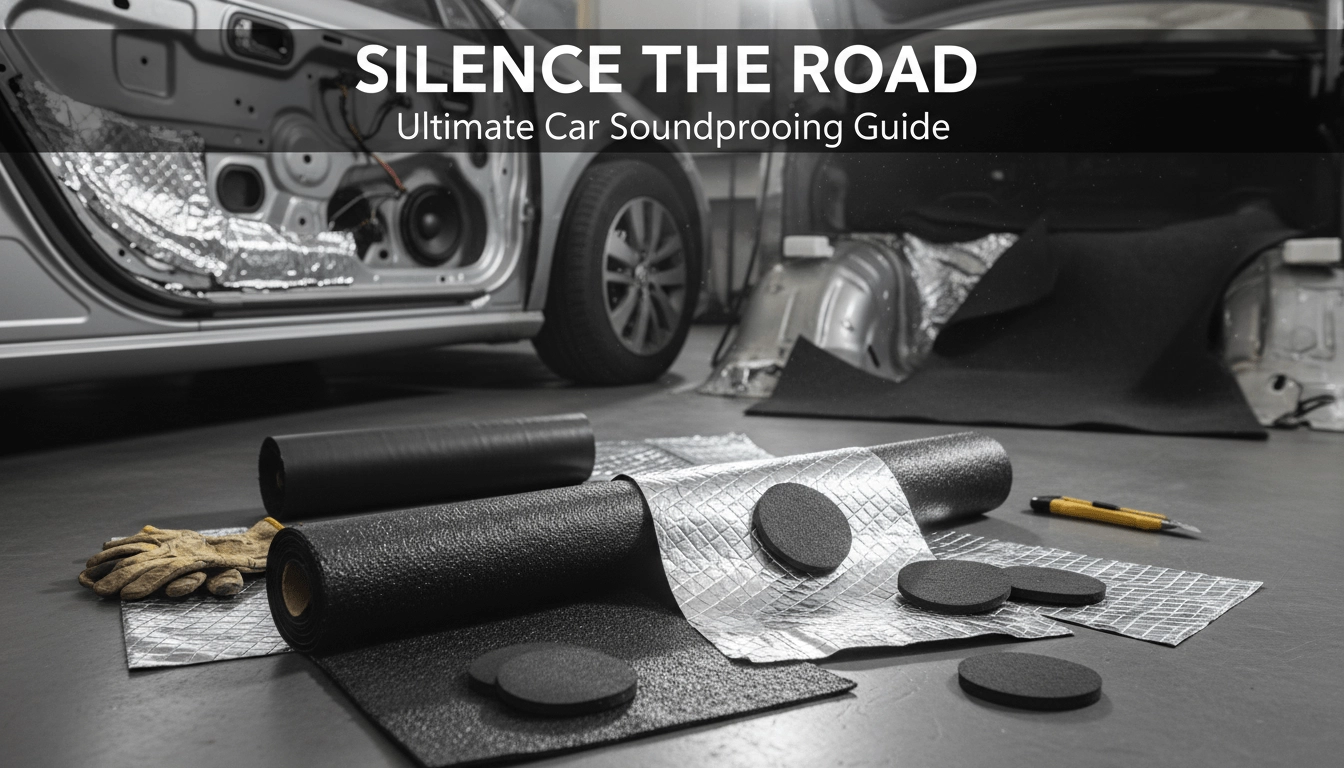
Main Types of Car Soundproofing Materials
FAQs
What specific functions can ASLONG's products provide?
Our products cover functions such as insulation, sound insulation, shock absorption, waterproofing and sealing, and are widely used in improving energy efficiency, reducing noise, controlling vibration, protecting equipment, etc., helping customers optimize engineering effects and improve user experience.
How to customize products that meet the needs of my industry?
You only need to contact our sales or technical team, we will conduct an in-depth analysis based on your industry needs and provide tailor-made products and solutions. We guarantee to provide you with efficient and accurate services to meet your personalized requirements.
Do ASLONG's products meet environmental protection standards?
Yes, all ASLONG products comply with ISO14001 environmental management system certification and global environmental protection standards. We use environmentally friendly materials and are committed to providing sustainable solutions to help customers achieve green development goals.
What industries are the products provided by ASLONG suitable for?
ASLONG's products are suitable for multiple industries, including air conditioning and HVAC, construction and waterproofing, automobiles and transportation, home appliances and electronics, industrial equipment and machinery, etc. We provide customized solutions for each industry to meet different needs.
Does ASLONG provide after-sales service?
Yes, we provide a full range of after-sales services, including technical support, installation guidance, product maintenance and quality tracking, etc., to ensure that each project goes smoothly and continues to perform at its best.
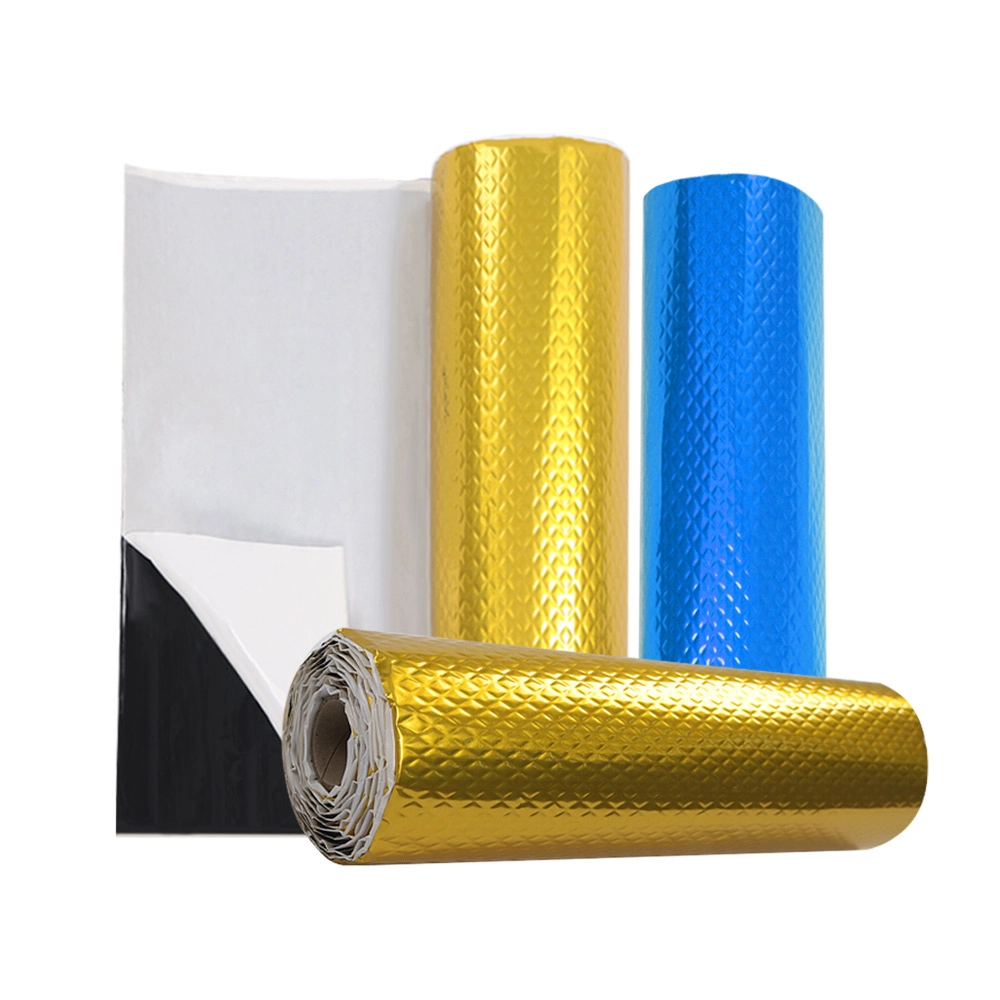
Butyl Rubber Sound Damping Mat
ASLONG Butyl Rubber Sound Damping Mat for sale. Effectively reduces noise and vibrations. High-quality butyl rubber ensures superior performance and durability. Ideal for automotive, industrial, and home applications.
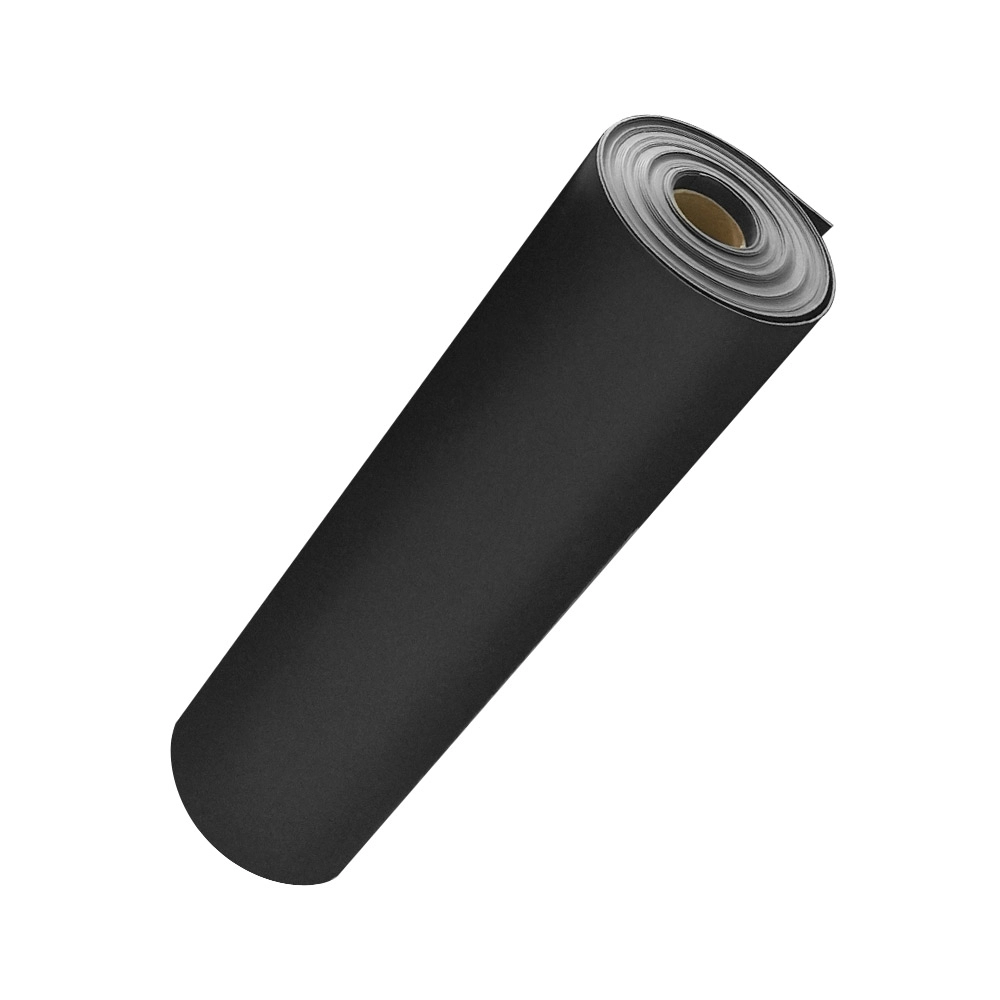
Mass Loaded Vinyl
ASLONG Mass Loaded Vinyl for sale. Reduce noise pollution effectively with our high-quality, mass-loaded vinyl. Ideal for soundproofing walls, floors, and more. Buy now and experience the difference!
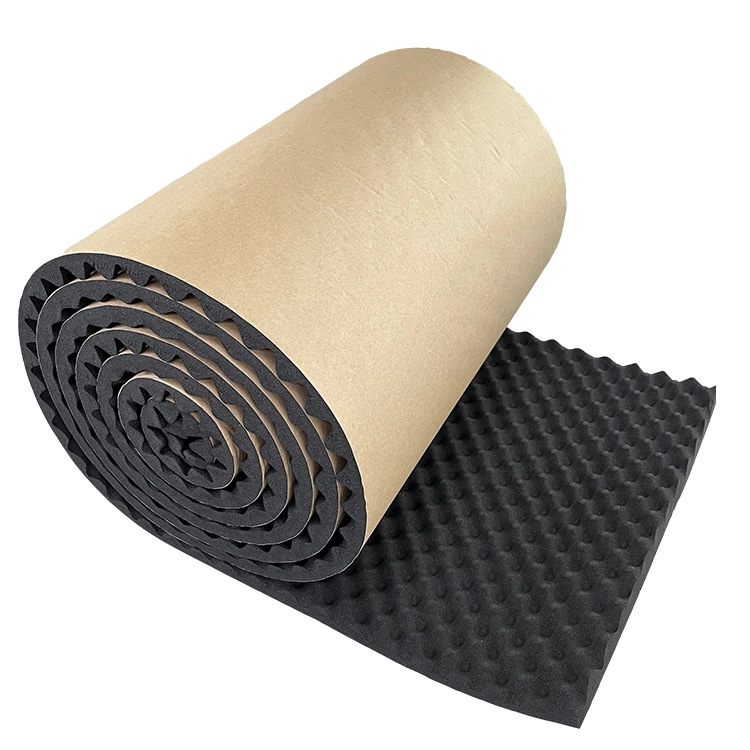
Egg Crate Foam
ASLONG Egg Crate Foam for sale. Lightweight, breathable, and comfortable, our egg crate foam provides superior support and pressure relief. Perfect for mattresses, cushions, cars, construction industry, KTV, factories, etc.
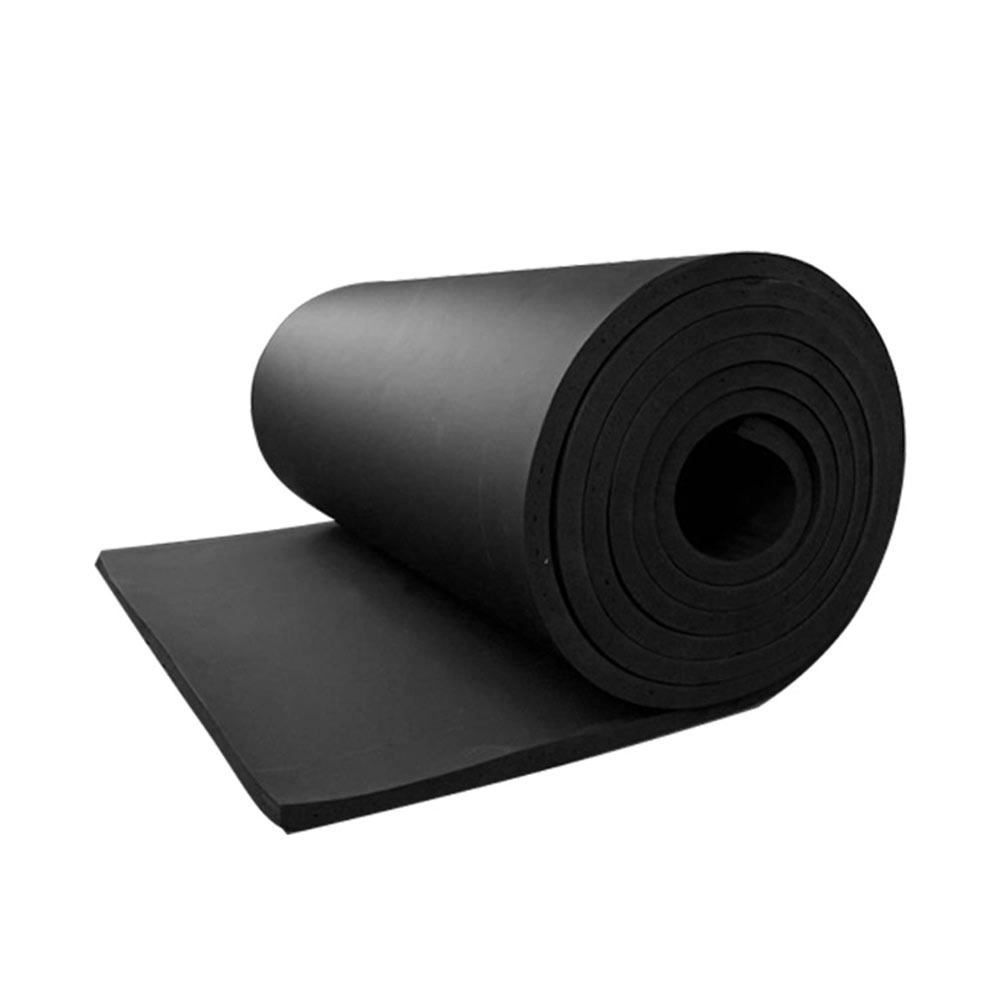
NBR Foam
ASLONG NBR Foam: Wholesale NBR foam solutions for diverse applications. High-quality, durable, and competitively priced. Contact us today for bulk orders.
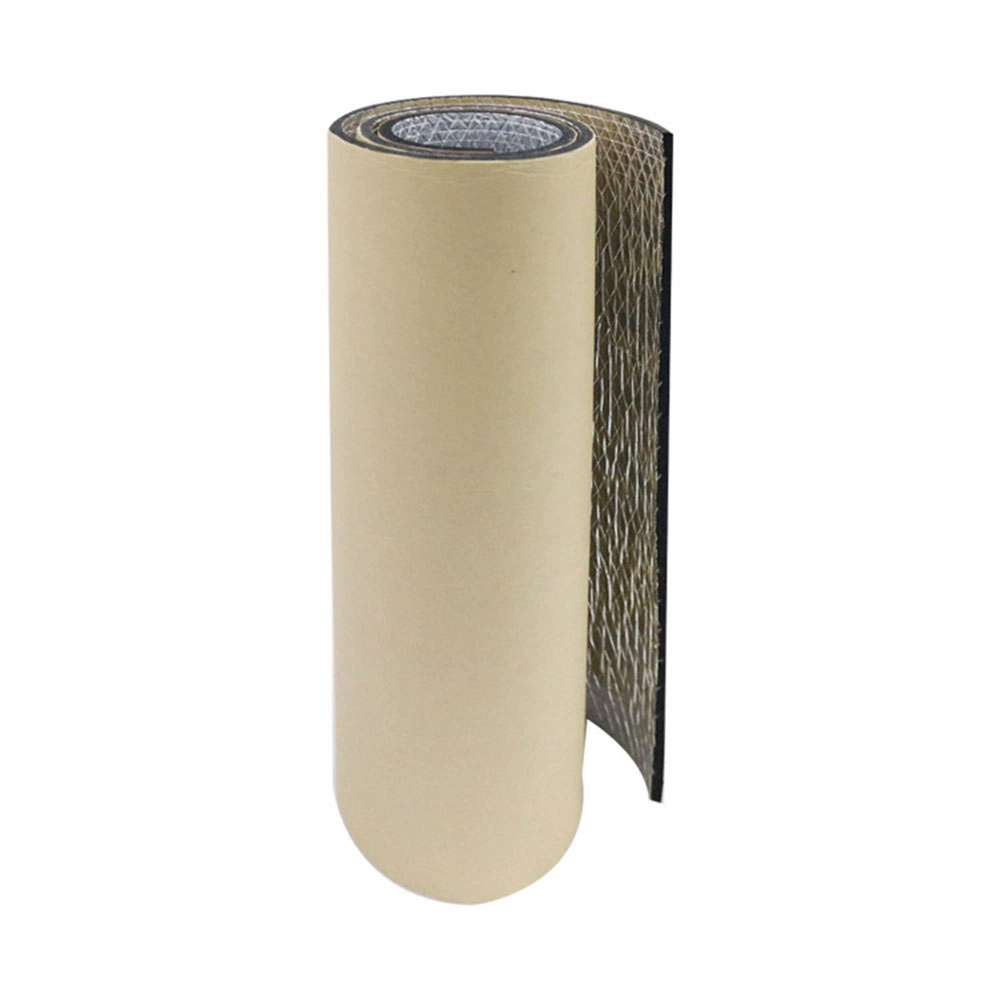
Multi layer Composite NBR foam
ASLONG's multi-layer composite NBR foam is your premium choice for superior cushioning and durability. Ideal for diverse applications, this high-quality NBR foam is available for sale now. Contact us for bulk orders.
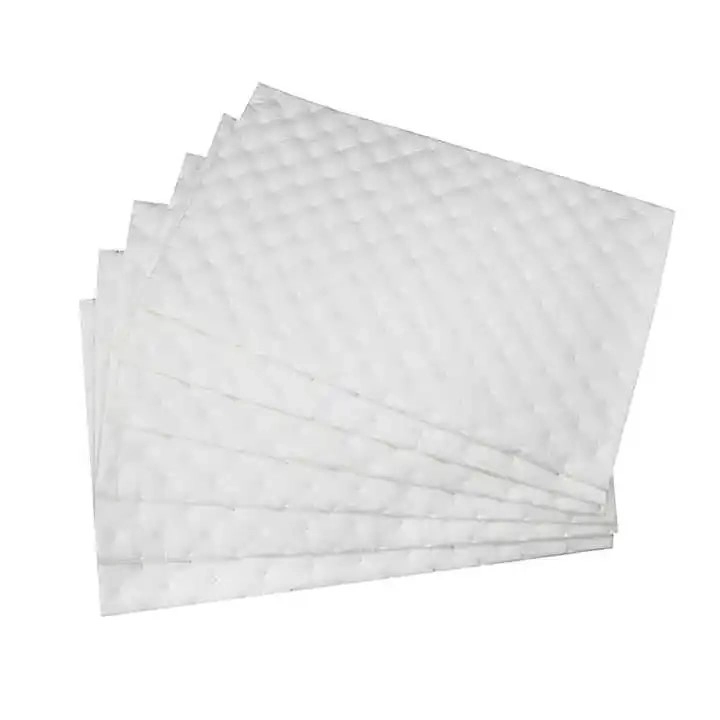
Sound Absorbing White Cotton
Sound-absorbing white cotton Made from PP and PET fibres by melt-blowing, special processes are used to achieve density diversification, sound absorption and noise reduction, thermal insulation, moisture-proof and mold resistance.
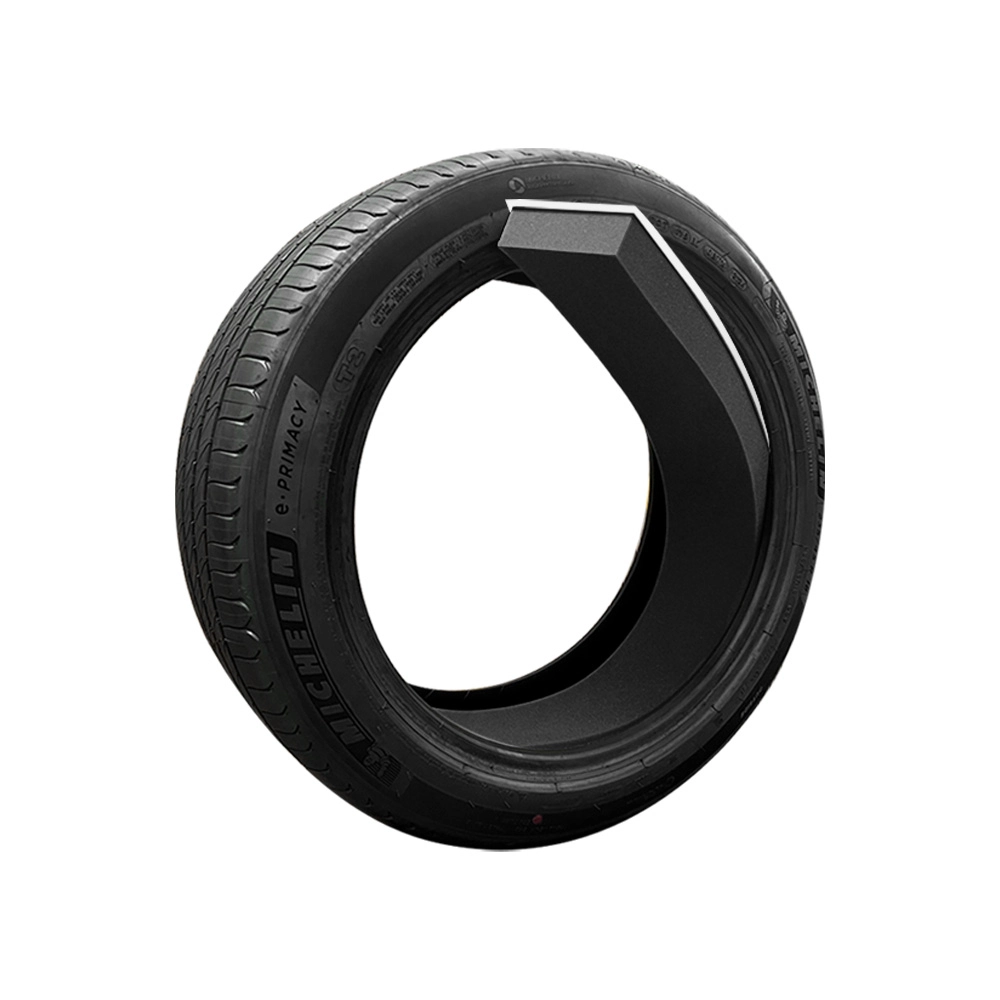
Puncture-Proof Soundproof Tire Foam, Self-Sealing Noise-Reducing Liner for Cars, Anti-Puncture Wheel Protection, Anti-Puncture Noise Reduction
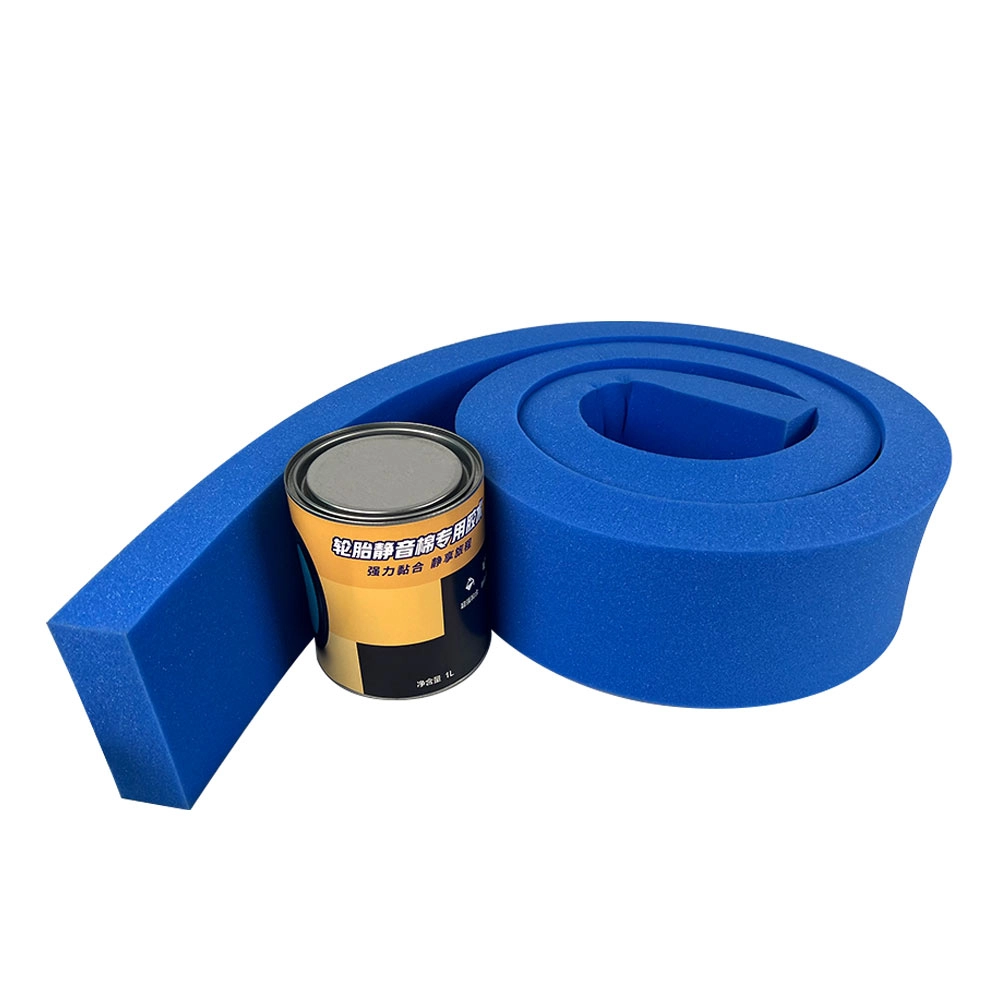
Tire Silent Foam with Special Glue
ASLONG Tire Silent Foam with special glue effectively reduces tire noise. Improve your vehicle's ride comfort. Buy ASLONG Tire Silent Foam for sale now and experience the quiet difference.
Professional support at any time
Contact us for a free quote on our new soundproofing materials!
© 2026 ASLONG All Rights Reserved. Privacy Policy | Terms and Conditions | Sitemap

 It would be pleasure to receive from you.
Whatsapp: +8613242879341
ASLONG Global
ASLONG
Aslong_global