

How many dB does mass-loaded vinyl reduce? | Insights by ASLONG
How many dB does mass loaded vinyl reduce? There is no universal reduction figure for every MLV sheet or installation. Sound transmission loss varies by frequency, material grade, and the complete tested assembly; STC is not the same as an in-room dB reduction. Compare relevant acoustic test reports, installation conditions, and product specifications before making a performance claim.
- Why MLV Does Not Have One Universal dB Reduction
- Sound Transmission Loss, STC and Room-Level dB: What Is the Difference?
- How Material and Installation Conditions Change the Result
- Where Can Mass Loaded Vinyl Be Considered?
- How to Compare a Test Report With the Actual Specification
- ASLONG Mass Loaded Vinyl: Confirmed Product Information
- Practical Installation Questions Before Buying MLV
- Conclusion: Ask for Test Conditions, Not a Universal Decibel Claim
- Frequently Asked Questions
- Related ASLONG Reading
ACOUSTIC BARRIERS / SOUND TRANSMISSION LOSS / B2B SPECIFICATION
Quick Answer: How Many dB Can Mass Loaded Vinyl Reduce?
There is no single verified decibel reduction for every mass loaded vinyl (MLV) product or installation. Sound transmission loss changes with frequency, the selected sheet, its surface mass and the complete construction that contains it. A laboratory STC rating is also not the same as the dB difference someone hears in a finished room. For a defensible figure, request a test report for the relevant element or assembly and compare its frequency-band results with the actual project conditions.
Why MLV Does Not Have One Universal dB Reduction
Mass loaded vinyl is commonly selected as a flexible, relatively dense barrier within an acoustic construction. Its purpose differs from porous absorbers that primarily manage sound reflections inside a space. How much airborne sound is transmitted through a barrier depends on the sound frequency and on every significant path between the source and receiver. An isolated sheet, a wall with the sheet properly integrated, and a wall with unsealed service penetrations can produce materially different outcomes.
The phrase noise reduction in dB is incomplete unless the measurement has a stated reference condition. It may refer to a laboratory sound transmission loss value at a particular frequency, a before-and-after difference recorded at a listening position, or another measured quantity. These results cannot be freely interchanged in a purchasing specification. For ASLONG buyers, the safest starting point is to identify the relevant acoustic metric before comparing the reported value.
Sound Transmission Loss, STC and Room-Level dB: What Is the Difference?
Sound transmission loss, or TL, describes how a tested specimen limits airborne sound passing from one side to the other under defined laboratory conditions. TL is reported by frequency band, typically in decibels. That frequency detail matters: a construction that attenuates certain speech frequencies effectively may behave differently at the lower frequencies associated with heavy equipment or traffic. A single average claim cannot show those differences.
Sound Transmission Class (STC) is a single-number rating calculated from frequency-dependent measurements using a defined classification method. ASTM E90 describes laboratory measurements for building partitions and elements, while ASTM E413 describes the calculation of applicable one-number acoustic ratings. STC describes the tested specimen and configuration, not a guaranteed reduction in sound level for any buyer who uses a similarly named material. If a report concerns an entire wall, the rating should not be presented as though the uninstalled MLV roll alone produced it.
| Term | What it tells you | What it does not establish |
|---|---|---|
| Transmission loss (TL), dB | How a tested specimen attenuates airborne transmission at specified frequency bands | A fixed level reduction at every receiving-room position |
| Sound Transmission Class (STC) | Single-number classification from defined laboratory transmission measurements | One-to-one conversion to on-site dB reduction |
| Field level difference, dB | Observed difference between measured sound levels under stated field conditions | A universal product rating independent of source, room and installation |
| Sound absorption rating | How a tested surface manages incident sound energy within an environment | Proof that a thin absorber is an effective airborne sound barrier |
The official standards distinguish these measurements. See ASTM E90, Laboratory Measurement of Airborne Sound Transmission Loss, and ASTM E413, Classification for Rating Sound Insulation. Their published scopes help buyers ask the right questions, but simply mentioning a standard is not evidence that a specific ASLONG grade or assembly has passed a corresponding test. Only a relevant product-specific or assembly-specific report can support a numeric claim.
How Material and Installation Conditions Change the Result
Surface mass and the exact MLV grade
Surface mass, usually expressed as mass per unit area, is one of the important variables when comparing flexible sound barriers. Thickness alone does not identify it because formulations can have different compositions and densities. The ASLONG product record lists Mass Loaded Vinyl in sheet or roll form and describes its raw material as rubber; it does not provide a verified project-specific transmission-loss curve in the record reviewed. Buyers should request surface mass, thickness tolerance and the actual test specimen details for the selected commercial grade.
Frequency content of the source
Speech, ventilation equipment, traffic and industrial machinery contain different frequency distributions. An apparent improvement in one octave or one operating condition is not automatically representative of the entire source. STC is useful for comparing certain types of building sound isolation, but sources with substantial low-frequency energy may require additional frequency-by-frequency analysis. A project involving fans, compressors or music systems should therefore specify the spectrum that matters rather than relying only on a single number.
The surrounding construction
MLV usually performs as one part of a larger system, such as a partition, enclosure or vehicle acoustic barrier. Stud geometry, boards, insulation, air gaps and mechanical connections can influence the acoustic response of that system. The effect of adding a flexible mass layer is not a fixed mathematical bonus that can be added to every existing STC rating. A buyer should compare two appropriately tested assemblies, with and without the layer, before calculating a change attributable to that installation.
Gaps, penetrations and flanking paths
Sound can bypass a nominal barrier through open seams, poorly sealed penetrations, ventilation paths and structural connections. The laboratory arrangement used for an acoustic rating attempts to control significant alternative transmission paths, while an occupied building contains additional routes. This means careful detailing is necessary even when a barrier is specified correctly. Sealing details should comply with the complete assembly's acoustic, fire-safety and installation requirements, not with a universal adhesive recipe.
Where Can Mass Loaded Vinyl Be Considered?
For walls and partitions, flexible mass barriers may be considered when the design needs additional mass without a rigid board of similar size. The results depend on the partition assembly, the attachment arrangement and how edges and penetrations are treated. A laboratory report for one wall type should not be reused as proof for a different wall build-up. For construction projects, review the entire tested system and the necessary code or fire documentation before specifying the barrier.
For building ceilings or floors, acoustic goals may include both airborne transmission and impact noise. These are not the same physical mechanism and normally require different assessment methods. A flexible barrier may form part of an airborne sound-control assembly, but it should not be described as a complete impact-noise solution without corresponding tests. Installation loads, service access, clearances and compatibility with the flooring or ceiling system must also be evaluated.
In machinery enclosures and vehicle applications, a flexible dense layer can be one of several components used to manage airborne noise pathways. The effectiveness depends on source frequency, vibration transmission and available installation space. Porous foam or fibrous materials may be useful for absorption, while butyl damping materials address certain structural vibration issues. Combining these components requires an application-specific design; adding more materials does not by itself establish a measured dB benefit.
How to Compare a Test Report With the Actual Specification
A meaningful laboratory report identifies the tested specimen, its dimensions, the surrounding construction and the method used. It should show the laboratory or responsible testing organization, report date, acoustic measurements and the conditions that define the result. For MLV used inside a wall, the full wall cross-section may be more informative than an isolated material description. If there is no report matching the intended grade and construction, state that performance requires validation rather than assigning an estimated reduction.
| Request from supplier or laboratory | Reason to request it |
|---|---|
| Material grade, nominal thickness and surface mass | Confirms that the quoted sheet matches the tested specimen |
| Layer sequence and supporting assembly drawing | Shows what was actually tested, including boards, cavities and connections |
| Frequency-band TL data and applicable STC result | Prevents a single-number rating being presented as universal dB attenuation |
| Test method, laboratory and report date | Allows the buyer to evaluate relevance and traceability |
| Installation, seam and penetration requirements | Identifies conditions required to reproduce the tested arrangement |
| Application-specific fire, handling or environmental documentation | Separates acoustic performance from other necessary compliance checks |
If a supplier publishes a headline such as a fixed decibel reduction, ask what that number measures and at which frequencies it was obtained. Determine whether the result comes from an unmounted specimen, a complete wall, a vehicle system or a field assessment. Confirm whether the product grade and installation details match the actual order. This short technical review can prevent otherwise attractive numbers from becoming unsupported procurement guarantees.
ASLONG Mass Loaded Vinyl: Confirmed Product Information
The ASLONG backend currently identifies its Mass Loaded Vinyl product as a rubber-based material available in sheet and roll formats, with black listed as the product color. Customizable specifications are noted in the product record, and the listed application categories include construction-related projects. These are product catalog details, not evidence of a particular STC value or tested dB reduction. Any quotation for a specific acoustic target should therefore be based on the selected grade and the relevant supporting documents.

Practical Installation Questions Before Buying MLV
Begin by identifying the noise source and the locations through which sound is transmitted. A wall facing a neighbor, an equipment enclosure and a vehicle cabin are different acoustic systems even if the same flexible barrier could physically fit each space. Consider whether the source is airborne, structure-borne, or a combination of both. This initial diagnosis determines whether MLV is suitable as a barrier component or whether sealing, vibration isolation or absorption should receive attention first.
Next, compare the available surface mass and thickness against the installation envelope, handling constraints and structural loading requirements. Specify how the material will be fixed and how junctions and service penetrations will be treated. For commercial buildings, any required fire-rated assembly or other regulated detail must be designed using appropriate evidence. For automotive installations, consider vehicle manufacturer requirements, trim clearance and areas that must remain accessible.
Finally, agree on an acoustic acceptance test or an appropriate design-stage prediction method. The project should document whether success means an improvement in measured room-to-room isolation, a lower indoor sound level during a specific operating condition, or another objective. These performance indicators should have stated measurement locations and operating conditions. A material supplier can then respond with relevant documentation without promising that a roll will yield an identical dB improvement in every context.
Conclusion: Ask for Test Conditions, Not a Universal Decibel Claim
MLV may be useful in sound insulation constructions, but the question of how many decibels it reduces cannot be answered responsibly with one fixed number. Frequency-dependent transmission loss, the tested element or assembly and real installation pathways determine the useful answer. An STC rating helps classify a defined test configuration; it is not the same as a guarantee of the sound-level change in an occupied room. Buyers seeking reliable outcomes should compare relevant tests, not unsupported standalone reduction figures.
For a new soundproofing project, define the source spectrum, required acoustic result and assembly construction before selecting a barrier. Verify the actual product grade and request any relevant test reports or compliance documentation. Where tested information is not available, specify the uncertainty explicitly and plan a suitable validation step. ASLONG's verified product catalog provides a starting point for material selection, while project-specific performance remains subject to engineering review.
Frequently Asked Questions
Does mass loaded vinyl reduce noise by a fixed number of dB?
No universal fixed number can be assigned to every MLV grade and installation. The apparent improvement depends on the tested frequency, surface mass, assembly, seams and alternative sound paths. Even a legitimate laboratory figure may not predict an occupied room's sound-level change. Request evidence from an acoustically comparable installation before making a numeric commitment.
Is an STC rating the same as the decibel reduction I will hear?
No. STC is a single-number rating derived using a specified procedure from laboratory transmission data for a tested configuration. It summarizes certain aspects of sound isolation but is not a direct prediction of the dB difference at an individual listening position. Actual room noise also depends on sound-source characteristics and other transmission routes. Use STC alongside frequency-band data and suitable field analysis.
Does a thicker MLV sheet always perform better?
A thicker grade can have different surface mass and physical properties, but thickness by itself is not a complete predictor of acoustic results. The rubber formulation and installation method also matter. Other paths through the assembly may limit the benefit from increasing barrier mass. Compare actual product specifications and the available test data rather than relying on thickness alone.
Can MLV replace acoustic foam or butyl damping mats?
These material families are designed for different primary functions. A suitable flexible mass barrier is considered for airborne sound transmission control, porous absorbers are used to manage sound energy within a space, and butyl damping mats can address certain panel vibrations. A complex project may use more than one of them. Their suitability should follow the actual noise pathway rather than assuming any item is interchangeable.
What documents should a wholesale buyer request?
Ask for composition or grade identity, nominal surface mass, thickness and dimensional tolerances. Obtain relevant laboratory acoustic reports that identify the tested specimen and its assembly. Review the installation requirements and any applicable fire or environmental documentation for the specified use. Where a claimed reduction cannot be verified, request a sample and a defined validation procedure before ordering at scale.
Related ASLONG Reading
For projects involving entire building partitions, the Mass Loaded Vinyl for Buildings article discusses barriers within construction assemblies. The Complete Guide to Mass Loaded Vinyl explores broader application considerations. Both provide context, but no generic article substitutes for grade-specific acoustic testing. Keep purchasing decisions tied to the required construction and test conditions.
How to Reduce Tire Noise in Electric Vehicles
Electric Vehicle NVH: Why EVs Need Advanced Soundproofing Materials

White Two-Component Acoustic Cotton | Sound Absorption Material
Mass Loaded Vinyl for Automotive Soundproofing: Benefits, Applications and Installation
Butyl Rubber Sound Deadening: Benefits, Applications and Installation Guide
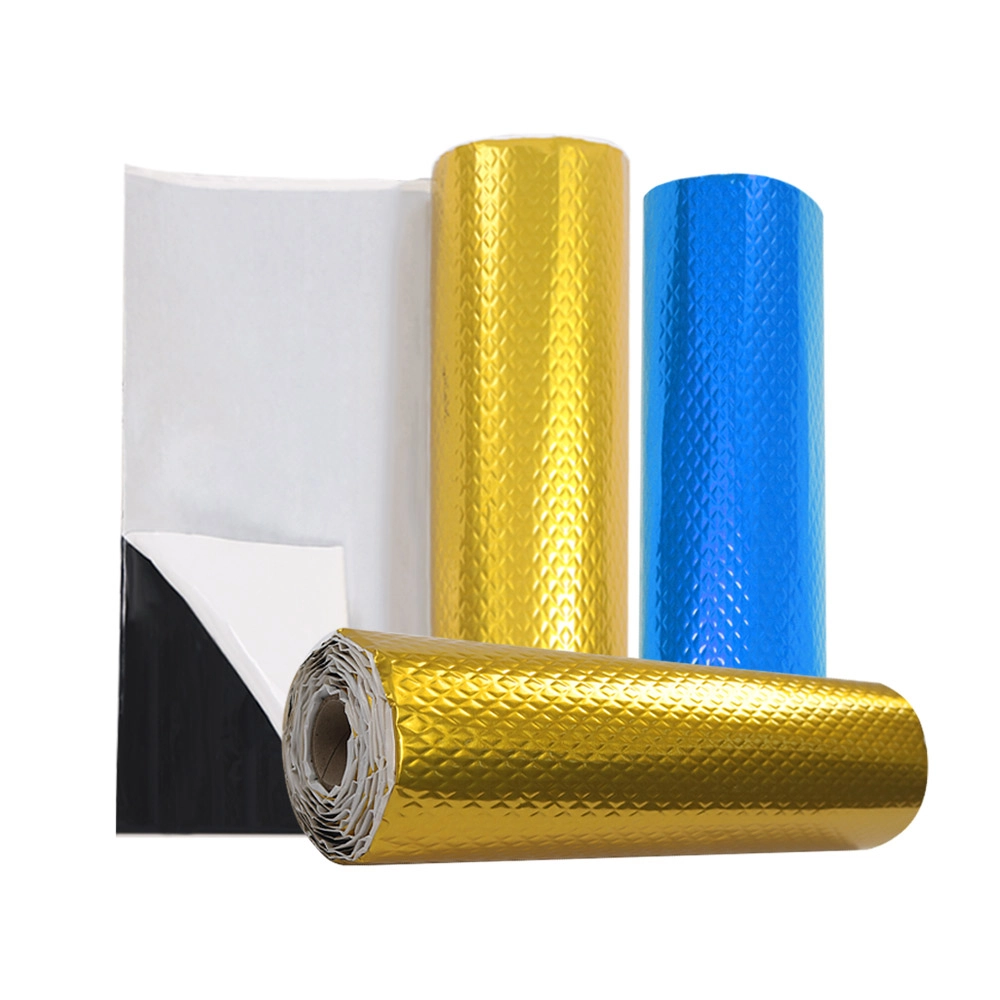
Butyl Rubber Sound Damping Mat
ASLONG Butyl Rubber Sound Damping Mat for sale. Effectively reduces noise and vibrations. High-quality butyl rubber ensures superior performance and durability. Ideal for automotive, industrial, and home applications.
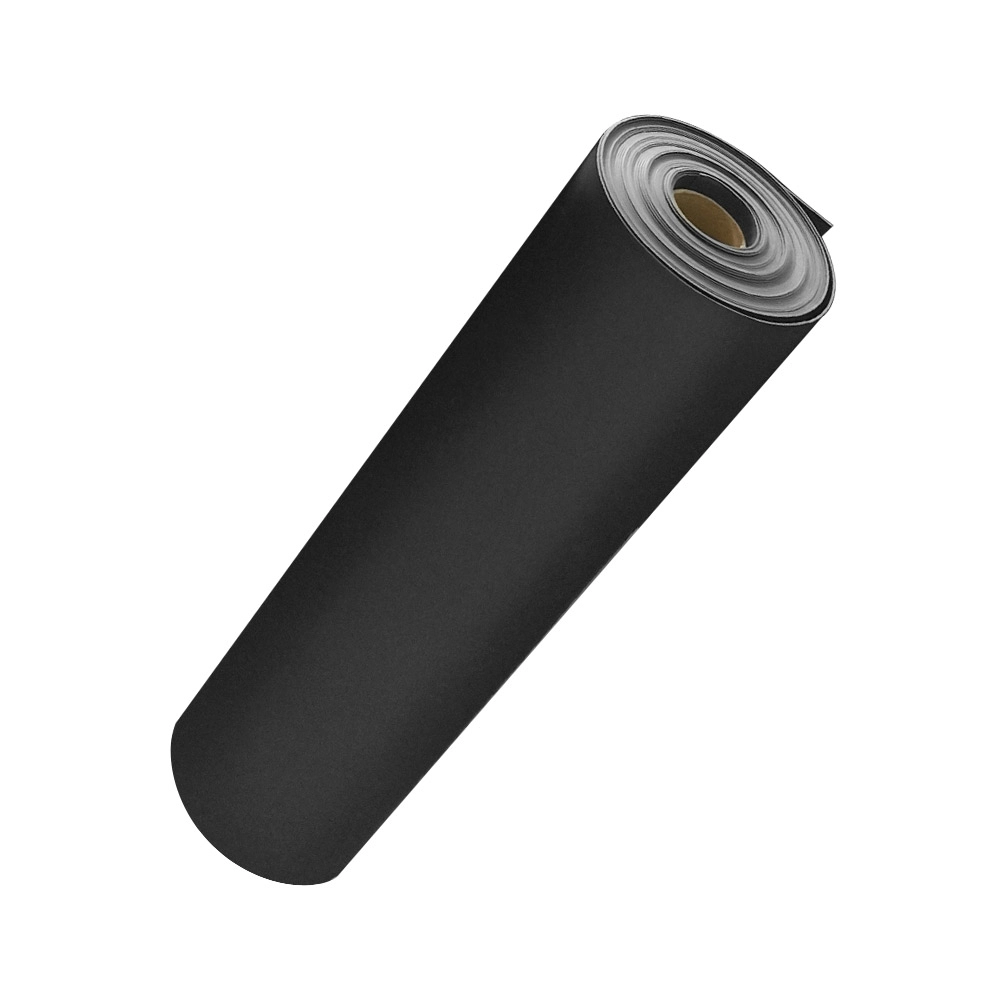
Mass Loaded Vinyl
ASLONG Mass Loaded Vinyl for sale. Reduce noise pollution effectively with our high-quality, mass-loaded vinyl. Ideal for soundproofing walls, floors, and more. Buy now and experience the difference!
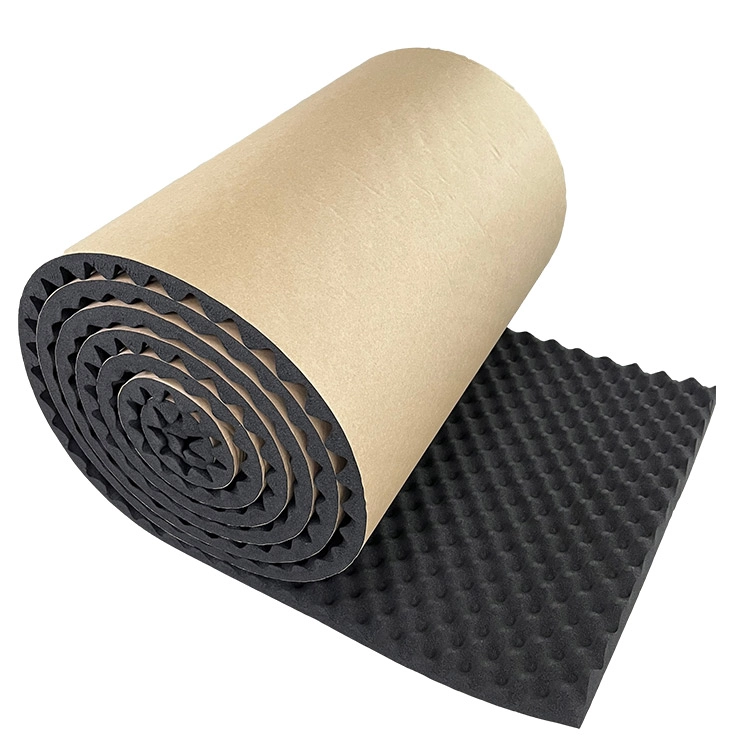
Egg Crate Foam
ASLONG Egg Crate Foam for sale. Lightweight, breathable, and comfortable, our egg crate foam provides superior support and pressure relief. Perfect for mattresses, cushions, cars, construction industry, KTV, factories, etc.
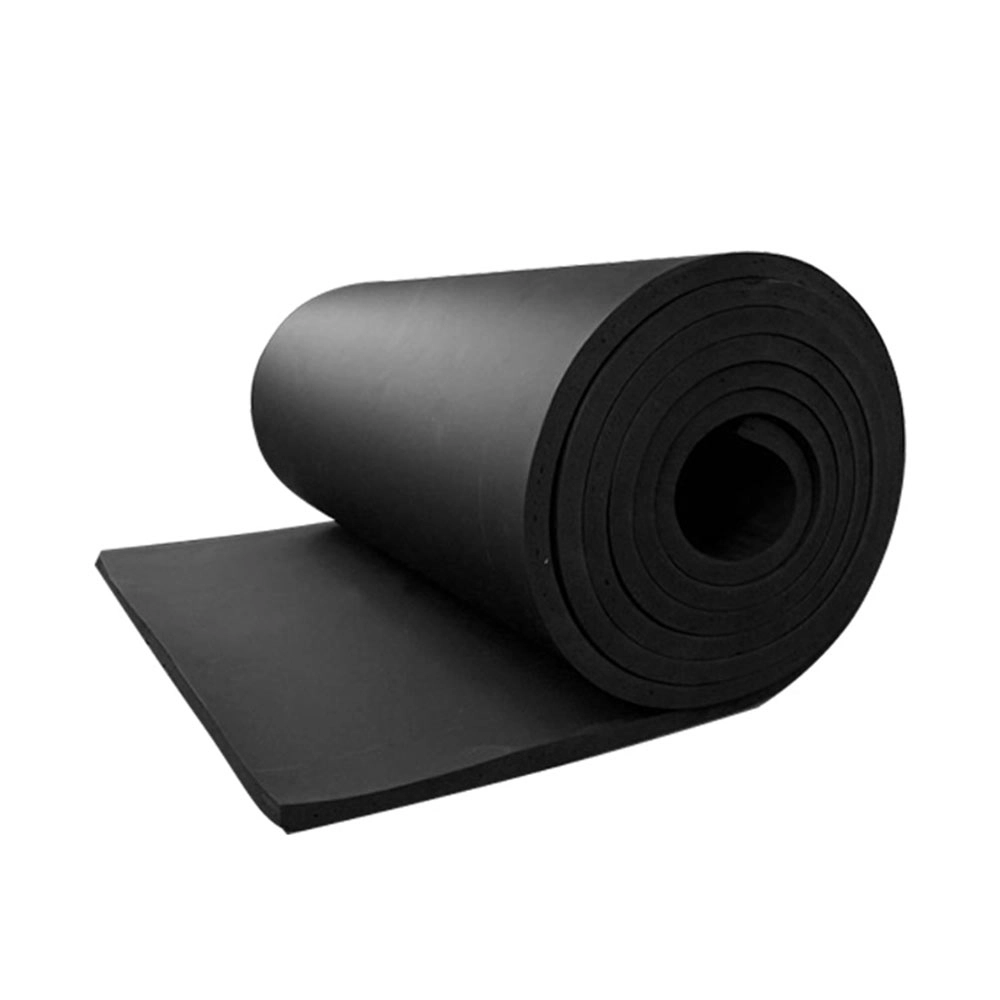
NBR Foam
ASLONG NBR Foam: Wholesale NBR foam solutions for diverse applications. High-quality, durable, and competitively priced. Contact us today for bulk orders.
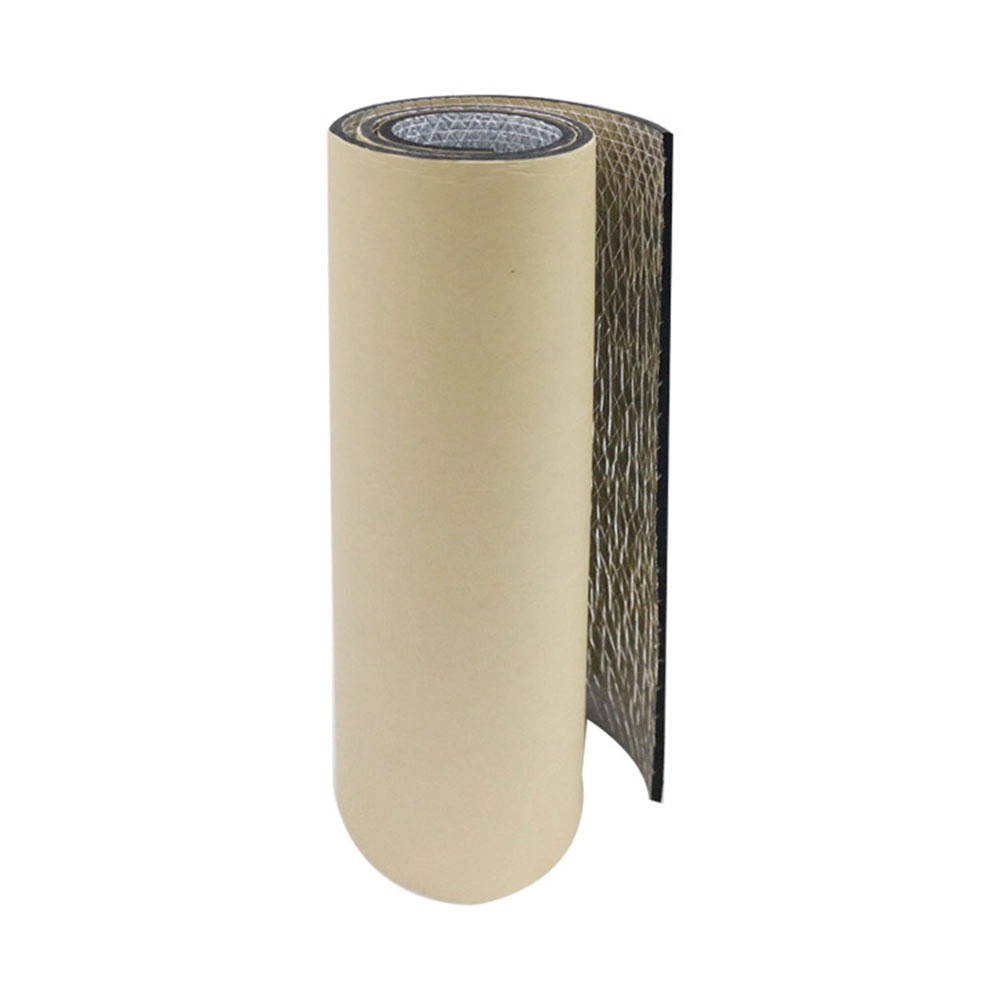
Multi layer Composite NBR foam
ASLONG's multi-layer composite NBR foam is your premium choice for superior cushioning and durability. Ideal for diverse applications, this high-quality NBR foam is available for sale now. Contact us for bulk orders.
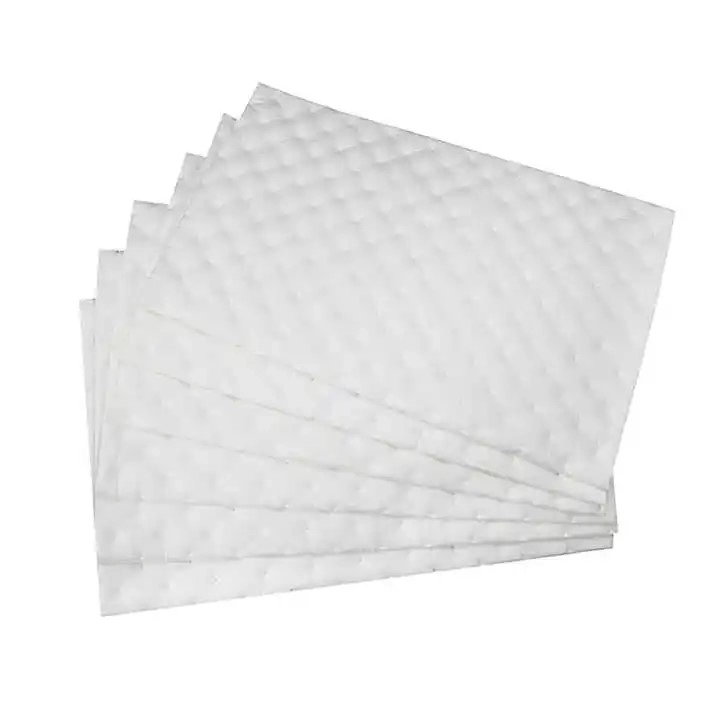
Sound Absorbing White Cotton
Sound-absorbing white cotton Made from PP and PET fibres by melt-blowing, special processes are used to achieve density diversification, sound absorption and noise reduction, thermal insulation, moisture-proof and mold resistance.
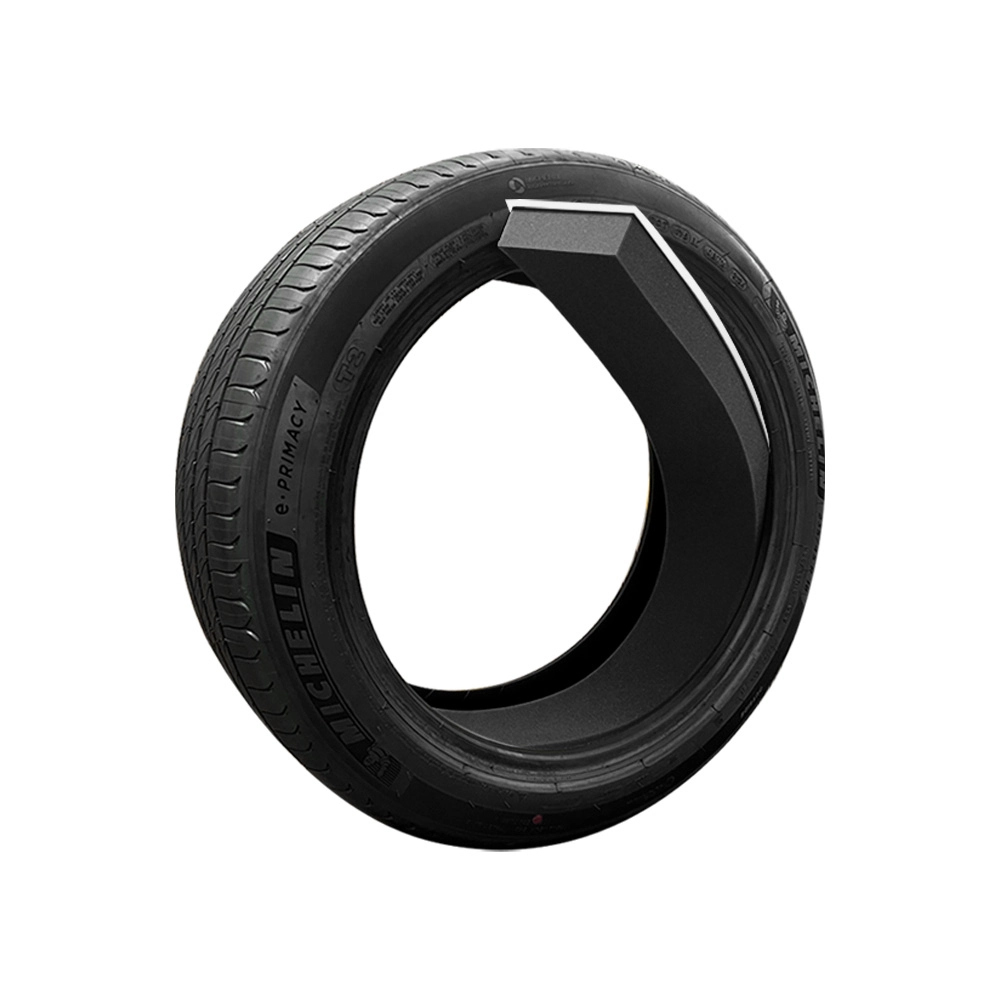
Puncture-Proof Soundproof Tire Foam, Self-Sealing Noise-Reducing Liner for Cars, Anti-Puncture Wheel Protection, Anti-Puncture Noise Reduction
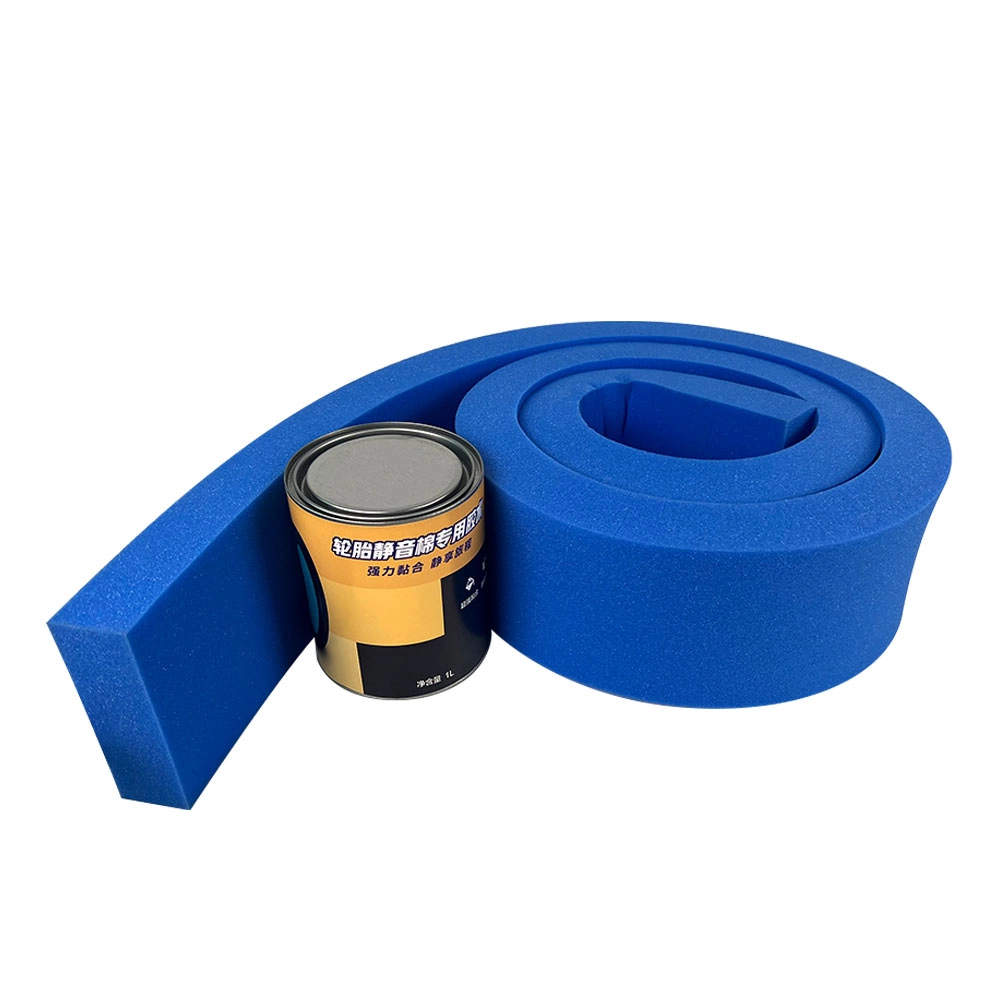
Tire Silent Foam with Special Glue
ASLONG Tire Silent Foam with special glue effectively reduces tire noise. Improve your vehicle's ride comfort. Buy ASLONG Tire Silent Foam for sale now and experience the quiet difference.
Professional support at any time
Contact us for a free quote on our new soundproofing materials!
© 2026 ASLONG All Rights Reserved. Privacy Policy | Terms and Conditions | Sitemap

 It would be pleasure to receive from you.
Whatsapp: +8613242879341
ASLONG Global
ASLONG
Aslong_global