

Quality Control Tests to Request from Sound Insulation Cotton Vendors
- Key Quality Tests for Sound Insulation Cotton
- Acoustic Performance: Sound Absorption Coefficient and NRC
- Airflow Resistivity / Flow Resistivity
- Density, Porosity and Thickness Verification
- Safety, Durability and Environmental Tests
- Fire Performance and Smoke
- VOC Emissions and Indoor Air Quality
- Moisture, Mold Resistance and Water Absorption
- Manufacturing Consistency, Handling and Long-Term Performance
- Batch Testing, Tolerances and Statistical Quality Control
- Durability: Compression Set and Aging
- Contamination, Particulate Release and Fiber Shedding
- How to Specify and Verify Tests with Vendors (Procurement and On-site)
- Write Clear Test Requirements into Purchase Orders
- On-site Sampling, Visual Inspection and Installation Tests
- Third-Party Lab Verification and Accreditation
- Interpreting Test Results and Practical Acceptance Criteria
- How to Read Acoustic Reports
- Fire, VOC and Moisture: Setting Numerical Limits
- Balancing Acoustic and Non-Acoustic Requirements
- Comparison Table: Common Tests, Standards and Typical Acceptance Ranges
- Brand Advantages — Why Choose Our Sound Absorbing White Cotton
- Technical Strengths and Proven Manufacturing Process
- Quality Assurance and Documentation
- Sustainability, Handling and Support
- Frequently Asked Questions (FAQ)
- Q: What is the difference between sound insulation cotton and other acoustic absorbers?
- Q: Which tests should I require for projects in hospitals or schools?
- Q: How often should I test shipments?
- Q: Can sound insulation cotton be used in HVAC ducts or plenums?
- Q: How do I balance acoustic performance with thermal insulation?
- Authoritative References

When selecting sound insulation cotton, buyers need clear, testable criteria to ensure the product delivers the claimed acoustic and durability performance in real installations. This article explains which quality control tests to request from vendors of sound insulation cotton—especially for melt-blown Sound Absorbing White Cotton made of PP and PET fibres—how to interpret results, and how to set acceptance criteria for procurement and installation. Beyond quality assurance, architects and engineers must address design considerations for sound absorbing white cotton in projects to ensure acoustic goals are met.
Key Quality Tests for Sound Insulation Cotton
Acoustic Performance: Sound Absorption Coefficient and NRC
Acoustic performance is the primary concern for any sound insulation cotton. Ask vendors for test reports that include sound absorption coefficients across frequencies (125 Hz–4000 Hz) and a single-value metric such as the Noise Reduction Coefficient (NRC) or weighted sound absorption coefficient (αw). Common standards are Noise Reduction Coefficient (NRC) documentation and ISO/ASTM test methods.
Typical test methods:
- Reverberation room measurement (ASTM C423 / ISO 354) — provides absorption coefficients for large samples and is suitable for core validation.
- Impedance tube / Kundt tube (ISO 10534-2) — good for small samples and for frequency-specific material characterization.
Airflow Resistivity / Flow Resistivity
Airflow resistivity (also called flow resistivity) is a key intrinsic property that correlates strongly with sound absorption for fibrous materials. Request measured airflow resistivity values (in rayls/m or Pa·s/m2) and the test method used (ISO 9053-1 / ASTM C522). For melt-blown PP/PET cotton, values vary with density and fibre structure; vendors should supply values for each density grade.
Density, Porosity and Thickness Verification
Density (kg/m3), porosity (%) and nominal thickness influence both acoustic and thermal behavior. Vendors should provide physical property reports and batch variability statistics (mean ± standard deviation). Verify measurement procedures (caliper for thickness, gravimetric for density).
Safety, Durability and Environmental Tests
Fire Performance and Smoke
Fire safety is mandatory in many building projects. Ask for test reports such as ASTM E84 (surface burning characteristics), EN 13501-1 classifications, or UL 723 where applicable. For non-combustible or low-flame-spread materials, vendors should state whether additives (e.g., flame retardants) were used and supply supporting test certificates. Typical acceptance criteria depend on local code—many commercial interiors require Class A / Euroclass B-s1,d0 or better.
VOC Emissions and Indoor Air Quality
Indoor air quality (IAQ) matters for occupied spaces. Request VOC test results (e.g., ISO 16000 or ASTM D5116 chamber tests) and formaldehyde if applicable. Reference limits come from local regulations or guidelines such as EPA and WHO recommendations on indoor VOCs. Vendors should provide test reports from accredited labs and statement of compliance for low-emission materials.
Moisture, Mold Resistance and Water Absorption
For installations in humid or variable environments, confirm moisture resistance and fungal growth tests (ASTM D3273 or equivalent). The product description for Sound Absorbing White Cotton indicates moisture-proof and mold resistance—always verify with lab data showing low water absorption and pass/fail fungal resistance results.
Manufacturing Consistency, Handling and Long-Term Performance
Batch Testing, Tolerances and Statistical Quality Control
Request the vendor's QC plan: sampling frequency, acceptance ranges, and certificate of analysis for each shipment. Key metrics to monitor per batch: density, thickness, airflow resistivity, and sound absorption (spot checks). Statistical process control charts help detect drift—ask vendors for SPC evidence or batch-to-batch variability data.
Durability: Compression Set and Aging
Compression set, resilience and long-term aging tests (accelerated UV, heat/humidity cycles) indicate whether the cotton will maintain thickness and acoustic properties over time. Typical tests include cyclic compression to specified strains and post-aging acoustic checks. Acceptance criteria should reflect expected service life (e.g., <10% permanent set after X cycles).
Contamination, Particulate Release and Fiber Shedding
For applications where particle emission matters (cleanrooms, HVAC plenums), request particle shedding tests and particulate counts per recognized methods. Test the product after simulated handling and cutting. Vendors should describe binder systems or encapsulation measures that limit loose fiber release.
How to Specify and Verify Tests with Vendors (Procurement and On-site)
Write Clear Test Requirements into Purchase Orders
Include a QC appendix in contracts listing required tests, standards, sampling plan, acceptable ranges, and required certificates (COA). Example checklist items:
- Acoustic: Reverberation room report (ASTM C423) with frequency coefficients and NRC
- Airflow resistivity: ISO 9053-1 measured value
- Fire: ASTM E84 or EN 13501-1 classification
- VOC: ISO 16000 chamber test
- Mold resistance: ASTM D3273 report
On-site Sampling, Visual Inspection and Installation Tests
At delivery and installation, do a visual inspection for visible contamination, uniformity, packing damage and moisture. Randomly sample rolls/panels and run simple spot checks: thickness, mass per unit area, and for critical projects, send samples to an independent lab for repeat acoustic or VOC testing.
Third-Party Lab Verification and Accreditation
Insist on accredited (ISO/IEC 17025) laboratories for critical tests and retain right-to-audit vendor labs or request testing by independent labs. Accreditation ensures methods and equipment are traceable and results are accepted by authorities and specifiers.
Sound-absorbing white cotton Made from PP and PET fibres by melt-blowing, special processes are used to achieve density diversification, sound absorption and noise reduction, thermal insulation, moisture-proof and mold resistance.
Interpreting Test Results and Practical Acceptance Criteria
How to Read Acoustic Reports
When you receive an acoustic report, examine the absorption coefficients at octave or one-third-octave bands, and the derived single-number ratings (NRC, αw). For typical interior acoustic improvements:
- Ceilings and partitions: expect NRC ≥ 0.6–0.9 depending on density and thickness.
- Rooms requiring speech privacy: prioritize mid-frequency (500–2000 Hz) absorption.
Fire, VOC and Moisture: Setting Numerical Limits
Suggested baseline acceptance values (subject to local codes):
- Surface flame spread: Class A / Euroclass B-s1,d0 or better
- Total VOCs (TVOC): follow local IAQ limits, e.g., TVOC < 0.5 mg/m3 in chamber tests for low-emission materials
- Mold resistance: Pass per ASTM D3273 (no growth)
Balancing Acoustic and Non-Acoustic Requirements
Higher density often improves low-frequency absorption but can increase weight and cost and reduce airflow. Use the project brief to prioritize: acoustic targets, fire class, moisture exposure and budget. Suppliers should provide trade-off data so you can optimize choices.
Comparison Table: Common Tests, Standards and Typical Acceptance Ranges
| Property | Common Test / Standard | Method | Typical Acceptance |
|---|---|---|---|
| Sound absorption | ASTM C423 / ISO 354 | Reverberation room | NRC ≥ 0.6 (project-dependent) |
| Airflow resistivity | ISO 9053-1 / ASTM C522 | Direct measurement | Manufacturer specifies per density (e.g., 5–50 kPa·s/m^2) |
| Fire / Smoke | ASTM E84 / EN 13501-1 | Surface flame spread / classification | Class A / Euroclass B-s1,d0 or better |
| VOC emissions | ISO 16000 / ASTM D5116 | Chamber testing | TVOC per local IAQ limits (e.g., <0.5 mg/m3) |
| Mold resistance | ASTM D3273 | Fungal growth test | Pass (no growth) |
| Compression set / aging | Manufacturer / ISO accelerated tests | Cycle & aging | Permanent set <10% after specified cycles |
Brand Advantages — Why Choose Our Sound Absorbing White Cotton
Technical Strengths and Proven Manufacturing Process
Our Sound Absorbing White Cotton is produced by a controlled melt-blown process using PP and PET fibres, enabling tailored density grades and stable porosity that deliver consistent acoustic performance. The melt-blown manufacturing route (see melt-blown process) creates a fine-fibre matrix offering high surface area and effective mid-to-high frequency absorption while retaining mechanical integrity.
Quality Assurance and Documentation
We supply per-shipment Certificates of Analysis (COA) including density, thickness, airflow resistivity, and representative acoustic test summaries. Critical safety and environmental tests (fire class, VOC, mold resistance) are done by accredited labs and provided on request. Our QC includes batch sampling and SPC monitoring to ensure minimal variability.
Sustainability, Handling and Support
We offer clear handling guidance to minimize fiber release and packaging designed to limit moisture ingress during transport. Technical support is available to help specifiers choose the correct density and thickness for target NRC values and thermal insulation requirements.
Frequently Asked Questions (FAQ)
Q: What is the difference between sound insulation cotton and other acoustic absorbers?
A: Sound insulation cotton or acoustic cotton generally refers to fibrous, porous materials designed to absorb sound energy. Compared with rigid absorbers (e.g., mineral wool, foam), melt-blown PP/PET cotton offers a lighter, hydrophobic option with good mid-high frequency absorption, moisture resistance and potential for lower dust/fiber shedding if properly bound.
Q: Which tests should I require for projects in hospitals or schools?
A: Prioritize low VOC emissions (ISO 16000), mold resistance (ASTM D3273), and fire classification suited to occupancy (ASTM E84 or EN 13501-1). Also require acoustic tests proving NRC and mid-frequency absorption, and insist on accredited lab reports.
Q: How often should I test shipments?
A: For critical projects, test each shipment or at least a random sample from each production lot. For standard projects, a COA per lot plus quarterly independent verification is common. Use statistical sampling plans defined in the purchase agreement.
Q: Can sound insulation cotton be used in HVAC ducts or plenums?
A: Only materials meeting local fire and smoke requirements for plenums should be used. Confirm fire tests (e.g., UL/EN classifications) and particle shedding results. Many projects require special HVAC-rated materials.
Q: How do I balance acoustic performance with thermal insulation?
A: Both properties depend on density and thickness. Generally, thicker and slightly denser materials improve low-frequency acoustic absorption and thermal resistance. Ask suppliers for combined acoustic and thermal data across density grades to select the best compromise.
If you need certified test reports, sample testing, or assistance specifying the right grade of sound insulation cotton for your project, contact our customer service or view the Sound Absorbing White Cotton product page for technical datasheets and samples.
Authoritative References
- Melt-blown process — Wikipedia
- Noise Reduction Coefficient — Wikipedia
- Acoustic Absorbers — Wikipedia
- International Organization for Standardization (ISO) — standards such as ISO 354, ISO 9053-1
- ASTM International — relevant standards such as ASTM C423, ASTM E84, ASTM D3273
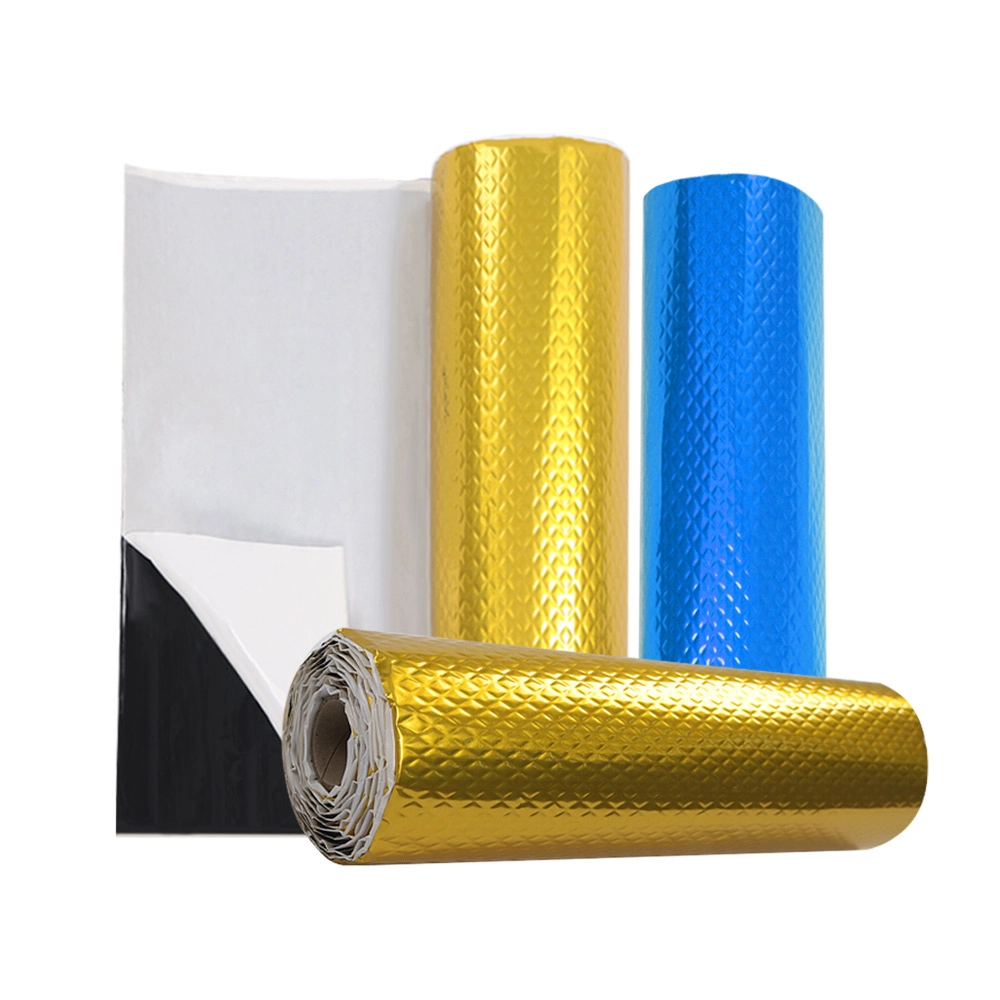
How Butyl Rubber Sound Damping Mat reduces vibrations and road noise
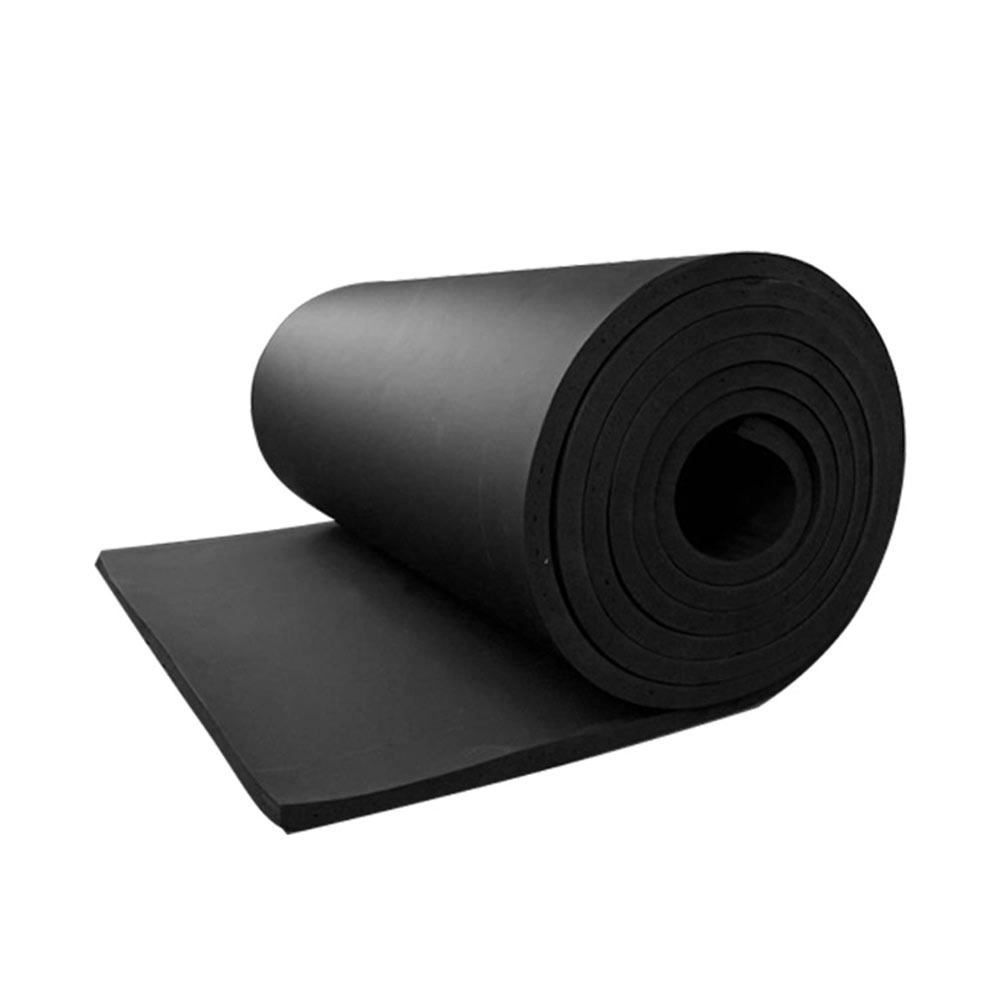
How NBR Foam Works: Structure, Density, and Acoustic Performance
Top 10 nbr foam Manufacturers and Supplier Brands
How to manufacturing butyl rubber waterproof tape
FAQs
What industries are the products provided by ASLONG suitable for?
ASLONG's products are suitable for multiple industries, including air conditioning and HVAC, construction and waterproofing, automobiles and transportation, home appliances and electronics, industrial equipment and machinery, etc. We provide customized solutions for each industry to meet different needs.
Does ASLONG provide after-sales service?
Yes, we provide a full range of after-sales services, including technical support, installation guidance, product maintenance and quality tracking, etc., to ensure that each project goes smoothly and continues to perform at its best.
Do ASLONG's products meet environmental protection standards?
Yes, all ASLONG products comply with ISO14001 environmental management system certification and global environmental protection standards. We use environmentally friendly materials and are committed to providing sustainable solutions to help customers achieve green development goals.
What specific functions can ASLONG's products provide?
Our products cover functions such as insulation, sound insulation, shock absorption, waterproofing and sealing, and are widely used in improving energy efficiency, reducing noise, controlling vibration, protecting equipment, etc., helping customers optimize engineering effects and improve user experience.
How to customize products that meet the needs of my industry?
You only need to contact our sales or technical team, we will conduct an in-depth analysis based on your industry needs and provide tailor-made products and solutions. We guarantee to provide you with efficient and accurate services to meet your personalized requirements.
Butyl Rubber Sound Damping Mat
ASLONG Butyl Rubber Sound Damping Mat for sale. Effectively reduces noise and vibrations. High-quality butyl rubber ensures superior performance and durability. Ideal for automotive, industrial, and home applications.
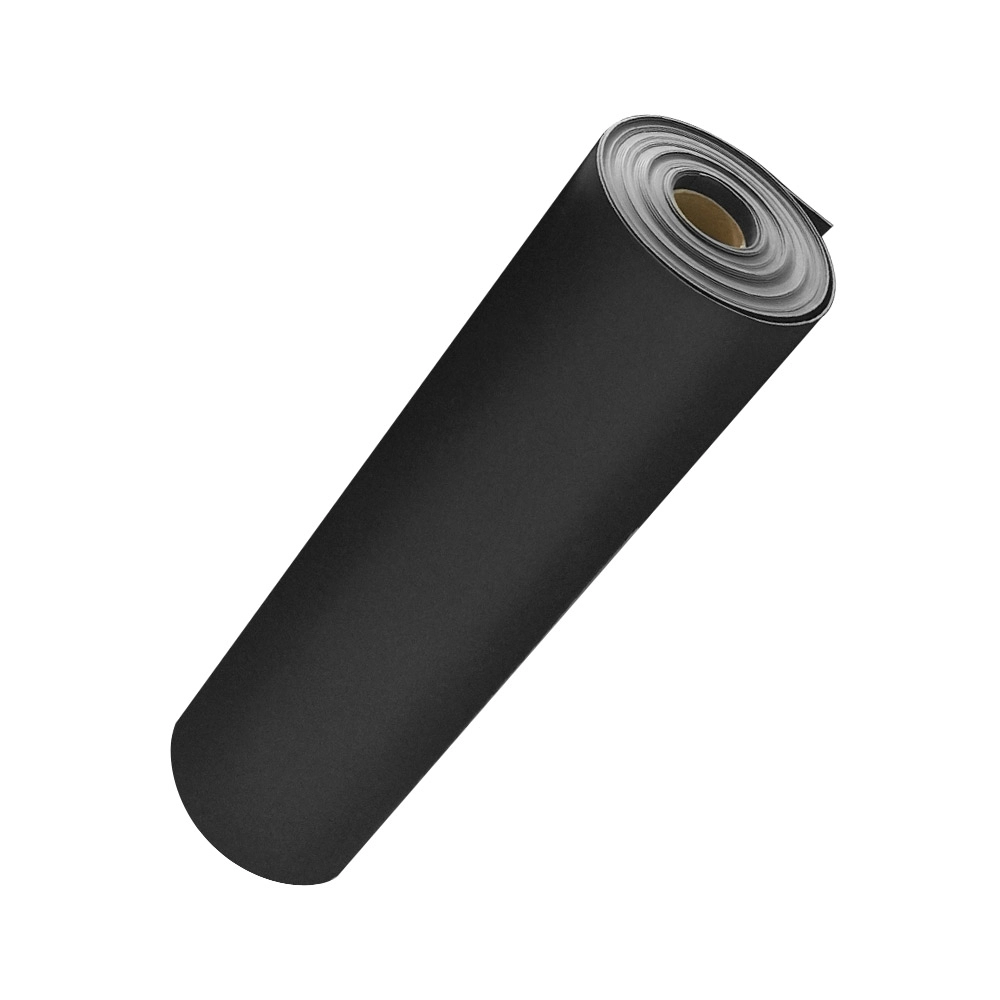
Mass Loaded Vinyl
ASLONG Mass Loaded Vinyl for sale. Reduce noise pollution effectively with our high-quality, mass-loaded vinyl. Ideal for soundproofing walls, floors, and more. Buy now and experience the difference!
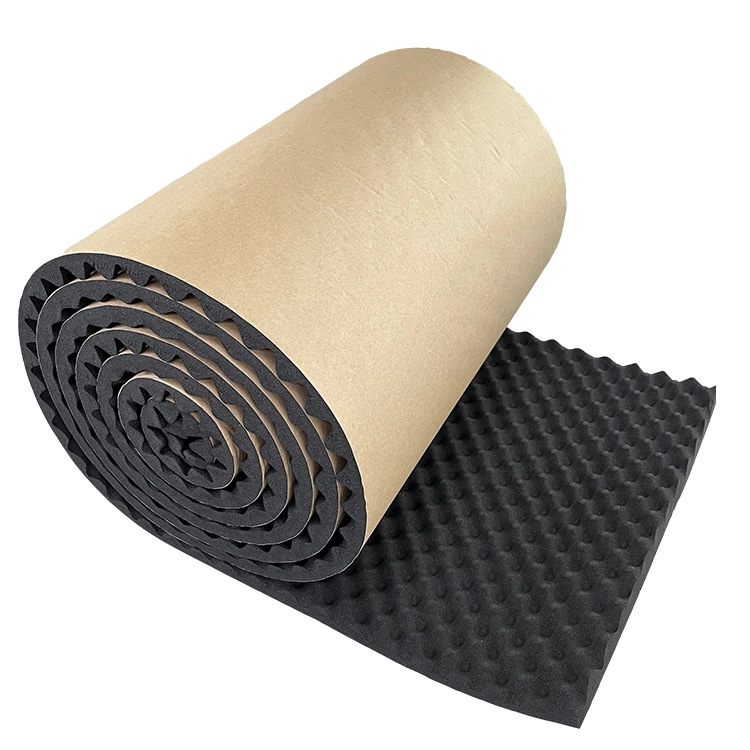
Egg Crate Foam
ASLONG Egg Crate Foam for sale. Lightweight, breathable, and comfortable, our egg crate foam provides superior support and pressure relief. Perfect for mattresses, cushions, cars, construction industry, KTV, factories, etc.
NBR Foam
ASLONG NBR Foam: Wholesale NBR foam solutions for diverse applications. High-quality, durable, and competitively priced. Contact us today for bulk orders.
Professional support at any time
If you have any comments or good suggestions, please leave us a message; later our professional staff will contact you as soon as possible.
© 2026 ASLONG All Rights Reserved. Privacy Policy | Terms and Conditions | Sitemap

 It would be pleasure to receive from you.
Whatsapp: +8613242879341
ASLONG Global
ASLONG
Aslong_global