

Mass Loaded Vinyl for Automotive Soundproofing
- Mass Loaded Vinyl for Automotive Soundproofing
- What is Mass Loaded Vinyl (MLV)?
- How MLV Works in Automotive Environments
- Where to Apply MLV in a Vehicle
- Installation Best Practices for Automotive Soundproofing
- Performance Comparison: MLV vs Other Soundproofing Materials
- Selecting the Right MLV Product
- Cost, Weight, and Fuel Efficiency Considerations
- Testing and Measuring Results: Realistic Expectations
- Maintenance and Durability for Automotive MLV
- Why Choose ASLONG Mass Loaded Vinyl
- FAQ
- Is mass loaded vinyl safe for automotive use?
- How much MLV do I need to soundproof a door?
- Will MLV block engine noise completely?
- Can I install MLV myself?
- Does MLV affect vehicle resale value?
- Contact / View Product
- References and further reading

Mass Loaded Vinyl for Automotive Soundproofing
Reducing road, engine, and wind noise inside vehicles improves comfort, perceived quality, and audio system performance. Mass Loaded Vinyl (MLV) is a high-density acoustic barrier commonly used in building and automotive applications to block airborne noise with relatively thin, flexible sheets. For those looking to upgrade automotive acoustics with a proven material, ASLONG offers a tailored Mass Loaded Vinyl solution.
ASLONG Mass Loaded Vinyl for sale. Reduce noise pollution effectively with our high-quality, mass-loaded vinyl. Ideal for soundproofing walls, floors, and more. Buy now and experience the difference!
What is Mass Loaded Vinyl (MLV)?
Mass Loaded Vinyl is a flexible, non-porous barrier made by combining a high-density filler (often barium sulfate or similar inert materials) with a polymeric matrix. The result is a heavy but flexible sheet that adds mass to a partition without significantly increasing thickness. In automotive work, MLV is available in several weight classes (commonly 1 lb/ft2, 1.5 lb/ft2, 2 lb/ft2) and thicknesses tailored for doors, floors, trunks, and roofpanels.
How MLV Works in Automotive Environments
MLV relies primarily on the mass law of acoustics: adding mass to a vibrating surface reduces transmitted sound energy. In vehicles, MLV serves two roles:
- Barrier effect: blocks airborne noise (engine, exhaust, wind) passing through panels.
- Decoupling/damping alliance: when combined with damping sheets or foam, MLV helps reduce panel vibration and resonance, improving low-frequency performance.
Practical result: MLV typically delivers several dB reduction across mid and high frequencies and meaningful improvements in perceived quietness when correctly installed. Expect the most impact where airborne noise dominates (doors, trunk lids, roof cavities) rather than structure-borne vibration unless paired with damping.
Where to Apply MLV in a Vehicle
Strategic placement maximizes benefit while minimizing added weight. Typical automotive applications include:
- Doors: applied behind interior panels to block exterior noise and improve speaker mounting enclosures.
- Floor pans: reduce tire and road noise coupled through the floor.
- Roof liners: cut down on wind and rain noise at higher speeds.
- Trunk lids and wheel wells: prevent exhaust and road splash noise from entering the cabin.
- Firewall/engine bay panels: selectively applied where heat and movement allow, to reduce engine noise transfer.
Installation Best Practices for Automotive Soundproofing
Correct installation is critical to achieve expected performance. Key steps:
- Surface preparation: clean, dry, and rust-free surfaces ensure adhesives bond well.
- Seams and coverage: overlap seams by at least 25 mm (1 inch) or use acoustic tape to prevent flanking paths where sound leaks through gaps.
- Adhesives and fasteners: use automotive-grade adhesive or mechanical fasteners in areas exposed to heat or movement. Avoid adhesives that degrade with temperature cycles.
- Layering: for best low-frequency performance, combine MLV with a thin damping layer (butyl sheet) directly on metal and place MLV over it; finish with foam for decoupling and to prevent rattle.
- Weight management: prioritize areas with the biggest payoff (doors, floors) before covering entire cab to control added mass.
Performance Comparison: MLV vs Other Soundproofing Materials
Below is a concise comparison of common automotive acoustic materials. Values are representative ranges from industry sources and manufacturer data; real-world performance varies based on installation quality and vehicle construction.
| Material | Primary Function | Typical Effect | Notes |
|---|---|---|---|
| Mass Loaded Vinyl (1–2 lb/ft2) | Barrier | +4–10 dB transmission loss (mid/high) | Thin, flexible, best for airborne noise |
| Butyl Damping Sheets | Damping/vibration control | Reduces panel resonance substantially | Pairs well with MLV for low frequencies |
| Acoustic Foam | Absorption | Improves mid/high reverberation inside cavities | Limited blocking capability alone |
| Fiberglass/Polyester Wool | Absorption | Reduces cavity resonance, helps low/mid | Use with barrier layers for best results |
Sources: manufacturer datasheets and acoustical testing summaries. See citation list below for links to typical performance data and explanations of acoustical terms.
Selecting the Right MLV Product
When choosing MLV for automotive use, consider:
- Density (weight per unit area): heavier MLV provides greater airborne reduction per mass law; common choices are 1.0, 1.5, and 2.0 lb/ft2.
- Flexibility: automotive contours require pliable MLV that conforms to complex shapes without bridging gaps.
- Temperature tolerance: automotive environments can see wide temperature swings; select MLV and adhesives rated for the expected range.
- Thickness: while mass is the dominant factor, sufficient thickness aids handling and seam coverage. Thinner MLV may be easier to fit in tight spaces.
Cost, Weight, and Fuel Efficiency Considerations
Adding mass to a vehicle impacts fuel consumption; therefore, balance acoustic goals with weight targets. Typical MLV densities translate roughly as follows:
- 1 lb/ft2 MLV: ~4.9 kg/m2
- 1.5 lb/ft2 MLV: ~7.4 kg/m2
- 2 lb/ft2 MLV: ~9.8 kg/m2
Practical approach: treat MLV as a targeted improvement—apply to doors, trunk, and key cavities rather than blanket coverage. This yields most of the perceived benefit at a fraction of the weight and cost of full-vehicle application.
Testing and Measuring Results: Realistic Expectations
Understand how performance is measured so you can set realistic expectations:
- Transmission Loss (TL): lab measure of how much sound a barrier blocks at each frequency (dB). MLV improves TL particularly at mid and high frequencies.
- STC and Rw ratings: single-number ratings for airborne sound transmission. Adding MLV to a door assembly can increase STC by several points depending on the baseline construction.
- Insertion Loss and A-weighted dB reductions: real-world road tests often report overall cabin noise reductions in dBA. Properly installed MLV packages can lower perceived cabin noise by several dBA in critical ranges.
Example realistic results (dependent on vehicle and installation): adding MLV to doors and floor in combination with damping may reduce interior road noise by 2–6 dBA and significantly improve mid-range clarity for audio playback. See citations for measured examples.
Maintenance and Durability for Automotive MLV
MLV is durable when correctly specified and installed. Key considerations:
- Moisture: non-porous MLV resists water penetration, but ensure edges and seams are sealed to prevent water pooling behind panels.
- Temperature cycles: choose MLV and adhesives rated for extremes to avoid hardening or adhesive failure.
- Vibration and movement: secure seams and use mechanical fasteners in high-stress locations to prevent migration or creasing.
Why Choose ASLONG Mass Loaded Vinyl
ASLONG Mass Loaded Vinyl is designed for automotive and general soundproofing applications. Brand advantages include:
- Automotive-focused formulations that balance density and flexibility to conform to vehicle panels without splitting or cracking.
- Multiple density options to allow targeted installations that optimize noise reduction and weight management.
- Durable polymer matrices and adhesives formulated for automotive temperature ranges to minimize long-term degradation.
- Quality control and inventory to supply bulk and small orders fast, suitable for workshops, OEM retrofitters, and DIY installers.
- Technical support and installation guidance to ensure end-users achieve expected acoustic improvements.
FAQ
Is mass loaded vinyl safe for automotive use?
Yes. Quality MLV products are non-toxic when used as intended. Choose MLV formulated for automotive environments with adhesives and fillers rated for temperature and vibration. Avoid materials with hazardous additives; reputable suppliers provide safety data sheets.
How much MLV do I need to soundproof a door?
For a standard car door, 1–2 square meters of MLV per door (depending on size and coverage strategy) is common. Instead of full coverage, many installers place MLV strategically on larger flat areas and pair with damping sheets on the inner metal skin to get better low-frequency control with less weight.
Will MLV block engine noise completely?
No single material will completely eliminate engine noise. MLV significantly reduces airborne transmission and, when combined with damping and absorption, can greatly reduce perceived engine noise but not fully eliminate structure-borne vibrations without comprehensive engineering changes.
Can I install MLV myself?
Yes. MLV installation is straightforward for a competent DIYer with basic tools. Surface prep, correct adhesives, careful seam sealing, and attention to fasteners are the keys. For complex areas or full vehicle projects, professional installation is recommended.
Does MLV affect vehicle resale value?
Properly installed, high-quality MLV can improve perceived vehicle quality and audio performance, which may be viewed positively by buyers. Avoid sloppy installations that trap moisture or interfere with mechanical components.
Contact / View Product
Understanding automotive use is enhanced by examining Mass Loaded Vinyl life cycle and durability study, giving insights into long-term performance and wear resistance.Ready to reduce noise and improve cabin comfort? Contact ASLONG for technical advice, sample requests, or to buy Mass Loaded Vinyl tailored for automotive soundproofing. Our team can recommend the optimal density and application method for your vehicle. Visit our product page or reach out to customer service to get started.
References and further reading
- Engineering Toolbox, Sound Insulation and the Mass Law. https://www.engineeringtoolbox.com/sound-insulation-d_58.
- Acoustical Surfaces, Mass Loaded Vinyl technical notes and datasheets. https://www.acousticalsurfaces.com
- Soundproofing Company, Product guides and comparisons on MLV and automotive applications. https://www.soundproofingcompany.com
- EPA and acoustics primer materials on noise fundamentals. https://www.epa.gov/clean-air-act-overview
For specific product inquiries or to place an order: contact our sales team or view ASLONG Mass Loaded Vinyl for sale on the product page.
Where to Buy mass loaded vinyl sheet in USA
Top 5 waterproof insulation tape Company List and Products Compared
The B2B Buyer’s Guide to Automotive Soundproofing Material
Best professional wall acoustic insulation materials manufacturers and supplier brands
FAQs
How to customize products that meet the needs of my industry?
You only need to contact our sales or technical team, we will conduct an in-depth analysis based on your industry needs and provide tailor-made products and solutions. We guarantee to provide you with efficient and accurate services to meet your personalized requirements.
Do ASLONG's products meet environmental protection standards?
Yes, all ASLONG products comply with ISO14001 environmental management system certification and global environmental protection standards. We use environmentally friendly materials and are committed to providing sustainable solutions to help customers achieve green development goals.
Does ASLONG provide after-sales service?
Yes, we provide a full range of after-sales services, including technical support, installation guidance, product maintenance and quality tracking, etc., to ensure that each project goes smoothly and continues to perform at its best.
What industries are the products provided by ASLONG suitable for?
ASLONG's products are suitable for multiple industries, including air conditioning and HVAC, construction and waterproofing, automobiles and transportation, home appliances and electronics, industrial equipment and machinery, etc. We provide customized solutions for each industry to meet different needs.
What specific functions can ASLONG's products provide?
Our products cover functions such as insulation, sound insulation, shock absorption, waterproofing and sealing, and are widely used in improving energy efficiency, reducing noise, controlling vibration, protecting equipment, etc., helping customers optimize engineering effects and improve user experience.
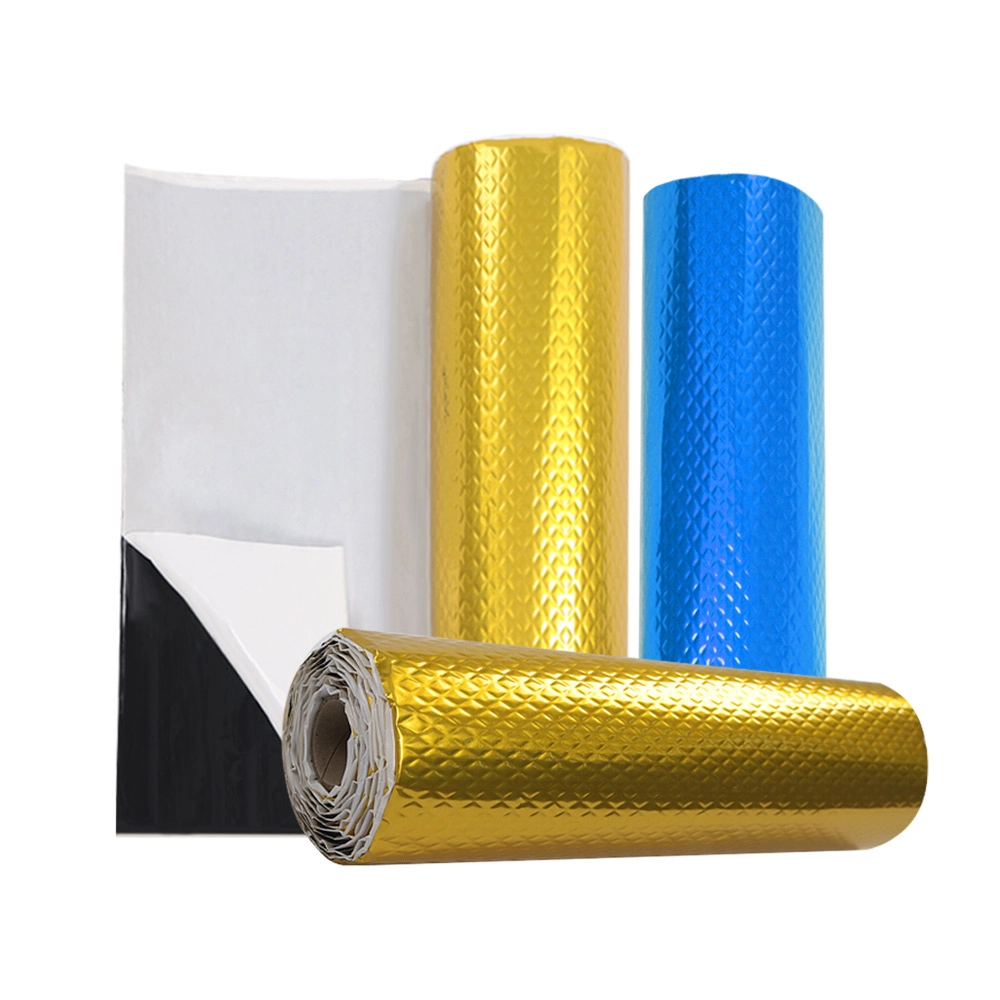
Butyl Rubber Sound Damping Mat
ASLONG Butyl Rubber Sound Damping Mat for sale. Effectively reduces noise and vibrations. High-quality butyl rubber ensures superior performance and durability. Ideal for automotive, industrial, and home applications.
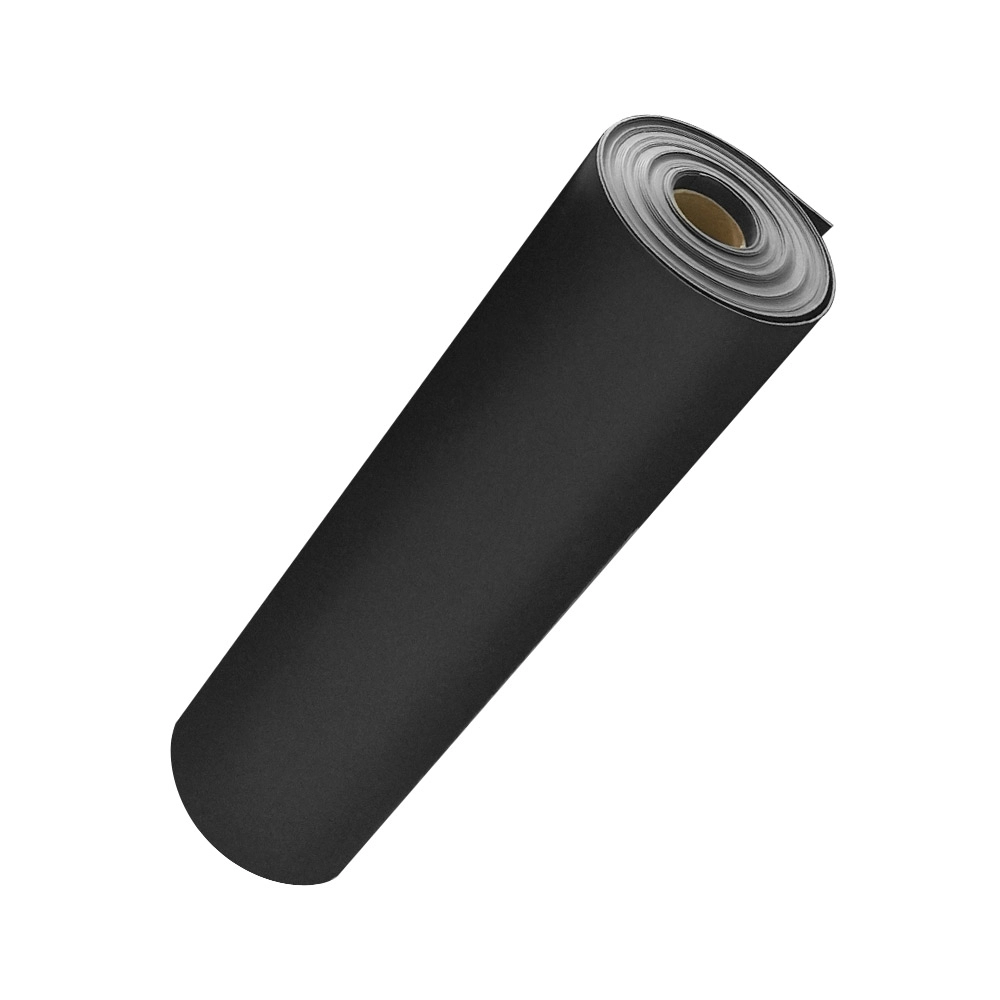
Mass Loaded Vinyl
ASLONG Mass Loaded Vinyl for sale. Reduce noise pollution effectively with our high-quality, mass-loaded vinyl. Ideal for soundproofing walls, floors, and more. Buy now and experience the difference!
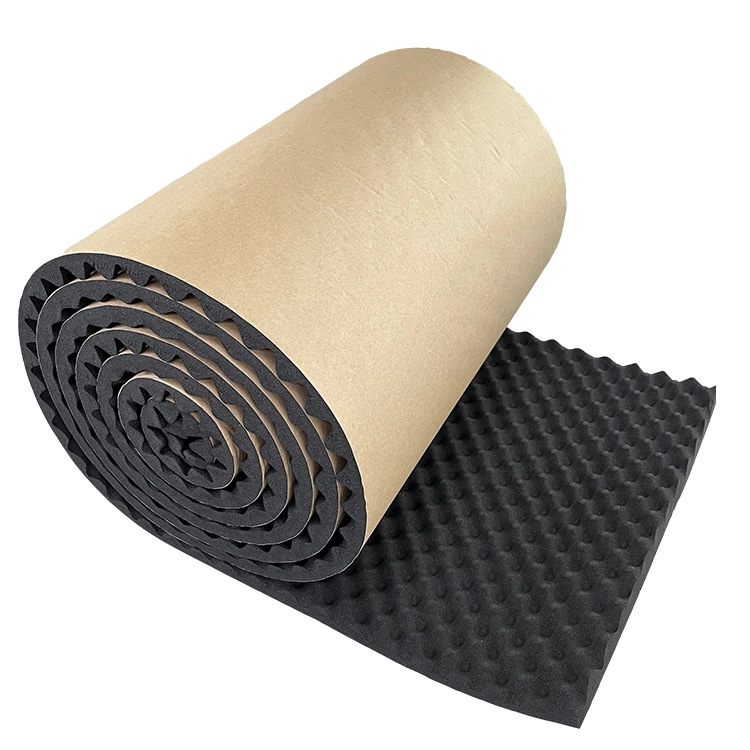
Egg Crate Foam
ASLONG Egg Crate Foam for sale. Lightweight, breathable, and comfortable, our egg crate foam provides superior support and pressure relief. Perfect for mattresses, cushions, cars, construction industry, KTV, factories, etc.
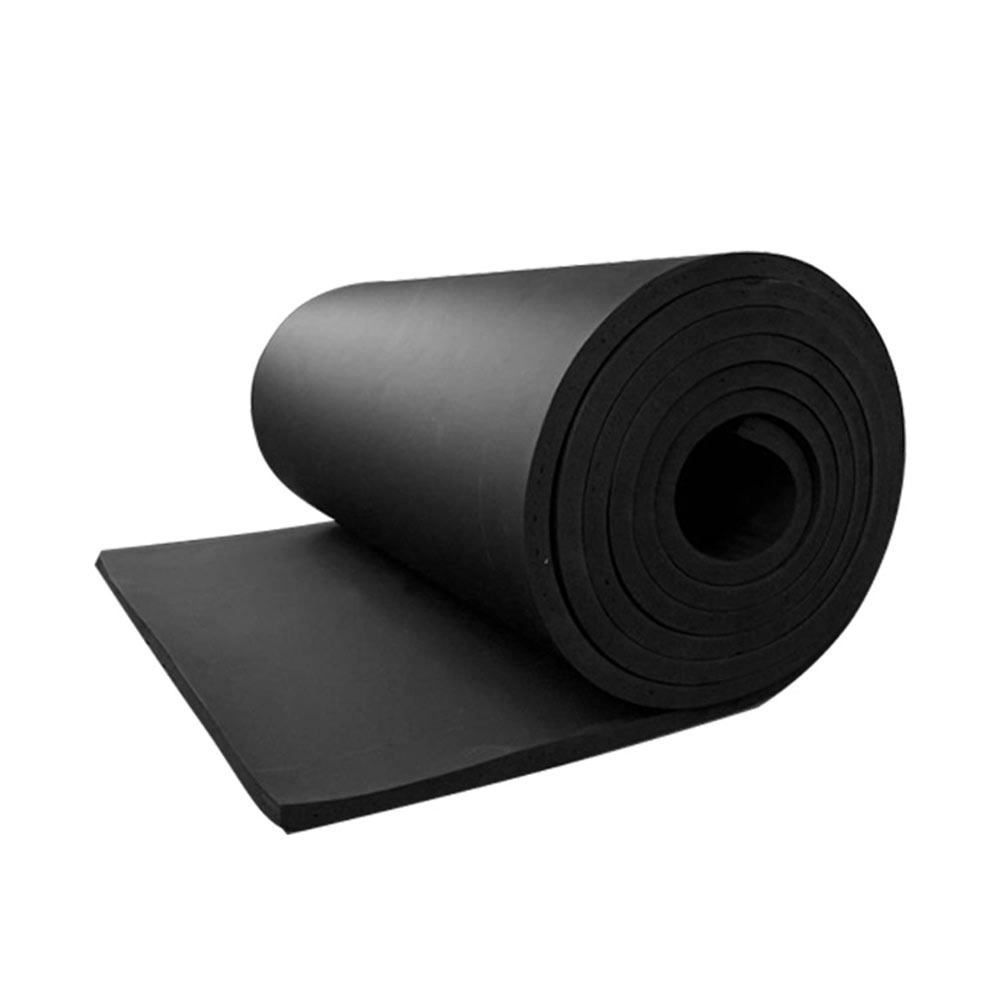
NBR Foam
ASLONG NBR Foam: Wholesale NBR foam solutions for diverse applications. High-quality, durable, and competitively priced. Contact us today for bulk orders.
Professional support at any time
If you have any comments or good suggestions, please leave us a message; later our professional staff will contact you as soon as possible.
© 2026 ASLONG All Rights Reserved. Privacy Policy | Terms and Conditions | Sitemap

 It would be pleasure to receive from you.
Whatsapp: +8613242879341
ASLONG Global
ASLONG
Aslong_global