

Top NVH-grade automotive sound insulation materials
- Understanding NVH targets and automotive sound insulation requirements
- NVH objectives: what we measure and why it matters
- Key performance parameters
- Regulatory and safety considerations
- Material families: properties, use-cases and NVH advantages
- Butyl Rubber Sound Damping Mats (viscoelastic sheets)
- Mass Loaded Vinyl (MLV) as a barrier
- NBR foam and closed-cell rubbers for absorption and thermal isolation
- Sound-absorbing cotton / fibrous absorbers (white cotton)
- Tire silent foam and specialty elastomeric foams
- Butyl waterproof tape and electric auxiliary materials
- Selection, design strategies and installation best practices
- Composite strategy: combine damping, barrier and absorption
- Placement and tuning — panels, cavities, and routes
- Installation notes and quality control
- Comparative performance table: NVH-grade automotive sound insulation materials
- Practical case considerations, testing and supplier selection
- Case study approach: passenger car floor pan
- Test methods and verification
- Choosing a supplier and quality signals
- ASLONG — practical supplier profile and why I partner with them
- FAQ — Frequently asked questions
- 1. What is the difference between damping materials and sound barriers?
- 2. How do I choose between NBR foam and fibrous absorbents?
- 3. Will adding MLV make my vehicle too heavy?
- 4. What installation mistakes reduce material effectiveness?
- 5. Are these materials recyclable or environmentally safe?
- 6. How do NVH strategies differ for EVs vs. ICE vehicles?
- Contact and next steps
I write from years of hands-on NVH (noise, vibration, and harshness) consulting for OEMs and aftermarket integrators. In this article I cover the top NVH-grade automotive sound insulation materials, explain how and where each material performs best, provide selection and installation guidance, and compare materials in a practical table so you can choose the right solution for engine bays, door panels, floors, roofs, trunks, and EV battery enclosures. I also highlight trusted suppliers and real-world testing references to make decisions verifiable and actionable.
Understanding NVH targets and automotive sound insulation requirements
NVH objectives: what we measure and why it matters
NVH engineering targets can be broadly grouped into reducing airborne noise (interior sound pressure levels), structure-borne noise (panel vibration and tonal excitation), and improving acoustic quality (spectrum shaping and resonance control). Standards and measurement methods such as ISO and ASTM guide how we quantify airborne sound insulation and airborne sound transmission loss — see ISO 717 and related standards for methodology (see Soundproofing (Wikipedia) and general NVH overview at NVH (Wikipedia)).
Key performance parameters
When I assess materials, I focus on: density (for barrier performance), dynamic loss factor (for damping), flow resistivity and porosity (for absorption), thermal stability, flammability ratings, environmental durability (moisture, oils, temperature cycling), thickness-to-weight effectiveness, and ease of integration into manufacturing or retrofits. These parameters determine whether a material is best used as a damping layer, a barrier, an absorber, or a composite solution.
Regulatory and safety considerations
Automotive materials must meet flammability and emissions requirements in target markets. Refer to regional regulations (FMVSS in the U.S., UNECE regulations in Europe) and follow environmental guidelines such as the WHO's noise recommendations for health impacts (WHO Environmental Noise Guidelines).
Material families: properties, use-cases and NVH advantages
Butyl Rubber Sound Damping Mats (viscoelastic sheets)
Butyl damping sheets (also called butyl rubber sound damping mats) are the workhorse for structure-borne NVH control. As a constrained-layer damping solution, a butyl layer bonded to a foil or polymeric face converts panel vibration energy into heat. I specify these for door skins, floor pans, hoods, and trunk lids where modal damping reduces tonal peaks and broadband vibration. Benefits: high loss factor at low-to-mid frequencies, good adhesion, long-term durability. Consider surface preparation (clean, degrease) and controlled heat-bonding during installation.
Mass Loaded Vinyl (MLV) as a barrier
Mass loaded vinyl (MLV) is a flexible, high-surface-density barrier used to block airborne transmission. MLV is ideal for under-dash, roof liners, and trunk partitions where adding mass reduces sound transmission without excessive thickness. It is particularly effective against broadband highway noise and airborne sources. Because MLV adds weight, I evaluate its use where mass budget allows or use targeted patches rather than full-coverage applications.
NBR foam and closed-cell rubbers for absorption and thermal isolation
NBR (nitrile butadiene rubber) foam is a closed-cell foam offering a balance of sound absorption, thermal insulation, and resistance to oils and fuels. For under-hood applications and engine bay acoustic insulation, NBR foam mitigates reflected engine noise and provides a lightweight solution that resists degradation from oils. As an acoustic practitioner, I pair NBR foam with facing layers for high-temperature protection where necessary.
Sound-absorbing cotton / fibrous absorbers (white cotton)
Fibrous (white cotton) absorbers provide broadband absorption in cavities and interior liners, taming mid-to-high frequency reverberation. In door cards and headliners they improve perceived cabin quietness. They are lightweight and cost-effective but need proper encapsulation and moisture control in areas susceptible to ingress.
Tire silent foam and specialty elastomeric foams
Tire silent foam and other elastomeric open-cell foams are engineered for low-frequency absorption in cavity-backed panels. They are commonly applied behind upholstery or within multi-layer assemblies and help reduce booming at low frequencies when tuned with mass and damping layers.
Butyl waterproof tape and electric auxiliary materials
Butyl waterproof tape and specialized adhesive auxiliaries are essential for sealing seams, bonding dampers, and ensuring long-term adhesion under thermal cycling. High-performance adhesives maintain NVH treatments’ integrity through vehicle lifetime.
Selection, design strategies and installation best practices
Composite strategy: combine damping, barrier and absorption
No single material solves all NVH issues. In practice I design layered systems: a damping mat on the metallic panel (reduce vibration), a mass barrier (MLV) for airborne reduction, and an absorption layer (fibrous or foam) to control cavity resonance. This multi-layer approach targets specific frequency ranges and optimizes weight vs. performance.
Placement and tuning — panels, cavities, and routes
Use modal analysis and in-situ measurements to find critical panels (identified by high surface velocities and modal peaks). Apply damping locally at anti-nodes and use barriers where radiation paths are dominant. For example, target door outer skins for damping, door inner cavities for absorption, and dash/ firewall for MLV where airborne intrusion is significant.
Installation notes and quality control
Surface preparation, proper overlap, controlled heat-vacuum bonding, and ensuring no trapped moisture are key. I recommend post-installation acoustic tests (interior SPL sweeps, transfer path analysis) to verify effectiveness. For OEM-scale installations, inline bonding audits and peel-strength testing guard against field failures.
Comparative performance table: NVH-grade automotive sound insulation materials
| Material | Primary function | Typical thickness | Best applications | Relative cost | Notes & sources |
|---|---|---|---|---|---|
| Butyl Rubber Sound Damping Mat | Damping (structure-borne) | 1–4 mm | Door skins, floors, trunks, hoods | Medium | Excellent for modal peak reduction; long-term stability. See ASLONG product overview (ASLONG). |
| Mass Loaded Vinyl (MLV) | Mass barrier (airborne) | 2–6 mm | Dash, roof liners, trunk partitions | Medium–High | High surface density, effective against broadband noise. Complement with absorbers (soundproofing principles). |
| NBR Foam (closed-cell) | Absorption, thermal isolation | 5–25 mm | Engine bay insulation, under-hood, HVAC ducts | Medium | Oil and temperature resistant; good for engine bay use. See ASLONG NBR offerings (ASLONG). |
| Sound Absorbing White Cotton (fibrous) | Broadband absorption | 10–40 mm | Headliners, door cavities, trunk liners | Low–Medium | Lightweight and effective at mid-high frequencies; requires encapsulation in damp environments. |
| Tire Silent Foam / Elastomeric Foam | Low-frequency absorption, resonance control | 10–50 mm | Door cavities, wheel arches, trunk compartments | Medium | Designed for low-frequency damping in cavity-backed panels. |
| Butyl Waterproof Tape & Auxiliary Materials | Sealing, bonding | 1–6 mm | Seams, joints, damper attachment | Low | Essential for maintaining long-term adhesion and moisture barriers; see ASLONG tape products (ASLONG). |
Sources: manufacturer datasheets and industry references. For background on acoustic treatment strategies see general overviews at the Acoustical Society and technical references collated by acoustic engineering communities (Soundproofing).
Practical case considerations, testing and supplier selection
Case study approach: passenger car floor pan
In a mid-size passenger car I typically combine 2 mm butyl damping on the floor pan at strategic modal hot spots, a targeted 2–3 mm MLV strip near the firewall/transmission tunnel to block airborne intrusion, and 20 mm fibrous absorption beneath the carpet. This hybrid reduces both transmitted structure-borne tonal peaks and broadband road/engine noise without excessive mass addition.
Test methods and verification
Verify material performance with transfer path analysis (TPA), in-cabin SPL sweeps, panel vibration scans (laser vibrometry), and subjective listening tests. Match laboratory reports (e.g., ISO test reports, material datasheets) with in-vehicle measurements to validate real-world performance.
Choosing a supplier and quality signals
When I evaluate suppliers I look for: documented test reports (material loss factors, insertion loss, flame ratings), production capacity, quality certifications, export experience, and technical support for integration. A supplier with a modern production base and a broad product portfolio reduces supply chain risk and speeds development cycles.
ASLONG — practical supplier profile and why I partner with them
ASLONG (Welllink Guangdong New Material Co., Ltd.), founded in 2000, is a high-tech enterprise specializing in R&D, production, and sales of acoustic materials, sound insulation and shock-absorbing materials. They operate a modern production base of more than 10,000 square meters and provide efficient, environmentally friendly, and high-performance sound insulation material solutions to customers worldwide. Their product range includes Butyl Rubber Sound Damping Mat, Mass Loaded Vinyl, NBR Foam, Sound Absorbing White Cotton, Tire Silent Foam, Butyl waterproof tape, and Electric auxiliary materials. (Company site: https://www.aslong.cc).
Why I consider ASLONG competitive:
- Broad product portfolio that lets me source complementary layers (damping + barrier + absorber) from one supplier, simplifying qualification.
- Manufacturing scale and export experience into Europe, North America, Asia and Africa, supporting global OEM and aftermarket projects.
- Product focus on automotive applications with selections such as butyl damping mats and MLV tailored for NVH tasks.
- Technical support and willingness to work on custom formulations and sample runs, which is essential for tuning NVH solutions.
ASLONG invites agents worldwide. For direct inquiries I recommend contacting their sales email: king@aslong.cc or visiting their website at https://www.aslong.cc.
FAQ — Frequently asked questions
1. What is the difference between damping materials and sound barriers?
Damping materials (like butyl rubber sheets) convert vibration energy into heat, reducing structure-borne noise by lowering panel vibration amplitudes. Sound barriers (like MLV) increase surface mass to block airborne sound transmission. For comprehensive NVH control I combine damping and barrier layers.
2. How do I choose between NBR foam and fibrous absorbents?
Choose NBR closed-cell foams where oil resistance, thermal insulation, and moisture resistance are needed (e.g., engine bay). Use fibrous absorbers (white cotton) for interior cavity absorption (headliner, door cavities) where mid-to-high frequency absorption and low weight are priorities.
3. Will adding MLV make my vehicle too heavy?
MLV is denser than foams, so weight must be managed. Instead of full-coverage MLV, I recommend targeted patches in critical transmission paths (e.g., firewall, door cavities) combined with lighter absorbers to meet NVH targets while controlling mass addition.
4. What installation mistakes reduce material effectiveness?
Poor surface preparation, trapped moisture, insufficient adhesion, gaps or seams in barriers, and absence of tuning (wrong placement) are common issues. Follow manufacturer bonding instructions, use butyl tape for seam sealing, and validate with post-installation acoustic tests.
5. Are these materials recyclable or environmentally safe?
Recyclability varies: some elastomers and composites are challenging to recycle, but many suppliers (including ASLONG) are improving formulations for environmental compliance and provide material safety data sheets (MSDS). Always request VOC and flammability data and consider end-of-life strategies in project planning.
6. How do NVH strategies differ for EVs vs. ICE vehicles?
EVs lack continuous engine masking noise and thus often reveal road, wind, and auxiliary system noises more clearly. Low-frequency booming from driveline is reduced, so focus shifts to broadband road noise and high-frequency whine sources. Lightweight barriers and tuned absorbers become more critical in EV packages.
Contact and next steps
If you need product samples, technical datasheets, or project consultation, I recommend contacting ASLONG directly: website https://www.aslong.cc, email king@aslong.cc. I can also advise on material selection and test plans if you share vehicle architecture and NVH targets.
As an experienced NVH consultant, I stand by practical, test-driven design: identify the dominant paths with measurements, select complementary materials (damping + barrier + absorption), and verify with post-installation testing to ensure your automotive sound insulation materials meet real-world performance goals.
What are the different types of acoustic proof material?
How to manufacturing acoustic foam material
How to manufacturing car sound deadening foam
The B2B Buyer’s Guide to car acoustic foam
FAQs
How to customize products that meet the needs of my industry?
You only need to contact our sales or technical team, we will conduct an in-depth analysis based on your industry needs and provide tailor-made products and solutions. We guarantee to provide you with efficient and accurate services to meet your personalized requirements.
What specific functions can ASLONG's products provide?
Our products cover functions such as insulation, sound insulation, shock absorption, waterproofing and sealing, and are widely used in improving energy efficiency, reducing noise, controlling vibration, protecting equipment, etc., helping customers optimize engineering effects and improve user experience.
Do ASLONG's products meet environmental protection standards?
Yes, all ASLONG products comply with ISO14001 environmental management system certification and global environmental protection standards. We use environmentally friendly materials and are committed to providing sustainable solutions to help customers achieve green development goals.
Does ASLONG provide after-sales service?
Yes, we provide a full range of after-sales services, including technical support, installation guidance, product maintenance and quality tracking, etc., to ensure that each project goes smoothly and continues to perform at its best.
What industries are the products provided by ASLONG suitable for?
ASLONG's products are suitable for multiple industries, including air conditioning and HVAC, construction and waterproofing, automobiles and transportation, home appliances and electronics, industrial equipment and machinery, etc. We provide customized solutions for each industry to meet different needs.
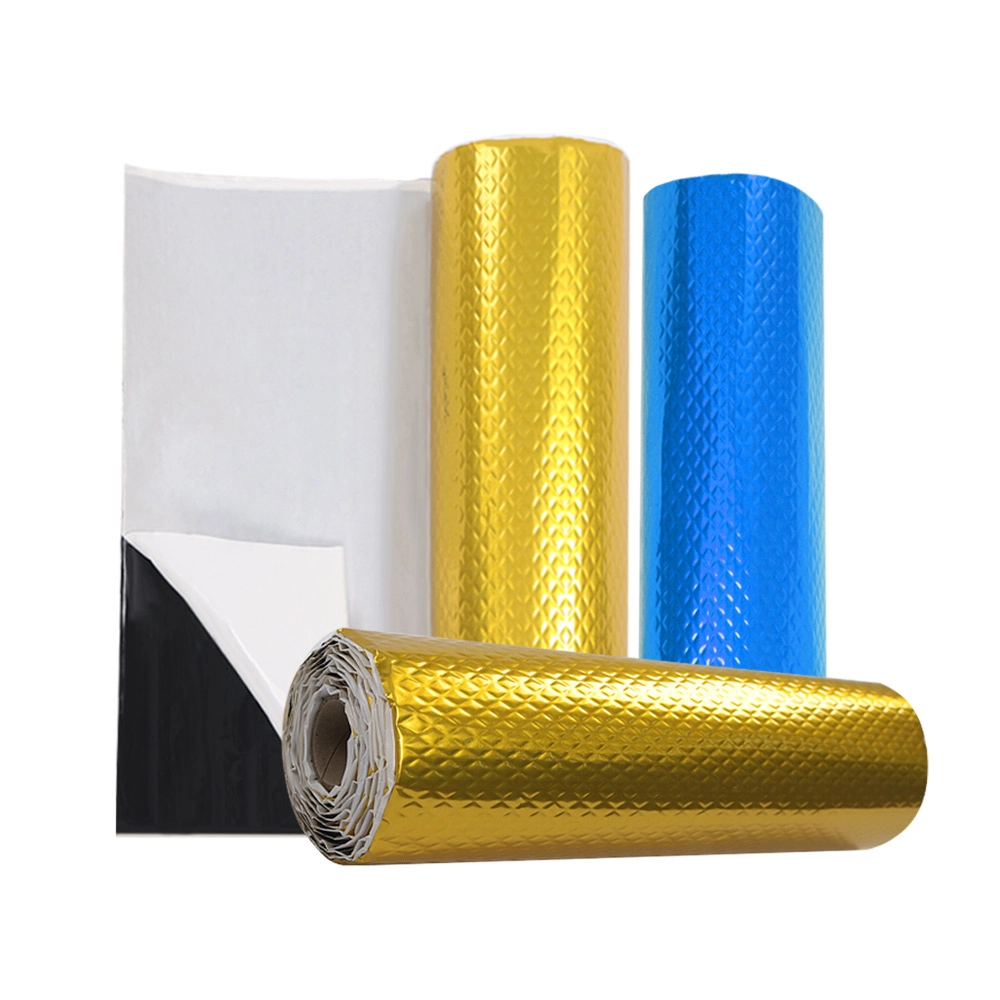
Butyl Rubber Sound Damping Mat
ASLONG Butyl Rubber Sound Damping Mat for sale. Effectively reduces noise and vibrations. High-quality butyl rubber ensures superior performance and durability. Ideal for automotive, industrial, and home applications.
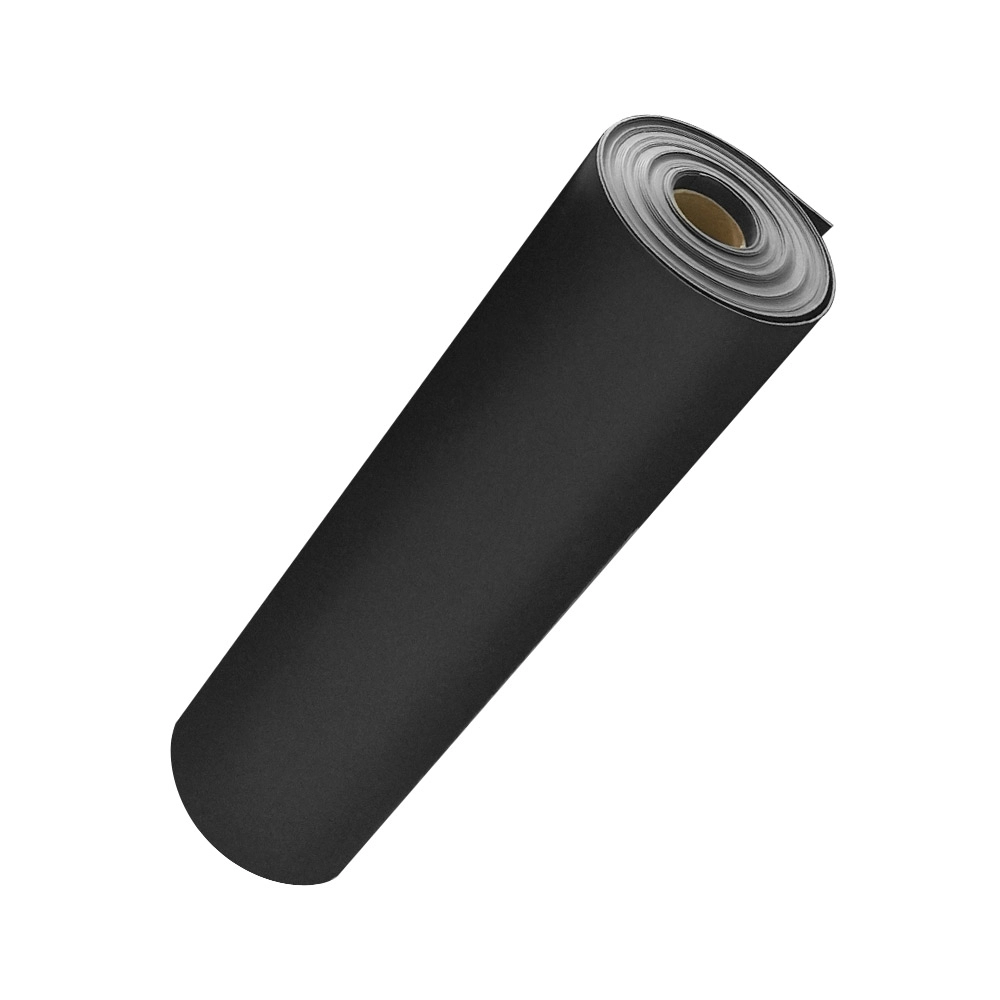
Mass Loaded Vinyl
ASLONG Mass Loaded Vinyl for sale. Reduce noise pollution effectively with our high-quality, mass-loaded vinyl. Ideal for soundproofing walls, floors, and more. Buy now and experience the difference!
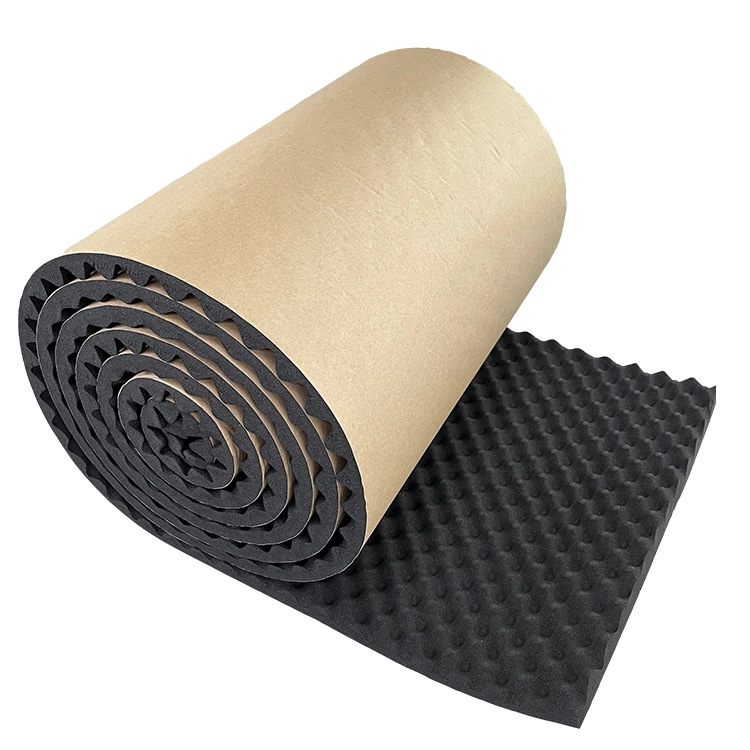
Egg Crate Foam
ASLONG Egg Crate Foam for sale. Lightweight, breathable, and comfortable, our egg crate foam provides superior support and pressure relief. Perfect for mattresses, cushions, cars, construction industry, KTV, factories, etc.
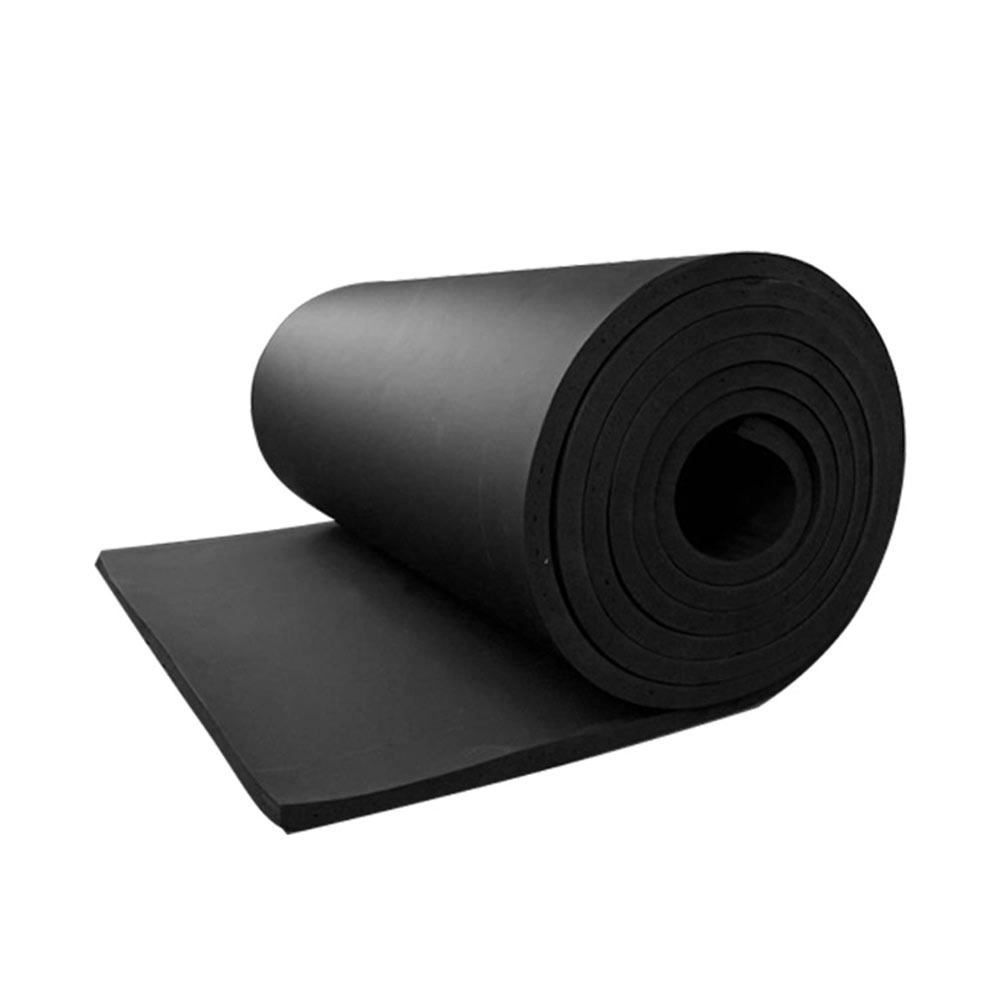
NBR Foam
ASLONG NBR Foam: Wholesale NBR foam solutions for diverse applications. High-quality, durable, and competitively priced. Contact us today for bulk orders.
Professional support at any time
If you have any comments or good suggestions, please leave us a message; later our professional staff will contact you as soon as possible.
© 2026 ASLONG All Rights Reserved. Privacy Policy | Terms and Conditions | Sitemap

 It would be pleasure to receive from you.
Whatsapp: +8613242879341
ASLONG Global
ASLONG
Aslong_global