

Mass Loaded Vinyl Maintenance and Longevity
- Mass Loaded Vinyl Maintenance and Longevity: Why Care about Proper Care?
- Product Overview: ASLONG Mass Loaded Vinyl
- How Mass Loaded Vinyl Works and What Affects Its Longevity
- Inspection Best Practices for Long-Term Performance
- What to check: seams, fasteners, edges, and interfaces
- Cleaning MLV: Do's and Don’ts
- Repair Techniques That Restore Acoustic Integrity
- Step-by-step patching method
- Storage and Handling to Prevent Premature Aging
- Installation Best Practices That Maximize Lifespan and Performance
- Fastening and sealing recommendations
- Environmental Considerations: Moisture, Temperature, and UV
- Expected Service Life and When to Replace MLV
- Cost vs Performance: Choosing the Right Weight and Thickness
- Combining Mass Loaded Vinyl with Other Soundproofing Strategies
- Brand Spotlight: Why Choose ASLONG Mass Loaded Vinyl?
- Practical Checklist: Extend the Life of Your Mass Loaded Vinyl
- FAQ — Mass Loaded Vinyl Maintenance and Longevity
- How often should I inspect Mass Loaded Vinyl installations?
- Can Mass Loaded Vinyl get wet? What if it becomes damp?
- Will cleaning MLV reduce its effectiveness?
- How do I patch a tear in the MLV?
- Does MLV off-gas or have strong odors after installation?
- When should I replace rather than repair?
- Contact ASLONG / View Product
- References and Further Reading
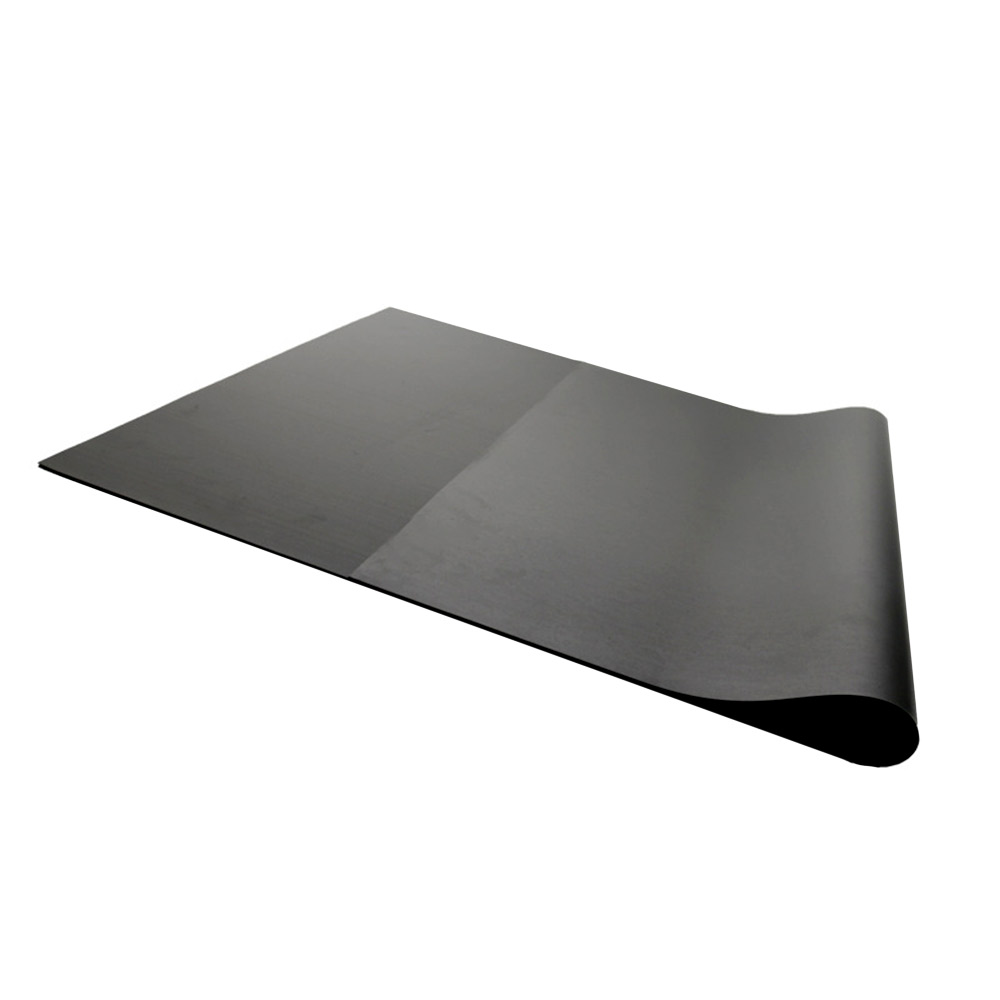
Mass Loaded Vinyl Maintenance and Longevity: Why Care about Proper Care?
Mass Loaded Vinyl (MLV) is a cornerstone material in modern acoustic control—used to reduce airborne noise in walls, ceilings, floors and mechanical systems. Proper maintenance and installation directly impact its effectiveness and service life. For building owners, contractors, and DIYers, understanding how to store, inspect, clean, and repair Mass Loaded Vinyl can mean the difference between years of reliable sound reduction and premature performance loss. Below is a practical, step-by-step guide to keep your Mass Loaded Vinyl performing at peak levels.
Product Overview: ASLONG Mass Loaded Vinyl
ASLONG Mass Loaded Vinyl for sale. Reduce noise pollution effectively with our high-quality, mass-loaded vinyl. Ideal for soundproofing walls, floors, and more. Buy now and experience the difference!
How Mass Loaded Vinyl Works and What Affects Its Longevity
Mass Loaded Vinyl improves sound isolation primarily by adding mass to a partition, following the acoustic “mass law”: heavier, denser barriers reduce sound transmission of airborne noise. Factors that influence MLV longevity include UV exposure, mechanical abrasion, moisture, temperature extremes, and improper fastening or seam treatment. MLV is flexible and durable, but like any material, its acoustic performance depends on correct handling and protection against environmental stressors.
Inspection Best Practices for Long-Term Performance
Regular inspections help detect issues early. Recommended schedule: initial check after installation, followed by inspections at 6 months, then annually (or more often in high-use or harsh environments). During an inspection, look for punctures, tears, seam separation, signs of mold/mildew, corrosion on fasteners, and compressed areas where the MLV has lost its intended mass-action (for example, heavy foot traffic over loose seams). Document findings with photos and notes to track changes over time.
What to check: seams, fasteners, edges, and interfaces
Seams and edges are the most common points of failure for Mass Loaded Vinyl installations. Ensure seams are sealed (overlapped and taped with acoustic-grade tape or sealed with acoustic sealant) and that fasteners are secure without tearing the material. Check where MLV abuts other materials (drywall, concrete, wood)—gaps at interfaces will compromise STC performance.
Cleaning MLV: Do's and Don’ts
Cleaning should be gentle and infrequent—MLV is not designed for harsh chemical exposure. For surface dirt and dust, wipe with a soft cloth or sponge and a mild detergent solution (pH-neutral cleaner diluted with water). Rinse with clean water and dry with a soft towel. Avoid abrasive brushes, solvents (like acetone, strong alcohols), concentrated acids or alkalis that can degrade the polymer matrix or fillers. If used outdoors or in moist environments, ensure MLV is thoroughly dried to minimize mold risk.
Repair Techniques That Restore Acoustic Integrity
Small punctures or cuts can often be repaired in place without replacement. For punctures up to a few centimeters, use a patch of equal-thickness MLV adhered with an acoustic-grade adhesive and sealed around the edges with acoustic sealant. For seam separation, clean the surfaces, apply acoustic tape or a bead of acoustic sealant, and press firmly to achieve a continuous mass barrier. For significant mechanical damage or extensive mold, replace the affected section to maintain predictable acoustic performance.
Step-by-step patching method
- Clean area and round off sharp edges.
- Cut a patch 2–3 cm larger than the damaged area.
- Apply acoustic adhesive to patch and surrounding MLV.
- Press patch firmly; tape edges with acoustic-grade tape.
- Seal perimeter with acoustic sealant and allow recommended cure time.
Storage and Handling to Prevent Premature Aging
Store rolls on a flat, clean surface in a dry, temperature-controlled area out of direct sunlight—UV degrades many polymers over time. Recommended storage temperatures are typically between 5°C and 30°C (41°F–86°F). Keep rolls upright or flat according to manufacturer guidance; avoid stacking heavy loads on top of stored MLV, which can cause permanent deformation. For long-term storage, keep material in original packaging or wrapped in a UV-stable cover to prevent dust and moisture ingress.
Installation Best Practices That Maximize Lifespan and Performance
Proper installation is the single most important factor affecting both MLV performance and longevity. Key points: ensure continuous coverage without unsealed gaps; overlap seams and seal them; use correct fasteners with washers to distribute load; avoid compressing the MLV where it is intended to function as a decoupling or floated layer; and combine MLV with complementary materials (resilient channels, acoustic insulation) following an acoustic design plan.
Fastening and sealing recommendations
Use corrosion-resistant screws and wide washers for mechanical attachment; for walls, fasten to studs at recommended spacing. Use acoustic-grade butyl or acrylic tape for seams, and acoustical sealant at all perimeters and penetrations. In floor applications, protect MLV with a sacrificial wear layer or underlayment board to prevent abrasion from foot traffic or sharp objects.
Environmental Considerations: Moisture, Temperature, and UV
While many MLV products are formulated to resist moisture, prolonged exposure to high humidity or standing water can encourage mold growth on adjacent porous materials and can degrade adhesives used in seams and tapes. Temperature cycling can stiffen some formulations; choose a product rated for the ambient temperature range of the installation. For outdoor or sun-exposed use, select UV-stabilized formulations or provide a protective barrier to prevent polymer breakdown.
Expected Service Life and When to Replace MLV
With proper installation and reasonable environmental conditions, Mass Loaded Vinyl can perform effectively for 10–25 years; actual service life depends on product formulation, mechanical wear, exposure to UV/moisture, and maintenance. Replace MLV when you observe: large-area tears compromising continuity, persistent mold that cannot be remediated, or measurable degradation in acoustic performance verified by testing (e.g., a notable reduction in STC or increased noise transmission observed). Routine inspections help identify the right time for targeted repairs vs full replacement.
Cost vs Performance: Choosing the Right Weight and Thickness
MLV is available in several weights and thicknesses. Heavier options increase sound blocking but cost more and are less flexible. Choosing the correct weight is a balance between performance, ease of installation, and budget. The table below summarizes common MLV options and their typical acoustic impact based on manufacturer data and industry guidance.
| MLV Type | Typical Weight (lb/ft²) | Typical Thickness | Expected STC Improvement* | Best Use |
|---|---|---|---|---|
| Light MLV | 0.5–1.0 | ~1.5–3 mm (1/16–1/8) | ~2–4 points | Ceilings, ducts, low-noise walls |
| Standard MLV | 1.0–1.5 | ~3–5 mm (1/8–3/16) | ~4–6 points | Walls, floors, residential applications |
| Heavy MLV | 1.5–2.0+ | ~5–7 mm (3/16–1/4) | ~6–8+ points | Commercial partitions, high-noise areas |
*Values are approximate—actual STC gain depends on assembly, flanking paths, and installation quality. Sources listed at the end.
Combining Mass Loaded Vinyl with Other Soundproofing Strategies
MLV works best as part of a holistic acoustic system. Pairing MLV with absorption (insulation), decoupling (resilient channels or isolation clips), and airtight sealing addresses both airborne and structure-borne paths. Example effective assemblies include MLV sandwiched between drywall layers or installed on resilient channels. The strategic combination extends the useful life of the MLV by reducing mechanical stress and preventing direct wear.
Brand Spotlight: Why Choose ASLONG Mass Loaded Vinyl?
ASLONG Mass Loaded Vinyl is engineered for consistent density and flexibility, delivering reliable acoustic mass in common building assemblies. Our product benefits include:
- Consistent manufacturing tolerances to ensure predictable performance and easier installation.
- UV-stable and moisture-resistant formulations for improved durability in a range of environments.
- Compatibility with acoustic tapes, sealants, and mechanical fasteners recommended by acoustical engineers.
- Available in multiple weights to match performance and budget needs.
Choosing ASLONG means access to technical support for proper detailing and installation—this guidance reduces the likelihood of premature repair or replacement and helps maximize long-term acoustic performance.
Practical Checklist: Extend the Life of Your Mass Loaded Vinyl
Follow this concise maintenance checklist to preserve MLV effectiveness:
- Inspect seams and fasteners every 6–12 months.
- Clean with mild detergent and avoid solvents.
- Patch small damage promptly using matching MLV and acoustic adhesive.
- Protect floor-installed MLV with a wear layer in traffic areas.
- Store unused rolls in a dry, UV-free environment.
- Use proper sealing at penetrations and interfaces to prevent flanking.
FAQ — Mass Loaded Vinyl Maintenance and Longevity
How often should I inspect Mass Loaded Vinyl installations?
Inspect after installation, then every 6 months for the first year and annually thereafter under normal conditions. Inspect more frequently in harsh or high-traffic environments.
Can Mass Loaded Vinyl get wet? What if it becomes damp?
Many MLV formulations resist moisture, but prolonged exposure to standing water or high humidity can affect adhesives and promote mold on adjacent materials. If MLV becomes damp, dry thoroughly and inspect for mold or adhesive failure. Replace any sections with persistent mold or adhesive loss.
Will cleaning MLV reduce its effectiveness?
No—gentle cleaning with mild detergent and water will not reduce acoustic performance if done correctly. Avoid harsh solvents or abrasive cleaning.
How do I patch a tear in the MLV?
Use a same-thickness MLV patch adhered with acoustic-grade adhesive, tape the edges with acoustic tape, and seal with acoustic sealant. For large damage, replace the affected section.
Does MLV off-gas or have strong odors after installation?
High-quality MLV typically has minimal odor. Allow ventilation after installation; if strong chemical smells persist, consult the manufacturer for VOC data and consider ventilating the space until odors dissipate.
When should I replace rather than repair?
Replace MLV when damage is extensive (large tears, widespread mold), when the assembly’s acoustic performance is measurably degraded, or when repair would be more costly than replacement.
Contact ASLONG / View Product
Proper maintenance allows MLV to excel in sensitive environments, like Mass Loaded Vinyl for music studios and recording rooms, where precise acoustics are crucial.Ready to improve long-term acoustic performance? Learn more or buy ASLONG Mass Loaded Vinyl today and protect your investment with quality materials and expert support:
ASLONG Mass Loaded Vinyl for sale. Reduce noise pollution effectively with our high-quality, mass-loaded vinyl. Ideal for soundproofing walls, floors, and more. Buy now and experience the difference!
Contact our technical team for installation guidance, product selection by weight, and maintenance best practices.
References and Further Reading
- Acoustical Surfaces — Mass Loaded Vinyl Product Information: https://www.acousticalsurfaces.com/soundproofing_materials/mass_loaded_vinyl.htm
- Soundproofing Company — Mass Loaded Vinyl (MLV) Overview and Data: https://www.soundproofingcompany.com/mass-loaded-vinyl-mlv/
- Manufacturer product data sheets and installation guides (typical industry practice)
The B2B Buyer’s Guide to Automotive Soundproofing Material
Quality Control Tests to Request from Sound Insulation Cotton Vendors
How to Choose the egg crate foam roll manufacturer and supplier ?
How to manufacturing butyl rubber waterproof tape
FAQs
Does ASLONG provide after-sales service?
Yes, we provide a full range of after-sales services, including technical support, installation guidance, product maintenance and quality tracking, etc., to ensure that each project goes smoothly and continues to perform at its best.
How to customize products that meet the needs of my industry?
You only need to contact our sales or technical team, we will conduct an in-depth analysis based on your industry needs and provide tailor-made products and solutions. We guarantee to provide you with efficient and accurate services to meet your personalized requirements.
What specific functions can ASLONG's products provide?
Our products cover functions such as insulation, sound insulation, shock absorption, waterproofing and sealing, and are widely used in improving energy efficiency, reducing noise, controlling vibration, protecting equipment, etc., helping customers optimize engineering effects and improve user experience.
Do ASLONG's products meet environmental protection standards?
Yes, all ASLONG products comply with ISO14001 environmental management system certification and global environmental protection standards. We use environmentally friendly materials and are committed to providing sustainable solutions to help customers achieve green development goals.
What industries are the products provided by ASLONG suitable for?
ASLONG's products are suitable for multiple industries, including air conditioning and HVAC, construction and waterproofing, automobiles and transportation, home appliances and electronics, industrial equipment and machinery, etc. We provide customized solutions for each industry to meet different needs.
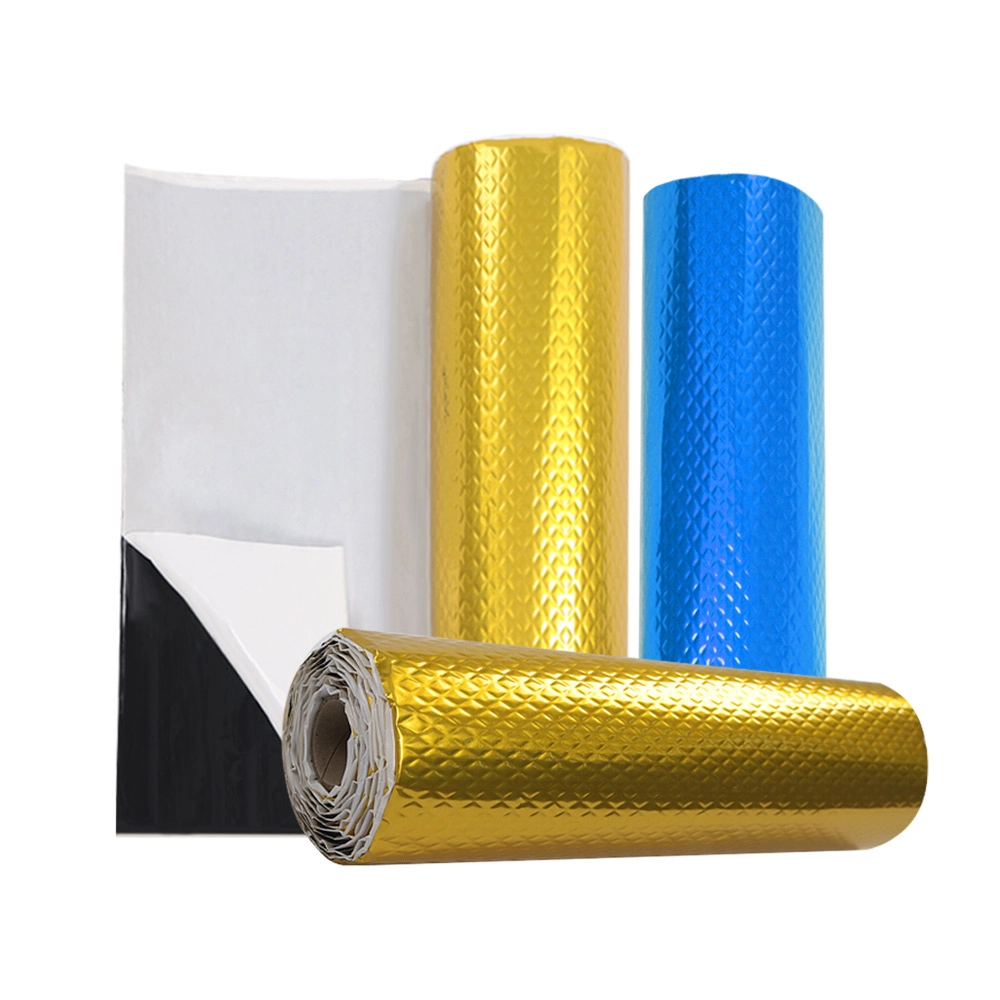
Butyl Rubber Sound Damping Mat
ASLONG Butyl Rubber Sound Damping Mat for sale. Effectively reduces noise and vibrations. High-quality butyl rubber ensures superior performance and durability. Ideal for automotive, industrial, and home applications.
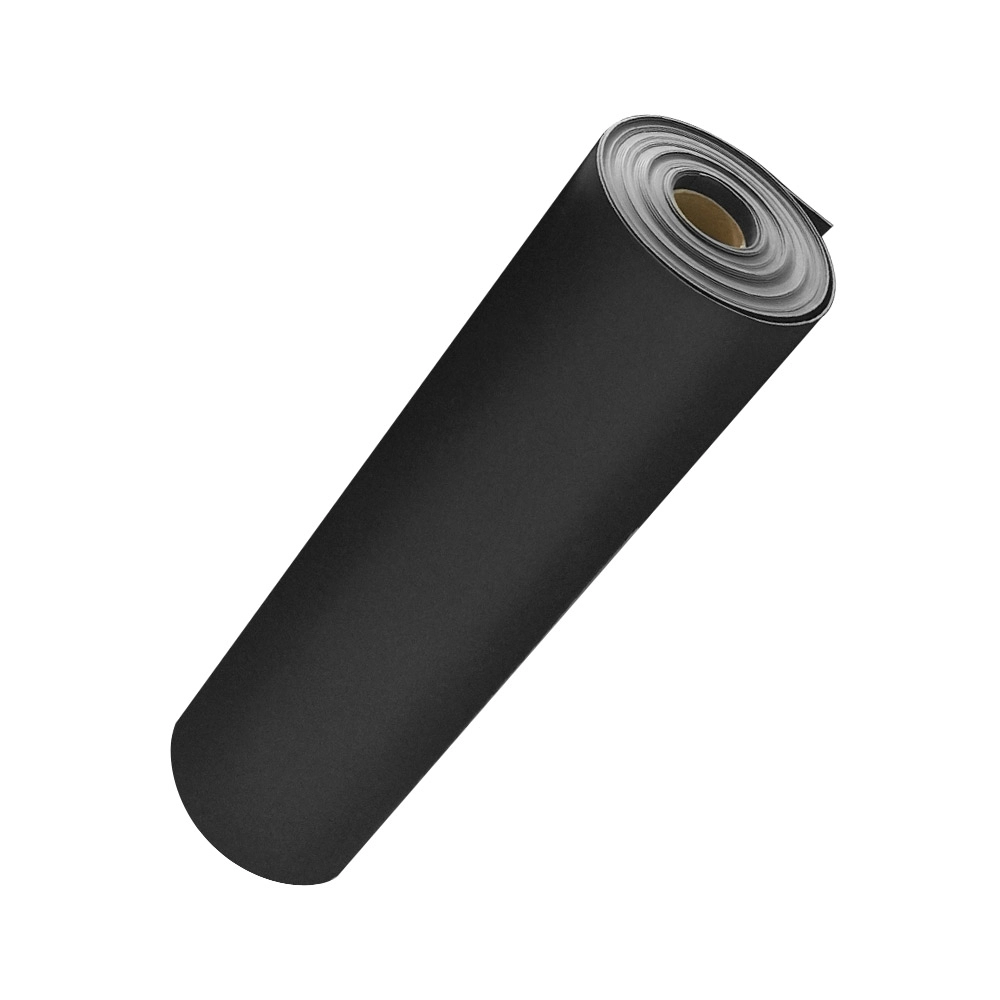
Mass Loaded Vinyl
ASLONG Mass Loaded Vinyl for sale. Reduce noise pollution effectively with our high-quality, mass-loaded vinyl. Ideal for soundproofing walls, floors, and more. Buy now and experience the difference!
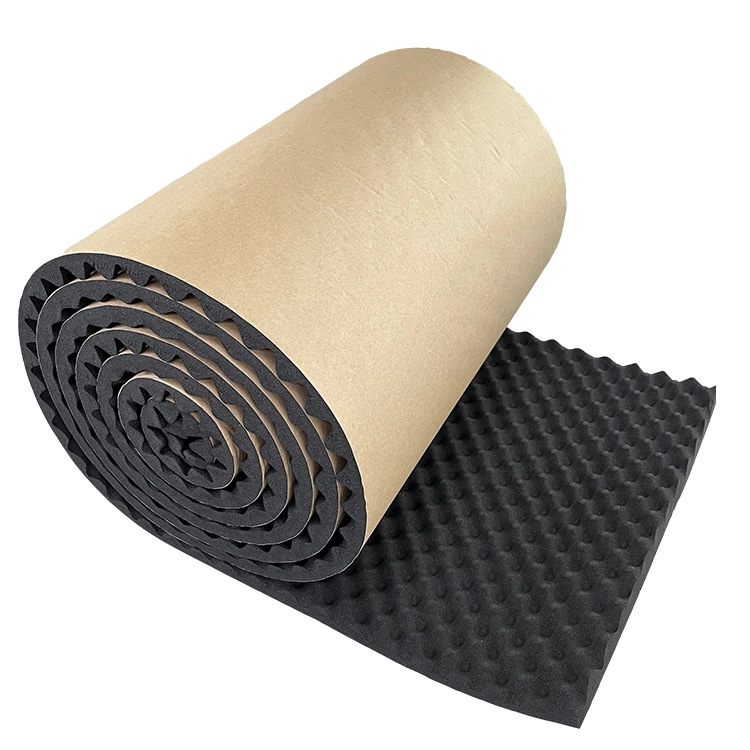
Egg Crate Foam
ASLONG Egg Crate Foam for sale. Lightweight, breathable, and comfortable, our egg crate foam provides superior support and pressure relief. Perfect for mattresses, cushions, cars, construction industry, KTV, factories, etc.
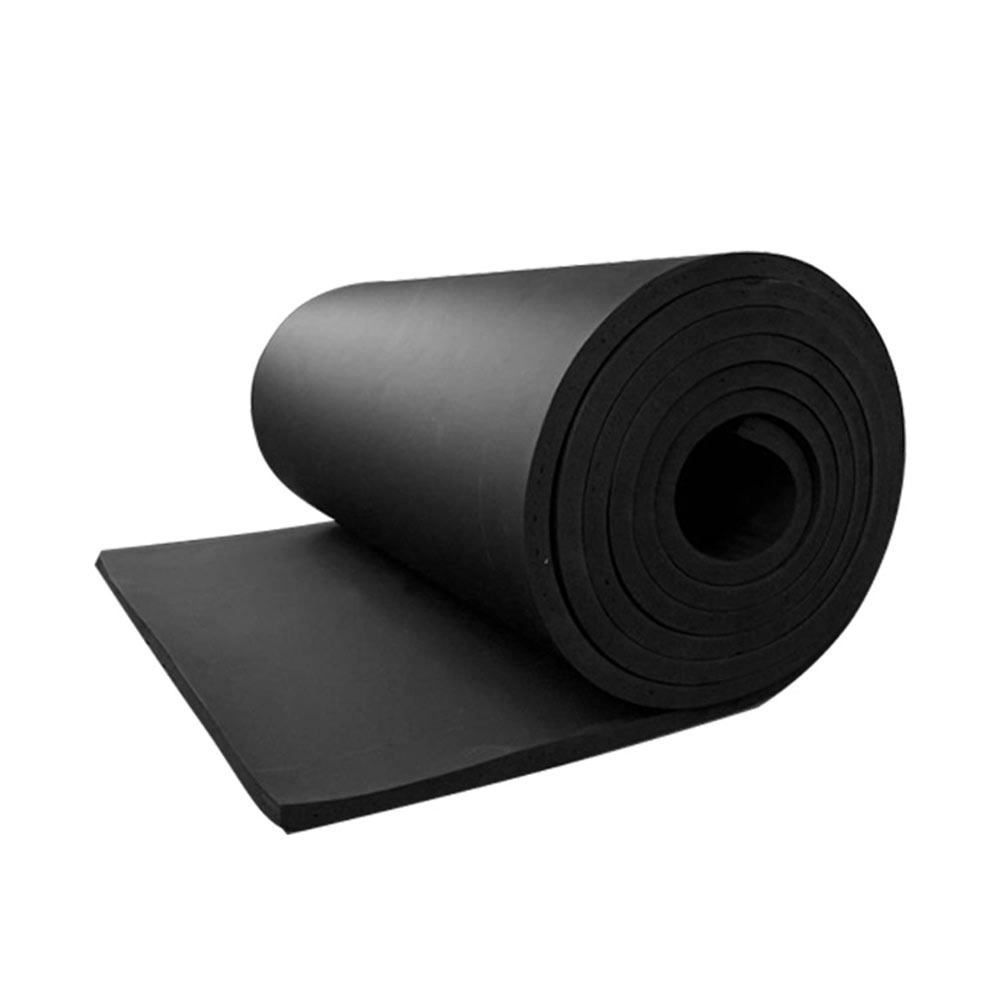
NBR Foam
ASLONG NBR Foam: Wholesale NBR foam solutions for diverse applications. High-quality, durable, and competitively priced. Contact us today for bulk orders.
Professional support at any time
If you have any comments or good suggestions, please leave us a message; later our professional staff will contact you as soon as possible.
© 2026 ASLONG All Rights Reserved. Privacy Policy | Terms and Conditions | Sitemap

 It would be pleasure to receive from you.
Whatsapp: +8613242879341
ASLONG Global
ASLONG
Aslong_global