

Mass Loaded Vinyl for Ceiling Noise Reduction
- Mass Loaded Vinyl for Ceiling Noise Reduction
- What is Mass Loaded Vinyl (MLV) and how does it reduce ceiling noise?
- ASLONG product introduction
- How MLV works on ceilings: physics in plain language
- Key acoustic metrics: STC, NRC, and Impact Sound
- MLV performance comparison: densities, typical improvement, and use-cases
- Practical installation methods for ceilings
- DIY vs. professional installation: pros and cons
- Cost considerations and budgeting for ceiling MLV
- Fire, building code, and indoor air quality considerations
- Common mistakes that limit MLV effectiveness
- Why choose ASLONG Mass Loaded Vinyl?
- Sample project workflow for retrofitting a bedroom ceiling
- FAQ — Frequently Asked Questions
- Will MLV stop all noise through my ceiling?
- How thick should MLV be for a ceiling?
- Can I install MLV myself?
- Does MLV affect HVAC or fire safety?
- How do I clean and maintain MLV?
- Contact ASLONG / View product
- References and sources
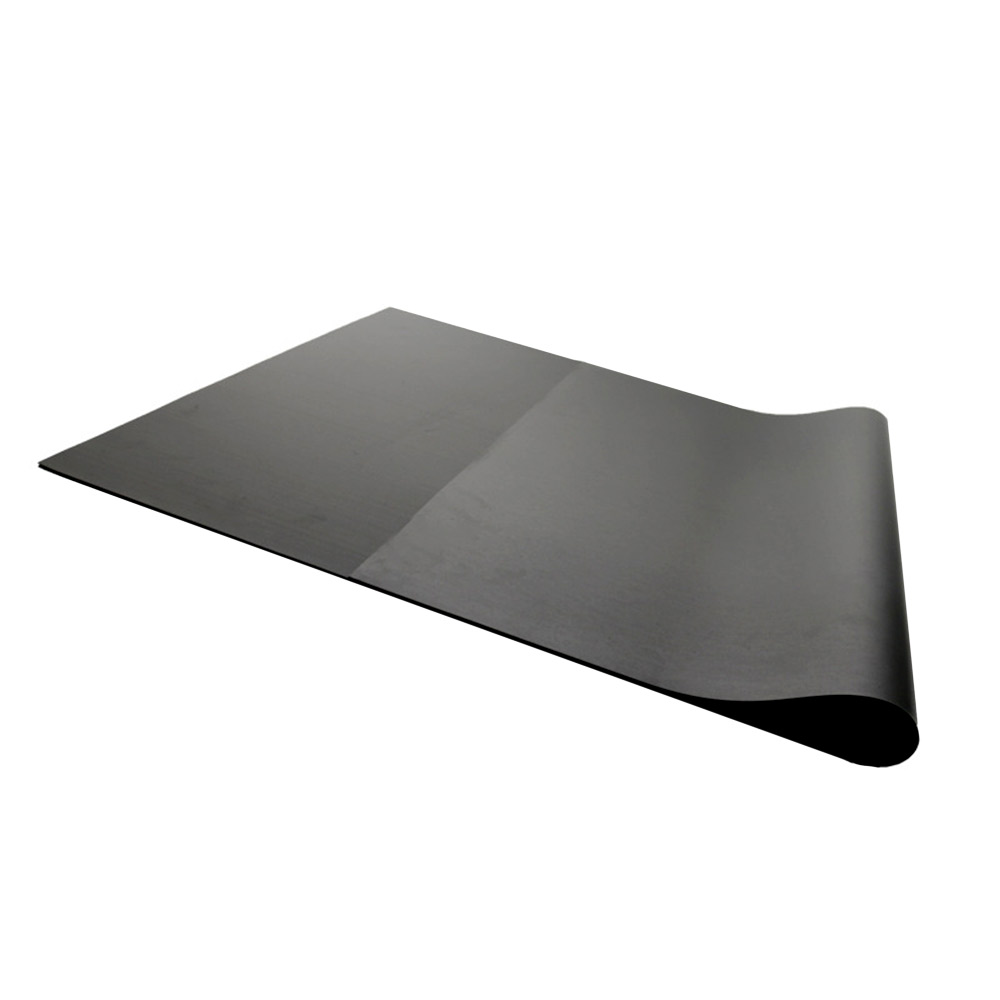
Mass Loaded Vinyl for Ceiling Noise Reduction
What is Mass Loaded Vinyl (MLV) and how does it reduce ceiling noise?
Mass Loaded Vinyl (MLV) is a flexible, high-mass barrier material designed to block airborne sound transmission. Unlike porous absorbers (fiberglass, mineral wool) that reduce reverberation inside a room, MLV increases mass in a partition to prevent sound energy from transmitting through surfaces such as ceilings, walls, and floors. It is commonly used where space is limited but significant sound reduction is required — for example, between apartment units or under mechanical equipment.Once you understand how MLV performs on ceilings, it’s helpful to compare it with other common insulation materials. For a clear comparison, read Mass Loaded Vinyl vs Fiberglass Insulation, where both options are analyzed side by side.
ASLONG product introduction
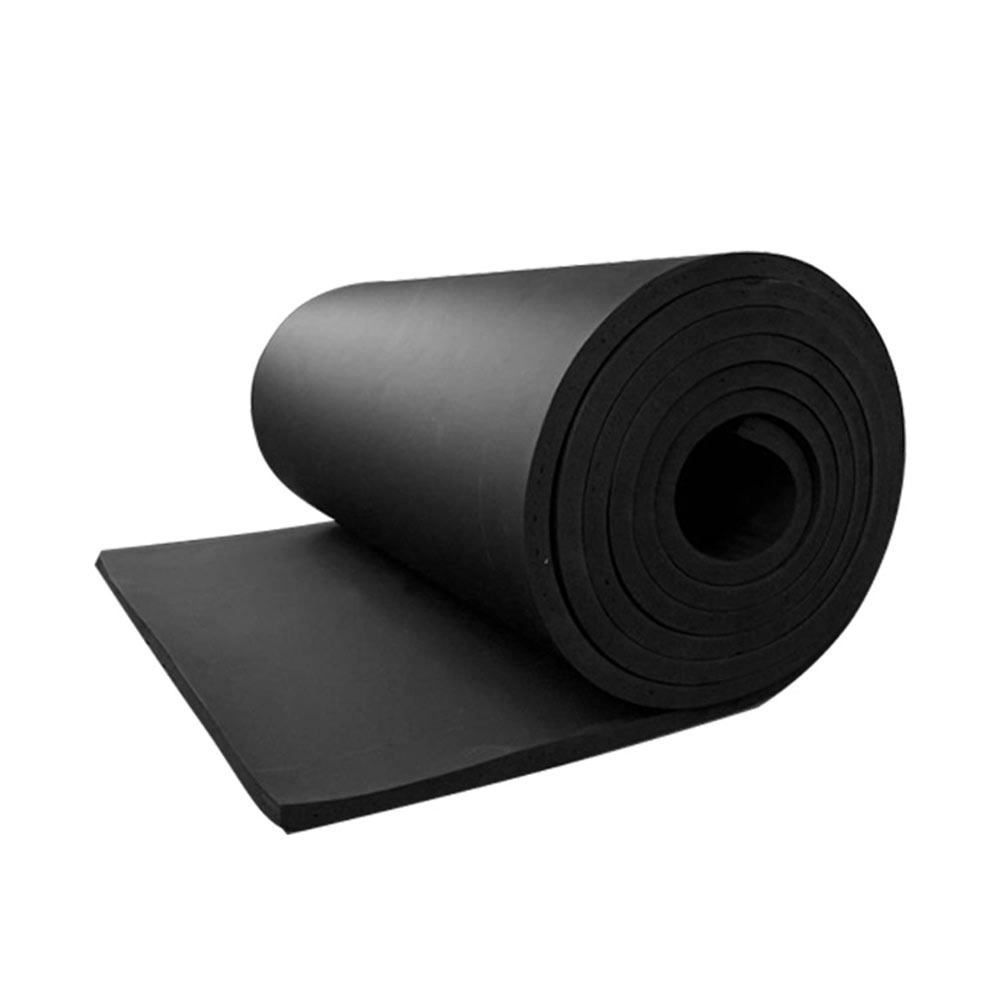
ASLONG Mass Loaded Vinyl for sale. Reduce noise pollution effectively with our high-quality, mass-loaded vinyl. Ideal for soundproofing walls, floors, and more. Buy now and experience the difference!
How MLV works on ceilings: physics in plain language
Sound travels through the air and through building materials. When airborne noise (voices, music, televisions) hits a ceiling, a portion of the sound is reflected, some is absorbed, and some transmits through the ceiling material into the space above or below. MLV works by adding mass and damping to the ceiling assembly. The added mass reduces the ceiling's ability to vibrate and transmit sound; damping properties convert some vibration energy into heat. The result is a measurable reduction in transmitted noise, especially in mid and high frequencies. For low-frequency (bass) sounds, success depends on mass, decoupling, and the overall assembly design.
Key acoustic metrics: STC, NRC, and Impact Sound
When evaluating MLV for ceiling noise reduction, know the following metrics:
- STC (Sound Transmission Class) — rating for airborne sound reduction (speech, television). Higher is better. MLV itself does not have a single STC value because STC measures assemblies; adding MLV can increase an assembly's STC by several points depending on configuration.
- NRC (Noise Reduction Coefficient) — measures absorption (not the primary role of MLV). MLV has low NRC; pair with absorptive layers if room reverberation control is needed.
- Impact insulation — related to footfall or structure-borne noise. Standard MLV has limited effect on impact noise unless combined with resilient channels, isolation clips, or floating ceilings/floors.
Typical assembly improvements vary, but adding a 1 lb/ft2 MLV layer beneath a gypsum ceiling often yields a 5–10 point improvement in STC for common assemblies under controlled test conditions. Always verify with tested assembly data or a qualified acoustical consultant for your project.
MLV performance comparison: densities, typical improvement, and use-cases
Not all MLV is the same. Density (mass per unit area) and thickness influence performance. The table below summarizes typical products and expected improvements as a general guide. Actual results depend on ceiling construction, flanking paths, and installation quality.
| MLV Type | Mass (approx.) | Thickness | Typical STC Improvement (assembly) | Best Use |
|---|---|---|---|---|
| Light MLV | 0.5–0.75 lb/ft² (2.4–3.6 kg/m²) | ~1.5–2 mm | 2–4 points | Low-budget or supplemental barrier |
| Standard MLV | 1.0 lb/ft² (4.9 kg/m²) | ~2–3 mm | 4–8 points | Most residential ceiling upgrades |
| Heavy MLV | 1.5–2.0 lb/ft² (7.3–9.8 kg/m²) | ~3–5 mm | 6–12 points | Commercial or high-performance installations |
Sources for typical values: independent acoustical test data from manufacturers and industry references (see citations at article end). These numbers are representative; use them as a planning guide, not a guaranteed result.
Practical installation methods for ceilings
Installing MLV for ceiling noise reduction can be done several ways depending on whether you are renovating, building new, or doing a retrofit. The three most common methods are:
- Directly attached under existing ceiling — MLV is fastened to underside of joists then covered by a new drywall layer. Best when ceiling height is not an issue and you want a straightforward improvement.
- Installed above a new drop ceiling — MLV is laid above suspended ceiling tiles to reduce transmission to the plenum. Effective in commercial spaces, but watch for HVAC noise and flanking paths.
- Used with resilient channels or isolation clips — Combine MLV with decoupling systems to address structure-borne and low-frequency transmission. This assembly reduces vibration paths and improves low-frequency performance significantly.
Key installation tips:
- Seal all seams with acoustical sealant and overlap seams by 2–4 inches when possible.
- Avoid compressing the MLV against rigid framing in ways that create flanking paths.
- Address flanking (air gaps, ductwork, penetrations) to get the expected performance gains.
- Follow local fire and building codes — some jurisdictions require MLV to meet fire ratings or be covered by code-compliant layers (e.g., gypsum).
DIY vs. professional installation: pros and cons
DIY installation is possible for handy homeowners, especially for direct-attach methods in small areas. Pros include lower material and labor costs and quicker timelines. However, common pitfalls include insufficient sealing of seams, improper fastening that creates rigid connections, and overlooking flanking paths. Professional installers bring measured results, correct detailing (including resilient channels and sealing), and compliance with building codes. For multi-family buildings, commercial spaces, or complex assemblies, hiring an acoustical contractor is recommended to achieve guaranteed performance.
Cost considerations and budgeting for ceiling MLV
Costs vary by MLV type, project size, and whether you add resilient channels or hire labor. Typical cost components:
- Material cost: MLV price often quoted per square foot and increases with density.
- Accessory costs: acoustical sealant, fasteners, and possible additional drywall or furring.
- Labor: professional installation for ceilings (including any framing or drywall work).
Ballpark: expect a higher initial material cost per square foot than basic insulation, but MLV's performance per inch of thickness is strong where space is limited. For precise budgeting, request a site-specific quote from ASLONG or an acoustical contractor.
Fire, building code, and indoor air quality considerations
Many building codes require ceiling finishes to meet fire-resistance ratings. MLV products vary in fire performance; some are rated for limited combustibility, others are not. ASLONG provides product specifications and can supply documentation on fire ratings and VOC emissions where available. Always verify that the MLV product and the finished assembly meet local code requirements and that the installer follows manufacturer recommendations for covering MLV when required.
Common mistakes that limit MLV effectiveness
Even high-quality MLV can underperform when:
- Seams and edges are left unsealed, allowing sound leakage.
- Flanking paths (ducts, light fixtures, structural gaps) are not addressed.
- MLV is compressed or bridged to framing members without decoupling.
- Expectations aren’t set realistically for low-frequency noise without additional mass or isolation.
Addressing these issues typically yields the best return on investment for noise reduction projects.
Why choose ASLONG Mass Loaded Vinyl?
ASLONG Mass Loaded Vinyl is designed for practical ceiling applications where space is limited but performance is required. Brand advantages include:
- Range of densities for targeted performance and budget options.
- Manufacturing quality control and material consistency for predictable results.
- Clear installation guidance, technical datasheets, and available support for commercial projects.
- Competitive pricing for bulk orders and quick shipping options.
For many projects, ASLONG MLV provides a strong combination of mass, flexibility, and installability that makes it a trusted choice for contractors and homeowners alike.
Sample project workflow for retrofitting a bedroom ceiling
- Assess noise sources and measure existing background levels.
- Identify flanking paths (ducts, electrical penetrations, boundary walls).
- Select MLV density (standard 1 lb/ft² often balances cost and performance).
- Install MLV directly to joists or underside of drywall; seal seams with acoustical sealant.
- Install new layer of drywall or finish; consider resilient channels for additional decoupling if budget allows.
- Verify results with simple listening tests; for confirmation, measure STC improvement with a qualified acoustician.
FAQ — Frequently Asked Questions
Will MLV stop all noise through my ceiling?
No product can stop 100% of sound. MLV significantly reduces airborne noise (voices, TV) and helps with some low frequencies when combined with mass and decoupling strategies. Address flanking paths and consider a system approach for the best results.
How thick should MLV be for a ceiling?
Thicker/heavier MLV (1–1.5 lb/ft²) provides greater reduction. Standard installations commonly use 1 lb/ft² MLV as a balance of performance and cost. Project specifics and low-frequency concerns may justify heavier products.
Can I install MLV myself?
Yes, but success depends on attention to sealing seams and avoiding flanking paths. For best guaranteed results, especially in multi-family or commercial buildings, hire professionals.
Does MLV affect HVAC or fire safety?
MLV itself has fire performance characteristics that vary by product. It does not replace required fire-rated assemblies and may need to be covered by gypsum or other rated materials. Also ensure HVAC return/supply paths are treated to prevent noise leakage.
How do I clean and maintain MLV?
MLV is low maintenance. Keep it dry, avoid sharp objects, and clean dust with a damp cloth on exposed surfaces. If MLV is covered by drywall, normal building maintenance applies.
Contact ASLONG / View product
Ready to reduce ceiling noise? View product details and ordering information: https://www.aslong.com/mass-loaded-vinyl or email sales at sales@aslong.com for a custom quote. For technical questions or specification sheets, contact ASLONG technical support and request test reports for the MLV product best suited to your ceiling project.
References and sources
- Acoustical Surfaces — Mass Loaded Vinyl product and application guidance: https://www.acousticalsurfaces.com/mass_loaded_vinyl.htm
- Soundproofing Company — MLV product data and typical STC improvements: https://www.soundproofingcompany.com/Mass-Loaded-Vinyl-MLV-s/133.htm
- ASTM E90 & ASTM E413 — Standard test methods for airborne sound transmission measurement and STC ratings: https://www.astm.org/Standards/E90.htm
- Practical Building Acoustics texts and manufacturer assembly guides — general guidance on resilient channels, decoupling, and treatment of flanking paths (industry standards and manufacturer datasheets).
Note: Performance values in this article are representative and based on industry-typical test results. For guaranteed project performance, request assembly-specific test data or third-party testing from ASLONG or an acoustical consultant.
Underbody Sound Insulation Solutions for 2026
Top automotive sound insulation materials for car manufacturers
The B2B Buyer’s Guide to rubber electrical tape | ASLONG Ultimate Insights
The B2B Buyer’s Guide to mass loaded vinyl sound deadening | ASLONG Ultimate Insights
FAQs
What industries are the products provided by ASLONG suitable for?
ASLONG's products are suitable for multiple industries, including air conditioning and HVAC, construction and waterproofing, automobiles and transportation, home appliances and electronics, industrial equipment and machinery, etc. We provide customized solutions for each industry to meet different needs.
Does ASLONG provide after-sales service?
Yes, we provide a full range of after-sales services, including technical support, installation guidance, product maintenance and quality tracking, etc., to ensure that each project goes smoothly and continues to perform at its best.
What specific functions can ASLONG's products provide?
Our products cover functions such as insulation, sound insulation, shock absorption, waterproofing and sealing, and are widely used in improving energy efficiency, reducing noise, controlling vibration, protecting equipment, etc., helping customers optimize engineering effects and improve user experience.
Do ASLONG's products meet environmental protection standards?
Yes, all ASLONG products comply with ISO14001 environmental management system certification and global environmental protection standards. We use environmentally friendly materials and are committed to providing sustainable solutions to help customers achieve green development goals.
How to customize products that meet the needs of my industry?
You only need to contact our sales or technical team, we will conduct an in-depth analysis based on your industry needs and provide tailor-made products and solutions. We guarantee to provide you with efficient and accurate services to meet your personalized requirements.
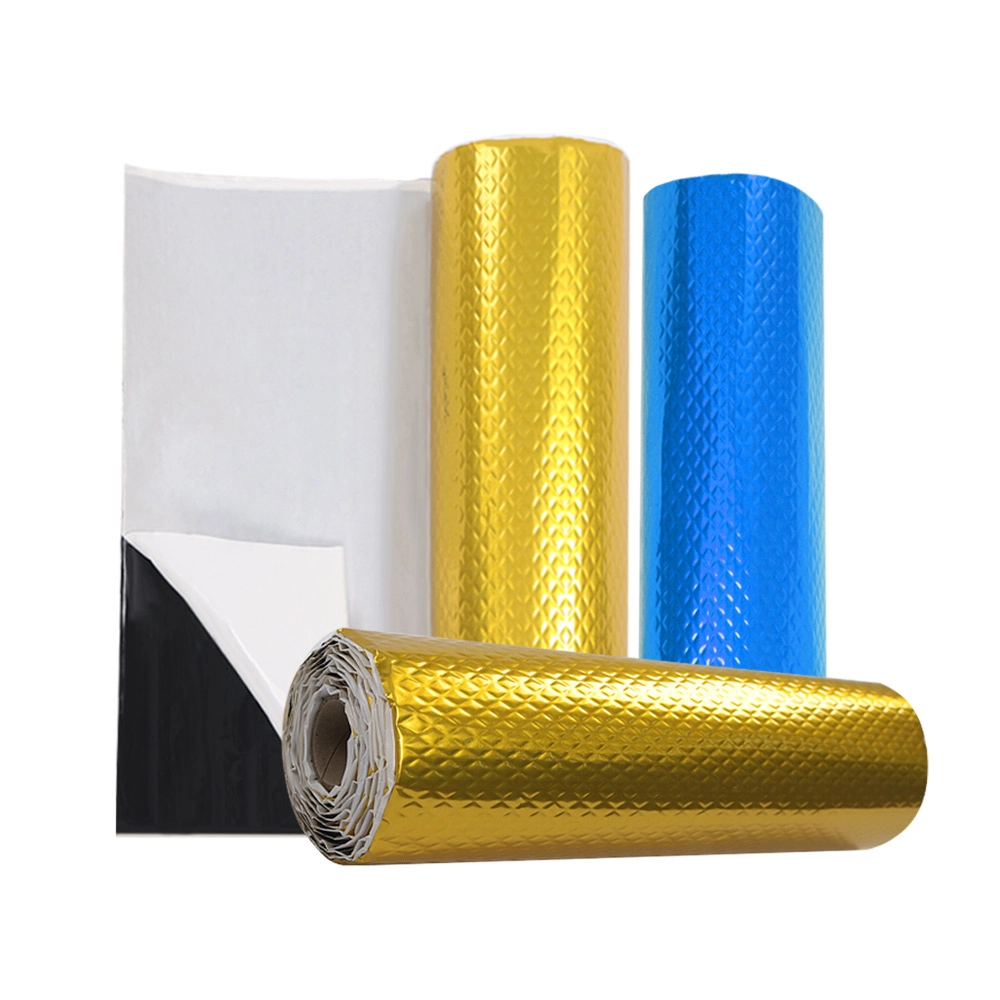
Butyl Rubber Sound Damping Mat
ASLONG Butyl Rubber Sound Damping Mat for sale. Effectively reduces noise and vibrations. High-quality butyl rubber ensures superior performance and durability. Ideal for automotive, industrial, and home applications.
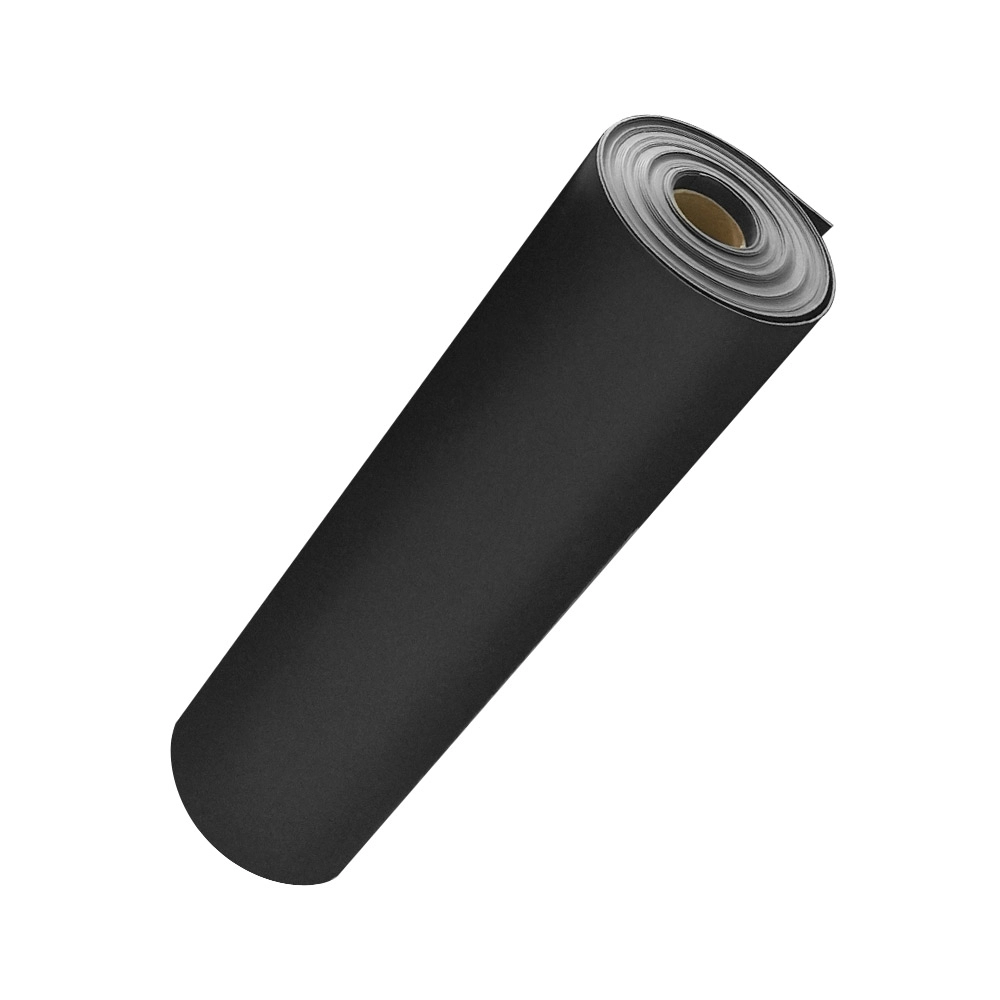
Mass Loaded Vinyl
ASLONG Mass Loaded Vinyl for sale. Reduce noise pollution effectively with our high-quality, mass-loaded vinyl. Ideal for soundproofing walls, floors, and more. Buy now and experience the difference!
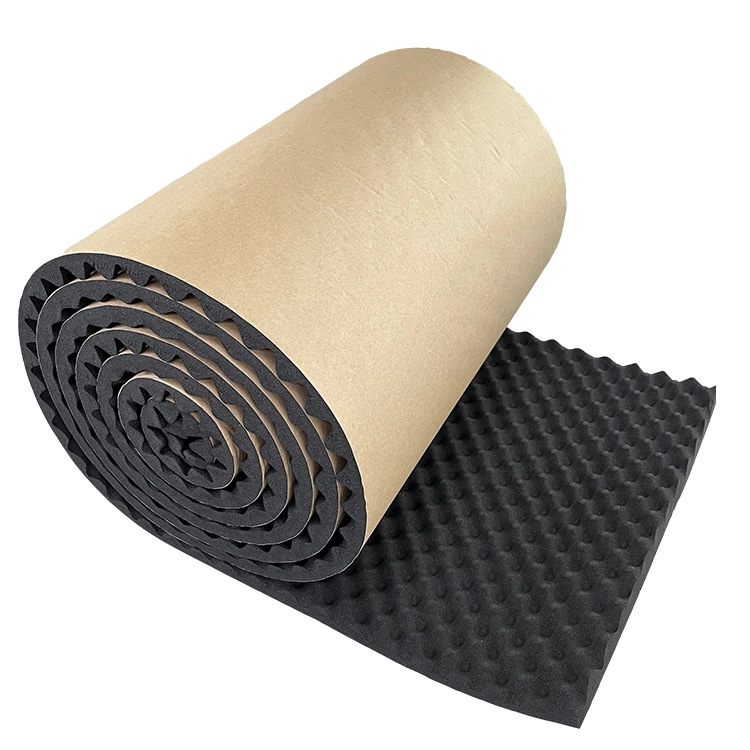
Egg Crate Foam
ASLONG Egg Crate Foam for sale. Lightweight, breathable, and comfortable, our egg crate foam provides superior support and pressure relief. Perfect for mattresses, cushions, cars, construction industry, KTV, factories, etc.
NBR Foam
ASLONG NBR Foam: Wholesale NBR foam solutions for diverse applications. High-quality, durable, and competitively priced. Contact us today for bulk orders.
Professional support at any time
If you have any comments or good suggestions, please leave us a message; later our professional staff will contact you as soon as possible.
© 2026 ASLONG All Rights Reserved. Privacy Policy | Terms and Conditions | Sitemap

 It would be pleasure to receive from you.
Whatsapp: +8613242879341
ASLONG Global
ASLONG
Aslong_global