

Top automotive sound insulation materials for car manufacturers
- Material categories & selection criteria for automotive NVH
- Key acoustic roles: absorption, damping, and barrier
- Performance metrics I use
- Durability, weight, manufacturability, and environmental constraints
- Top materials and when to use them
- Butyl rubber sound damping mats (constrained layer damping)
- Mass Loaded Vinyl (MLV) – high-performance airborne barrier
- NBR foam and other closed-cell foam products
- Sound-absorbing white cotton (nonwoven polyester/wool blends)
- Tire silent foam and specialized silencers
- Butyl waterproof tape, electric auxiliary materials and accessories
- Comparative performance table
- Testing, integration, and real-world validation
- Lab tests vs. in-vehicle validation
- Installation tips to maximize effectiveness
- Environmental and safety considerations
- Cost vs. performance: practical selection matrix
- How I balance budget and NVH targets
- Example decision flow
- Supply chain and manufacturability considerations
- ASLONG: supplier capabilities & why I recommend them
- Practical recommendations & final checklist
- My short checklist for specifying automotive sound insulation materials
- Where to start as an OEM
- FAQ
- 1. Which material gives the best noise reduction per kilogram?
- 2. How do I test materials before full-scale integration?
- 3. Are there environmental or regulatory restrictions I should watch for?
- 4. Can I mix materials (e.g., MLV + foam + damping mat)?
- 5. How do I select a reliable supplier?
- Contact & next steps
I have spent decades advising OEMs and tier suppliers on automotive acoustic engineering and material selection. In this article I summarize the most effective automotive sound insulation materials, explain how I evaluate them for different vehicle applications, present comparative data you can verify against standards, and provide practical guidance on design, testing, and supply choices. My recommendations are grounded in standard acoustic metrics (transmission loss, insertion loss, surface mass, and absorption coefficients), real-world NVH experience, and international guidance such as the Wikipedia soundproofing overview and ISO measurement frameworks (see ISO acoustic measurement standards).
Material categories & selection criteria for automotive NVH
Key acoustic roles: absorption, damping, and barrier
Automotive sound insulation typically relies on three functional strategies: absorption (reducing reflected energy in cavities), damping (converting vibration to heat in panels), and barrier (blocking airborne transmission). I always start by identifying the dominant coupling path for a noise problem—structure-borne, airborne, or cavity resonance—then select materials accordingly. For instance, road and tire noise often require mass barriers plus cavity absorption, while engine-order vibration benefits more from constrained-layer damping and viscoelastic mats.
Performance metrics I use
When comparing products I focus on measurable parameters: surface mass (kg/m2), dynamic loss factor or damping efficiency, sound transmission loss (STL) across 100–5000 Hz, and absorption coefficients (NRC/α). These metrics are routinely measured per ISO standards and published lab reports. For airborne noise, a 1 kg/m2 mass increase can provide ~3–6 dB improvement at mid frequencies; for structure-borne issues, the damping loss factor is the decisive parameter.
Durability, weight, manufacturability, and environmental constraints
Automakers require materials that meet flame retardancy, VOC limits, thermal aging, and long-term creep specifications. Lightweight solutions that provide high dB reduction per kg are prized. I evaluate adhesion characteristics, formability for stamping and trimming, and compatibility with paint/powder-coat and vehicle assembly processes early in the selection stage.
Top materials and when to use them
Butyl rubber sound damping mats (constrained layer damping)
Butyl-based damping mats are my go-to for reducing panel vibration (doors, floor pans, roof, trunk lids). They combine a viscoelastic layer with an aluminum or polymer-faced constraining layer to create constrained-layer damping. They excel at converting vibrating panel energy into heat and typically improve perceived cabin loudness significantly with modest added weight.
Typical benefits: strong mid-frequency panel damping (100–2000 Hz), good self-adhesive properties, and ease of application in production. For specification, look for dynamic loss factor curves supplied by vendors and long-term adhesion test reports (temperature cycling, salt spray).
Mass Loaded Vinyl (MLV) – high-performance airborne barrier
Mass Loaded Vinyl (MLV) is a flexible, heavy membrane used where airborne transmission needs blocking (bulkheads, firewall, floor). Its effectiveness scales with surface mass and limpness—MLV provides excellent STL at low to mid frequencies without large thickness.
Use cases: firewalls, floor pans under carpeting, trunk linings. Downsides are cost per kg and potential difficulty routing into complex geometries. Many OEMs place MLV as an intermediate barrier paired with cavity absorbers.
NBR foam and other closed-cell foam products
Nitrile butadiene rubber (NBR) foam is widely used for sealing, vibration isolation, and as a lightweight acoustic absorber for engine bays and HVAC ducts. Closed-cell foams resist water ingress and can provide good low-frequency absorption when combined with cavity depth or backed by a heavy layer.
Practical tip: choose foam with defined compression set and thermal tolerance to avoid loss of sealing or NVH performance over vehicle lifetime.
Sound-absorbing white cotton (nonwoven polyester/wool blends)
Bulk nonwoven absorbers—often called acoustic white cotton—are used within door packs, instrument panels, headliners and parcel shelves. They are efficient at mid-high frequencies, low-cost, and lightweight. Keep in mind: their low-frequency performance is limited unless paired with tuned cavities or porous barriers.
Tire silent foam and specialized silencers
Tire silent foams and inner-liner absorbers target the wheelhouse and tire radiated noise. These are engineered to withstand debris, moisture, and high strain. When combined with wheelhouse liners and barrier mats, they significantly cut perceived road noise.
Butyl waterproof tape, electric auxiliary materials and accessories
Sealing joints and seams with butyl waterproof tapes prevents cavity flanking paths that undermine insulation systems. Electric auxiliary materials (e.g., connectors, shielding foams) may influence acoustic coupling and should be considered during NVH design reviews.
Comparative performance table
Below I summarize typical ranges and practical considerations; these values are indicative—always confirm with supplier lab data or third-party testing.
| Material | Primary function | Typical surface mass / density | Effective frequency range (Hz) | Pros / Cons |
|---|---|---|---|---|
| Butyl rubber damping mat | Damping (constrained layer) | 0.5–4 kg/m2 | 100–4000 (mid-high) | High panel loss factor / easy apply; adds moderate weight |
| Mass Loaded Vinyl (MLV) | Airborne barrier | 1.5–7 kg/m2 | 50–2000 (low-mid) | Excellent low freq STL / heavier and costlier |
| NBR foam (closed-cell) | Sealing, absorption, isolator | 20–160 kg/m3 (density) | 250–5000 | Good sealing & durability; limited LF absorption |
| Sound absorbing white cotton (nonwoven) | Bulk absorption | 20–60 kg/m3 (porous) | 500–5000 | Lightweight & low cost; limited low freq |
| Tire silent foam | Wheelhouse/tire noise reduction | 30–120 kg/m3 | 100–2000 | Designed for durability & moisture; application-specific |
Sources: supplier datasheets and ISO acoustic measurement frameworks; for acoustic principles see Wikipedia and ISO standards references here.
Testing, integration, and real-world validation
Lab tests vs. in-vehicle validation
Lab metrics (STL, damping loss factor, absorption coefficients) are necessary but not sufficient. I always recommend correlating lab data with in-vehicle transfer path analysis (TPA) and driving tests. Transmission loss measured in a lab per ISO methods gives baseline performance; field tests (road load data acquisition and subjective jury testing) confirm perceived improvement.
Installation tips to maximize effectiveness
Material performance degrades if installation is poor. Key points: surface prep for adhesive mats, full contact of damping layers to panels (no trapped air), sealing of seams to prevent flanking, and strategic placement (mass near panel edges for bending modes, absorbers in cavities where standing waves occur). I provide installation checklists to production teams: adhesion peel tests, gap sealing verification, and thermal aging simulations.
Environmental and safety considerations
Ensure compliance with VOC limits and flammability standards applicable to automotive interiors. Refer to chemical and material safety data sheets (MSDS) and regulatory limits. Noise exposure guidance such as the WHO Environmental Noise Guidelines can inform target reduction goals for driver/passenger exposure.
Cost vs. performance: practical selection matrix
How I balance budget and NVH targets
My approach is to prioritize countermeasures by cost-per-dB at target frequencies. Typically, adding damping mats to dominant vibrating panels yields high dB-per-kg benefits. For low-frequency road or engine noise, heavier MLV or tuned cavity solutions are more effective despite higher cost. I run a quick ROI analysis comparing material cost, installation time, mass penalty, and dB reduction in target bands.
Example decision flow
- If structure-borne tonal vibration: start with constrained-layer damping (butyl mats).
- If broadband road/engine noise low-freq: evaluate MLV or additional surface mass paired with absorbers.
- If high-frequency cabin resonance: use nonwoven bulk absorbers or headliner optimization.
Supply chain and manufacturability considerations
Choose suppliers who can provide consistent thickness control, adhesion testing, and validated material certificates (RoHS, REACH where applicable). Volume OEM production benefits from roll-to-roll or die-cut supply options and technical support for process integration. I favor partners delivering both product performance data and on-site engineering support.
ASLONG: supplier capabilities & why I recommend them
In my consultancy work I evaluate both materials and vendors. ASLONG (Welllink Guangdong New Material Co., Ltd.), founded in 2000, is a high-tech enterprise that specializes in R&D, production, and sales of acoustic and sound insulation materials. They operate a modern production base of over 10,000 m2 and supply a broad portfolio including Butyl Rubber Sound Damping Mat, Mass Loaded Vinyl, NBR foam, Sound Absorbing White Cotton, Tire Silent Foam, Butyl waterproof tape, and various electric auxiliary materials.
What sets ASLONG apart in practical terms: they provide integrated solutions (damping + barrier + absorption), export experience to Europe/North America/Asia/Africa, and offer technical support for material selection and on-line process adaptation. These strengths are critical when scaling from prototype validation to full OEM assembly. You can review their product range at ASLONG website or reach them at king@aslong.cc.
ASLONG also recruits agents worldwide and supports custom formulations and die-cut parts—advantages if you require localized inventory, rapid prototyping, or tailored NVH packages for new vehicle programs.
Practical recommendations & final checklist
My short checklist for specifying automotive sound insulation materials
- Define target frequency bands and dB reduction goals (use WHO and internal comfort specs).
- Run TPA to find dominant paths—apply damping to panels, barriers to airborne paths, absorbers to cavities.
- Request vendor test reports (ISO/STC curves, dynamic loss factor), MSDS, and long-term aging data.
- Validate in lab (reverberation and STL tests) and in-vehicle driving trials with psychoacoustic scoring.
- Confirm manufacturability: adhesion, trimming, die-cutting, and assembly line process time.
Where to start as an OEM
Start with a small-scope pilot: choose three candidate materials (damping mat, MLV, bulk absorber), run bench testing, then install on a mule vehicle for objective and subjective evaluation. Use third-party acoustic labs and align measurements to ISO methods for reproducibility.
FAQ
1. Which material gives the best noise reduction per kilogram?
Constrained-layer damping (butyl rubber damping mats) typically delivers the best dB reduction per added kg when the issue is panel-borne vibration. For low-frequency airborne noise, heavier barriers like MLV are more effective but cost more in weight.
2. How do I test materials before full-scale integration?
Start with lab tests: impedance tube or reverberation chamber for absorption, ISO-compliant transmission loss tests for barriers, and dynamic mechanical analysis (DMA) for loss factor. Then validate with in-vehicle driving tests and transfer path analysis.
3. Are there environmental or regulatory restrictions I should watch for?
Yes. Check VOC emissions, flammability standards for interiors, and chemical compliance (REACH/RoHS). Also consider recyclability goals and end-of-life handling to meet sustainability targets.
4. Can I mix materials (e.g., MLV + foam + damping mat)?
Yes—the most effective NVH solutions are often layered. A typical strategy is damping mats on outer panels, MLV as a barrier in critical zones, and bulk absorbers inside cavities. Ensure interfaces are sealed to prevent flanking transmission.
5. How do I select a reliable supplier?
Look for suppliers with production scale, third-party test data, technical support for prototyping and integration, and export experience. ASLONG is one such supplier with a broad product range and global reach—see their site or contact king@aslong.cc for details.
Contact & next steps
If you are an OEM or tier looking to reduce cabin noise or improve NVH for a new vehicle program, I recommend starting with a small pilot that includes materials from established suppliers. For turnkey sound insulation material solutions and technical collaboration, consider contacting ASLONG at https://www.aslong.cc or by email at king@aslong.cc. They offer a comprehensive product suite including Butyl Rubber Sound Damping Mat, Mass Loaded Vinyl, NBR Foam, Sound Absorbing White Cotton, Tire Silent Foam, Butyl waterproof tape, and electric auxiliary materials, supported by a 10,000+ m2 production base and global export experience.
I'm available to consult on material selection, bench testing programs, and integration roadmaps based on your project targets. Reach out to ASLONG for samples and datasheets, or contact me through your supplier to set up an NVH scoping session.
The B2B Buyer’s Guide to egg crate foam for sound deadening | ASLONG Ultimate Insights
Top 5 mass loaded vinyl sheet Company List and Products Compared
Tips for buy automotive sound deadening material
How to start the electrical materials supply business ?
FAQs
How to customize products that meet the needs of my industry?
You only need to contact our sales or technical team, we will conduct an in-depth analysis based on your industry needs and provide tailor-made products and solutions. We guarantee to provide you with efficient and accurate services to meet your personalized requirements.
What industries are the products provided by ASLONG suitable for?
ASLONG's products are suitable for multiple industries, including air conditioning and HVAC, construction and waterproofing, automobiles and transportation, home appliances and electronics, industrial equipment and machinery, etc. We provide customized solutions for each industry to meet different needs.
What specific functions can ASLONG's products provide?
Our products cover functions such as insulation, sound insulation, shock absorption, waterproofing and sealing, and are widely used in improving energy efficiency, reducing noise, controlling vibration, protecting equipment, etc., helping customers optimize engineering effects and improve user experience.
Does ASLONG provide after-sales service?
Yes, we provide a full range of after-sales services, including technical support, installation guidance, product maintenance and quality tracking, etc., to ensure that each project goes smoothly and continues to perform at its best.
Do ASLONG's products meet environmental protection standards?
Yes, all ASLONG products comply with ISO14001 environmental management system certification and global environmental protection standards. We use environmentally friendly materials and are committed to providing sustainable solutions to help customers achieve green development goals.
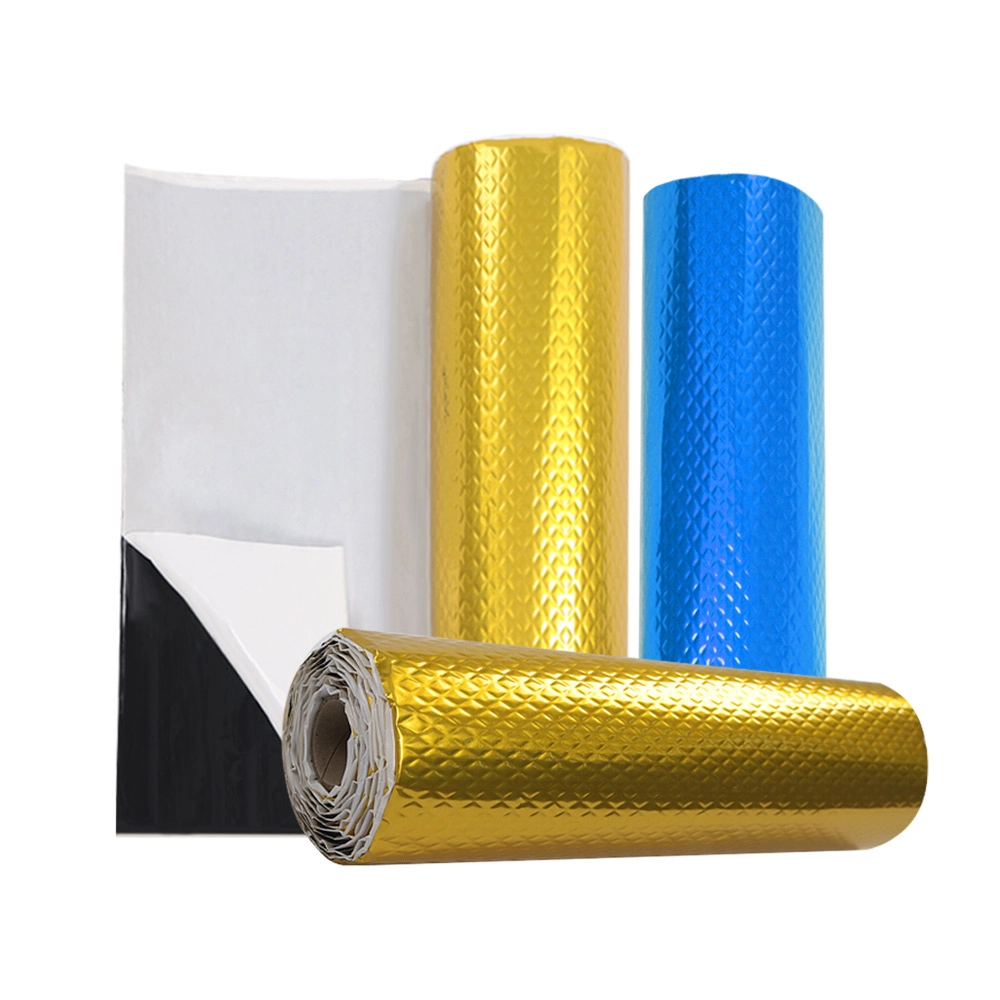
Butyl Rubber Sound Damping Mat
ASLONG Butyl Rubber Sound Damping Mat for sale. Effectively reduces noise and vibrations. High-quality butyl rubber ensures superior performance and durability. Ideal for automotive, industrial, and home applications.
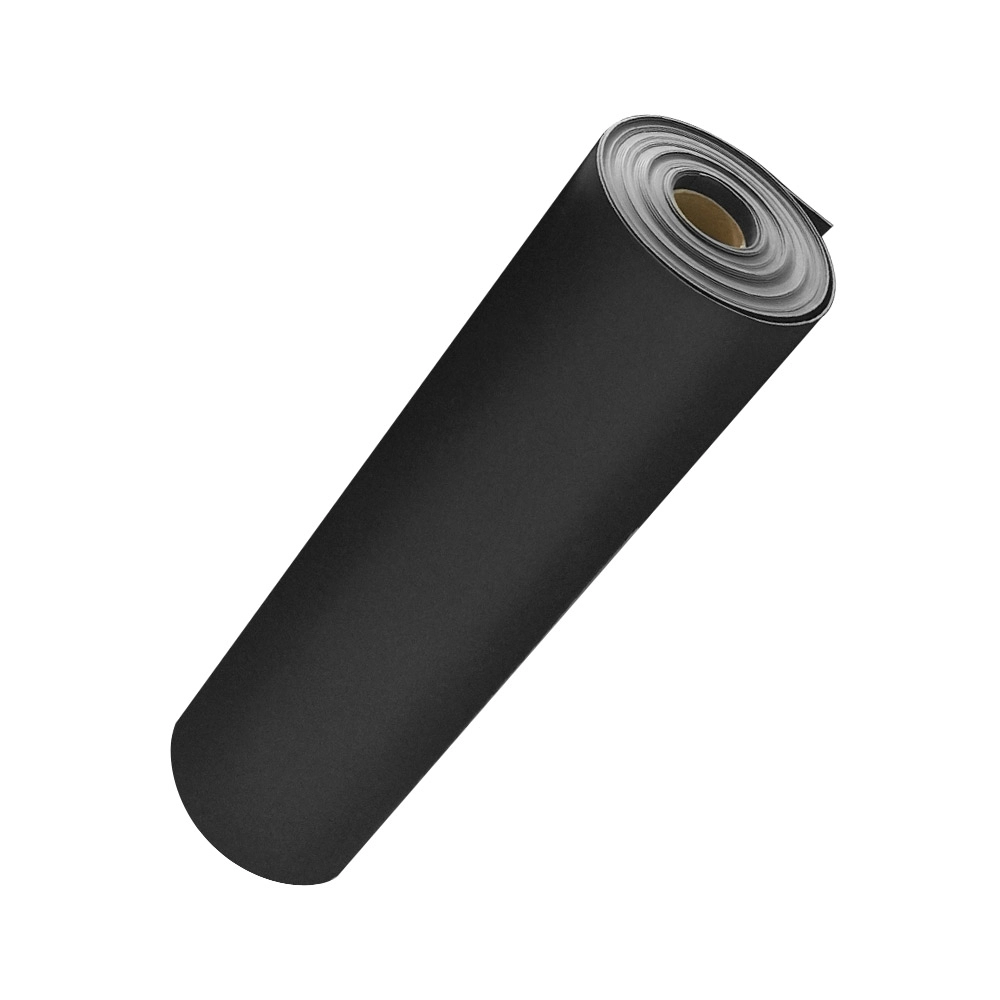
Mass Loaded Vinyl
ASLONG Mass Loaded Vinyl for sale. Reduce noise pollution effectively with our high-quality, mass-loaded vinyl. Ideal for soundproofing walls, floors, and more. Buy now and experience the difference!
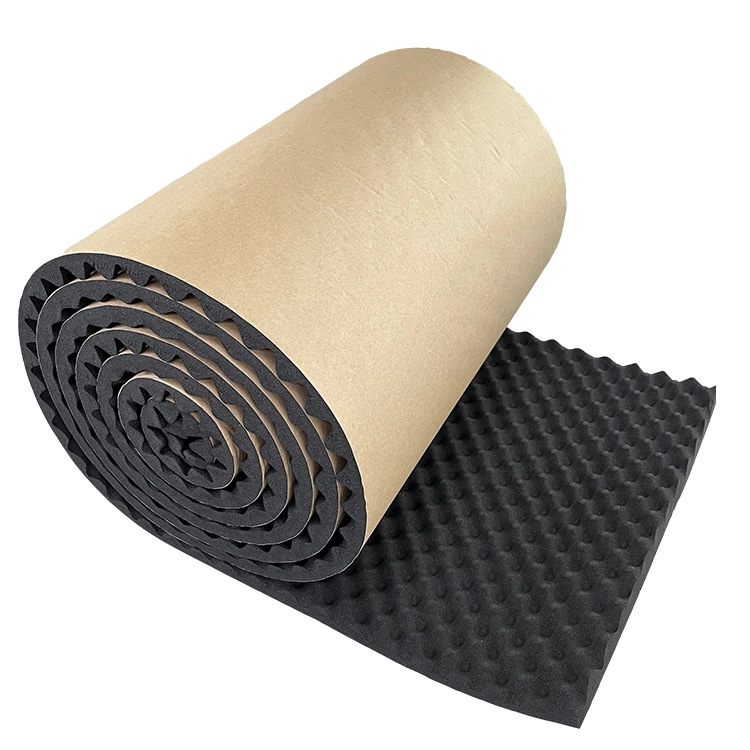
Egg Crate Foam
ASLONG Egg Crate Foam for sale. Lightweight, breathable, and comfortable, our egg crate foam provides superior support and pressure relief. Perfect for mattresses, cushions, cars, construction industry, KTV, factories, etc.
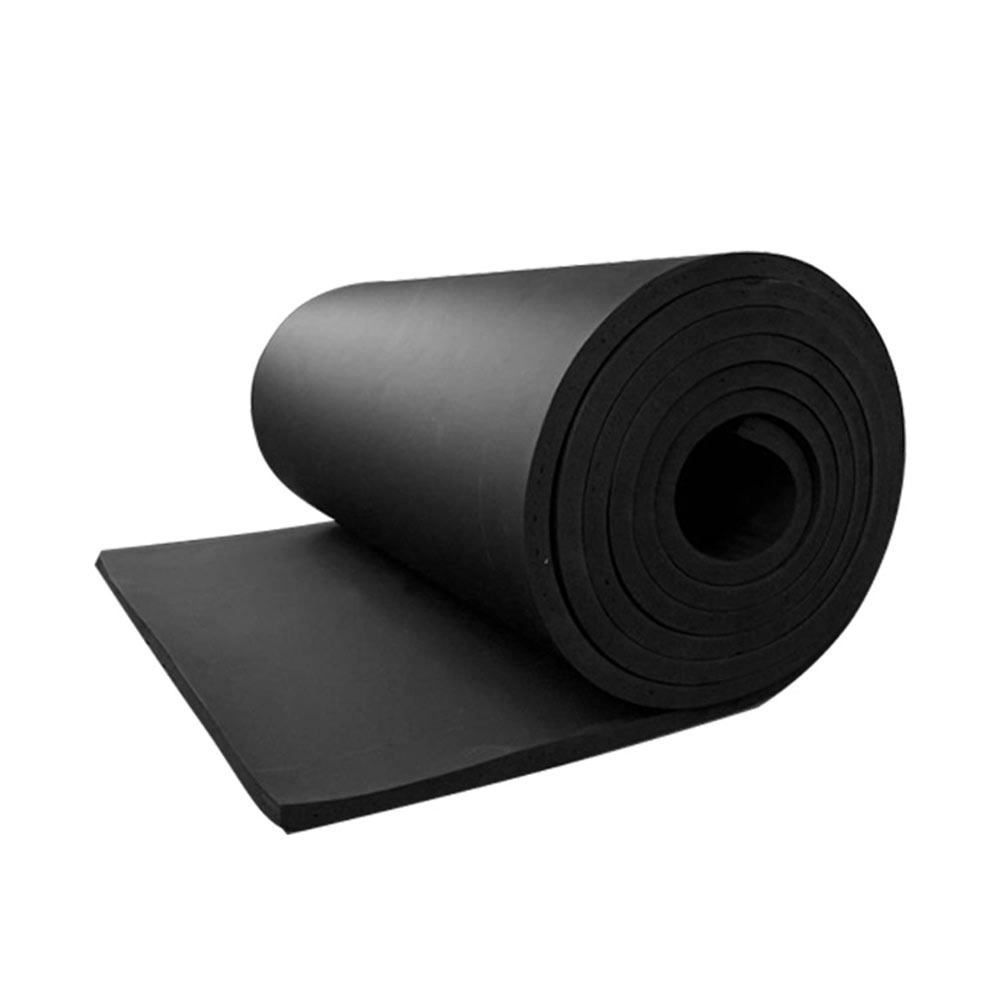
NBR Foam
ASLONG NBR Foam: Wholesale NBR foam solutions for diverse applications. High-quality, durable, and competitively priced. Contact us today for bulk orders.
Professional support at any time
If you have any comments or good suggestions, please leave us a message; later our professional staff will contact you as soon as possible.
© 2026 ASLONG All Rights Reserved. Privacy Policy | Terms and Conditions | Sitemap

 It would be pleasure to receive from you.
Whatsapp: +8613242879341
ASLONG Global
ASLONG
Aslong_global