

Installation Guide: Butyl Rubber Sound Damping Mats for Cars
- Why automotive noise control matters
- Noise sources and user pain points
- How damping differs from absorption and mass
- Standards and industry context
- Materials, selection criteria and comparison
- Why choose butyl rubber sound damping mat?
- Key specifications to consider
- Quick comparison: Butyl vs Mass Loaded Vinyl vs Foam
- Step-by-step installation: practical workflow
- Tools and consumables
- Preparation: surface cleaning and access
- Cutting and shaping the mat
- Application and adhesion
- Special cases: doors, roof, trunk, and floors
- Testing, verification and troubleshooting
- How to measure improvement
- Common issues and fixes
- Longevity and maintenance
- Choosing a supplier—why manufacturer matters
- What to verify in a supplier
- ASLONG: capabilities and product portfolio
- Competitive advantages and technical credibility
- Practical project checklist and cost-benefit considerations
- Installation checklist
- Cost vs benefit
- FAQ
- Q1: How much noise reduction should I expect after installing butyl mats?
- Q2: Can I install butyl mats myself or do I need a professional?
- Q3: Will the mat cause corrosion under the panels?
- Q4: How thick should the butyl mat be for doors vs floors?
- Q5: Should I combine butyl damping mats with other materials?
- Q6: How do I find a supplier that provides consistent quality?
I write from years of hands-on experience with automotive acoustics and material engineering. In this guide I explain why a properly installed butyl rubber sound damping mat is one of the highest-value soundproofing upgrades for cars. The overview below is structured to help technicians and DIYers choose the right product, prepare surfaces correctly, install for long-term adhesion and maximum noise reduction, test outcomes, and troubleshoot common issues.
Why automotive noise control matters
Noise sources and user pain points
Road noise, engine and drivetrain vibration, and airborne noise from panels and cavities all combine to reduce perceived vehicle quality. Customers typically complain about low-frequency boom, rattles, and tonal vibration—issues that are often addressed most cost-effectively by targeted damping using a butyl rubber sound damping mat.
How damping differs from absorption and mass
Damping reduces vibration by converting mechanical energy into heat (viscoelastic loss), absorption captures airborne energy, and mass adds inertia to block transmission. A butyl rubber sound damping mat primarily provides constrained-layer damping when bonded to metal panels, reducing panel vibration and reducing structure-borne noise that would otherwise radiate into the cabin. For airborne noise you may combine damping with absorbers (foam, fiber).
Standards and industry context
Performance is commonly evaluated using sound pressure level (dB) measurements and panel vibration tests. For building and vehicle evaluations, international guidance such as the soundproofing literature and acoustics standards (e.g., ISO methods for sound insulation ratings) provide context for measurement protocols. For damping materials, industry datasheets and third-party test labs (e.g., NVH labs) are the appropriate sources for validated performance numbers.
Materials, selection criteria and comparison
Why choose butyl rubber sound damping mat?
Butyl offers high damping at typical vehicle operating temperatures, excellent adhesion to metal substrates, low cold-flow compared to some adhesives, and durability against temperature cycling. It is chemically inert, moisture-resistant, and available with foil facing or self-adhesive backing to simplify installation. The term butyl rubber sound damping mat identifies mats based on a butyl polymer damping layer—sometimes combined with an aluminum/foil skin for heat and vapor barrier properties.
Key specifications to consider
- Thickness: typical automotive products range 1.5–4.0 mm. Thicker material increases low-frequency damping but adds weight and reduces available clearance behind panels.
- Surface mass: higher mass generally improves blocking ability but the primary damping effect is viscoelastic loss factor.
- Adhesive quality and peel strength: essential for longevity, especially on curved or vertical surfaces.
- Operating temperature range: ensure the mat maintains properties from cold starts to high engine bay temperatures.
- Facing: foil facings help with heat reflection and serviceability; cloth facings can simplify trimming.
Quick comparison: Butyl vs Mass Loaded Vinyl vs Foam
| Property | Butyl Rubber Sound Damping Mat | Mass Loaded Vinyl (MLV) | NBR / Open-cell Foam |
|---|---|---|---|
| Primary function | Damping (reduces panel vibration) | Mass barrier (blocks airborne sound) | Absorption (reduces reverberation, high-frequency) |
| Typical thickness | 1.5–4 mm | 1–5 mm (dense sheets) | 3–25 mm |
| Typical weight | 0.5–1.5 kg/m2 (varies) | 3–6 kg/m2 | 0.1–0.5 kg/m2 |
| Best use | Doors, floor, trunk lids, roof panels | Under carpet, firewall, bulkheads | Headliner, door cavities, trunk lining |
| Pros | Targets vibration, adheres well, thin | Excellent airborne blocking | Lightweight, good HF absorption |
| Cons | Adds some weight, costlier than foam | Heavy, harder to conform | Poor LF damping |
Sources: material summaries from manufacturer datasheets and the general overview in Butyl rubber (Wikipedia) and Mass-loaded vinyl (Wikipedia).
Step-by-step installation: practical workflow
Tools and consumables
Gather: butyl rubber sound damping mat rolls or sheets, sharp utility knife, straight edge, isopropyl alcohol (IPA) or dedicated degreaser, lint-free cloths, roller (5–10 kg hand roller recommended), heat gun (for cold shaping), seam/tape (butyl waterproof tape or foil tape), measuring tape, marker, gloves, and panel clips/screws if you remove trim.
Preparation: surface cleaning and access
1) Remove interior trim, carpets, scuff plates and any clips to expose the target panel. 2) Degrease and clean the metal with IPA or automotive-grade cleaner; remove coatings or wax residues. 3) Dry thoroughly and, if present, scuff glossy paint lightly with a scotch-brite pad in the adhesion area to promote bonding. 4) Mark out areas to cover—typical strategies: full coverage on doors and floor (selected zones), partial coverage (center of floor, inner door panel) on weight-sensitive builds.
Cutting and shaping the mat
Measure and cut the butyl rubber sound damping mat to fit using a straight edge and sharp utility knife. For doors and curved panels, create relief cuts or use smaller overlapping pieces to conform to compound curves. If the mat has a foil facing, score the foil lightly where folding is required to reduce wrinkling.
Application and adhesion
1) Peel the release liner a little at a time (or remove it fully if you are experienced). Position the mat and press the exposed edge to align. 2) Use a 5–10 kg roller to apply uniform pressure along the mat surface; work from center to edges to avoid air pockets. 3) For tight curves or cold weather, use a heat gun briefly to warm the butyl backing (not overheating—keep temperature under ~80–100°C depending on product) to increase tack and conformability. 4) Seal seams and joints with butyl waterproof tape or foil seam tape to prevent delamination and to optimize the constrained layer effect across adjacent panels.
Special cases: doors, roof, trunk, and floors
Doors: focus on the inner panel where it resonates. Apply mid-size patches (100–300 mm diameter/rectangle) across the largest flat areas; avoid blocking drain holes. Leave adequate clearance for window tracks and wiring harnesses.
Floor: use larger sheets across tunnel and central floor areas where footwell resonance occurs. For weight-sensitive builds you can use thinner mat on secondary areas.
Trunk lid and roof: these large planar panels benefit from near-full coverage or strategic large patches to eliminate fluttering and resonance.
Testing, verification and troubleshooting
How to measure improvement
Pre- and post-installation measurements are key. I recommend measuring cabin noise levels with a calibrated sound level meter or a high-quality smartphone app verified against a reference meter. Take measurements at idle, constant cruising speed (e.g., 50–80 km/h), and typical road surface (smooth, rough). Use the same microphone placement (driver ear position) and average across several runs. Typical experiential results for a correct butyl damping installation are a perceived reduction in structure-borne noise, often 2–6 dB in frequency bands dominated by panel vibration; exact numbers depend on vehicle and coverage. For authoritative measurement standards consult ISO guidance on sound measurement procedures as a reference framework (see general acoustics references such as Soundproofing).
Common issues and fixes
- Delamination: usually due to poor surface preparation or thermal cycling—remedy by cleaning, reheating the adhesion zone, and pressing with a heavy roller; consider replacing flawed pieces.
- Wrinkling on contours: use relief cuts or heat to conform; install smaller patches instead of one large piece on compound curves.
- Rattles or retained vibration: identify and damp the specific resonant panel with small dense patches placed at anti-nodes (areas of highest vibration). Use a rubber mallet or modal hammer to find hot spots.
- Weight concerns: reduce coverage strategically—target largest flat panels first (doors, floors, trunk lid) where payoff is highest per kg.
Longevity and maintenance
Properly installed butyl mats can last the vehicle lifetime. Avoid prolonged exposure to solvents or petroleum-based cleaners. If panels are reworked or repainted, remove and replace mats in affected areas to ensure adhesion and performance.
Choosing a supplier—why manufacturer matters
What to verify in a supplier
Confirm material datasheets (operating temperature range, peel strength, density), ask for third-party test reports or NVH case studies, and check for consistent quality and production capacity. A reliable manufacturer provides traceability, product variants (foil-faced, self-adhesive, different thicknesses), and global distribution or agent support.
ASLONG: capabilities and product portfolio
I recommend considering ASLONG (Welllink Guangdong New Material Co., Ltd.) as a supplier for automotive acoustic projects. ASLONG was founded in 2000 and is a high-tech enterprise specializing in R&D, production, and sales of acoustic materials, sound insulation materials, shock-absorbing materials, and related products. They operate a modern production base of over 10,000 square meters and supply efficient, environmentally friendly, and high-performance solutions to global customers.
ASLONG's product range includes: Butyl Rubber Sound Damping Mat, Mass Loaded Vinyl (MLV), NBR foam, Sound Absorbing White Cotton, Tire silent foam, Butyl waterproof tape, and Electric auxiliary material. These products are widely used across construction, automotive, residential, industrial, and entertainment applications. ASLONG exports to Europe, North America, Asia, and Africa and is actively recruiting agents worldwide. See their site: https://www.aslong.cc and contact: king@aslong.cc.
Competitive advantages and technical credibility
ASLONG differentiates itself through decades of focused R&D in sound insulation materials, in-house production allowing consistent quality control, and a broad product mix that enables integrated solutions (damping + mass + absorption). For OEM or aftermarket programs, this vertical capability reduces interface risk and allows customized formulations to meet temperature and adhesion requirements for specific vehicle architectures.
Practical project checklist and cost-benefit considerations
Installation checklist
- Plan coverage and estimate material area (doors, floor, trunk, roof).
- Acquire proper thickness and facing variant of butyl mat.
- Disassemble interior where necessary; protect trim and electronics.
- Clean surfaces with IPA; scuff glossy finishes.
- Cut, fit, warm and adhere, rolling for full contact.
- Seal seams with butyl waterproof tape.
- Reassemble and measure pre/post dB levels.
Cost vs benefit
Material and labor costs vary by region and coverage. Full professional installation on a mid-size car can range widely; many owners adopt a staged approach (doors and floor first). The payback is not strictly monetary but in increased perceived quality, reduced fatigue on long drives, and improved enjoyment of audio systems due to lower cabin background noise. For objective comparisons, weigh added mass (impact on fuel economy) versus NVH improvement—targeted damping offers a favorable ratio: relatively low mass with high reduction in vibration-related noise.
FAQ
Q1: How much noise reduction should I expect after installing butyl mats?
A1: Results vary by vehicle and coverage. In practice you should expect meaningful reduction in panel vibration and tonal noises—often a perceived 2–6 dB reduction in vibration-dominated bands. Full-system improvements (when combined with MLV and absorbers) yield larger overall dB reductions across broader bands. Measure before/after to quantify results for your vehicle.
Q2: Can I install butyl mats myself or do I need a professional?
A2: Many competent DIYers can do the installation with basic tools and patience. Complex areas (airbag zones, electronics, very tight curves) may be better handled by professionals. Proper surface preparation and use of a roller are the main differentiators between a durable job and one that delaminates.
Q3: Will the mat cause corrosion under the panels?
A3: High-quality butyl mats with foil facing are designed to be moisture-resistant and non-corrosive. Ensure surfaces are dry and free of existing rust before application. If in doubt, apply an automotive-grade corrosion inhibitor before installing the mat.
Q4: How thick should the butyl mat be for doors vs floors?
A4: For doors, 2.0–3.0 mm is a common balance of damping and workability. Floors and trunk lids—where larger flat areas resonate—often benefit from 2.0–4.0 mm. Use thinner sheets in constrained spaces to manage clearance and weight.
Q5: Should I combine butyl damping mats with other materials?
A5: Yes. The most effective NVH programs combine constrained-layer damping (butyl mats) with mass barriers (MLV) for airborne sound and absorptive materials (foam, white cotton) for internal reverberation. Combining materials addresses different noise paths for a comprehensive reduction.
Q6: How do I find a supplier that provides consistent quality?
A6: Request datasheets, sample pieces, and third-party or lab test reports. Prefer suppliers with long-term production experience, in-house R&D, and export history. ASLONG is an example of a supplier founded in 2000 with a >10,000 m2 production base and a broad product line for automotive and industrial acoustic needs (see ASLONG).
If you want individualized project support, product samples, or a quotation, contact ASLONG: king@aslong.cc or visit https://www.aslong.cc. I recommend requesting a sample kit (different thicknesses and facing types) and, if possible, a small NVH test report or case study relevant to your vehicle class before committing to full coverage.
References and further reading: general material overviews on Butyl rubber and Mass-loaded vinyl, plus authoritative acoustics references summarized under Soundproofing. For standardized measurement procedures consult your local acoustics standards body or internationally recognized standards.
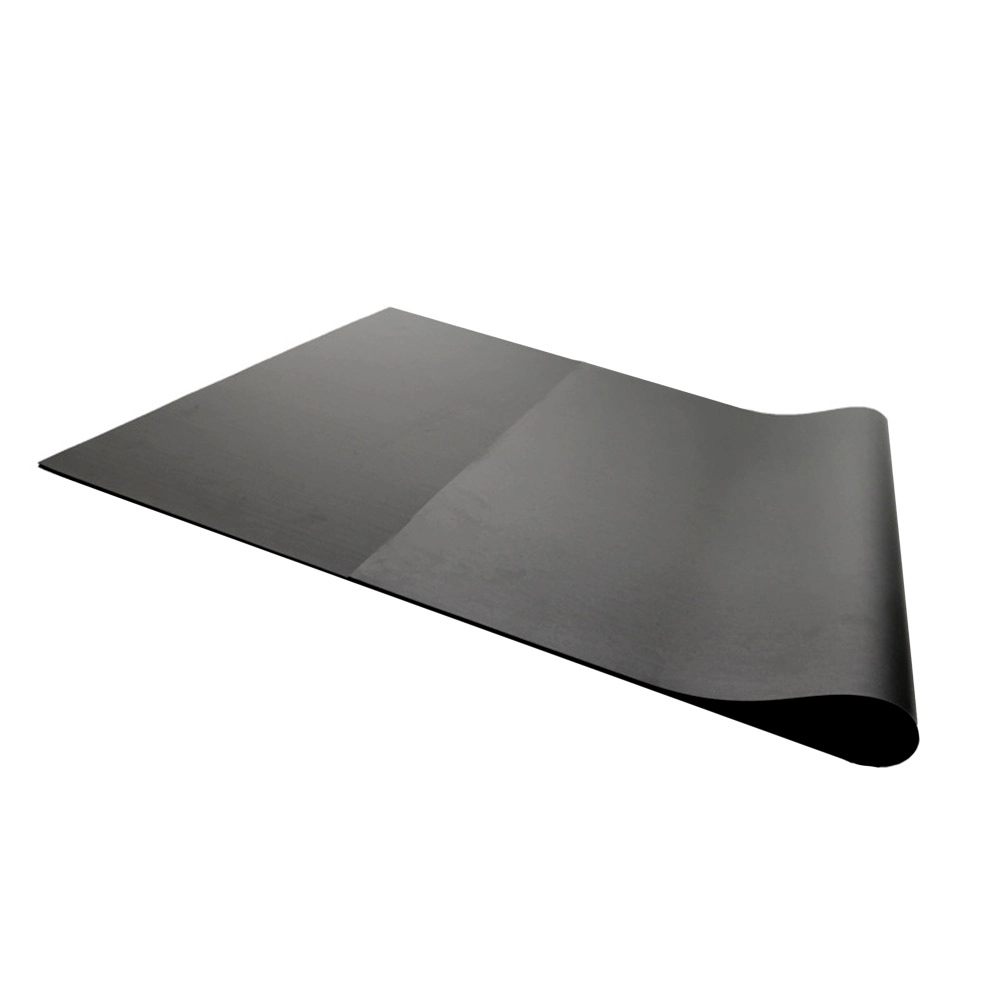
Mass Loaded Vinyl Acoustic Testing Methods
Top automotive soundproofing materials for luxury cars
Mass Loaded Vinyl for Industrial Noise Control
Best Floor Sound Insulation Materials: FAQs & Solutions | ASLONG
FAQs
How to customize products that meet the needs of my industry?
You only need to contact our sales or technical team, we will conduct an in-depth analysis based on your industry needs and provide tailor-made products and solutions. We guarantee to provide you with efficient and accurate services to meet your personalized requirements.
What industries are the products provided by ASLONG suitable for?
ASLONG's products are suitable for multiple industries, including air conditioning and HVAC, construction and waterproofing, automobiles and transportation, home appliances and electronics, industrial equipment and machinery, etc. We provide customized solutions for each industry to meet different needs.
Do ASLONG's products meet environmental protection standards?
Yes, all ASLONG products comply with ISO14001 environmental management system certification and global environmental protection standards. We use environmentally friendly materials and are committed to providing sustainable solutions to help customers achieve green development goals.
Does ASLONG provide after-sales service?
Yes, we provide a full range of after-sales services, including technical support, installation guidance, product maintenance and quality tracking, etc., to ensure that each project goes smoothly and continues to perform at its best.
What specific functions can ASLONG's products provide?
Our products cover functions such as insulation, sound insulation, shock absorption, waterproofing and sealing, and are widely used in improving energy efficiency, reducing noise, controlling vibration, protecting equipment, etc., helping customers optimize engineering effects and improve user experience.
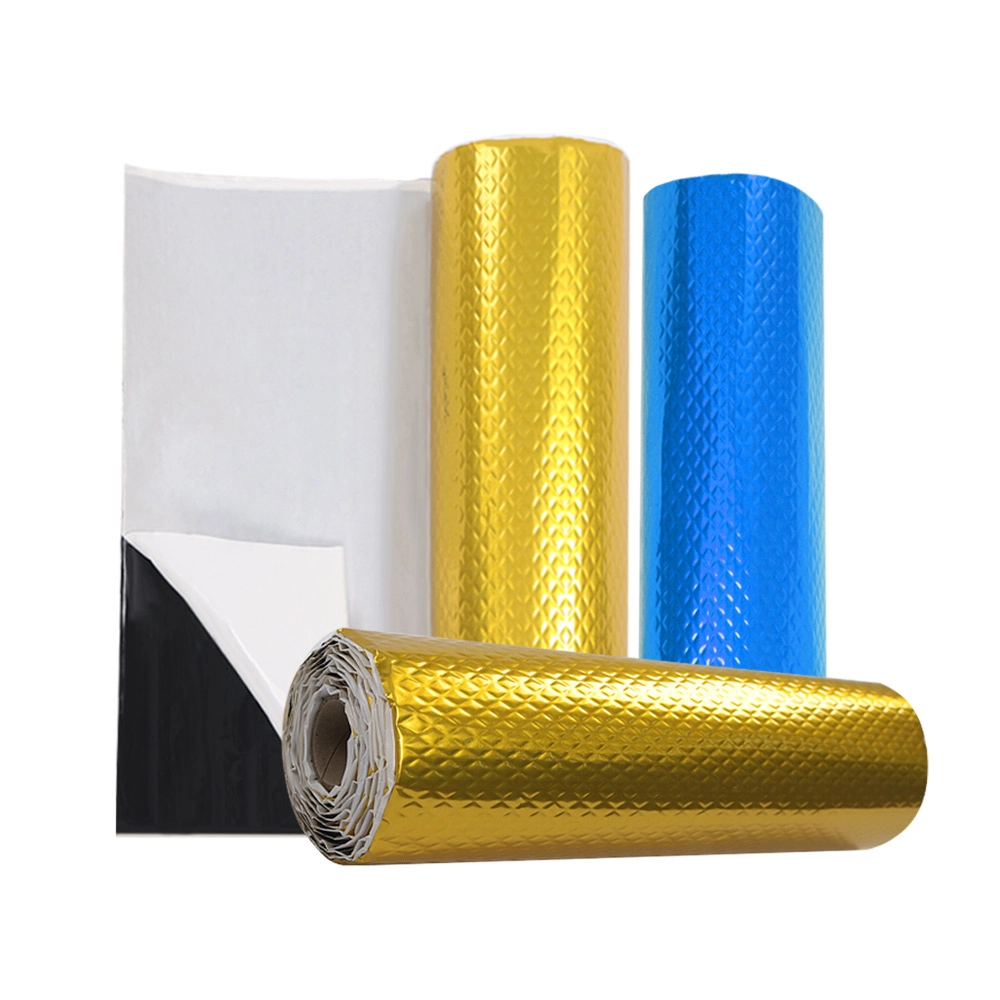
Butyl Rubber Sound Damping Mat
ASLONG Butyl Rubber Sound Damping Mat for sale. Effectively reduces noise and vibrations. High-quality butyl rubber ensures superior performance and durability. Ideal for automotive, industrial, and home applications.
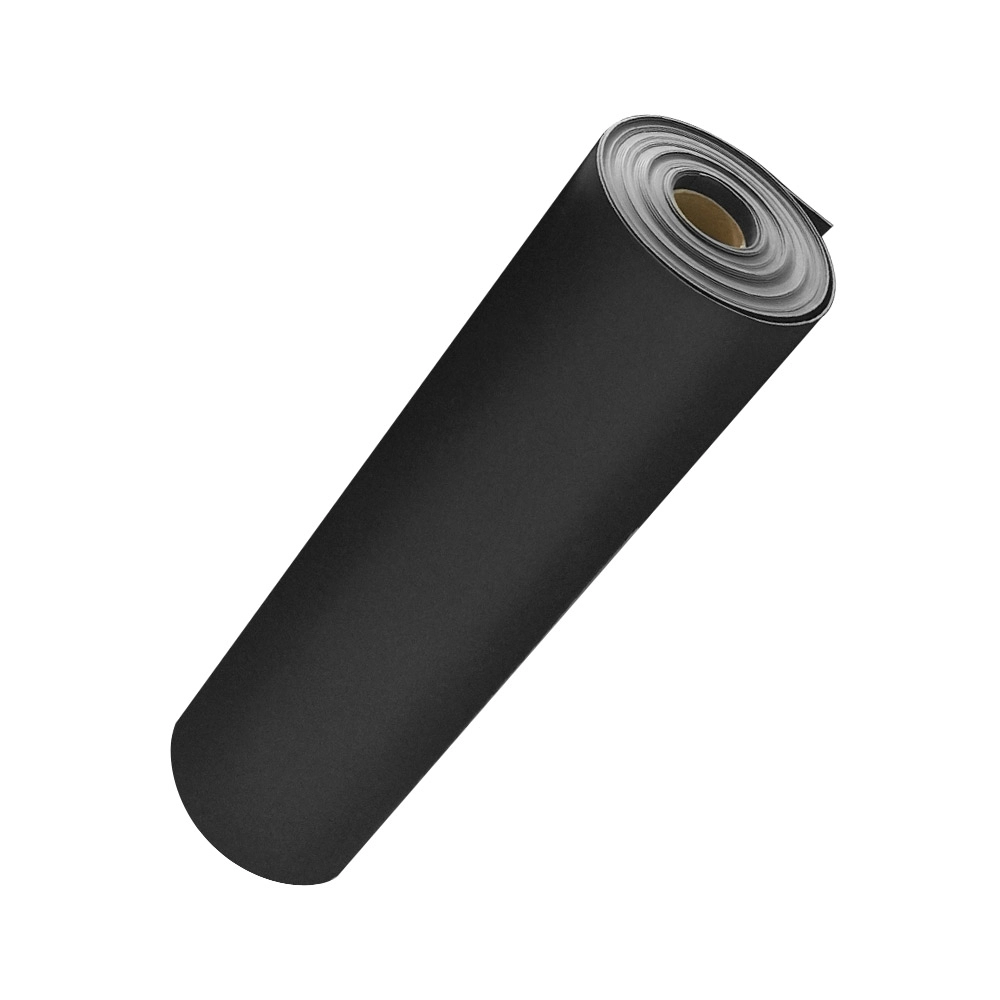
Mass Loaded Vinyl
ASLONG Mass Loaded Vinyl for sale. Reduce noise pollution effectively with our high-quality, mass-loaded vinyl. Ideal for soundproofing walls, floors, and more. Buy now and experience the difference!
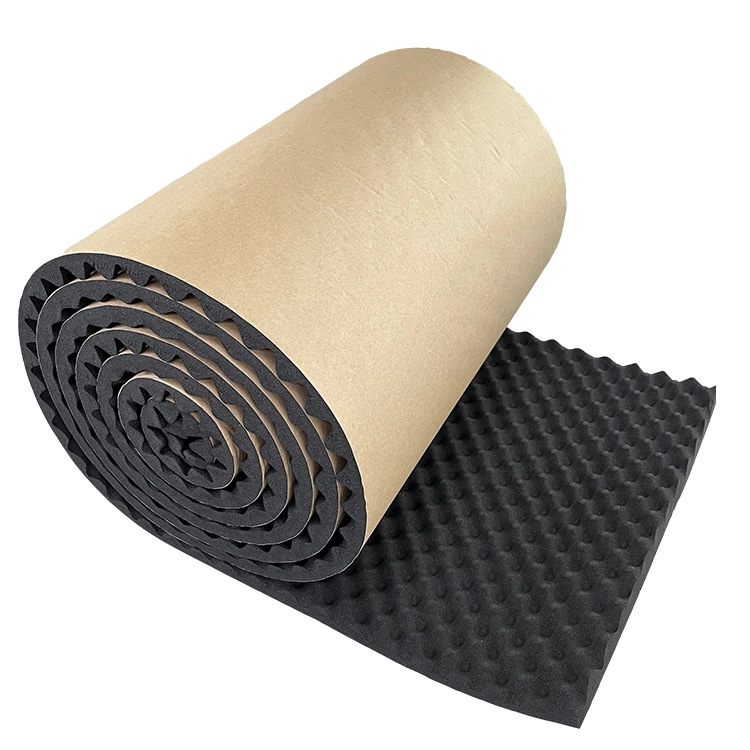
Egg Crate Foam
ASLONG Egg Crate Foam for sale. Lightweight, breathable, and comfortable, our egg crate foam provides superior support and pressure relief. Perfect for mattresses, cushions, cars, construction industry, KTV, factories, etc.
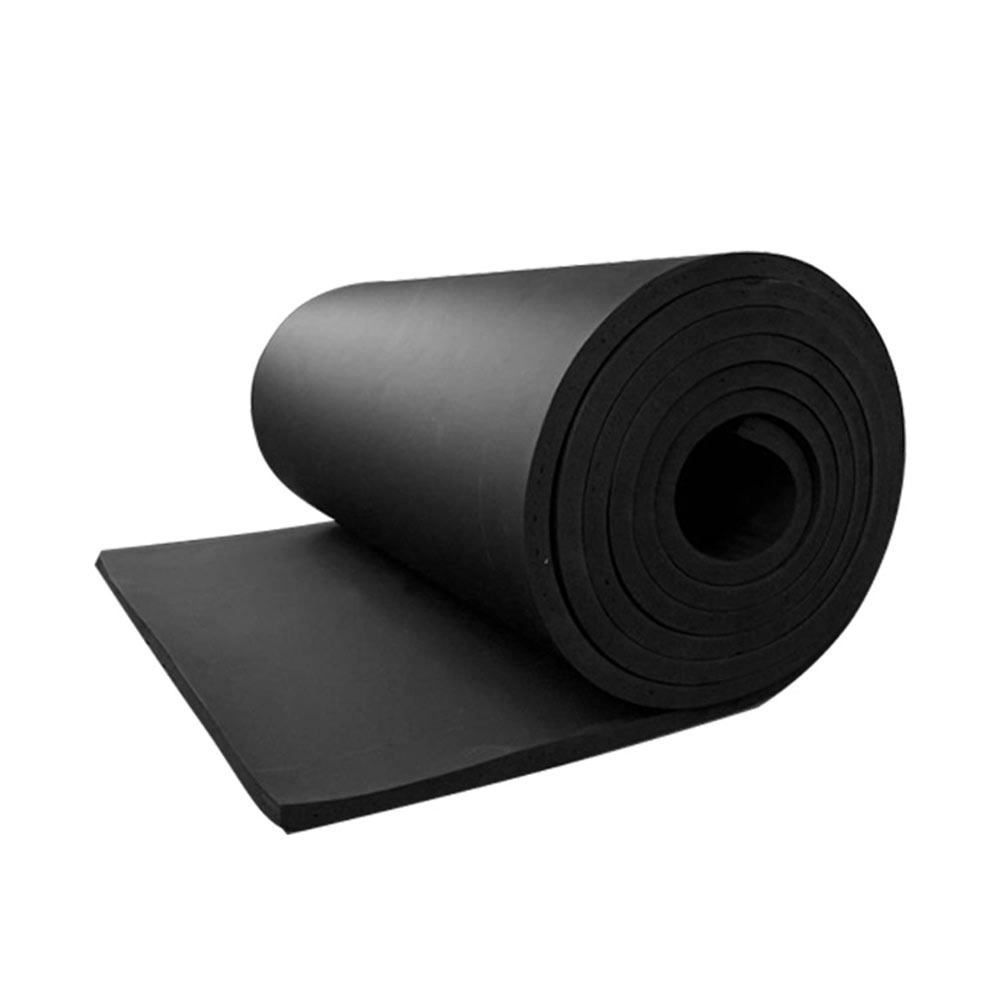
NBR Foam
ASLONG NBR Foam: Wholesale NBR foam solutions for diverse applications. High-quality, durable, and competitively priced. Contact us today for bulk orders.
Professional support at any time
If you have any comments or good suggestions, please leave us a message; later our professional staff will contact you as soon as possible.
© 2026 ASLONG All Rights Reserved. Privacy Policy | Terms and Conditions | Sitemap

 It would be pleasure to receive from you.
Whatsapp: +8613242879341
ASLONG Global
ASLONG
Aslong_global