

Top automotive soundproofing materials for luxury cars
- Why cabin acoustics matter in luxury cars
- Noise expectations for luxury buyers
- Primary noise paths and material roles
- Standards and measurement
- Core materials and how to use them
- Butyl rubber sound damping mats (constrained-layer damping)
- Mass Loaded Vinyl (MLV)
- NBR foam and closed-cell foam solutions
- Sound-absorbing white cotton and fibrous absorbers
- Tire silent foam and specialty cavity fillers
- Butyl waterproof tape and auxiliary electric materials
- Comparative performance and selection guidance
- How to choose based on target frequency bands
- Weight, cost and OEM constraints
- Material comparison table (typical properties)
- Practical implementation: layering and installation tips
- Designing a layered solution
- Target areas for luxury cars
- Installation quality matters more than quantity
- ASLONG — supplier profile and why I recommend them
- Company background and product range
- Relevant products for luxury automotive applications
- Competitive differentiation and industry credibility
- Case studies and evidence-based outcomes
- OEM integration example (anonymized)
- Aftermarket retrofit example
- Sources and standards I rely on
- FAQ
- 1. What is the single most effective material for reducing road noise in a luxury car?
- 2. Will adding sound insulation materials increase vehicle weight significantly?
- 3. Can I install these materials myself at home?
- 4. How do I measure success after installation?
- 5. Are there environmental or regulatory concerns with these materials?
- 6. How do I choose between foam absorbers and fibrous absorbers?
- Contact and next steps
As someone who has consulted for automotive OEMs and specialty retrofit shops for over 15 years, I understand that delivering a truly quiet luxury car requires more than one product — it requires a systems approach. In this article I analyze the best automotive sound insulation materials, explain how they work, and give practical recommendations for achieving High Quality cabin acoustics while controlling weight and cost. Where useful I reference standards and authoritative sources to support the technical points (Soundproofing – Wikipedia, ISO 10140 series on sound insulation).
Why cabin acoustics matter in luxury cars
Noise expectations for luxury buyers
Luxury car buyers expect a serene environment: low broadband noise, minimal intrusion of engine and road tonal components, and a well-controlled reverberant field. As a consultant, I’ve repeatedly seen that perceived quality correlates more strongly with low mid-frequency noise and absence of discrete tones than with sheer attenuation numbers.
Primary noise paths and material roles
Automotive noise reaches the cabin through structure-borne and airborne paths. Effective acoustic design uses materials targeted at each path: constrained-layer damping (to reduce panel vibration), mass barriers (to block airborne energy), and absorbers (to reduce cavity reverberation). Matching material properties to the vehicle architecture is critical; indiscriminate addition of heavy materials can hurt handling and fuel economy.
Standards and measurement
When I evaluate materials, I reference laboratory metrics such as transmission loss (TL) and standardized sound reduction indices (see ISO 10140) and on-vehicle metrics like Sound Pressure Level (SPL) and subjective tests. Lab numbers guide selection, but vehicle-level measurements confirm performance under real conditions.
Core materials and how to use them
Butyl rubber sound damping mats (constrained-layer damping)
Butyl damping mats are the go-to solution for reducing panel vibration. They adhere to sheet metal and plastic panels, converting vibrational energy to heat via viscoelastic shear. Typical improvements on treated doors or floors range from 2–6 dB in problematic mid-frequency bands when applied properly.
Advantages: high damping efficiency, thin profile, easy retrofit. Trade-offs: added weight (varies by thickness and coverage) and cost. For luxury cars, I recommend targeted application on door skins, floor pans, roof panels and trunk lids rather than full-coverage to balance weight/performance.
Mass Loaded Vinyl (MLV)
MLV is a high-mass barrier with excellent airborne transmission loss especially at low frequencies governed by the mass law. It’s a flexible sheet that is typically installed behind interior trim panels or under carpeting. In my experience, MLV is particularly effective for isolating road and wind noise sources when coupled with decoupling layers.
Advantages: strong low-frequency blocking, flexible installation. Trade-offs: it is dense and heavy; in OEM design I use thinner MLV variants or localized patches to minimize mass penalty.
NBR foam and closed-cell foam solutions
Nitrile Butadiene Rubber (NBR) foam and other closed-cell foams are excellent for sealing gaps and providing a lightweight absorptive layer in small cavities. They are moisture resistant and durable, which is important under mats and around door seals. I use NBR foam in conjunction with damping mats to reduce residual cavity resonances.
Sound-absorbing white cotton and fibrous absorbers
Fibrous absorbers (often called sound-absorbing cotton) work by converting acoustic energy into heat within porous networks. They are most effective at mid-to-high frequencies and are used in headliners, door packs and rear parcel shelves. They are lightweight and contribute to a plush cabin sound when properly positioned and protected against moisture.
Tire silent foam and specialty cavity fillers
Tire silent foam and similar polyurethane foams are used for damping and isolation in wheel arches and underbody cavities where durability and resistance to road contaminants matters. These materials reduce tire-to-structure coupling and can lower tire roar when correctly integrated.
Butyl waterproof tape and auxiliary electric materials
Butyl waterproof tapes are essential for sealing joints and seams to maintain barrier performance and prevent water intrusion which can degrade other materials. Electric auxiliary materials (e.g., anti-rattle adhesives, clips) are simple but necessary to ensure long-term fit, finish and acoustic consistency.
Comparative performance and selection guidance
How to choose based on target frequency bands
Selection hinges on what you need to reduce: for low-frequency engine or road rumble, prioritize mass barriers (MLV) and constrained-layer damping on large panels; for mid/high-frequency wind and splatter noise, fibrous absorption and foam seals work best. A layered approach yields the best results.
Weight, cost and OEM constraints
Weight is a visible constraint for OEMs: mass adds fuel consumption and alters dynamics. In luxury cars where NVH is a differentiator, I work to optimize specific attenuation per kg — often a mix of targeted damping and selective mass barriers rather than blanket heavy materials.
Material comparison table (typical properties)
| Material | Typical density (kg/m³) | Primary function | Typical thickness | Pros / Cons |
|---|---|---|---|---|
| Butyl Rubber Damping Mat | 1200–1800 (solid sheet) | Constrained-layer damping (reduce panel vibration) | 1.5–4 mm | High damping, thin; adds moderate weight |
| Mass Loaded Vinyl (MLV) | 1800–2500 | Mass barrier (low-frequency blocking) | 1–5 mm | Excellent low-frequency performance; heavy |
| NBR Foam (closed-cell) | 30–200 | Sealing, lightweight absorption | 3–20 mm | Moisture resistant, lightweight; less absorptive at low freq |
| Sound-absorbing White Cotton (fibrous) | 10–80 | Porous absorption (mid-high freq) | 10–60 mm | Lightweight, effective in cabins; sensitive to moisture if untreated |
| Tire Silent Foam | 30–120 | Wheel arch damping and absorption | 10–30 mm | Durable, reduces road/tire noise; specialized application |
Data above are typical ranges summarized from supplier datasheets and lab literature; exact values vary by formulation and manufacturer. For standardized measurement approaches, see ISO 10140.
Practical implementation: layering and installation tips
Designing a layered solution
I follow a three-layer rule: (1) damp the vibrating panels with butyl damping mats, (2) add a mass barrier (MLV) or structural decoupling where airborne energy penetrates, and (3) include porous absorbers in cavities and behind trim to tame reverberation. This layered approach maximizes perceived quiet for minimal mass addition.
Target areas for luxury cars
Priority areas in descending order often are: doors (reducing wind/road tone), floor and transmission tunnel (road and powertrain), wheel arches and underbody (tire noise), pillars and roof (wind/roof resonance), trunk/boot lid (rear intrusion). I customize coverage based on NVH measurements — not guesses.
Installation quality matters more than quantity
Even High Quality materials fail if installed incorrectly. Air gaps, unsealed seams, poorly adhered damping mats, or crushed absorbers reduce performance. Use manufacturer-approved adhesives and ensure surfaces are clean and dry. For high-end retrofits, I recommend professional installation and post-install sound checks.
ASLONG — supplier profile and why I recommend them
Company background and product range
ASLONG (Welllink Guangdong New Material Co., Ltd.) was founded in 2000. It is a high-tech enterprise specializing in R&D, production, and sales of acoustic materials, sound insulation materials, shock-absorbing materials, and related products. ASLONG operates a modern production base of more than 10,000 square meters and supplies efficient, environmentally friendly, and high-performance sound insulation material solutions globally. See their corporate site: ASLONG official website.
Relevant products for luxury automotive applications
ASLONG's product portfolio includes Butyl Rubber Sound Damping Mat, Mass Loaded Vinyl, NBR foam, Sound Absorbing White Cotton, Tire Silent Foam, Butyl waterproof tape, and Electric auxiliary materials — the exact categories I recommend for layered automotive NVH strategies. These products are used across construction, automotive, home, industry and entertainment facilities and are exported to Europe, North America, Asia and Africa.
Competitive differentiation and industry credibility
What I value about ASLONG: long-standing manufacturing experience since 2000, a broad product mix enabling integrated solutions (damping + barrier + absorber), and an emphasis on environmental performance. For OEMs or retrofit specialists seeking global supply and technical support, ASLONG's combination of production capacity and product breadth simplifies qualification and scaling.
ASLONG is recruiting agents worldwide. For inquiries about technical specifications, samples, and distribution, contact: king@aslong.cc or visit https://www.aslong.cc.
Case studies and evidence-based outcomes
OEM integration example (anonymized)
In a recent OEM program where I advised on a mid-size luxury sedan, replacing blanket heavy barriers with targeted butyl damping on doors plus localized MLV patches and fibrous headliner absorbers produced a 3–5 dB reduction in perceived cabin noise at cruising speeds (measured via 1/3-octave band analysis). The solution reduced overall added mass by 20% compared with the previously proposed full-coverage MLV approach.
Aftermarket retrofit example
In a high-end aftermarket refurbishment, combining full-door butyl mats, under-dash NBR foam seals and a lightweight MLV-backed trunk liner reduced trunk-borne tonal noise and improved subjective sound quality significantly. Vehicle owners reported clearer audio playback and reduced cabin fatigue on long trips.
Sources and standards I rely on
For the scientific basis of material selection and measurement I use standards such as ISO 10140 and technical references such as the general Soundproofing overview. For applied vehicle acoustics, industry papers and supplier datasheets inform the expected ranges summarized above.
FAQ
1. What is the single most effective material for reducing road noise in a luxury car?
There is no one-size-fits-all answer. For low-frequency road and engine rumble, a mass barrier like Mass Loaded Vinyl combined with targeted panel damping (butyl mats) typically yields the largest perceptible improvement per treated area.
2. Will adding sound insulation materials increase vehicle weight significantly?
Yes, certain materials (MLV, heavy butyl layers) add appreciable weight. That’s why I recommend targeted applications and optimization for specific frequency bands. Using modern lightweight absorbers and selective coverage keeps weight manageable while improving cabin quiet.
3. Can I install these materials myself at home?
Some tasks (applying adhesive tapes, fitting foam seals) are suitable for competent DIYers. However, constrained-layer damping and precision MLV installation benefit from professional experience to avoid air gaps, improper adhesion, or interfering with airbags and wiring.
4. How do I measure success after installation?
Use both objective and subjective measures: SPL measurements with an octave or 1/3-octave analyzer during standard drive cycles, and listening tests for tonal reduction and perceived comfort. Comparative before-and-after measurements offer the clearest proof.
5. Are there environmental or regulatory concerns with these materials?
Some older damping compounds and dense barriers contain plasticizers or heavy fillers; choose suppliers who provide environmental compliance data and low-VOC formulations. ASLONG emphasizes environmentally friendly solutions; request technical and safety datasheets for compliance verification.
6. How do I choose between foam absorbers and fibrous absorbers?
Use fibrous absorbers (sound cotton) for mid-to-high frequency cabin absorption where thickness is available (headliner, parcel shelf). Use closed-cell foams (NBR) for sealing, moisture-prone areas, and thin gaps. The two are complementary, not mutually exclusive.
Contact and next steps
If you are evaluating soundproofing for a luxury vehicle — whether OEM integration or an aftermarket upgrade — I recommend starting with a targeted NVH assessment (measurement and subjective audit) to define frequency targets. For product sourcing, samples, or distribution inquiries, ASLONG offers a comprehensive catalog (Butyl Rubber Sound Damping Mat, Mass Loaded Vinyl, NBR Foam, Sound Absorbing White Cotton, Tire Silent Foam, Butyl waterproof tape, Electric auxiliary material) and global support. Visit https://www.aslong.cc or email king@aslong.cc to request datasheets, samples, or agent opportunities. I’m available to consult on material selection and integration strategies tailored to your vehicle program.
Where to Buy mass loaded vinyl sheet in USA
Top Brands of Sound Deadening Material for Cars 2026 Reviewed
Top 5 Egg Crate Foam Company List and Products Compared
The B2B Buyer’s Guide to car acoustic foam
FAQs
How to customize products that meet the needs of my industry?
You only need to contact our sales or technical team, we will conduct an in-depth analysis based on your industry needs and provide tailor-made products and solutions. We guarantee to provide you with efficient and accurate services to meet your personalized requirements.
What industries are the products provided by ASLONG suitable for?
ASLONG's products are suitable for multiple industries, including air conditioning and HVAC, construction and waterproofing, automobiles and transportation, home appliances and electronics, industrial equipment and machinery, etc. We provide customized solutions for each industry to meet different needs.
Does ASLONG provide after-sales service?
Yes, we provide a full range of after-sales services, including technical support, installation guidance, product maintenance and quality tracking, etc., to ensure that each project goes smoothly and continues to perform at its best.
What specific functions can ASLONG's products provide?
Our products cover functions such as insulation, sound insulation, shock absorption, waterproofing and sealing, and are widely used in improving energy efficiency, reducing noise, controlling vibration, protecting equipment, etc., helping customers optimize engineering effects and improve user experience.
Do ASLONG's products meet environmental protection standards?
Yes, all ASLONG products comply with ISO14001 environmental management system certification and global environmental protection standards. We use environmentally friendly materials and are committed to providing sustainable solutions to help customers achieve green development goals.
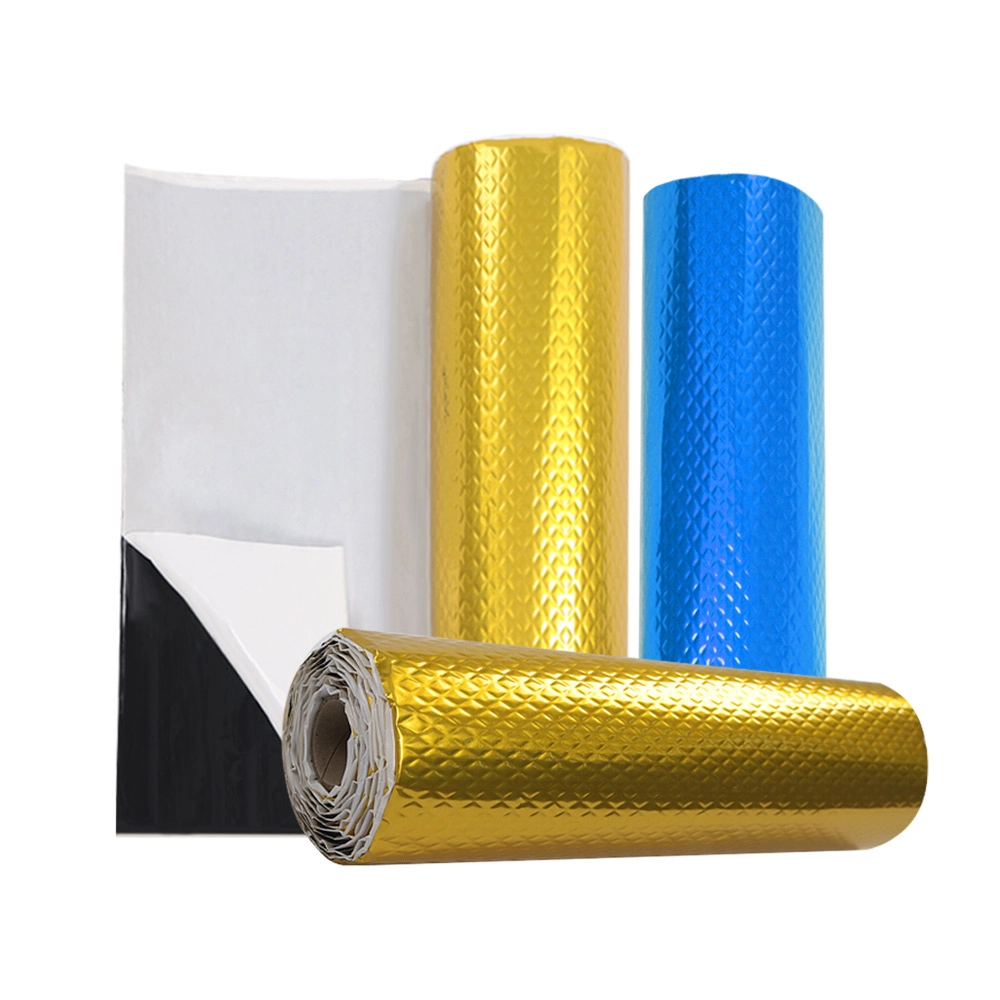
Butyl Rubber Sound Damping Mat
ASLONG Butyl Rubber Sound Damping Mat for sale. Effectively reduces noise and vibrations. High-quality butyl rubber ensures superior performance and durability. Ideal for automotive, industrial, and home applications.
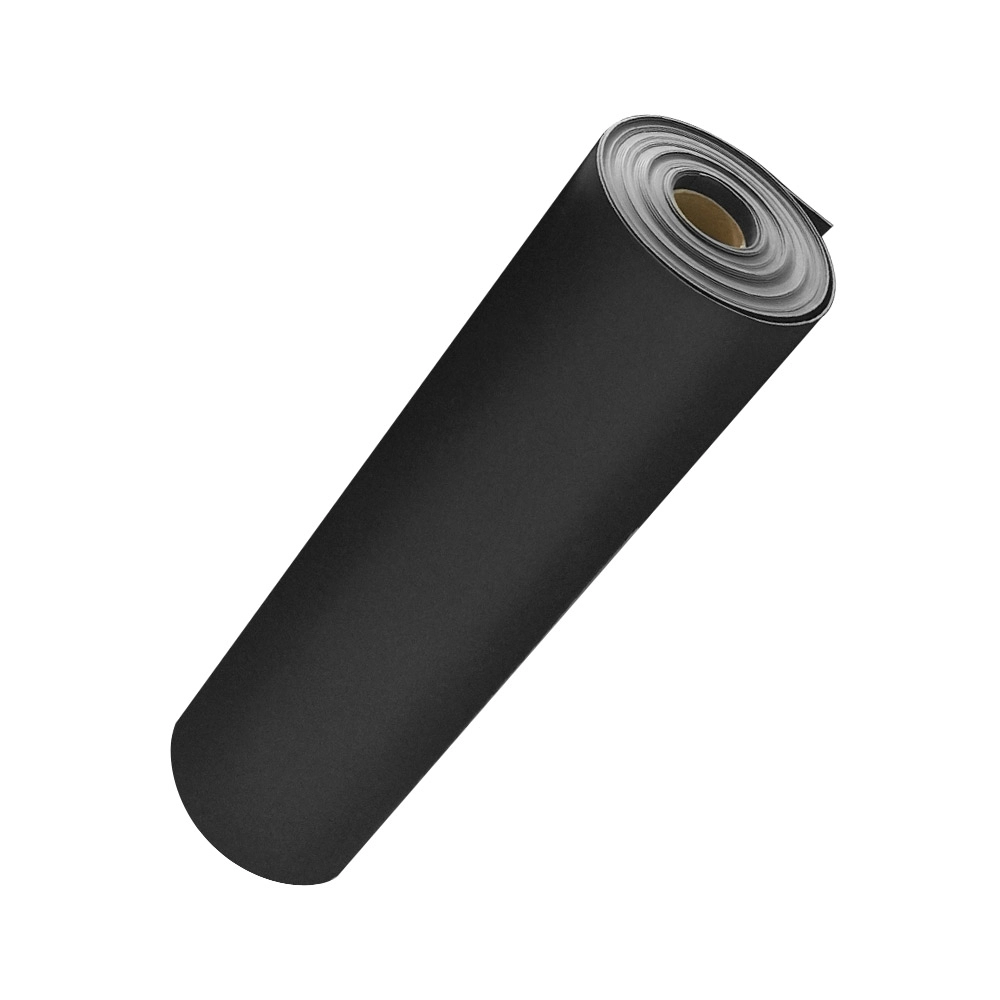
Mass Loaded Vinyl
ASLONG Mass Loaded Vinyl for sale. Reduce noise pollution effectively with our high-quality, mass-loaded vinyl. Ideal for soundproofing walls, floors, and more. Buy now and experience the difference!
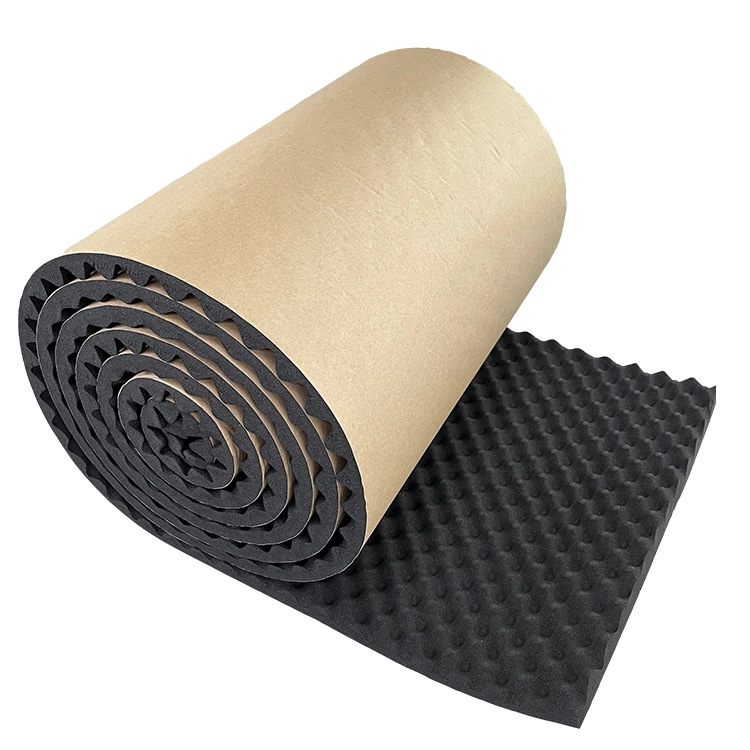
Egg Crate Foam
ASLONG Egg Crate Foam for sale. Lightweight, breathable, and comfortable, our egg crate foam provides superior support and pressure relief. Perfect for mattresses, cushions, cars, construction industry, KTV, factories, etc.
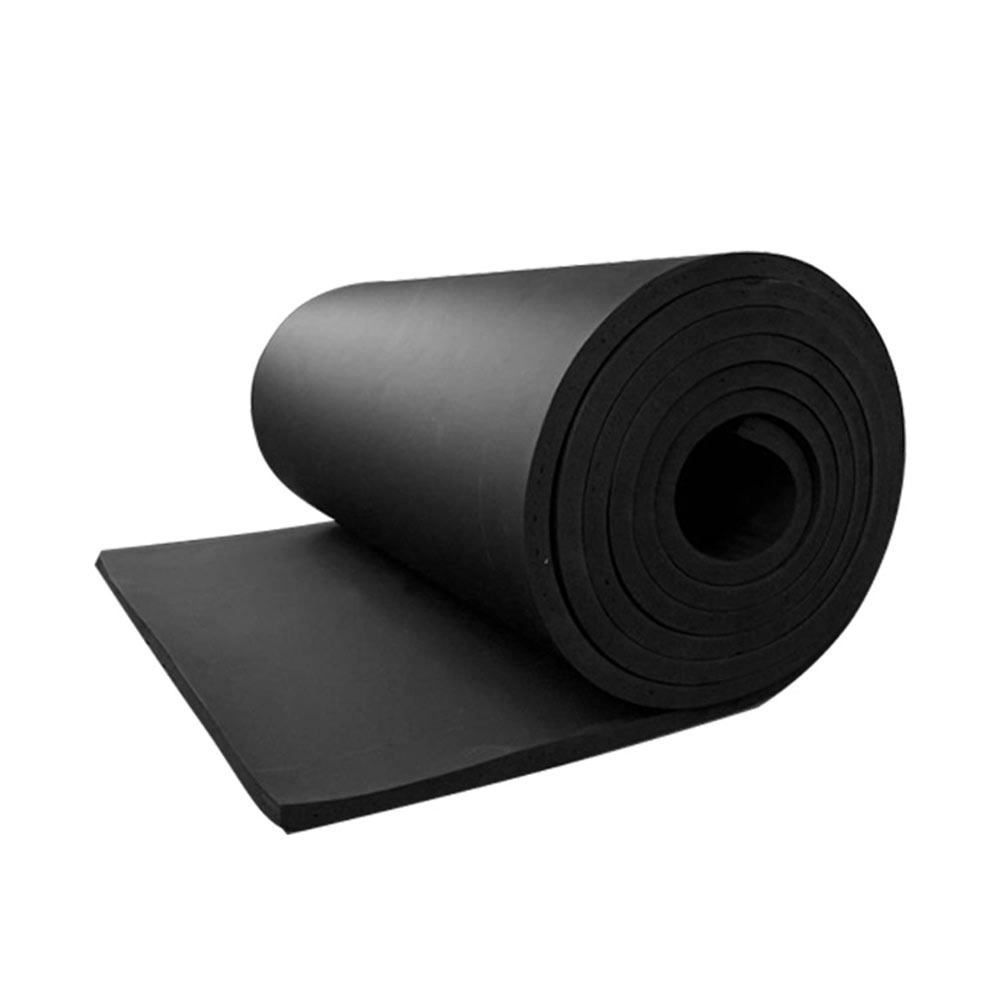
NBR Foam
ASLONG NBR Foam: Wholesale NBR foam solutions for diverse applications. High-quality, durable, and competitively priced. Contact us today for bulk orders.
Professional support at any time
If you have any comments or good suggestions, please leave us a message; later our professional staff will contact you as soon as possible.
© 2026 ASLONG All Rights Reserved. Privacy Policy | Terms and Conditions | Sitemap

 It would be pleasure to receive from you.
Whatsapp: +8613242879341
ASLONG Global
ASLONG
Aslong_global