

How long does butyl rubber last? | Insights by ASLONG
Butyl rubber is a synthetic elastomer known for its excellent airtightness, flexibility, and resistance to chemicals, heat, and weathering. It is widely used in industries such as construction, automotive, electronics, roofing, adhesives, and waterproofing. Common applications include butyl sound deadening mats, roofing membranes, waterproof tapes, seals, hoses, and tire inner liners.
One of the most common questions users ask is: How long does butyl rubber actually last? The answer depends on the environment, usage, and product design.
- How Long Does Butyl Rubber Last in Different Applications?
- Why Is Butyl Rubber Used for Long-Term Sealing and Damping?
- Six Factors That Influence Butyl Rubber Aging
- How Do Butyl Mats and Sealing Tapes Age Differently?
- Which Tests Help Estimate Butyl Rubber Service Life?
- ASLONG Butyl Rubber Products for Different Project Needs
- How to Store, Install and Maintain Butyl Products
- When Should Butyl Rubber Be Replaced?
- Conclusion: Define Service Life by the Finished Product
- Frequently Asked Questions
- Related ASLONG Reading
BUTYL RUBBER / MATERIAL AGING / PRODUCT SELECTION
Quick Answer: How Long Does Butyl Rubber Last?
There is no single verified lifespan for every butyl rubber product. A formulated sheet, pressure-sensitive sealing tape, automotive damping mat and tire component can age differently, even though they contain the same base elastomer. Heat, ultraviolet exposure, chemical contact, mechanical stress and the quality of the adhesive interface all affect service life. If a supplier quotes a number of years, ask for the product grade, test conditions and definition of failure before treating it as a design or warranty period.
How Long Does Butyl Rubber Last in Different Applications?
Butyl rubber is widely valued for its low gas permeability and formulation-dependent resistance to environmental aging. Those material characteristics make it useful in products that must remain flexible or retain a seal over time. However, the base polymer is only one part of a finished assembly: fillers, tackifiers, protective films, adhesives and installation details can determine when the product stops meeting its intended function. An appropriate service-life estimate therefore begins with the specific product and its operating environment.
A published life expectancy for a roofing membrane should not be copied into the specification of an automotive damping pad. A tape may remain physically intact while its adhesive bond fails, and a damping sheet may stay attached while its vibration-control behavior changes. Tire components face another set of loading, temperature and assembly demands. Buyers should distinguish a product's material aging resistance from its measured functional service life and any separate contractual warranty.
| Application | What needs to stay functional? | What must be verified? |
|---|---|---|
| Automotive butyl damping mat | Adhesion to the panel and effective vibration damping | Damping behavior, aging exposure, bond strength and surface preparation |
| Butyl waterproof sealing tape | A continuous, adherent barrier at joints and penetrations | Substrate, pressure, overlap, weathering and water-tightness |
| Butyl film-faced tape | Adhesion and sealing of the complete film/butyl laminate | Film integrity, edge condition, UV exposure and thermal cycling |
| Tire-related butyl component | Air retention and durability within the intended tire system | Component formulation, tire assembly design and application-specific testing |
Existing ASLONG article image retained from the original page.
Why Is Butyl Rubber Used for Long-Term Sealing and Damping?
Butyl rubber is a synthetic elastomer whose structure gives it comparatively low permeability to gases. This helps explain its use in selected sealing applications and tire inner-liner formulations. A correctly formulated compound may also resist certain environmental stresses encountered in service. None of these attributes means the finished product will withstand unlimited sunlight, temperature extremes or chemical exposure without change.
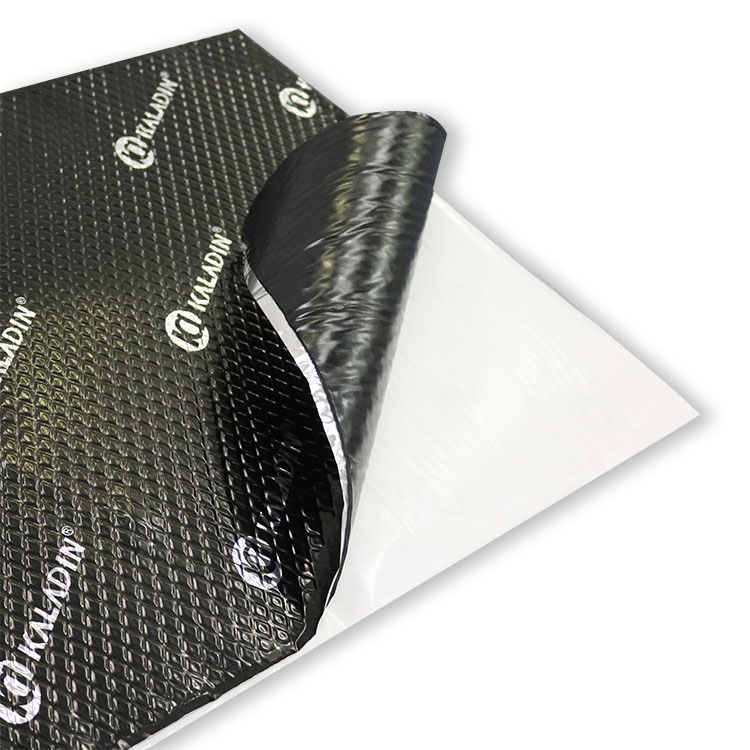
A material sold as butyl rubber tape is often a compounded butyl-based system rather than a pure sheet of polymer. Adhesion, flow under load, carrier film strength and substrate compatibility can matter as much as the elastomer itself. Likewise, an automotive butyl sound damping mat commonly combines a butyl layer with an aluminum-foil facing, according to the current ASLONG product listing. Its useful service life must consider both the damping layer and the bond to the vehicle panel, not simply how long the rubber resists cracking.
Six Factors That Influence Butyl Rubber Aging
1. Temperature and thermal cycling
High temperatures can accelerate chemical aging or change the flow behavior of a particular formulated compound. Repeated heating and cooling may also stress an adhesive interface, especially when the substrate and applied material expand differently. Cold conditions can change flexibility and make installation more difficult if the product is outside its approved application temperature. Avoid treating a generic temperature range as a universal operating limit: the relevant limit must come from the exact ASLONG product specification and application method.
2. Sunlight, ozone and exposed surfaces
A protected butyl layer may age differently from the same material left exposed on an exterior joint. Solar radiation, weather and ozone can act on surface components, protective films and adjacent materials over time. In some systems, a compatible facing is used to protect the sealant or provide a different surface property. Performance must still be confirmed for the finished construction, because a film that protects one formulation is not automatically suitable for every installation.
3. Oils, solvents and chemical contact
Chemical resistance is not a single yes-or-no property of butyl rubber. Cleaning products, process oils, fuels and other chemicals can interact differently with the elastomer, tackifiers or adhesive components. Some exposures may cause softening, swelling or loss of adhesion even before the bulk material visibly fails. The technical review should identify chemicals present during both installation and service, and compatibility should be checked using the finished product rather than assumed from generic polymer charts.
4. Movement, pressure and mechanical load
A joint subjected to repeated movement presents different demands from a seal held between stable, clean surfaces. Stretching, compression, shear and vibration can change how stress is distributed across the rubber and its bond line. Damping sheets fitted to vehicle panels should also be evaluated under the vibrations expected in actual operation. Proper placement, material thickness and installation pressure help reduce avoidable failure mechanisms, but do not replace product-specific validation.
5. Moisture, contamination and surface preparation
A technically suitable butyl adhesive can perform poorly if installed over dust, moisture, grease or an incompatible coating. Surface preparation affects initial contact and may influence the reliability of the bond over time. Exterior waterproof tapes also require attention to laps, termination details, drainage and water pathways. When a seal fails, it is important to determine whether the cause was material aging, application conditions or assembly design rather than attributing every failure to the rubber itself.
6. Formulation, thickness and protective layers
Two products sold under the same butyl label may contain different amounts of rubber, mineral fillers and other components. Their supplied thicknesses, carriers and reinforcement layers can also differ. Those differences affect how the material conforms to a surface, handles stress and maintains its intended function. For B2B sourcing, a material designation alone is insufficient: request the exact product construction and the test evidence applicable to that construction.

Original ASLONG technical illustration retained; acoustic performance must be verified for the selected product.
How Do Butyl Mats and Sealing Tapes Age Differently?
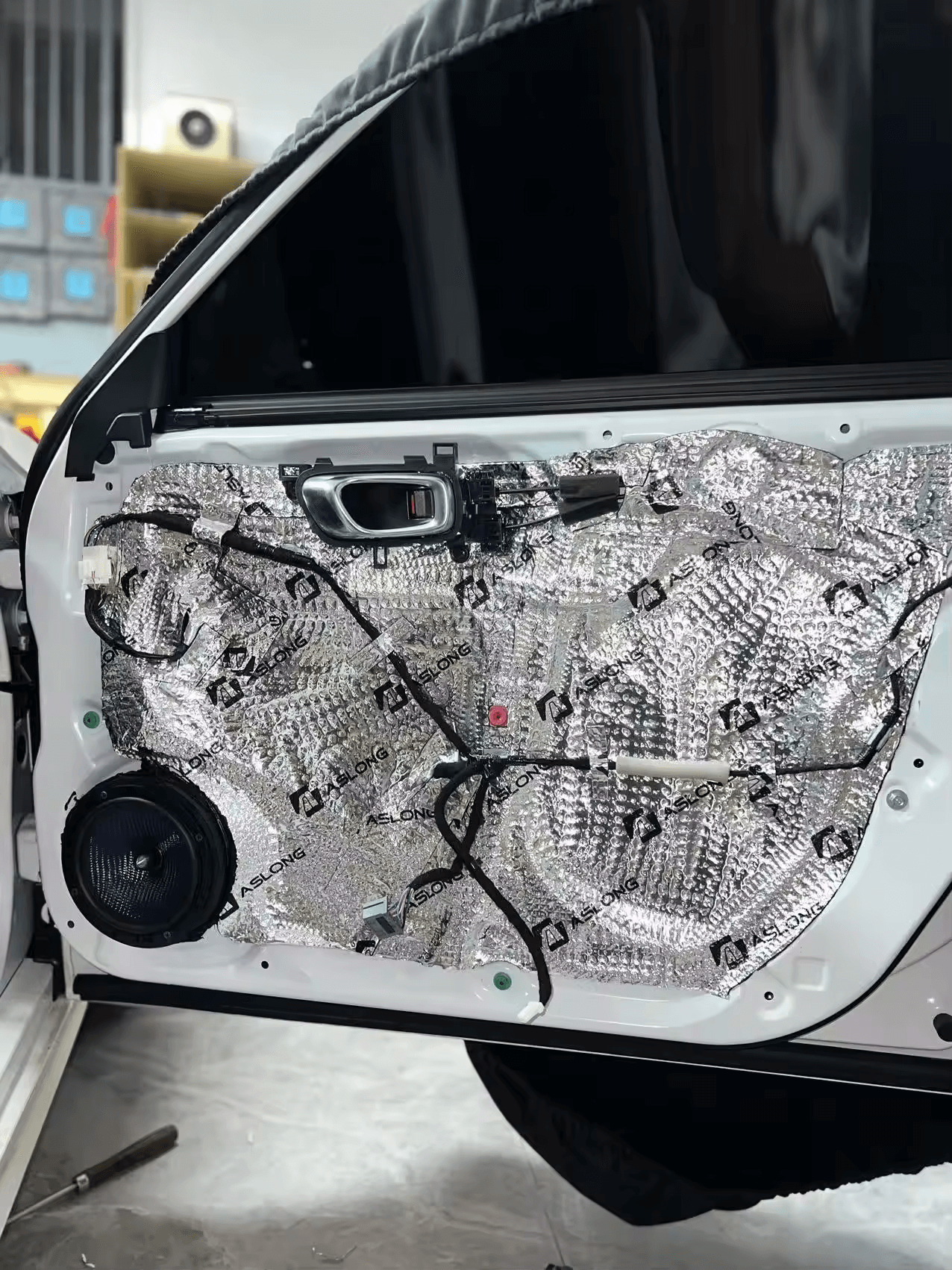
For an automotive butyl rubber damping mat, one key question is whether the bonded damping layer continues controlling panel vibration as intended. Inspect edge lifting, unusual softening or hardening, contamination and changes in the bond. The visible condition alone may not prove the damping coefficient is unchanged, so product selection should refer to available test methods and representative use conditions. Specifying a reasonable performance target is more useful than promising a universal number of years.
For butyl sealing tapes, the critical performance measure is often retention of a continuous seal. The backing film, edges, overlaps and adhesive interface may be the first parts to show damage. A waterproof joint can also fail because of installation geometry or movement even though the tape itself still appears flexible. The inspection plan therefore needs to cover the assembly, not only the exposed face of the butyl product.
| Property | Butyl damping mat | Butyl sealing tape |
|---|---|---|
| Primary function | Manage vibration in an appropriate panel | Seal or bridge a specified joint or interface |
| Typical system components | Butyl-based layer; foil facing where specified | Butyl-based compound; optional film or other carrier |
| Important aging indicators | Bond loss, material migration, changes in damping response | Edge lifting, loss of adhesion, seal gaps, backing damage |
| Required procurement evidence | Product dimensions, bonding data, relevant damping tests | Substrate compatibility, adhesion data, weathering or sealing tests |
| Practical limitation | Not a substitute for a complete sound barrier | Not every butyl tape is rated for permanent external exposure |
Which Tests Help Estimate Butyl Rubber Service Life?
An aging report is useful only when its test conditions reflect the real application. Ask whether the test used the finished tape or sheet, how long the specimen was exposed, and which temperatures, media or cycling procedures were applied. The report should define what changed after aging, such as tensile properties, elongation, adhesion, air retention or another functional measurement. Results from accelerated aging can help compare grades, but should not automatically be converted into calendar years without a defensible model and field correlation.
For automotive damping projects, consider requesting a comparison of the material's vibration-control behavior before and after a relevant conditioning procedure. For adhesive tapes, peel, tack, shear or sealing data may be useful depending on the assembly and failure mode. A project exposed to outdoor sunlight may require a different evidence package from an interior automotive installation. When a supplier has no matching data, the specification should state that long-term performance remains to be verified instead of presenting a hypothetical service-life guarantee.
| Buyer question | Why the answer matters |
|---|---|
| Which exact grade and construction were tested? | A generic polymer report may not apply to a laminated or adhesive-backed product. |
| Was the specimen installed on the intended substrate? | Bond failure can dominate service performance. |
| What stress, temperature and chemical conditions were used? | The exposure defines the relevance of the outcome. |
| What counted as failure? | Appearance, adhesion and functional performance are different endpoints. |
| Is the claimed lifetime backed by field evidence? | Accelerated test results do not automatically establish years in service. |
ASLONG Butyl Rubber Products for Different Project Needs
ASLONG currently lists butyl-based damping and waterproofing products for different applications. They should not be treated as interchangeable simply because their names include butyl rubber. The material structure and listed purpose provide a starting point for shortlisting, while a buyer's technical brief determines which grade needs validation. The following cards connect to actual ASLONG product records and do not imply a shared lifetime, temperature rating or warranty.


How to Store, Install and Maintain Butyl Products
Storage conditions influence how consistently an adhesive-backed material can be installed. Keep rolls and sheets in the packaging and environment specified for the exact product, and protect them from contamination or unnecessary heat exposure. Check shelf-life information and the recommended application temperature before use, because shelf life in storage is not the same as installed service life. If labels, batch details or installation instructions are unavailable, request them before accepting a large delivery.
During installation, prepare the intended surface according to the supplier's instructions and confirm the correct bonding pressure or application method. For vehicle damping, pay attention to panel access, fitment and any areas that must remain free for drainage or maintenance. For waterproofing, focus on overlap, termination and movement details rather than assuming a wide strip alone creates a reliable seal. Keep basic project records such as batch, installation date, environmental conditions and any deviations from the approved method.
Inspection should be tied to how important the seal or damping treatment is to the assembly. A visible gap, displaced sheet, lifting edge or chemical damage deserves investigation, but the corrective action depends on the product and substrate. Avoid solvent cleaning or improvised reheating unless an approved process specifically allows it. Replacement decisions should use the system's intended function and verified repair procedure rather than a generic age threshold.
When Should Butyl Rubber Be Replaced?
A calendar age alone is a weak reason to replace or retain a butyl-based component. For sealing work, signs of leakage, displaced edges or loss of adhesion are more actionable than the number of years since installation. For damping sheets, assess whether the bond is stable, the treatment remains intact and performance concerns have emerged. If the component is hidden inside a critical construction, follow the inspection or service requirements established for that assembly.
When products fail earlier than expected, preserve a sample and document the conditions rather than immediately concluding the compound was defective. Surface contamination, unexpected solvents, movement or changes to the operating environment may have contributed. Supplier and buyer can then compare the observed failure with the original test evidence and installation requirements. This approach helps prevent the same problem from recurring in the next production or construction batch.
Conclusion: Define Service Life by the Finished Product
Butyl rubber can be well suited to long-term sealing and damping applications, but no single lifespan covers every tape, mat, membrane or tire component. The practical question is whether the selected formulation and finished assembly keep meeting the required performance under real exposure conditions. Material composition, installation, environmental stress and inspection all influence that outcome. Rather than adopting an unsupported 10-, 15- or 20-year promise, ask for a product-specific specification and relevant aging evidence.
For sourcing projects, start with the intended application and identify what failure would look like. Then compare candidate products using compatible dimensions, bonding requirements and performance tests. ASLONG's butyl waterproof tape range and butyl damping material category offer a way to narrow the product type before reviewing the final configuration. Confirm any claimed service life, compliance status or customization availability through the supporting product documents.
Frequently Asked Questions
How many years can butyl rubber last?
There is no universally validated number of years that applies to all butyl rubber products. The service life of an adhesive tape can be limited by a bond or carrier layer, while a damping mat has different functional requirements. Heat, chemical exposure, geometry and maintenance can change the outcome. Ask the supplier for product-specific tests and define the environmental conditions before accepting a lifespan claim.
Does butyl rubber deteriorate in sunlight?
Butyl rubber formulations can offer resistance to some outdoor aging mechanisms, but this does not mean every exposed product is permanently UV resistant. Films, adhesives and the underlying compound may react differently to weather. Installation and joint design also influence how much exposure the material receives. Check the actual finished product's outdoor-use instructions and supporting tests.
How long does butyl waterproof tape last?
Its useful life depends on the specific tape, surface, weather conditions and joint design. A tape may still look intact even if a gap has formed or adhesion has deteriorated. Conversely, a protected properly applied tape may behave differently from the same product exposed to severe movement and sunlight. Use the supplier's validated application information and inspect the sealing assembly when its performance is critical.
Do automotive butyl sound deadening mats need replacement?
Not simply because they reach a particular age. A bonded butyl damping sheet should be assessed for physical integrity, attachment to the vehicle panel and the requirements of the automotive application. Changes in use conditions or installation quality can be more important than elapsed calendar time. Where measurable vibration performance matters, refer to suitable test evidence rather than visual appearance alone.
Can butyl rubber withstand temperatures from -40°C to 120°C?
That range should not be presented as a universal continuous operating specification for butyl rubber products. Formulation, adhesive chemistry, carrier films, duration and performance criteria differ among grades. A short exposure test is not equivalent to long-term service at the same temperature. Only apply temperature limits published for the exact selected product and intended use.
What technical documents should a wholesale buyer request?
Request the material composition or product grade, dimensions and tolerances, storage requirements and application instructions. Ask which aging, adhesion, barrier or damping tests relate to the intended service conditions. Confirm whether any environmental or fire-related documentation covers the finished product instead of just a raw ingredient. Agree on acceptance criteria before placing a bulk order or signing off a customization.
Related ASLONG Reading
These articles provide additional context for selecting acoustic and vibration-control materials. They discuss different functions, so their claims should not be transferred automatically to a butyl tape or mat. Comparing installation areas and material roles can help a buyer describe the actual problem more precisely. Product-specific test data is still needed before making a final technical selection.
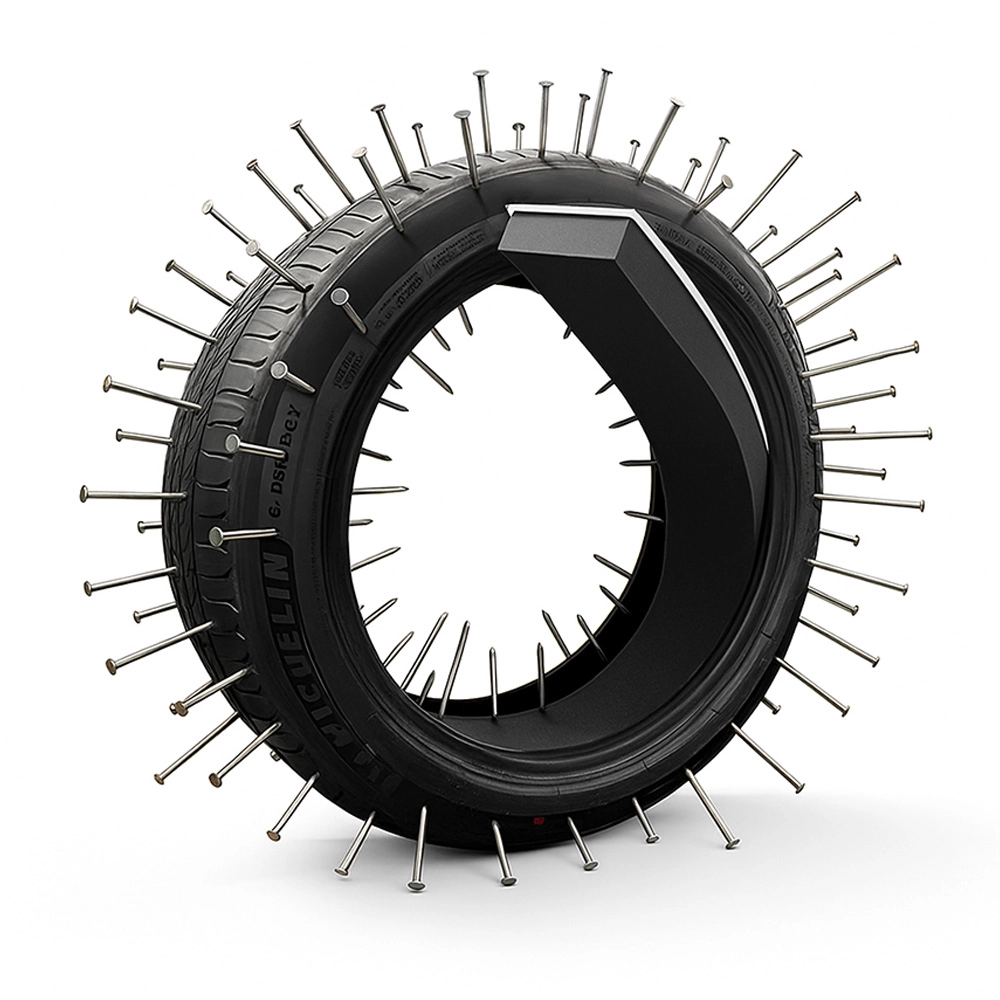
How to Reduce Tire Noise in Electric Vehicles
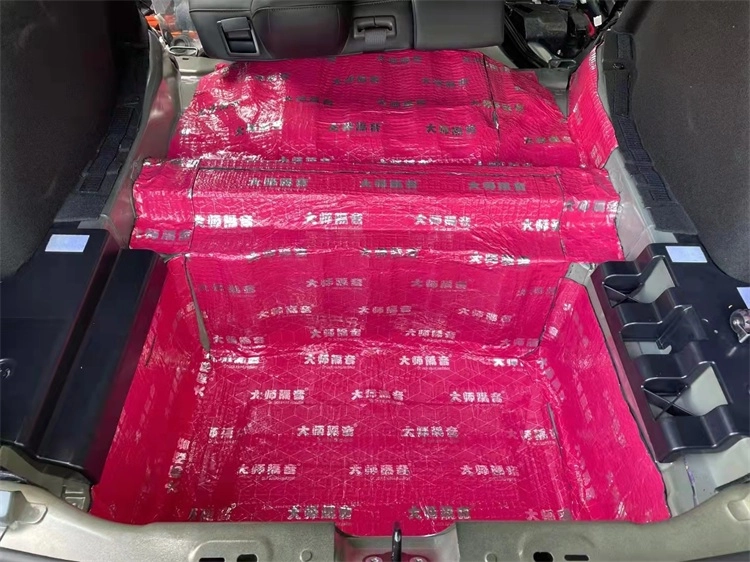
Electric Vehicle NVH: Why EVs Need Advanced Soundproofing Materials

White Two-Component Acoustic Cotton | Sound Absorption Material
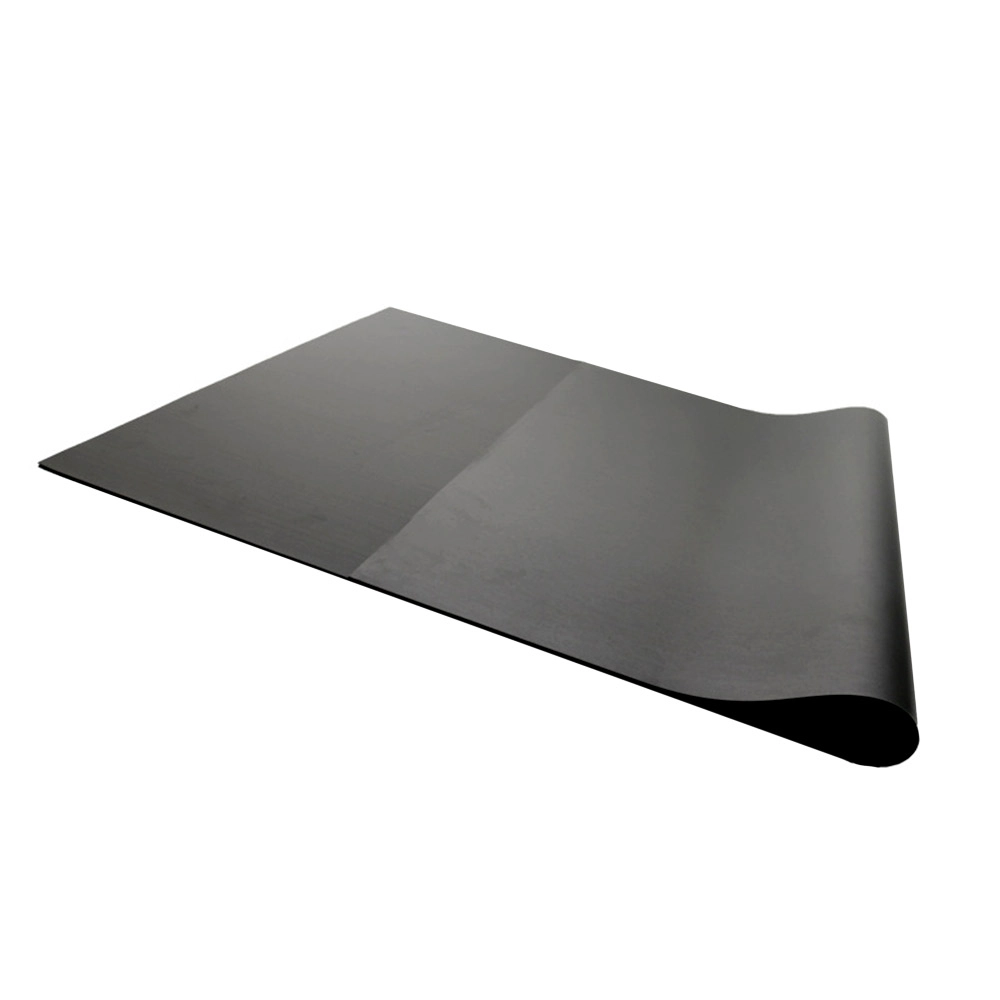
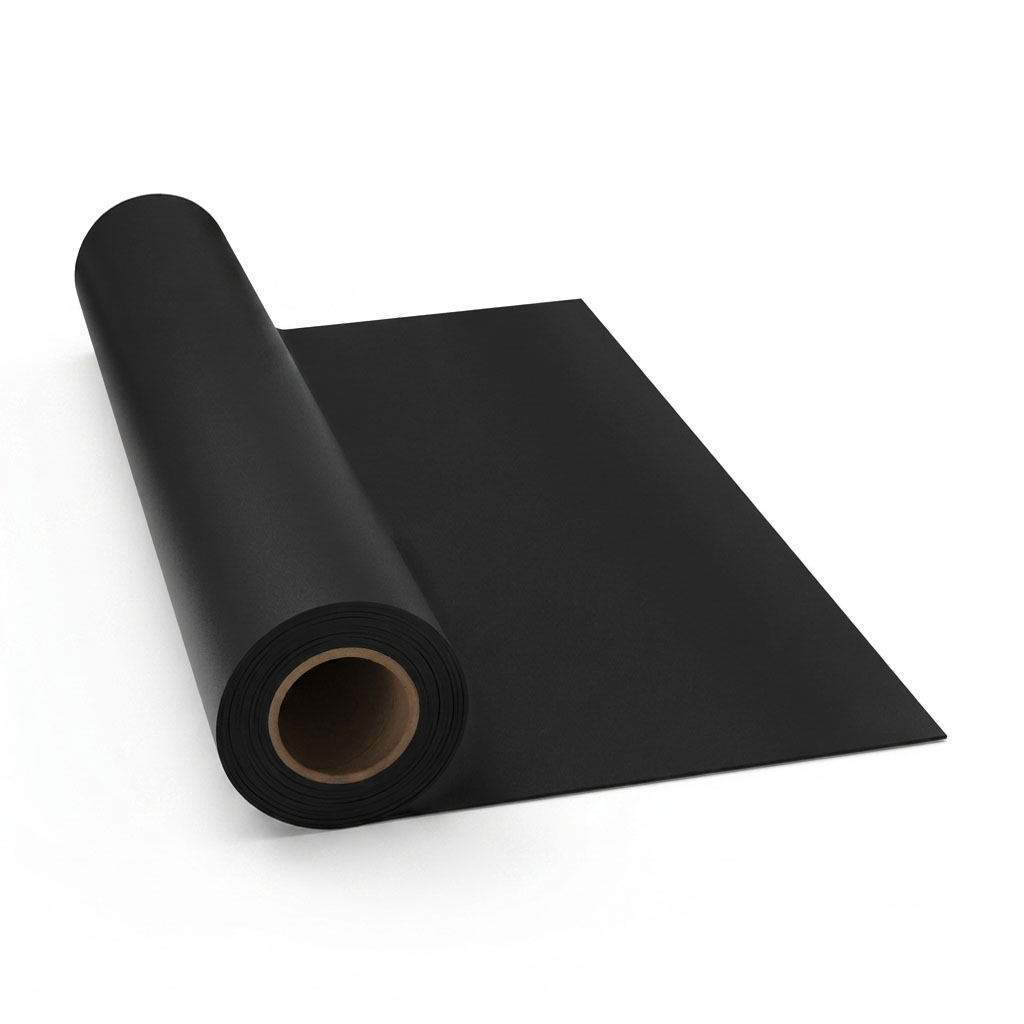
Mass Loaded Vinyl for Automotive Soundproofing: Benefits, Applications and Installation
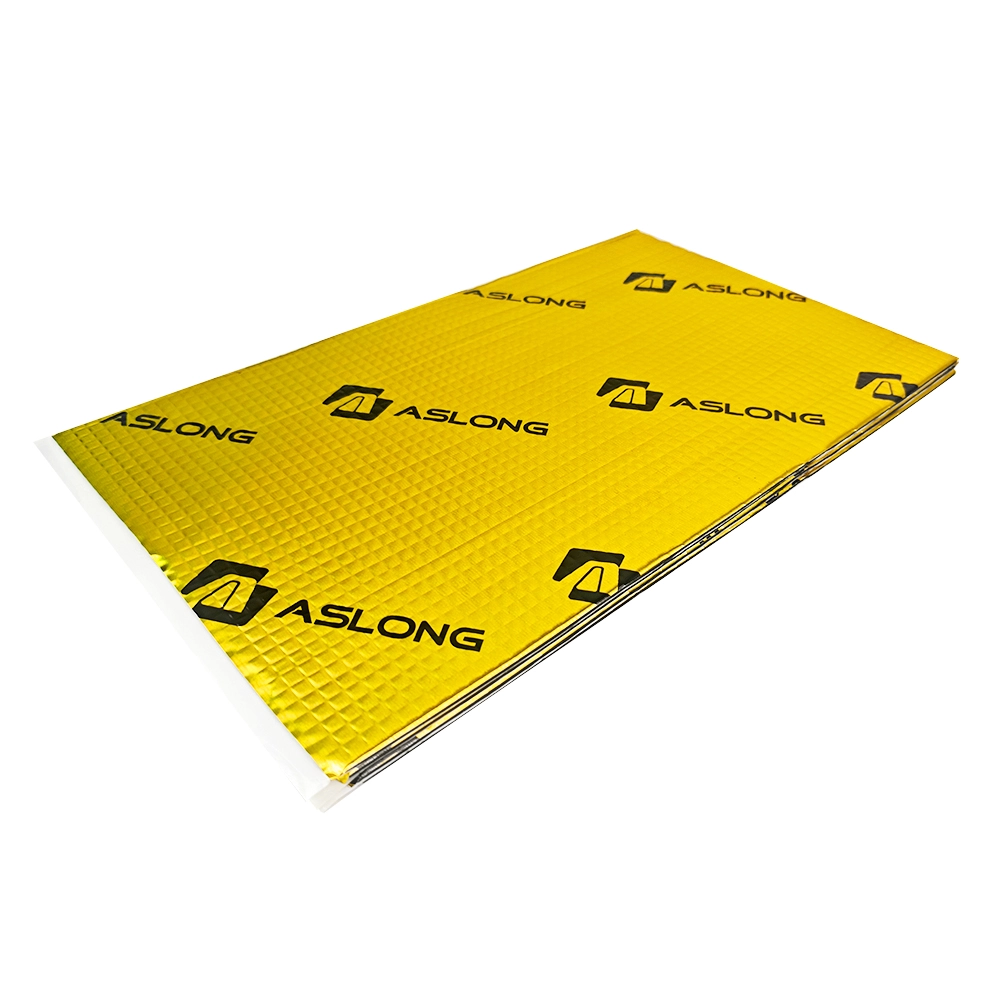
Butyl Rubber Sound Deadening: Benefits, Applications and Installation Guide
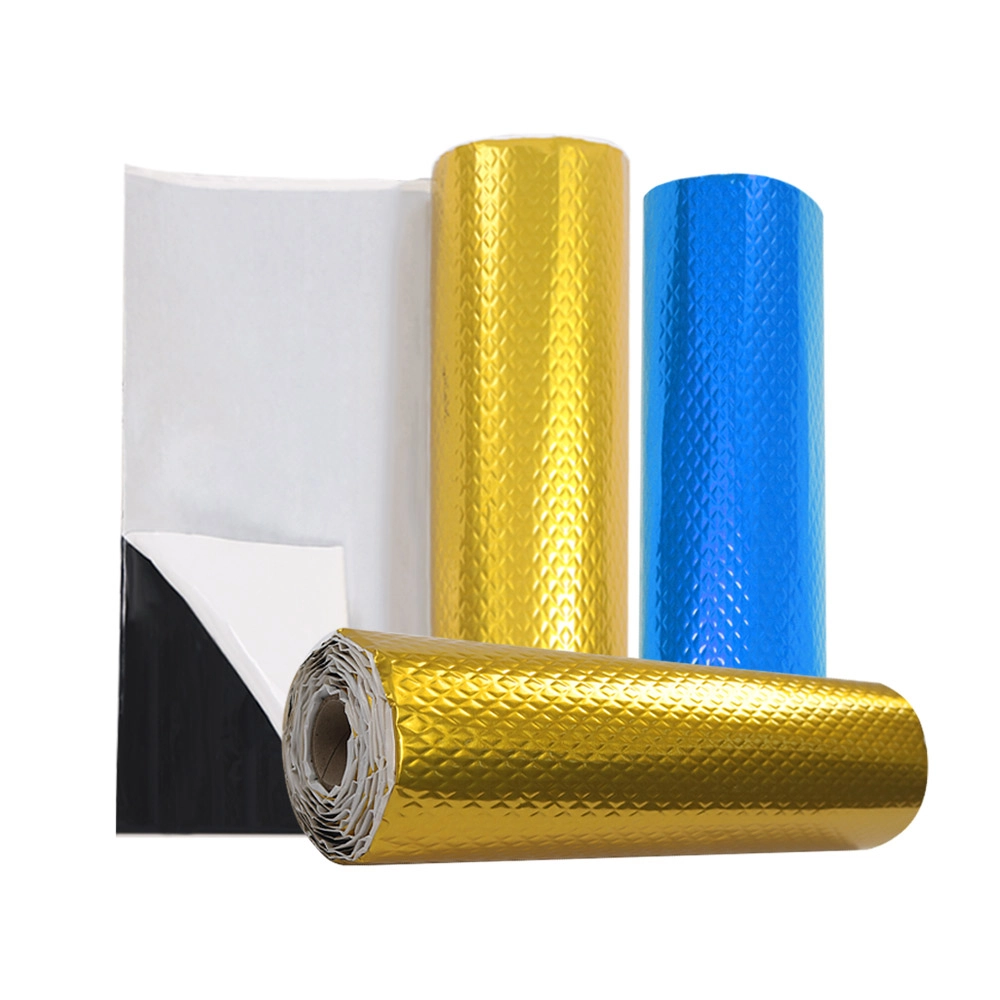
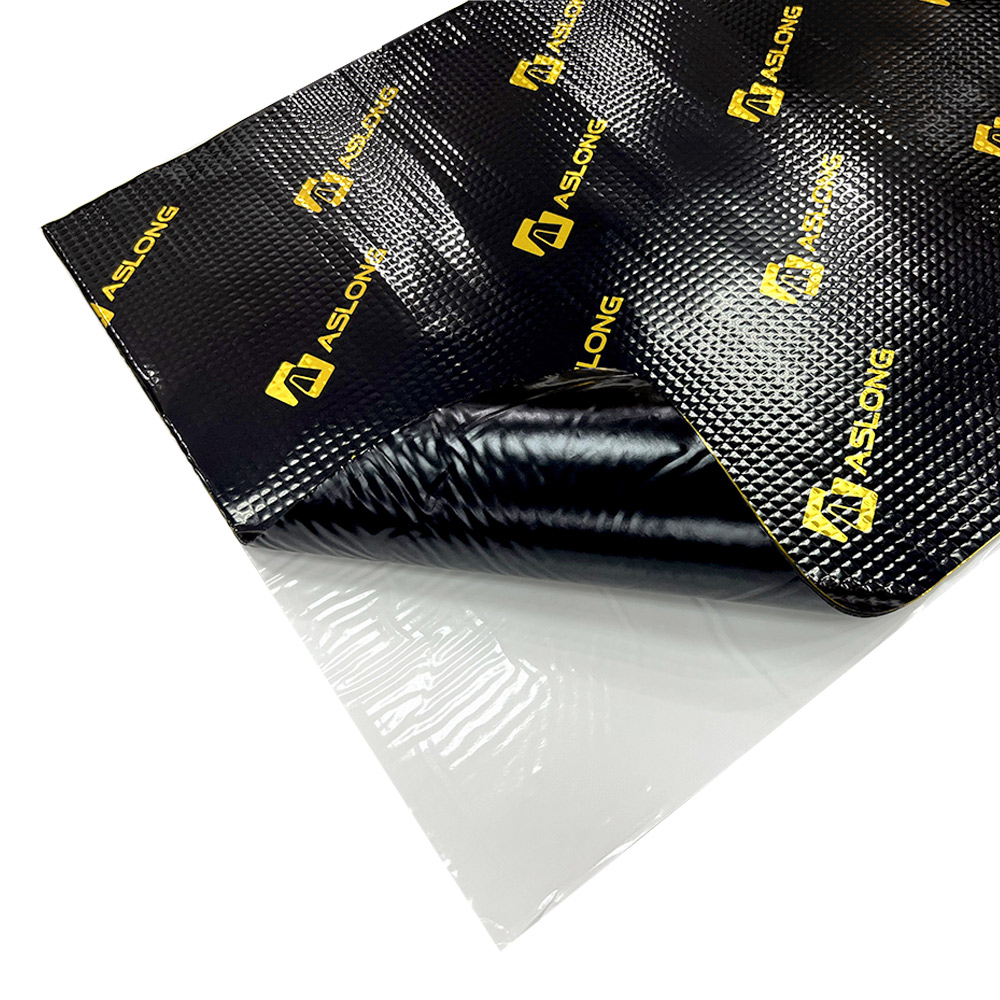
Butyl Rubber Sound Damping Mat
ASLONG Butyl Rubber Sound Damping Mat for sale. Effectively reduces noise and vibrations. High-quality butyl rubber ensures superior performance and durability. Ideal for automotive, industrial, and home applications.
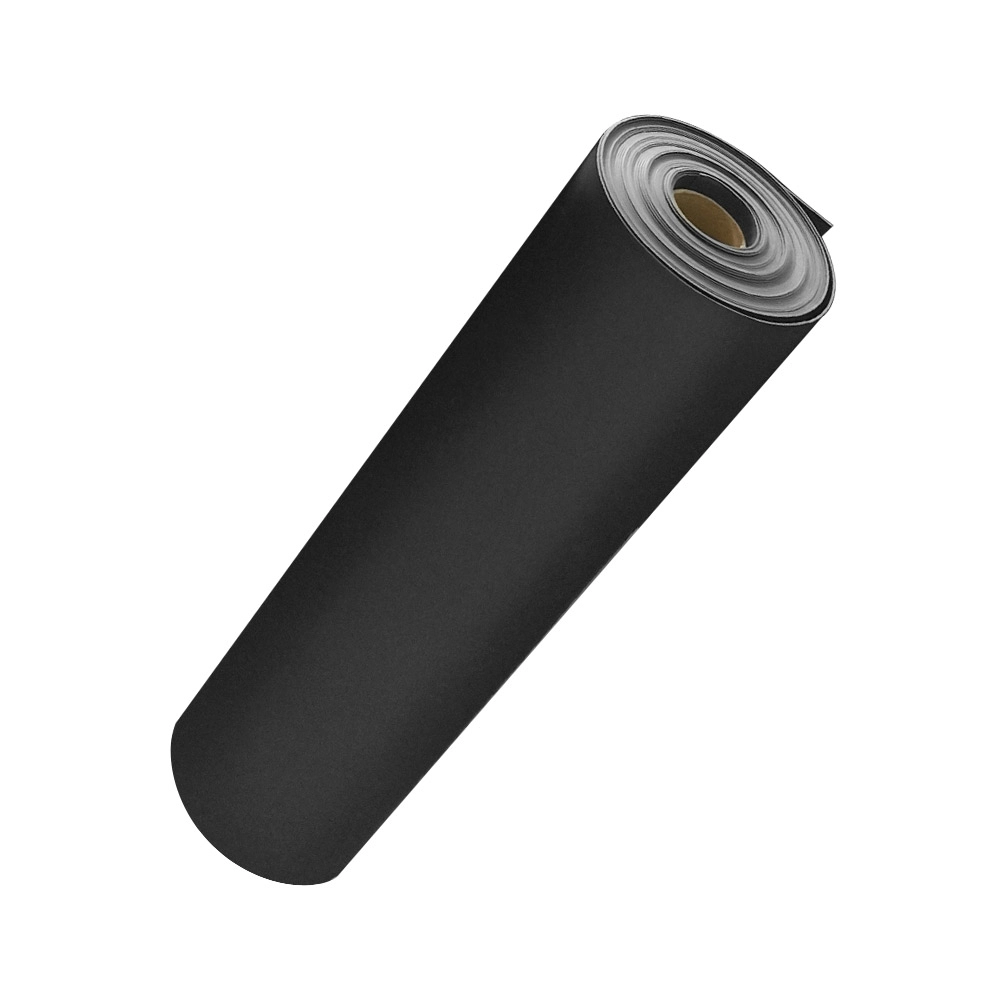
Mass Loaded Vinyl
ASLONG Mass Loaded Vinyl for sale. Reduce noise pollution effectively with our high-quality, mass-loaded vinyl. Ideal for soundproofing walls, floors, and more. Buy now and experience the difference!
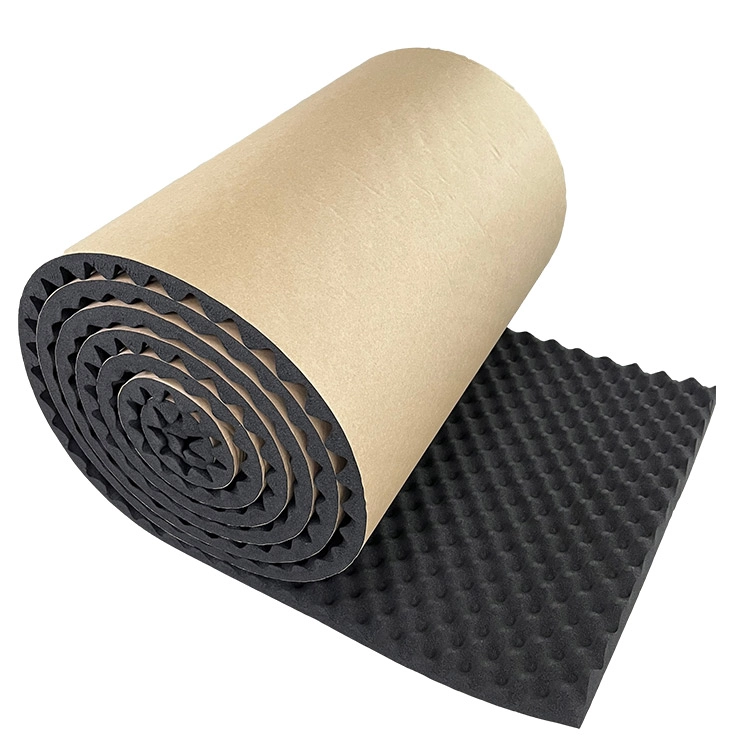
Egg Crate Foam
ASLONG Egg Crate Foam for sale. Lightweight, breathable, and comfortable, our egg crate foam provides superior support and pressure relief. Perfect for mattresses, cushions, cars, construction industry, KTV, factories, etc.
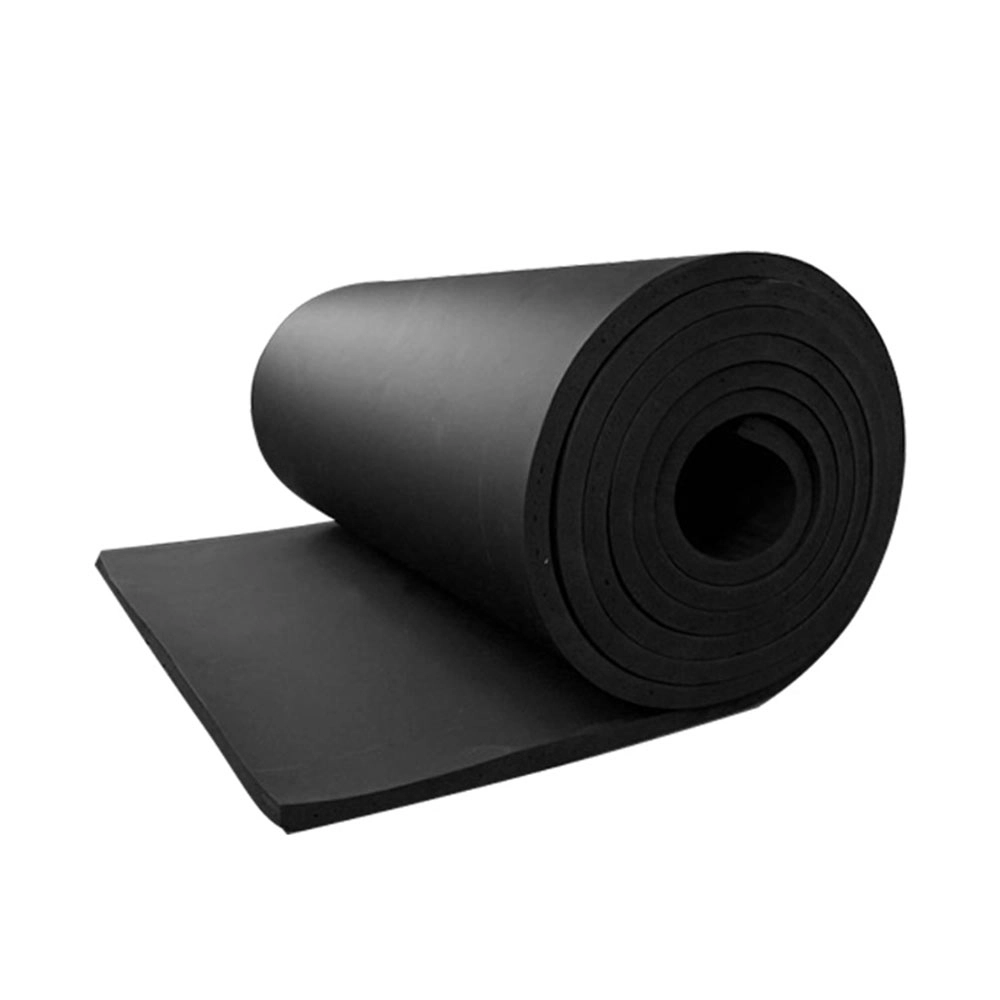
NBR Foam
ASLONG NBR Foam: Wholesale NBR foam solutions for diverse applications. High-quality, durable, and competitively priced. Contact us today for bulk orders.
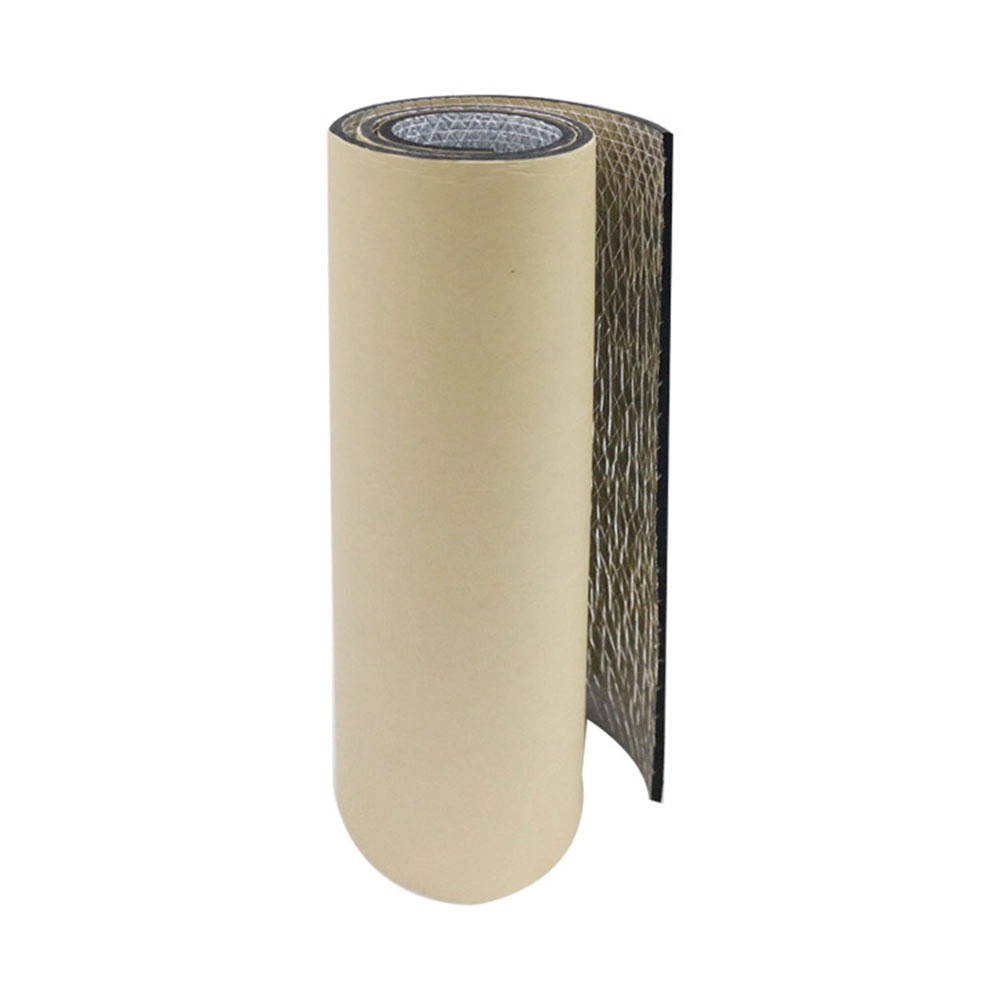
Multi layer Composite NBR foam
ASLONG's multi-layer composite NBR foam is your premium choice for superior cushioning and durability. Ideal for diverse applications, this high-quality NBR foam is available for sale now. Contact us for bulk orders.
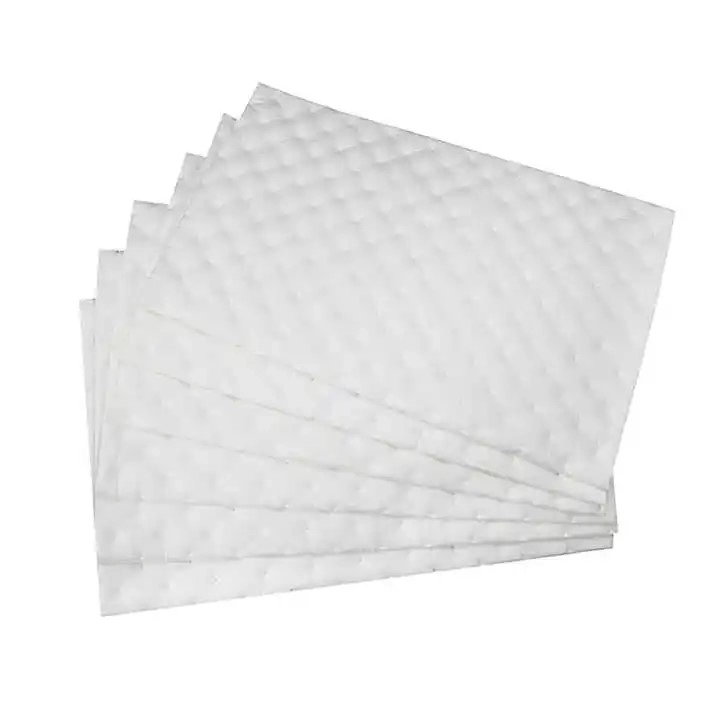
Sound Absorbing White Cotton
Sound-absorbing white cotton Made from PP and PET fibres by melt-blowing, special processes are used to achieve density diversification, sound absorption and noise reduction, thermal insulation, moisture-proof and mold resistance.
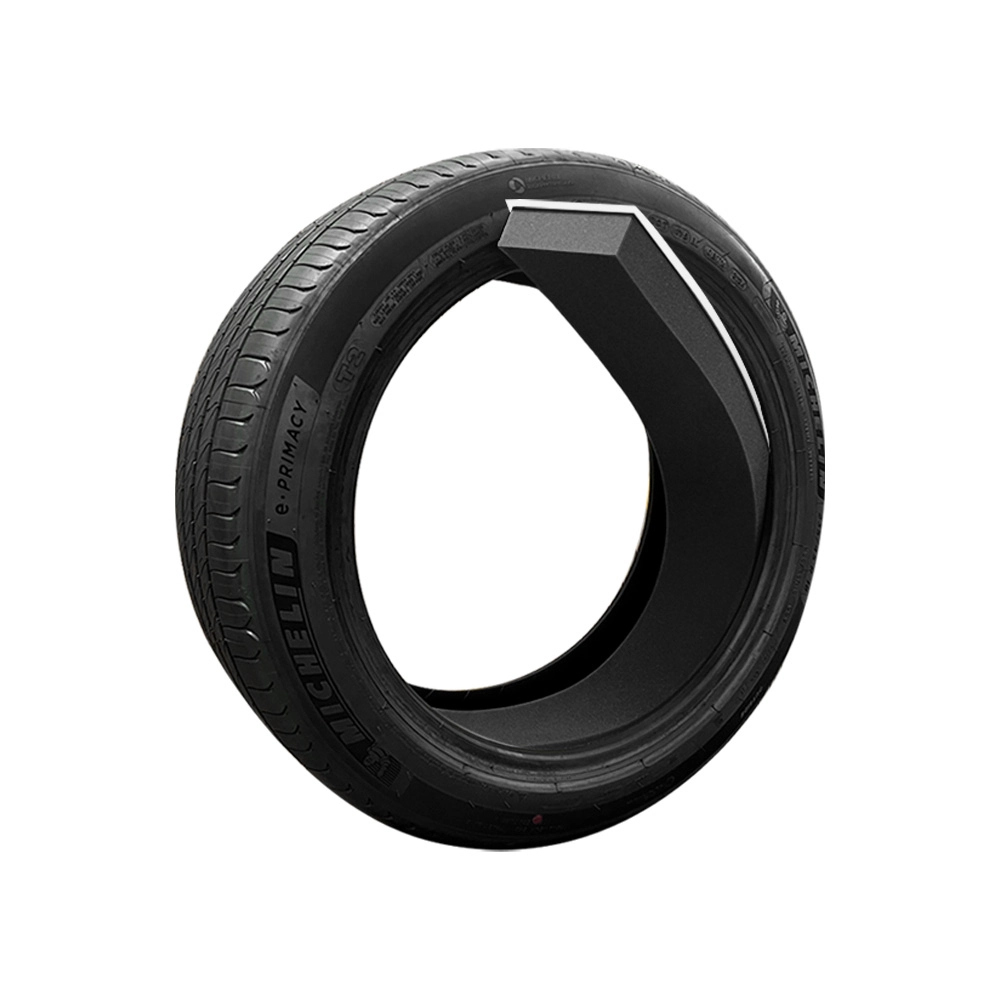
Puncture-Proof Soundproof Tire Foam, Self-Sealing Noise-Reducing Liner for Cars, Anti-Puncture Wheel Protection, Anti-Puncture Noise Reduction
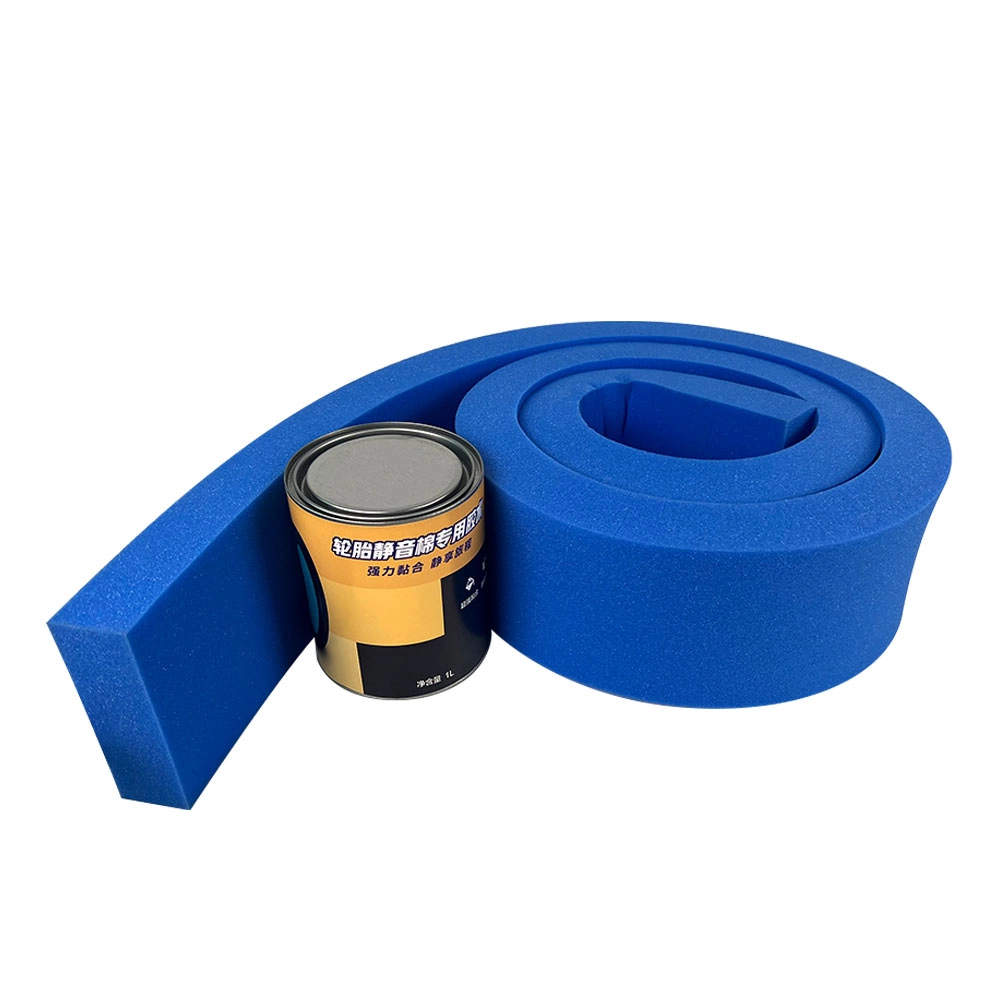
Tire Silent Foam with Special Glue
ASLONG Tire Silent Foam with special glue effectively reduces tire noise. Improve your vehicle's ride comfort. Buy ASLONG Tire Silent Foam for sale now and experience the quiet difference.
Professional support at any time
Contact us for a free quote on our new soundproofing materials!
© 2026 ASLONG All Rights Reserved. Privacy Policy | Terms and Conditions | Sitemap

 It would be pleasure to receive from you.
Whatsapp: +8613242879341
ASLONG Global
ASLONG
Aslong_global