

Global Competitive Landscape of the Automotive Noise & Vibration Materials Industry (2026–2035)
Explore the global competitive landscape of the automotive noise and vibration materials industry, including key players, market trends, innovations, and future growth opportunities from 2026 to 2035.
- Global Competitive Landscape of the Automotive Noise & Vibration Materials Industry
- 1. Introduction
- 2. Market Overview
- 3. Key Global Players
- 4. Competitive Strategies in the Industry
- 5. Impact of Electric Vehicles (EVs)
- 6. Regional Competitive Analysis
- 7. Challenges in the Competitive Landscape
- 8. Future Outlook (2026–2035)
- 9. Conclusion
Global Competitive Landscape of the Automotive Noise & Vibration Materials Industry
1. Introduction
The automotive noise, vibration, and harshness (NVH) materials industry plays a critical role in enhancing vehicle comfort, safety, and performance. As consumers demand quieter cabins and smoother driving experiences—especially in electric vehicles (EVs)—the global market for automotive soundproofing and vibration damping materials is experiencing rapid transformation.
From traditional internal combustion engine (ICE) vehicles to next-generation EV platforms, NVH materials have become a key differentiator for automakers. This article provides an in-depth analysis of the global competitive landscape, major players, and emerging trends shaping the industry.
2. Market Overview
The global automotive NVH materials market is expected to grow steadily between 2026 and 2035, driven by:
- Rising EV adoption (which exposes new noise challenges)
- Increasing consumer expectations for cabin comfort
- Stricter noise regulations worldwide
- Lightweight material innovation
Key product categories include:
- Butyl rubber damping sheets
- Mass loaded vinyl (MLV) barriers
- Acoustic foam and fiber materials
- Polyurethane and composite insulation materials
3. Key Global Players
The automotive NVH materials industry is highly competitive, with a mix of multinational corporations and specialized manufacturers.
3.1 Tier-1 Global Suppliers
These companies dominate the high-end OEM market:
- 3M Company – Advanced acoustic and vibration control solutions
- BASF SE – High-performance polyurethane and lightweight materials
- Saint-Gobain – Innovative acoustic insulation technologies
- Autoneum – A global leader in lightweight NVH solutions
- Sumitomo Riko – Rubber-based vibration damping expertise
Competitive Advantages:
- Strong R&D capabilities
- Global OEM partnerships
- Advanced material technologies
- Sustainability leadership
3.2 Regional and Emerging Manufacturers
Companies from Asia, especially China and Southeast Asia, are rapidly gaining market share:
- Cost-effective production
- Flexible customization (OEM/ODM)
- Faster lead times
- Competitive pricing strategies
These manufacturers focus heavily on:
- Butyl rubber sound deadening mats
- Self-adhesive insulation materials
- Multi-layer composite NVH solutions
3.3 Niche and Specialized Suppliers
Smaller companies are carving out niches in:
- High-performance motorsport applications
- Aftermarket soundproofing kits
- Eco-friendly and recyclable materials
4. Competitive Strategies in the Industry
4.1 Innovation and Material Development
Leading companies are investing in:
- Lightweight composites to improve fuel efficiency
- High-damping butyl formulations
- Nano-materials for superior acoustic performance
- Multi-functional materials (thermal + acoustic + vibration control)
4.2 Sustainability and Green Materials
Environmental concerns are reshaping competition:
- Recyclable NVH materials
- Bio-based acoustic fibers
- Low-VOC and odorless solutions
- Compliance with global environmental standards
Sustainability is becoming a key differentiator, especially in Europe and North America.
4.3 Cost Leadership vs. Performance Differentiation
- Premium players focus on performance, durability, and innovation
- Emerging players compete on cost efficiency and scalability
Balancing price and performance is crucial for long-term competitiveness.
4.4 OEM Partnerships and Supply Chain Integration
Strong relationships with automakers are essential:
- Early-stage design collaboration
- Customized NVH solutions
- Just-in-time delivery capabilities
Suppliers that integrate deeply into OEM supply chains gain long-term contracts and stability.
5. Impact of Electric Vehicles (EVs)
EVs are reshaping the NVH materials landscape:
New Noise Sources in EVs
- Motor whine
- High-frequency electronic noise
- Road and tire noise (more noticeable without engine noise)
Opportunities
- Increased demand for advanced acoustic materials
- Growth in lightweight insulation solutions
- Higher performance requirements
This shift is creating new competition among suppliers to develop EV-specific NVH technologies.
6. Regional Competitive Analysis
North America
- Focus on innovation and premium vehicles
- Strong demand for high-performance NVH materials
Europe
- лидер in sustainability and regulatory compliance
- Emphasis on eco-friendly materials
Asia-Pacific
- Fastest-growing market
- Strong manufacturing base (China, India, Japan)
- Competitive pricing and high production capacity
7. Challenges in the Competitive Landscape
- Raw material price volatility
- Increasing competition from low-cost manufacturers
- Stringent environmental regulations
- Need for continuous innovation
- Supply chain disruptions
8. Future Outlook (2026–2035)
The competitive landscape will continue evolving with:
- Greater consolidation among suppliers
- Increased focus on EV-specific NVH solutions
- Integration of smart materials and AI-driven design
- Expansion of sustainable and recyclable materials
- Growth in aftermarket soundproofing demand
Companies that combine innovation, cost efficiency, and sustainability will lead the next decade of growth.
9. Conclusion
The global automotive noise and vibration materials industry is entering a highly competitive and innovation-driven phase. While established players maintain dominance through technology and OEM relationships, emerging manufacturers are disrupting the market with cost-effective and flexible solutions.
As EV adoption accelerates and consumer expectations rise, the ability to deliver high-performance, lightweight, and sustainable NVH materials will define the future winners in this industry.

How to Soundproof Car Doors and Reduce Road Noise Effectively
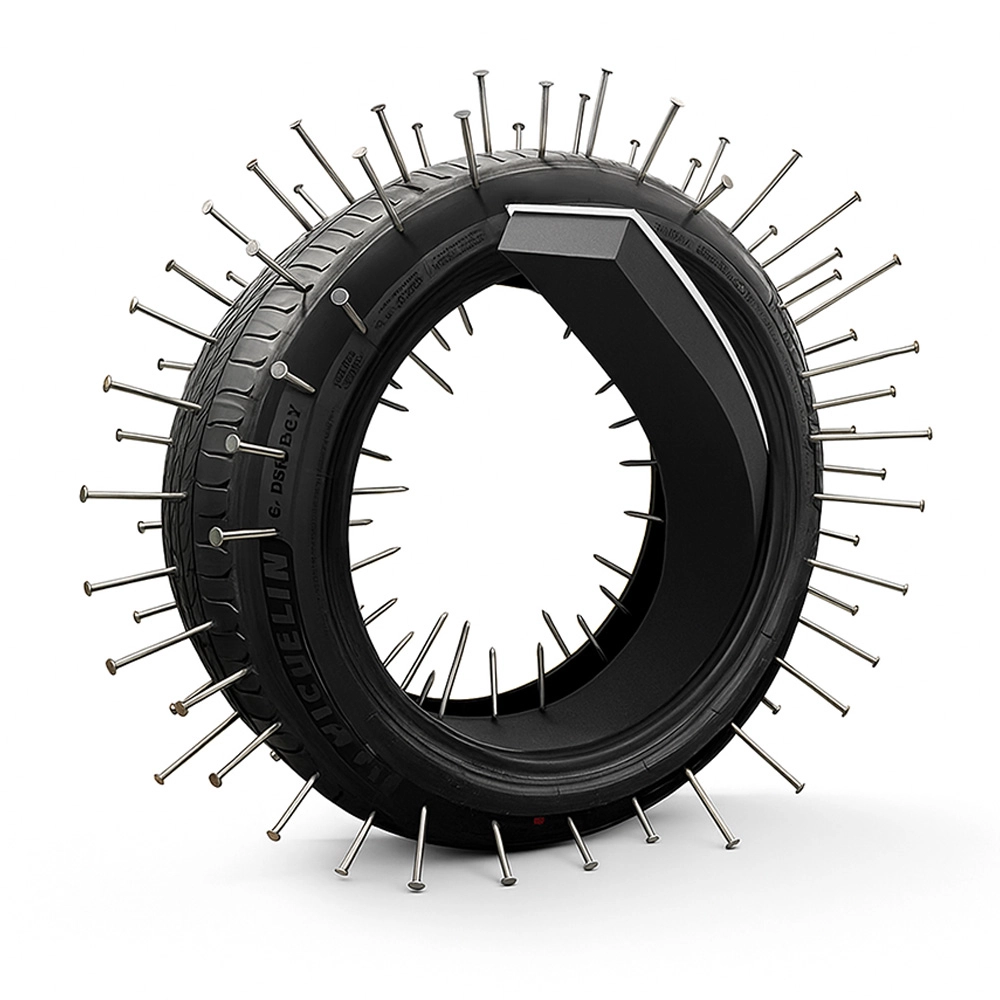
Tire Silent Foam for Cars: Benefits, Working Principle & Installation Guide
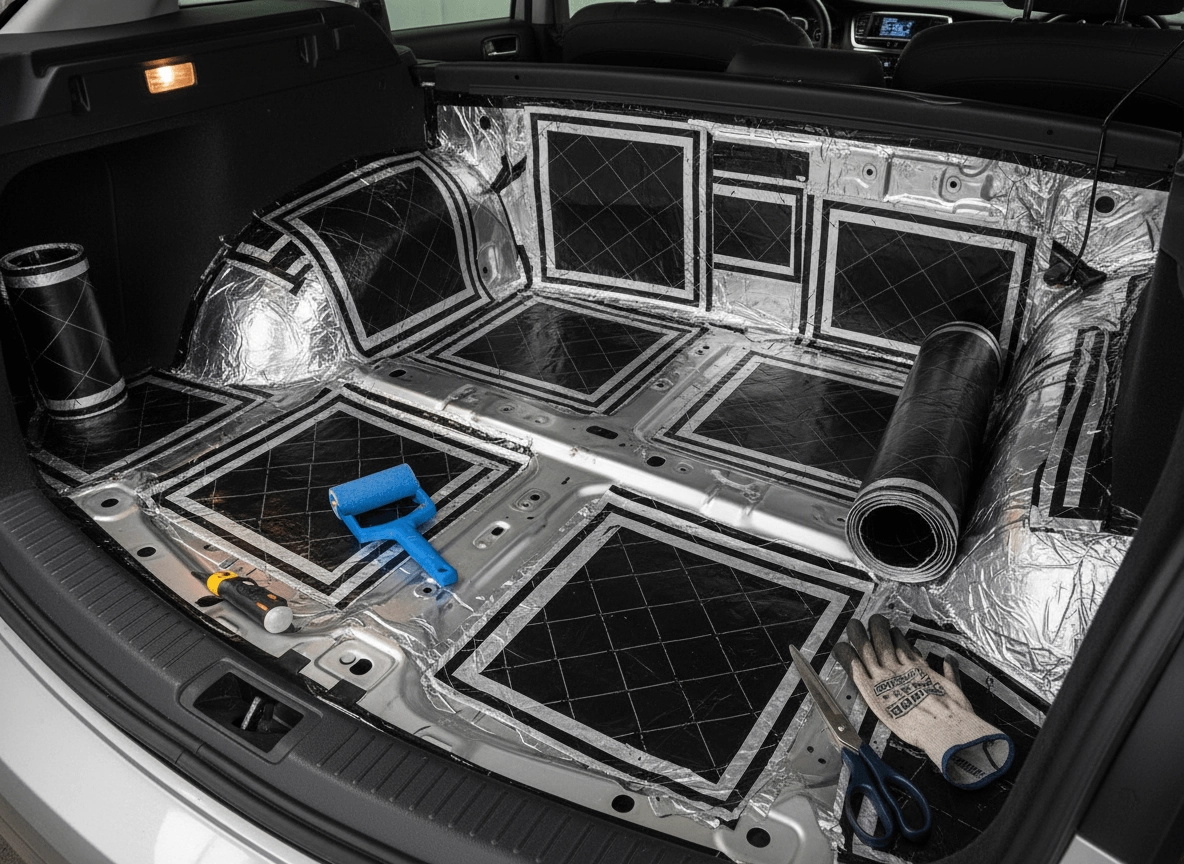
How to Install Car Sound Deadening Mats: Step-by-Step DIY Guide
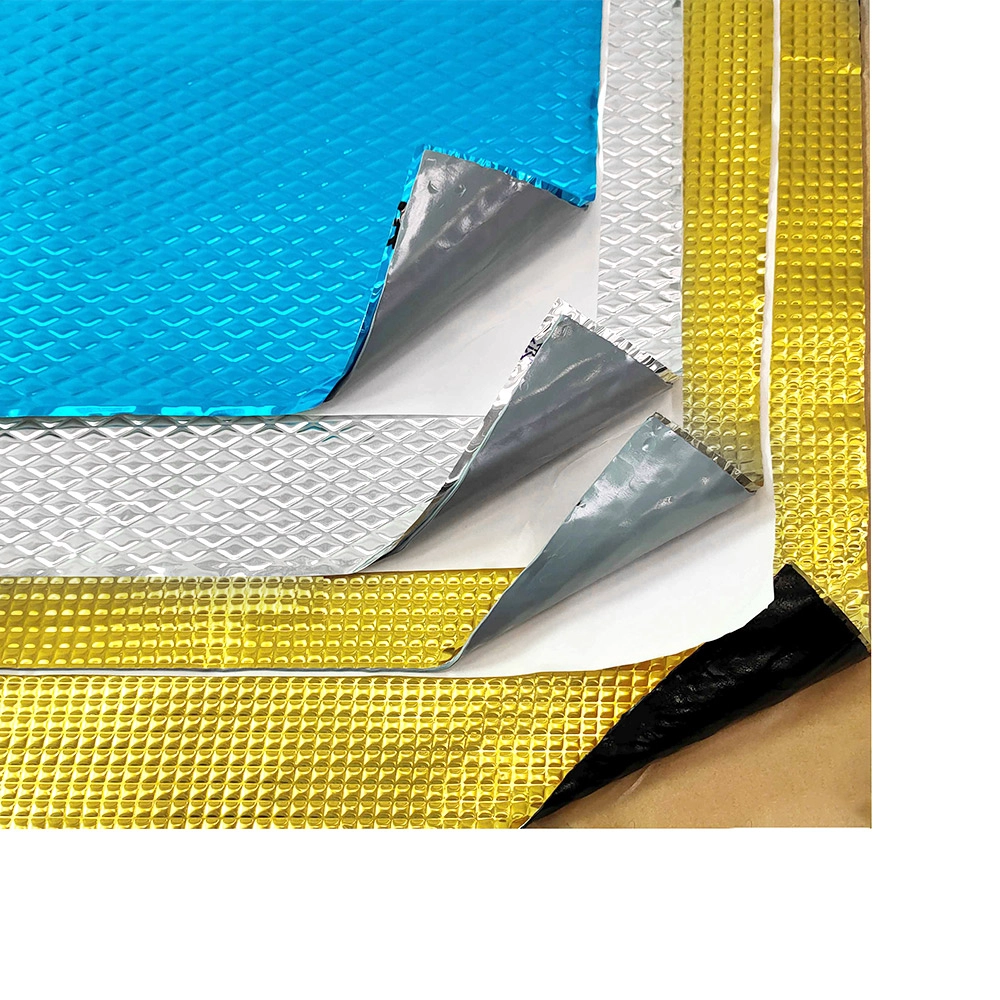
Latest Technological Innovations in Automotive Vibration Damping Materials (2026 Guide)
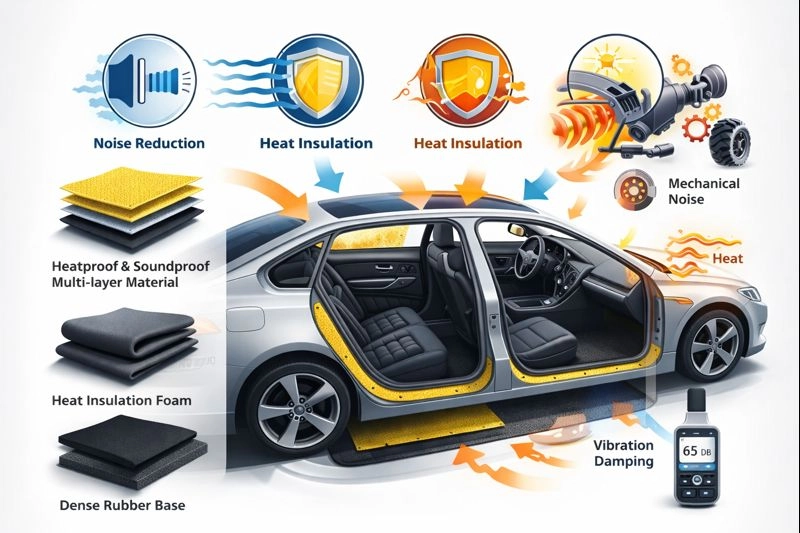
How Soundproofing Materials Improve Your Driving Experience
FAQs
How to customize products that meet the needs of my industry?
You only need to contact our sales or technical team, we will conduct an in-depth analysis based on your industry needs and provide tailor-made products and solutions. We guarantee to provide you with efficient and accurate services to meet your personalized requirements.
Do ASLONG's products meet environmental protection standards?
Yes, all ASLONG products comply with ISO14001 environmental management system certification and global environmental protection standards. We use environmentally friendly materials and are committed to providing sustainable solutions to help customers achieve green development goals.
Does ASLONG provide after-sales service?
Yes, we provide a full range of after-sales services, including technical support, installation guidance, product maintenance and quality tracking, etc., to ensure that each project goes smoothly and continues to perform at its best.
What industries are the products provided by ASLONG suitable for?
ASLONG's products are suitable for multiple industries, including air conditioning and HVAC, construction and waterproofing, automobiles and transportation, home appliances and electronics, industrial equipment and machinery, etc. We provide customized solutions for each industry to meet different needs.
What specific functions can ASLONG's products provide?
Our products cover functions such as insulation, sound insulation, shock absorption, waterproofing and sealing, and are widely used in improving energy efficiency, reducing noise, controlling vibration, protecting equipment, etc., helping customers optimize engineering effects and improve user experience.
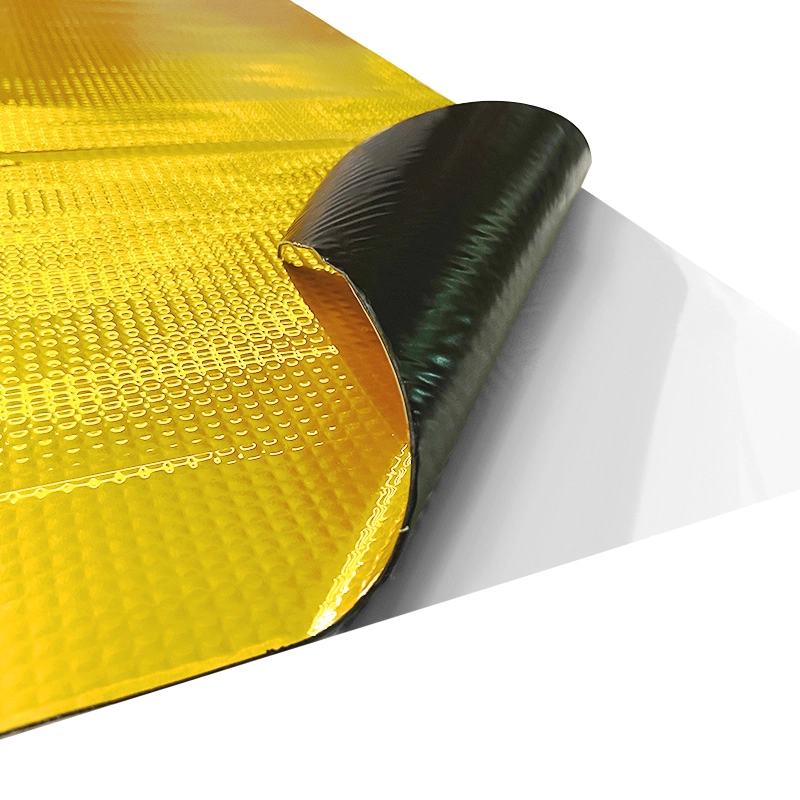
Premium Butyl Sound Deadening Mat – Automotive Noise & Heat Insulation with Aluminum Foil Layer
High-performance butyl rubber sound deadening mat designed to reduce road noise and heat inside vehicles. Backed with reflective aluminum foil, it provides superior thermal insulation, excellent vibration damping, and long-lasting adhesion. Ideal for cars, trucks, vans, and industrial applications.
Professional support at any time
Contact us for a free quote on our new soundproofing materials!
© 2026 ASLONG All Rights Reserved. Privacy Policy | Terms and Conditions | Sitemap

 It would be pleasure to receive from you.
Whatsapp: +8613242879341
ASLONG Global
ASLONG
Aslong_global