

Latest Technological Innovations in Automotive Vibration Damping Materials (2026 Guide)
Discover the latest technological innovations in automotive vibration damping materials, including advanced butyl rubber, constrained layer damping, nanomaterials, and eco-friendly solutions. Learn how these technologies improve vehicle comfort, reduce noise, and enhance performance.
- Latest Technological Innovations in Automotive Vibration Damping Materials
- Introduction
- 1. Advanced Butyl Rubber Technology
- 2. Constrained Layer Damping (CLD) Systems
- 3. Nanotechnology in Damping Materials
- 4. Eco-Friendly and Sustainable Materials
- 5. Integration with Electric Vehicles (EVs)
- 6. Smart Materials and Adaptive Damping
- 7. Digital Simulation and AI Optimization
- 8. Multi-Functional Damping Materials
- Conclusion
Latest Technological Innovations in Automotive Vibration Damping Materials
Introduction
As the automotive industry evolves toward electric, lightweight, and high-performance vehicles, controlling noise, vibration, and harshness (NVH) has become more critical than ever. Modern consumers expect quieter cabins and smoother driving experiences, pushing manufacturers to adopt cutting-edge vibration damping materials.
This article explores the latest innovations in automotive vibration damping materials and how they are transforming vehicle comfort, durability, and performance.
1. Advanced Butyl Rubber Technology
High-Performance Formulations
Butyl rubber remains the most widely used damping material, but recent innovations have significantly enhanced its capabilities:
- Improved temperature resistance (from -40°C to 150°C)
- Stronger adhesion without additional glue
- Lower odor and VOC emissions
- Higher damping efficiency with reduced thickness
Lightweight Butyl Compounds
Manufacturers are now developing low-density butyl materials that maintain high damping performance while reducing vehicle weight—critical for electric vehicles (EVs).
2. Constrained Layer Damping (CLD) Systems
CLD is one of the most effective modern solutions for vibration control.
How It Works
A typical CLD structure consists of:
- Aluminum foil (constraining layer)
- Viscoelastic core (e.g., butyl rubber)
- Release liner
When vibration occurs, the viscoelastic layer converts mechanical energy into heat, reducing noise and resonance.
Innovations in CLD
- Multi-layer CLD systems (3–5 layers)
- Integration with Mass Loaded Vinyl (MLV)
- Pre-cut, vehicle-specific kits for easy installation
3. Nanotechnology in Damping Materials
Nano-Fillers for Enhanced Performance
The integration of nanomaterials such as:
- Graphene
- Carbon nanotubes
- Nano-silica
has led to:
- Increased stiffness and damping efficiency
- Improved thermal stability
- Reduced material thickness
Benefits
- Better performance with less material
- Enhanced durability
- Improved resistance to environmental stress
4. Eco-Friendly and Sustainable Materials
With stricter environmental regulations, sustainability is becoming a key focus.
Green Innovations
- Bio-based polymers replacing petroleum-based materials
- Recyclable damping sheets
- Low-VOC and odorless formulations
Applications
These materials are especially popular in:
- Electric vehicles (EVs)
- Premium and eco-conscious automotive brands
5. Integration with Electric Vehicles (EVs)
Electric vehicles introduce new NVH challenges due to the absence of engine noise.
New Requirements
- Suppression of high-frequency motor noise
- Reduction of road and tire noise
- Lightweight material solutions to preserve battery efficiency
Innovative Solutions
- Ultra-thin damping sheets
- Hybrid acoustic + thermal insulation materials
- Targeted damping placement using simulation tools
6. Smart Materials and Adaptive Damping
Emerging Technologies
Smart damping materials can adapt to changing conditions:
- Piezoelectric materials that respond to vibration
- Magnetorheological materials that change stiffness under magnetic fields
Future Potential
These materials may enable:
- Real-time vibration control
- Active noise cancellation integration
- Intelligent vehicle systems
7. Digital Simulation and AI Optimization
Modern automotive engineering increasingly relies on digital tools.
Key Advancements
- AI-driven material optimization
- Finite Element Analysis (FEA) for vibration prediction
- Digital twins for real-world performance simulation
Benefits
- Faster product development
- Reduced testing costs
- Precise material placement for maximum efficiency
8. Multi-Functional Damping Materials
Today’s materials are designed to perform multiple roles simultaneously:
- Vibration damping
- Sound insulation
- Thermal insulation
- Waterproofing
Examples
- Butyl + foam composites
- MLV combined with acoustic cotton
- Aluminum foil for heat shielding
Conclusion
The automotive vibration damping materials industry is undergoing rapid transformation driven by electrification, sustainability, and advanced material science. Innovations such as nanotechnology, smart materials, and eco-friendly solutions are setting new benchmarks for performance and efficiency.
For manufacturers and suppliers, staying ahead means embracing these technologies to deliver superior NVH performance while meeting environmental and lightweight requirements.
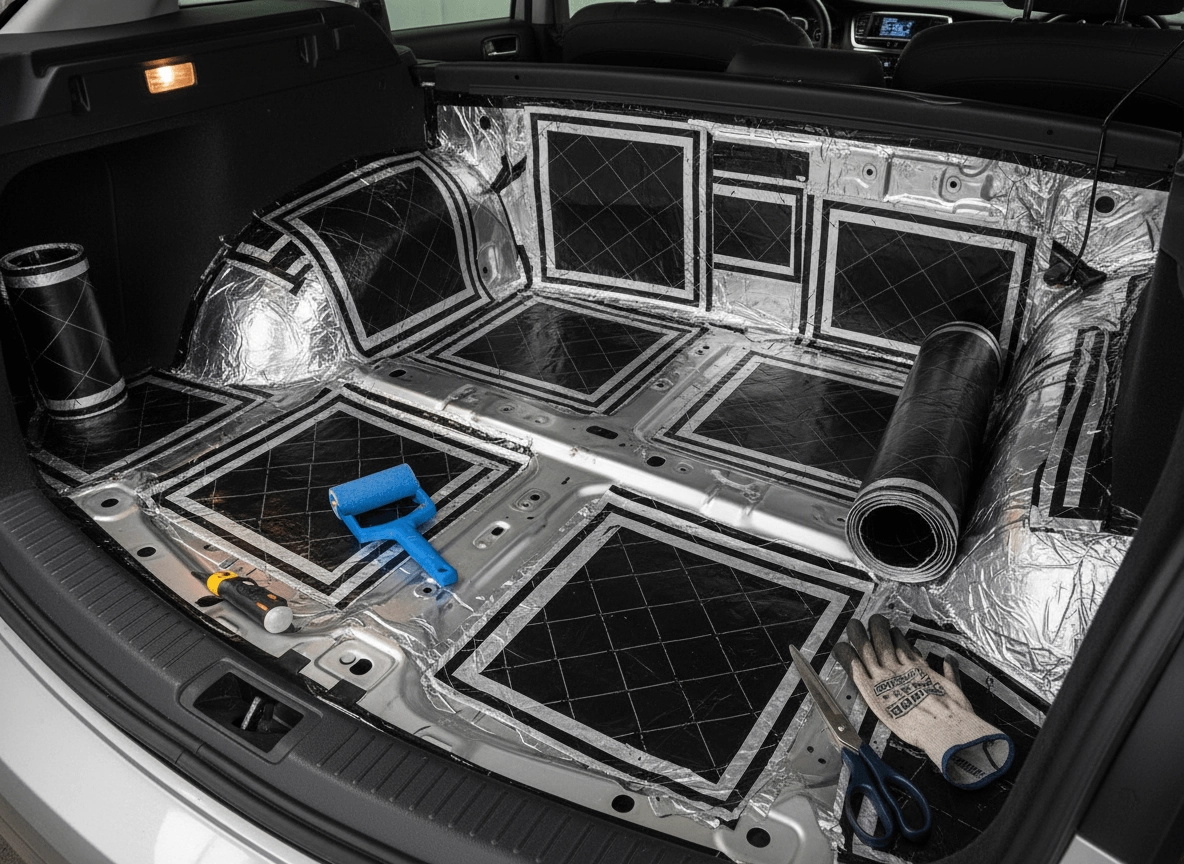
How to Install Car Sound Deadening Mats: Step-by-Step DIY Guide
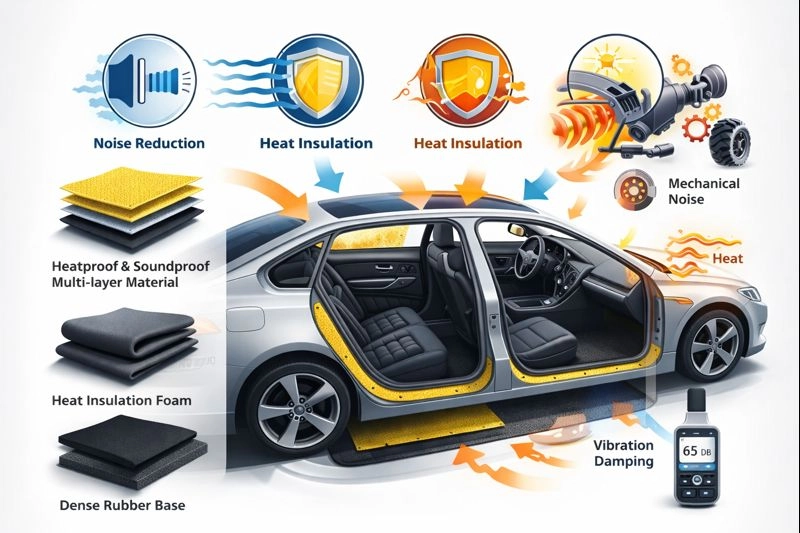
How Soundproofing Materials Improve Your Driving Experience
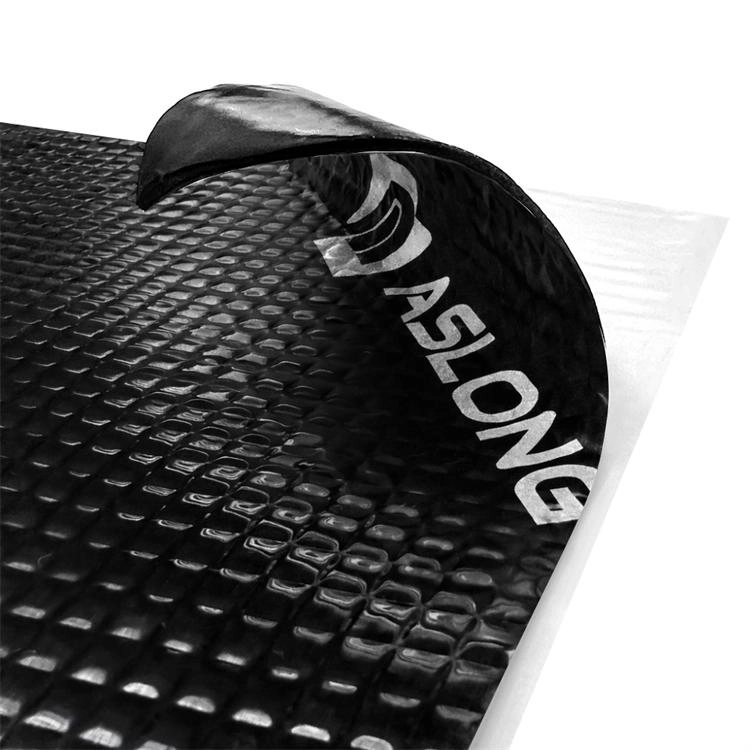
Butyl vs Asphalt Sound Deadening: Which Material Is Better for Cars?
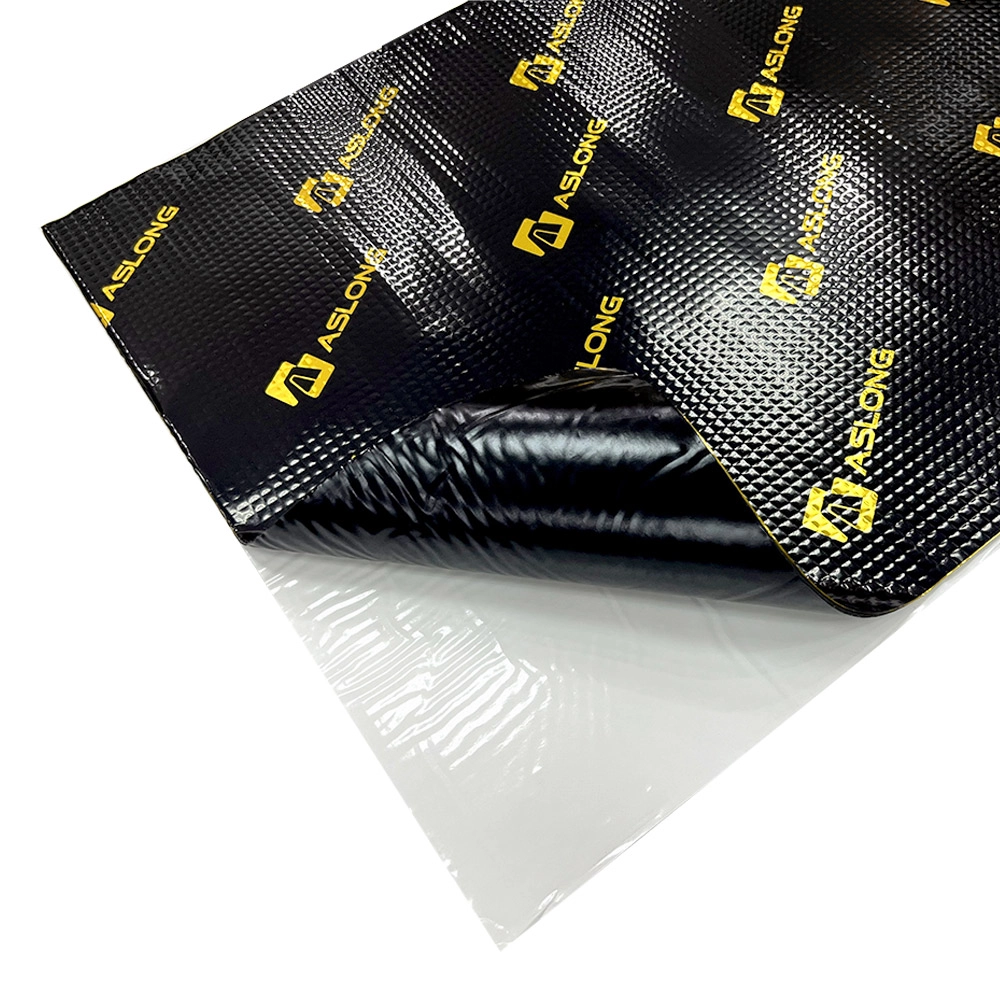
Eco-friendly Soundproofing Materials for Automotive Applications: Future Outlook and Market Trends

How to Choose the Best Car Soundproofing Materials for Maximum Noise Reduction
FAQs
Does ASLONG provide after-sales service?
Yes, we provide a full range of after-sales services, including technical support, installation guidance, product maintenance and quality tracking, etc., to ensure that each project goes smoothly and continues to perform at its best.
Do ASLONG's products meet environmental protection standards?
Yes, all ASLONG products comply with ISO14001 environmental management system certification and global environmental protection standards. We use environmentally friendly materials and are committed to providing sustainable solutions to help customers achieve green development goals.
What specific functions can ASLONG's products provide?
Our products cover functions such as insulation, sound insulation, shock absorption, waterproofing and sealing, and are widely used in improving energy efficiency, reducing noise, controlling vibration, protecting equipment, etc., helping customers optimize engineering effects and improve user experience.
How to customize products that meet the needs of my industry?
You only need to contact our sales or technical team, we will conduct an in-depth analysis based on your industry needs and provide tailor-made products and solutions. We guarantee to provide you with efficient and accurate services to meet your personalized requirements.
What industries are the products provided by ASLONG suitable for?
ASLONG's products are suitable for multiple industries, including air conditioning and HVAC, construction and waterproofing, automobiles and transportation, home appliances and electronics, industrial equipment and machinery, etc. We provide customized solutions for each industry to meet different needs.
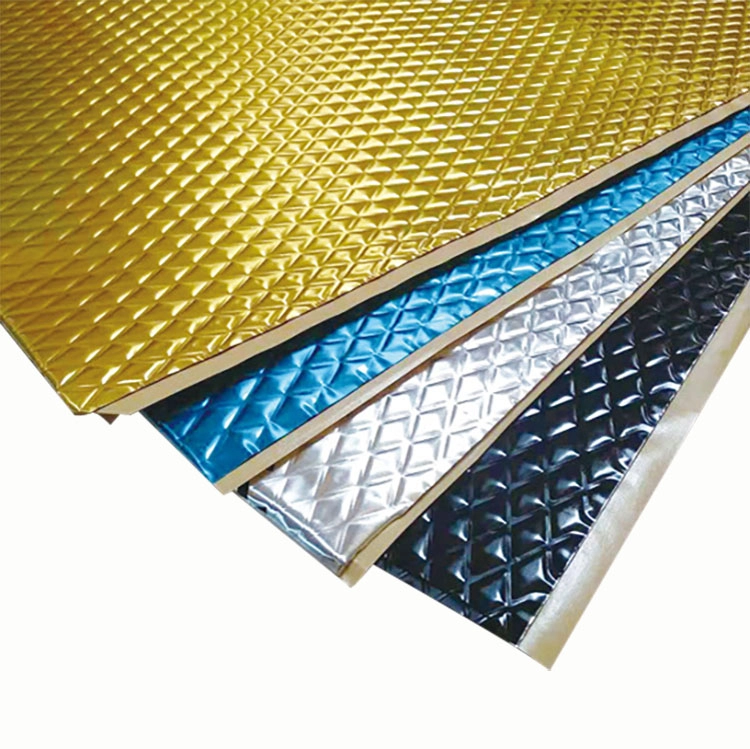
Sound Deadening Mat | Butyl Rubber & Aluminum Vibration Dampening Pad for Automotive Noise Reduction
Automotive Butyl Rubber Sound Deadening Mat is designed to minimize structural noise caused by panel resonance and road vibration. Built with an elastic butyl compound and an aluminum-backed surface, it stabilizes vehicle body panels and transforms noisy metal surfaces into acoustically controlled structures. Ideal for OEM upgrades, car audio installations, and professional automotive soundproofing projects.
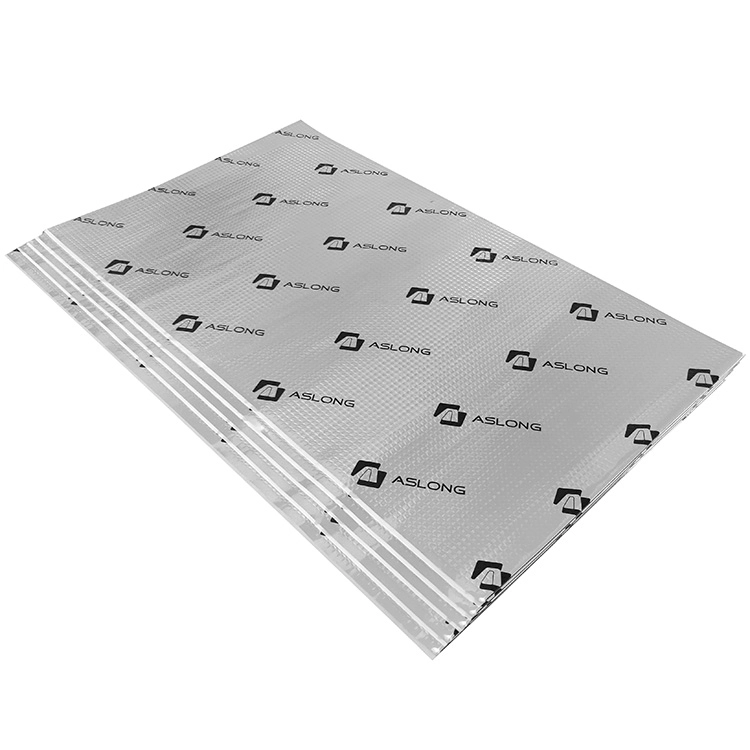
Aslong Premium Sound Deadening Mat | Butyl Rubber & Aluminum Vibrations Dampening Pad for Automotive Noise Reduction
The Aslong Sound Deadening Mat is made from high-density butyl rubber combined with reinforced aluminum foil. It effectively reduces vehicle vibrations, eliminates resonance noise, and improves cabin comfort. Ideal for doors, floors, trunks, wheel arches, and engine hoods. Strong adhesion and easy installation make it suitable for both professionals and DIY users.
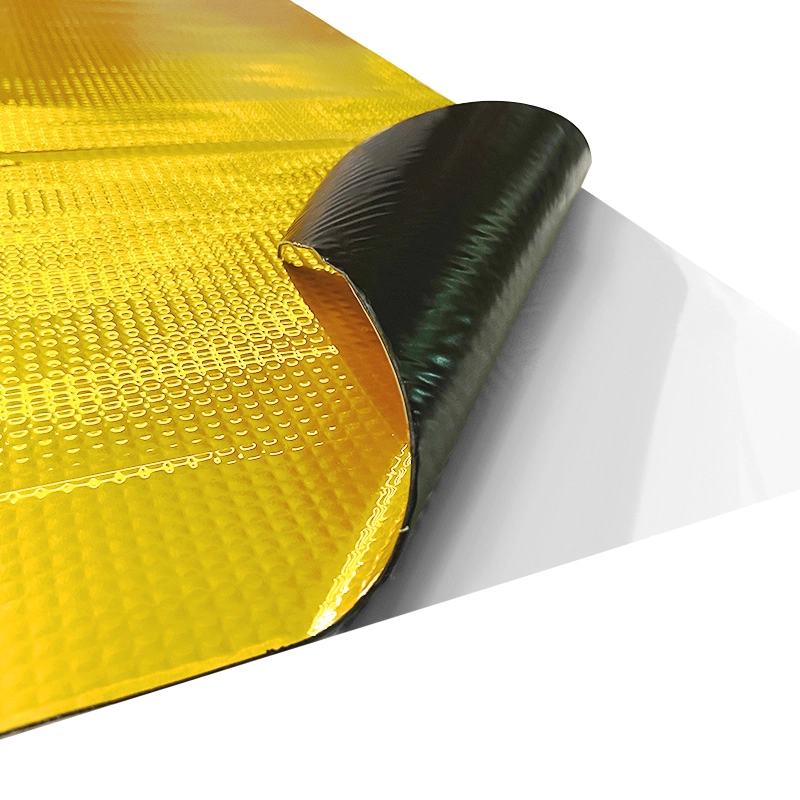
Premium Butyl Sound Deadening Mat – Automotive Noise & Heat Insulation with Aluminum Foil Layer
High-performance butyl rubber sound deadening mat designed to reduce road noise and heat inside vehicles. Backed with reflective aluminum foil, it provides superior thermal insulation, excellent vibration damping, and long-lasting adhesion. Ideal for cars, trucks, vans, and industrial applications.
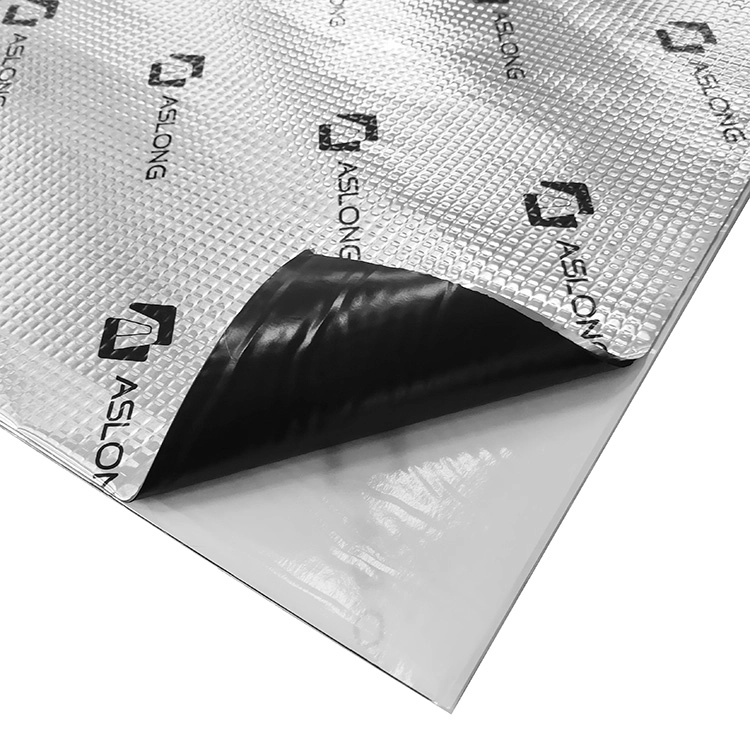
Aslong Professional Vibration Control Panel | Butyl-Based Automotive Sound Deadening Board with Aluminum Layer
ASLONG Butyl Rubber Sound Deadening Mat is designed to minimize structural noise caused by panel resonance and road vibration. Built with an elastic butyl compound and an aluminum-backed surface, it stabilizes vehicle body panels and transforms noisy metal surfaces into acoustically controlled structures. Ideal for OEM upgrades, car audio installations, and professional automotive soundproofing projects.
Professional support at any time
Contact us for a free quote on our new soundproofing materials!
© 2026 ASLONG All Rights Reserved. Privacy Policy | Terms and Conditions | Sitemap

 It would be pleasure to receive from you.
Whatsapp: +8613242879341
ASLONG Global
ASLONG
Aslong_global