

Industrial Noise Control Strategies From a Sound Insulation Manufacturer (2026 Guide)
- What is Industrial Noise Insulation?
- Key Takeaways: Quick Summary of Noise Control Strategies
- The True Cost of Ignoring Factory Noise: Health and OSHA Compliance
- Core Principles of Noise Mitigation: The Source-Path-Receiver Model
- Top Industrial Soundproofing Materials (Direct from the Manufacturer)
- Expert Tips & Common Mistakes in Acoustic Treatment Installation
- Future Trends: Industrial Noise Reduction in 2026 and Beyond
- Why Global Industries Trust ASLONG for Acoustic Material Solutions
- Conclusion
- FAQs About Industrial noise insulation
In 2026, Industrial noise insulation is no longer just a facility afterthought; it is a critical component of operational efficiency, worker safety, and regulatory compliance. With factories utilizing heavier machinery and higher-speed production lines, unmitigated sound waves create hazardous work environments. At ASLONG, a leading manufacturer of advanced acoustic materials, we’ve spent over two decades engineering solutions that tackle these exact challenges. This comprehensive guide breaks down the core strategies for mitigating factory noise, understanding occupational limits, and selecting the right materials for the job.
What is Industrial Noise Insulation?
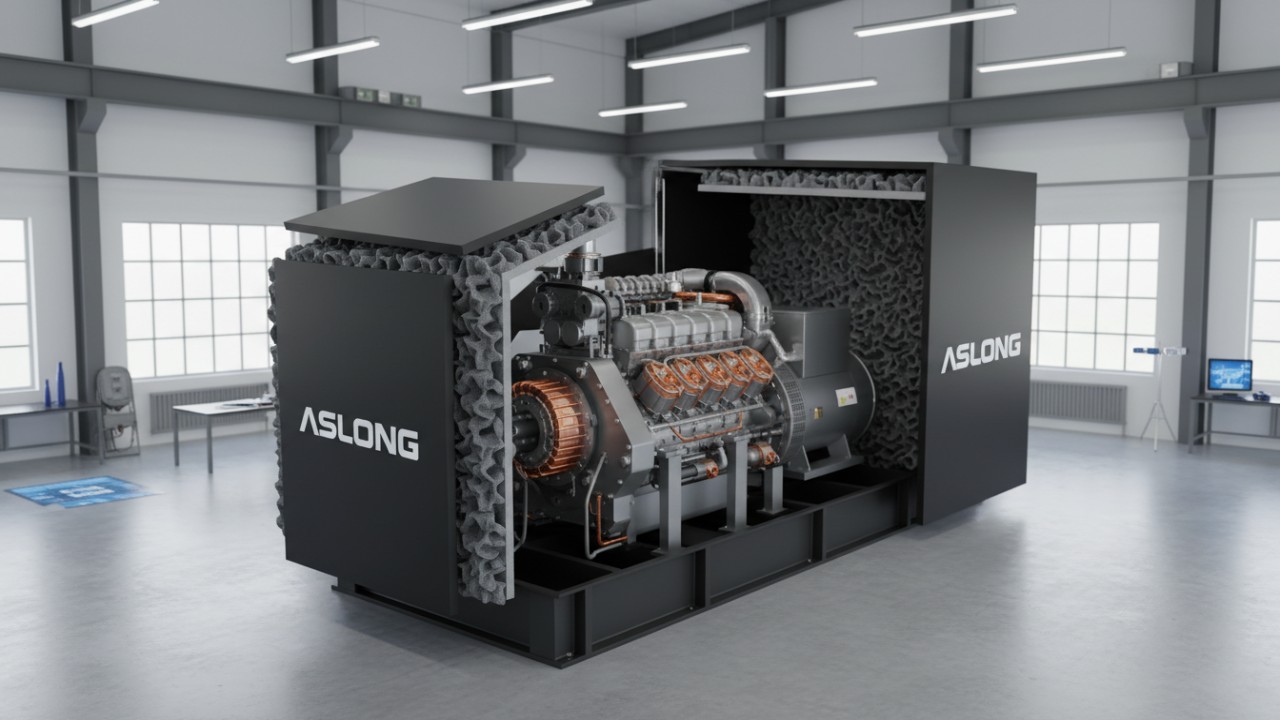
Industrial noise insulation refers to the strategic application of specialized acoustic materials to block, absorb, or dampen sound vibrations in factory environments. It primarily targets loud machinery, HVAC systems, and high-pressure piping to protect worker health, ensure OSHA noise compliance, and increase operational efficiency.
Effective noise mitigation relies on deploying high-performance materials like Mass Loaded Vinyl (MLV), Butyl Rubber, and NBR foam. These materials are specifically designed to manage both airborne noise and structure-borne vibration transmission. By treating the acoustic environment, facility managers can drastically reduce reverberation, creating a safer and more productive workspace.
Key Takeaways: Quick Summary of Noise Control Strategies
Understanding the foundational elements of acoustic control is essential for any industrial facility manager. Here is a quick summary of the most effective strategies for 2026:
- Diagnose with the Source-Path-Receiver Model: Systematically evaluate noise issues by identifying where the sound originates, how it travels, and who it affects.
- Differentiate Material Functions: Material selection is critical; distinguish between sound absorption (reducing internal echo) and sound blocking (stopping transmission through walls).
- Prioritize Proactive Compliance: Meeting and exceeding occupational safety standards prevents costly regulatory fines and safeguards employee hearing.
- Source Direct from Manufacturers: Procuring materials directly from a manufacturer like ASLONG ensures stringent quality control, custom fabrication capabilities, and superior cost-effectiveness.
The True Cost of Ignoring Factory Noise: Health and OSHA Compliance
Ignoring factory noise leads to permanent worker hearing loss, decreased productivity, and severe financial penalties. Strict adherence to occupational noise exposure limits is legally required to prevent costly fines, mitigate workers' compensation claims, and safeguard employee well-being.
Continuous exposure to high-decibel industrial noise—whether from continuous machinery hums or impulsive heavy presses—causes irreversible damage to the inner ear. According to OSHA's occupational noise exposure guidelines, the Permissible Exposure Limit (PEL) is strictly set at 90 decibels (dBA) for an 8-hour Time-Weighted Average (TWA). If noise levels exceed this threshold, employers are legally mandated to implement administrative controls or provide adequate hearing protection.
Furthermore, data from the Centers for Disease Control and Prevention (CDC) indicates that millions of workers face hazardous occupational noise annually, making hearing loss one of the most common work-related illnesses. Beyond the health implications, high reverberation levels in a factory decrease worker productivity, increase communication errors, and ultimately impact the bottom line.
Core Principles of Noise Mitigation: The Source-Path-Receiver Model
The Source-Path-Receiver model is a fundamental acoustic framework used to systematically eliminate industrial noise. It involves damping vibrations at the machinery source, blocking sound transmission along its path, and protecting the worker receiving the noise.
To effectively engineer a quieter facility, acoustic specialists break down the problem into three distinct phases:
- Controlling Noise at the Source: The most effective intervention is treating the machinery directly. Applying vibration damping mats, such as Butyl Rubber, to the metal housing of heavy equipment absorbs kinetic energy before it can radiate as airborne noise.
- Interrupting the Path: If source treatment is insufficient, the next step is blocking the sound waves as they travel. This involves installing acoustic enclosure materials, soundproof curtains, or structural partitions lined with dense barriers to physically stop the noise.
- Protecting the Receiver: When engineering controls cannot fully reduce the noise to safe levels, protecting the worker becomes the final line of defense. This includes implementing administrative schedule changes, building isolated control rooms, and utilizing Personal Protective Equipment (PPE).
Top Industrial Soundproofing Materials (Direct from the Manufacturer)
The most effective industrial soundproofing materials include Mass Loaded Vinyl for blocking airborne noise, Butyl Rubber mats for damping vibrations, and NBR foam for absorbing internal facility echoes. Selecting the right material depends entirely on the specific noise frequency and transmission type.
As a high-tech enterprise specializing in acoustic R&D since 2000, ASLONG manufactures a comprehensive suite of industrial-grade materials. Below is a comparison of our top-performing acoustic solutions:
| Material Type | Primary Function | Best Industrial Application | Key Acoustic Metric |
|---|---|---|---|
| Mass Loaded Vinyl (MLV) | Sound Blocking (Transmission Loss) | Lining walls, ceilings, and machinery enclosures to stop airborne noise. | High STC (Sound Transmission Class) |
| Butyl Rubber Sound Damping Mat | Vibration Damping | Isolating heavy machinery, automotive panels, and metal housing. | High Loss Factor (Vibration Energy Conversion) |
| NBR Foam & Sound Absorbing White Cotton | Sound Absorption | Reducing echo and broadband frequency reverberation inside open factories. | High NRC (Noise Reduction Coefficient) |
By leveraging a combination of these materials, facilities can achieve comprehensive noise mitigation. For example, a heavy stamping press might require Butyl Rubber on its casing to stop rattling, surrounded by an enclosure lined with MLV to contain the airborne sound, and finished with NBR foam on the interior to prevent the noise from amplifying inside the box.
Expert Tips & Common Mistakes in Acoustic Treatment Installation
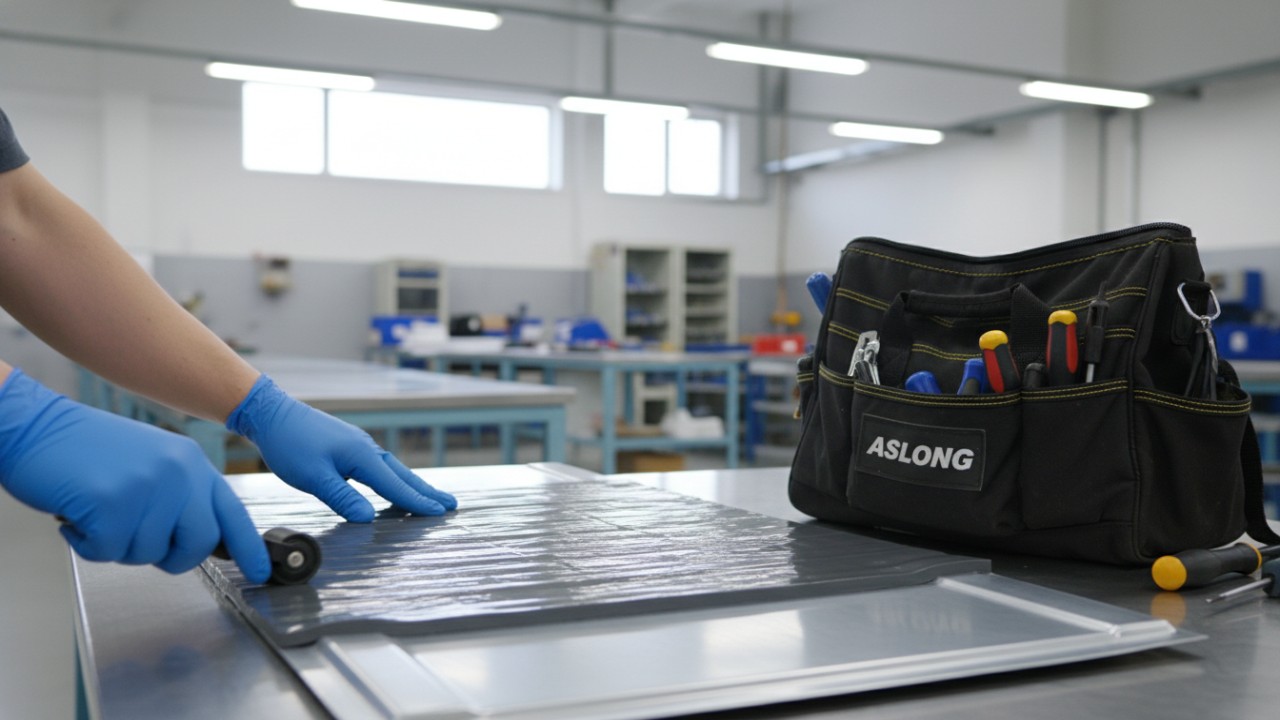
A common acoustic installation mistake is confusing sound absorption with sound blocking, leading to completely ineffective noise control. Experts recommend ensuring 100% airtight seals on acoustic barriers and mechanically decoupling machinery to achieve maximum industrial sound reduction.
Even the highest-quality materials will fail if installed incorrectly. Here are the most critical expert tips and common pitfalls to avoid:
- Common Mistake: Misunderstanding NRC vs. STC. Facility managers often buy porous foam (high NRC) hoping it will block noise from escaping a room. Foam only absorbs echo; dense materials like MLV (high STC) are required to block sound transmission.
- Expert Tip: Seal Every Gap. When installing sound barriers, ensure a 100% airtight seal. Sound acts like water; even a 1% gap in an enclosure or wall can allow up to 50% of the noise to leak through.
- Common Mistake: Ignoring Structure-Borne Noise. Treating airborne noise with curtains but ignoring the vibrations traveling through the concrete floor will leave workers exposed to low-frequency rumbling.
- Expert Tip: Decouple Machinery. Use mechanical decoupling techniques alongside our vibration damping mats for maximum machinery noise reduction. Lifting the machine off the rigid floor using rubber isolators breaks the transmission path.
Future Trends: Industrial Noise Reduction in 2026 and Beyond
In 2026, industrial noise reduction is shifting toward AI-monitored acoustic mapping and sustainable composite materials. Facilities are increasingly bypassing third-party contractors to procure advanced soundproofing directly from manufacturers for better cost-efficiency and custom fabrication.
The landscape of acoustic engineering is evolving rapidly. According to a 2026 market analysis by 360 Research Reports, the acoustic metamaterial sector is seeing massive growth, driven by a 36% rise in ultra-light soundproofing modules and advanced vibration-damping components.
Key trends defining the future of industrial noise control include:
- AI Acoustic Mapping: The rise of AI-monitored acoustic environments allows factory managers to dynamically map noise levels in real-time, pinpointing exact frequencies for precise material placement.
- Sustainable Materials: There is a significant shift toward environmentally friendly, high-performance composite materials, moving away from traditional, irritable fiberglass solutions that degrade indoor air quality.
- Direct Procurement Models: Enhanced supply chain efficiency through direct-to-manufacturer procurement is lowering the cost of large-scale factory soundproofing. Buying direct ensures scalable bulk availability and guaranteed material quality.
Why Global Industries Trust ASLONG for Acoustic Material Solutions
ASLONG is a premier manufacturer of high-performance acoustic materials, providing globally tested sound insulation solutions since 2000. Operating a modern 10,000-square-meter facility, we supply top-tier damping mats, MLV, and foams to industries worldwide.
Finding a reliable partner for your acoustic needs is critical. ASLONG (Welllink Guangdong New Material Co., Ltd.) brings over two decades of high-tech R&D to the industrial noise control sector. Our extensive product line covers acoustics, sound insulation, and shock absorption, widely used in construction, automotive, and industrial applications.
Our robust export network successfully delivers environmentally friendly sound insulation to Europe, North America, Asia, and Africa. Whether you need Tire Silent Foam, Electric Auxiliary Materials, or custom Commercial sound insulation materials manufacturer guide strategies, ASLONG offers custom manufacturing tailored to your exact specifications. We are currently recruiting agents worldwide to expand our reach and provide localized support.
Conclusion
Implementing an effective industrial noise control strategy requires a solid understanding of acoustics, rigorous OSHA compliance, and the right combination of blocking and absorbing materials. By accurately diagnosing the source of the noise and applying targeted solutions like Mass Loaded Vinyl and Butyl Rubber, facilities can dramatically improve workplace safety. Partnering directly with an experienced manufacturer like ASLONG guarantees access to superior, custom-engineered products tailored to your specific facility needs. Contact us today to optimize your Industrial noise insulation strategy.
FAQs About Industrial noise insulation
How do you reduce noise in an industrial plant?
You can reduce industrial noise by applying the source-path-receiver framework. This includes using vibration damping mats on machinery, installing acoustic enclosures, hanging sound-absorbing baffles, and ensuring workers have proper PPE.
What is the most effective industrial sound insulation material?
There is no single best material; it depends on the noise type. Mass Loaded Vinyl (MLV) is highly effective for blocking airborne sound, while Butyl Rubber is superior for damping structure-borne vibrations.
How does Mass Loaded Vinyl (MLV) work in factories?
MLV works by adding limp mass to a structure, such as a machine enclosure or a factory wall. Its high density blocks sound waves from passing through without rigid characteristics that would normally transmit vibration.
What is the difference between sound absorption and soundproofing?
Sound absorption (using materials like NBR foam or Sound Absorbing White Cotton) reduces echo and reverberation inside a room. Soundproofing (using materials like MLV) blocks sound from entering or leaving a space entirely.
What are the OSHA standards for industrial noise exposure?
OSHA sets the legal limit for continuous noise exposure in the workplace at a Permissible Exposure Limit (PEL) of 90 decibels (dBA) for an 8-hour Time-Weighted Average (TWA).
Can vibration damping mats reduce machine noise?
Yes, vibration damping mats, especially those made from Butyl Rubber, absorb kinetic energy from machinery and convert it into low-grade heat, stopping vibrations from traveling into the floor and becoming airborne noise.
How much does industrial soundproofing cost?
The cost varies widely based on facility size and noise levels. However, buying materials directly from a manufacturer like ASLONG drastically reduces overhead and material costs compared to third-party acoustic contractors.
Why should I buy acoustic materials directly from the manufacturer?
Buying direct from a manufacturer ensures lower prices, scalable bulk availability, guaranteed material quality, and the ability to custom-engineer materials specific to your industry's noise challenges.
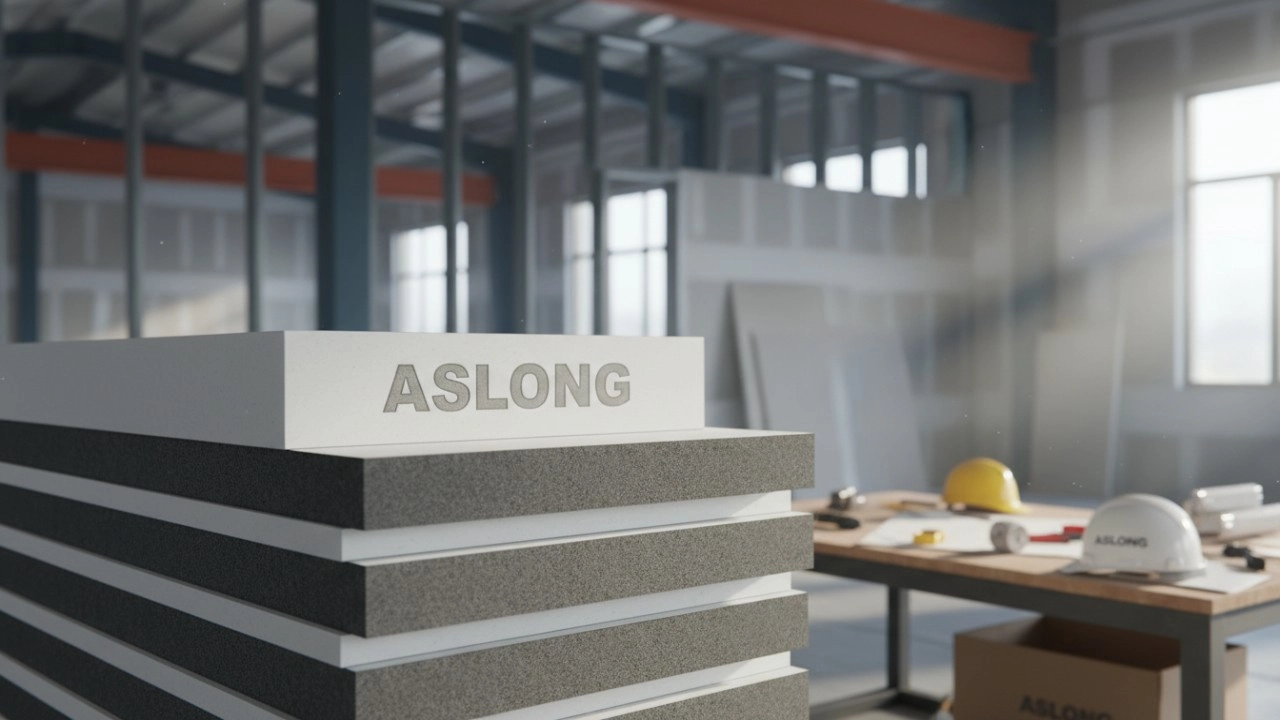
Lightweight vs Heavy Sound Deadening Materials: Which One Should You Choose?
Practical Case Studies: Door, Floor & Roof Soundproofing Solutions for Cars
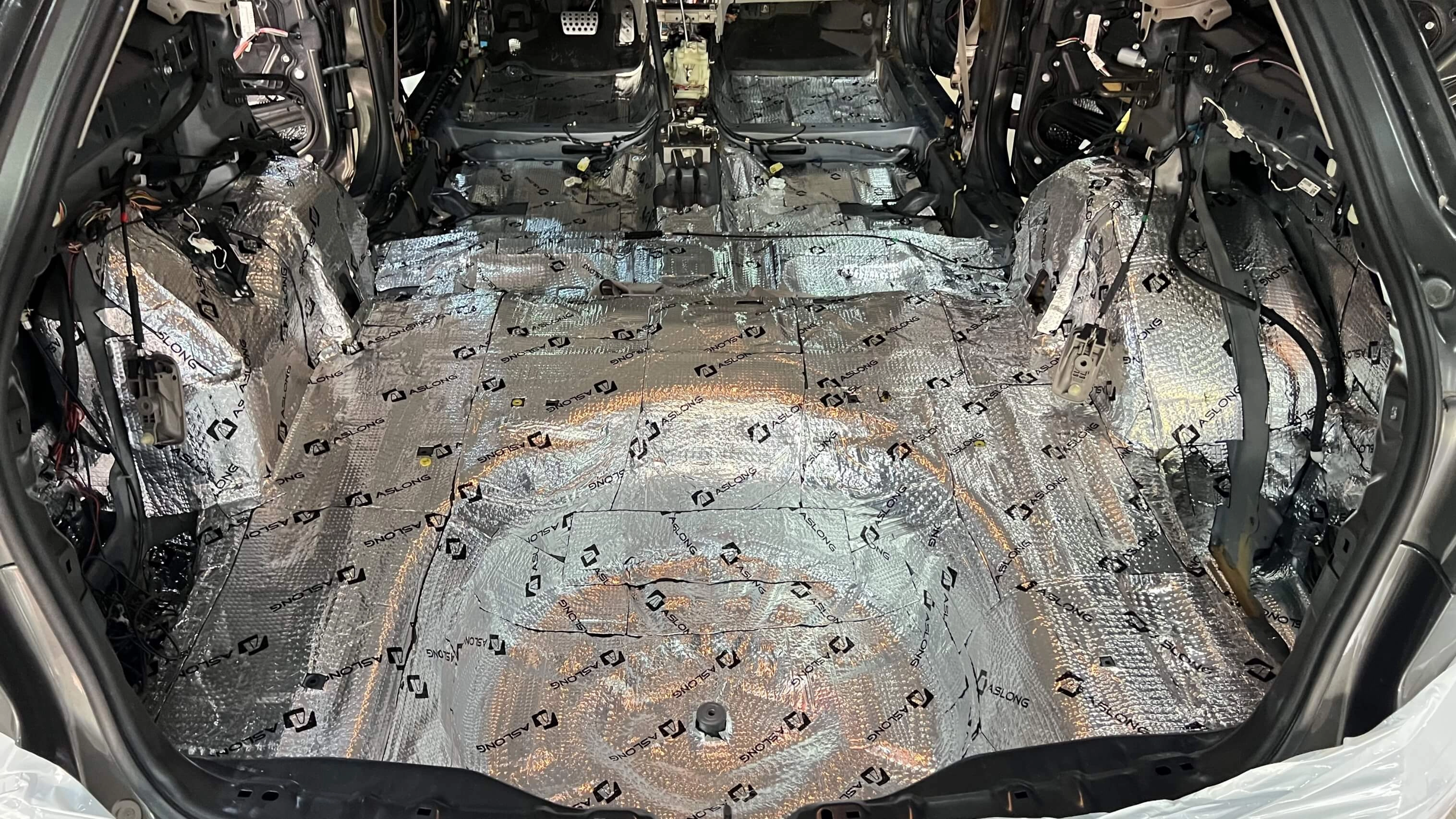
Soundproofing Materials for Vehicles: A Complete Guide to a Quieter Ride
High-Performance Hotel Acoustic Solutions by a Sound Insulation Manufacturer (2026 Guide)
Professional Studio Solutions From a Sound Insulation Materials Manufacturer (2026 Guide)
FAQs
Do ASLONG's products meet environmental protection standards?
Yes, all ASLONG products comply with ISO14001 environmental management system certification and global environmental protection standards. We use environmentally friendly materials and are committed to providing sustainable solutions to help customers achieve green development goals.
What specific functions can ASLONG's products provide?
Our products cover functions such as insulation, sound insulation, shock absorption, waterproofing and sealing, and are widely used in improving energy efficiency, reducing noise, controlling vibration, protecting equipment, etc., helping customers optimize engineering effects and improve user experience.
How to customize products that meet the needs of my industry?
You only need to contact our sales or technical team, we will conduct an in-depth analysis based on your industry needs and provide tailor-made products and solutions. We guarantee to provide you with efficient and accurate services to meet your personalized requirements.
Does ASLONG provide after-sales service?
Yes, we provide a full range of after-sales services, including technical support, installation guidance, product maintenance and quality tracking, etc., to ensure that each project goes smoothly and continues to perform at its best.
What industries are the products provided by ASLONG suitable for?
ASLONG's products are suitable for multiple industries, including air conditioning and HVAC, construction and waterproofing, automobiles and transportation, home appliances and electronics, industrial equipment and machinery, etc. We provide customized solutions for each industry to meet different needs.
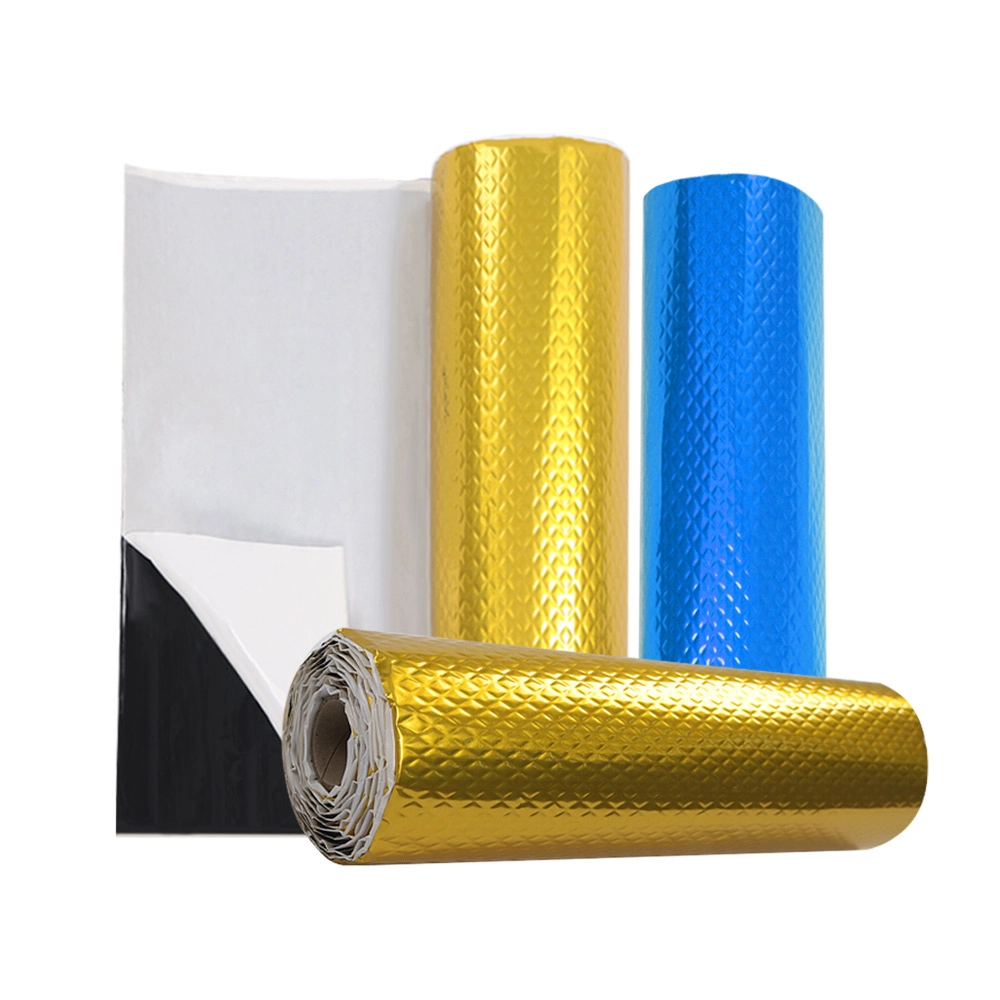
Butyl Rubber Sound Damping Mat
ASLONG Butyl Rubber Sound Damping Mat for sale. Effectively reduces noise and vibrations. High-quality butyl rubber ensures superior performance and durability. Ideal for automotive, industrial, and home applications.
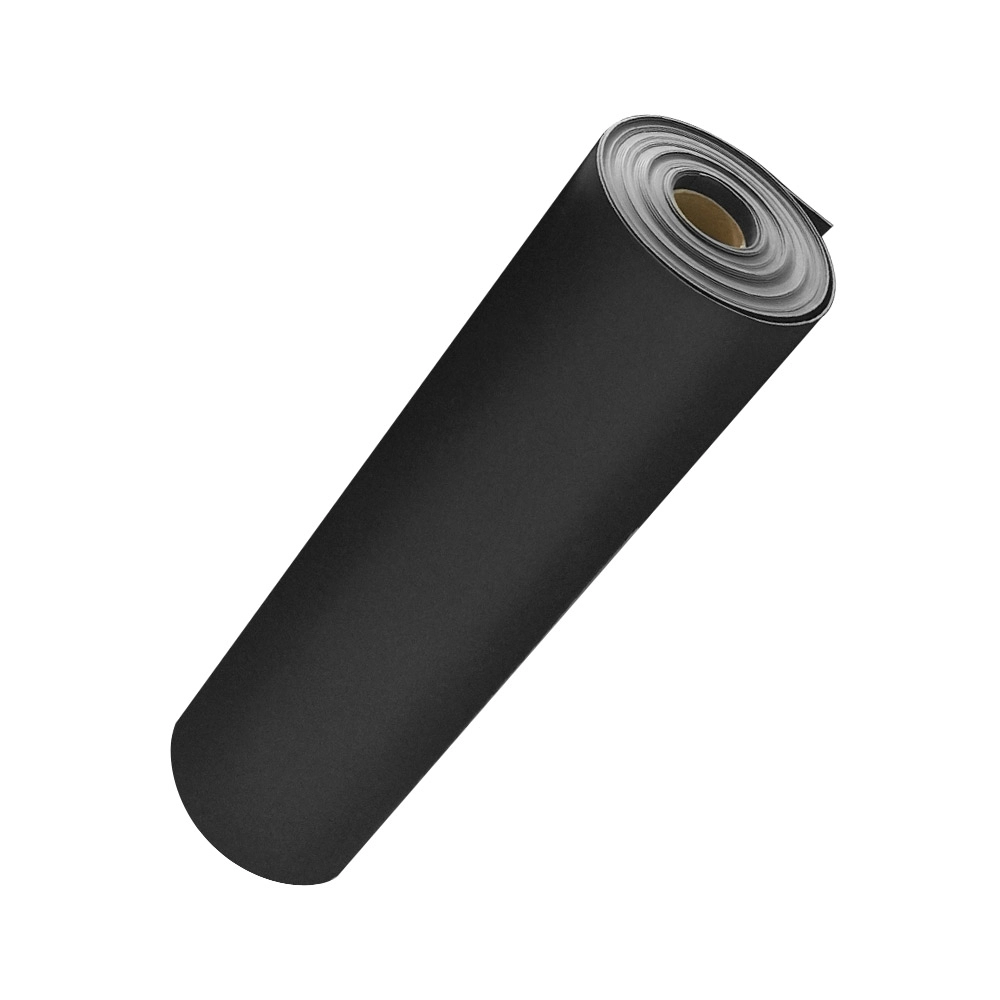
Mass Loaded Vinyl
ASLONG Mass Loaded Vinyl for sale. Reduce noise pollution effectively with our high-quality, mass-loaded vinyl. Ideal for soundproofing walls, floors, and more. Buy now and experience the difference!
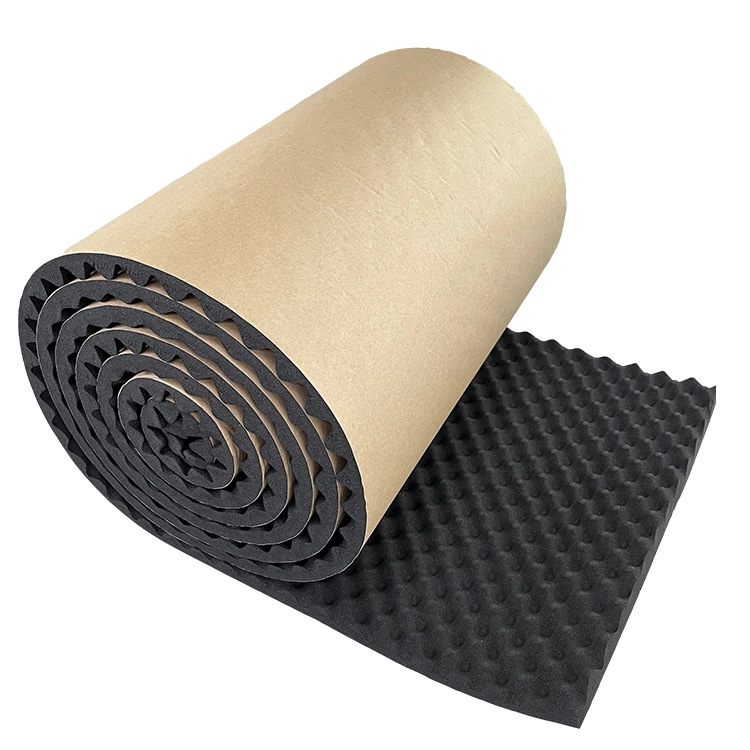
Egg Crate Foam
ASLONG Egg Crate Foam for sale. Lightweight, breathable, and comfortable, our egg crate foam provides superior support and pressure relief. Perfect for mattresses, cushions, cars, construction industry, KTV, factories, etc.
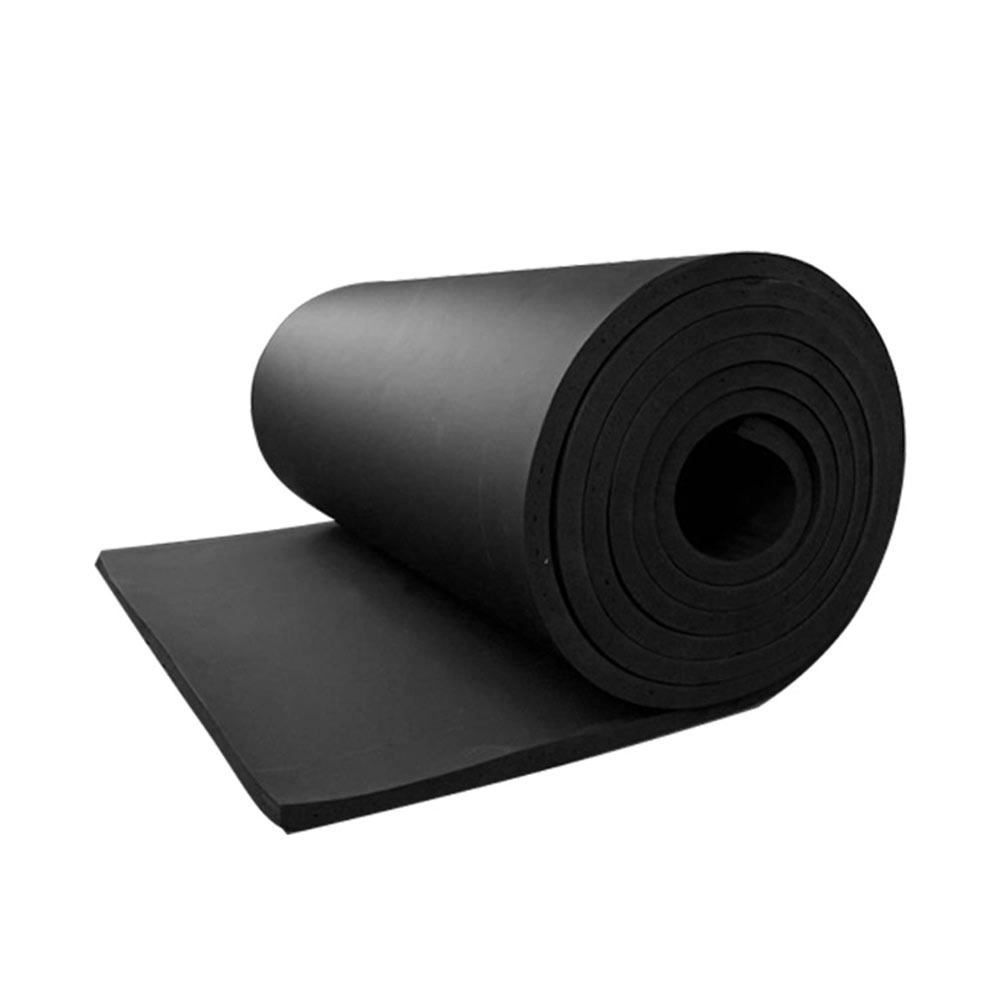
NBR Foam
ASLONG NBR Foam: Wholesale NBR foam solutions for diverse applications. High-quality, durable, and competitively priced. Contact us today for bulk orders.
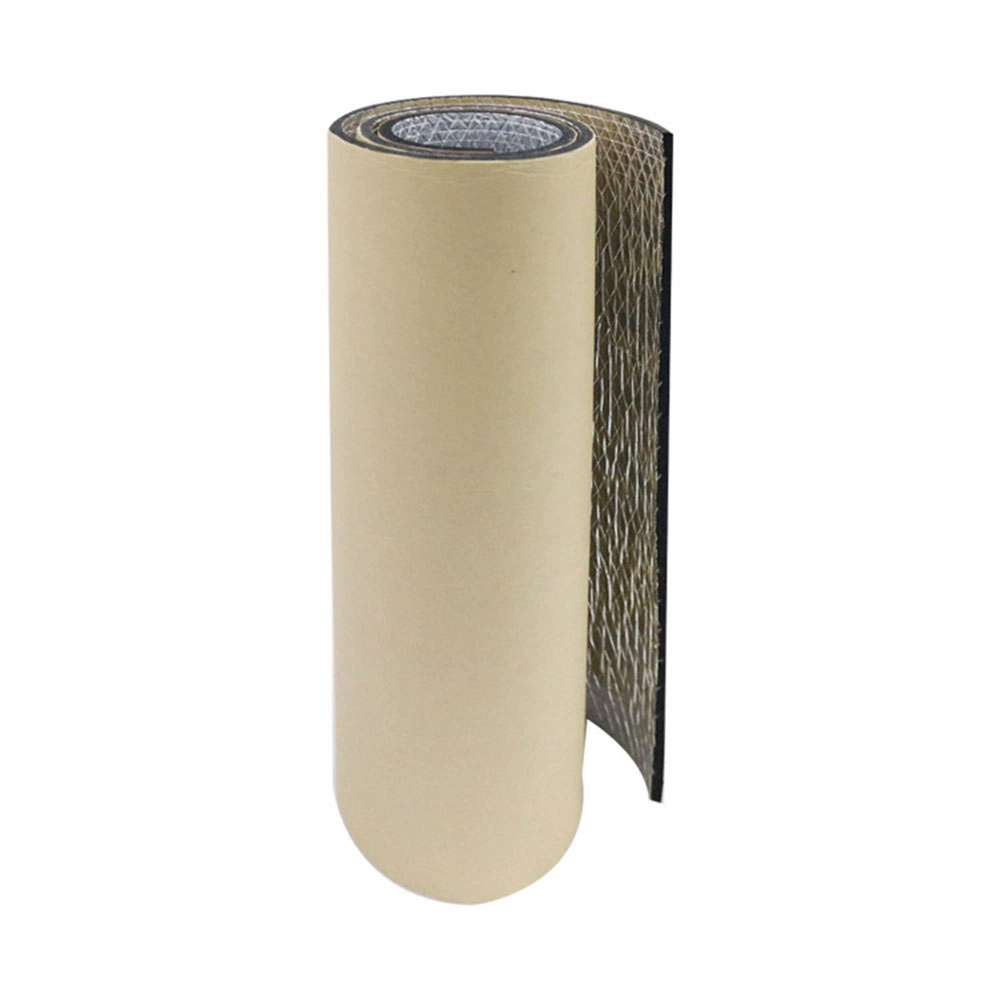
Multi layer Composite NBR foam
ASLONG's multi-layer composite NBR foam is your premium choice for superior cushioning and durability. Ideal for diverse applications, this high-quality NBR foam is available for sale now. Contact us for bulk orders.
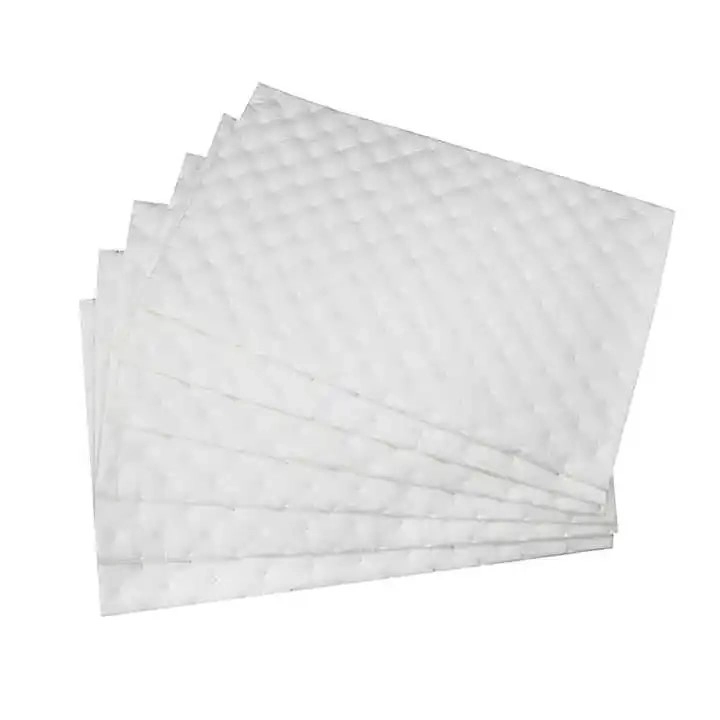
Sound Absorbing White Cotton
Sound-absorbing white cotton Made from PP and PET fibres by melt-blowing, special processes are used to achieve density diversification, sound absorption and noise reduction, thermal insulation, moisture-proof and mold resistance.
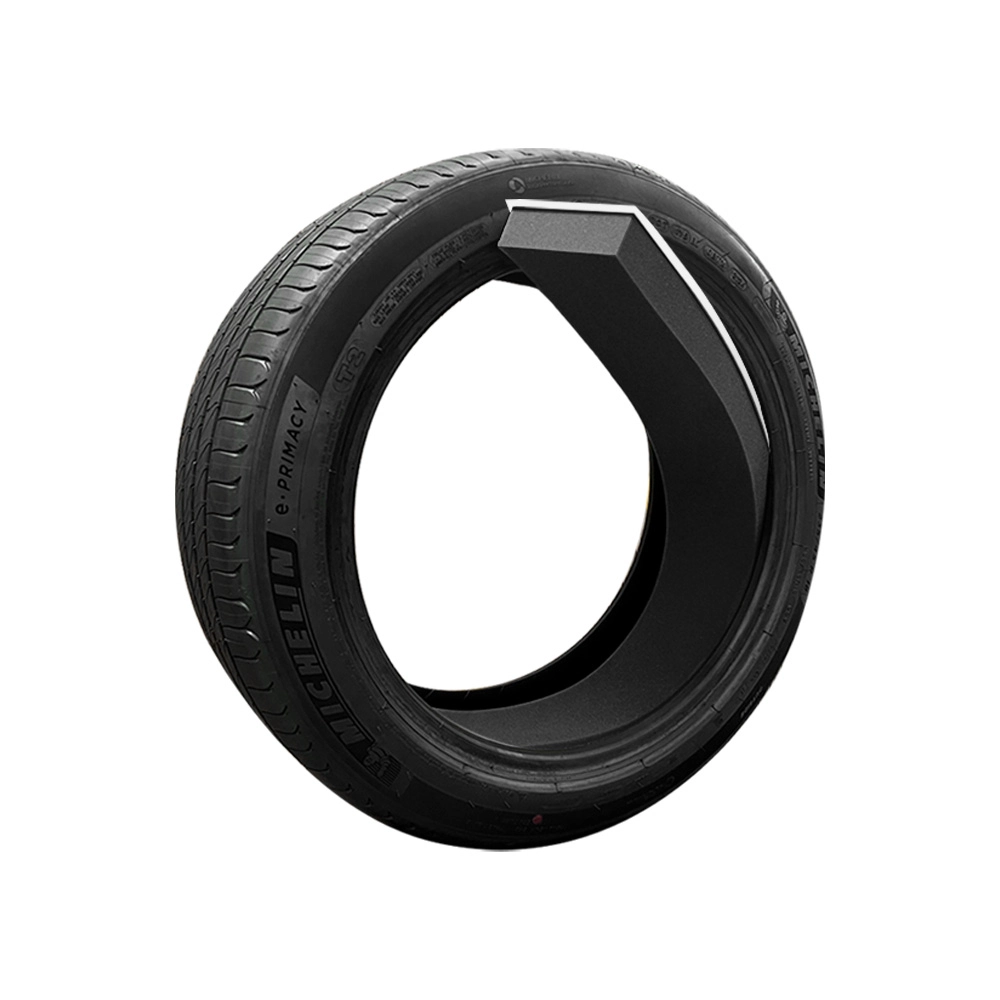
Puncture-Proof Soundproof Tire Foam, Self-Sealing Noise-Reducing Liner for Cars, Anti-Puncture Wheel Protection, Anti-Puncture Noise Reduction
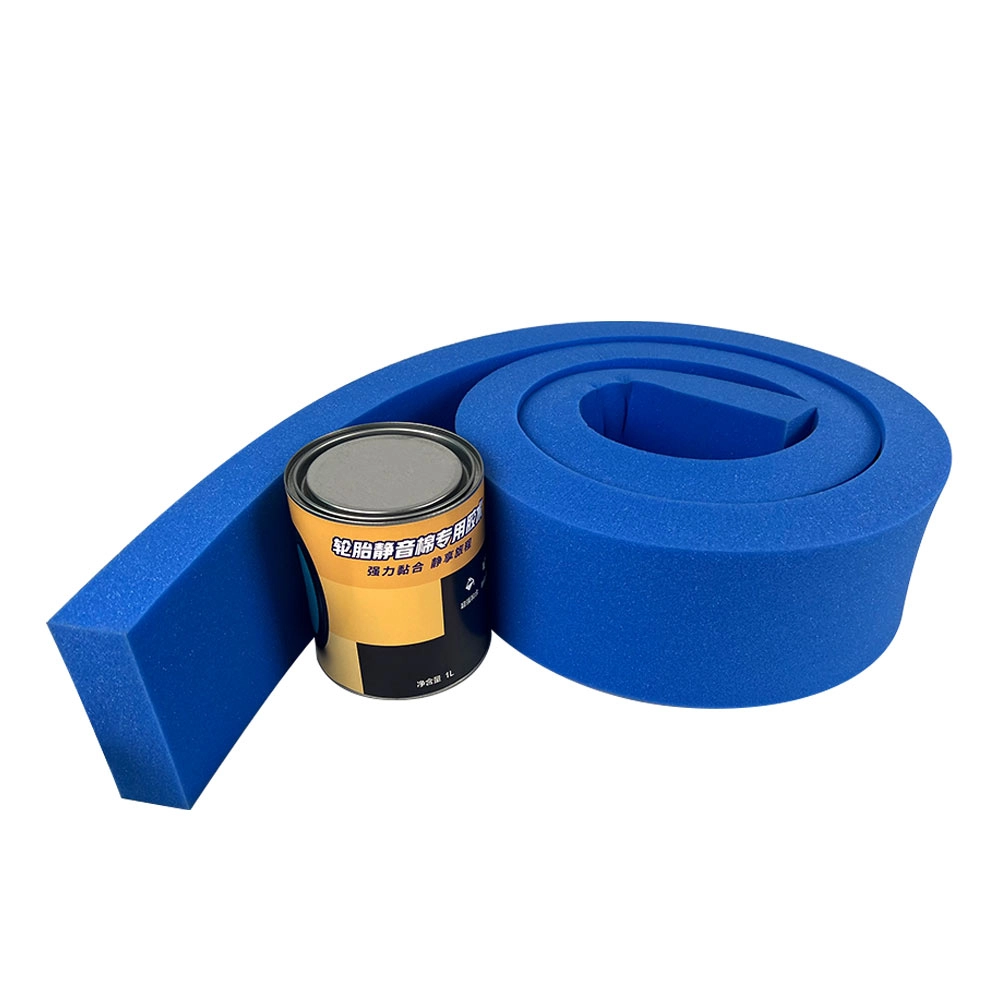
Tire Silent Foam with Special Glue
ASLONG Tire Silent Foam with special glue effectively reduces tire noise. Improve your vehicle's ride comfort. Buy ASLONG Tire Silent Foam for sale now and experience the quiet difference.
Professional support at any time
Contact us for a free quote on our new soundproofing materials!
© 2026 ASLONG All Rights Reserved. Privacy Policy | Terms and Conditions | Sitemap

 It would be pleasure to receive from you.
Whatsapp: +8613242879341
ASLONG Global
ASLONG
Aslong_global