

High-Performance Hotel Acoustic Solutions by a Sound Insulation Manufacturer (2026 Guide)
- What Are Hotel Acoustic Insulation Materials?
- Quick Summary & Key Takeaways
- Why Acoustic Design Matters for the Hospitality Industry
- Identifying and Blocking Common Hotel Noise Sources
- ASLONG: Industry-Leading Sound Insulation Material Solutions
- Acoustic Insulation Trends and Innovations for 2026+
- Material Performance Comparison
- Expert Tips & Common Mistakes in Hotel Soundproofing
- Conclusion
- FAQs About Hotel acoustic insulation materials
What Are Hotel Acoustic Insulation Materials?
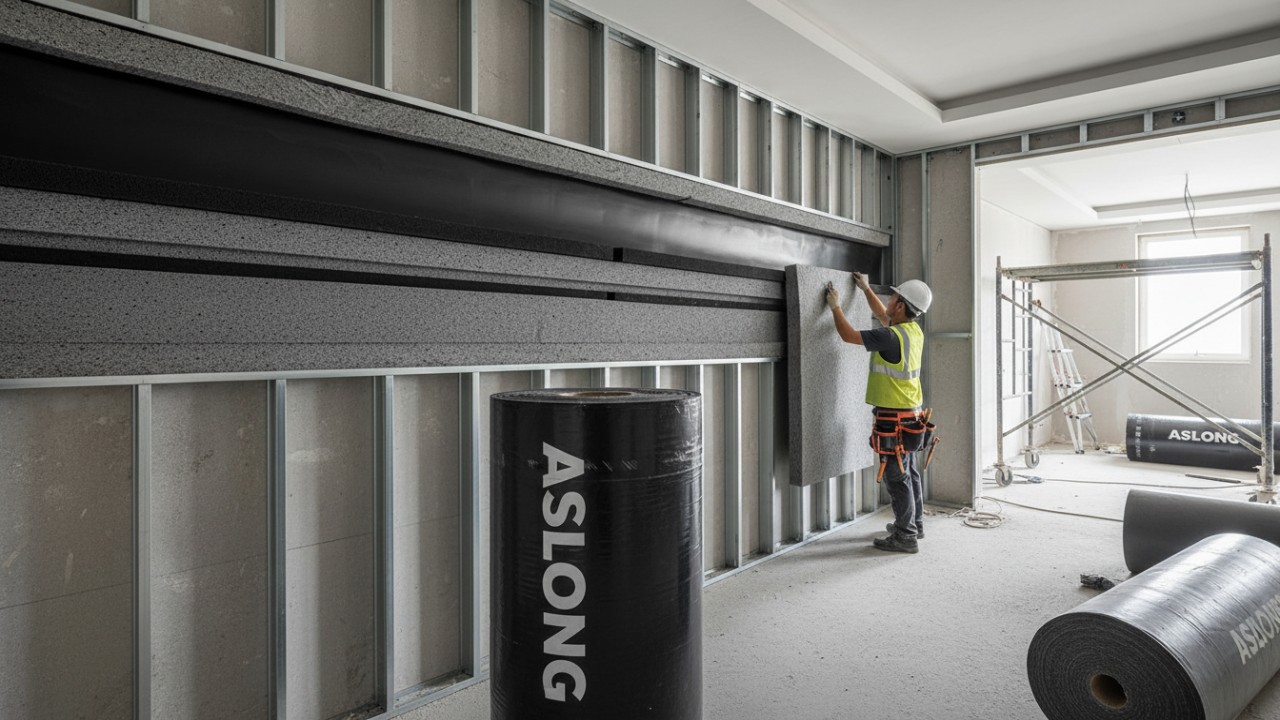
Hotel acoustic insulation materials are specialized construction products designed to block, dampen, or absorb sound transmission between spaces. They enhance guest comfort by significantly reducing airborne and impact noise using solutions like Mass Loaded Vinyl (MLV) and butyl rubber to achieve high STC ratings.
When planning a new hospitality project or executing a major property renovation, the selection of hotel acoustic insulation materials is a make-or-break decision. Modern hoteliers understand that luxury aesthetics alone cannot secure five-star reviews; the acoustic environment is equally, if not more, critical to the guest experience. From bustling grand lobbies to private guest rooms, effective sound control requires a highly strategic combination of density, decoupling, and absorption to create a true sanctuary of silence.
Whether you are actively looking for reliable hotel soundproofing materials to silence a persistently noisy HVAC system or you need to upgrade demising partition walls, understanding the underlying physics of sound transmission is absolutely essential. For a broader look at large-scale commercial strategies, we highly recommend reviewing our Commercial sound insulation materials manufacturer guide.
Quick Summary & Key Takeaways
Successful hotel acoustic design relies on a multi-layered material approach to stop both low-frequency vibrations and high-frequency airborne noise. Partnering with a direct manufacturer ensures cost-effective access to modern, ultra-thin soundproofing solutions that protect your hotel's reputation and bottom line.
- Reputation is Revenue: Noise complaints are a leading cause of negative hotel reviews and directly impact a property's Average Daily Rate (ADR).
- Density is Key: A multi-layered approach using varied material densities is required to stop both low-frequency rumbles and high-frequency noise.
- Space Optimization: Modern 2026 soundproofing solutions prioritize high acoustic performance with thinner profiles to maximize usable guest room square footage.
- Direct Sourcing: Partnering directly with a manufacturer like ASLONG ensures access to high-grade, sustainable materials like MLV and Butyl Rubber at scale.
Why Acoustic Design Matters for the Hospitality Industry
Acoustic design directly dictates guest sleep quality, online reputation, and a hotel's Average Daily Rate (ADR). Superior soundproofing prevents negative reviews, ensures commercial code compliance, and creates the peaceful sanctuary guests expect, ultimately driving repeat bookings and higher revenue.
The hospitality industry is fiercely competitive, and the modern guest's expectations for a restful stay are higher than ever. The direct link between sleep quality, guest satisfaction scores, and repeat bookings cannot be overstated. According to recent hospitality data reported by Alertify, over 60% of hotel guests report experiencing disrupted sleep due to noise, and an overwhelming 86% of travelers state they would not recommend a hotel after a noise-related bad experience.
Understanding exactly how noise complaints lower a hotel's Average Daily Rate (ADR) is crucial for asset managers. When guests complain about noise, front desk staff are often forced to issue immediate refunds, offer complimentary meals, or upgrade rooms—all of which eat directly into profit margins. Furthermore, meeting and exceeding commercial building codes and acoustic privacy standards is not just about avoiding regulatory fines; it is about establishing an unwavering brand standard of luxury, privacy, and comfort.
Identifying and Blocking Common Hotel Noise Sources
Hotel noise primarily originates from three paths: airborne noise like voices, impact noise like footsteps, and mechanical vibrations from HVAC systems. Identifying these specific transmission paths is crucial for selecting the correct mass, damping, or decoupling materials to block them.
To effectively treat a hospitality space, developers must understand the different types of noise and how they travel through a building's structure:
- Airborne Noise: This includes voices, televisions, and music traveling through thin partition walls and shared doors. Airborne sound waves travel through the air and vibrate against structural elements. Blocking it requires adding significant mass, which is why utilizing Mass Loaded Vinyl for hospitality applications is highly recommended by acoustic engineers.
- Impact Noise: Footsteps, moving luggage, and rolling housekeeping carts transmitting through flooring and ceilings create structural vibrations. This requires specialized impact noise reduction floors using resilient underlayments that physically decouple the hard floor surface from the structural subfloor.
- Mechanical and Exterior Noise: Elevator shafts, HVAC systems, backup generators, and street traffic require specialized damping and heavy barriers. These low-frequency vibrations are notoriously difficult to stop and require heavy-duty shock-absorbing materials rather than standard fiberglass insulation.
ASLONG: Industry-Leading Sound Insulation Material Solutions
ASLONG is a premier high-tech enterprise specializing in the research, development, and production of top-tier acoustic materials. With a 10,000-square-meter modern production base, we provide scalable, high-performance sound insulation solutions tailored for global hotel developments and commercial projects.
Founded in 2000, ASLONG (Welllink Guangdong New Material Co., Ltd.) has spent over two decades perfecting the science of sound control. We provide efficient, environmentally friendly, and high-performance sound insulation material solutions to customers around the world. Our premium products have been proudly exported to Europe, North America, Asia, Africa, and other regions, making us a trusted partner for international hotel chains.
For hotel developers and contractors, we offer a comprehensive suite of engineered products:
- Mass Loaded Vinyl (MLV): A heavy, incredibly flexible barrier ideal for adding massive STC value to hotel partition walls without sacrificing valuable room space. It acts as a limp mass barrier that prevents sound waves from passing through guest room walls.
- Butyl Rubber Sound Damping Mats & NBR Foam: These materials provide exceptional vibration isolation and shock-absorbing properties. They are ideal for treating noisy HVAC rooms, mechanical floors, and plumbing lines that run adjacent to luxury suites.
- Sound Absorbing White Cotton: An eco-friendly acoustic cavity fill that enhances both thermal and acoustic performance inside drywall structures. When used behind acoustic panels for hotel rooms or packed inside wall cavities, it significantly reduces internal reverberation.
- Butyl Waterproof Tape & Electric Auxiliary Materials: Essential accessories for sealing structural joints and preventing flanking noise from leaking through small construction gaps.
Acoustic Insulation Trends and Innovations for 2026+
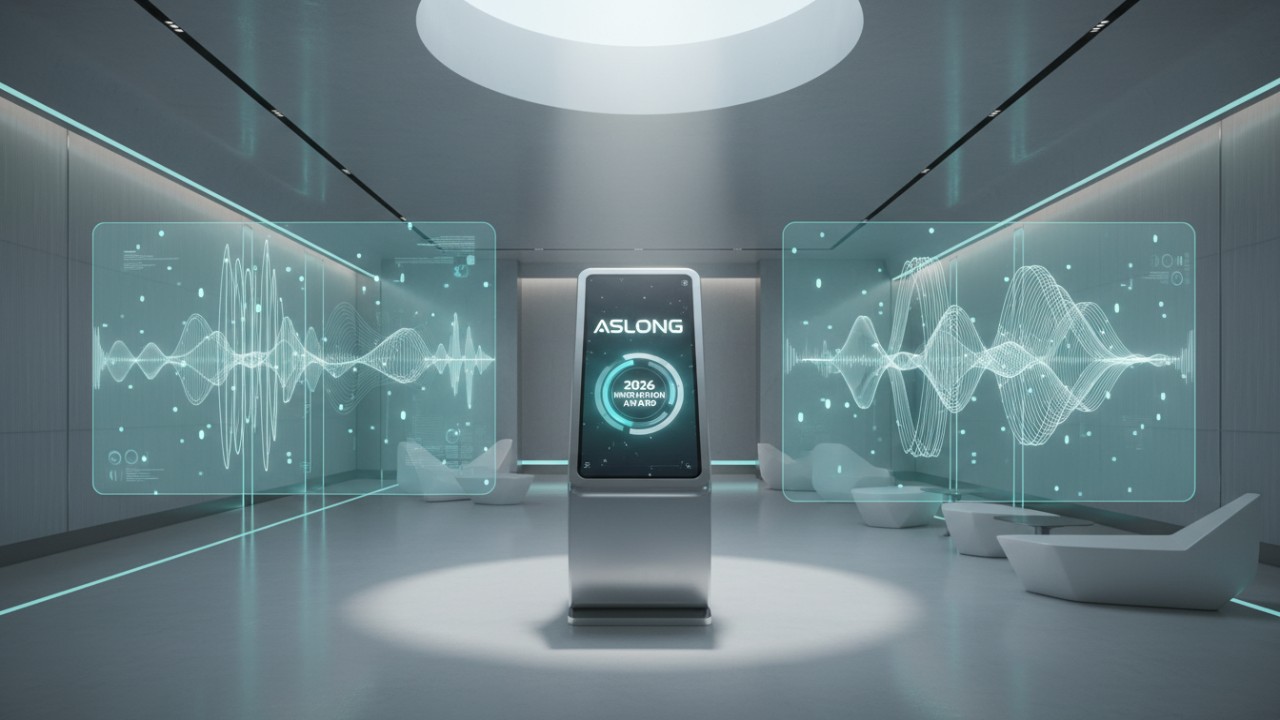
The leading acoustic trend for 2026 is the adoption of ultra-thin, high-density composite materials that save premium hotel real estate while exceeding STC 50 requirements. There is also a massive surge in demand for sustainable, non-toxic soundproofing to meet strict LEED certifications.
As we move further into 2026, the hospitality construction sector is heavily prioritizing space efficiency. Traditional soundproofing required thick, bulky layers of drywall and mineral wool, which ate into the usable square footage of a guest room. Today, the shift is entirely towards ultra-thin, high-density composite materials that deliver superior performance per millimeter.
Furthermore, commercial building codes are becoming increasingly strict. For example, the International Building Code (IBC) generally requires a minimum STC (Sound Transmission Class) rating of 50 for demising walls between dwelling units or hotel rooms. However, luxury brands in 2026 are pushing for an STC rating hotel walls standard of 55 to 60+ to ensure absolute silence. Achieving this elite level of quiet requires advanced engineered materials rather than just standard insulation.
Additionally, developers are conducting rigorous cost-benefit analyses of retrofitting existing properties with advanced damping compounds versus traditional tear-down renovations. Using flexible MLV and butyl rubber allows for much less invasive acoustic upgrades with significantly higher yields.
Material Performance Comparison
Comparing acoustic materials reveals that modern composites like Mass Loaded Vinyl and Butyl Rubber outperform traditional mineral wool in both thickness and low-frequency blocking. Selecting the right material depends heavily on the specific noise frequency and the structural application required.
| Material Type | Primary Function | Best Hotel Application | Pros | Cons |
|---|---|---|---|---|
| Traditional Mineral Wool | Sound Absorption | Inside interior wall cavities | Inexpensive, good thermal properties | Bulky, does not block low-frequency impact noise |
| Mass Loaded Vinyl (MLV) | Sound Blocking (Mass) | Shared guest room walls, ceilings | Ultra-thin, adds massive density, high STC | Heavier to install, requires secure fastening |
| Butyl Rubber Damping Mat | Vibration Damping | HVAC rooms, elevator shafts, metal decking | Excellent shock absorption, stops structural vibration | Higher upfront cost than standard foam |
| NBR Foam | Decoupling / Impact Reduction | Underlayment for hard surface flooring | Superior impact noise reduction floors, water-resistant | Compressible under extremely heavy static loads |
Expert Tips & Common Mistakes in Hotel Soundproofing
The most common soundproofing mistake is ignoring flanking paths, allowing noise to bypass insulated walls through unsealed electrical outlets and ductwork. Experts recommend combining dense materials with acoustic sealants and decoupling techniques to ensure a continuous, impenetrable sound barrier.
Even the highest quality hotel acoustic insulation materials will fail to perform if they are installed incorrectly. Here are the top expert tips and pitfalls to avoid for 2026 hotel developments:
- Mistake: Ignoring flanking paths. Sound acts very much like water; it will inevitably find the path of least resistance. It will easily bypass heavily insulated walls through unsealed electrical outlets, shared HVAC ductwork, and open ceiling plenums.
- Expert Tip: Always use heavy-duty acoustic sealants and ASLONG butyl waterproof tape around perimeters, joints, and outlet boxes to maintain a continuous, airtight sound barrier.
- Mistake: Confusing sound absorption with sound blocking. Using lightweight foam or fabric acoustic panels will reduce echo (reverberation) inside a room, but it will not stop noise from entering the next room.
- Expert Tip: Combine density (like ASLONG MLV) with mechanical decoupling techniques (like resilient channels or isolation clips) for maximum acoustic isolation. True soundproofing requires both mass and physical separation.
Conclusion
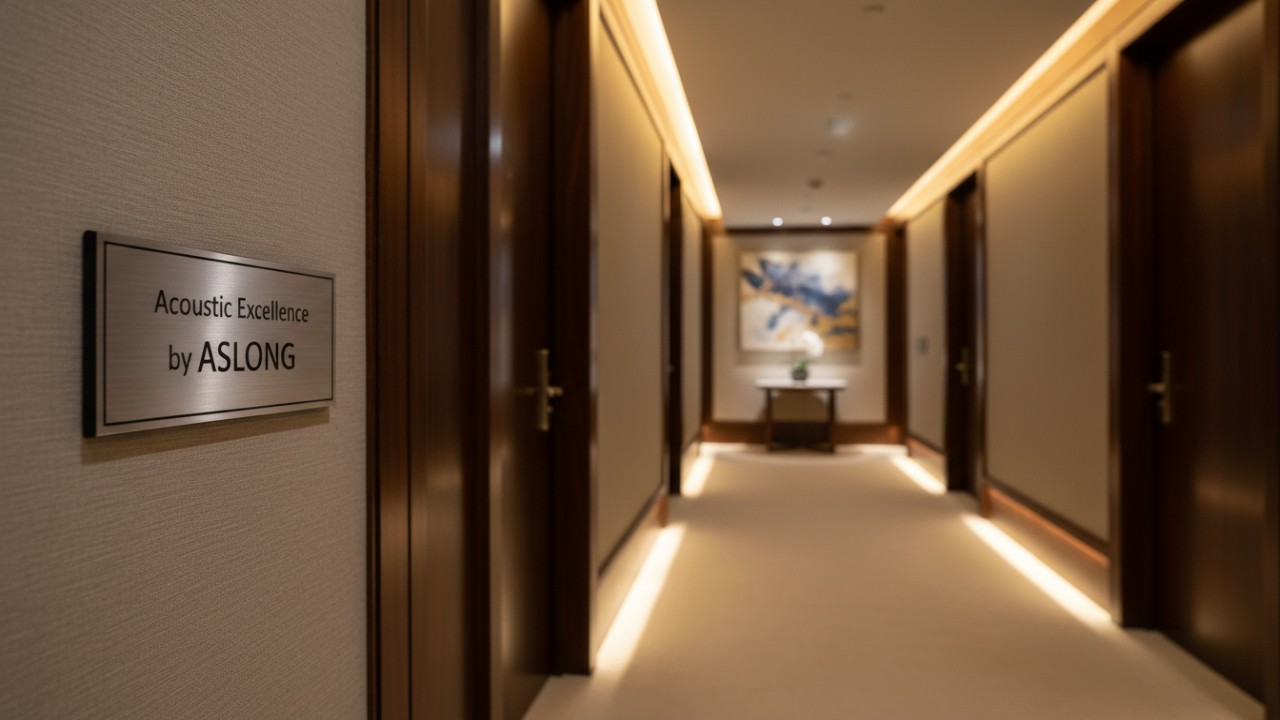
Investing in high-performance hotel acoustic insulation materials is essential for ensuring guest comfort, boosting positive reviews, and maintaining long-term profitability. From Mass Loaded Vinyl to Butyl Rubber damping mats, integrating advanced materials addresses both airborne and impact noise effectively, ensuring your property meets the highest standards of luxury and code compliance. Are you planning a new hotel build or renovating an existing property? Upgrade your acoustic design with a trusted manufacturing partner. Contact us today to optimize your hotel acoustic insulation materials strategy.
FAQs About Hotel acoustic insulation materials
How do you soundproof a hotel room effectively?
Effective soundproofing requires treating walls, floors, ceilings, and doors. Use dense materials like Mass Loaded Vinyl (MLV) in walls to block airborne sound. Install sound damping mats under floors to reduce impact noise. Seal all gaps, windows, and door frames with heavy-duty acoustic seals.
What is the best material for hotel wall soundproofing?
Mass Loaded Vinyl (MLV) is widely considered one of the best materials due to its high density and flexibility. Acoustic drywall combined with sound-absorbing cotton inside the wall cavity also performs exceptionally well. Combining these materials with a decoupled wall frame yields the highest STC ratings.
How does Mass Loaded Vinyl (MLV) work in hotel acoustics?
MLV adds significant mass to a structure without adding thickness, which is crucial for maximizing room space. It acts as a limp mass barrier that absorbs and dissipates sound wave energy rather than transmitting it. It is particularly effective at blocking low-frequency noises like bass and mechanical hums.
What STC rating is required for hotel rooms?
Most building codes require a minimum STC (Sound Transmission Class) rating of 50 for demising walls between hotel rooms. Luxury and high-end hotels often target an STC rating of 55 to 60+ to ensure absolute guest privacy and comfort.
How can hotels reduce impact noise from floors above?
Impact noise is best mitigated by installing a resilient underlayment beneath the finished flooring. Materials like NBR foam or recycled rubber underlays decouple the floor surface from the structural slab. This prevents footfalls and rolling luggage vibrations from traveling to the rooms below.
Can acoustic insulation improve hotel guest reviews?
Yes, noise is consistently ranked as a top source of guest complaints in the hospitality industry. By investing in professional-grade sound insulation, hotels drastically reduce noise-related issues. This directly leads to better sleep quality, higher guest satisfaction, and improved online reviews.
What are the fire safety standards for hotel soundproofing materials?
Hotel construction materials must meet strict local commercial fire codes, such as Class A fire ratings in the US. Materials like sound-absorbing cotton and specialized MLV are often manufactured with fire-retardant properties. Always verify that your sound insulation manufacturer complies with international safety and flammability standards.
How much does it cost to soundproof a hotel building?
Costs vary based on whether it is a new build or a retrofit, and the specific STC targets required. Sourcing directly from a manufacturer like ASLONG can significantly reduce material costs for large-scale projects. While there is an upfront investment, the ROI is realized through higher room rates and fewer refunded stays due to noise complaints.
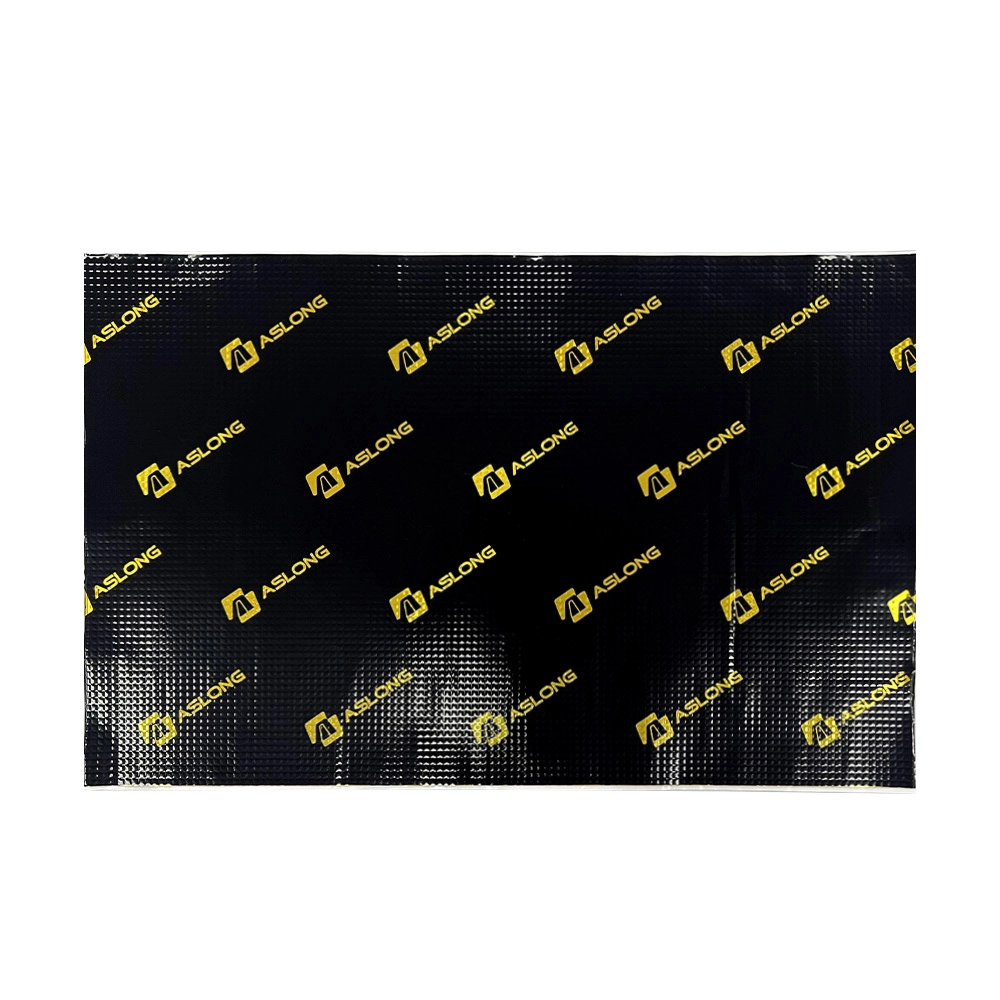
Lightweight vs Heavy Sound Deadening Materials: Which One Should You Choose?
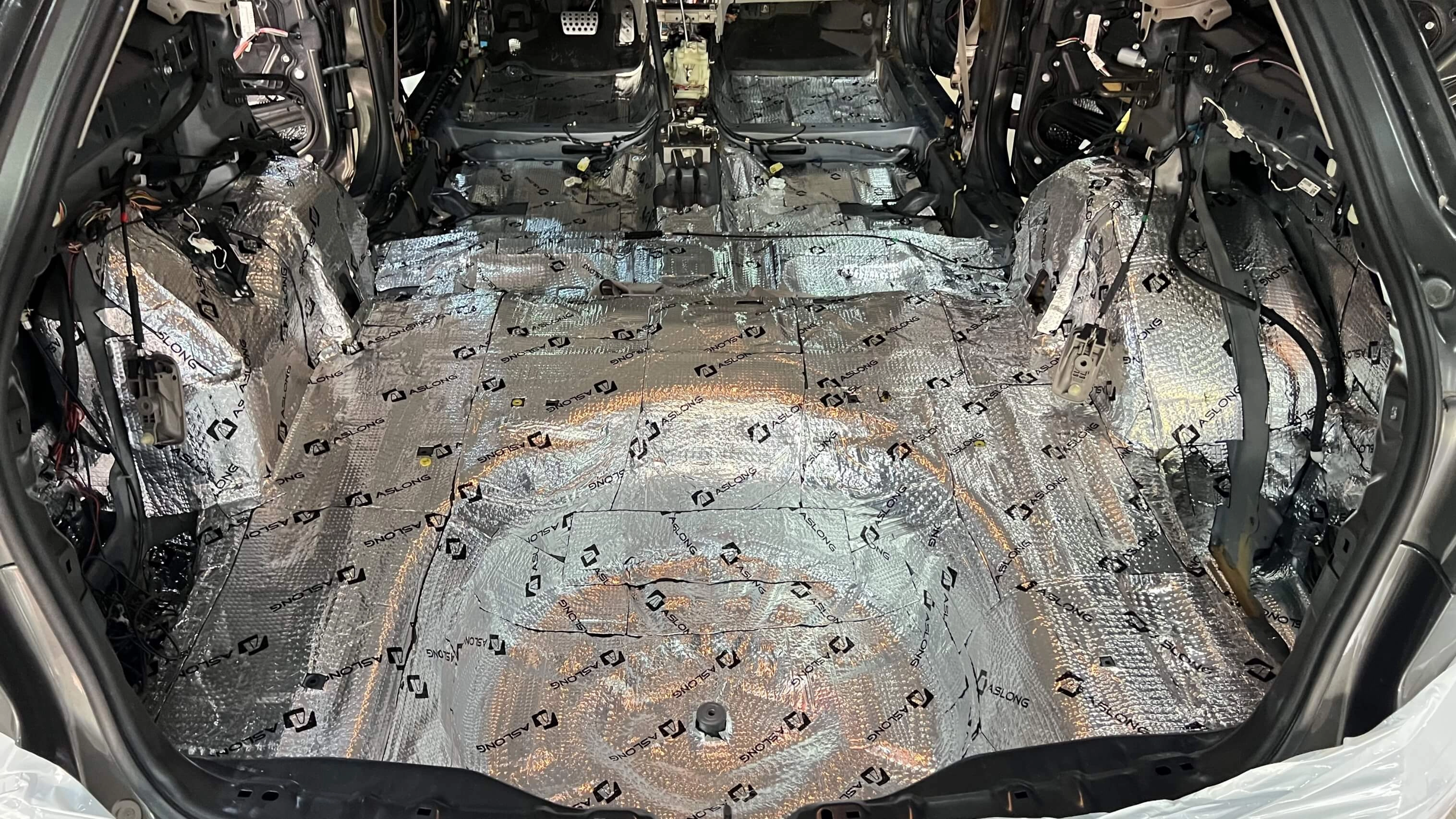
Practical Case Studies: Door, Floor & Roof Soundproofing Solutions for Cars
Soundproofing Materials for Vehicles: A Complete Guide to a Quieter Ride
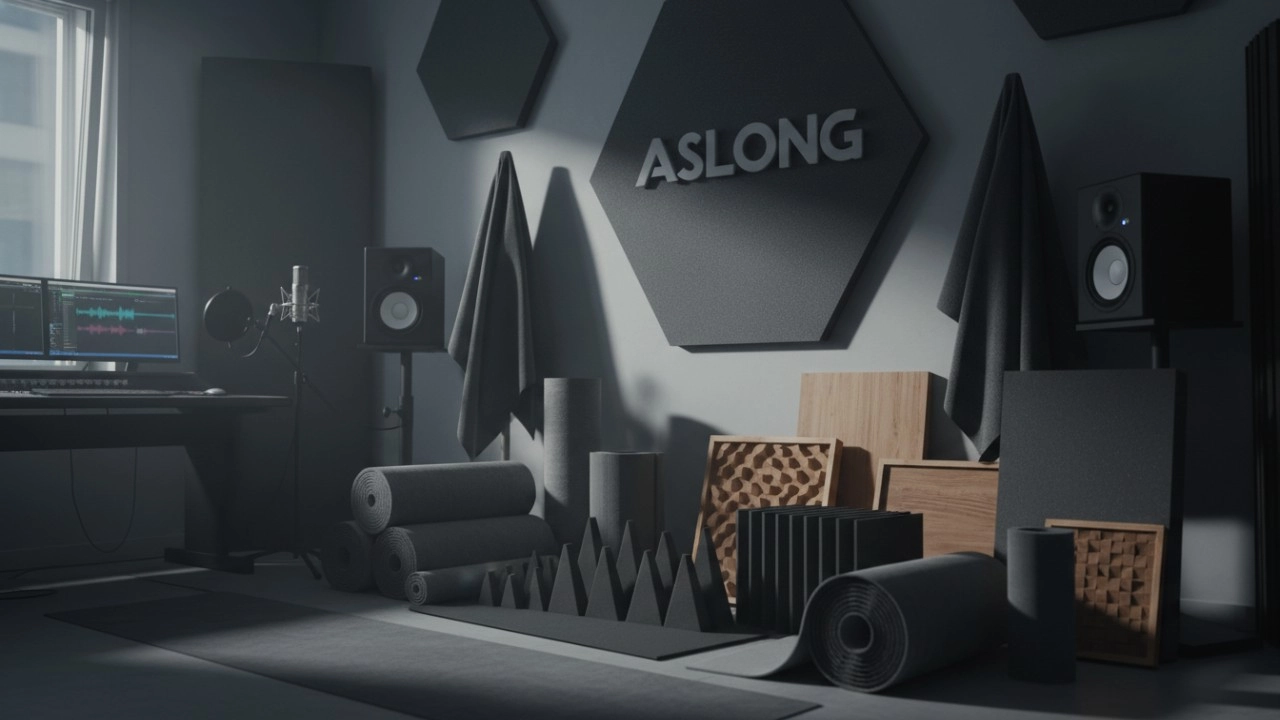
Professional Studio Solutions From a Sound Insulation Materials Manufacturer (2026 Guide)
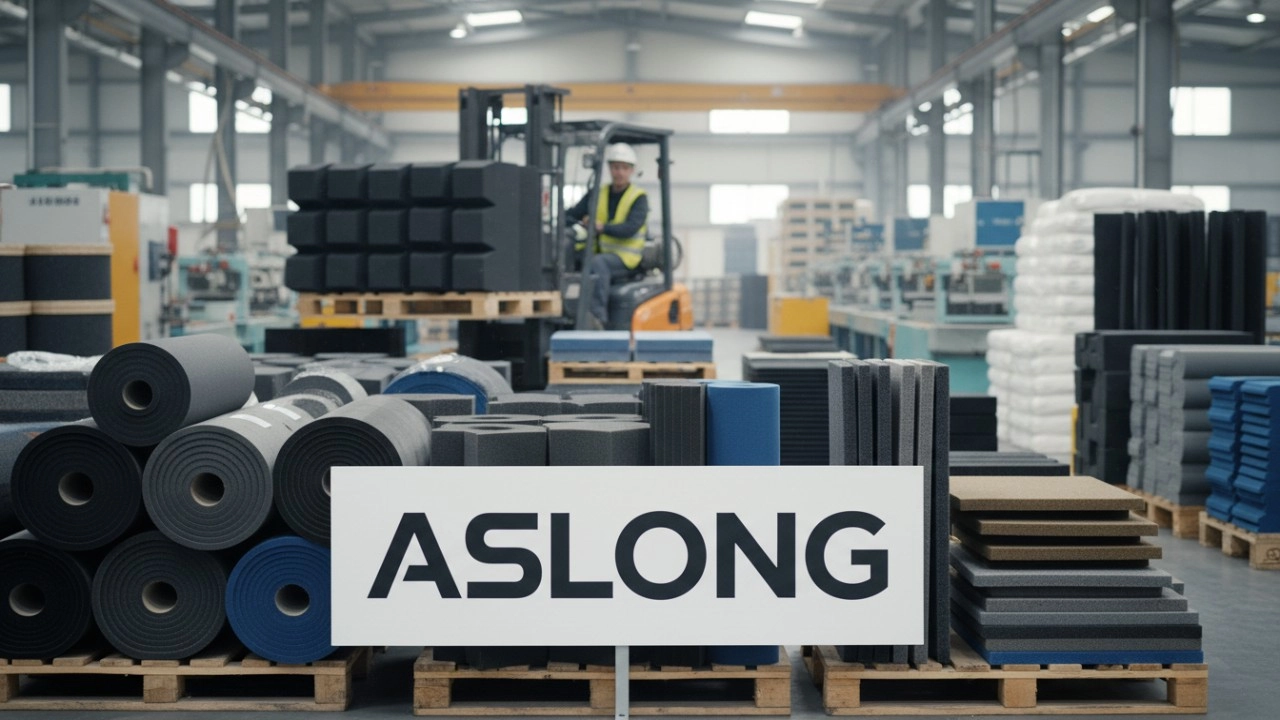
Venue-Specific Solutions From a New Sound Insulation Materials Manufacturer (2026 Guide)
FAQs
Do ASLONG's products meet environmental protection standards?
Yes, all ASLONG products comply with ISO14001 environmental management system certification and global environmental protection standards. We use environmentally friendly materials and are committed to providing sustainable solutions to help customers achieve green development goals.
How to customize products that meet the needs of my industry?
You only need to contact our sales or technical team, we will conduct an in-depth analysis based on your industry needs and provide tailor-made products and solutions. We guarantee to provide you with efficient and accurate services to meet your personalized requirements.
What specific functions can ASLONG's products provide?
Our products cover functions such as insulation, sound insulation, shock absorption, waterproofing and sealing, and are widely used in improving energy efficiency, reducing noise, controlling vibration, protecting equipment, etc., helping customers optimize engineering effects and improve user experience.
What industries are the products provided by ASLONG suitable for?
ASLONG's products are suitable for multiple industries, including air conditioning and HVAC, construction and waterproofing, automobiles and transportation, home appliances and electronics, industrial equipment and machinery, etc. We provide customized solutions for each industry to meet different needs.
Does ASLONG provide after-sales service?
Yes, we provide a full range of after-sales services, including technical support, installation guidance, product maintenance and quality tracking, etc., to ensure that each project goes smoothly and continues to perform at its best.
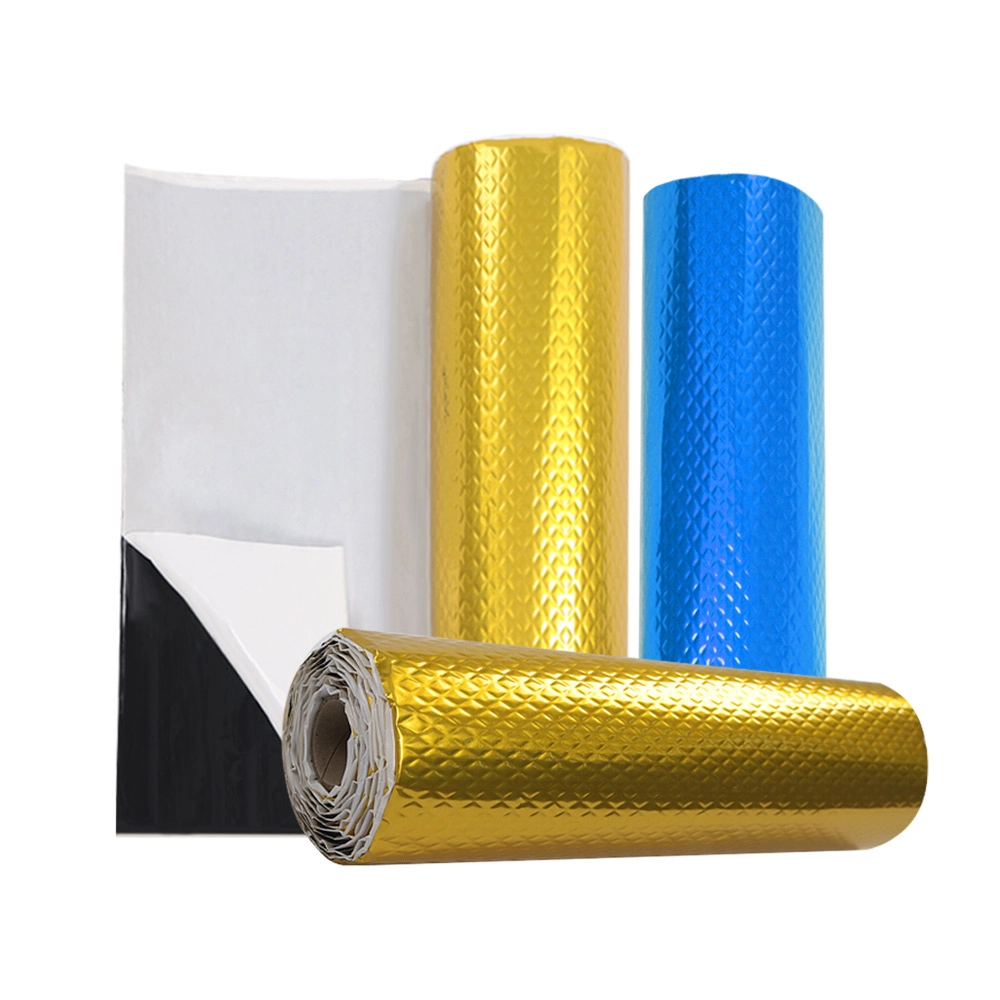
Butyl Rubber Sound Damping Mat
ASLONG Butyl Rubber Sound Damping Mat for sale. Effectively reduces noise and vibrations. High-quality butyl rubber ensures superior performance and durability. Ideal for automotive, industrial, and home applications.
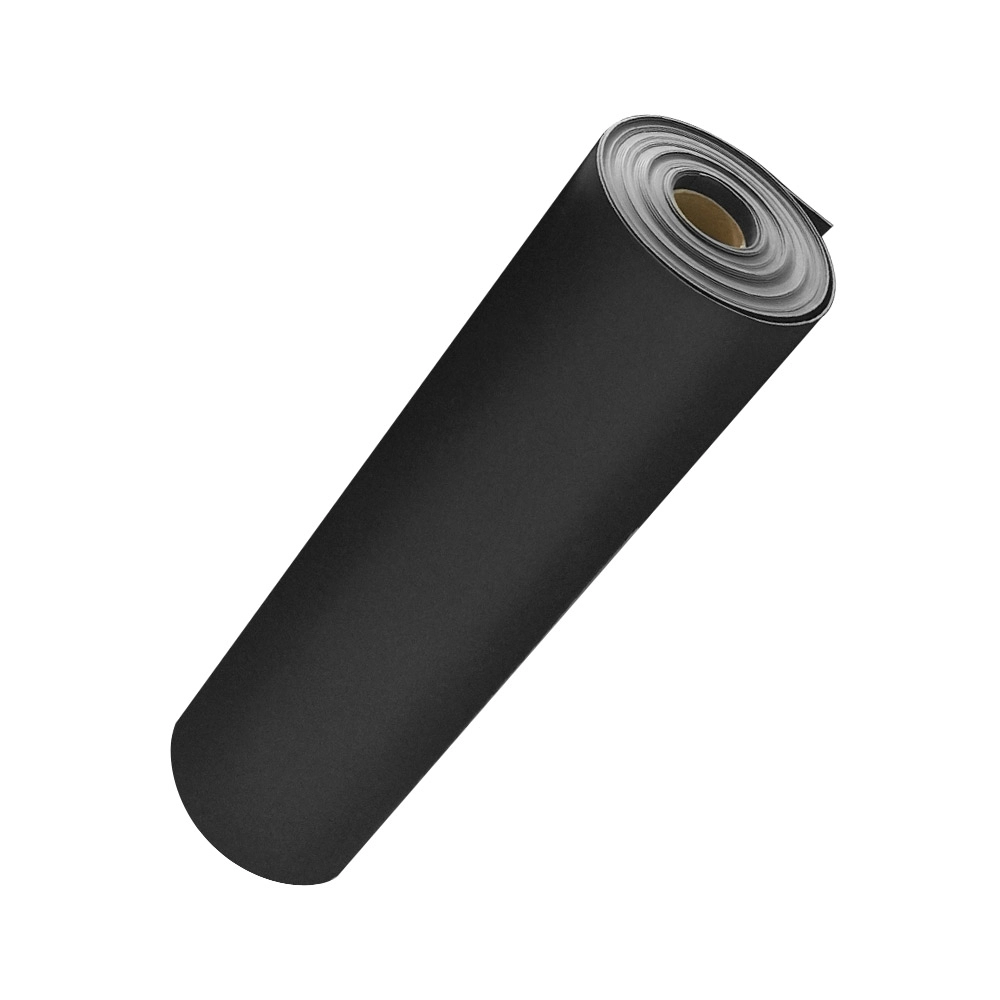
Mass Loaded Vinyl
ASLONG Mass Loaded Vinyl for sale. Reduce noise pollution effectively with our high-quality, mass-loaded vinyl. Ideal for soundproofing walls, floors, and more. Buy now and experience the difference!
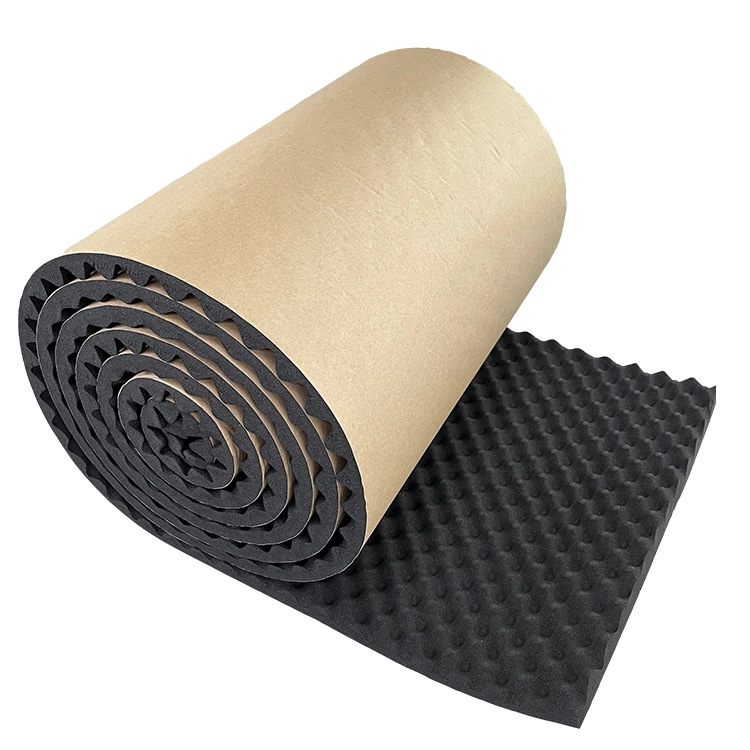
Egg Crate Foam
ASLONG Egg Crate Foam for sale. Lightweight, breathable, and comfortable, our egg crate foam provides superior support and pressure relief. Perfect for mattresses, cushions, cars, construction industry, KTV, factories, etc.
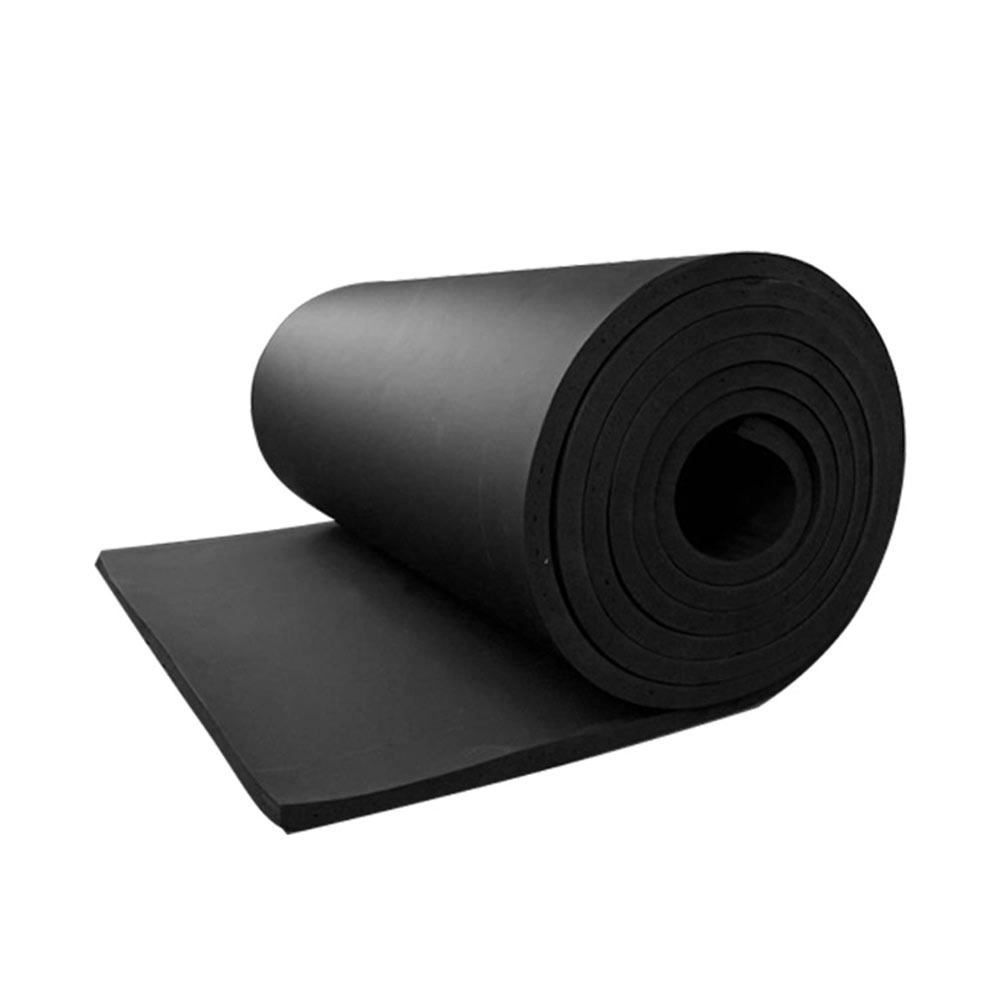
NBR Foam
ASLONG NBR Foam: Wholesale NBR foam solutions for diverse applications. High-quality, durable, and competitively priced. Contact us today for bulk orders.
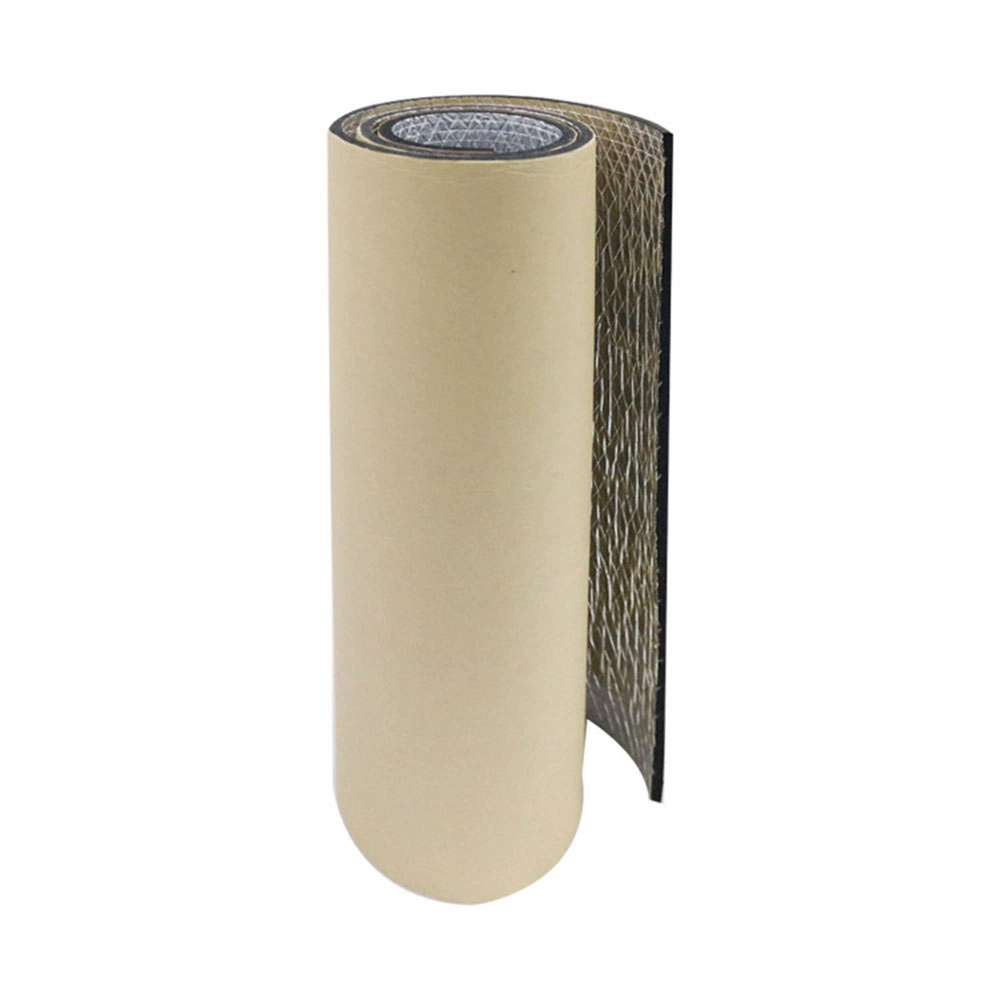
Multi layer Composite NBR foam
ASLONG's multi-layer composite NBR foam is your premium choice for superior cushioning and durability. Ideal for diverse applications, this high-quality NBR foam is available for sale now. Contact us for bulk orders.
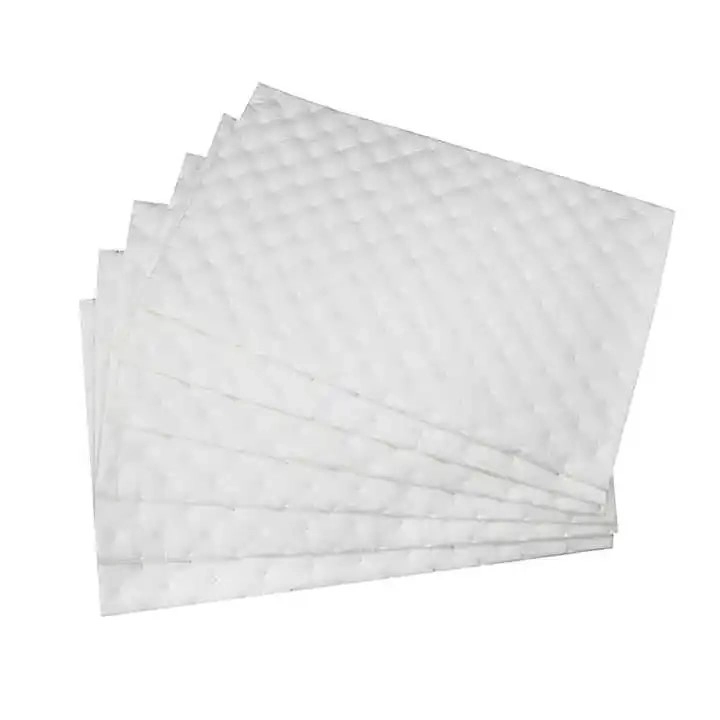
Sound Absorbing White Cotton
Sound-absorbing white cotton Made from PP and PET fibres by melt-blowing, special processes are used to achieve density diversification, sound absorption and noise reduction, thermal insulation, moisture-proof and mold resistance.
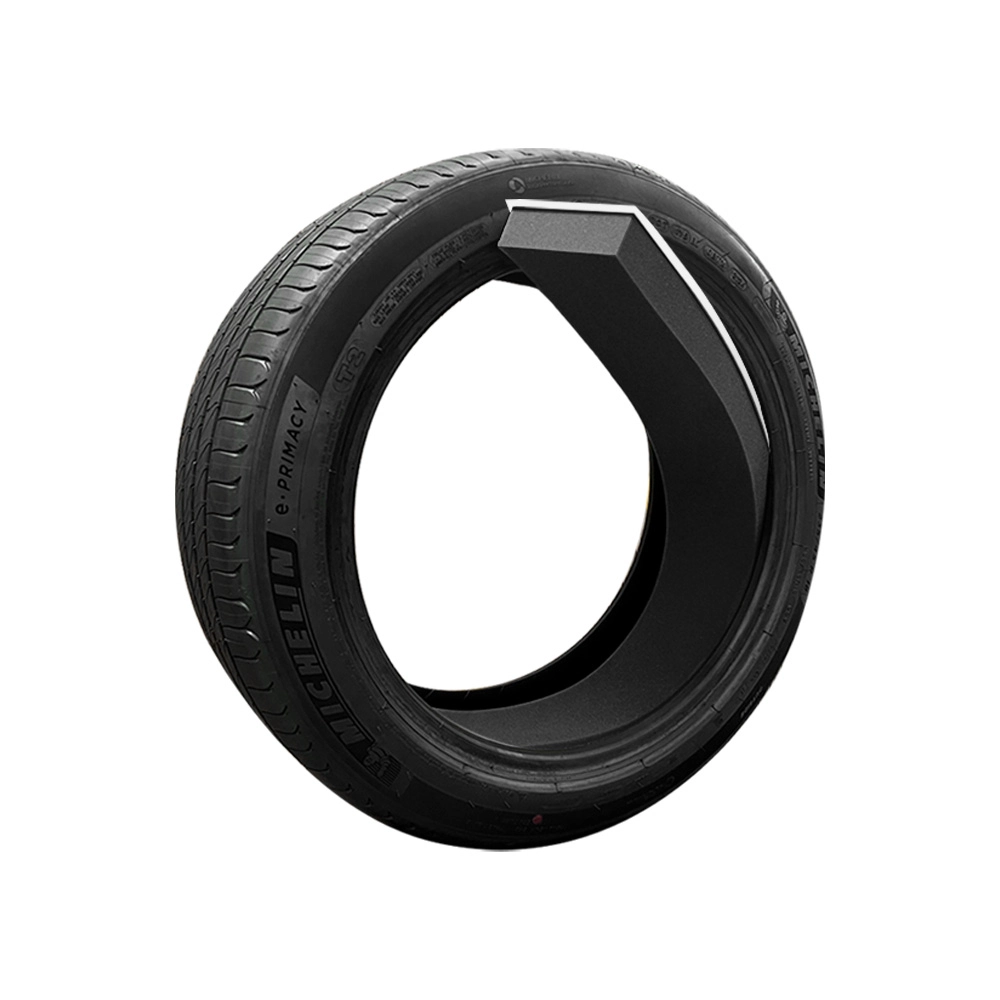
Puncture-Proof Soundproof Tire Foam, Self-Sealing Noise-Reducing Liner for Cars, Anti-Puncture Wheel Protection, Anti-Puncture Noise Reduction
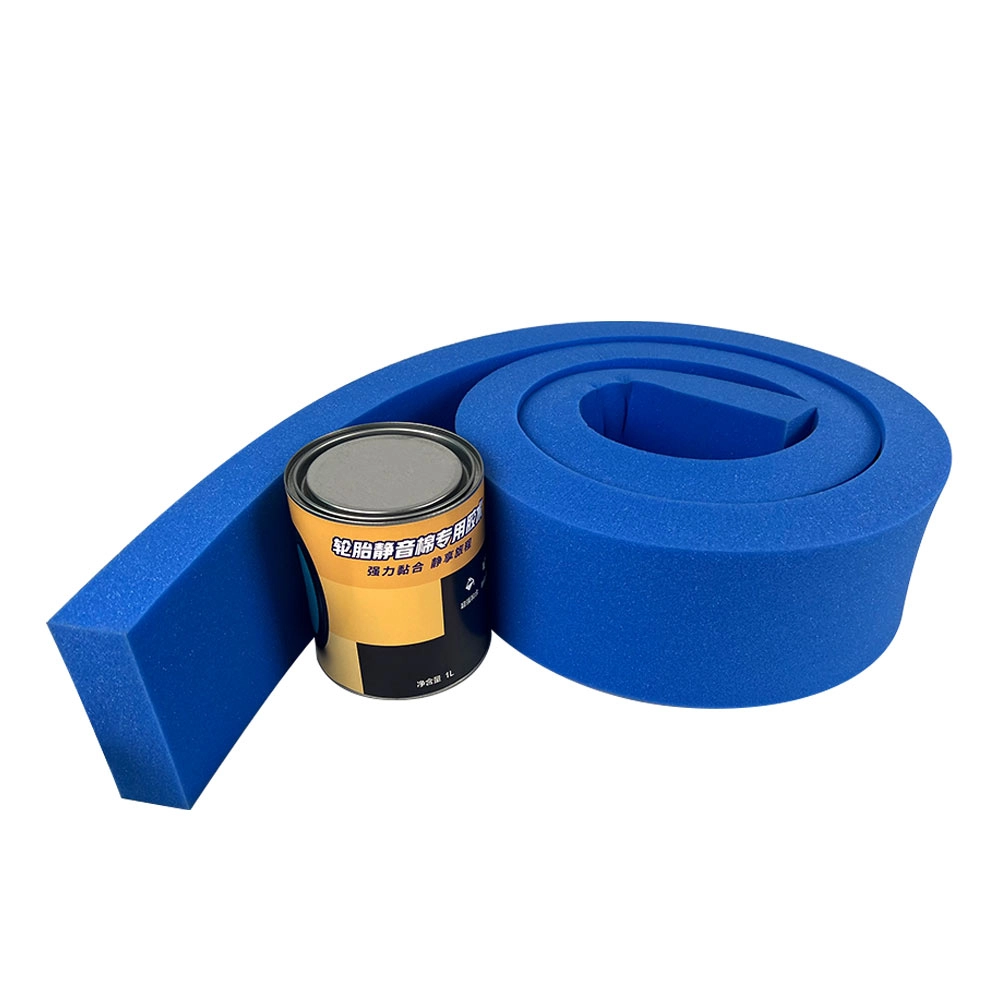
Tire Silent Foam with Special Glue
ASLONG Tire Silent Foam with special glue effectively reduces tire noise. Improve your vehicle's ride comfort. Buy ASLONG Tire Silent Foam for sale now and experience the quiet difference.
Professional support at any time
Contact us for a free quote on our new soundproofing materials!
© 2026 ASLONG All Rights Reserved. Privacy Policy | Terms and Conditions | Sitemap

 It would be pleasure to receive from you.
Whatsapp: +8613242879341
ASLONG Global
ASLONG
Aslong_global