

2026 Latest Sound and Heat Insulation Solutions: Choose the Right Materials to Get Rid of Noise and Temperature Difference Troubles
- Troubled by Noise and Temperature Differences? Do This to Make Your Space Quiet and Constant Temperature
- 1. First, Understand: The Core Principles of Sound and Heat Insulation, Why Can't We Ignore Them?
- 2. Pitfall Avoidance Guide: 3 Dimensions to Choose the Right Sound and Heat Insulation Materials Without Mistakes
- Customized Solutions: Targeted Problem Solving for Different Scenarios
- 4. Common Misunderstandings Reminder: These Wrong Practices Will Only Be a Waste of Effort
- 5. Conclusion: Choose a Professional Team to Make Sound and Heat Insulation More Worry-Free and Efficient
- Interactive Questions
Troubled by Noise and Temperature Differences? Do This to Make Your Space Quiet and Constant Temperature
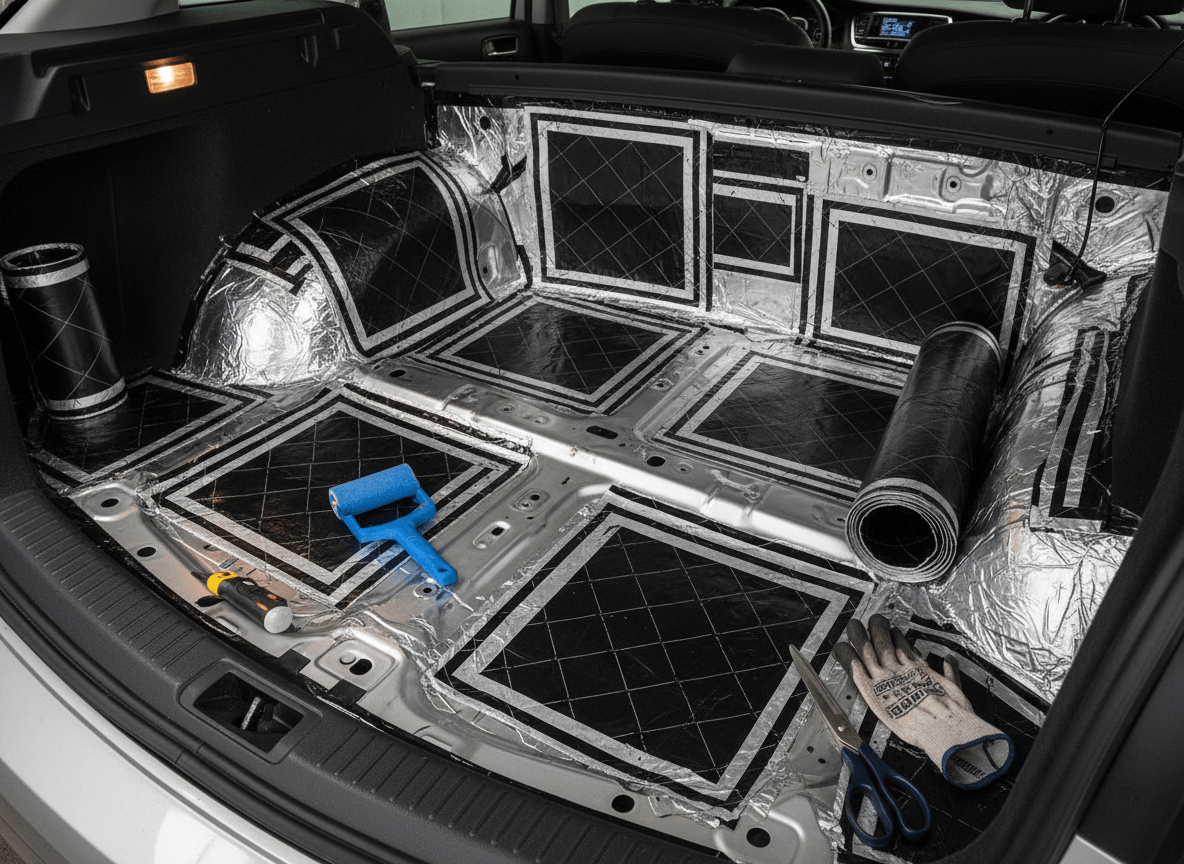
1. First, Understand: The Core Principles of Sound and Heat Insulation, Why Can't We Ignore Them?
2. Pitfall Avoidance Guide: 3 Dimensions to Choose the Right Sound and Heat Insulation Materials Without Mistakes
1. Check Core Performance Parameters
2. Match Applicable Scenarios
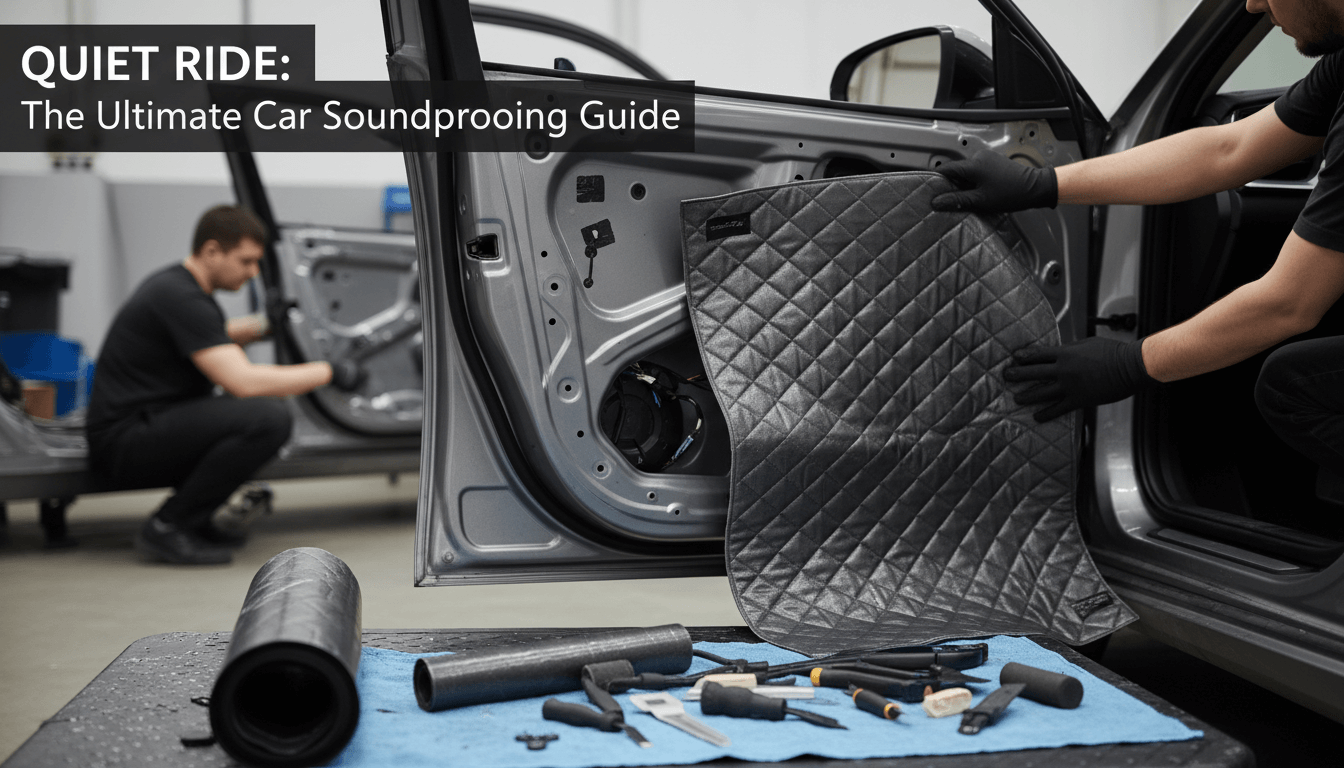
3. Consider Construction Difficulty and Cost-Effectiveness
Customized Solutions: Targeted Problem Solving for Different Scenarios
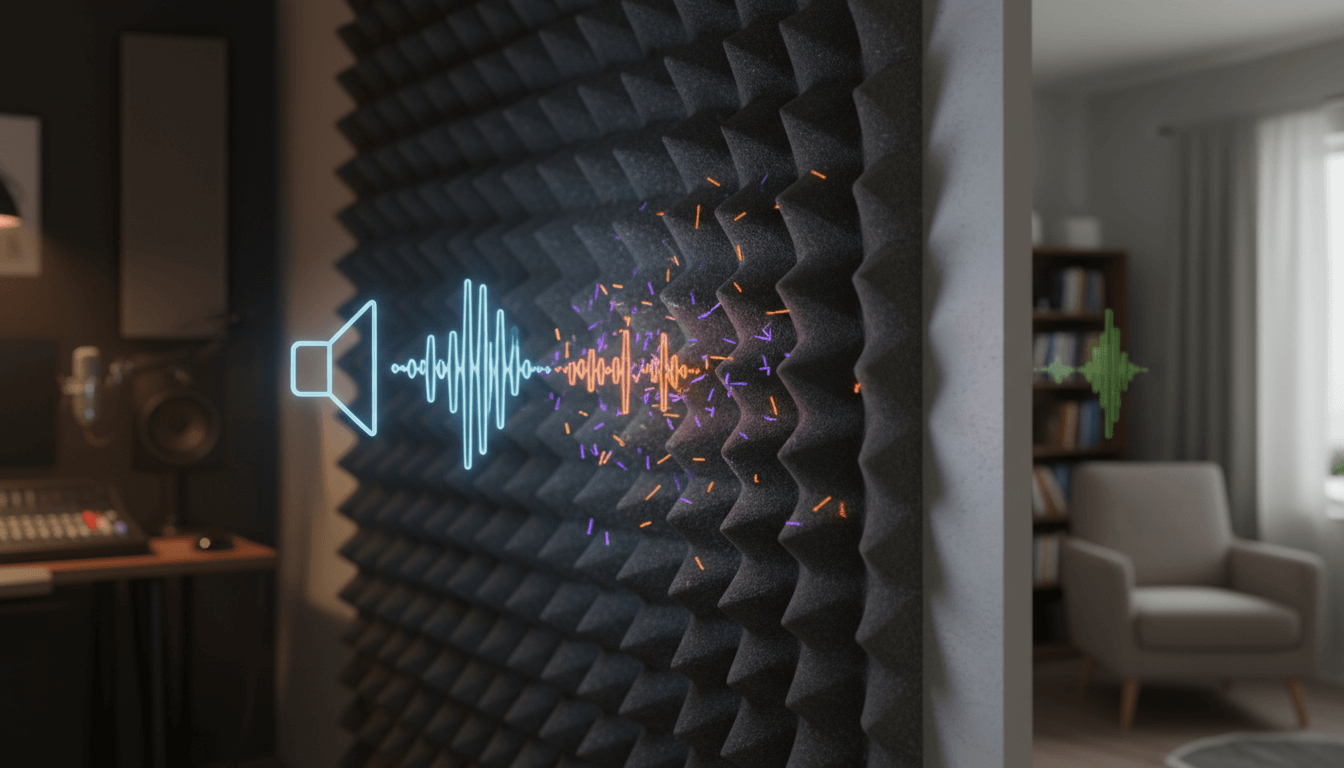
1. Home Bedroom Sound and Heat Insulation Solution
2. Office Sound and Heat Insulation Solution
3. Automotive Sound and Heat Insulation Solution
4. Common Misunderstandings Reminder: These Wrong Practices Will Only Be a Waste of Effort
5. Conclusion: Choose a Professional Team to Make Sound and Heat Insulation More Worry-Free and Efficient
Interactive Questions
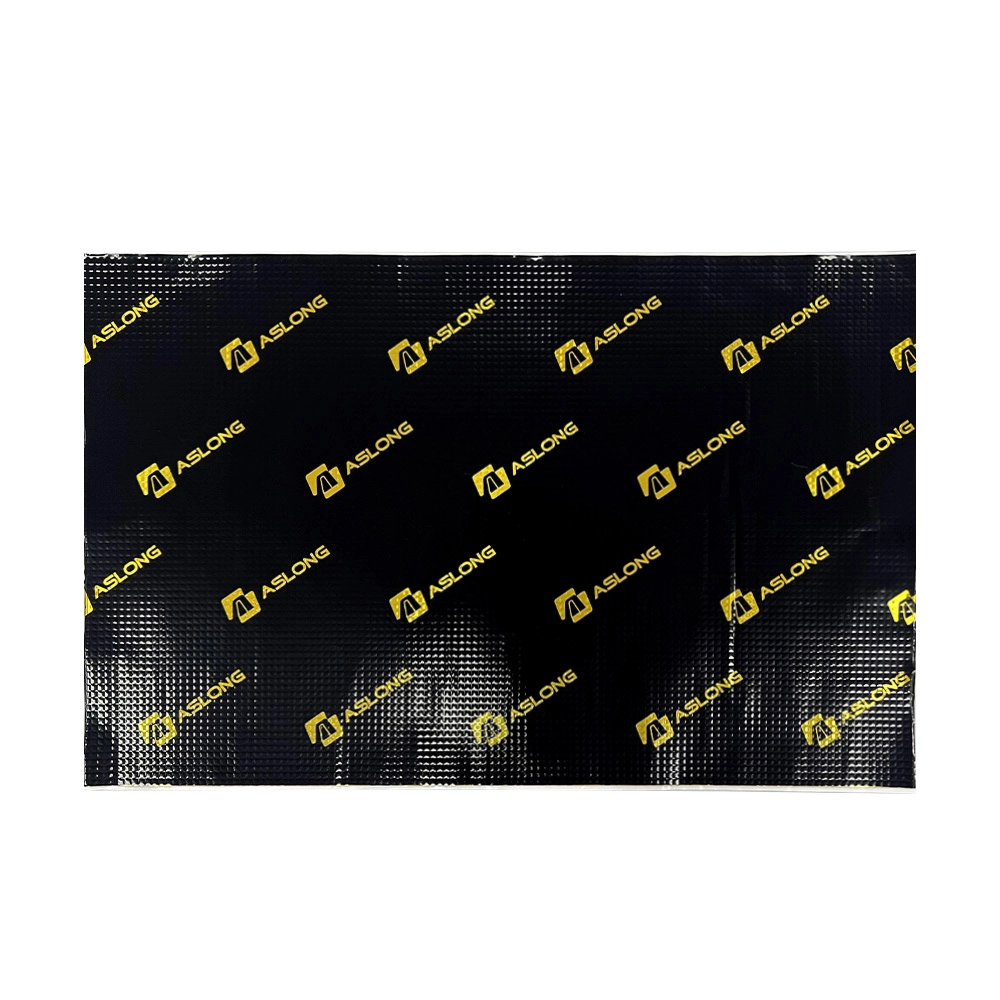
Practical Case Studies: Door, Floor & Roof Soundproofing Solutions for Cars
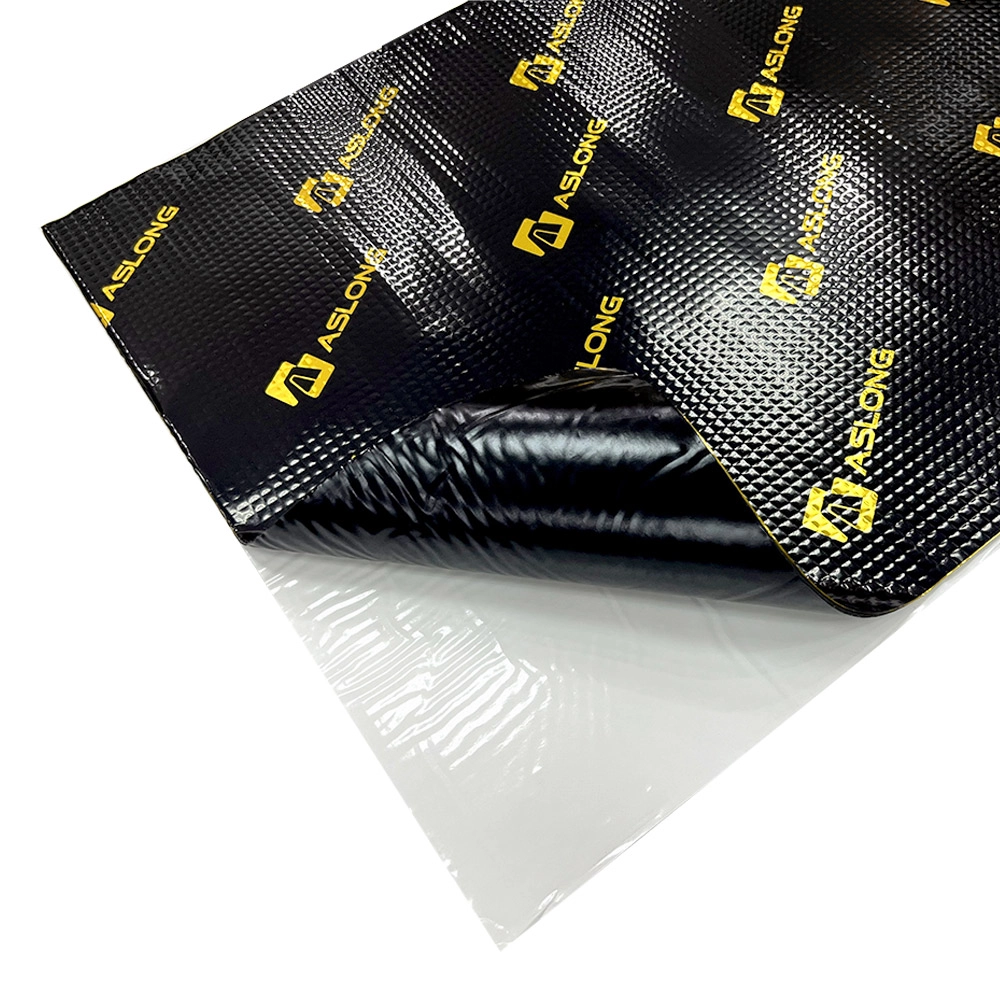
Importance & Optimization of Soundproofing Materials in Electric Vehicles (EVs)
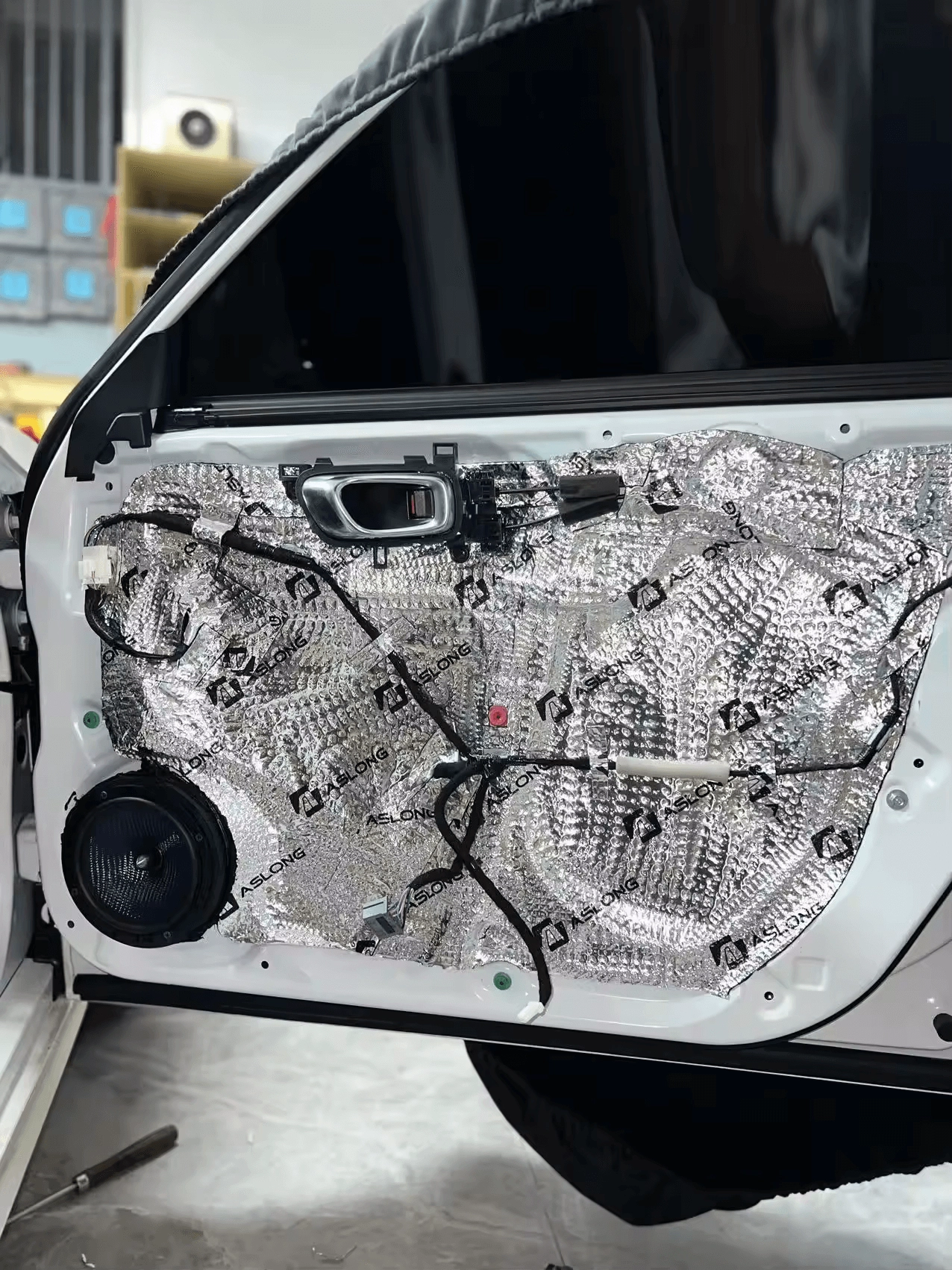
Where to Apply Sound Deadening Material in a Car for Maximum Effect
Butyl vs Bitumen Sound Damping: Which Material Is Best for Car Soundproofing?

Global Competitive Landscape of the Automotive Noise & Vibration Materials Industry (2026–2035)
FAQs
What industries are the products provided by ASLONG suitable for?
ASLONG's products are suitable for multiple industries, including air conditioning and HVAC, construction and waterproofing, automobiles and transportation, home appliances and electronics, industrial equipment and machinery, etc. We provide customized solutions for each industry to meet different needs.
How to customize products that meet the needs of my industry?
You only need to contact our sales or technical team, we will conduct an in-depth analysis based on your industry needs and provide tailor-made products and solutions. We guarantee to provide you with efficient and accurate services to meet your personalized requirements.
Do ASLONG's products meet environmental protection standards?
Yes, all ASLONG products comply with ISO14001 environmental management system certification and global environmental protection standards. We use environmentally friendly materials and are committed to providing sustainable solutions to help customers achieve green development goals.
What specific functions can ASLONG's products provide?
Our products cover functions such as insulation, sound insulation, shock absorption, waterproofing and sealing, and are widely used in improving energy efficiency, reducing noise, controlling vibration, protecting equipment, etc., helping customers optimize engineering effects and improve user experience.
Does ASLONG provide after-sales service?
Yes, we provide a full range of after-sales services, including technical support, installation guidance, product maintenance and quality tracking, etc., to ensure that each project goes smoothly and continues to perform at its best.
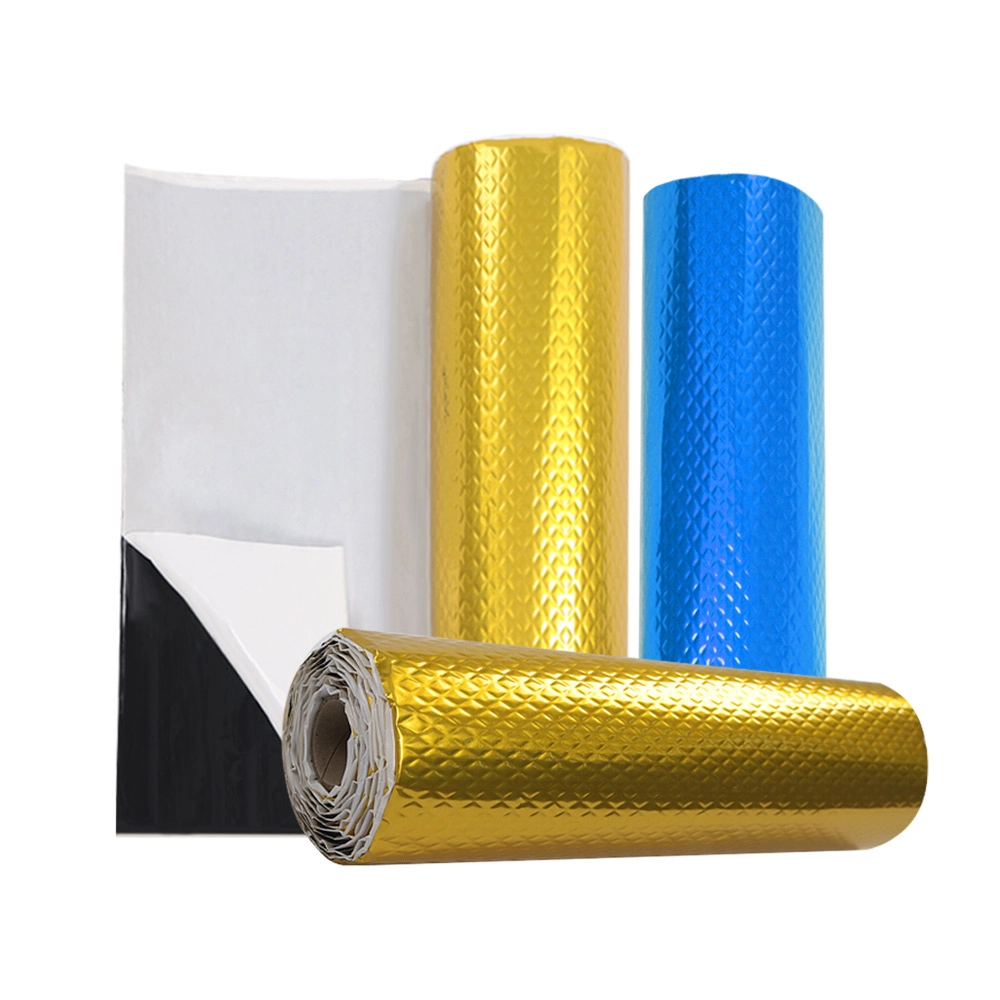
Butyl Rubber Sound Damping Mat
ASLONG Butyl Rubber Sound Damping Mat for sale. Effectively reduces noise and vibrations. High-quality butyl rubber ensures superior performance and durability. Ideal for automotive, industrial, and home applications.
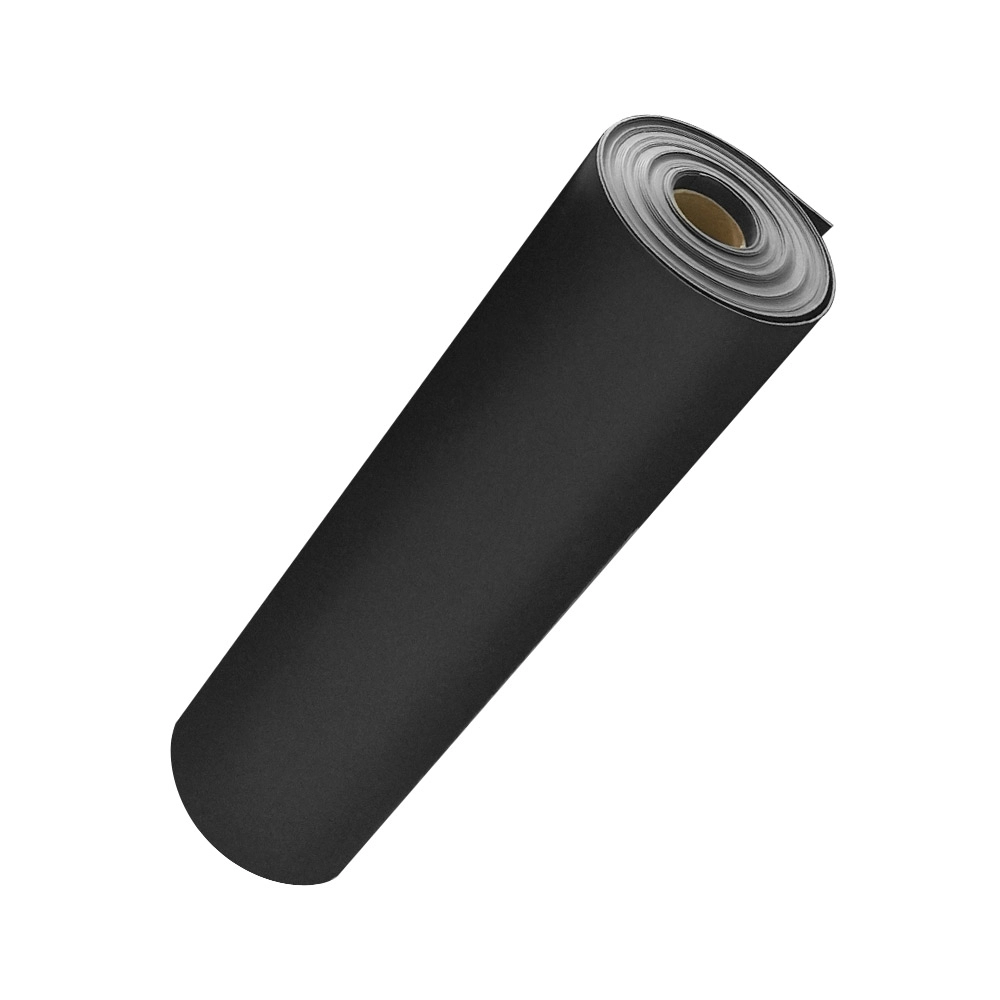
Mass Loaded Vinyl
ASLONG Mass Loaded Vinyl for sale. Reduce noise pollution effectively with our high-quality, mass-loaded vinyl. Ideal for soundproofing walls, floors, and more. Buy now and experience the difference!
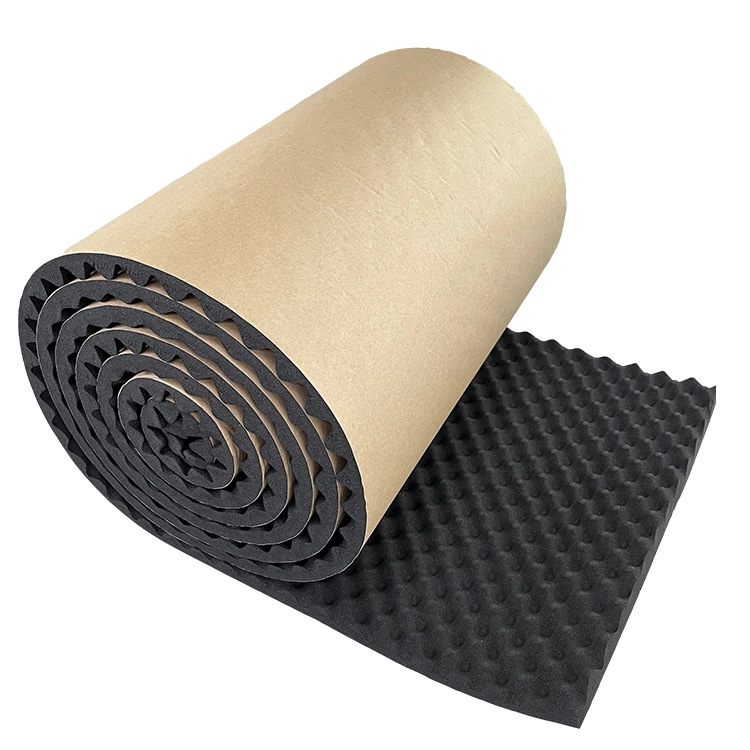
Egg Crate Foam
ASLONG Egg Crate Foam for sale. Lightweight, breathable, and comfortable, our egg crate foam provides superior support and pressure relief. Perfect for mattresses, cushions, cars, construction industry, KTV, factories, etc.
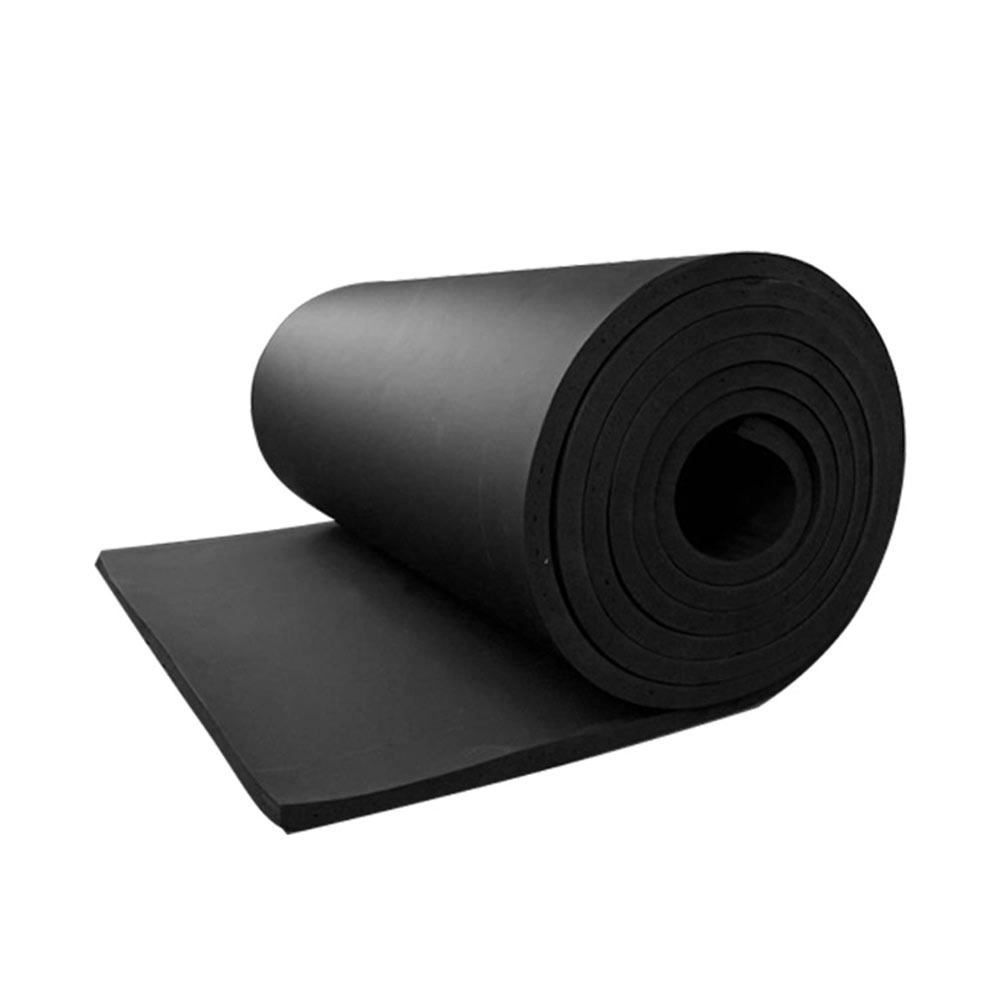
NBR Foam
ASLONG NBR Foam: Wholesale NBR foam solutions for diverse applications. High-quality, durable, and competitively priced. Contact us today for bulk orders.
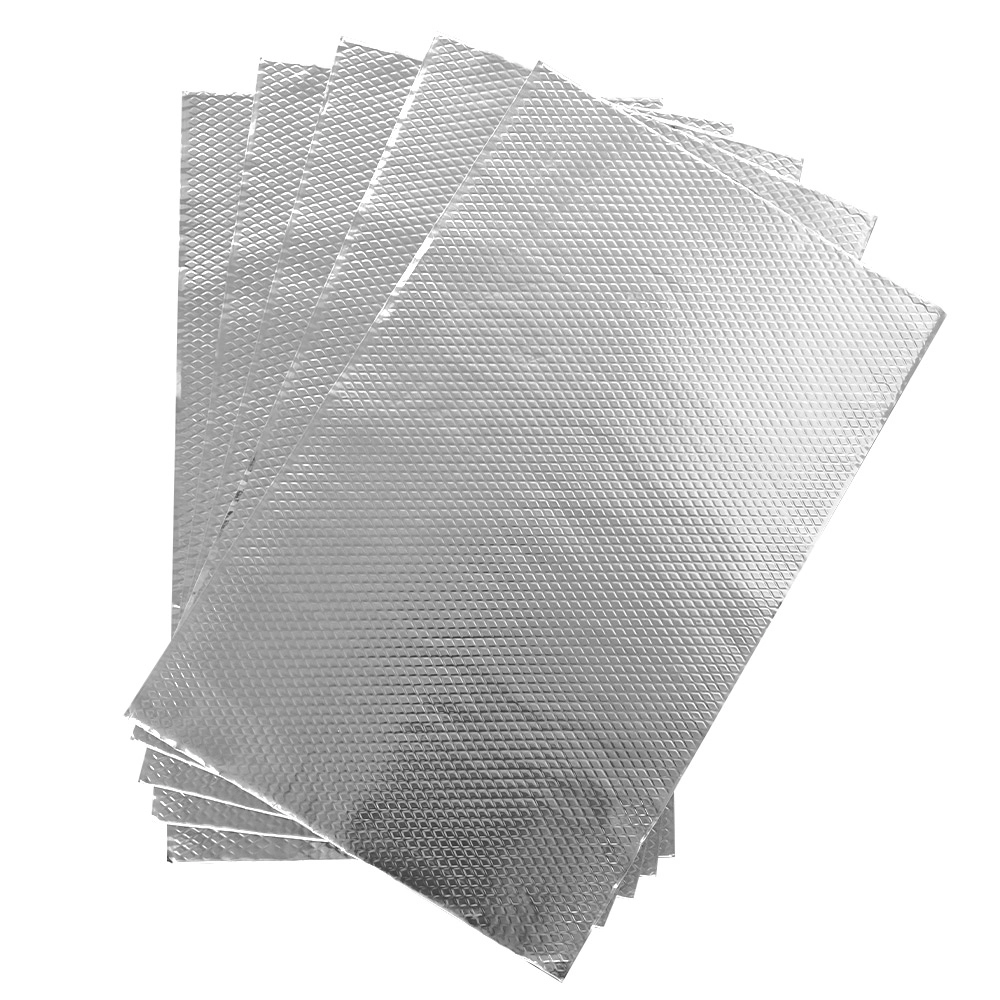
Car sound deadener mat
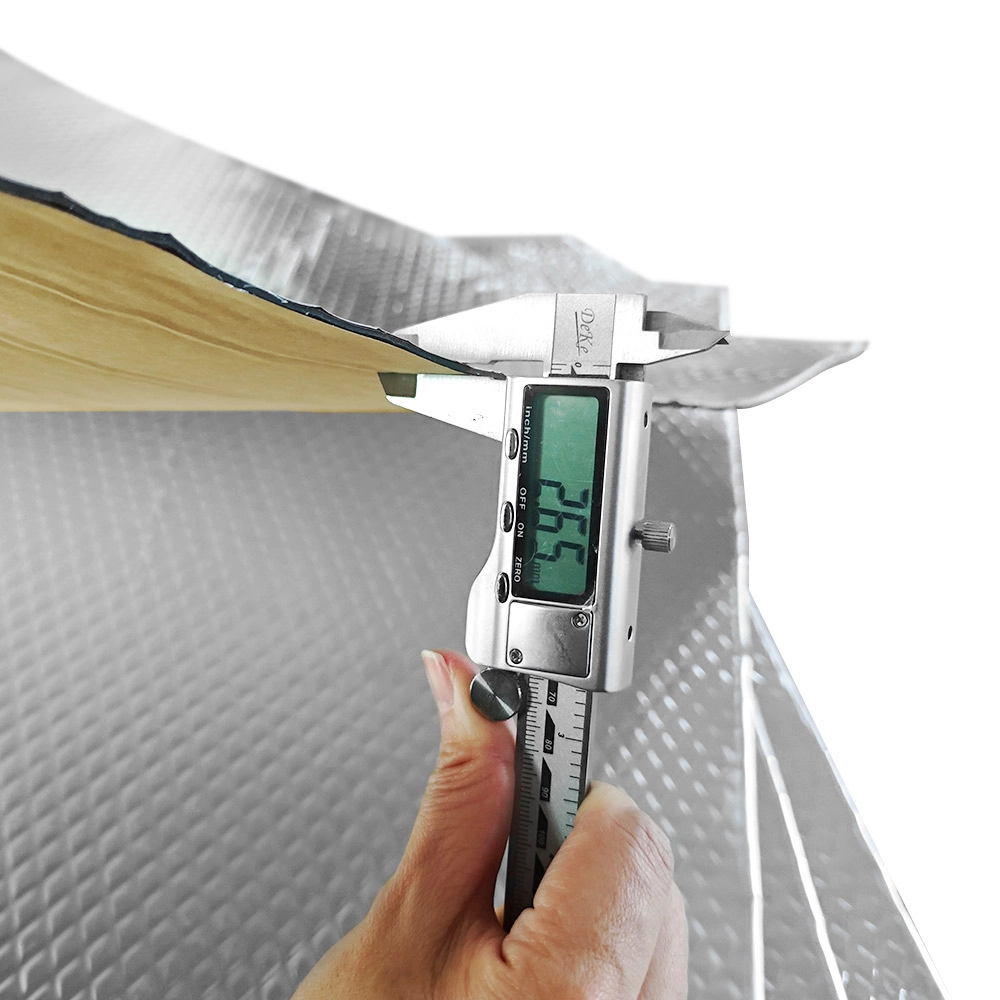
Car Sound Damping Sheet
Discover the ASLONG Car Sound Damping Sheet—High Quality sound damping material designed to reduce road noise and vibration. Improve your driving comfort with this easy-to-install, durable car sound damping sheet for superior sound insulation.
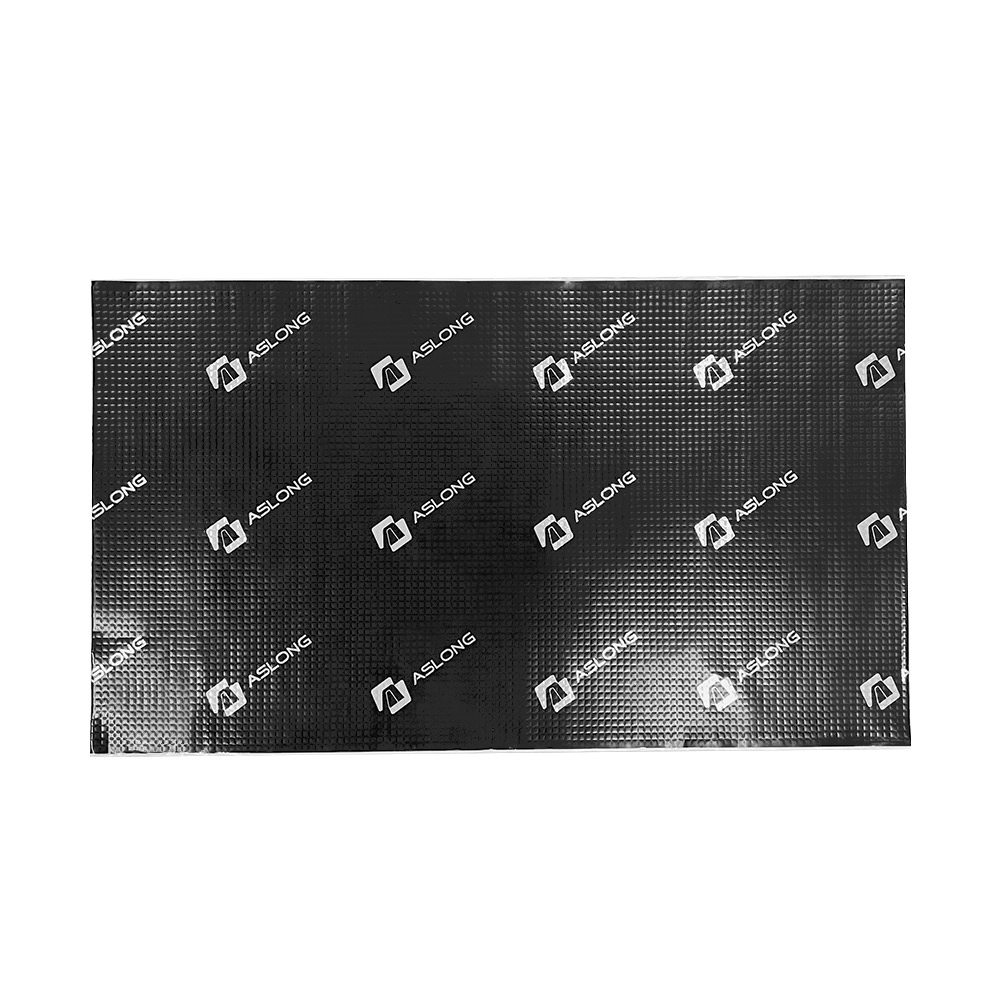
Aslong Dual-Layer Sound & Heat Insulation Mat | High-Density Butyl Deadening Sheet for Automotive Noise Control
The Aslong Sound & Heat Insulation Mat is engineered with a high-density butyl core and heat-resistant aluminum foil surface to provide reliable noise reduction and thermal protection. Designed to block road noise, engine heat, and vibration, it upgrades your vehicle’s comfort instantly. Strong adhesion ensures long-lasting performance in all climates.
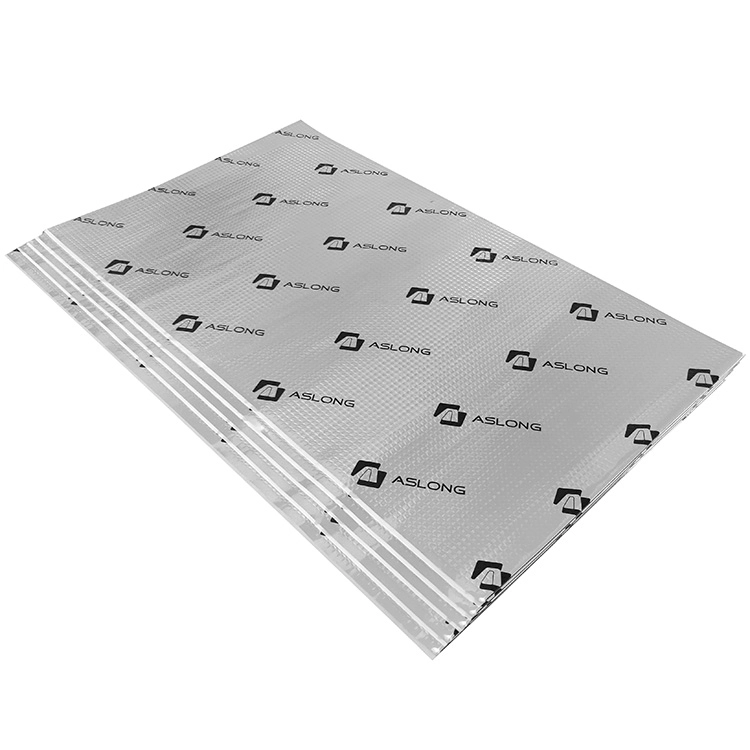
Aslong Premium Sound Deadening Mat | Butyl Rubber & Aluminum Vibrations Dampening Pad for Automotive Noise Reduction
The Aslong Sound Deadening Mat is made from high-density butyl rubber combined with reinforced aluminum foil. It effectively reduces vehicle vibrations, eliminates resonance noise, and improves cabin comfort. Ideal for doors, floors, trunks, wheel arches, and engine hoods. Strong adhesion and easy installation make it suitable for both professionals and DIY users.
Professional support at any time
Contact us for a free quote on our new soundproofing materials!
© 2026 ASLONG All Rights Reserved. Privacy Policy | Terms and Conditions | Sitemap

 It would be pleasure to receive from you.
Whatsapp: +8613242879341
ASLONG Global
ASLONG
Aslong_global