

2026 Guide to Sound Deadening Insulation Comparison
This comprehensive 2026 guide defines the difference between sound deadening and absorption, comparing top materials like mineral wool, fiberglass, and mass loaded vinyl. It provides deep technical insights, step-by-step installation instructions for homes and vehicles, and expert troubleshooting tips for maximum noise reduction.
- Introduction
- Understanding Sound Deadening Insulation: What It Is and How It Works
- Identifying Your Noise Problem: Tailoring Solutions for Different Sound Types
- Top Sound Deadening Insulation Materials: A Comparative Analysis
- Comparison Table: Acoustic Materials
- Step-by-Step Installation Guides for Key Areas
- Advanced Sound Deadening Techniques for Maximum Performance
- Common Mistakes to Avoid and Expert Troubleshooting Tips
- Maintenance, Longevity, and Future Trends in Sound Deadening
- Best Sound Deadening Insulation: Final Thoughts
- Frequently Asked Questions
- References
Introduction
Silence is a luxury that is becoming increasingly rare. Whether it’s the roar of highway traffic penetrating your living room or the hum of an HVAC system disrupting your recording studio, unwanted noise affects our health and productivity. To effectively combat this, one must understand the physics of sound deadening insulation. Unlike simple acoustic treatment which manages echoes, true sound deadening requires a strategic combination of mass, damping, and decoupling to block noise transmission entirely.
In this 2026 guide, we move beyond surface-level advice to provide a definitive technical resource. We will explore the material science behind fibreglass acoustic insulation versus mineral wool, detail the application of soundproofing material in automotive and residential sectors, and provide actionable installation strategies used by acoustic engineers.
Understanding Sound Deadening Insulation: What It Is and How It Works
To choose the right solution, you must distinguish between two often-confused concepts: sound isolation (deadening) and sound absorption.
The Science of Silence
Sound deadening (or isolation) prevents sound from entering or leaving a space. This is achieved by increasing the transmission loss of a barrier, typically measured by the Sound Transmission Class (STC). Effective isolation requires high mass and airtight construction to stop the transfer of energy through walls, floors, or doors.
Sound absorption, on the other hand, controls the way sound behaves inside a room. Materials like insulation for sound deadening—specifically porous fibers—convert sound energy into heat via friction, reducing reverberation. This is measured by the Noise Reduction Coefficient (NRC).
Key Metrics Explained
· STC (Sound Transmission Class): An integer rating of how well a building partition attenuates airborne sound. According to ASTM E90 standards, a standard drywall partition has an STC of roughly 33. Increasing this to STC 60+ renders loud speech inaudible.
· NRC (Noise Reduction Coefficient): A scalar representation (0.0 to 1.0) of sound energy absorbed. An NRC of 0.95 means 95% of sound energy is absorbed, which is critical for acoustic clarity but less relevant for blocking noise from neighbors.
Identifying Your Noise Problem: Tailoring Solutions for Different Sound Types
· Airborne Noise: Traffic, voices, and music travel through the air. The primary defense is adding mass (like Mass Loaded Vinyl) and sealing gaps in door acoustic insulation.
· Impact Noise: Footsteps or dropped objects create vibrations directly on the structure. This requires decoupling (floating floors) or damping materials.
· Structural Noise: Vibrations from appliances or HVAC systems travel through framing. This is best treated with viscoelastic damping compounds that dissipate mechanical energy.
Top Sound Deadening Insulation Materials: A Comparative Analysis
Selecting the correct material is the most critical step in your soundproofing project.
Mineral Wool (Rockwool/Slag Wool)
Often considered the gold standard for DIY and professional applications, mineral wool offers a high density (typically 2.5 to 8 lbs/ft³) that outperforms standard fiberglass in blocking sound. It is hydrophobic and fire-resistant.
Fiberglass Insulation
Standard sound deadening fiberglass insulation is lighter and less expensive than mineral wool. While excellent for thermal insulation and reducing resonance within a cavity (High NRC), it lacks the mass required to significantly improve STC ratings on its own unless paired with dense outer layers.
Mass Loaded Vinyl (MLV)
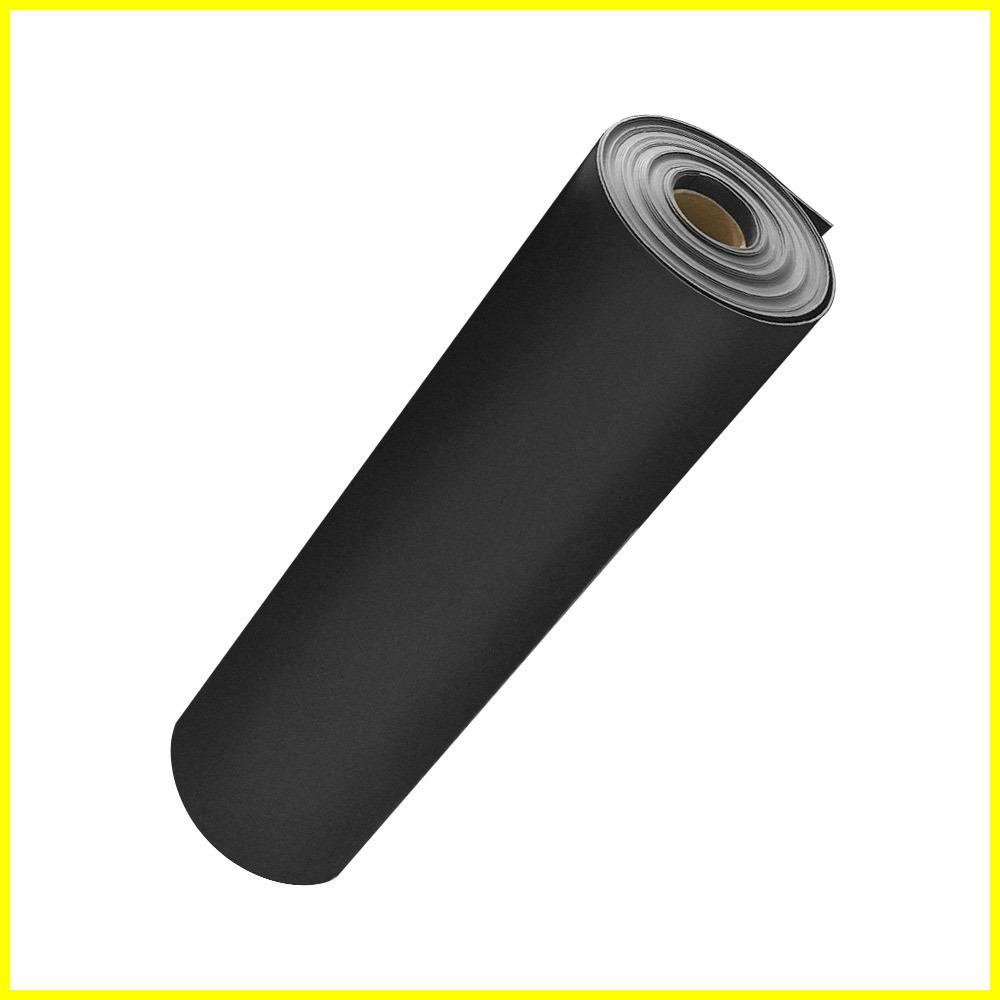
MLV is a flexible, heavy sheet composed of vinyl and barium sulfate or calcium carbonate. It is a dedicated soundproofing material designed to add limp mass to walls, ceilings, and vehicles without adding significant thickness. It is often the best auto sound deadening material for door liners.
Specialty Materials: Foams and Composites
For specific applications involving vibration, materials like Foam, Butyl Rubber, and Polyurethane Foam offer unique benefits. Closed-cell foams are excellent for decoupling, while butyl rubber is superior for damping metal resonance in cars.
Comparison Table: Acoustic Materials
|
Material |
Density |
STC Impact |
NRC Rating |
Best Use Case |
Est. Cost |
|
Mineral Wool |
High |
High |
0.95+ |
Walls, Studios |
Middle |
|
Fiberglass |
Low |
Low-Med |
0.85+ |
Thermal/General |
Lower |
|
MLV |
Very High |
Very High |
N/A |
Blocking, Cars |
Higher |
|
Cellulose |
High (Dense Pack) |
High |
0.80+ |
Retrofit Walls |
Middle |
|
Cork |
Medium |
Medium |
0.70 |
Floors (Impact) |
Higher |
Step-by-Step Installation Guides for Key Areas
Sound Deadening Insulation for Ceilings
Footfall noise from above is a common complaint.
1. Open the Cavity: Remove existing drywall if possible.
2. Insulate: Install high-density mineral wool between joists to absorb cavity resonance.
3. Decouple: Install resilient channels or isolation clips perpendicular to the joists.
4. Add Mass: Attach two layers of 5/8" drywall, sandwiching a layer of damping compound (like Green Glue) between them.
Vehicle Sound Deadening: A Comprehensive Guide
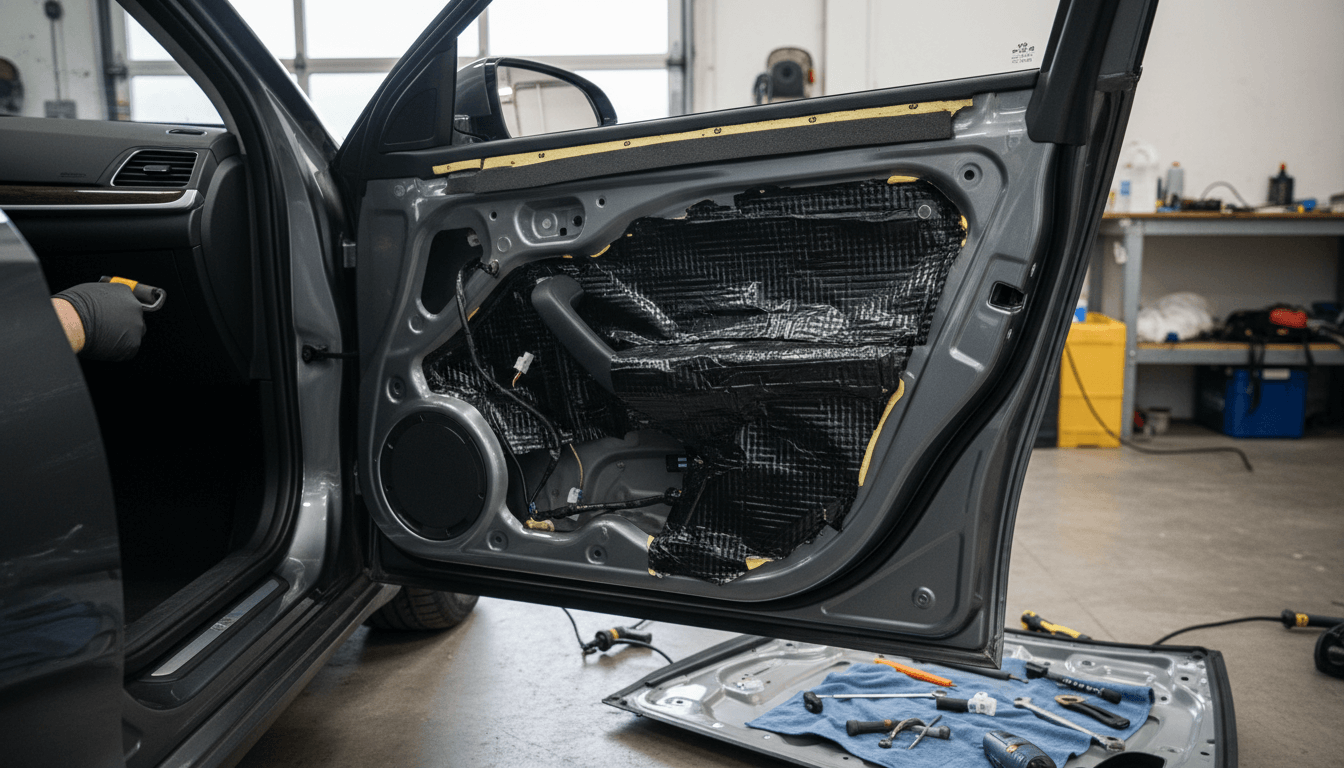
Transforming a noisy car into a luxury ride requires a specific approach. When looking for the best sound deadening material for cars, prioritize butyl-based mats for vibration and closed-cell foam for isolation.
Step 1: Strip and CleanRemove seats, carpet, and door panels. Clean the bare metal chassis with a degreaser or denatured alcohol to ensure adhesion.
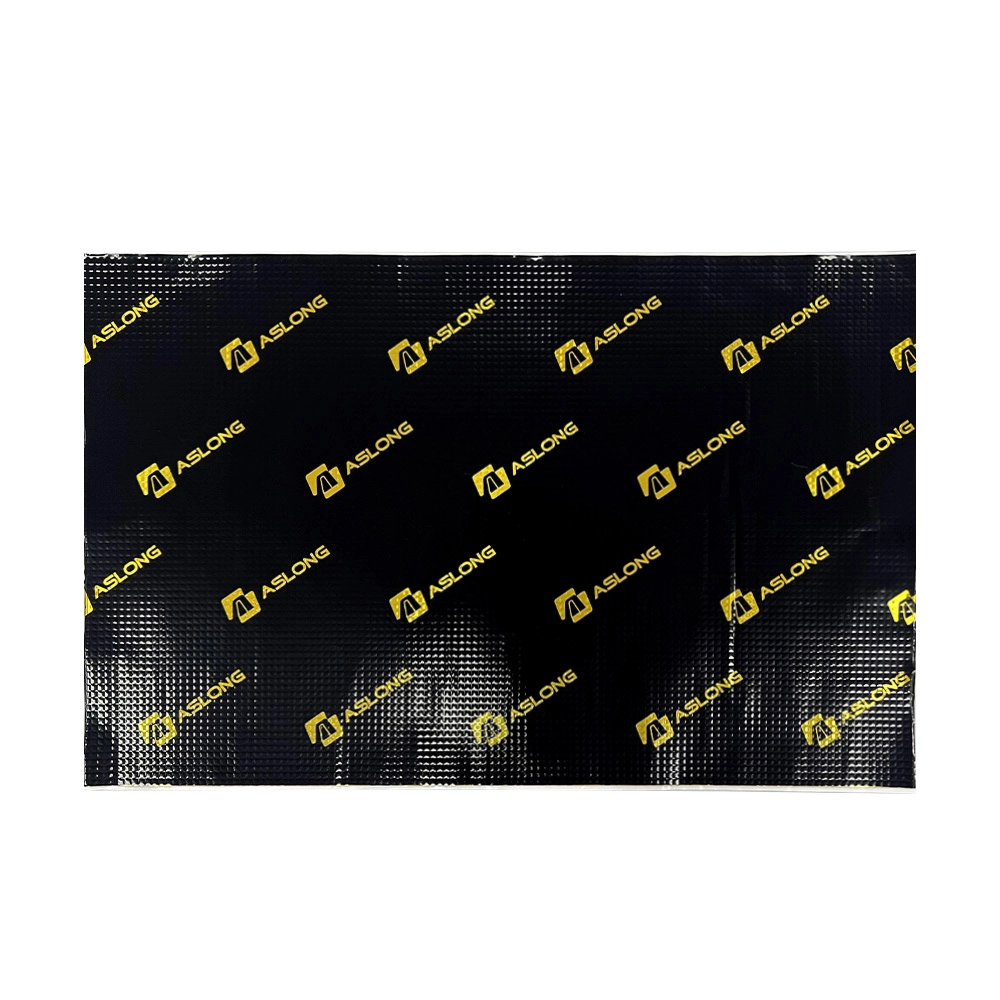
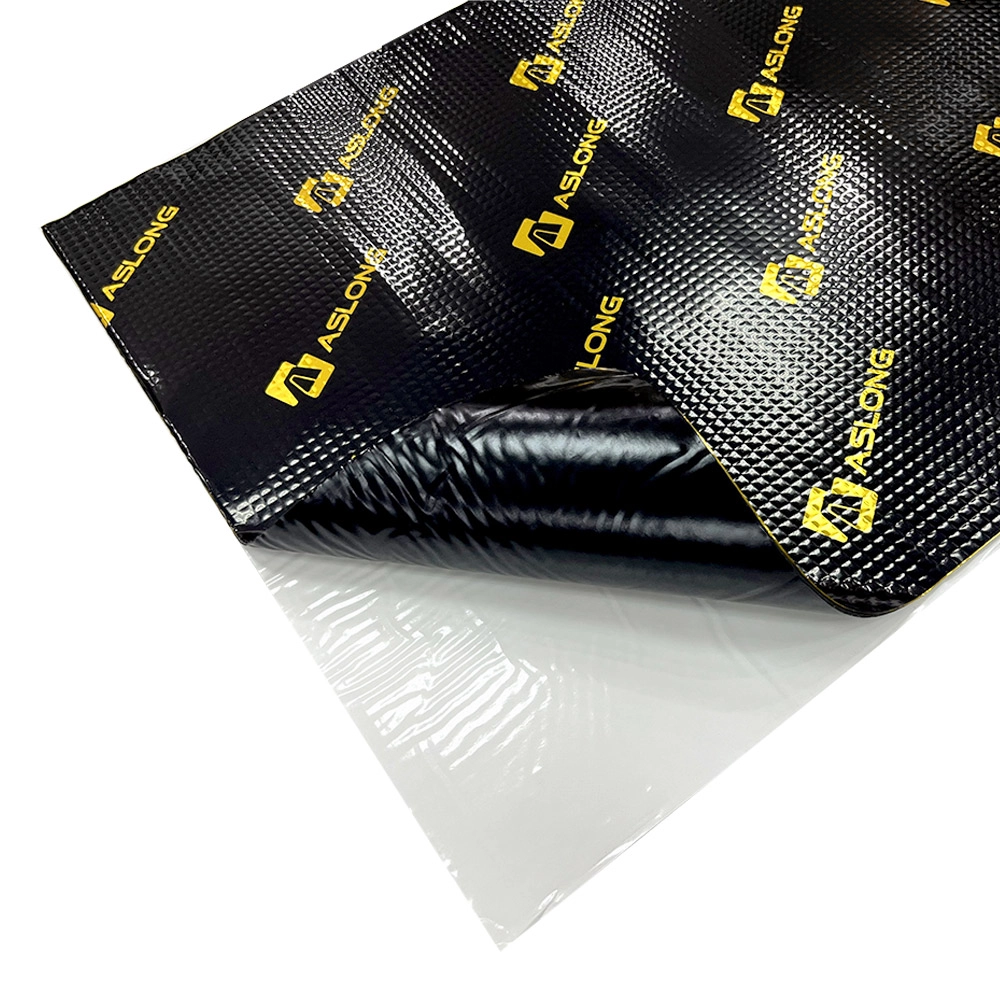
Step 2: Apply Vibration DampingApply auto sound deadening insulation (butyl mats) to the center of large metal panels on the floor, doors, and trunk. You do not need 100% coverage; 25-50% coverage in the center of panels effectively kills resonance.
Step 3: Install a layer of Mass Loaded Vinyl (MLV) over the floor pan and wheel wells. As one of the best sound deadening material options for automotive soundproofing, MLV acts as an effective barrier against road noise. For detailed product recommendations,check our guide on the best sound deadening material for cars.
Step 4: Thermal & Acoustic AbsorptionApply automotive insulation and sound deadening foam (closed-cell) inside door cavities and on the roof to absorb echoes and insulate against heat.
Advanced Sound Deadening Techniques for Maximum Performance
· Decoupling: Breaking the physical connection between wall layers using staggered studs or resilient clips prevents vibration transfer.
· Viscoelastic Damping: Compounds that convert vibration energy into low-level heat are far more effective than rigid adhesives.
· Room-within-a-Room: For home studios, building a completely detached frame inside the existing room is the only way to achieve near-total isolation.
Common Mistakes to Avoid and Expert Troubleshooting Tips
1. The "Egg Crate" Myth: Gluing egg crates or light packaging foam to walls does virtually nothing for sound deadening insulation. It only slightly affects high-frequency echo.
2. Flanking Paths: Sound is like water; it will find the smallest hole. Failing to seal electrical outlets, HVAC vents, and gaps under doors with acoustic caulk will compromise the entire system.
3. Ignoring Weight: Sound deadening insulation for cars adds significant weight. Ensure your vehicle’s suspension can handle the extra 50-100 lbs if doing a full treatment.
Maintenance, Longevity, and Future Trends in Sound Deadening
Eco-Friendly Options
Sustainable materials are gaining traction. Cork is naturally resistant to mold and effective for impact noise. Recycled cotton and hemp insulation offer non-toxic alternatives to fiberglass with comparable acoustic properties.
Future Trends: Metamaterials
Research into acoustic metamaterials suggests a future where thin, lightweight honeycomb structures can block sound as effectively as thick concrete walls. These materials manipulate sound waves to cancel them out, potentially revolutionizing sound deadening insulation car applications where weight is critical.
Best Sound Deadening Insulation: Final Thoughts
Whether you are installing sound deadening insulation for ceilings in a condo or upgrading your vehicle sound deadening, the principles remain the same: add mass, damp vibrations, and seal the gaps. By choosing the right materials and following these E-E-A-T compliant guidelines, you can achieve a truly quiet environment.
Frequently Asked Questions
What is the difference between sound deadening and sound absorption?
Sound deadening (blocking) prevents noise from passing through a structure, typically using heavy materials like MLV. Sound absorption reduces echo within a room using soft, porous materials like foam or mineral wool.
What is the best type of insulation for sound deadening?
For cavities, high-density mineral wool is superior to fiberglass. For active blocking, Mass Loaded Vinyl (MLV) is the industry standard. A combination of both yields the best results.
Can regular insulation be used for sound deadening?
Standard thermal fiberglass batts help reduce resonance in a wall cavity, providing a minor improvement, but they lack the mass to block loud noises effectively compared to specialized acoustic insulation.
How do STC and NRC ratings relate to sound deadening insulation?
STC measures how well a material blocks sound transmission (higher is better for soundproofing). NRC measures how much sound a material absorbs (higher is better for reducing echo).
Is sound deadening insulation effective against all types of noise?
No. Low-frequency impact noise (like footsteps) requires decoupling, while high-frequency airborne noise (like voices) is best treated with mass and absorption. Structural vibration requires damping.
What are common mistakes to avoid during installation?
The most common mistake is leaving air gaps. Even a 1% opening can reduce soundproofing efficiency by 50%. Always use acoustic sealant on perimeters and penetrations.
Can I install sound deadening insulation myself, or do I need a professional?
Installation of batts and mats is DIY-friendly. However, structural decoupling (like hanging resilient channels) requires precision; improper installation can actually amplify noise (the "short circuit" effect).
How much does sound deadening insulation cost?
Costs vary: Fiberglass is roughly $0.50-$1.00/sq ft, Mineral Wool $1.00-$1.50/sq ft, and MLV $2.00-$4.00/sq ft. Full room projects typically range from $1,000 to $5,000 depending on complexity.
References
· Wikipedia: Sound Transmission Class
· Acoustical Surfaces: Mineral Wool vs Fiberglass
· Soundproof Cow: Mineral Wool vs. Fiberglass for Sound Insulation
Practical Case Studies: Door, Floor & Roof Soundproofing Solutions for Cars
Importance & Optimization of Soundproofing Materials in Electric Vehicles (EVs)
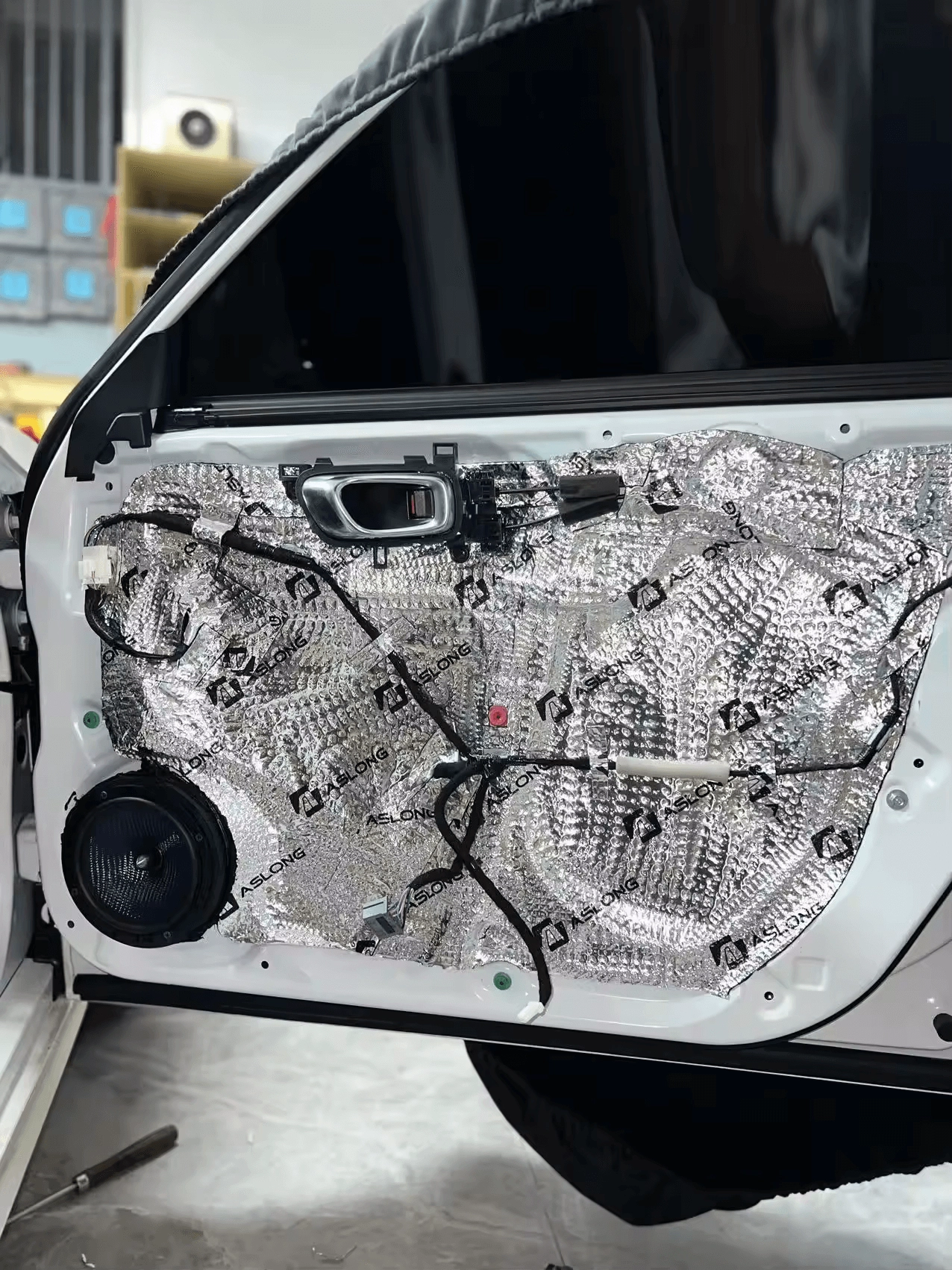
Where to Apply Sound Deadening Material in a Car for Maximum Effect
Butyl vs Bitumen Sound Damping: Which Material Is Best for Car Soundproofing?

Global Competitive Landscape of the Automotive Noise & Vibration Materials Industry (2026–2035)
FAQs
What specific functions can ASLONG's products provide?
Our products cover functions such as insulation, sound insulation, shock absorption, waterproofing and sealing, and are widely used in improving energy efficiency, reducing noise, controlling vibration, protecting equipment, etc., helping customers optimize engineering effects and improve user experience.
Do ASLONG's products meet environmental protection standards?
Yes, all ASLONG products comply with ISO14001 environmental management system certification and global environmental protection standards. We use environmentally friendly materials and are committed to providing sustainable solutions to help customers achieve green development goals.
Does ASLONG provide after-sales service?
Yes, we provide a full range of after-sales services, including technical support, installation guidance, product maintenance and quality tracking, etc., to ensure that each project goes smoothly and continues to perform at its best.
What industries are the products provided by ASLONG suitable for?
ASLONG's products are suitable for multiple industries, including air conditioning and HVAC, construction and waterproofing, automobiles and transportation, home appliances and electronics, industrial equipment and machinery, etc. We provide customized solutions for each industry to meet different needs.
How to customize products that meet the needs of my industry?
You only need to contact our sales or technical team, we will conduct an in-depth analysis based on your industry needs and provide tailor-made products and solutions. We guarantee to provide you with efficient and accurate services to meet your personalized requirements.
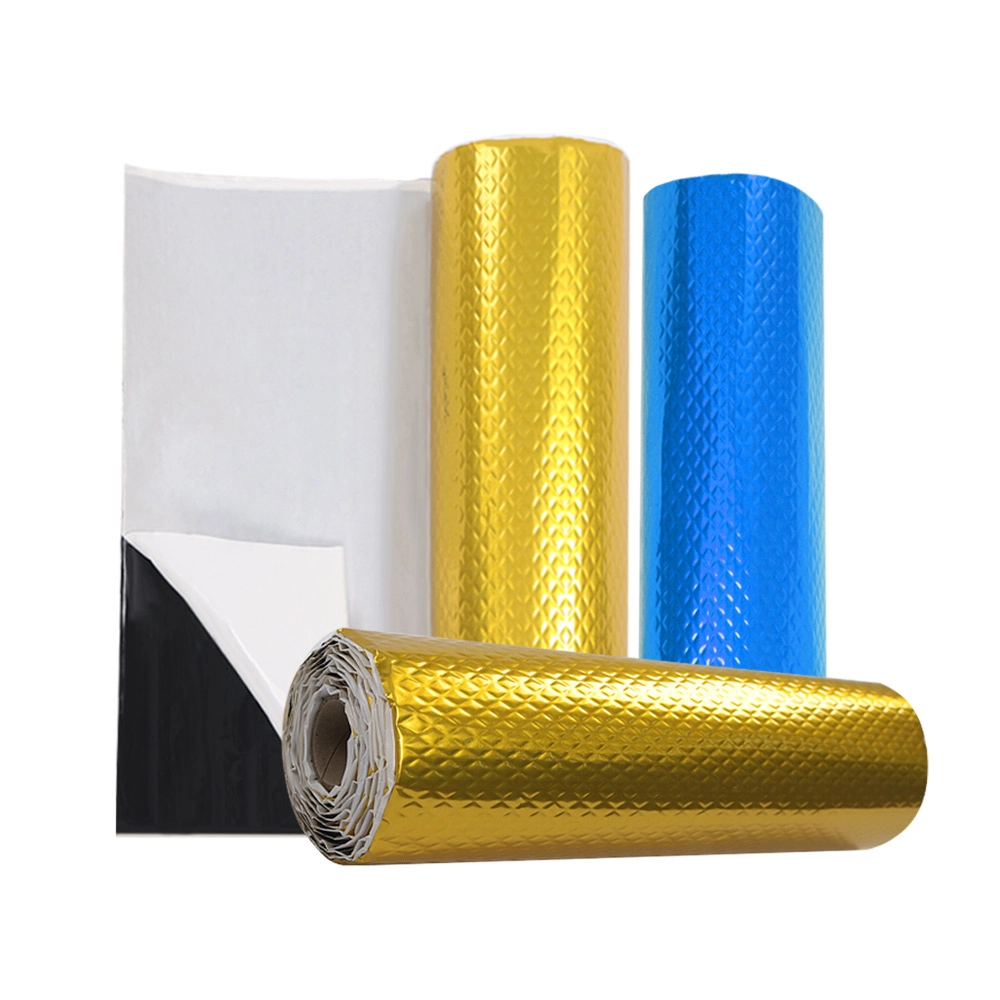
Butyl Rubber Sound Damping Mat
ASLONG Butyl Rubber Sound Damping Mat for sale. Effectively reduces noise and vibrations. High-quality butyl rubber ensures superior performance and durability. Ideal for automotive, industrial, and home applications.
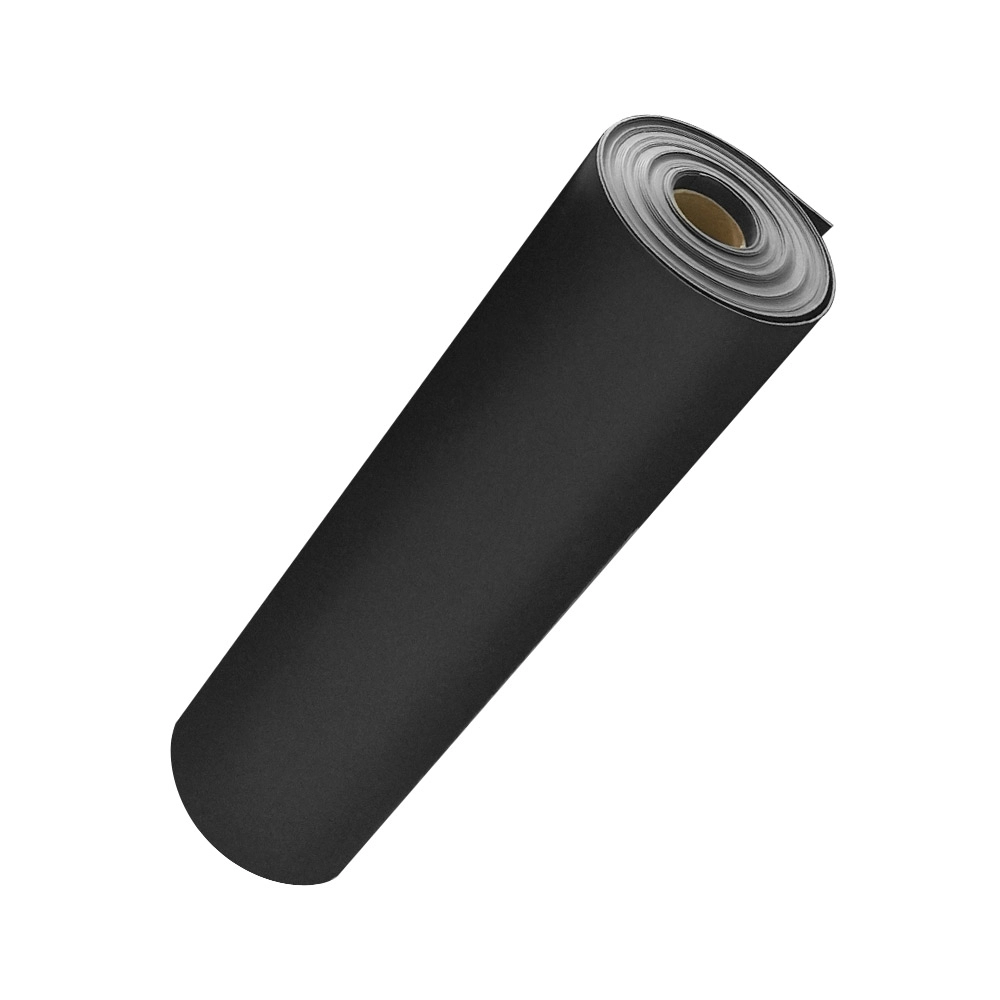
Mass Loaded Vinyl
ASLONG Mass Loaded Vinyl for sale. Reduce noise pollution effectively with our high-quality, mass-loaded vinyl. Ideal for soundproofing walls, floors, and more. Buy now and experience the difference!
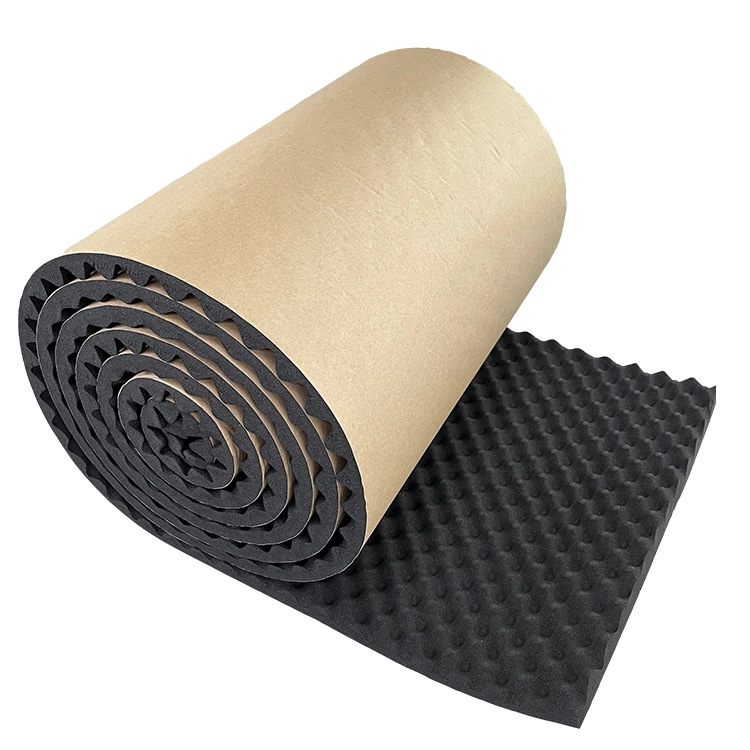
Egg Crate Foam
ASLONG Egg Crate Foam for sale. Lightweight, breathable, and comfortable, our egg crate foam provides superior support and pressure relief. Perfect for mattresses, cushions, cars, construction industry, KTV, factories, etc.
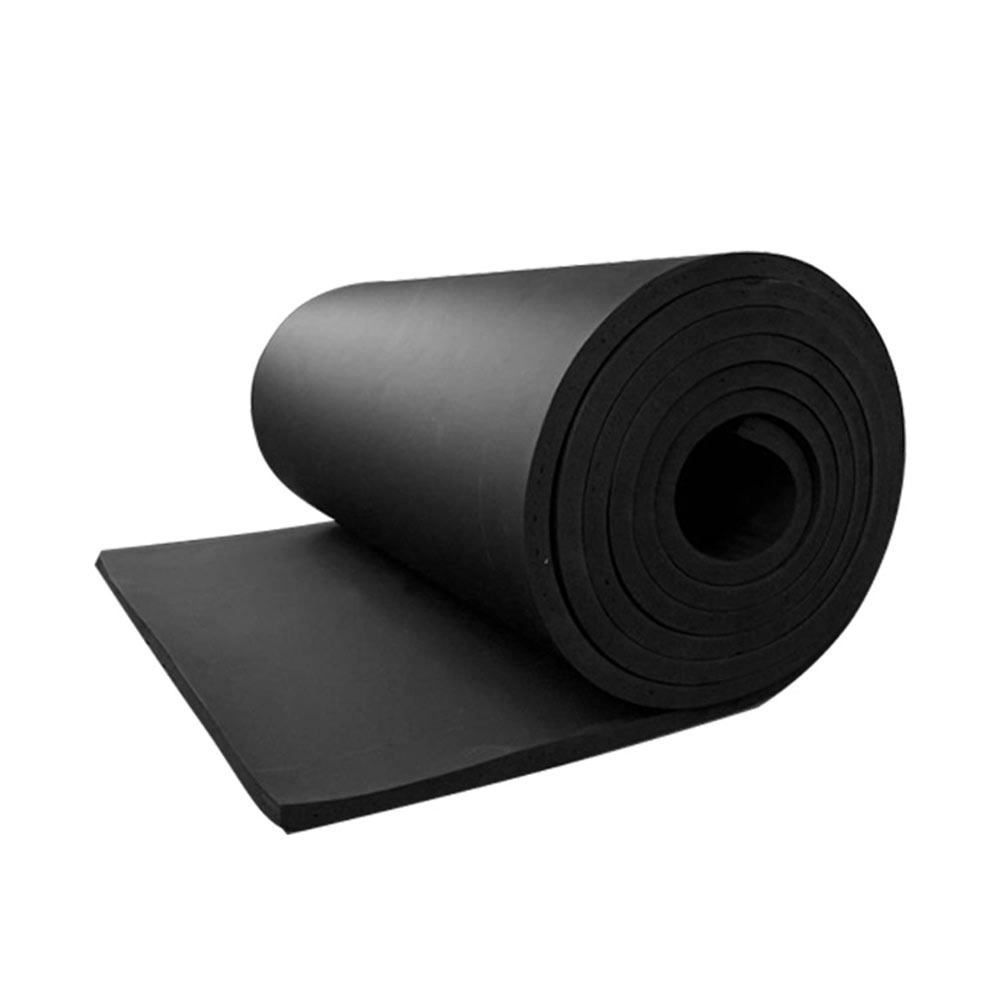
NBR Foam
ASLONG NBR Foam: Wholesale NBR foam solutions for diverse applications. High-quality, durable, and competitively priced. Contact us today for bulk orders.
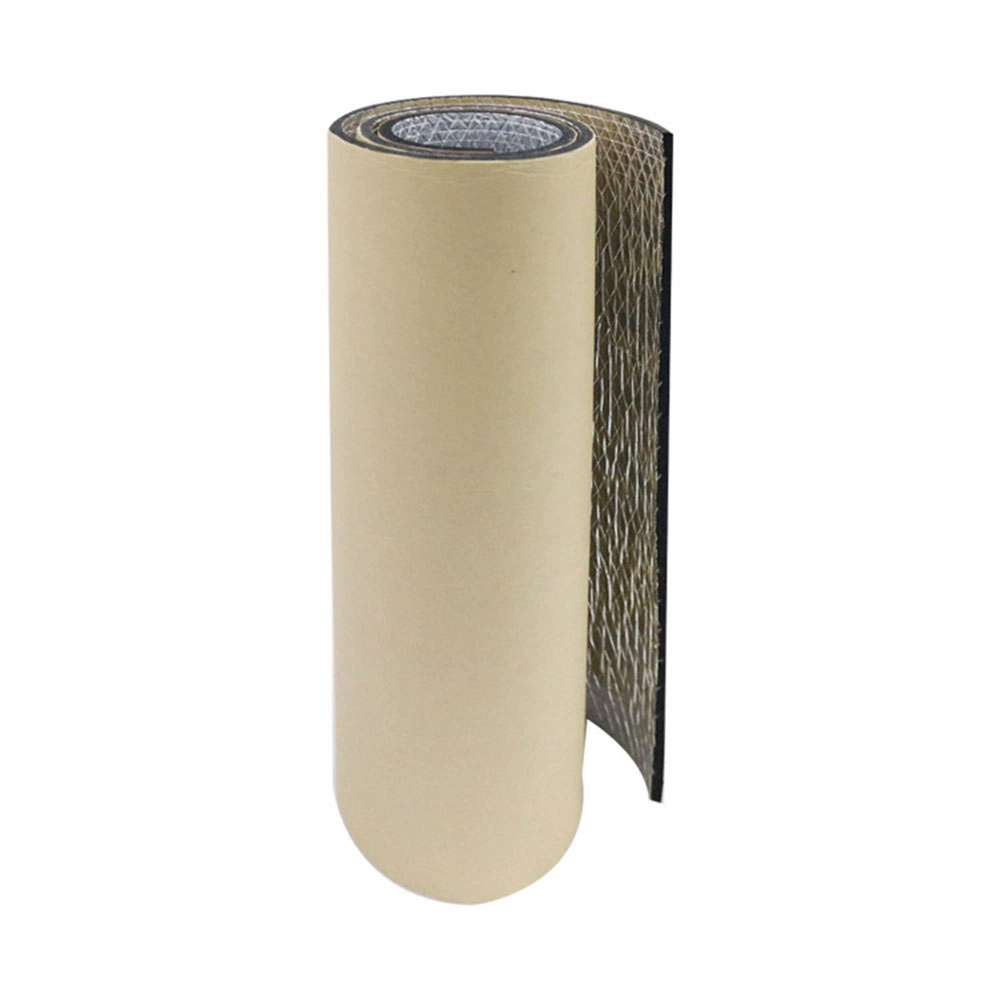
Multi layer Composite NBR foam
ASLONG's multi-layer composite NBR foam is your premium choice for superior cushioning and durability. Ideal for diverse applications, this high-quality NBR foam is available for sale now. Contact us for bulk orders.
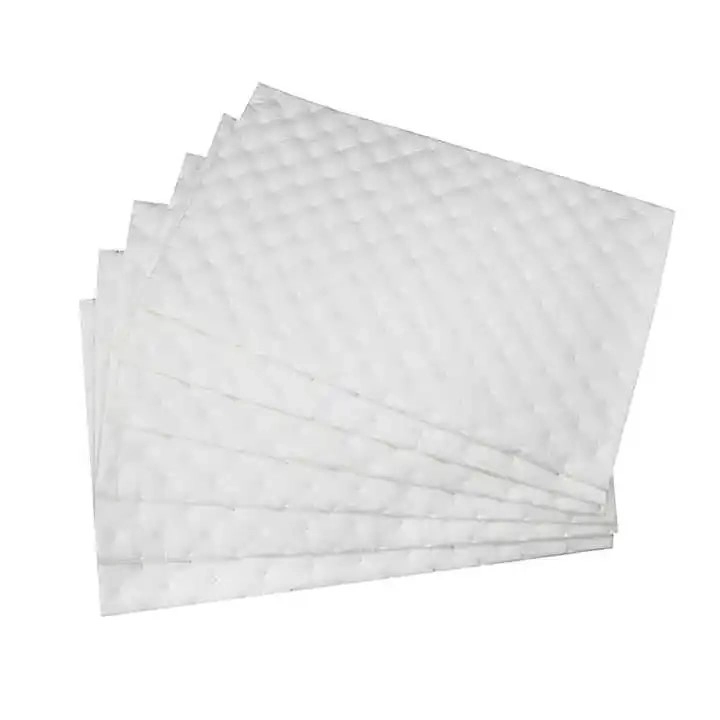
Sound Absorbing White Cotton
Sound-absorbing white cotton Made from PP and PET fibres by melt-blowing, special processes are used to achieve density diversification, sound absorption and noise reduction, thermal insulation, moisture-proof and mold resistance.
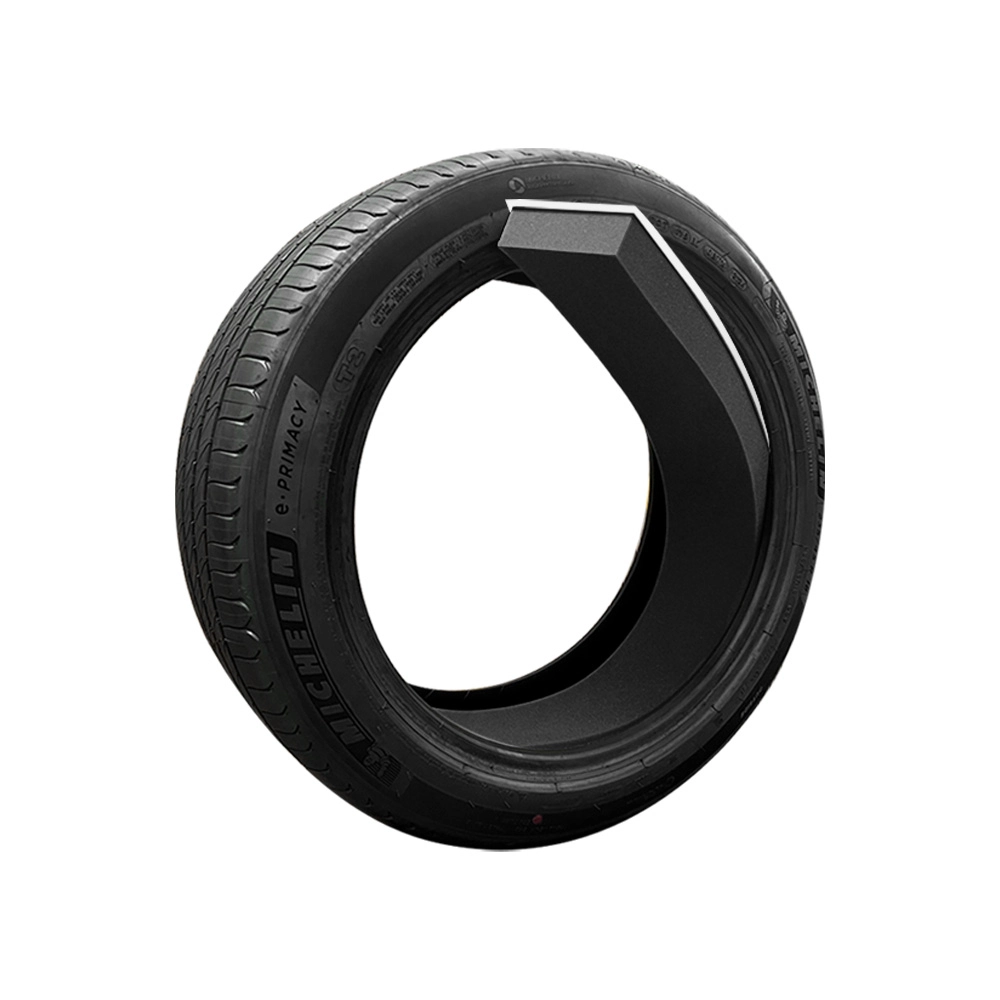
Puncture-Proof Soundproof Tire Foam, Self-Sealing Noise-Reducing Liner for Cars, Anti-Puncture Wheel Protection, Anti-Puncture Noise Reduction
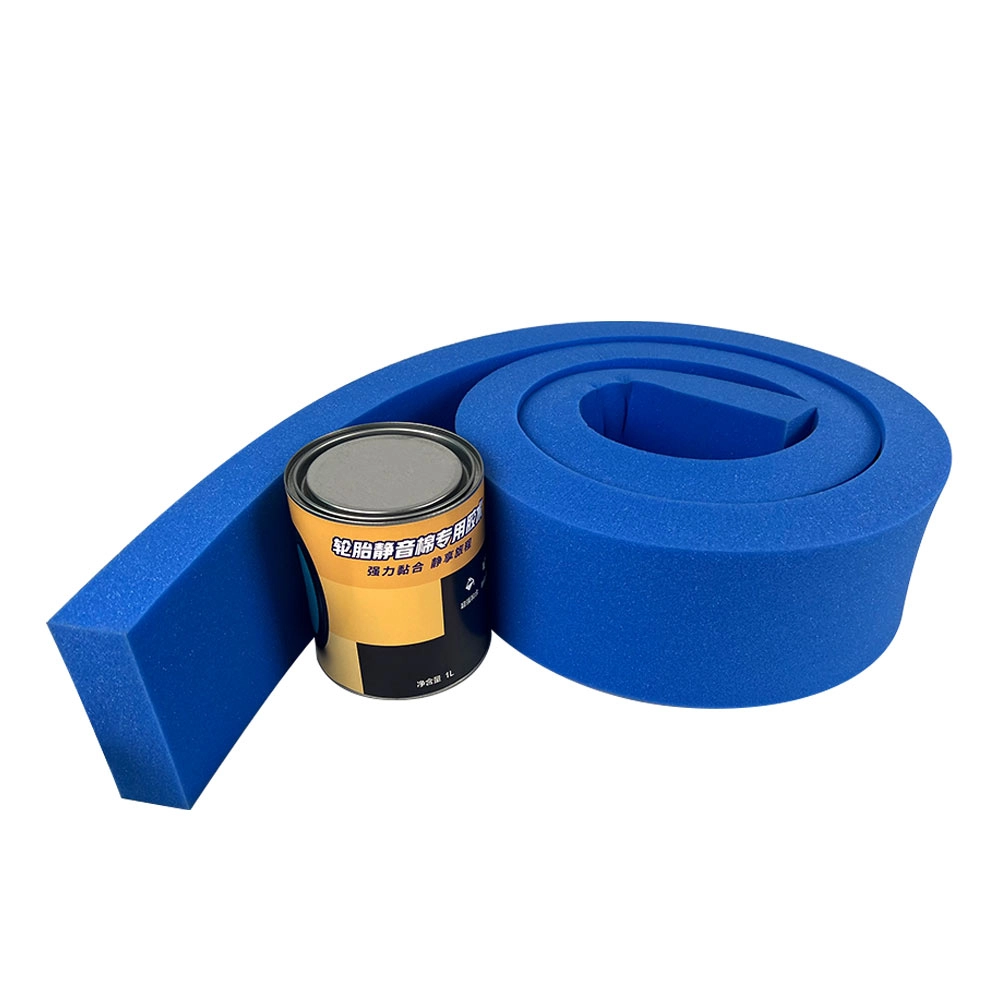
Tire Silent Foam with Special Glue
ASLONG Tire Silent Foam with special glue effectively reduces tire noise. Improve your vehicle's ride comfort. Buy ASLONG Tire Silent Foam for sale now and experience the quiet difference.
Professional support at any time
Contact us for a free quote on our new soundproofing materials!
© 2026 ASLONG All Rights Reserved. Privacy Policy | Terms and Conditions | Sitemap

 It would be pleasure to receive from you.
Whatsapp: +8613242879341
ASLONG Global
ASLONG
Aslong_global