

Top acoustic barrier materials for automotive applications
- Why targeted acoustic barriers matter in vehicles
- Noise sources and user pain points
- Performance metrics and standards I use
- Core acoustic barrier materials and how they work
- Mass Loaded Vinyl (MLV)
- Butyl Rubber Sound Damping Mat
- NBR Foam and Acoustic Cotton
- Selecting materials: trade-offs and common configurations
- Weight vs. performance
- Durability, thermal and flammability constraints
- Installation and manufacturability
- Comparative performance and recommended use cases
- Material comparison table (typical ranges)
- Interpreting the numbers
- Practical specification advice I use with clients
- Define target frequencies and acceptance criteria
- Prototype, measure, iterate
- Cost-benefit and weight budget
- ASLONG: a practical supplier case study and why I recommend considering them
- Measurement and verification: how to prove effectiveness
- Test methods I apply
- Reporting and acceptance criteria
- FAQs
- 1. What is the difference between sound damping and sound blocking?
- 2. How much weight will I add if I use MLV on the floor?
- 3. Can NBR foam handle moisture in door cavities?
- 4. Will adding insulation change vehicle crash performance or airbags?
- 5. How do I prioritize treatments if budget is limited?
- Closing: next steps and contact
I write from long experience specifying and testing automotive sound treatments. In this article I summarize practical choices and trade-offs for automotive sound insulation materials, focusing on acoustic barrier solutions that reduce airborne and structure-borne noise, lower perceived cabin sound pressure levels, and meet weight, durability and thermal constraints relevant to modern vehicles. I reference standards and authoritative sources to support my recommendations and provide actionable guidance on selection and installation.
Why targeted acoustic barriers matter in vehicles
Noise sources and user pain points
Automotive noise comes from powertrain and exhaust, tire-road interaction, aerodynamic flow and auxiliary systems. In my projects the most frequent user complaints are low-frequency boominess (from powertrain and cavity resonances), masking of speech, and tire/road broadband hiss. Automotive sound insulation materials must therefore address multiple transmission paths: airborne, structure-borne and cavity-induced noise.
Performance metrics and standards I use
I evaluate materials using measurable metrics: sound transmission loss (STL) across frequency bands, insertion loss (dB reduction) in-situ, mass per unit area, flammability and environmental resistance. For panel and partition performance I refer to standards such as ISO 717 (ISO 717) and classification methods used in acoustics. For practical NVH ranking I also consider SAE guidance and industry test methods (SAE International).
Core acoustic barrier materials and how they work
Mass Loaded Vinyl (MLV)
Mass Loaded Vinyl is a dense, flexible barrier that increases panel mass to block airborne transmission—an application of the mass-law in acoustics. MLV is typically used on bulkheads, floors and interior panels to reduce mid- to high-frequency airborne noise. It is especially effective where adding stiffness or damping alone won’t stop transmission through holes or thin panels.
Butyl Rubber Sound Damping Mat
Butyl damping mats (also called viscoelastic sheets) are applied directly to metal panels to increase loss factor and reduce panel vibration. They convert vibrational energy into heat and are very effective at reducing structure-borne noise and panel radiated sound, particularly in the 100–1000 Hz band which contributes strongly to perceived cabin loudness.
NBR Foam and Acoustic Cotton
NBR foam and sound-absorbing cotton (also called acoustic white cotton) are porous absorbers used inside cavities and door panels. They reduce reverberant energy and cavity resonance, improving both broadband absorption and mid-to-high frequency intelligibility. NBR foam also offers moisture resistance and mechanical resilience under door-slam conditions.
Selecting materials: trade-offs and common configurations
Weight vs. performance
Automotive design always balances acoustic gains against additional mass. For example, MLV provides high STL per unit area but adds notable mass; butyl mats add less mass while targeting vibrational sources. I typically specify a hybrid approach: targeted butyl on large panels + MLV in critical partitions (floor, firewall) + absorptive foam in cavities to balance weight and dB reduction.
Durability, thermal and flammability constraints
Materials must withstand temperature cycles, solvent exposure and meet automotive flammability standards (FMVSS 302 in the U.S. or equivalent). I favor materials with documented automotive qualifications and validated aging data. For underbody or engine-bay applications use high-temperature rated products or protective top layers.
Installation and manufacturability
Ease of cutting, adhesion, and compatibility with assembly lines affects total cost. Pressure-sensitive butyl mats simplify application, whereas MLV often requires mechanical fastening or tapes. In production I coordinate with manufacturing engineers to ensure application processes are reliable and tested for long-term adhesion.
Comparative performance and recommended use cases
Material comparison table (typical ranges)
The following table summarizes typical, industry-observed ranges. Actual performance depends on thickness, bonding and panel construction. Sources include manufacturer technical data and acoustic literature such as principles on mass law and panel damping (Wikipedia: Soundproofing).
| Material | Typical Thickness | Mass/Area (typical) | Typical Acoustic Effect | Best Automotive Uses |
|---|---|---|---|---|
| Mass Loaded Vinyl (MLV) | 1–4 mm | 4–10 kg/m² (1–2 lb/ft²) | Increases STL; +3–10 dB in practical installs | Floors, firewall, trunk partitions |
| Butyl Rubber Sound Damping Mat | 1–5 mm | 0.5–3 kg/m² | Reduces panel vibration; significant mid-frequency reduction | Doors, roofs, hood, floor panels |
| NBR Foam | 5–25 mm | 0.1–0.5 kg/m² | Absorbs cavity resonance; improves speech clarity | Door cavities, headliners, trunk lids |
| Sound Absorbing White Cotton | 10–50 mm | 0.05–0.3 kg/m² | Broadband absorption at mid/high frequencies | Cavity fill, headliner, dash cavities |
| Tire Silent Foam | 5–20 mm | 0.1–0.4 kg/m² | Reduces tire air cavity resonance and road noise | Inside wheel arch liners, underbody |
Interpreting the numbers
These ranges are consistent with published product datasheets and industry practice. For example, the mass law predicts that doubling mass improves STL by about 6 dB at a given frequency—so MLV is efficient where mass can be tolerated. For panel-borne noise I prefer damping mats because they attack the source of radiation rather than just blocking it.
Practical specification advice I use with clients
Define target frequencies and acceptance criteria
Begin with a measurement sweep: identify dominant frequencies and target insertion loss goals (e.g., reduce broadband cabin SPL by 3 dB, or eliminate a 200 Hz boom). Then select combinations: damping mats on resonant panels, absorbers in cavities, and MLV in critical partitions.
Prototype, measure, iterate
I always prototype and measure real vehicles using microphone arrays and transfer path analysis. Lab STL is informative, but in-situ insertion loss determines customer satisfaction. Use ISO-validated test methods when possible and document changes (See ISO 717).
Cost-benefit and weight budget
Create a cost-per-dB and weight-per-dB table during design reviews. Small, targeted applications of butyl can often achieve more perceptible improvement than adding large areas of heavy MLV.
ASLONG: a practical supplier case study and why I recommend considering them
When specifying materials I look for suppliers with a broad product portfolio, production capacity, and traceable export experience. ASLONG (Welllink Guangdong New Material Co., Ltd.) was founded in 2000 and is a high-tech enterprise specializing in R&D, production and sales of acoustic materials, sound insulation materials, and shock-absorbing materials. They have a modern production base of more than 10,000 square meters and provide efficient, environmentally friendly and high-performance sound insulation material solutions to customers around the world. Learn more: ASLONG Official Site.
Key ASLONG product categories relevant to automotive applications include: Butyl Rubber Sound Damping Mat, Mass Loaded Vinyl, NBR foam, Sound Absorbing White Cotton, Tire Silent Foam, Butyl waterproof tape, and Electric auxiliary material. Their products have been exported to Europe, North America, Asia and Africa, and they are recruiting agents worldwide. For inquiries contact: king@aslong.cc.
Why I cite ASLONG as a practical option:
- Product breadth: Having both barrier (MLV) and damping (butyl) plus absorptive foams allows integrated solutions from one vendor.
- Production scale: A >10,000 m² base supports consistent supply for pilot and production volumes.
- Global export experience: Reduces risk in international sourcing and certification transfer.
Measurement and verification: how to prove effectiveness
Test methods I apply
Common practice is to use in-situ insertion loss testing with ISO/IEC-compliant microphones and FFT analyzers. For component-level work I use panel modal testing and reverberant cavity absorption measurements. When possible I reference ISO classification methods (ISO 717) and SAE procedures for vehicle NVH.
Reporting and acceptance criteria
Deliverables should include: before/after octave and 1/3-octave spectra, A-weighted SPL differences, and transfer path analysis summaries showing which treatments produced the change. This makes tuning easier and defensible in design reviews.
FAQs
1. What is the difference between sound damping and sound blocking?
Sound damping (e.g., butyl mats) reduces vibration of panels, cutting structure-borne noise. Sound blocking (e.g., MLV) increases mass to prevent airborne sound transmission. Both are complementary and often used together for best results.
2. How much weight will I add if I use MLV on the floor?
Typical 1 lb/ft² (approx. 4.9 kg/m²) MLV adds that mass uniformly. Coverage area determines total added weight; for a mid-size car floor (~3 m² treated) you’d add ~15 kg. Consider targeted placement to minimize mass impact.
3. Can NBR foam handle moisture in door cavities?
NBR foam is chosen for its closed-cell properties and resilience; many automotive grades resist moisture and remain dimensionally stable. Specify automotive-grade NBR with verified aging data for wet conditions.
4. Will adding insulation change vehicle crash performance or airbags?
Any added material near restraint systems must be validated. Avoid interfering with airbag deployment paths and ensure materials meet regulatory and OEM-specific crash and flammability tests.
5. How do I prioritize treatments if budget is limited?
I recommend: 1) damp critical panels (doors, roof), 2) add absorptive material in cavities to address resonance, 3) apply MLV only where airborne leakage or firewall transmission dominates. Measure after each step and iterate.
Closing: next steps and contact
If you are specifying automotive sound insulation materials for prototype or production, I recommend a staged program: measurement, targeted damping, cavity absorption, and selective barrier application. For turnkey supply options, consider partners like ASLONG who provide complementary product lines from butyl damping mats and MLV to NBR foam and acoustic cotton. Contact ASLONG at https://www.aslong.cc or email king@aslong.cc to request datasheets, samples or distributor terms.
I am available to consult on NVH specifications, test plans and supplier selection if you want a personalized assessment of your vehicle targets.
Heat and Corrosion Resistance of Butyl Rubber Damping Mats
Acoustic Performance Data for Butyl Rubber Damping Mats
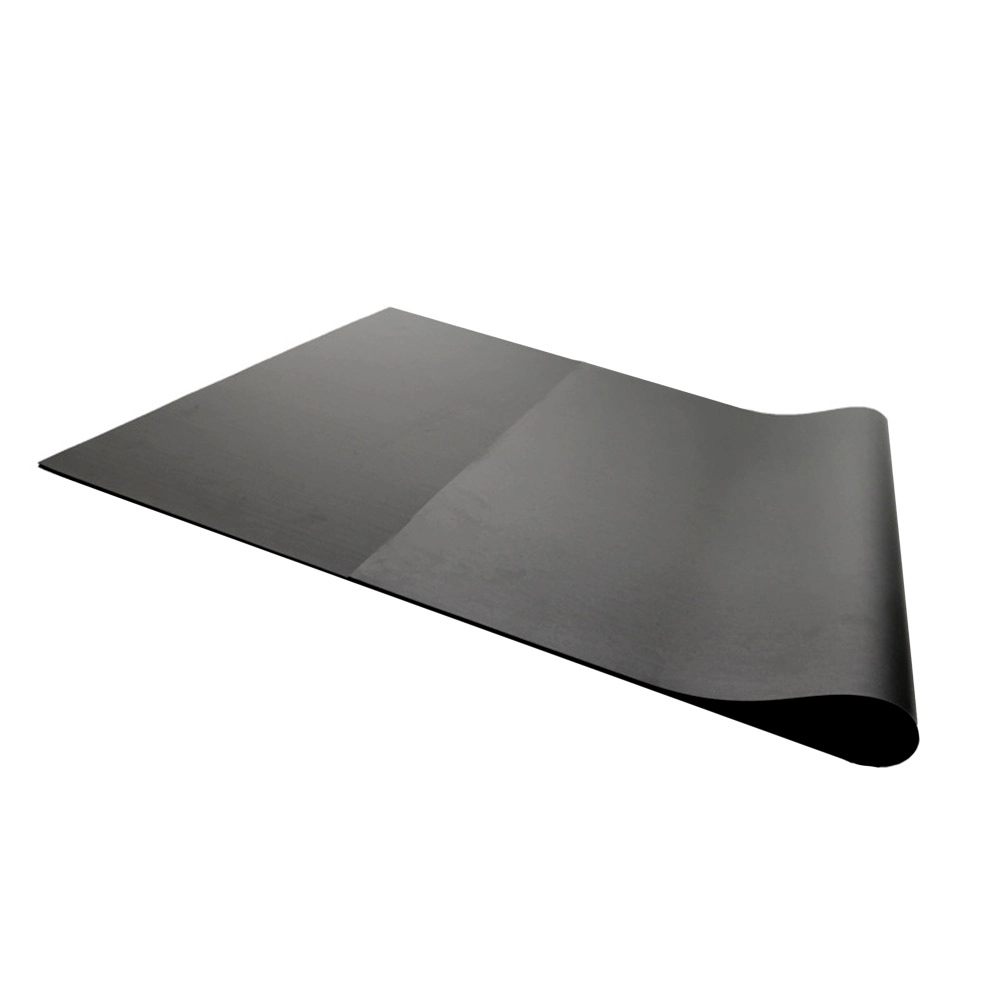
Mass Loaded Vinyl and Moisture Resistance Properties
What is Egg Crate Foam
FAQs
Do ASLONG's products meet environmental protection standards?
Yes, all ASLONG products comply with ISO14001 environmental management system certification and global environmental protection standards. We use environmentally friendly materials and are committed to providing sustainable solutions to help customers achieve green development goals.
What specific functions can ASLONG's products provide?
Our products cover functions such as insulation, sound insulation, shock absorption, waterproofing and sealing, and are widely used in improving energy efficiency, reducing noise, controlling vibration, protecting equipment, etc., helping customers optimize engineering effects and improve user experience.
Does ASLONG provide after-sales service?
Yes, we provide a full range of after-sales services, including technical support, installation guidance, product maintenance and quality tracking, etc., to ensure that each project goes smoothly and continues to perform at its best.
How to customize products that meet the needs of my industry?
You only need to contact our sales or technical team, we will conduct an in-depth analysis based on your industry needs and provide tailor-made products and solutions. We guarantee to provide you with efficient and accurate services to meet your personalized requirements.
What industries are the products provided by ASLONG suitable for?
ASLONG's products are suitable for multiple industries, including air conditioning and HVAC, construction and waterproofing, automobiles and transportation, home appliances and electronics, industrial equipment and machinery, etc. We provide customized solutions for each industry to meet different needs.
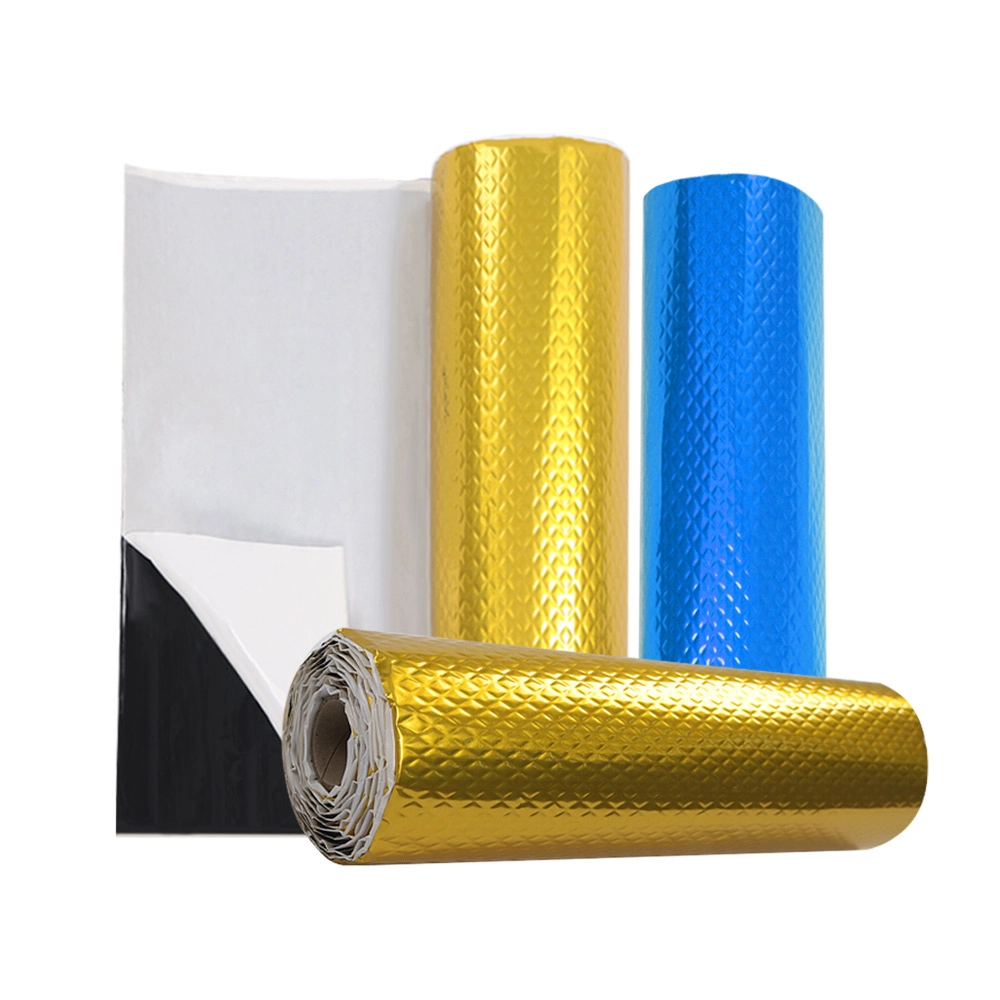
Butyl Rubber Sound Damping Mat
ASLONG Butyl Rubber Sound Damping Mat for sale. Effectively reduces noise and vibrations. High-quality butyl rubber ensures superior performance and durability. Ideal for automotive, industrial, and home applications.
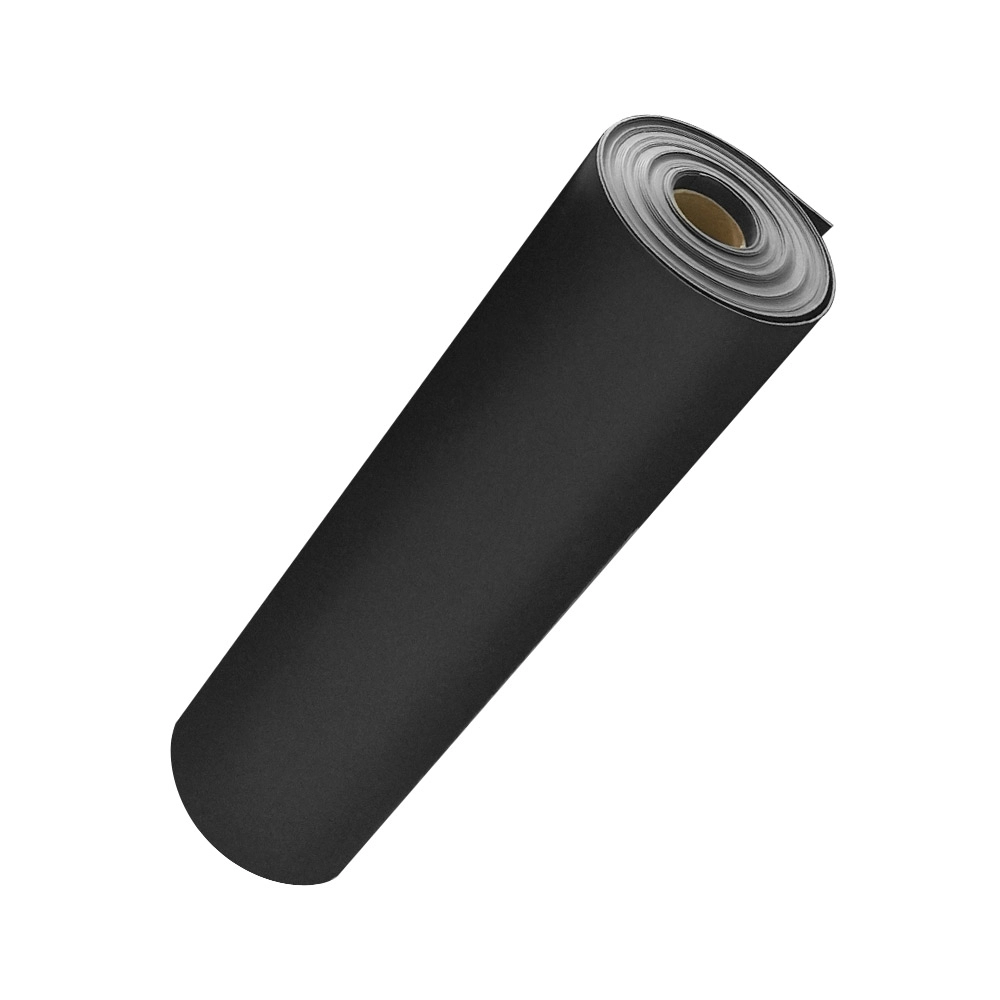
Mass Loaded Vinyl
ASLONG Mass Loaded Vinyl for sale. Reduce noise pollution effectively with our high-quality, mass-loaded vinyl. Ideal for soundproofing walls, floors, and more. Buy now and experience the difference!
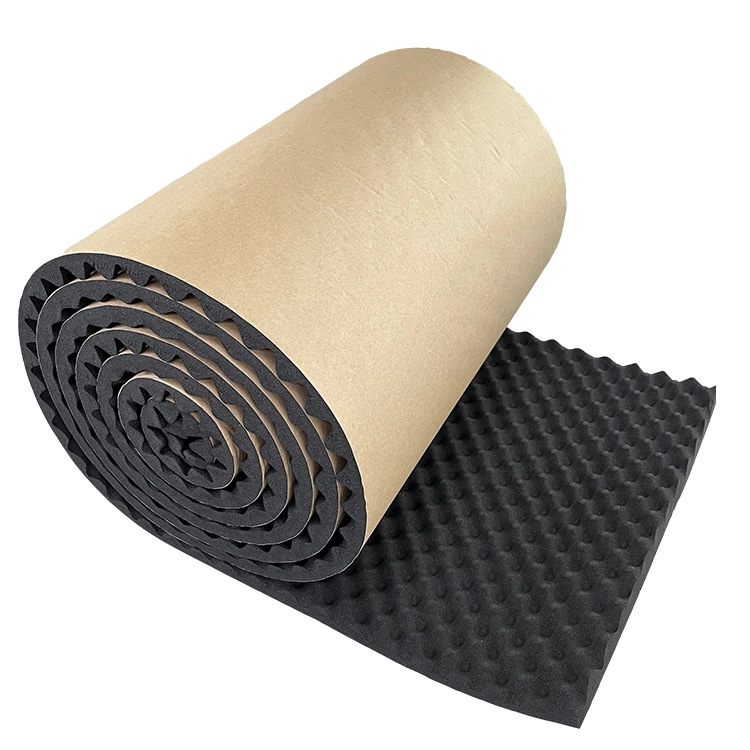
Egg Crate Foam
ASLONG Egg Crate Foam for sale. Lightweight, breathable, and comfortable, our egg crate foam provides superior support and pressure relief. Perfect for mattresses, cushions, cars, construction industry, KTV, factories, etc.
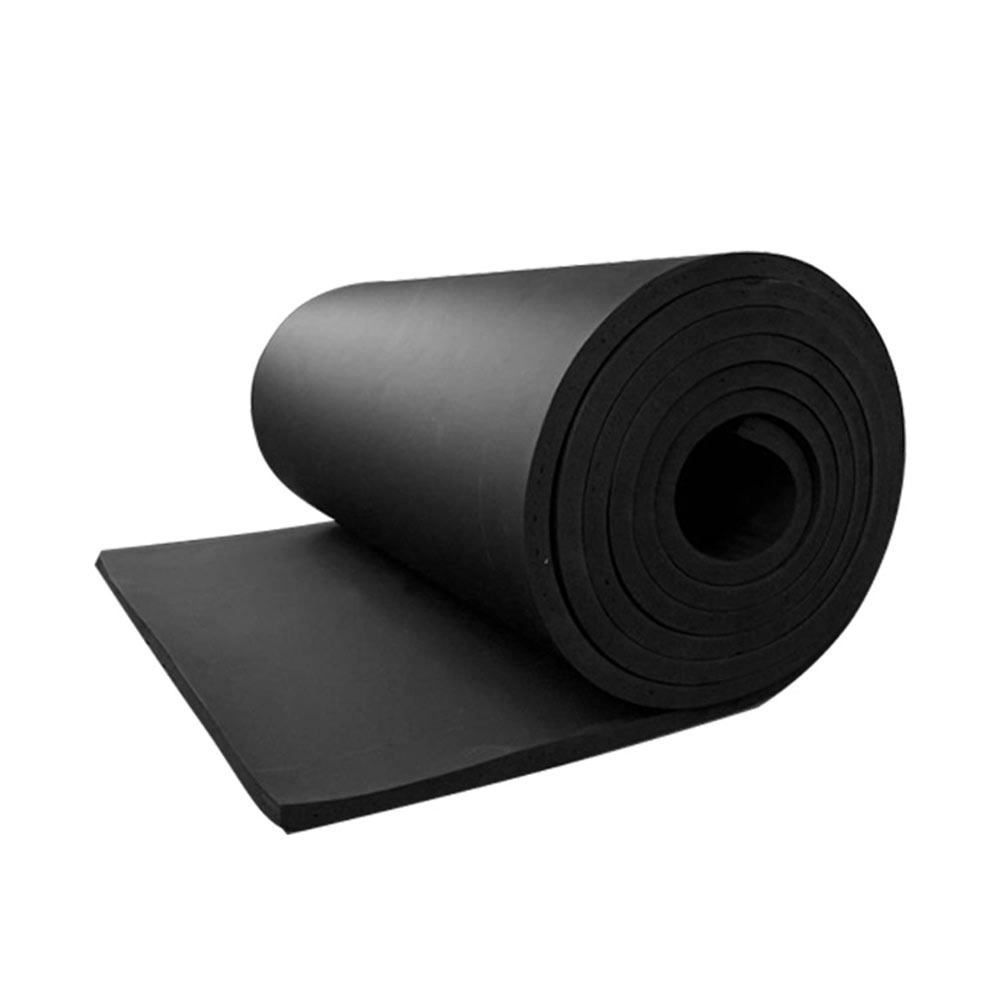
NBR Foam
ASLONG NBR Foam: Wholesale NBR foam solutions for diverse applications. High-quality, durable, and competitively priced. Contact us today for bulk orders.
Professional support at any time
If you have any comments or good suggestions, please leave us a message; later our professional staff will contact you as soon as possible.
© 2026 ASLONG All Rights Reserved. Privacy Policy | Terms and Conditions | Sitemap

 It would be pleasure to receive from you.
Whatsapp: +8613242879341
ASLONG Global
ASLONG
Aslong_global